
Review · PRIVATE DRIVERS
3 Days Private Osaka Kyoto and Nara Tour with English Driver
Three cities in three days, with less stress.
I like the private transportation that keeps you moving, and the English-speaking driver who can translate and help you make sense of what you see. One watch-out is that lunch and some admission costs are not included, so you’ll still need to budget day-to-day.
This is a smart option if you want big-name sights without the squeeze of group tours. You can also adjust the day to what you care about most, since the tour is private. Accommodation is not included, so you’ll want to book where it’s convenient for the morning start you prefer.
In This Review
- Key highlights worth planning for
- Three cities in three days, what that pacing really means
- Private transportation plus an English driver, the real advantage
- Day 1 Osaka: Osaka Castle, Shitennoji, and a day that spans eras
- Day 1 evening Osaka: Shinsaibashi-suji and Dotonbori after the heavy sites
- Osaka aquarium stop, a good break if you want variety
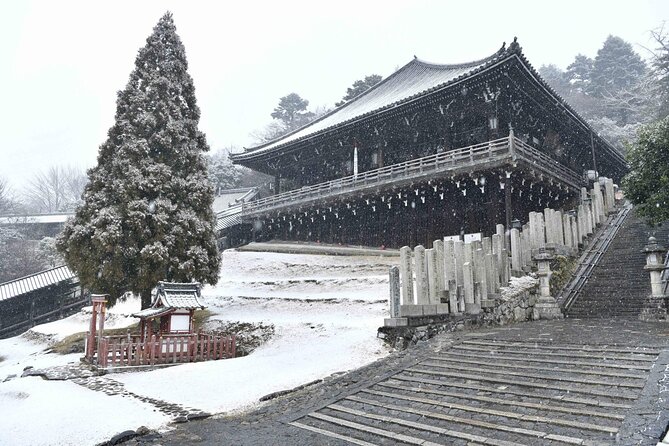
- Day 2 Nara: Todai-ji, deer time, and that temple-to-town flow
- Day 2 Kofuku-ji and the Nara garden pair
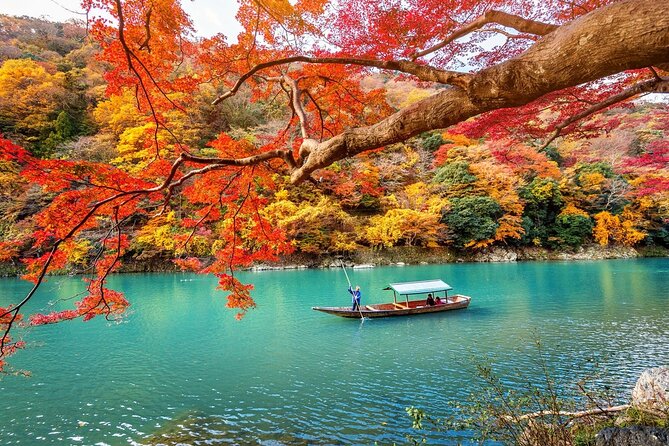
- Day 3 Kyoto: the Arashiyama bamboo-to-bridge start
- Kyoto’s big three: Kinkakuji, Fushimi Inari, and Kiyomizu-dera
- Gion and Sanjusangendo, the Kyoto flavor shift
- Ginkakuji and Nishiki Market: finish with a palate cleanser
- Kyoto Imperial Palace: a calmer last stop before you move on
- Price and logistics, is $1,782.81 per group worth it
- What to ask yourself before you book
- Should you book this 3-day Osaka, Kyoto and Nara private tour?
Key highlights worth planning for
- Private car time-saving between Osaka, Nara, and Kyoto, so you spend less time in transit lines
- English support on the ground, with drivers who have shown real strengths in site explanations and translation
- Many stops are listed as free admission, which helps your trip budget stay under control
- Osaka night culture built into the schedule with Shinsaibashi-suji and Dotonbori
- Temple and garden variety in Nara, mixing Todaiji, deer time, and peaceful garden stops
- Kyoto classics in one loop, from Arashiyama bamboo walks to Kinkakuji and Fushimi Inari’s torii path
Three cities in three days, what that pacing really means
This tour is built for speed, but not in a chaotic way. The idea is simple: you hit the major highlights of Osaka, Kyoto, and Nara, then fill in the rest of the day with related sights close by. When you travel this route under your own steam, the biggest time drain is often logistics, not sightseeing.
With a private setup, the value is that you can keep your day readable. You’re not constantly checking which train to take, which entrance is nearest, or which stop is actually worth the detour. The air-conditioned vehicle and onboard WiFi also matter more than you’d think when you’re hopping across neighborhoods in warm or rainy weather.
More Private Drivers in Osaka
- Airport Transfer from Osaka city to Kansai airport
★ 4.5 · 73 reviews - Universal Studios Japan Entry Ticket with Shared Transfer
★ 4.5 · 49 reviews - Private arrival Transfer from Kansai airport to Osaka city
★ 4.5 · 36 reviews
Private transportation plus an English driver, the real advantage
The biggest win here is the driver. Not just for driving, but for smoothing out the experience so you can focus on the places. One recurring strength from the guide feedback I saw involved English ability and clear explanations, with names like Sha, Basra, Hamzah, and Nomi kk mentioned for making temple and shrine details click.
That said, one concern came up too: one guide (Haider) was described as having limited detailed historical context and weaker help with English-to-Japanese translation. That’s not something you should ignore. If history and translation matter a lot to you, I’d ask your provider ahead of time how they handle deeper site context and language support, and make sure you’re comfortable with how much you expect your driver to explain versus guide you through logistics.
Also keep in mind what kind of private tour this is. It’s not a scripted museum guide with a fixed lecture style. It’s more like an English-speaking companion who helps you move, interpret, and choose what to prioritize.
Day 1 Osaka: Osaka Castle, Shitennoji, and a day that spans eras
Osaka Castle is the opening anchor. Even if you’re not a hardcore castle person, this stop is useful because it gives you a fast, visual sense of how Osaka fits into Japan’s unification era. The park around it is a breather from dense city streets, and going up to the castle keep tower gives you the skyline context that you miss when you only glance from street level.
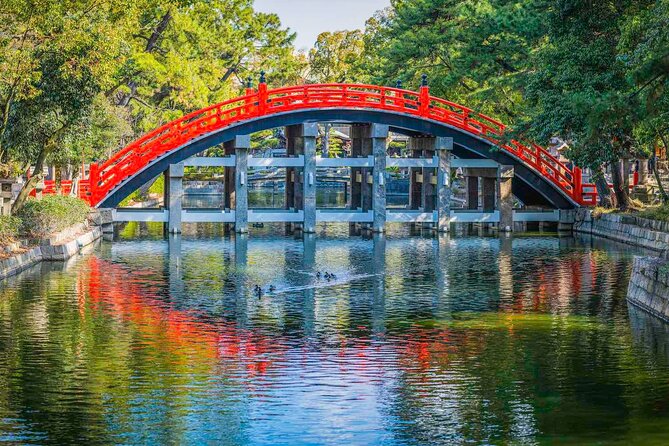
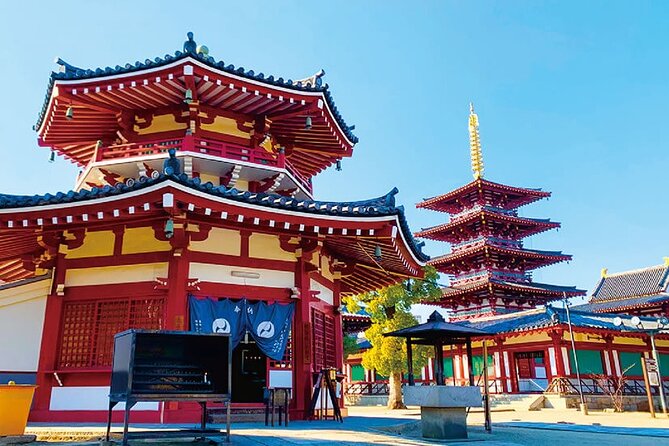
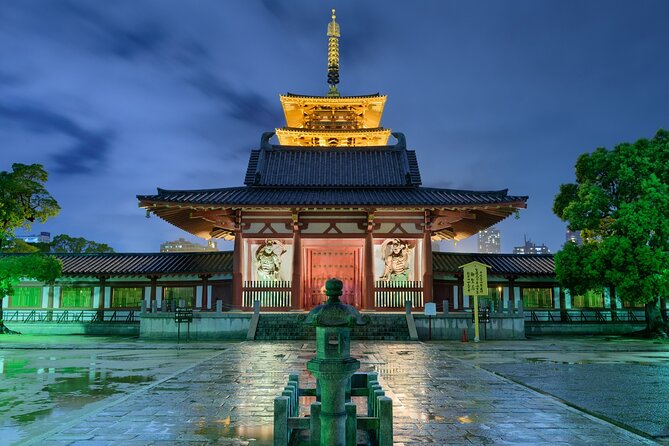
Next is Shitennoji, often described as Japan’s oldest official temple. This is a great contrast stop after the castle. You’re shifting from national power and architecture to religious roots and temple grounds designed for calm and ceremony. The nearby Gokuraku-jodo Garden is a standout if you like garden symbolism, since it’s based on descriptions of the Western Paradise of Amida Buddha.
From there, the schedule swings toward the modern viewpoint at the Umeda Sky Building. There’s also a special note here: the observatory is set up for the Naniwa Yodogawa Fireworks Festival on Saturday, August 3, 2024, with several viewing plans. If you are traveling around festival dates, this can be a fun, high-elevation experience. If not, the stop still works as a convenient evening viewpoint, but you should expect the fireworks angle to depend on your dates.
Then comes Sumiyoshi Shrine, a major Osaka shrine with a feel that changes by season. During hatsumode in early January, it gets extremely crowded with people praying for good luck and drawing paper fortunes. Even outside hatsumode, it’s worth it because it’s one of the shrines people return to for long-running tradition, not trend-chasing.
The day keeps going with the Cup Noodle Museum Osaka Ikeda. This is playful, but it’s also a practical way to get souvenirs that actually tie to what you did that day. Making your own cup noodles is a hands-on activity that breaks up temple fatigue.
Finally, there’s Solaniwa Onsen Osaka Bay Tower. If you like the idea of a warm soak after a full walking day, it’s a smart add. If onsen style doesn’t sound like your thing, use the time to reset instead, because Day 1 still ends with lively shopping and nightlife.
Day 1 evening Osaka: Shinsaibashi-suji and Dotonbori after the heavy sites
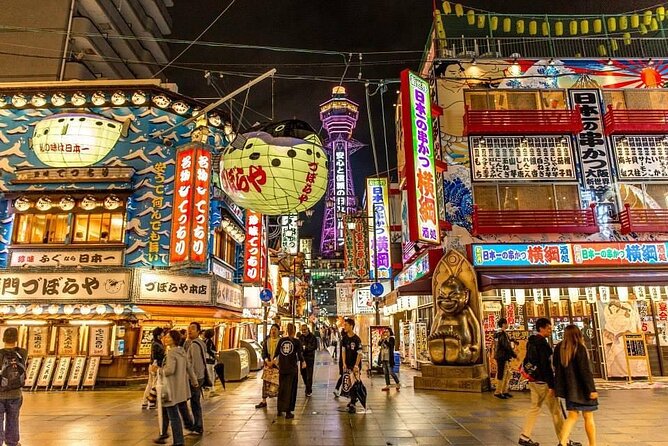
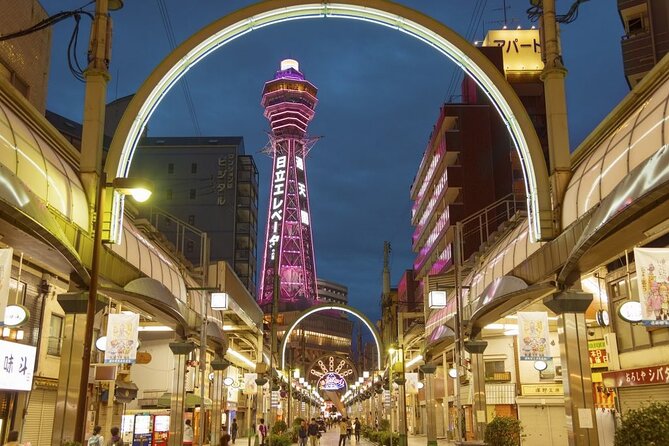
After all the structured stops, you get a more human Osaka. Shinsaibashi-suji Shopping Street is an easy place to roam without needing a shopping mission. It’s roofed, which can help if weather turns. This is also where you’ll find the mix that makes Osaka feel like Osaka, from snack stops to fashion and classic storefront streets.
Then you roll into Dotonbori, Osaka’s neon district, packed with signs and local energy. This is the part that many people remember because it feels less like “sightseeing” and more like street culture. If you’re photographing, the best approach is simple: move with a purpose, shoot in short bursts, and then circle back if you still want more angles.
One more practical thing: your energy will be spent by this point. If you try to do all nightlife stops at once, you’ll end up rushed. The private format helps here, because you can adjust your pace so you still enjoy it instead of just surviving it.
A few more Osaka days to weigh up
- Private arrival transfer from Kansai International airport to Kyoto City
★ 5.0 · 32 reviews - Private Transfer by Sedan from Itami Airport ITM to Kyoto City
★ 4.5 · 31 reviews - Private arrival transfer from Osaka Itami International airport to Kyoto City
★ 5.0 · 26 reviews - Kansai/KIX Airport to or from Osaka/Kyoto Private Transfer
★ 5.0 · 20 reviews
Osaka aquarium stop, a good break if you want variety
The Osaka aquarium slot works as a reset. You’re still in Osaka, but it breaks the day’s pattern of shrines and temples with sea life exhibits. If you’re traveling with kids, aquarium time often becomes the easiest “yes” stop. If you’re an adult who likes animals more than crowds, it can also feel calmer than the street districts.
The aquarium highlights listed include areas like Japan Forest, Antarctica, and the Great Barrier Reef zone, plus whale sharks in the Pacific Ocean section. It’s the kind of stop where you can spend exactly as much time as you want, especially if your driver helps you plan walking routes so you don’t zigzag too much.
Day 2 Nara: Todai-ji, deer time, and that temple-to-town flow
Todai-ji Temple is the showstopper for many people, and for good reason. The Daibutsuden hall houses a massive seated bronze Buddha (Daibutsu), tied to Nara’s historic role as Japan’s Buddhist center. Even if you only have one hour, it’s still a meaningful stop because it’s tied to the story of how political power and religion overlapped in earlier Japan.
Right after that, Nara Park gives you the classic Nara experience with hundreds of freely roaming deer. The trick is managing expectations and your behavior. Deer are part of the landscape, so keep your snack habits neat and be mindful while walking. This stop is also ideal for photos, but it’s not a place you’ll enjoy if you hate wildlife interactions. If you do like animals, it’s a highlight.
Next is Kasuga Taisha Museum. This is a useful pivot from the huge scale of Todaiji to a shrine setting tied to the protection of the city. Kasuga Taisha also has a paid inner area with a closer look at parts of the shrine complex, while the offering hall area is free to visit. If you like a bit of extra detail, it’s one of the clearer “optional spend” opportunities on the route.
Then you get Naramachi, the preserved merchant district feel. The machiya style buildings here make the city feel lived-in, not staged. It’s a good low-key stop when you need a break from big religious monuments, and it often sets you up nicely for the evening calm later.
Day 2 Kofuku-ji and the Nara garden pair
Kofuku-ji Temple focuses you back on Buddhist architecture and the Fujiwara family legacy. The pagodas are landmarks in Nara, and even if you can’t enter them, seeing them from outside gives you the right sense of scale and importance. If you like temple silhouette photography, this is a strong stop.
Then there’s Nara National Museum, which can be your “why this matters” session. The museum emphasizes Japanese Buddhist art, and English explanations are available. It’s a great bridge if you want more context for what you saw at Todaiji and Kasuga Taisha without adding another full temple circuit.
Next is Nara Palace Site Historical Park, a UNESCO-listed reference point to the old capital city layout. If you like imagining how government and daily life worked in earlier times, this helps you connect the dots beyond single buildings.
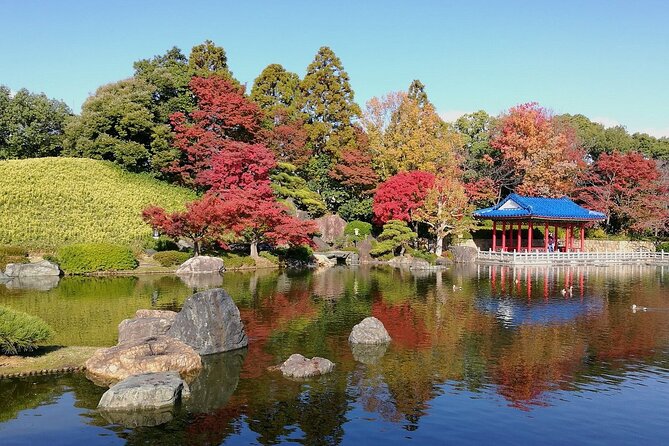
Then you get two garden stops in a row: Isuien Garden and Yoshikien. These are especially valuable if you want a softer side of Nara after temples and museums. Isuien uses borrowed scenery ideas, including the background of Mount Wakakusayama, and uses the Todaiji Nandaimon Gate imagery. Yoshikien is a nice structure because it includes three garden styles and is listed as waiving entry fees for foreign tourists. That combination makes it a smart use of time.
Day 3 Kyoto: the Arashiyama bamboo-to-bridge start
Day 3 begins in Arashiyama, and the way it’s set up makes sense. You start with the recognizable Togetsukyo Bridge, a classic view with the river and hillside behind it. Then you move into the bamboo area where walking paths give you the “bamboo movement” effect when wind stirs the stalks. It’s one of those places where you should slow down. If you rush through it, you miss the atmosphere.
The key practical point is footwear. Arashiyama walking can add up, and the bamboo walk section isn’t exactly flat like a museum hallway.
Kyoto’s big three: Kinkakuji, Fushimi Inari, and Kiyomizu-dera
The next must-see is Kinkakuji (Golden Pavilion). The gold leaf look is the headline, but the deeper value is how it sits over a pond, blending architecture with reflection. It’s one of the most visually direct temples on the list, so even a short stop feels rewarding.
After that, Fushimi Inari Taisha delivers the “walk into the hills” experience with thousands of red torii gates. This is the kind of stop you should treat as a hike. If you only want the first gate cluster for photos, you can do that. If you enjoy climbing gradually and exploring multiple paths, you’ll enjoy it more.
Then you land at Kiyomizu-dera, the famous Pure Water Temple. The standout is the wooden stage that juts out above the hillside. It’s also a UNESCO World Heritage Site, which is meaningful if you like places that have long cultural weight. If you like views, aim to spend enough time on the stage area to take in the tree lines below.
Gion and Sanjusangendo, the Kyoto flavor shift
After the hilltop temples, Gion feels like a reset. It’s the best-known geisha neighborhood area, lined along Shijo Avenue between the Kamo River and Yasaka Shrine. Even if you don’t plan to chase geiko or maiko sightings, wandering the streets gives you a sense of old Kyoto street form.
Then you get Sanjusangendo, known for the 1001 statues of Kannon. The long hall layout makes this stop feel different from the open courtyard temple style. If you’re into devotional art, it’s a compelling shift.
Ginkakuji and Nishiki Market: finish with a palate cleanser
Ginkakuji (Silver Pavilion) is a good follow-up to Kinkakuji because it gives you a different temple mood. It also helps you see how the city’s eastern mountains frame temples and retirement estate traditions tied to Ashikaga Yoshimasa.
Then you head to Nishiki Market Shopping District, often called Kyoto’s kitchen. This is not a “buy only” street, it’s a snack and browse street. It’s ideal for lunch-type grazing, desserts, pickles, knives, and Kyoto food specialties. If you want a practical souvenir that’s edible, this is one of the best places on the route.
Kyoto Imperial Palace: a calmer last stop before you move on
The final stop is the Kyoto Imperial Palace area. It’s enclosed by walls and organized around gates, halls, and gardens. If you’re feeling temple fatigue by Day 3, this works because it’s spacious and park-like, and it connects you back to political history rather than just religious sites.
It’s also an easy closing act because you can control how long you stay. If you want a slower ending, this is a good choice before dinner and packing.
Price and logistics, is $1,782.81 per group worth it
The price is $1,782.81 per group, up to 6 people, for about 3 days. That works out best when you’re splitting the cost with a small group, especially since the tour includes air-conditioned private transportation, WiFi on board, parking fees, and an English-speaking driver.
The big value lever is time. You’re compressing Osaka, Kyoto, and Nara into a schedule that would otherwise require careful planning across stations, buses, and crowded walking routes. If you’re pressed for time and don’t want to spend your trip on transit problem-solving, the private structure can be the difference between enjoying Kyoto and just collecting photos.
Your extra costs are mostly practical ones. Lunch isn’t included, and entry tickets aren’t included in the package terms. That said, many stops here are listed with free admission, including Osaka Castle, Shitennoji, Todai-ji, Nara Park, and several Kyoto temples. The smarter mindset is to expect lunch and any optional paid sections, not to assume everything will be free.
What to ask yourself before you book
Ask yourself these questions and you’ll know quickly if this tour fits:
- Do you want a fixed highlight route with flexibility for preferences, rather than deep focus on one city?
- Do you value an English driver for translation and smoother navigation through busy places?
- Are you okay paying for lunch and any optional entries if you want extra access inside certain areas?
Also, sanity check your expectations about explanations. The strongest examples in the guide feedback I saw came from drivers like Sha, Basra, Hamzah, and Nomi kk who were praised for English and strong context. One weaker example centered on limited detailed explanations and translation support from Haider. That doesn’t mean every departure is the same, but it does mean you should confirm the kind of support you’re expecting.
Should you book this 3-day Osaka, Kyoto and Nara private tour?
Book it if you want maximum highlights with less planning pain, and you like the idea of an English-speaking driver handling the hard parts of moving between cities. It’s especially suitable for first-timers, shorter trips, and anyone who wants to see both major temple shrines and the city sides like Dotonbori and Nishiki Market.
Skip it, or at least reconsider, if you want a slow, deeply focused museum-style experience with heavy scripted historical commentary. Also be cautious if you’re very sensitive to translation quality, since guide performance can vary based on who you get.
If you do book, do one simple thing: plan your priorities before you go. Then let your driver help you steer your day so Osaka Castle is not just a stop, but part of a story you actually care to understand.
Newly listed around Osaka
- 2 Hours of Bar Hopping in Osaka Style★ 5.0 · 22 reviews
- Same-Day Osaka Food Crawl with local food and Hidden gems★ 5.0 · 114 reviews
- Osaka Authentic Local Izakaya Hopping Experience: Food & Drinks★ 5.0 · 99 reviews
- Well-balanced BENTO (lunch box) Cooking Class★ 5.0 · 35 reviews
- Anime Cosplay Photshoot-50 Digital Photos Provided★ 5.0 · 8 reviews
- OSAKA:Feel the Power! Learn Taiko Drum from Professionals★ 5.0 · 28 reviews
- Urban Canvas: Osaka Street Art Bike Tour★ 5.0 · 47 reviews
- Volleyball in Osaka & Kyoto with Locals!★ 5.0 · 21 reviews
Private Drivers, compared.
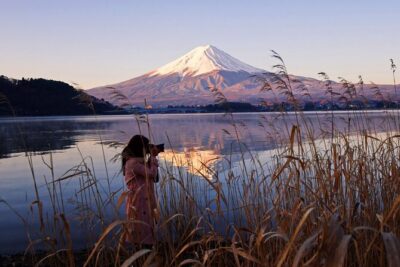
Mt Fuji Private Tour with English Speaking Driver
Read our review →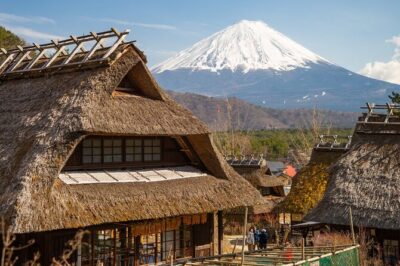
Mt Fuji Private Day Trip from Tokyo with English speaking driver
Read our review →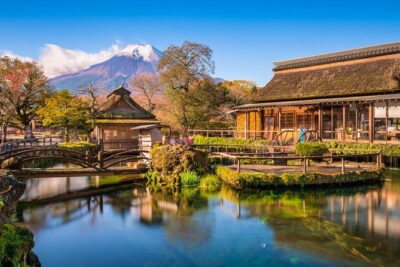
Mt. Fuji & Hakone Private Day Tour with English-Speaking Driver
Read our review →
Haneda Airport (HND) Private Transfer to Central Tokyo
Read our review →
Mt. Fuji, Hakone Full-Day Private Tour with English Driver Guide
Read our review →
Mt. Fuji Day Trip from Tokyo with English Speaking Driver Guide
Read our review →Mt. Fuji Private Tour with English Speaking Driver
Read our review →
Mt. Fuji & Hakone Private Custom Tour English Driver
Read our review →Browse the lists this tour appears in