
Review · JAPANESE COOKING WORKSHOPS
Well-balanced BENTO (lunch box) Cooking Class
Bento making is a small, hands-on culture lesson. This Osaka class at Sakura Cook focuses on dashi first, then guides you through building a complete, balanced lunch in a real bento box setup, finished with complimentary miso soup.
I love the small-group pace, with up to 8 people so you can actually get your hands involved and ask questions. I also love the practice component, especially shaping triangular rice balls with plastic molds and learning how to pack everything so it looks good and eats well. One consideration: the menu centers on specific ingredients like wagyu, shrimp, salmon, egg, mushrooms, and squash, so you’ll want to flag dietary needs when you book.
In This Review
- Key points at a glance
- Sakura Cook Osaka bento class, where cooking turns into culture
- Getting to Banix北堀江 and settling in with your chosen lunch box
- Dashi, the first lesson, and why it shows up everywhere
- Up to seven home-style dishes, built with real cooking techniques
- What you might cook, as the menu teaches the pattern
- Onigiri with plastic molds, shaping rice like it matters
- Bento packing, where flavor balance becomes an art
- Itadakimasu moment, then miso soup to tie it together
- Price and value in Osaka, what $92.24 is really buying
- Who this bento class suits best
- Practical tips you can use right away
- Should you book this Well-Balanced Bento cooking class in Osaka?
- FAQ
- How long is the Well-Balanced Bento cooking class?
- Where does the class meet in Osaka?
- What is the maximum group size?
- What will I cook during the class?
- Do we eat what we cook?
- Is dashi included in the cooking steps?
- Will there be vegetarian or special dietary options?
- Can children join the class?
- When will I receive confirmation after booking?
- What is the cancellation policy?
Key points at a glance
- Dashi comes first so your lunch tastes like it belongs in Japanese home cooking
- Up to seven dishes built using real techniques like marinating, grilling, simmering, and frying
- Triangular onigiri practice with plastic molds, then you finish your own rice balls
- Bento packing coaching to balance flavors, textures, and visual order
- Miso soup included as the simple, local pairing at the end
- Max 8 participants at Sakura Cook for a calmer, more learnable experience
Sakura Cook Osaka bento class, where cooking turns into culture
If you want Japanese food without just watching from the sidelines, this is one of the most practical ways to learn. In about 2 hours 30 minutes, you go from ingredients to a finished bento you can take apart and understand later, like a little food blueprint.
What makes it work is that it is not only about taste. You learn the rhythm of home cooking, from broth basics to quick shaping tricks, and then the part many food tours skip, the packing. You leave with skills you can repeat, even if your kitchen is not exactly like a Japanese cooking studio.
Also, the vibe tends to be calm and focused. Reviews highlight instructors such as Yumi and Fumi as warm and clear, especially when explaining why dashi matters and how the process connects to the dishes you make.
More Cooking Classes in Osaka
- Osaka: Ramen and Gyoza Cooking Class in Dotonbori
★ 5.0 · 378 reviews - Osaka Cooking Class: Okonomiyaki &Japanese cuisines experience
★ 5.0 · 261 reviews - Ramen and Gyoza Cooking Class in Osaka
★ 5.0 · 202 reviews
Getting to Banix北堀江 and settling in with your chosen lunch box
The class starts at Banix北堀江 Japan, 550-0014 Osaka, Nishi Ward, Kitahorie, 3-chōme62 システマギャラリー. It ends back at the same meeting point, so you can plan the rest of your day without extra guesswork.
Right at the start, you choose your favorite lunch box and put on an apron. That small moment matters more than it sounds, because you are going to spend the last part of the class arranging and packing like you mean it.
This is also a small-group experience with a maximum of 8 travelers. For bento classes, smaller is better. You get time to follow steps, and you are less likely to feel rushed when instructors move around to check your work.
Dashi, the first lesson, and why it shows up everywhere
The class begins with traditional Japanese broth called dashi. You do not just make it, you learn the purpose behind it, and how it acts like a flavor backbone for multiple dishes.
In sessions led by instructors like Yumi, the explanation often includes the history and the process behind dashi stock. That context helps you understand why certain dishes taste the way they do, not just how to repeat the steps.
For you, this is the part that upgrades your future cooking. Once you know how dashi fits, you stop treating Japanese flavors as a mystery. You start seeing them as structured, repeatable taste building.
Up to seven home-style dishes, built with real cooking techniques
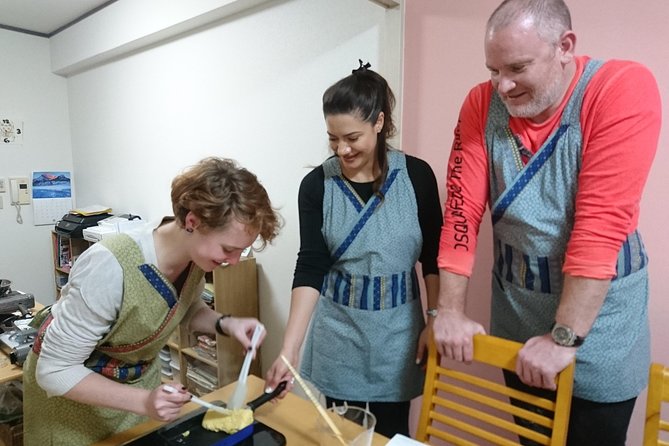
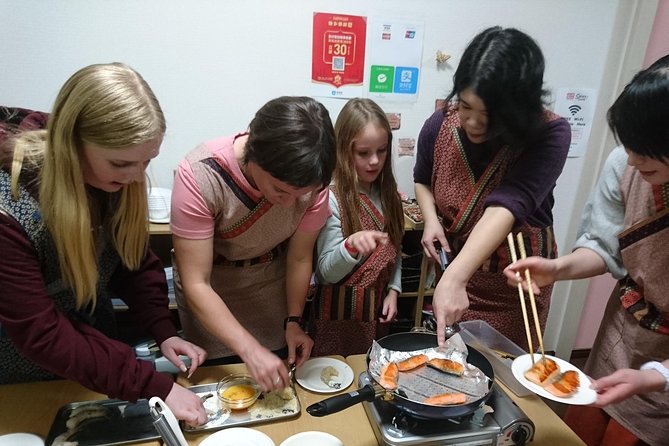
After dashi, the class moves into making a set of classic Japanese dishes that often appear in Japanese homes. You will work with ingredients including wagyu beef, shrimp, salmon, egg, squash, mushrooms, and green vegetables.
The class emphasizes technique as much as ingredients. You practice methods like frying, grilling, simmering, and marinating. That matters because Japanese home cooking is not just about the right products, it is about timing, heat control, and how sauces cling.
You can think of it like learning a toolkit. Even if you do not cook every exact dish again, you still gain methods you can reuse with other proteins and vegetables.
More Cooking Workshops in Osaka
- Osaka: Sumo Stage Show with Bento or Snack + Fight & Photo
★ 4.3 · 364 reviews - Cooking Ramen&Gyoza/KatsuCurry/Bento/Okonomiyaki+Store Tour@Osaka
★ 5.0 · 138 reviews - Three Types of Ramen Cooking Class in Osaka
★ 5.0 · 119 reviews - Osaka: Cooking Class Ramen & Gyoza Course in Nanba
★ 4.9 · 86 reviews
What you might cook, as the menu teaches the pattern
The structure of the class is designed so each dish fits the bento theme. Some components are savory and rich, some lighter, and some bring texture through vegetables and seafood.
You will also make shrimp and wagyu components, plus dishes that use salmon, egg, squash, and mushrooms. The green vegetable dish is there to balance the plate so your bento does not taste heavy by the time you finish the last bite.
Onigiri with plastic molds, shaping rice like it matters
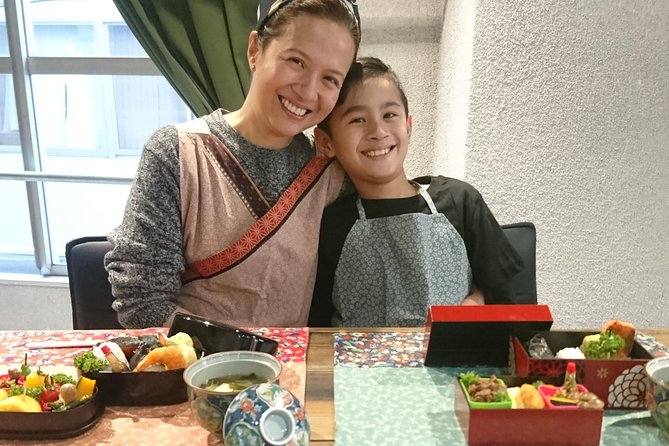
Triangular rice balls, usually called onigiri, are a signature part of this experience. You start with practice using plastic molds to get the shape right, then you complete two rice balls by yourself.
This part is fun because it is tactile and quick. It also teaches a simple but important idea: shape is part of the meal, not decoration. The triangular form is easy to hold, easy to pack, and it keeps portions portioned.
If you care about presentation, this is where you feel that instant win. Your hands do the work, and by the end you have rice balls that look like something you could buy at a station convenience store, except yours are warmer and fresher.
Bento packing, where flavor balance becomes an art
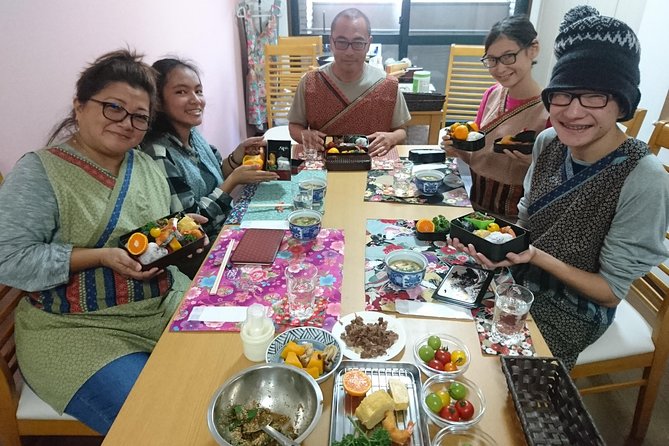
Once the dishes are cooked, the class shifts into packing mode. You place the items into your bento box along with chopsticks, then you add fresh vegetables. The instructor shows how to pack attractively, so you understand the logic behind the layout.
This is the part I value most for real life. Anyone can build a meal. The skill here is making it travel well and eat well. Bento packing nudges you to think about portioning, color variety, and how each bite flows into the next.
Fresh vegetables are specifically part of the end setup. That is a practical choice, not just a pretty finish. It gives you crunch and brightness so the heavier items do not dominate the whole box.
In short, you are learning what Japanese home lunches do naturally. They keep flavors balanced even when the food is not served all at once.
Itadakimasu moment, then miso soup to tie it together
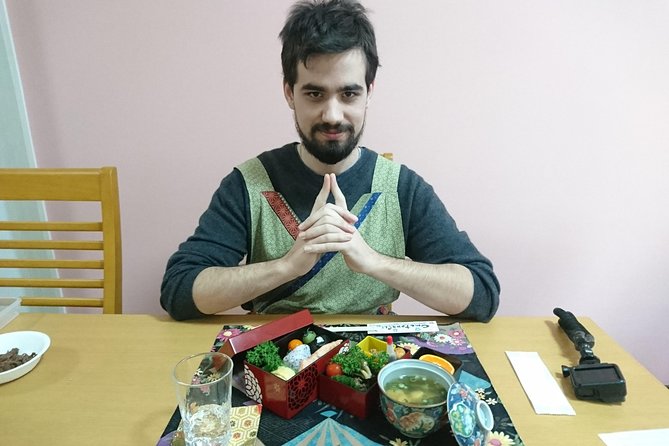
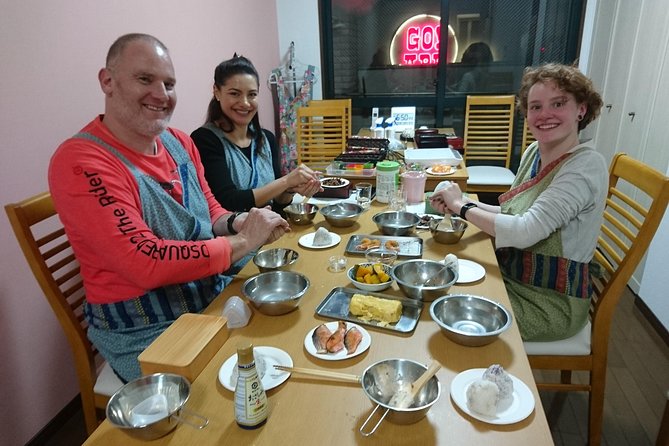
At the end, you put everything together and enjoy the meal you made. You will sit down with your bento, and you also get complimentary miso soup.
The miso soup is not an afterthought. It rounds out the lunch, adds warmth, and helps reset your palate between bites. In Japanese meals, soup often plays that quiet role, and here you learn it firsthand.
When the food is ready, you place the dishes and chopsticks in your box and say Itadakimasu, then eat. It is a small cultural cue, but it makes the experience feel complete, not like a cooking demo.
Price and value in Osaka, what $92.24 is really buying
The price is $92.24 per person for about 2 hours 30 minutes. On paper, that can sound like a lot for one lunch.
In practice, you are paying for several things at once:
- A small-group teaching setup (maximum 8)
- Instruction through multiple techniques, not just one dish
- Cooking and shaping components, including dashi and rice balls
- Ingredients and materials used during the class
- A finished bento meal plus complimentary miso soup
If you like food experiences where you learn skills you can repeat, this pricing starts to make sense. It is closer to a hands-on workshop than a short tasting.
If you are only looking for a quick, low-effort meal, there are cheaper options around Osaka. But if you want to take home a method, a template, and actual onigiri skills, this one is a strong value.
Who this bento class suits best
This class is a great fit if you want to bring home cooking know-how. You get dashi basics, technique practice (frying, grilling, simmering, marinating), onigiri shaping, and packing guidance. That is a lot of learnable content for one sitting.
It also works well for families and kids who enjoy making things. One parent highlighted that the class was easy enough for a 12-year-old to follow, with an instructor making sure everyone could participate in every dish.
If you have dietary restrictions, plan ahead. The class asks you to advise specific dietary requirements at booking, but the core ingredient list includes wagyu, shrimp, salmon, egg, mushrooms, and squash. That does not mean it is impossible, but it does mean you should flag needs early so the kitchen can respond.
Practical tips you can use right away
Go in hungry, because you actually eat what you cook. This is not one of those experiences where you build food and then leave before the real tasting.
Take your time with the bento layout. Even though it is a class and you will likely be guided, you will get more out of it if you notice what the instructor is doing, where vegetables go, and how the savory items are balanced.
And if you care about language, expect warm, clear English. Reviews mention that instructors explain in a warm, to-the-point way, so you are not left guessing what comes next.
If you are booking for later in your trip, keep in mind that you are learning a flow. Doing the class closer to when you plan to eat Japanese food afterward can make it feel even more connected.
Should you book this Well-Balanced Bento cooking class in Osaka?
Book it if you want a hands-on lunch that teaches you how Japanese home cooking works, not just what Japanese food is. The combination of dashi, multiple dish techniques, triangular rice balls, and bento packing coaching gives you skills that stick.
Skip it, or at least reconsider, if your meal must be free of the class’s featured ingredients. Because the menu includes wagyu, shrimp, salmon, and egg among others, you will want to confirm how your dietary needs can be handled when you book.
Overall, this is one of those Osaka experiences that feels practical. You are not only getting a good lunch, you are learning how to make one in a format that fits Japanese everyday life. If that is your goal, you will likely love the results in your hands and in your box.
FAQ
How long is the Well-Balanced Bento cooking class?
The class is approximately 2 hours 30 minutes.
Where does the class meet in Osaka?
The meeting point is Banix北堀江 Japan, 550-0014 Osaka, Nishi Ward, Kitahorie, 3-chōme62 システマギャラリー.
What is the maximum group size?
The experience has a maximum of 8 travelers.
What will I cook during the class?
You’ll learn to make dashi and prepare up to seven classic Japanese dishes using ingredients such as wagyu beef, shrimp, salmon, egg, squash and mushroom, and green vegetables. You’ll also prepare triangular rice balls.
Do we eat what we cook?
Yes. At the end, you enjoy the bento you made, served with complimentary miso soup.
Is dashi included in the cooking steps?
Yes. The class starts with making traditional Japanese broth called dashi.
Will there be vegetarian or special dietary options?
You should advise any specific dietary requirements at the time of booking. The class includes certain featured ingredients, so it is best to communicate your needs early.
Can children join the class?
Children must be accompanied by an adult.
When will I receive confirmation after booking?
Confirmation is received within 48 hours of booking, subject to availability.
What is the cancellation policy?
You can cancel for free up to 24 hours in advance for a full refund. If you cancel less than 24 hours before the start time, the amount paid is not refunded.
Newly listed around Osaka
- Anime Cosplay Photshoot-50 Digital Photos Provided★ 5.0 · 8 reviews
- OSAKA:Feel the Power! Learn Taiko Drum from Professionals★ 5.0 · 28 reviews
- Three Types of Ramen Cooking Class in Osaka★ 5.0 · 119 reviews
- Urban Canvas: Osaka Street Art Bike Tour★ 5.0 · 47 reviews
- Volleyball in Osaka & Kyoto with Locals!★ 5.0 · 21 reviews
- 1.5〜2 Hours Traditional Kintsugi Work Shop in Namba Osaka★ 5.0 · 75 reviews
- Tour in Kyoto with a Certified Guide Pick up from Osaka Port★ 3.0 · 14 reviews
- Takoyaki DIY Cooking in the Heart of Osaka★ 5.0 · 7 reviews
Japanese Cooking Workshops, compared.
Ramen Cooking Class at Ramen Factory in Kyoto
Read our review →
Ramen & Gyoza Cooking Class in Tokyo with Local Supermarket Visit
Read our review →
Ramen Cooking Class at a Ramen Factory with Souvenir
Read our review →
Japanese Washoku Bento Small Group Cooking Class
Read our review →
Sumo Stage Show with Bento or Snack + Fight & Photo
Read our review →
Ramen and Sushi Cooking Class with Sake Pairing Set in Tokyo
Read our review →Browse the lists this tour appears in