
Review · SHIRAKAWA-GO VILLAGE TRIPS
From Kanazawa: Shirakawa-go, Gokayama and Wood Carving Art
The day starts with carved wood and ends with thatched rooftops. I love how the tour links living craft (Inami) with UNESCO villages (Gokayama and Shirakawa-go) in just one long day. I also like the hands-on paper-making stop, which turns the scenery into something you can take home. The one potential drawback: lunch is not included, and the day can feel tightly timed if you’re picky about meals.
You’ll ride a bus through Hokuriku’s mountain country, with built-in guided time at each major stop and enough free time to wander on your own. If you’re the type who enjoys small details like carved animals on temple gates and even the little town cat hiding spots, this route will click fast. Just know this is a day trip with a lot packed in, so dress for cold and keep your camera ready.
In This Review
- Key points that make this tour worth your time
- Inami and Zuisenji: where woodcarving stops being a souvenir
- How the guided stops help you notice more (without rushing you)
- Gokayama’s Ainokura: paper-making you can actually keep
- Shirakawa-go: UNESCO village time with a real inside look
- Matcha at Shima: a heritage pause between heavy hitters
- Timing, comfort, and the Kanazawa to Takayama options
- Price and value: is $180 fair for what you get?
- Who should book this tour, and who might not love it?
- Should you book From Kanazawa: Shirakawa-go, Gokayama and Wood Carving Art?
- FAQ
- What time does the tour start from Kanazawa Station?
- Where do I meet the guide?
- How long is the tour?
- Where does the tour drop off at the end of the day?
- Is lunch included?
- What is included in the price?
- What paper-making dates should I know about?
- How much free time do I get in Shirakawa-go?
- Do I need to pay for temple or workshop fees separately?
- What if an activity is unavailable on my date?
Key points that make this tour worth your time
- Inami woodcarvers on a real main street, not just a demo corner
- Zuisenji Temple’s carved gates and animal motifs, plus the story behind the rebuild
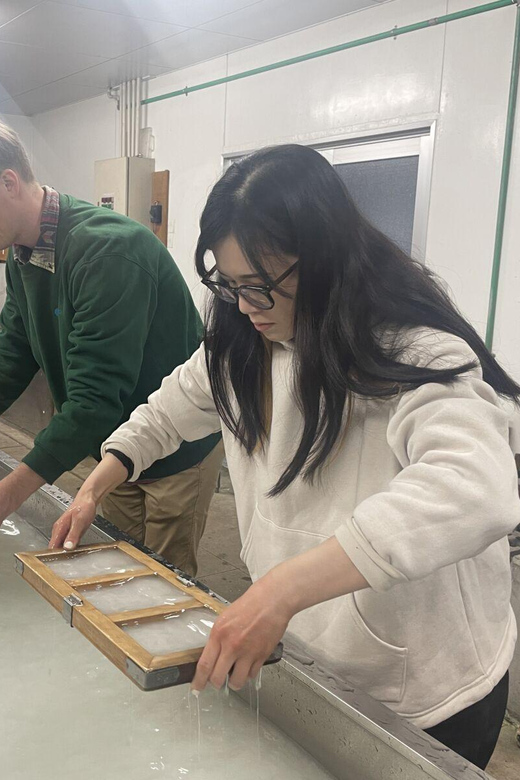
- Ainokura washi paper-making using traditional methods, with your hands literally involved
- Shirakawa-go guided walk and inside visit to a thatched-roof house
- A good mix of guided time and free time, so you can zoom in and also slow down
- A heritage matcha experience at Shima is listed as part of the highlights
Inami and Zuisenji: where woodcarving stops being a souvenir
The first leg of the day takes you out from Kanazawa into the mountains, then into a small town known for working wood for generations. Inami is famous for woodcarving, and the scale is real: the area has over 100 professional traditional woodcarvers. That matters because you’re not looking at craft as something staged for tourists. You’re seeing it as part of everyday shop life.
When you get off the bus, the route down the main street is basically a teaser. Many shops display carved examples, including pieces that are tied to Japan’s national historic treasure category. And yes, you’ll be hunting for cats. The town association says there are 32 hidden cats, and lots of stores have made their own versions tucked into surprising spots. It’s a small thing, but it’s exactly the kind of local touch that makes a countryside village feel playful instead of purely instructional.
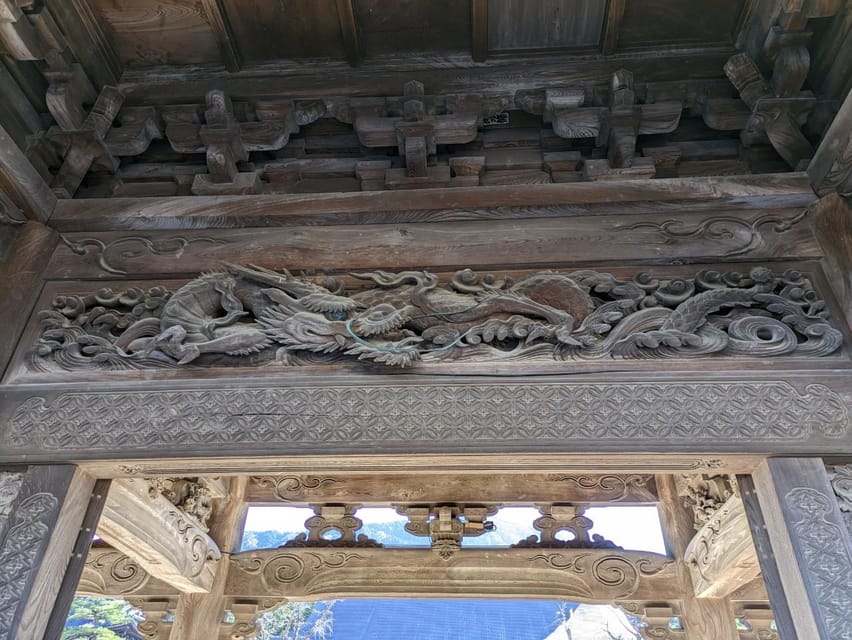
The highlight here is Zuisenji Temple, which you reach by following the street toward those giant walls. Approaching it can feel like you’re about to enter a castle. The temple originally dates back to the 1300s, but it burned in 1735. The rebuilding brought in a famous wood carver from Kyoto, and that history shows in the work you see today.
What I like about Zuisenji is the detail level. The carvings aren’t limited to one gate or one feature. You’ll see intricate patterns and scenes across structures on the grounds, including dragons, lions, elephants, and other animals. The carvings also create depth, so the more you look, the more you notice. It’s a great stop if you like to compare styles and techniques, not just snap a photo and move on.
One practical note for this part: the tour includes entry to Zuisenji, so you don’t waste time negotiating tickets. But you do want to wear comfortable shoes because the temple grounds are the kind of place where you’ll keep circling back to admire one carving again.
Shirakawa-go Village trips readers book most in Kanazawa:
How the guided stops help you notice more (without rushing you)
This tour does a smart thing: it combines guided explanation with real time to walk. That balance is what keeps a day like this from turning into a nonstop bus tour.
In Inami, the guide points out what to look for as you walk the main street and approach Zuisenji. That helps you spot the kind of carved items you might miss if you were wandering alone. I also like the tone from the guides described in past departures, because the best ones don’t just list dates and facts. They connect the village craft to why the temple looks the way it does.
Another small benefit is comfort. Even when weather turns rough, the format is set up so you return to the vehicle between stops. That matters in Hokuriku’s winter and shoulder seasons, when you can go from crisp air to wet cold fast.
If you’re traveling with kids, this guided pacing can also work well because it gives you structure without killing the fun. Cat-hunting, temple details, and craft shops are easy wins for younger attention spans.
Gokayama’s Ainokura: paper-making you can actually keep
After Zuisenji, the route heads toward Gokayama, one of the two UNESCO World Heritage areas tied to this region’s traditional mountain communities. The first village stop is Ai-no-kura, often called Ainokura, and the vibe shift is immediate.
Ainokura is described as secluded, and that isolation is the point. This wasn’t just scenery. The village was tied to the economic life of the whole domain, with agricultural production and sake, plus industrial work that included gunpowder and paper. That background lands perfectly right before you do the workshop.
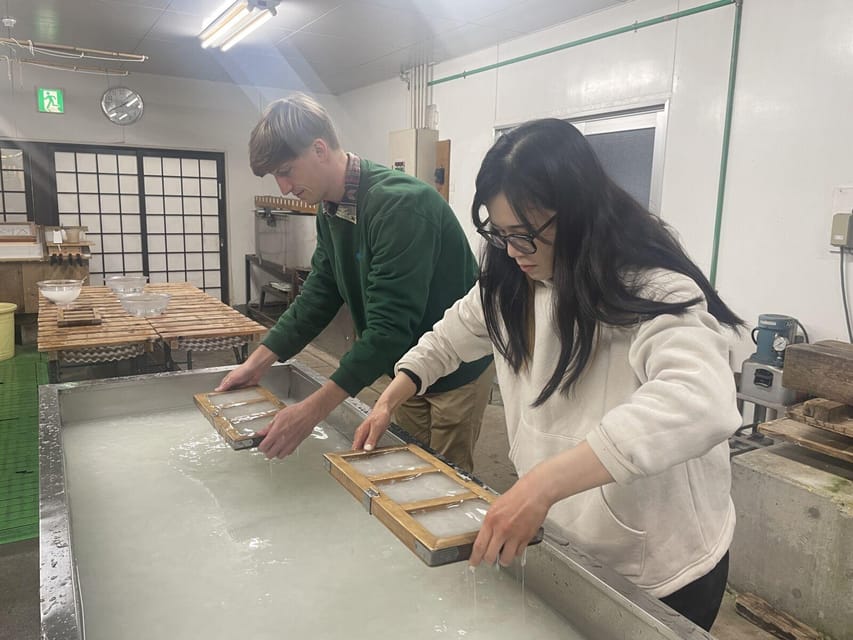
The paper-making experience is one of the tour’s most memorable parts because it’s hands-on. You’ll get your hands wet as you make paper using traditional Japanese methods. This is not a quick craft where you stamp something and call it done. The process is the souvenir. You’ll come away with a feel for what makes washi different, and you’ll see why paper production mattered enough to support whole communities.
Timing is usually structured so you get 75 minutes here, which gives you enough time to participate without feeling like you’re racing the clock. Still, I recommend you manage expectations: your pace depends on the workshop flow, and availability can shift based on the day.
Lunch is the one potential snag in this segment. Lunch is not included, and the tour notes it is usually time for lunch in Ainokura, but sometimes it may be in Inami depending on circumstances. If you’re worried about dietary needs or specific preferences, bring your own lunch. It’s the simplest way to stay relaxed. If you don’t, you might end up eating whatever is available that day.
There’s also a seasonal detail you should plan around. From December 27 to January 3, the paper-making experience does not run, so you won’t get that specific hands-on portion during that window. If you’re traveling those dates and washi is your main reason for booking, check the schedule carefully before you commit.
Shirakawa-go: UNESCO village time with a real inside look
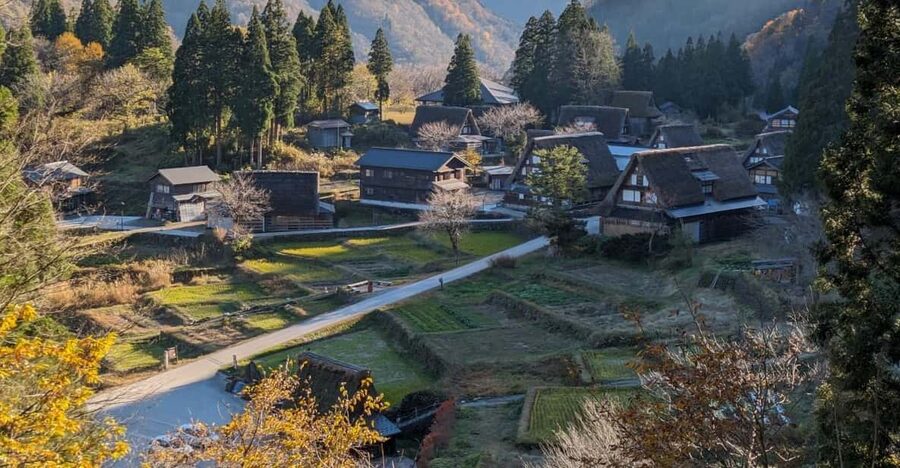
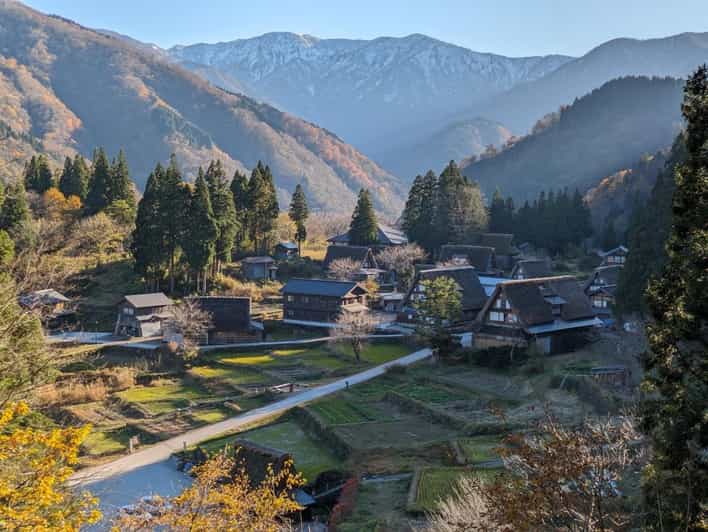
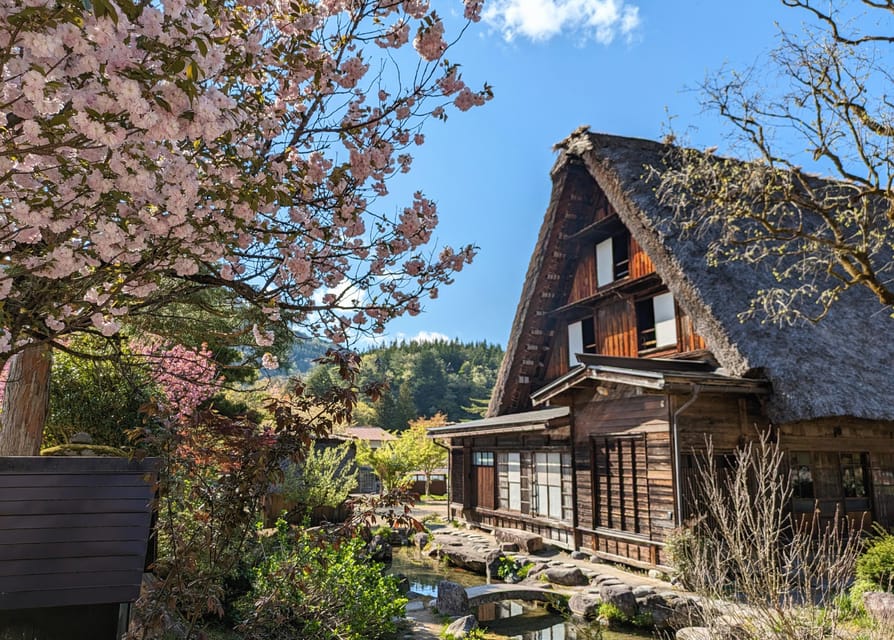
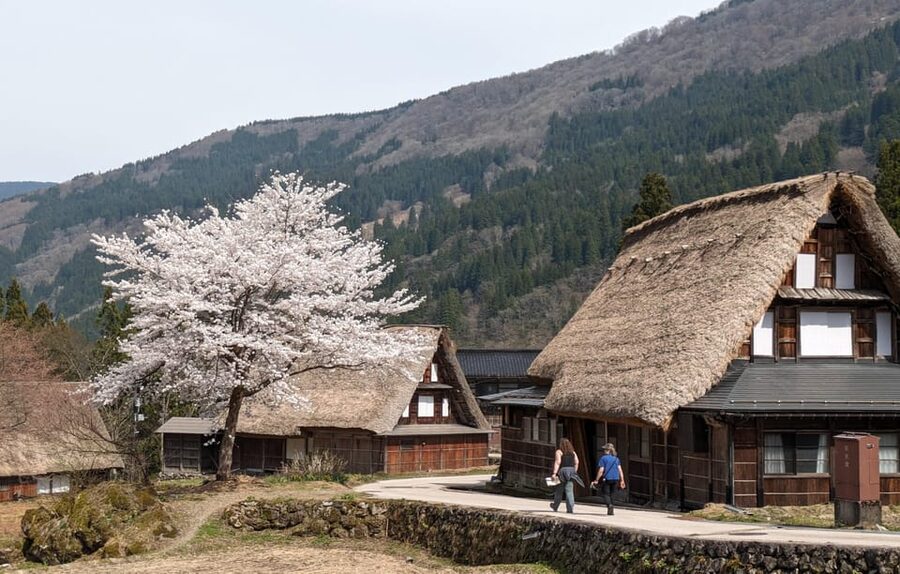
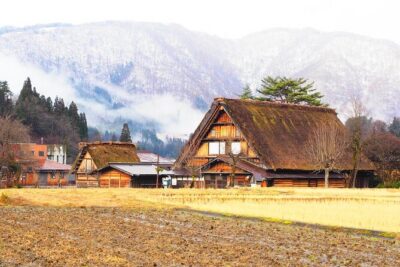
Then the tour moves to Shirakawa-go, the best-known UNESCO village in the area, famous for those picturesque gassho farmhouses. The bus ride to get there is long enough that you can reset your energy. In practice, this stop is where a lot of people feel the payoff for the whole day because it looks exactly like the classic postcards, only you’re seeing it in person.
Here’s how the tour makes this worthwhile beyond walking streets: you get a guided town tour along the main street and you also enter a thatched-roof house. That inside visit changes how you understand the architecture. It stops being a view and becomes a home design problem: structure, insulation, and how people lived in a snowy region.
You’re also given free time (about 2 hours) to explore on your own. That’s the sweet spot. Guided time helps you focus on the right places, but free time lets you take your own route, find viewpoints at your speed, and shop or snack without feeling glued to the guide.
One honest consideration: Shirakawa-go can be crowded. Even though this tour tries to structure the timing well, the village is a magnet for visitors. If you’re sensitive to crowd density, you’ll still enjoy it most if you take a slow approach during your free time: walk deeper into side streets, stop often, and use your guided orientation to avoid spending free time wandering in circles.
A few more Kanazawa days to weigh up
- Kanazawa: Kenrokuen Tea Ceremony Experience
★ 4.8 · 1,139 reviews - Kanazawa Half Day Tour (Private Guide)
★ 5.0 · 361 reviews - Kanazawa Full Day Tour (Private Guide)
★ 5.0 · 323 reviews - World Heritage Shirakawa-go Perfect Guided Tour from Kanazawa
★ 5.0 · 220 reviews
Matcha at Shima: a heritage pause between heavy hitters
One of the highlights is a matcha experience at Shima, described as a heritage site with classic architecture. Even though the schedule details for this stop can vary by day, think of it as a cultural breather in the middle of a high-intensity day.
A matcha break fits this route for two reasons:
- It cools down the senses after craft and walking outdoors.
- It adds a different kind of traditional culture, so the day isn’t only about architecture and manual trades.
If you love tea culture, this stop can be a nice payoff. If you’re not big on tea, treat it as a chance to rest, people-watch the atmosphere, and reset your camera battery and legs.
Timing, comfort, and the Kanazawa to Takayama options
This is a full-day format built around bus transfers. It starts at 9:00 A.M. from Kanazawa Station, and there’s a seasonal change: starting June 1, the tour start time becomes 8:30 A.M. That earlier departure can help with crowd timing and gives you a slightly longer window to enjoy the morning stops.
Meeting point is at Kanazawa Station, near the Information Center by the Shinkansen Ticket Gates, with bus boarding at the bus terminal on the Kanazawa Port side of the station. From there, you ride through the Hokuriku mountain region and arrive in the first village area around an hour later.
At the end of the day, the bus ride back to Kanazawa is a little over an hour, and you should arrive back between 6:00 and 6:30 P.M. depending on traffic.
There’s also a routing choice that matters for planning your next night. Drop-off options are listed as Kanazawa Station and Takayama Station. If you’re continuing your Japan trip toward Takayama, this can be a big convenience because you might not need to book another separate transfer later.
One practical travel tip: this day involves outdoors time in small villages. Bring layers. Even when the vehicle is comfortable and warm on the ride, you’ll still spend time walking temple grounds and village streets.
Price and value: is $180 fair for what you get?
At about $180 per person, this tour sits in the mid-to-higher range for a day trip. The value comes from the combo of three things that cost money and time on your own:
- Transport to multiple rural areas, including the UNESCO stop
- Guided access at key places, including Zuisenji entry and guided town time in the UNESCO village
- A paid workshop (the washi paper-making experience fee is included)
If you tried to DIY this, you’d likely spend a chunk of your day coordinating buses or trains, then still pay for temple entry and workshop fees. The tour basically compresses that logistics work into one smooth day.
Is it perfect value? It depends on your travel style. If you enjoy craft and don’t mind a packed schedule, you’re paying for access plus interpretation, and that’s exactly what you want for places like carved temples and UNESCO interiors.
If you’re the type who prefers long, slow wandering with no structure, you might feel the pace is a bit intense. One review did flag the experience as feeling less comfortable in a more crowded vehicle setup. So if claustrophobia or cramped seating is a concern for you, consider that this price buys a route, not luxury space.
Who should book this tour, and who might not love it?
I’d recommend this day trip if you:
- Want woodcarving and traditional craft in more than one form, not just one stop
- Care about learning what you’re looking at, especially in Zuisenji and the UNESCO interiors
- Like hands-on cultural activities, with the washi paper-making being the big reason
It’s also a good fit if you’re visiting Kanazawa and want a change of pace into rural villages without adding hotel nights.
You might hesitate if:
- Lunch matters a lot to you and you don’t want to plan around not having it included
- You strongly prefer fewer transfers and more breathing room
- You’re traveling December 27 to January 3 and werehi paper-making is your must-do
Should you book From Kanazawa: Shirakawa-go, Gokayama and Wood Carving Art?
If your dream day includes Inami woodcarvers, the carved grandeur of Zuisenji, and the chance to make washi paper with your own hands, I think booking is an easy yes. The tour’s strongest feature is the way it connects different kinds of tradition in one loop, so the UNESCO portion doesn’t feel like a random add-on.
My deciding tip: bring your own lunch if you have specific needs, and plan on layers for village walking. If you do those two things, this day becomes a very satisfying cultural sprint, with enough guided help to make it meaningful and enough free time to make it yours.
FAQ
What time does the tour start from Kanazawa Station?
The tour starts at 9:00 A.M., and from June 1 the start time changes to 8:30 A.M.
Where do I meet the guide?
The meeting point is near the Information Center at Kanazawa Station by the Shinkansen Ticket Gates, and it may vary depending on the option booked.
How long is the tour?
It runs as a 1-day experience. The tour is scheduled to bring you back to Kanazawa between 6:00 and 6:30 P.M. depending on traffic.
Where does the tour drop off at the end of the day?
The tour lists two drop-off options: Kanazawa Station and Takayama Station.
Is lunch included?
No, lunch is not included. The schedule notes there may be time for lunch in Ainokura, but it may also be in Inami depending on circumstances, so bringing your own lunch can help.
What is included in the price?
Included items are transportation to and from Shirakawa-go and all other destinations, an English speaking guide, entry fee at Zuisenji Temple, guided tours at Inami and Shirakawa-go, and the fee for the Japanese paper-making experience.
What paper-making dates should I know about?
From December 27 to January 3, there is no papermaking experience on those days.
How much free time do I get in Shirakawa-go?
You get free time in Shirakawa-go for about 2 hours.
Do I need to pay for temple or workshop fees separately?
No. Zuisenji Temple entry and the Japanese paper-making experience fee are included.
What if an activity is unavailable on my date?
The tour states activities are subject to availability, and if something needs adjustment or is unavailable, the provider will contact you promptly to discuss suitable alternatives or amendments.
Newly listed around Kanazawa
- Kanazawa: Private Custom Tour with Local Guide★ 4.9 · 20 reviews
- Kanazawa: Private Food Tasting Walking Tour★ 4.7 · 25 reviews
- Kanazawa Night Foodie Tour★ 4.5 · 6 reviews
- Kanazawa “Near Ninja Temple” : Japanese Calligraphy Class★ 5.0 · 13 reviews
- Kanazawa Half Day E-bike Tour★ 5.0 · 81 reviews
- Kanazawa: Half-Day Private Tour – Garden, Castle, Geisha★ 5.0 · 10 reviews
- Kanazawa Night Tour With Full Course Meal★ 4.9 · 16 reviews
- Kanazawa Historic Brewery: Fermentation Tour, Tasting, Lunch★ 4.9 · 15 reviews
Shirakawa-go Village Trips, compared.
World Heritage Shirakawa-go and Experience Tours from Kanazawa
Read our review →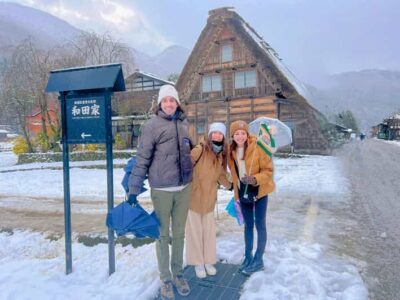
World Heritage Shirakawa-go Morning Guided Tour
Read our review →
World Heritage Shirakawa-go & Two Local Experience
Read our review →
1 Day Private Charter Tour to Shirakawa-go & Takayama
Read our review →![[One-day bus tour departing from Kanazawa Station] Shirakawa-go and Gokayama – Two World Heritage Villages Enjoyable Bus Tour](https://pic3.japaneseguides.com/wp-content/uploads/one-day-bus-tour-departing-from-kanazawa-station-shirakawa-go-and-gokayama-two-world-heritage-villages-enjoyable-bus-tour-400x267.jpg)
[One-day bus tour departing from Kanazawa Station] Shirakawa-go and Gokayama – Two World Heritage Villages Enjoyable Bus Tour
Read our review →
World Heritage Shirakawa-go Perfect Guided Tour from Kanazawa
Read our review →Browse the lists this tour appears in