
Review · MATCHA & TEA CEREMONY SESSIONS
Kanazawa: Kenrokuen Tea Ceremony Experience
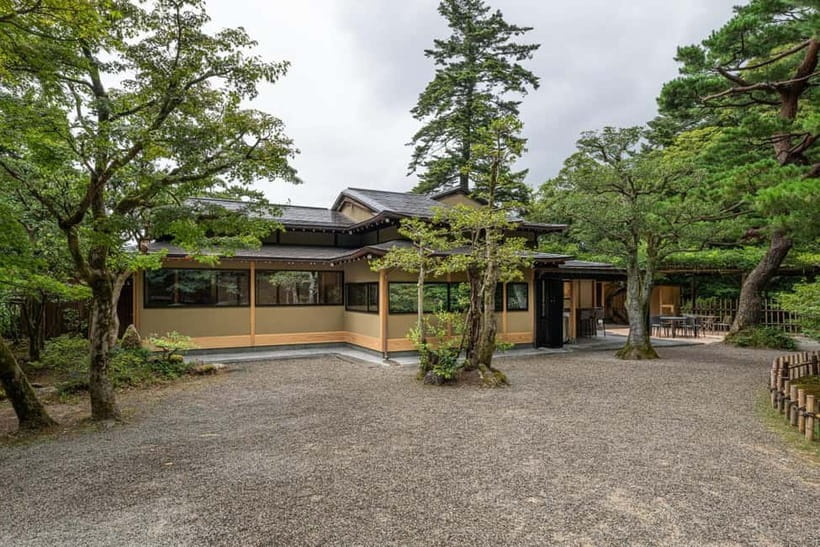
Matcha feels different in Kenrokuen. In this 1-hour tea ceremony at Kenrokutei, you’ll watch the steps closely, then try making your own matcha, with wagashi sweets to balance the flavors. The one catch to plan for is that the Kenrokuen garden entrance fee is extra, and the tea room itself does not give you a garden view.
I like how this experience keeps things formal and respectful without leaving you lost. You get clear instructions on how to act and behave in the tea room, which makes the whole ritual feel doable instead of intimidating. It’s peaceful too, with a quiet atmosphere meant for the ceremony, not sightseeing interruptions.
One practical consideration: you sit on the floor, but you can request a chair if you have trouble kneeling or sitting low. Also, be on time, because arriving more than 10 minutes late after the start time means the reservation is canceled.
In This Review
- Key Things I’d Prioritize in This Tea Ceremony
- Why Kenrokuen, Not a Random Tea Shop, Makes This Feel Worth It
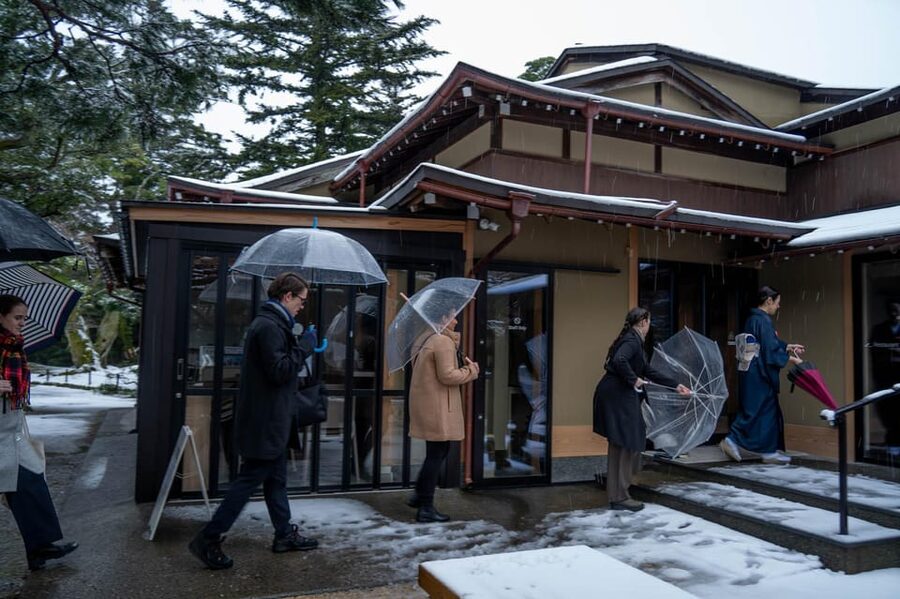
- Entering Kenrokutei: Meeting Point, Timing, and How to Not Feel Awkward
- The One-Hour Tea Ceremony Flow: What You’ll Watch and Why It Matters
- Making Your Own Matcha: The Part That Usually Becomes Your Favorite
- Wagashi and Matcha Together: A Small Taste Lesson in Japanese Flavor
- Photography in the Tea Room: Capture Memories Without Disrupting the Calm
- Plan Kenrokuen Before or After: The Garden Ticket You Must Add
- Price and Value: Is $35 for an Hour of Matcha Fair?
- Who Should Book, and Who Might Want a Different Activity
- Should You Book This Kenrokutei Tea Ceremony?
- FAQ
- How long is the Kanazawa Kenrokuen Tea Ceremony Experience?
- Is Kenrokuen Garden admission included in the price?
- Where do I meet for the tea ceremony?
- Is the tea ceremony taught in English?
- Can I take photos during the ceremony?
- Can I request a chair if I can’t sit on the floor?
Key Things I’d Prioritize in This Tea Ceremony
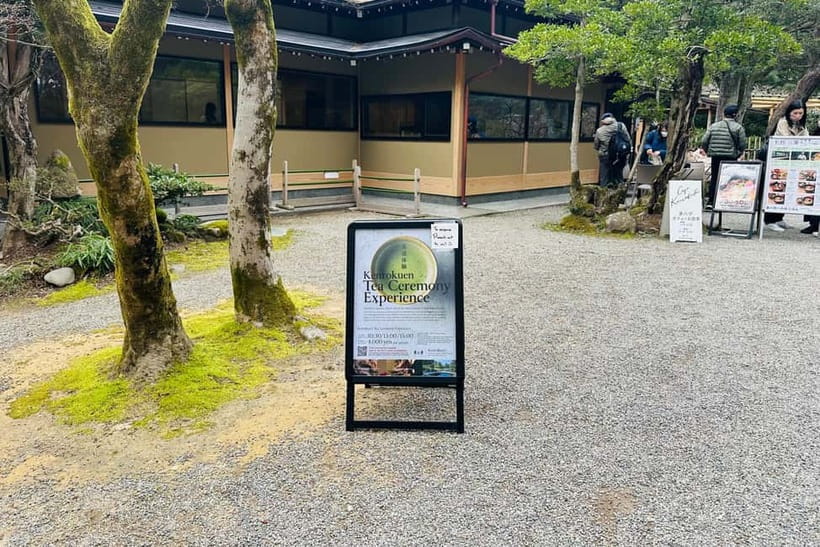
- Kenrokutei setting tied to Lord Maeda: You’re learning inside a historic tea house space meant for honored visitors.
- You get hands-on matcha: You watch, then you whisk your own tea with guidance.
- Formal etiquette, explained in English: Instructions are built to help you participate correctly.
- Wagashi tasting with your tea: You’ll taste a few sweets made by a well-known confectioner.
- Photos are allowed: You can keep a memory without feeling rushed.
- Plan for separate Kenrokuen entry: The 320 yen garden fee is required separately, and the tea room hides the view.
Why Kenrokuen, Not a Random Tea Shop, Makes This Feel Worth It
Kenrokuen is one of Kanazawa’s big-name stops, and the ceremony here borrows that same sense of care. Instead of doing tea on the edge of a street, you meet at Kenrokutei, a historic tea setting inside the garden grounds. The place is connected to entertainment for important visitors connected to Lord Maeda, so the setting makes the ritual feel less like a show and more like a preserved tradition.
The best part for me is the context. A tea ceremony is not just about drinking matcha. It’s about pacing your attention, using your body in a precise way, and understanding why the little steps matter. Doing it in a space that was built for refined hospitality helps you buy into that mindset fast.
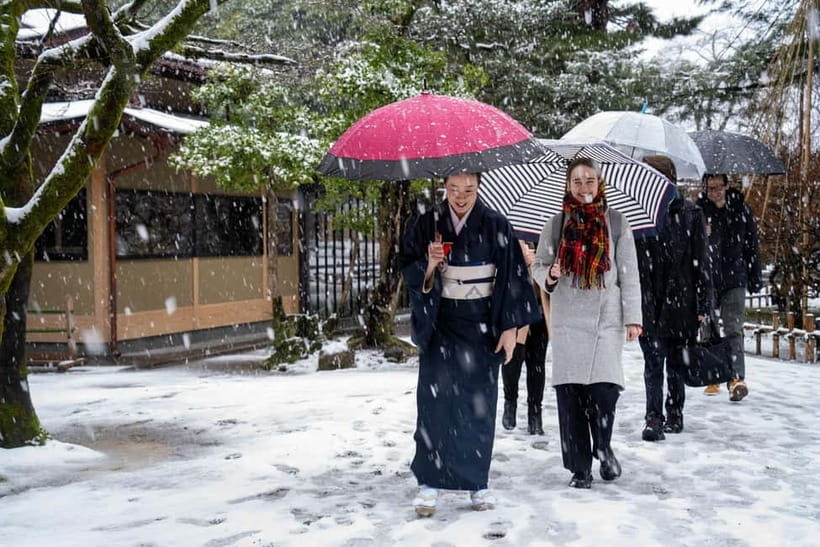
The other thing to know is what you will not get. The tea room does not show you the garden. So yes, you are in Kenrokuen, but you’re inside for the ceremony, and the focus stays on people, tea tools, and manners. That means you should mentally separate two moments: enjoy the garden outside the room, then settle into the tea room for the ritual.
More Tea ceremonies in Kanazawa:
- Kanazawa: Samurai, Matcha, Gardens and Geisha Full-Day Tour
★ 4.9 · 75 reviews - Full-Day Tour from Kanazawa: Samurai, Matcha, Gardens and Geisha
★ 5.0 · 68 reviews - Kanazawa: Tea Ceremony Experience at Kenrokuen
★ 4.2 · 7 reviews
Entering Kenrokutei: Meeting Point, Timing, and How to Not Feel Awkward
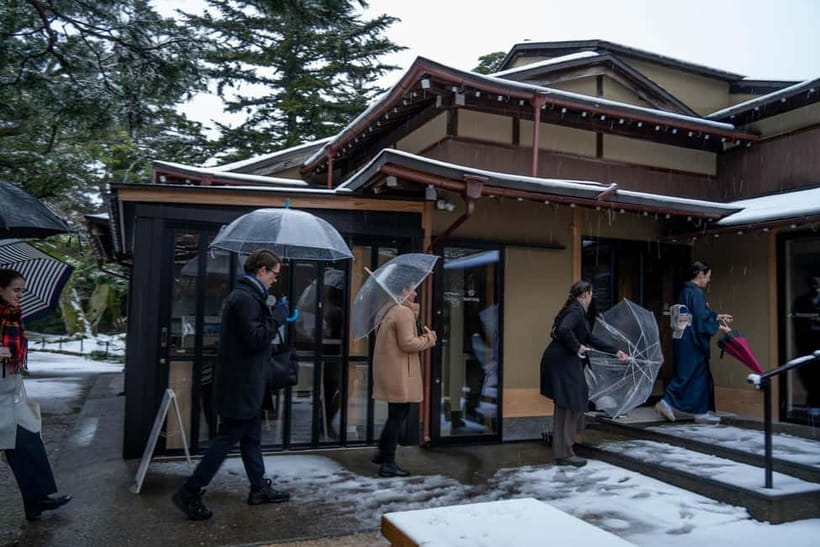
You’ll meet your group in front of the fountain inside Kenrokuen Garden, at Kenrokutei. The meeting setup matters because the garden is large, and you want to arrive early enough to find the correct spot. The instructions also emphasize reading the information on the tea ceremony signboard, which is a nice practical touch, especially if signage is your weak point.
Timing is strict. The experience runs on a schedule with other groups happening at the same time, and your seat in the quiet room depends on being there right when you should be. If you arrive more than 10 minutes late after the start time, your reservation is canceled. So I’d rather you plan to be early than hope you’ll slip in at the last second.
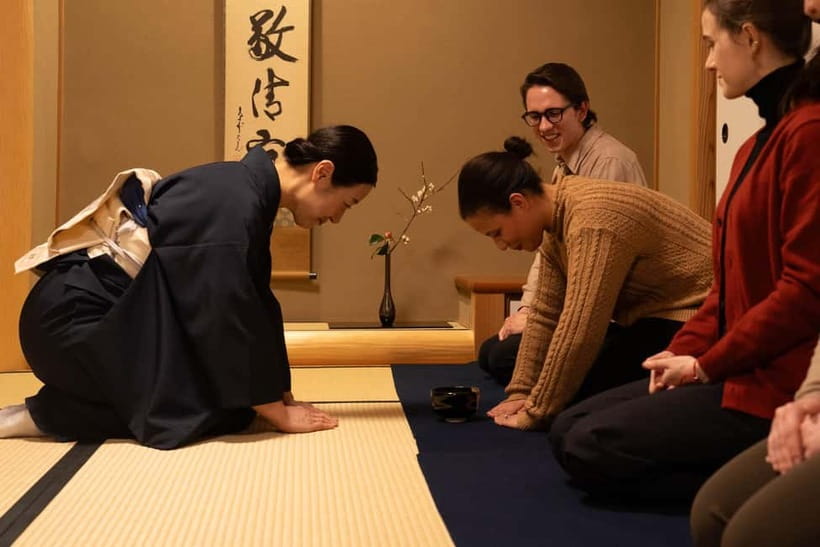
Etiquette is the real star here, and the organizers set you up for success. Before the ceremony begins, you get guidance on how to behave inside the room so you don’t accidentally break the flow. That includes basic movement and response cues, explained by the English instructor.
Two more practical notes:
- You can request a chair if sitting on the floor is difficult.
- The setting is meant to stay quiet, so it works best if you can keep your voice down and follow the rhythm.
The One-Hour Tea Ceremony Flow: What You’ll Watch and Why It Matters
The structure is clear and purposeful. First, there’s a historical explanation about the tea and the way the ceremony works. Then the master runs through the procedure, while the guide explains what is happening and why each step is part of the ritual.
Watching the master is valuable even if you think you already understand tea. The movements are controlled for a reason. You’ll notice how actions are slow, deliberate, and coordinated. The point is not aesthetics alone. It’s attention, respect, and creating the right mental pace for tasting.
You also get instructions on behavior, which is where most first-time visitors need the most help. A tea ceremony has rules, but the guide doesn’t just toss them at you. The goal is to help you participate without freezing or worrying you’re doing something wrong.
And yes, the whole thing stays to the right length for a busy day. At 1 hour, you get the essential parts: overview, demonstration, and your own participation. It’s not the multi-hour experience you may hear about for traditional full-length tea ceremonies, but that shorter format is also part of the value. You can taste the culture and learn the basics without losing half a day in Kanazawa.
Making Your Own Matcha: The Part That Usually Becomes Your Favorite
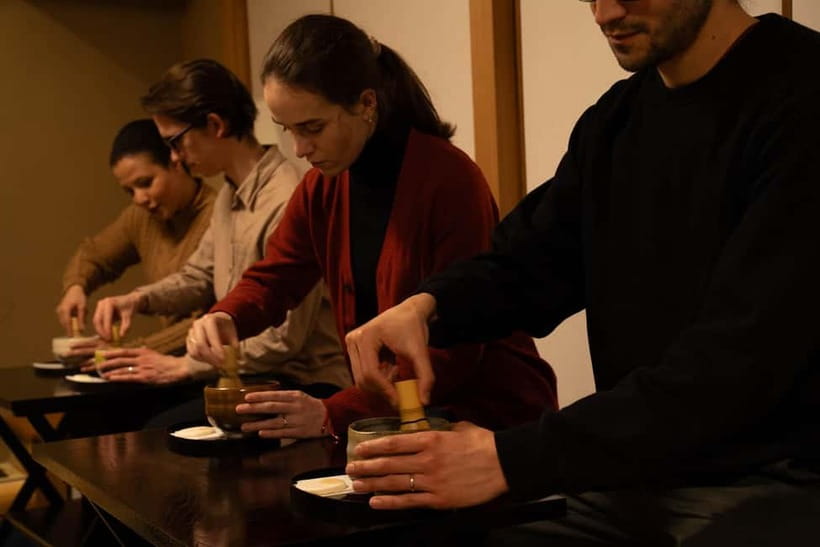
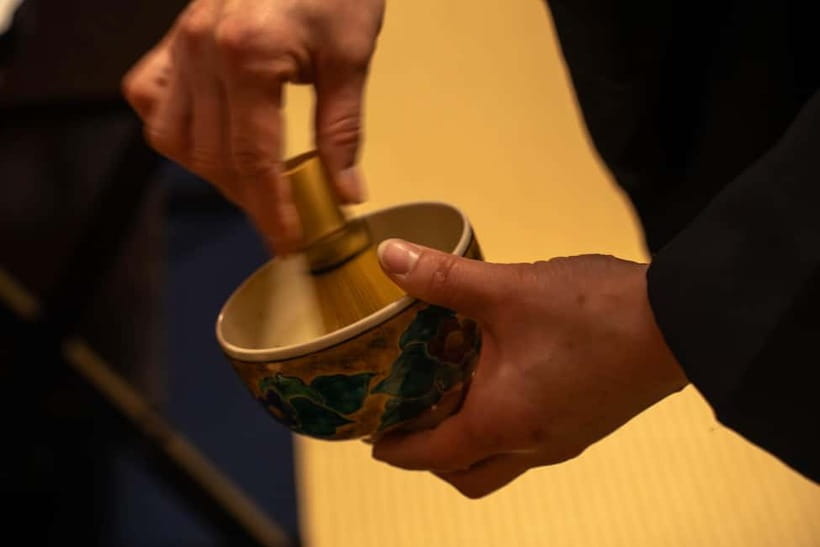
The hands-on moment is a big reason people rate this so highly. You’ll try making the tea yourself with help from the instructors. That step is important because watching is passive, and matcha is tactile. When you whisk it, you understand how effort, timing, and technique affect the result.
Don’t worry about showing up as a blank slate. The experience is built for beginners. You’ll be guided through what to do and how to handle the process in a ceremonial way. That makes the experience feel less like a workshop where you fend for yourself, and more like a lesson where the goal is correct participation.
I especially like the way the guide supports your learning. You’re not just told what the gestures mean. You’re encouraged to follow instruction so you can do it right the first time. This is also where the etiquette lesson pays off. When you understand what you’re doing and when, the ritual becomes simpler instead of stressful.
If you’re someone who always takes food classes seriously, you’ll like this. It’s not just tasting matcha, it’s learning the method behind the cup.
A few more Kanazawa days to weigh up
- World Heritage Shirakawa-go and Experience Tours from Kanazawa
★ 5.0 · 4,049 reviews - Kanazawa Half Day Tour (Private Guide)
★ 5.0 · 361 reviews - Kanazawa Full Day Tour (Private Guide)
★ 5.0 · 323 reviews - [One-day bus tour departing from Kanazawa Station] Shirakawa-go and Gokayama – Two World Heritage Villages Enjoyable Bus Tour
★ 5.0 · 253 reviews
Wagashi and Matcha Together: A Small Taste Lesson in Japanese Flavor
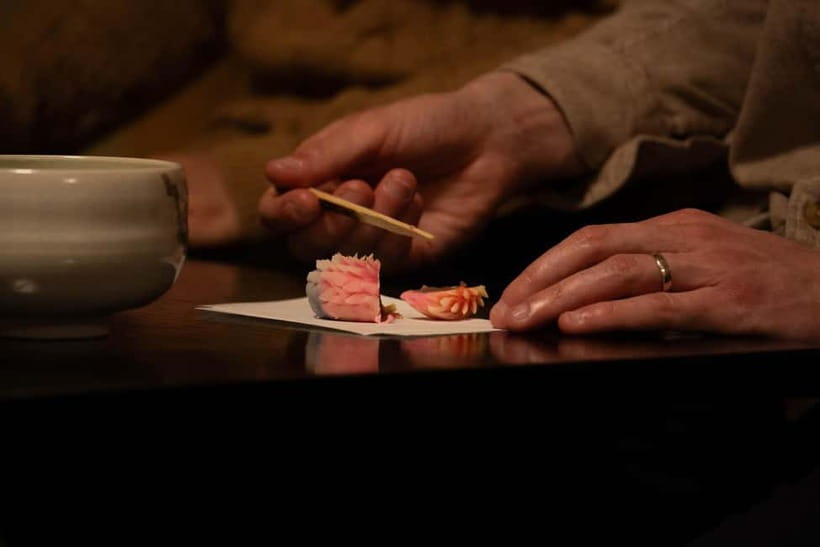
This tea ceremony doesn’t send you in empty-handed. You’ll eat wagashi sweets made by a renowned confectioner, and the experience includes tasting a few options. Wagashi matters because it changes how you perceive matcha.
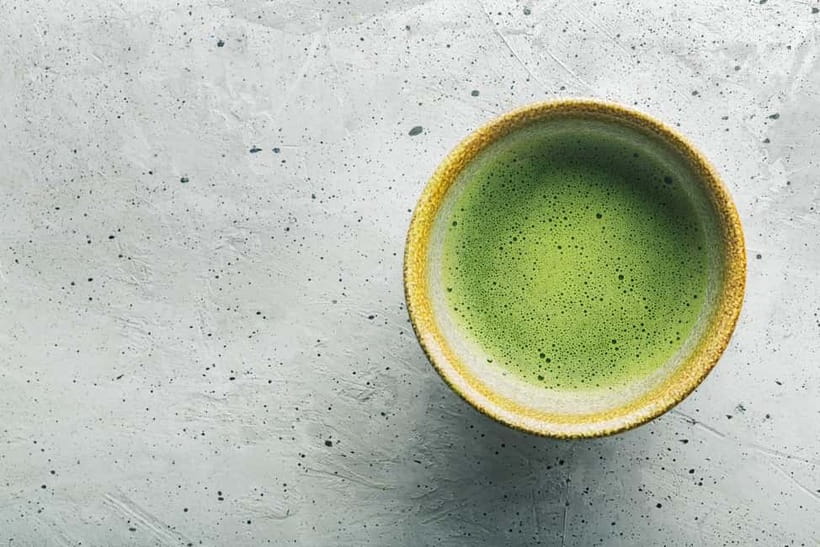
Matcha can feel earthy and bold on its own. The sweets are designed to support that flavor without turning the tea into something harsh. That balance is part of the ceremony’s point, and it’s also a fun way to learn a bit about Japanese sweets beyond the usual snack run.
You’ll enjoy the sweets during the ceremony flow, then sip matcha as part of the pairing moment. Because it’s within the quiet tea room, you get to slow down and actually taste, instead of eating quickly while walking.
If you’re new to wagashi, this is a good introduction. You get a small variety, and you can compare how each sweetness feels with the matcha. It’s one of those experiences where your brain remembers the contrast long after you leave.
Photography in the Tea Room: Capture Memories Without Disrupting the Calm
You are allowed to take photographs, which helps a lot for a cultural activity. The key is to do it with respect. In a formal tea room, you’ll want to move slowly, keep your voice down, and follow any cues from the guide.
This matters because the ceremony depends on quiet concentration. If you treat it like a sightseeing photo stop, the atmosphere breaks. The best way to use the photo time is to focus on tools, the tea setup, and the moment you make matcha, then put the camera away and give your full attention back to tasting.
The fact that photos are permitted also changes the value equation for me. You’re not forced to choose between participation and documentation. You can do both, as long as you don’t turn it into a distraction.
Plan Kenrokuen Before or After: The Garden Ticket You Must Add
Here’s the big logistics point: your tea ceremony ticket does not include Kenrokuen garden entry. You’ll need to pay the 320 yen entrance fee separately. This is a small add-on, but it affects your planning because Kenrokuen is the reason many people choose this location.
Even more important, the tea room does not provide a garden view. So the best strategy is simple:
- Visit and enjoy Kenrokuen before your ceremony, then go inside for the ritual.
- Or do the garden after, when you’ve finished the formal seating portion.
A useful detail from the experience info is that the garden ticket can be valid all day, so you can build your day around both moments. That gives you freedom if weather changes your schedule, which is common in Japan.
If you’re short on time, prioritize the garden first. Kenrokuen is the visual payoff, and the tea room is the sensory payoff. Doing only one means you miss half the point.
Price and Value: Is $35 for an Hour of Matcha Fair?
At $35 per person for 1 hour, this tea ceremony is priced like a cultural lesson plus tastings, not just a quick demo. What helps the value is what’s included:
- the tea ceremony experience
- sweets (wagashi)
- photography access
The main thing not included is Kenrokuen Garden entry (320 yen). Once you factor that in, you’re still paying for a structured experience in a historic setting, with an English-speaking instructor and hands-on participation.
Is it worth it versus doing matcha somewhere casual? I think yes, because casual matcha usually gives you a drink but not the etiquette and method. Here, you get an explanation of the steps, you learn how to behave properly, and you physically make matcha yourself. That combination turns it from a snack into a memory.
Also, the ceremony format is shorter than the full multi-hour versions people sometimes seek out. For most visitors, that’s a plus. You can do the ritual without sacrificing your entire day in Kanazawa.
Who Should Book, and Who Might Want a Different Activity
This experience fits best if you want calm, guided cultural learning. It’s especially good if you:
- like tea and want to understand matcha beyond taste
- enjoy etiquette-style activities where instructions keep you comfortable
- want a peaceful break from busier sightseeing
It’s also practical because the guide speaks English, and you’re allowed to ask questions during the process.
Age is a factor. The info states that participants are only allowed if aged 7 years old or older, and it also notes it is not suitable for children under 8. If you’re traveling with kids, this is something to double-check based on your child’s exact age.
If sitting on the floor is hard for you, you can request a chair. That small option makes a big difference for comfort in a ceremony setting.
One more thing to consider: translation services require a private reservation. So if you need English to your native language beyond the standard setup, plan that ahead rather than trying to add it on at the last second.
Should You Book This Kenrokutei Tea Ceremony?
Book this if you want a guided, respectful tea moment in a genuinely meaningful place. The combination of formal etiquette, hands-on matcha, and wagashi tasting in a calm tea room makes it more than a quick activity. You also get to connect it to Kenrokuen and Lord Maeda through the setting, not just through stories.
Skip it or look for another option if you’re mainly chasing garden views during the ceremony. The tea room itself does not show Kenrokuen. You’ll want to plan your garden time before or after, or you may feel like you paid for an experience without enough scenery.
If you’re trying to decide in one sentence, I’d say this is a high-value matcha lesson with a serene atmosphere, as long as you’re prepared for the separate Kenrokuen entry fee and the quiet, rule-based tea room setting.
FAQ
How long is the Kanazawa Kenrokuen Tea Ceremony Experience?
It lasts 1 hour.
Is Kenrokuen Garden admission included in the price?
No. You must pay the Kenrokuen Garden entrance fee separately (320 yen). This ceremony does not include that fee.
Where do I meet for the tea ceremony?
Meet in front of the fountain in Kenrokuen Garden, at Kenrokutei.
Is the tea ceremony taught in English?
Yes. The instructor provides the experience in English.
Can I take photos during the ceremony?
Yes, photography is allowed.
Can I request a chair if I can’t sit on the floor?
Yes. You can request a chair if you have difficulty sitting on the floor.
Newly listed around Kanazawa
- Shirakawa-go, Gokayama & Takayama Private Tour From Kanazawa★ 4.7 · 21 reviews
- From Kanazawa/Toyama: Shirakawago and Takayama Day Tour★ 4.7 · 82 reviews
- Kanazawa:Traditional Experience -kimono rent at wargo★ 4.7 · 30 reviews
- Kanazawa: Sushi Making Experience at Oumicho Market★ 5.0 · 7 reviews
- Kanazawa: Authentic Japanese Cooking and Sushi-Making Lesson★ 5.0 · 93 reviews
- Kanazawa: Private Tour with Local Guide★ 4.9 · 70 reviews
- Kanazawa: Tea Ceremony Experience at Kenrokuen★ 4.2 · 7 reviews
- Kanazawa: Private Custom Tour with Local Guide★ 4.9 · 20 reviews
Matcha & Tea Ceremony Sessions, compared.
Tea Ceremony in a Traditional Tea House in Kiyomizu
Read our review →
World Heritage Kyoto & Nara Uji Authentic Matcha Experience
Read our review →
Browse the lists this tour appears in