
Review · FUKUOKA TOURS
Fukuoka Private Tour: Heart and Tradition of Hakata
Hakata has a way of rewarding slow attention. This private day tour ties together shrine life, temple landmarks, old-town streets, and a real sake stop, with English-speaking guidance so you do not miss the meaning. You cover a lot, but it feels organized, not random.
I especially like two things. First, the route mixes big-name sights (like Tochoji Temple and Kushida Shrine) with places that explain how Hakata actually lived, like Hakatamachiya Furusatokan. Second, you get a sake tasting at Hakata Hyakunenkura, plus transportation help so the day moves smoothly.
One thing to consider: it is a 7-hour walk-heavy experience with a moderate fitness level. If you tire easily, build in breaks mentally, and wear comfortable shoes from the start.
In This Review
- Key things to know before you go
- Setting the tone in Hakata, with a private guide who keeps it readable
- How the day route works from Hakata Station to your last stop
- Tochoji Temple: the vermilion pagoda and the meaning behind it
- Kushida Shrine: why locals care about business and longevity
- Hakatamachiya Furusatokan: old homes, real crafts, and learning by doing
- Kawabatadori Shopping Street and lunch time: local pace, local choices
- Canal City Hakata: the city-within-a-city detour you might appreciate
- Ohori Park: a historical moat turned city reset
- Hakata Hyakunenkura: the 140-year brewery and a fruity sake profile
- Ending at Hakata Station: practical wrap-up after a full day
- Price and value: why $144.51 can make sense for what you get
- Who this tour is best for, and who should choose something else
- Should you book the Heart and Tradition of Hakata tour?
- FAQ
- How long is the Fukuoka Private Tour: Heart and Tradition of Hakata?
- Is this a private tour?
- What does the tour include?
- What is not included?
- Where does the tour start and what is the ending point?
- How much walking should I expect?
- Does the tour run in bad weather?
Key things to know before you go

- Private, just-for-your-group pace: you can move at a human speed instead of watching the crowd.
- Train tickets and public transport included: less guessing, fewer transfers, more time on-site.
- Old Hakata through Hakatamachiya Furusatokan: crafts and hands-on culture, not just photos.
- Ohori Park as a breather: a calm stop after temples and shopping streets.
- Hakata Hyakunenkura sake tasting: a long-running brewery stop, tied to local specialties.
Setting the tone in Hakata, with a private guide who keeps it readable
Hakata is not hard to explore on your own, but it is easy to explore the hard way. Without context, you end up bouncing between landmarks and trying to piece together why they matter. This tour solves that by pairing key sights with a guide who can connect the dots as you walk.
The private format matters. You are not waiting for someone else’s pace, and you are not stuck in a single-file group. You also get an English-speaking guide, which is huge for getting beyond surface captions. On this kind of day, clarity turns history from trivia into something you can actually remember.
Another smart choice is the balance: religious sites, an old neighborhood museum-style stop, local shopping street time (including lunch time), a city park reset, and finally sake in a place built for it. That is how you keep a day feeling coherent, not like a checklist.
A few more Fukuoka days to weigh up
- Mt. Aso & Takachiho Gorge Tour with Optional Boat Ride
★ 4.7 · 222 reviews - Fukuoka: Takachiho Gorge & Scenic Railway One Day Tour
★ 4.8 · 178 reviews - Private Fukuoka Tour with a Local, Highlights & Hidden Gems 100% Personalised
★ 5.0 · 143 reviews
How the day route works from Hakata Station to your last stop
The tour starts at Hakata Station (中央街-1-1 博多駅). From there, you are set up with hotel pickup, and the itinerary also references Hakata Port pickup and drop-off, depending on your specific tour arrangement. The big practical win is that public transportation is included, and train tickets are part of the plan too.
Why that matters: Fukuoka’s rail and local transit can be simple once you know it, but the first day in a city is when you waste time. Having transport handled means you spend your energy on sights, not on figuring out which gate, which line, or which exit.
Expect a moderate amount of walking over a roughly 7-hour period. You will be outside for much of it, moving between neighborhoods. If you are planning a heavy schedule before or after this tour, keep the next evening flexible. You will likely want an easy dinner after the last stop, not another long transit mission.
Tochoji Temple: the vermilion pagoda and the meaning behind it
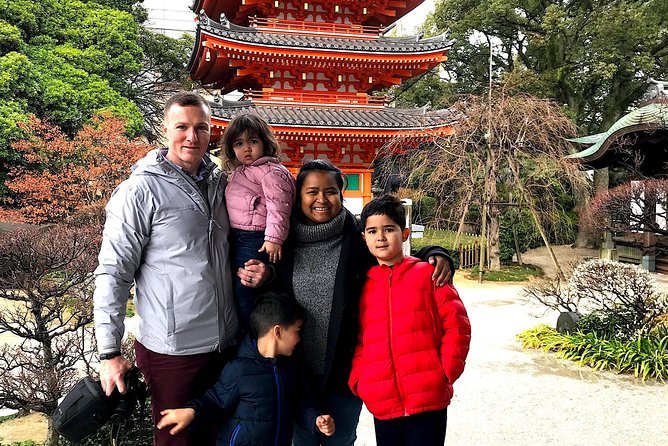
Tochoji Temple is your first major landmark, and it comes with a built-in visual hook: a bright vermilion five-storied pagoda rising above the trees. The details here are not random decoration. The temple was built in 806 by Kukai, the founder of the Shingon sect. That is the kind of connection that makes a pagoda feel like more than a pretty landmark.
You also get the Great Buddha here, described as towering over 10 meters tall. It is the sort of scale that changes how you feel in the space. Even if you only pause briefly, you get the sense of how these temples were designed to command attention.
Practical note: this stop is listed at about 40 minutes, with admission ticket free. That is usually enough time to see the pagoda area and get a calm look without feeling rushed.
Kushida Shrine: why locals care about business and longevity
Next is Kushida Shrine, described as the oldest shrine in Fukuoka. That alone gives the stop weight, but the key is what the shrine guards. Kushida’s god is associated with prosperous business and longevity, and the shrine has been loved by locals since ancient times.
This is where a guide helps the most. Shrines can look similar at a glance, but the context changes everything. Knowing what the kami is associated with helps you understand why you may see certain visitors, offerings, or a feeling of everyday respect rather than only ceremonial tourism.
This stop is also listed at about 40 minutes, admission free. It is a nice rhythm after Tochoji: you get a different type of atmosphere, and you are still moving at a pace that fits a single day.
A different sort of day in Japan:
- Fukuoka: Beppu Hells HotSpring, Frog Temple & Yufuin DayTrip
★ 4.4 · 84 reviews - Fukuoka Your Way: 100% Customisable Private Tour with Local Guide
★ 5.0 · 83 reviews - Day Tour to Miyazaki Takachiho Gorge & Shrine depart from Fukuoka
★ 4.5 · 61 reviews - Fukuoka Full-Day Private Tour with Government Licensed Guide
★ 5.0 · 55 reviews
Hakatamachiya Furusatokan: old homes, real crafts, and learning by doing
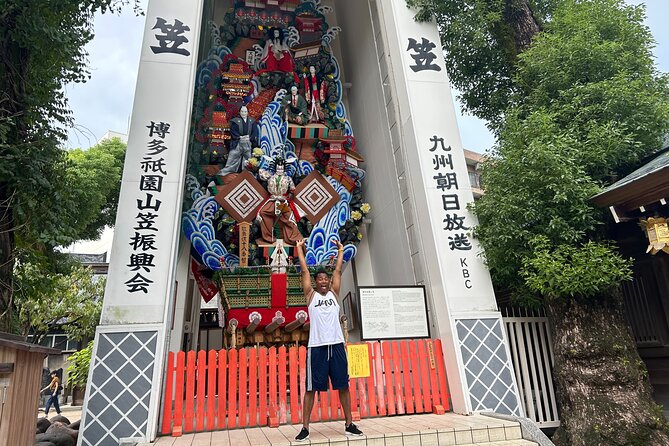
Hakatamachiya Furusatokan is the tour’s culture anchor. This is not just a photo stop. You step into a reconstructed 19th and early 20th century style of Hakata living, and you get introduced to traditional crafts.
The tour info highlights crafts such as Hakata Dolls, Hakata Bariko, and Hakata Yoyos. Even if you do not plan to buy anything, this is one of the best stops on the route for understanding local identity. It shows how everyday objects became part of Hakata’s story.
The timing works well too: about 40 minutes, and admission is included. If you want one part of the day where you slow down and actually absorb, this is it. It gives you a break from temple architecture and lets you think about people, not just monuments.
Kawabatadori Shopping Street and lunch time: local pace, local choices
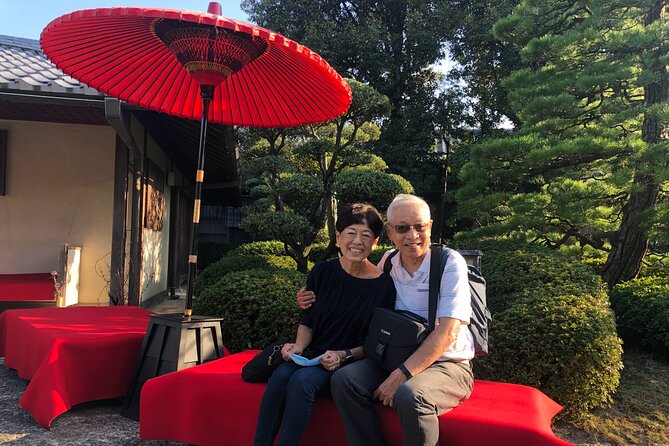
After the shrine and museum-style culture stop, you move to Kawabatadori Shopping Street. The itinerary frames this as a lunch time segment, with about 45 minutes allocated and admission free.
This is the part of the day that can make or break your enjoyment, because shopping streets are where you get the real feel of daily life. The best move here is simple: use your guide’s timing and recommendations to choose something quick, tasty, and filling, without turning lunch into a 60-minute detour.
You will also get time to browse. Even if you only pop into a shop or two, this stop is valuable because it is not a tourist bubble. It is where you can see how locals shop for everyday needs and how the street layout shapes walking and browsing.
Canal City Hakata: the city-within-a-city detour you might appreciate
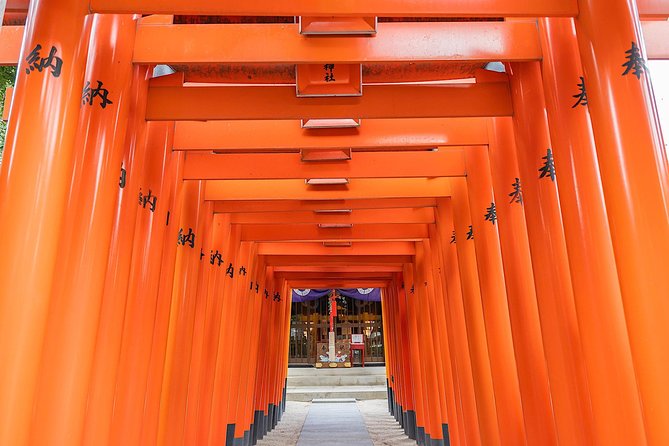
The itinerary then includes a stop at Canal City Hakata. It is a large shopping and entertainment complex, described as calling itself a city within a city. It lists about 250 shops, cafes and restaurants, plus a theater, game center, and cinemas.
Is this the most “traditional” stop? Not really. But it can be a practical breather. After walking temples and shrine grounds and a museum-style house stop, Canal City offers indoor options, places to sit down, and plenty of food choices if your lunch plan needs a backup.
Since no specific time is listed for this stop in the outline you provided, treat it as a flexible segment in the day. If you love browsing and modern city energy, you might enjoy it. If you prefer strictly historical stops, it may feel like a side detour. Still, it is there for a reason: it gives you choice and comfort in the middle of a long day.
Ohori Park: a historical moat turned city reset
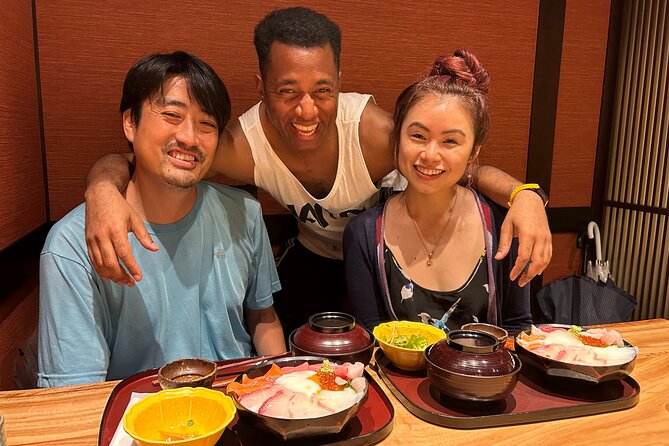
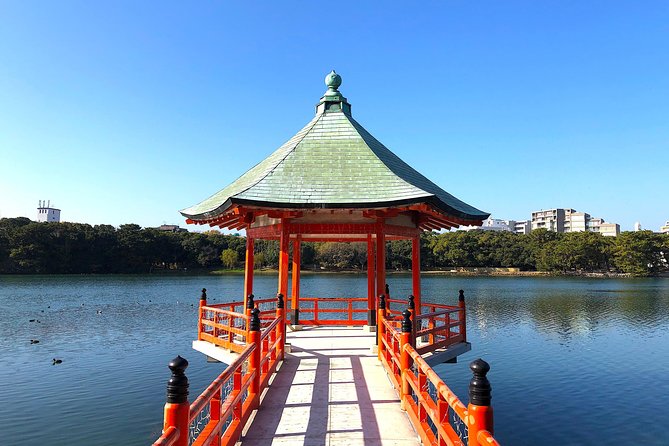
Then comes Ohori Park, about 45 minutes and admission listed as included. The tour info is clear about the origin: it originally functioned as a moat for Fukuoka Castle.
Today it is loved by locals as an oasis in the city center. The park is also described as home to water birds and turtles, which makes it feel more like a slow walk with nature beats than a themed attraction.
This stop works because it changes your pace after concentrated sightseeing. You get greenery, space, and a calmer environment where you can look around without the constant feeling of “one more entrance fee, one more gate.”
If you are visiting in warmer months, this is also where you appreciate shade and open walking paths. Even if you only spend part of the allotted time moving slowly, Ohori Park tends to make the whole day feel lighter.
Hakata Hyakunenkura: the 140-year brewery and a fruity sake profile
Your final major experience is Hakata Hyakunenkura, described as Hakata’s only brewery with a history over 140 years and registered as an important cultural property. That combination, age plus official cultural recognition, is a strong reason to treat the stop seriously.
The tour also notes something very specific about the sake: it is characterized by fruity freshness. It also mentions that some sake uses the local specialty of strawberries.
And yes, sake tasting is included. This is a classic example of why a guided tour can be worth it even for food and drink. You do not just get a drink, you get a local framing, which makes tasting feel like part of the story instead of a random free sample.
This stop is listed at about 30 minutes, admission ticket free. That is a good length for tasting, asking a couple of questions, and getting back on your feet without feeling like you spent the whole afternoon in a single room.
Ending at Hakata Station: practical wrap-up after a full day
The itinerary lists Hakata Station as the ending point, with about 10 minutes there. Given the tour’s start location is also Hakata Station, this is a helpful finish if you are using rail later in the day or heading out to another part of Kyushu.
Just know the provided activity notes say the tour ends in a different location, with details shown at booking. In practice, you should treat the Hakata Station reference as your best anchor point, then confirm your exact end point in the message you receive after booking.
Either way, ending near transit is the right call. After a 7-hour day, you want an easy off-ramp.
Price and value: why $144.51 can make sense for what you get
At $144.51 per person for a private, roughly 7-hour day, you are paying for more than sightseeing. You are buying time savings, interpretation, and included costs that would add up on your own.
Here is what the price covers based on your tour details:
- English-speaking guide
- Hotel pickup (and Hakata Port pickup and drop-off mentioned)
- Public transportation plus train tickets built into the plan
- Sake tasting
- Admission included for Hakata Machiya Furusatokan
- Admission listed as included for Ohori Park
What is not included is also clear: food and drinks. That is normal. Your lunch may be on you unless the guide coordinates food choices during the Kawabatadori segment.
So does the cost feel fair? For most visitors, yes, because the tour reduces friction. A private guide plus transport and admission costs is a clean bundle. If you are the type who likes to learn as you go, and you want a tight route that still includes breaks, the math usually works out.
One more note: the tour description mentions group discounts. If you are traveling with friends or family, the private format becomes even more attractive.
Who this tour is best for, and who should choose something else
This Hakata tour is a strong fit if you:
- Want a first-time overview of Hakata with a guide to explain what you are seeing
- Like shrines and temples, but also want the story behind them
- Enjoy structured walking days and do not mind moderate activity
- Want a mix of sightseeing and local culture, with sake tasting as a highlight
It may be less ideal if you:
- Prefer very relaxed sightseeing with minimal walking
- Want fully free-form time with no guide-driven schedule
- Are sensitive to weather, since the experience requires good weather
If you do book, plan to bring a small day bag, stay hydrated, and wear shoes you can walk in for hours. This is a “see a lot, but do it in the right order” day.
Should you book the Heart and Tradition of Hakata tour?
If you want a smart, local-feeling day in Hakata, I would book this. The route is built around variety, not repetition: Tochoji Temple for landmark architecture and origin, Kushida Shrine for everyday shrine significance, Hakatamachiya Furusatokan for lived culture and crafts, Kawabatadori for local street time, Ohori Park for calm, and Hakata Hyakunenkura for sake tasting tied to a long-running brewery.
The private nature is the clincher. It turns a potentially tiring day of transit and searching into a guided walk where you know what you are looking at and why it matters.
If you hate walking or expect a leisurely sit-down tour only, look elsewhere. But if you are game for a full day and you want the city to make sense fast, this is a good bet.
FAQ
How long is the Fukuoka Private Tour: Heart and Tradition of Hakata?
It runs for about 7 hours.
Is this a private tour?
Yes. It is a private tour, and only your group participates.
What does the tour include?
The tour includes an English-speaking guide, hotel pick up, sake tasting, Hakata Port pick-up and drop-off, entrance fee for Hakata Machiya Furusatokan, and public transportation.
What is not included?
Food and drinks are not included. Hotel drop off is also not included, but it may be available for an extra fee. Private transportation like taxi or private car or bus is available for an extra fee.
Where does the tour start and what is the ending point?
The start point is Hakata Station (中央街-1-1 博多駅). The itinerary lists Hakata Station as the ending point, though the activity notes say it ends in a different location with details provided at booking.
How much walking should I expect?
The experience notes a moderate physical fitness level. Since it is a multi-stop day and includes several walking segments, plan for a fair amount of walking.
Does the tour run in bad weather?
It requires good weather. If canceled due to poor weather, you will be offered a different date or a full refund.
Newly listed around Fukuoka
- Tour Nagasaki or Fukuoka in Privacy and Comfort.★ 5.0 · 17 reviews
- teamLab Forest Fukuoka an Immersive Art Experience Ticket★ 4.0 · 11 reviews
- Fukuoka Group/Private Tour by Local Professionals!★ 5.0 · 15 reviews
- Home Made Maki Sushi Class in Fukuoka★ 5.0 · 6 reviews
- Kyushu: Aso Vocano, Grassland,Onsen and Aso shrine 1-Day Tour★ 4.5 · 23 reviews
- From Fukuoka: Miyazaki, Takachiho Gorge And Shrine Day Tour★ 4.5 · 44 reviews
- Yanagawa Canal Cruise and Grilled steamed Eel Lunch Private Tour★ 5.0 · 10 reviews
- Fukuoka Like a Local: Private & Personalized Experience 2-3 hours★ 4.5 · 11 reviews
Fukuoka Tours, compared.
Mt. Aso & Takachiho Gorge Tour with Optional Boat Ride
Read our review →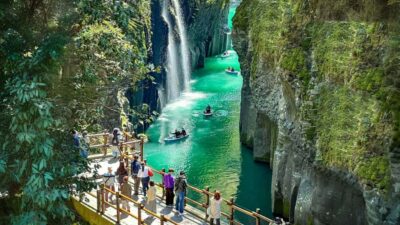
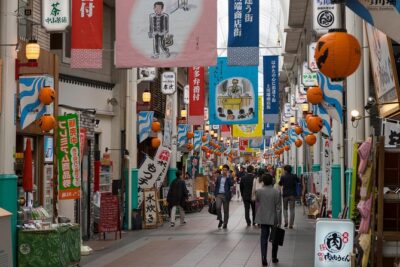
Private Fukuoka Tour with a Local, Highlights & Hidden Gems 100% Personalised
Read our review →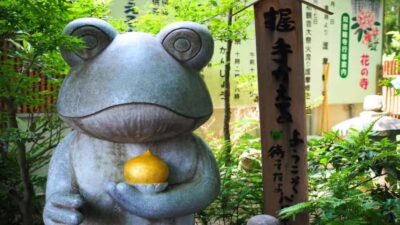
Beppu Hells HotSpring, Frog Temple & Yufuin DayTrip
Read our review →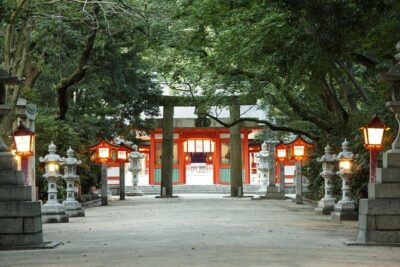
Fukuoka Your Way: 100% Customisable Private Tour with Local Guide
Read our review →
Day Tour to Miyazaki Takachiho Gorge & Shrine depart from Fukuoka
Read our review →
Fukuoka Full-Day Private Tour with Government Licensed Guide
Read our review →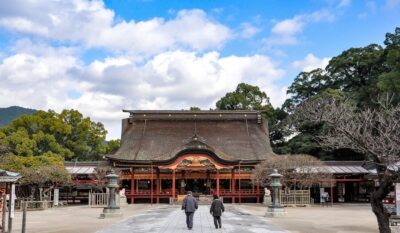
Fukuoka Private and Personalized Walking Tour with a Local
Read our review →Browse the lists this tour appears in