
Review · LICENSED GUIDES & PRIVATE DRIVERS
Fukuoka Full-Day Private Tour with Government Licensed Guide
Private Fukuoka time beats hurried sightseeing. I like that this is a private day with a government licensed English guide, built around your interests and paced so you are not figuring out trains, signage, or etiquette alone.
Two big wins for me. First, you can focus on what matters to you, with an easy menu of classics like Kushida-jinja and Shofuku-ji, plus modern highlights like Canal City Hakata and Momochi Seaside Park. Second, the best guides in this setup are big on practical explanations, from how to move through shrines respectfully to what you should notice at each stop in a short visit.
One thing to weigh: it is a walking tour, and while some sights list free admission, several key stops are marked Not Included, plus transportation costs are not included. If you hate paying extra for tickets or you want lots of indoor time, you will want to plan your stop mix carefully.
In This Review
- Key highlights worth your attention
- How the 6-hour tour really works (and how to pick 3-4 stops)
- From stone walls to shrine gates: the core Fukuoka highlights
- Fukuoka Castle Remains (Fukusaki Hill views)
- Sumiyoshi Shrine (seafarer guardians)
- Kyushu National Museum (architecture plus collections)
- Kushida Shrine (Fukuoka’s oldest and iconic carvings)
- Tochoji Temple (Shingon and the hell-to-heaven path)
- Yatai (Fukuoka’s open-air food stands)
- Parks, waterfront, and modern Fukuoka scenes
- Uminonakamichi Seaside Park (family-friendly peninsula)
- Ohori Park (a walk around the pond)
- Momochi Seaside Park (modern waterfront)
- Canal City Hakata (a city-within-a-city mall complex)
- Fukuoka Tower (the skyline moment)
- Nokonoshima Island (ferry ride, coastal calm)
- The Hakata-side culture and street atmosphere
- Hakozaki-gu (a major shrine, Mongol invasion history)
- Atago Jinja (prettier views, less visited)
- Yanagibashi Rengo Market (kitchen of Hakata)
- Hakata Machiya Hometown Museum (traditional lifestyle rooms)
- The strongest “spiritual day” add-ons near Fukuoka
- Dazaifu Temmangu (government remains plus shrine setting)
- Nanzoin Temple (the reclining Buddha pilgrimage)
- Rakusuien (tea, matcha sweets, and a garden)
- Money, tickets, and transport: getting value out of the price
- The guide factor: why certain names keep coming up
- Should you book this Fukuoka private tour?
- FAQ
- How long is the Fukuoka full-day private tour?
- What does the tour include, and what is not included?
- Is pickup by car included?
- Are entrance tickets included?
- Can I choose which places we visit?
- Who is this tour best for?
Key highlights worth your attention
- Private guide, 3-4 site focus so the day feels curated rather than rushed
- Government licensed English support for history, etiquette, and questions on the spot
- Easy mix of old and new Fukuoka from shrines and temples to waterfront and shopping
- Short stops that are actually usable with about 15 minutes at most sights
- Food culture options via yatai and a market stop if that is your priority
- A guide who adapts to weather and timing as shown by multiple rain-and-scheduling stories
How the 6-hour tour really works (and how to pick 3-4 stops)
This is built as a full day, around 6 hours. The format is simple: you meet your guide on foot in the designated meetup area, then you spend the day hopping between a short list of Fukuoka highlights. The “private” part matters here, because your guide can steer you toward the places you care about most, instead of following a rigid group route.
The listing frames it as choosing 3-4 sites from the available options. That is the sweet spot. With stops often scheduled for about 15 minutes, you will not have time to treat every stop like a deep museum. Instead, I suggest you use those short windows like a checklist plus a learning moment: pick what you want to see, ask your guide what to notice, take photos, and move on.
Before you decide your 3-4, think about what you want your day to “feel” like:
- Spiritual Fukuoka: shrines and temples, with story-based stops like Kushida-jinja and Shofuku-ji
- City viewpoints and motion: castle remains, Ohori Park walks, and a skyline moment at Fukuoka Tower
- Old Hakata food and streets: Yanagibashi Rengo Market and Hakata Machiya style places, plus yatai
- Coast and breathing room: parks at Uminonakamichi, Ohori, and Momochi, plus a ferry island option
- One classic pilgrimage add-on: Dazaifu Temmangu or Nanzoin, depending on your stamina and timing
Also remember, this is a walking tour. Even with taxi rides possible on request, transportation fees are not included, and there is no private vehicle. If you want a low-footprint day, you will need to choose fewer, more concentrated sites.
More Private Guides in Fukuoka:
- Port Pick-Up: Hakata Private Tour Licensed Guide& Vehicle
★ 5.0 · 8 reviews - Tokyo 6hr Private Tour with Government-Licensed Guide
★ 5.0 · 3,902 reviews - Kyoto Early Morning Tour with English-Speaking Guide
★ 5.0 · 1,427 reviews
From stone walls to shrine gates: the core Fukuoka highlights
Here are the stop options, what you get from each one, and the practical reality of time and tickets.
Fukuoka Castle Remains (Fukusaki Hill views)
You start with a classic: stone walls, a moat, and gates that are left from a once-flourishing Edo-period castle area. Today, it is mostly ruins, but the point is atmosphere plus a panoramic city view from Fukusaki Hill. With only about 15 minutes, I’d focus on walking to the viewpoint and snapping a skyline photo, then ask your guide what the ruins suggest about the old fort layout.
Admission here is listed as free.
Sumiyoshi Shrine (seafarer guardians)
Next up is Sumiyoshi-jinja, one of the oldest shrine sites on Kyushu. The big idea is maritime protection, dedicated to protective divinities of seafarers. It is an easy stop if you like learning how local faith connects to local jobs and geography.
Admission is free, and time is short, around 15 minutes. Use it for a quick read of the scene plus your guide’s explanation of why this shrine type shows up in port cities.
A few more Fukuoka days to weigh up
- Mt. Aso & Takachiho Gorge Tour with Optional Boat Ride
★ 4.7 · 222 reviews - Fukuoka: Takachiho Gorge & Scenic Railway One Day Tour
★ 4.8 · 178 reviews - Private Fukuoka Tour with a Local, Highlights & Hidden Gems 100% Personalised
★ 5.0 · 143 reviews - Fukuoka: Beppu Hells HotSpring, Frog Temple & Yufuin DayTrip
★ 4.4 · 84 reviews
Kyushu National Museum (architecture plus collections)
If you want one major indoor hit, Kyushu National Museum is often the move. It opened in 2005 and is known for award-winning architecture. It is also the first new national museum in Japan in more than 100 years, which your guide can likely connect to how modern Japan invests in culture.
This stop is 15 minutes, and the ticket is Not Included. That means you should treat this as a choose-your-time type of stop. If you pick it, I would cut one other “quick photo stop” so you are not rushing through too many things.
Kushida Shrine (Fukuoka’s oldest and iconic carvings)
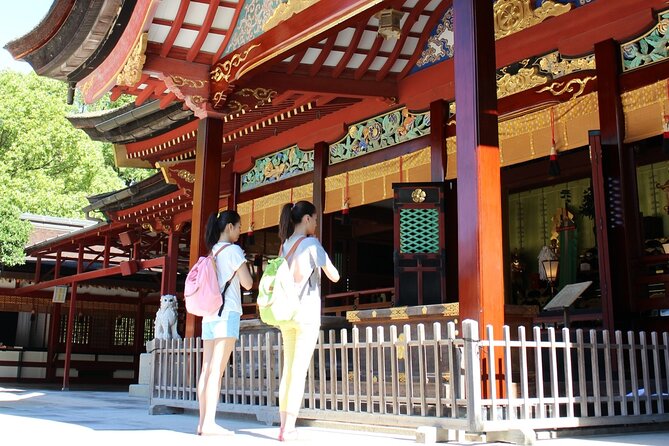
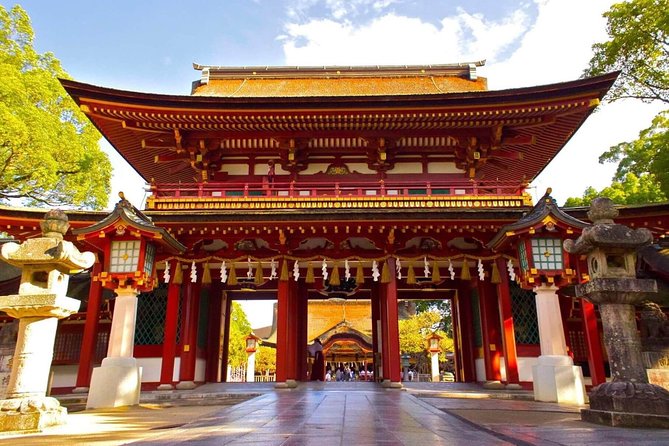
Kushida-jinja is one of Fukuoka’s best known shrines and described as the oldest in Fukuoka, founded in AD 757. It is also famous for unique details like carvings related to the Chinese zodiac and elements connected to an older tradition (the listing calls out a gingko treelike element in the description).
Time is about 15 minutes and admission is free. This is one of the best “learning per minute” stops, because your guide can point out what makes Kushida-jinja different from other shrine gates and halls.
Tochoji Temple (Shingon and the hell-to-heaven path)
Tochoji Temple is head temple of the Shingon Buddhism Kyushu sect, dedicated to Kobo-Daishi (Kukai). In the description you get a sense of scale and storytelling, including a “path from hell to heaven” idea. It is also listed as Not Included for tickets.
Like many temple stops here, the time is about 15 minutes. If you pick it, I’d ask your guide which small details are worth your eye in a short visit. This is exactly the kind of place where a guide saves you from missing the meaning while you are scanning scenery.
Yatai (Fukuoka’s open-air food stands)
For many people, yatai is the symbol of Fukuoka evenings. The listing notes they are open-air food stands, typically seating seven or eight people, with an outdoor, atmospheric setup.
The stop here is shown as 15 minutes and admission is free. Practical note: yatai is more about taste and vibe than “sightseeing.” If food is your priority, I would build your plan so you can linger after the guide’s stop time.
Parks, waterfront, and modern Fukuoka scenes
Fukuoka is not just temples. It also has water, walking paths, and a “city you can move through” feel.
Uminonakamichi Seaside Park (family-friendly peninsula)
Uminonakamichi Seaside Park is a sprawling public park on a peninsula across the bay from central Fukuoka. It is family-oriented, so it tends to feel relaxed rather than stiff.
This is 15 minutes and admission is free. With limited time, I’d focus on the best views and avoid trying to cover the entire park layout.
Ohori Park (a walk around the pond)
Ohori Park is central Fukuoka with a large pond and a walking path around it, listed at just over two kilometers. This is an easy win if you want a break between religious and food stops.
Time is about 15 minutes and admission is free. In that time, you will likely do part of the loop. Ask your guide which side is best for photos.
Momochi Seaside Park (modern waterfront)
Momochi Seaside Park is described as a modern waterfront on reclaimed land along Hakata Bay. It also connects to the 1989 Asia Pacific Expo site.
Again, time is about 15 minutes and admission is free. This is a great “sit, breathe, reset” stop before you head back toward downtown areas.
Canal City Hakata (a city-within-a-city mall complex)
Canal City Hakata is a large shopping and entertainment complex. The description includes roughly 250 shops, cafes and restaurants, a theater, and game areas, with the marketing line calling itself a city within a city.
This is 15 minutes, admission listed free. Since it is a short visit, treat it like an orientation stop: get your bearings, grab a snack if you need one, and let your guide show you the layout so you can return later on your own time.
Fukuoka Tower (the skyline moment)
If you want the classic “see the whole city” feeling, Fukuoka Tower is one of the best spots. The listing says it is 234 meters tall and offers city views.
This is 15 minutes and tickets are Not Included. Since it likely costs extra, I would choose this only if viewpoints matter to you. If they do, it is worth paying for because you get vertical perspective in a short window.
Nokonoshima Island (ferry ride, coastal calm)
Nokonoshima is an island just off the coast, reached by a relaxing ferry. The stop is 30 minutes and admission is listed free.
This is a good option if you want Fukuoka beyond the city center. The consideration here is time. A 30-minute slot means you will probably not do a long island circuit. It is more about getting that island break feeling plus a few standout views.
The Hakata-side culture and street atmosphere
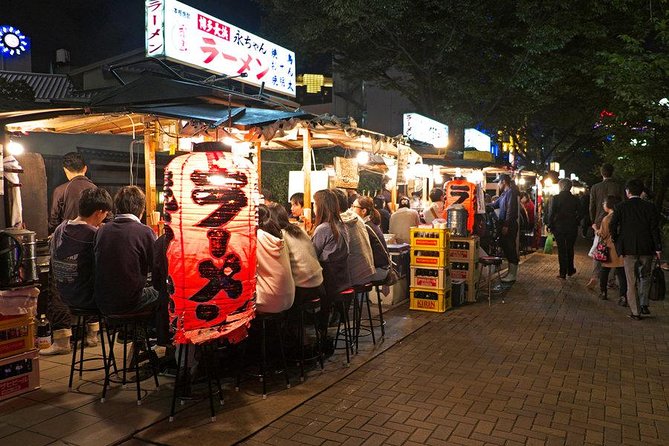
Hakata is the part of Fukuoka that feels closest to “street life” and markets.
Hakozaki-gu (a major shrine, Mongol invasion history)
Hakozaki Shrine is described as one of the most important shrines in the region. The original was destroyed during the Mongolian invasion of Fukuoka in 1274, and then it was rebuilt. That big historical thread makes this more than a pretty stop.
Time is 15 minutes and tickets are Not Included.
Atago Jinja (prettier views, less visited)
Atago Shrine is called one of the less visited shrines, which is a gift when you want calm rather than crowds. It sits on a hillside, so you get sweeping vistas in addition to the shrine itself.
This is 15 minutes and admission is free. If your day is heavy on crowded landmarks, Atago can be your quiet reset.
Yanagibashi Rengo Market (kitchen of Hakata)
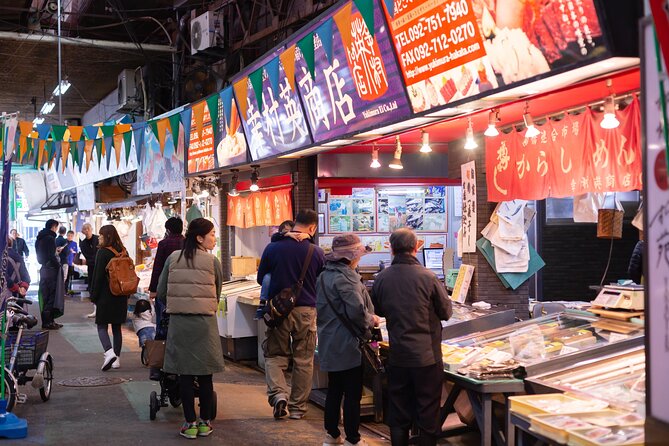
Yanagibashi Rengo Market is described as the kitchen of Hakata, with 40-plus greengrocers and fishmongers. There are also fruit and tofu shops and cafes and bakeries.
Time is 15 minutes and admission is free. This is one of the easiest stops to get “real Fukuoka” feeling fast. In a short window, you want to do this efficiently: pick one or two foods or snacks your guide recommends, and use the rest of the time to watch the market rhythm.
Hakata Machiya Hometown Museum (traditional lifestyle rooms)
Hakata Machiya Hometown Museum is a cultural museum focused on traditional local lifestyle and history. The listing notes the building setting is traditional and gives you a sense of past daily living.
Time is 5 minutes and admission is Not Included. Five minutes is basically an orientation peek. If you love museums, you might swap this out for something else with more time. If you want a quick taste, it can work.
The strongest “spiritual day” add-ons near Fukuoka
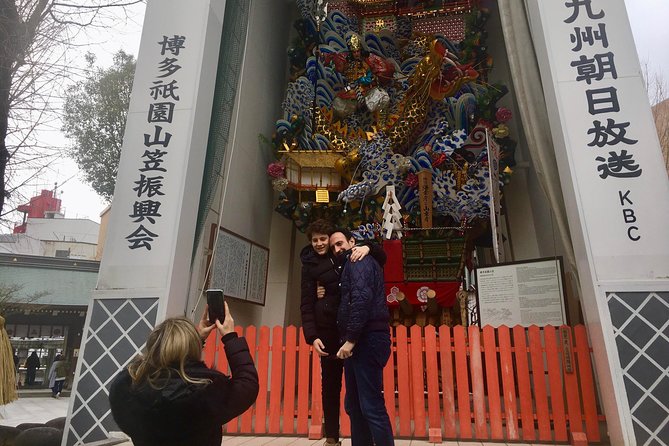
If you want one or two big religion sites, you usually pick between Dazaifu and Nanzoin, depending on what your day needs.
Dazaifu Temmangu (government remains plus shrine setting)
Dazaifu refers to an older regional government. The listing calls out Dazaifu Government Remains as a chance to witness the grounds where buildings once stood, and it is located near the shrine area.
This is 15 minutes and admission is free.
If you pick Dazaifu, I’d treat it as a “Japan beyond Tokyo” history stop. It is a different kind of story than city shrines, because it connects place to the old administrative geography.
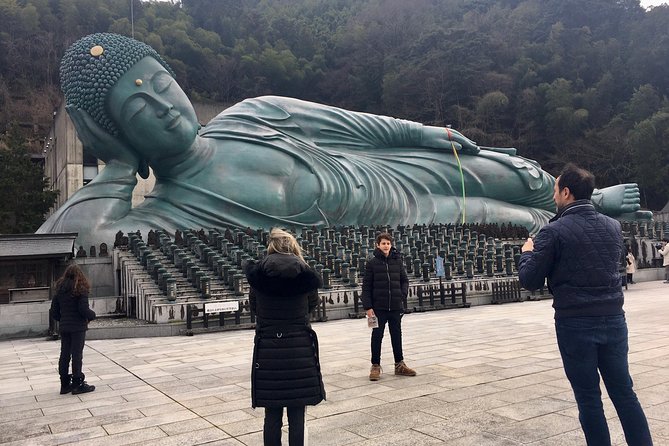
Nanzoin Temple (the reclining Buddha pilgrimage)
Nanzoin is one of the prefecture’s most visited Buddhist shrines, drawing more than a million visitors annually. It is about 15 kilometers east of Fukuoka, and the listing emphasizes the big reclining Buddha experience.
This stop is 30 minutes and admission is Not Included.
If you love your day to have one unforgettable visual, Nanzoin is often the top pick. It also tends to work well with a guide, because your guide can explain the temple’s logic and what to look for in the setting.
Rakusuien (tea, matcha sweets, and a garden)
Rakusuien is a Japanese style garden and tea house. You can enjoy traditional matcha and sweets for 500 yen, and the entrance fee is 100 yen.
Time is 5 minutes and admission is Not Included. In five minutes, you are not doing a full garden tour. You’re making a quick, calm stop, ordering matcha, and soaking in stillness for a moment.
Money, tickets, and transport: getting value out of the price
The price is $155.22 per person for a private tour, around 6 hours, with a government licensed English speaking guide. For a city like Fukuoka, the value comes from not just “seeing places,” but having someone help you move through them correctly and efficiently.
What can change the total cost is what you pick:
- Some stops list free admission (like Fukuoka Castle Remains, Sumiyoshi Shrine, Kushida Shrine, Yatai, Ohori Park, Shofuku-ji, Canal City Hakata, and many others).
- Several are marked Not Included for tickets (including Kyushu National Museum, Tochoji Temple, Hakozaki-gu, Fukuoka Tower, Nanzoin Temple, Rakusuien, and Hakata Machiya Hometown Museum).
Also, transportation fees are not included, and there is no private vehicle. The good part: the tour is near public transportation and is mainly a walking plan. The tradeoff: if you need frequent taxis, your day can cost more.
My practical rule: if you want 3-4 stops that include one ticketed highlight (for example, Kyushu National Museum or Nanzoin), plan for that. If you pick all free sites, the day will feel like a strong deal. Either way, you are paying for the guide time, the customization, and the ability to ask questions in real time.
The guide factor: why certain names keep coming up
Across the feedback, certain guides are repeatedly praised for the same practical traits: adapting to your requests, staying on schedule, and using the walking time to explain what you are actually looking at.
For example, guides like Peko and Erica are often described as making cruise-limited or timing-sensitive days work well. Chizuko gets credit for tailoring the itinerary and for practical advice like using a transit card app for faster movement. Yoko is praised for structuring routes so you can capture key moments, especially around Nanzoin and other shrine stops. Sasuke, Takaya, Oda, and Yuri are described as friendly and willing to adjust on the fly.
One more balanced note: one experience had organizational issues tied to delays and scheduling, even with planning. That is a real-world reminder. If your day is tight, bring flexibility and build a little buffer into how you think about timing.
Should you book this Fukuoka private tour?
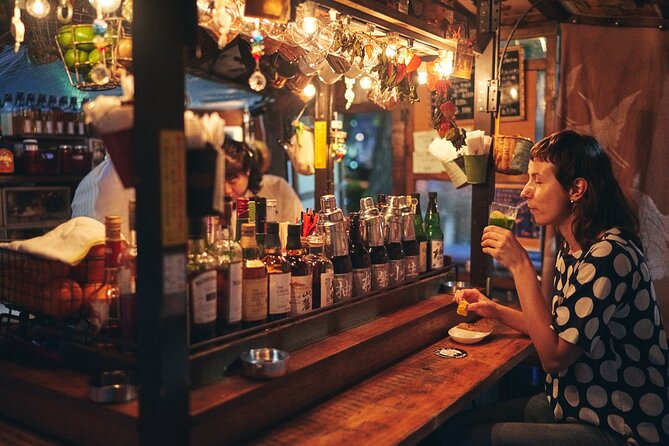
I’d book it if:
- You want a private day and hate guessing how to arrange a meaningful itinerary.
- You like mixing shrines, temples, and neighborhoods in a structured way.
- You care about explanations, not just photos, and want your questions answered as you walk.
I’d think twice if:
- You only want free sights, and you do not want to manage ticket costs.
- You want minimal walking and lots of long indoor time. This is set up as a walking tour with short stop windows.
- You have a highly rigid schedule with no room for transit delays.
If you go in with a clear “theme” for your day and choose the 3-4 stops that match it, this tour is one of the more efficient ways to get the feel of Fukuoka without spending hours planning.
FAQ
How long is the Fukuoka full-day private tour?
It runs for about 6 hours.
What does the tour include, and what is not included?
Included is a licensed local English-speaking guide, and a customizable tour of 3-4 sites from the provided options. Not included are transportation fees, entrance fees for sites marked as not included, lunch, and other personal expenses. A private vehicle is also not included.
Is pickup by car included?
No. Pickup is offered on foot, and you meet the guide within the designated area. The tour is described as a walking tour.
Are entrance tickets included?
Some stops list admission as free, while others list admission ticket not included. If a site is marked not included, you should plan to pay the entrance fee yourself.
Can I choose which places we visit?
Yes. The tour is described as customizable, with 3-4 sites chosen from the list of options.
Who is this tour best for?
It is designed for people who want a private experience, like asking questions, and prefer not to plan an itinerary alone. The tour is near public transportation and most people can participate. Service animals are allowed.
Newly listed around Fukuoka
- Tour Nagasaki or Fukuoka in Privacy and Comfort.★ 5.0 · 17 reviews
- teamLab Forest Fukuoka an Immersive Art Experience Ticket★ 4.0 · 11 reviews
- Home Made Maki Sushi Class in Fukuoka★ 5.0 · 6 reviews
- Kyushu: Aso Vocano, Grassland,Onsen and Aso shrine 1-Day Tour★ 4.5 · 23 reviews
- Fukuoka Group/Private Tour by Local Professionals!★ 5.0 · 15 reviews
- From Fukuoka: Miyazaki, Takachiho Gorge And Shrine Day Tour★ 4.5 · 44 reviews
- Yanagawa Canal Cruise and Grilled steamed Eel Lunch Private Tour★ 5.0 · 10 reviews
- Fukuoka Like a Local: Private & Personalized Experience 2-3 hours★ 4.5 · 11 reviews
Licensed Guides & Private Drivers, compared.
Tokyo 6hr Private Tour with Government-Licensed Guide
Read our review →
Kyoto Early Morning Tour with English-Speaking Guide
Read our review →
Tokyo 4hr Private Tour with Government-Licensed Guide
Read our review →
Kyoto 6hr Private Tour with Government-Licensed Guide
Read our review →
Hiroshima / Miyajima Full-day Private Tour with Government Licensed Guide
Read our review →Early Morning Tour with English-Speaking Guide
Read our review →
Tokyo Private Sightseeing Tour by Car- English speaking chauffeur
Read our review →
Mt Fuji Private Tour with English Speaking Driver
Read our review →Browse the lists this tour appears in