
Review · SHIZUOKA TOURS
Hakone Full Day Tour with Guide and Vehicle
Hakone gets easier with a driver and guide. This private Hakone Full Day Tour is built for people who want the big sights without train transfers and guesswork. You also get a government-licensed English-speaking guide who helps you connect the dots at each stop, from volcano steam to museum art.
What I like most is the control you get over your day, plus the time saved by having a vehicle waiting. One thing to plan for: entrance fees and lunch are not included, and most museums or paid experiences will add costs on top.
In This Review
- Key highlights worth knowing before you go
- Private vehicle in Hakone, where time usually disappears
- Picking your 3 to 4 sites from Hakone’s main menu
- Lake Ashinoko and the shrine torii moment
- Hakone Ropeway and Sounzan to Togendai viewpoints
- Art museums in Hakone: where the tour becomes more than sightseeing
- Gardens and temple pauses: Sengokuhara to Choanji
- Owakudani Valley: the volcano stop that sets the tone
- Quirky museums in Hakone: dolls, nihonga, and glass
- Timing your day with weather, Fuji hopes, and real pacing
- Price and logistics: is this worth it for your group?
- Who this Hakone tour fits best
- Should you book? The decision shortcut
- FAQ
- How long is the Hakone Full Day Tour with Guide and Vehicle?
- How many people are included in a group?
- What is included in the tour price?
- What is not included?
- Can I choose which stops to visit?
- Do I get pickup and a mobile ticket?
- Are there any limits for families needing car seats, and is free cancellation available?
Key highlights worth knowing before you go
- Private vehicle, not group shuffling, so you spend more time sightseeing and less time figuring out logistics.
- English-speaking licensed guide, with named guides like Seizo Kamiuto and Kei mentioned as flexible and informative.
- Pick 3 to 4 sites from a menu of Hakone classics, then shape the route around your interests.
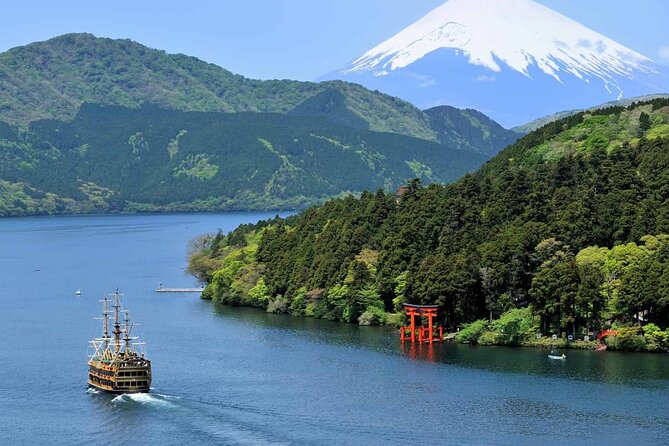
- Lake Ashi plus Hakone Shrine area gives you classic views and the famous shrine torii feel.
- Art stops are real options, including Hakone Open-Air Museum and multiple private museums.
- Owakudani is a centerpiece, with geothermal activity and the famous black-boiled egg tradition nearby.
Private vehicle in Hakone, where time usually disappears
Hakone can be charming, but it can also be slow when you are jumping between cable cars, buses, and ropeways. This tour tackles that by putting you in a private vehicle for the day, with a guide who speaks English well enough to keep the day flowing. That matters because Hakone is one of those places where a few minutes of delay can ripple into missed photo light, shorter museum time, or a rushed Owakudani visit.
The second big win is the guide. The experience is led by a government-licensed local English guide, and that is not just a comfort perk. A good guide helps you understand why each stop exists, what to look for, and how long you actually need at that exact point in Hakone. In the feedback tied to this tour, guides like Seizo Kamiuto and Kei are specifically praised for being flexible and making sure groups reach key moments, including time around the famous torii area at Hakone Lake.
The tradeoff is cost structure. You are paying for a private setup, which means entrance fees, lunch, and personal expenses are on you. Some stops are free, but the paid ones, especially museums and certain attractions, can stack up if you choose several.
A few more Shizuoka days to weigh up
- Tokyo: Mt. Fuji 5th Station & Hakone Cruise 1-Day Bus Tour
★ 4.2 · 2,381 reviews - Mt Fuji and Hakone 1-Day Bus Tour Return by Bullet Train
★ 5.0 · 26,383 reviews - Mt Fuji & Hakone Cruise, Drum Show Bullet Train 1 Day from Tokyo
★ 4.0 · 7,413 reviews
Picking your 3 to 4 sites from Hakone’s main menu
The tour is described as customizable, with your choice of 3 to 4 sites from a set of Hakone options. That is an important detail because Hakone has more than enough content to fill a full day, and you might not want to sprint through it all.
In practice, this customization lets you build a day that fits your travel style:
- If you want iconic views and nature, you can center the route on Lake Ashinoko, the Hakone Ropeway, and an Owakudani visit.
- If you are an art person, you can lean hard into museums such as Hakone Open-Air Museum, POLA Museum of Art, Okada Museum of Art, and Hakone Museum of Art.
- If you prefer quiet temples and gardens, you can select stops like Choanji Temple and Hakone Shisseikaen (the wetlands botanical garden).
You will still have time for small scenic pauses, but the core value is that your guide can shape the day instead of forcing one fixed route that matches nobody’s interests.
Lake Ashinoko and the shrine torii moment
Your day often starts with or includes Hakone’s signature setting: Lake Ashinoko. The lake sits in Hakone’s volcanic caldera, formed after the last eruption about 3,000 years ago. Even if you are not a geology nerd, the view lands instantly. With Mount Fuji sometimes in the background, Lake Ashi is the kind of scene that makes Hakone feel like a postcard you can actually walk around.
From here, you can connect to Hakone Shrine (Hakone-jinja). This shrine has history stretching back more than 12 centuries, and it has been rebuilt multiple times after fire destroyed earlier buildings. It is a calmer stop than some of the more tour-bus-heavy areas, so it works well if you want a pause between busier attractions.
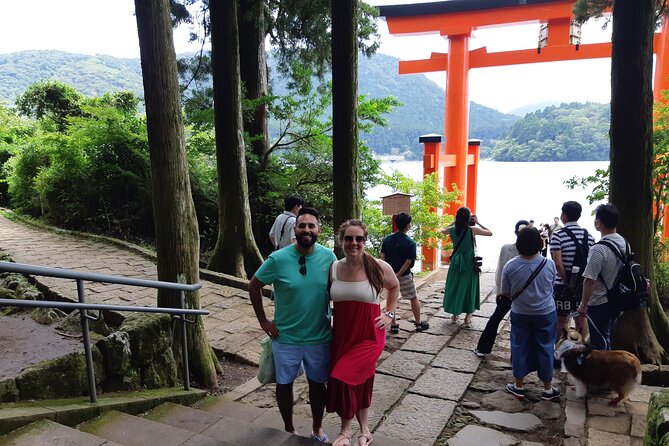
If your route includes the torii-area experience, you are aiming for the famous shrine torii vibe by the lake. The tour overview describes sailing across the lake to the Kuzuryu shrine area, connected to the 9-headed dragon deity. When guides are flexible and punctual, this is often the moment people remember most, because it is both scenic and distinctly Hakone.
What to consider: Lake areas can be affected by cloud and visibility. Fuji views are not guaranteed, so I treat that as a bonus rather than the mission.
Hakone Ropeway and Sounzan to Togendai viewpoints
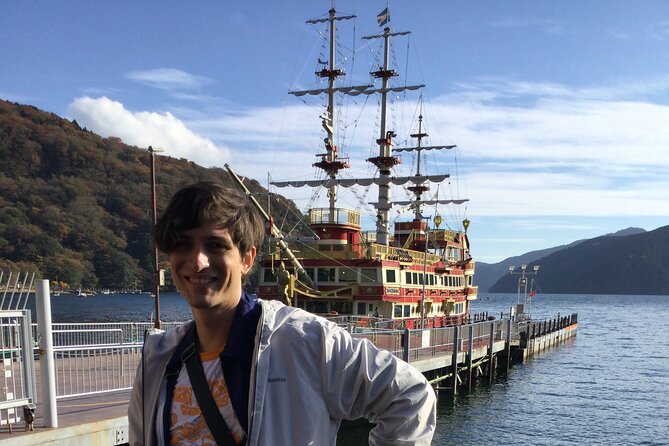
If your chosen sites include it, Hakone Ropeway is one of the easiest ways to get broad Hakone views without doing a long hike. The ropeway connects Sounzan Station and Togendai Station, making it a convenient bridge between the mountain-side viewpoints and the lake-side area.
This is also the kind of ride where your guide’s timing matters. In a private format, you can usually align your ropeway window with your other planned stops more smoothly than on a rigid group schedule. That means you spend less time waiting and more time enjoying the views when you are actually there.
What to consider: Ropeway lines can vary by season. Since entrance details are not bundled in the price, you will want to budget for ropeway costs if you add it.
A different sort of day in Japan:
- Full Day Tour to Mount Fuji in Spanish
★ 5.0 · 279 reviews - Full Day Tour to Mount Fuji with Guide in Spanish
★ 5.0 · 257 reviews - Private sightseeing tour from Shimizu Port / Van Taxi
★ 5.0 · 114 reviews - Tokyo: Mount Fuji 5th Station & Onsen Day Trip
★ 4.3 · 75 reviews
Art museums in Hakone: where the tour becomes more than sightseeing
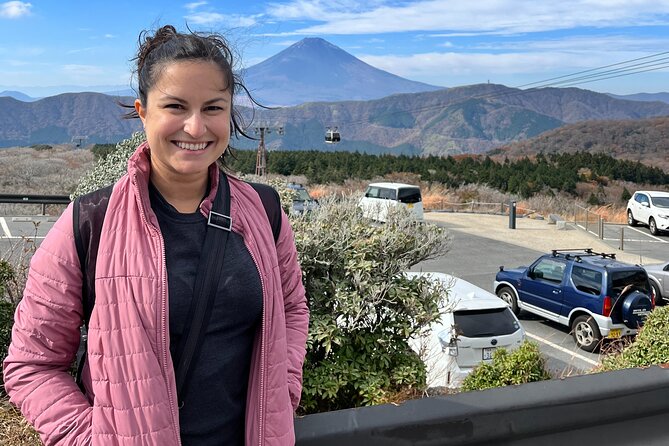
Hakone is famous for scenic variety, but it is also a serious art destination. This tour includes multiple art museums in its selectable options, including two standouts that are worth thinking about carefully.
First, Pola Museum of Art. It opened in 2002 to display a private collection connected to the late founder of the POLA group. If you like well-curated exhibitions and controlled lighting, this type of museum visit can be a relief after outdoor sightseeing. One practical upside: a museum stop can anchor your day when the weather turns, since you get climate-controlled pacing.
Second, Okada Museum of Art. This one is a privately owned collection with works spanning antiquity to modern pieces. It opened in 2013, and it is another good option if you want art with a slightly different feel than the open-air approach.
Then there are the larger art-and-nature combos:
- Hakone Open-Air Museum is described as the first open-air art museum in Japan, with artworks placed throughout a site of about 70,000 square meters. That is a lot of space, so you will want your guide’s help balancing how long to stay.
- Hakone Museum of Art (in Gora) is another option, founded in 1952.
One more to consider: Hakone includes several other creative stops, like Hakone Venetian Glass Museum (Italian-styled buildings, plus a strolling garden around a canal-like pond). If your group likes “hands-on curious browsing” instead of strict museum time, that can be a better fit than sitting through long galleries.
What to consider: Museums are not included in the entrance-free items list. Many art stops are marked as not included, so if you choose several museums, your day costs can jump quickly.
Gardens and temple pauses: Sengokuhara to Choanji
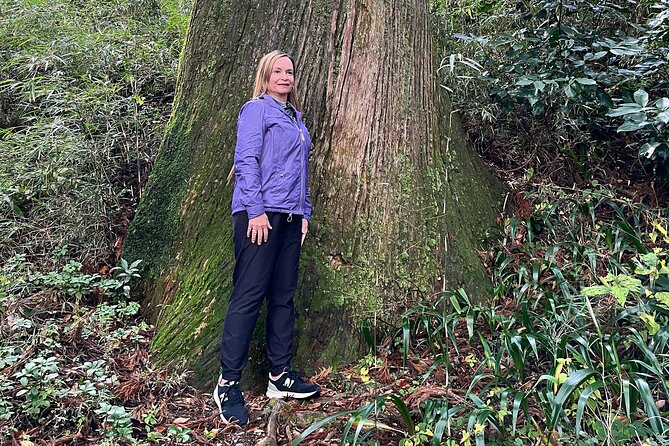
Not every great Hakone moment is ticketed. If your guide includes Sengokuhara, you get a slope known for pampas grass, often considered most beautiful in fall. Even if you are traveling outside peak season, this is still a scenic area that gives Hakone a softer, gentler feel compared to volcano activity.
For a quieter break, Choanji Temple is part of the tour’s options. It is a Soto Zen temple established in 1356, set in the Sengokuhara area. This is one of those stops where the value is atmosphere: you are trading big views for stillness, and that can make the rest of your day feel less rushed.
Then there is Hakone Shisseikaen, the botanical garden of wetlands in the Fuji Hakone Izu National Park highlands. It was founded in 1976 to preserve plant life. If you like structured gardens and educational signage, this can be a calm counterbalance to the more dramatic geothermal sights.
What to consider: Gardens and temples still take walking time. If you have limited mobility or want a slower pace, tell your guide upfront so the route can be built around your comfort level.
Owakudani Valley: the volcano stop that sets the tone
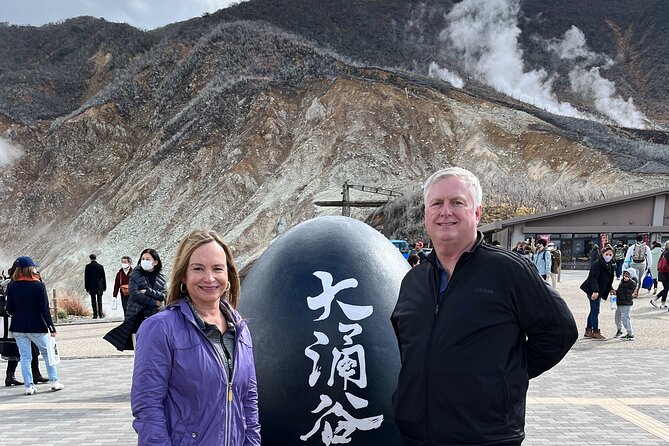
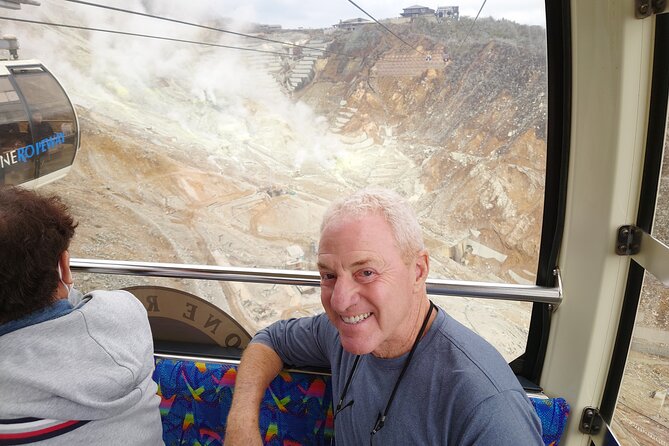
If Hakone has a single “must-do” energy, it is Owakudani Valley. It is an active volcano area that powers local hot springs, and the tour highlights geothermal activity plus the tradition of trying black-boiled eggs infused with mineral themes tied to the spring.
In the tour plan, Owakudani is set up as both educational and experiential. You can take the ropeway over the volcano to an observatory area and learn about the volcano. The black-boiled egg tradition is a big part of why people come, and it is easy to see why. It is a fun food moment that also fits the science of the place.
There is also an Owakudani Nature Research Trail option. The info you get for that trail includes that advance reservation is required and there is an 800 yen entrance fee. Since the trail is not listed as included, treat it as an extra you decide if you want a closer feel of the active geothermal area.
What to consider: This area can feel intense due to heat and sulfur smells. Wear comfortable shoes, and plan to take breaks instead of trying to power through every single viewpoint.
Quirky museums in Hakone: dolls, nihonga, and glass
Hakone’s museum selection is not only high-brow. It has room for quirky, charming detours, and those are great when you want something memorable that is not just a photo stop.
Two options worth calling out:
- Dollhouse Museum Hakone: a quaint museum with dollhouses from around the world, some described as over 200 years old. If your group likes vintage craft or small-scale detail, this is a satisfying stop.
- Narukawa Art Museum: focused on nihonga, Japanese-style painting. It is a contemporary art museum dedicated to that style.
Then there is the Hakone Venetian Glass Museum (Hakone Glass no Mori). The Italian-styled buildings plus garden paths and the canal-like pond outside make it feel more like a stroll with shops and viewing, rather than a strict gallery-only experience.
What to consider: These stops may not work if you are chasing only the classic Hakone scenic hits. They can be perfect as one of your chosen sites, but I would not make them all of them unless you know you love that specific museum vibe.
Timing your day with weather, Fuji hopes, and real pacing
Because this is a private full day format, you can pace your Hakone choices more thoughtfully. Your guide can help you decide what to prioritize based on the day, especially around weather.
Here is how I’d think about it:
- Put the most weather-dependent views (Lake Ashi with possible Fuji backdrop) at a time window you can enjoy even if visibility is modest.
- Place Owakudani high on your list early enough that you do not feel rushed, since volcano areas can take a bit longer than expected.
- Use museum time as a flexible buffer. If you hit a cloudy stretch, you will still get value from art museums and indoor stops.
Your guide feedback is also part of the practical value. Named guides like Seizo Kamiuto and Kei are praised for being flexible, informative, and getting groups to key moments such as the torii area around Hakone Lake. That kind of guide helps you avoid the common DIY problem, where you show up, take a photo, and then realize you needed 30 more minutes.
Food note: Lunch is not included, so you will want to plan a place to eat or ask your guide for options that fit the route you chose.
Price and logistics: is this worth it for your group?
At $732.97 per group (up to 2) for about 6 hours, the math only works if you actually value a private setup. What you are buying is the combination of:
- a private vehicle
- a licensed English-speaking guide
- route shaping around 3 to 4 chosen sites
If you are traveling as a pair, this can feel like a fair trade. Instead of paying for multiple train rides, transfers, and ticketing stress, you pay for one smoother day. It is also a comfort win if you have parents, someone who gets tired quickly, or you just do not want to manage transport while juggling a busy itinerary.
If you are traveling with a bigger party, note the price is per group up to 2 in the provided info. Also, the tour is private, meaning only your group participates, and you cannot combine multiple tour groups.
One last logistics detail: car seats and booster seats are limited, and rear-facing car seats are not available. If you are traveling with children who need specific seats, you should contact the provider directly ahead of time.
Who this Hakone tour fits best
This is a strong match if you want:
- classic Hakone highlights without the “where do we go next” problem
- a guide to explain what you are seeing, especially around Owakudani and shrine areas
- art and museum time, not only scenic stops
- a flexible day you can shape around your preferences, not a rigid bus route
It may feel less ideal if you want a free-and-easy backpacker style day. The private setup costs more, and since entrance fees and lunch are not included, your total day spend depends on how many paid museums and attractions you add.
Should you book? The decision shortcut
Book this tour if you are the kind of traveler who likes seeing more of Hakone with less hassle, and you want a guide who can keep the day smart and on-time. It is especially worth it if you plan to include at least one or two paid attractions, like ropeway or art museums, since the guide helps you choose time wisely.
Skip it or consider a simpler plan if your priorities are only a couple of outdoor viewpoints and you do not want to pay for private transport and guiding. For most people, though, a private Hakone day with an English-speaking guide is one of the easiest ways to get the best parts of Hakone into a single, manageable morning and afternoon.
FAQ
How long is the Hakone Full Day Tour with Guide and Vehicle?
The tour runs for about 6 hours.
How many people are included in a group?
The price is per group for up to 2 people.
What is included in the tour price?
Included items are a licensed local English-speaking guide and a private vehicle, with a customizable tour of your choice of 3 to 4 sites from the available options.
What is not included?
Entrance fees, lunch, and other personal expenses are not included.
Can I choose which stops to visit?
Yes. The tour is customizable, and you choose 3 to 4 sites from the provided What to expect list.
Do I get pickup and a mobile ticket?
Pickup is offered, and you receive a mobile ticket. Confirmation is received at booking.
Are there any limits for families needing car seats, and is free cancellation available?
Car seats and booster seats are limited, and rear-facing car seats are not available, so you should contact the provider if you need one. Free cancellation is available up to 24 hours in advance for a full refund.
Newly listed around Shizuoka
- Mt.Fuji area Tour from Shimizu Port / Van Taxi★ 5.0 · 41 reviews
- Port Pick-Up: Shizuoka Tour with Licensed Guide and Vehicle★ 5.0 · 15 reviews
- Mt.Fuji area Tour from Shimizu Port /Small Bus★ 5.0 · 10 reviews
- West IZU Uncovered Tour Cave Cruise and Monkey Encounter★ 5.0 · 6 reviews
- Mount Fuji Full-Day Private Tour from Shimizu Port (Customizable)★ 5.0 · 23 reviews
- Small Group Japanese Green Tea Tasting in Shizuoka★ 5.0 · 7 reviews
- Half Day Izu Kogen Highlands Downhill Cycling Tour★ 5.0 · 23 reviews
- Let’s enjoy Scuba diving in Izu Peninsula for certificate Diver★ 5.0 · 14 reviews
Shizuoka Tours, compared.
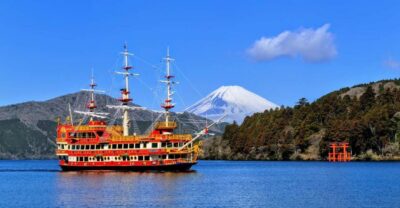
Mt. Fuji 5th Station & Hakone Cruise 1-Day Bus Tour
Read our review →
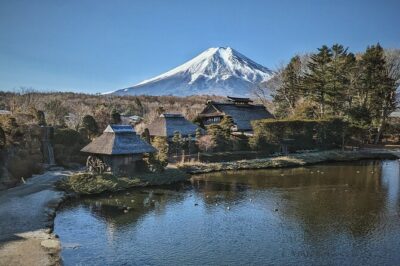
Full Day Tour to Mount Fuji with Guide in Spanish
Read our review →
Private sightseeing tour from Shimizu Port / Van Taxi
Read our review →
Half Day Izu Kogen Highlands Downhill Cycling Tour
Read our review →
Mount Fuji Full-Day Private Tour from Shimizu Port (Customizable)
Read our review →Browse the lists this tour appears in