
Review · MOUNT FUJI DAY TRIPS
Full Day Tour to Mount Fuji with Guide in Spanish
A single day around Mount Fuji can feel like a greatest-hits album. This one is interesting because it blends the big iconic stops with smaller, meaningful sites, all explained in Spanish by a guide. You also get a tight Fuji circuit that keeps swapping between lakes, shrines, and viewpoints.
What I like most is the combination of entrance fees handled and a plan that actually gives time to look, not just hop off and sprint. I also appreciate the small-group feel, with a maximum of 13 people, so the day stays calmer as you move between stops.
One consideration: the whole outing depends on weather, and when clouds roll in, Mount Fuji views can be less dramatic. Since you have limited time at each stop, you will want a plan for flexible expectations if the sky is not cooperating.
In This Review
- Key highlights you should know before you go
- Is this 9-hour Mount Fuji day trip good value for $103.67?
- Mishima Station to Shin-Fuji Station: the timing you can plan around
- Lake Yamanaka: your first close look at Mount Fuji
- Oshino Hakkai: traditional village scenes with Fuji in the frame
- Kitaguchi Hongu Fuji Sengen Jinja: a shrine with ancient trees
- Chureito Pagoda and Lake Kawaguchiko: the classic Fuji-photo stretch
- Houtou lunch at noon: plan your timing for a regional noodle bowl
- Fugaku Wind Cave: a volcanic side of Mount Fuji
- Saiko Lake and Motosuko Lake: second and third chances for the perfect Fuji shot
- Aokigahara Forest walk and Shiraito Falls: the softer, quieter ending
- Small group size and Spanish storytelling: how the day actually feels
- Who this Mount Fuji day tour suits best
- Should you book this Spanish Mount Fuji tour?
- FAQ
- What language is the guide?
- How long is the Mount Fuji full day tour?
- How much does the tour cost?
- Where does the tour start and end?
- Is lunch included?
- Are entrance fees included?
- How many people are in the group?
Key highlights you should know before you go
- Spanish guidance that turns famous places into stories and context
- Small group size (max 13) for smoother pacing and less crowd pressure
- Entrances covered for the places where fees apply, so you are not hunting tickets
- A Fuji lake route that keeps the mountain in the frame at multiple stops
- Iconic photo spots with real time, including Chureito Pagoda and lakes viewpoints
- A lunch window for Houtou, the regional noodle soup dish (lunch not included)
Is this 9-hour Mount Fuji day trip good value for $103.67?
At about $103.67 per person for a full day, the value comes from three practical things you get in one package: a Spanish guide, transport between multiple sites, and entrance fees covered for attractions that charge admission. If you try to build this yourself, the math tends to get messy fast, especially when you factor in how many different places you want to see in one day.
You also have a clear structure. The trip runs roughly 9 hours, starting at 8:20 am and finishing around 6:30 pm at Shin-Fuji Station. That matters because Mount Fuji day trips are time heavy. This format gives you a workable schedule without turning your day into an endless series of logistics chores.
Still, remember what is not included. Lunch is not included, so you should budget extra for food. And because this is a sightseeing-heavy day, your comfort will depend on your tolerance for sitting in transit and then standing, walking, and looking at multiple places with short time blocks.
More Mount Fuji Day trips in Shizuoka:
- Tokyo: Mt. Fuji 5th Station & Hakone Cruise 1-Day Bus Tour
★ 4.2 · 2,381 reviews - Full Day Tour to Mount Fuji in Spanish
★ 5.0 · 279 reviews - Tokyo: Mount Fuji 5th Station & Onsen Day Trip
★ 4.3 · 75 reviews
Mishima Station to Shin-Fuji Station: the timing you can plan around
The day starts at Mishima Station (16-1 Ichibanchō, Mishima) at 8:20 am. That is a smart choice if you are already staying around the Shizuoka side of the route. It also means you are not starting from Tokyo and burning half your day just getting to the Fuji area.
You end at Shin-Fuji Station around 6:30 pm. The tour notes that Shin-Fuji is about 60 minutes from Tokyo, which is helpful if you want to plan a return train without guessing. In other words, you can treat this as a true day trip, not a “start early, sleep late” ordeal.
The stop durations are mostly 30 to 40 minutes, with one longer meal period. That pacing is a double-edged sword. It is great for seeing many places, but if you want to linger for an hour just taking in the view somewhere, you may feel time pressure at certain stops.
Lake Yamanaka: your first close look at Mount Fuji
You begin with Lake Yamanaka, listed as the largest lake and the one closest to Mount Fuji. With about 30 minutes here, the goal is usually not a long stroll. It is time to reset your eyes, look for clear Fuji views, and get your bearings for the rest of the day.
This is a strong opener because it sets the tone. If the weather is cooperative, Yamanaka gives you that classic Fuji-and-lake composition early. If the mountain is obscured, you at least get practice with how the day is going to work, since you will see Fuji-related views again later at other lakes and viewpoints.
A practical tip for your own comfort: plan to stand, not just sit. In a short visit, you will get more from moving to the best angles the guide points out, rather than waiting in one spot.
Oshino Hakkai: traditional village scenes with Fuji in the frame
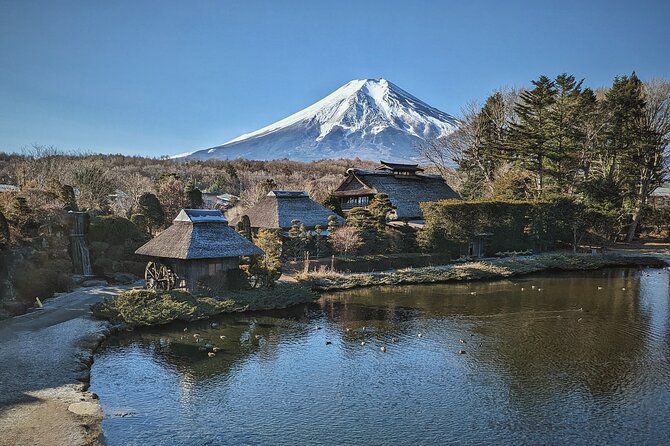
Next comes Oshino Hakkai, where you visit Oshino Village and get some of the best views of Mount Fuji. You get about 1 hour 20 minutes, and the admission is included.
This is one of the stops that can feel both scenic and culturally grounded. A “typical Japanese village” here is not about museums, it is about the look and rhythm of the place, with Fuji looming as the backdrop. The guide’s explanations add value because this is not just a photo break. It helps you understand why the area is known for its connection to the mountain.
The main drawback is the usual one with famous villages: the time can be just enough for the highlights, but not enough to wander slowly. If you like to browse at a relaxed pace, you may want to focus on what the guide suggests first, then see what time remains for extra wandering.
A few more Shizuoka days to weigh up
- Private sightseeing tour from Shimizu Port / Van Taxi
★ 5.0 · 114 reviews - Mt. Fuji Drive Tour (Includes Visit to Local Speedway)
★ 5.0 · 19 reviews - Halfway Up Mt,Fuji, Oshino Hakkai, Kawaguchiko from Tokyo
★ 3.6 · 13 reviews - Private Fuji Full-day Car Tour with Hotel Pickup -Local Guide
★ 5.0 · 12 reviews
Kitaguchi Hongu Fuji Sengen Jinja: a shrine with ancient trees
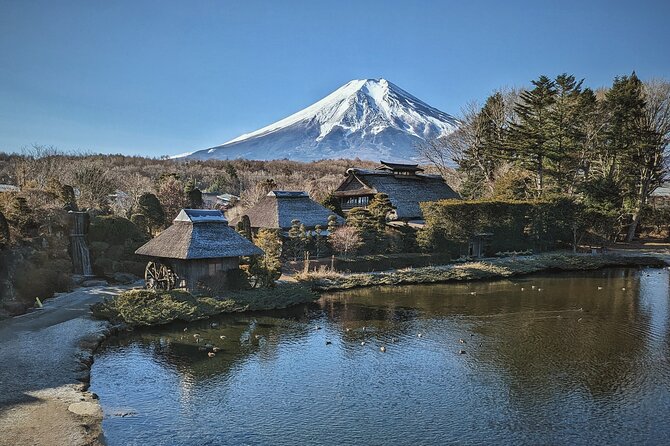
From village streets, you move to Kitaguchi Hongu Fuji Sengen Jinja, one of the most important sanctuaries in the region. This stop lasts about 1 hour 10 minutes, and admission is free.
What I find compelling here is that it shifts the day from “views only” into “meaning.” Mount Fuji is not only a landscape icon, it is tied to belief and ritual. A stop like this helps you connect the mountain to spirituality and local tradition without turning it into a lecture.
The shrine also includes a note about thousand-year-old trees, which signals you will be looking at something that feels genuinely old. With about an hour, you have time to slow down a bit, take in the surroundings, and let the guide’s historical curiosities land.
If you prefer your day packed with moving around, this might feel more contemplative. That is not a problem for most people, but it is worth flagging if you like action over reflection.
Chureito Pagoda and Lake Kawaguchiko: the classic Fuji-photo stretch
Then you hit Chureito Pagoda, described as one of the most iconic and popular sights in Japan. The visit is about 1 hour 20 minutes, and admission is free. After that, you go to Lake Kawaguchi for about 30 minutes.
This section is built for views. Chureito Pagoda is usually remembered for the way it frames Mount Fuji with its layered composition. Lake Kawaguchiko continues that theme, giving you another chance to catch Fuji across water and from a different angle.
Here is the main consideration: because both are top-tier photo targets, you are likely to share space with other people. With a fixed time window, your best move is to let the guide set you up for the most worthwhile vantage points first. Then, if you have energy, you can do your own exploring.
Houtou lunch at noon: plan your timing for a regional noodle bowl
At noon there is a stop for houtou, the typical dish of the region. The lunch window is about 1 hour 30 minutes, and admission details do not apply here because it is a food stop. Lunch is not included.
This is a smart inclusion. If you spend all day chasing Fuji views, having a local meal prevents the trip from feeling like a checklist. Houtou is described as a bowl of soup with noodles and vegetables, so it is the kind of warm, filling food that can help you keep moving for the afternoon.
Because lunch is on you, you should treat that 1 hour 30 minutes like real time to eat, not just a quick snack. If you wait too long, the rest of the afternoon still happens on schedule.
Fugaku Wind Cave: a volcanic side of Mount Fuji
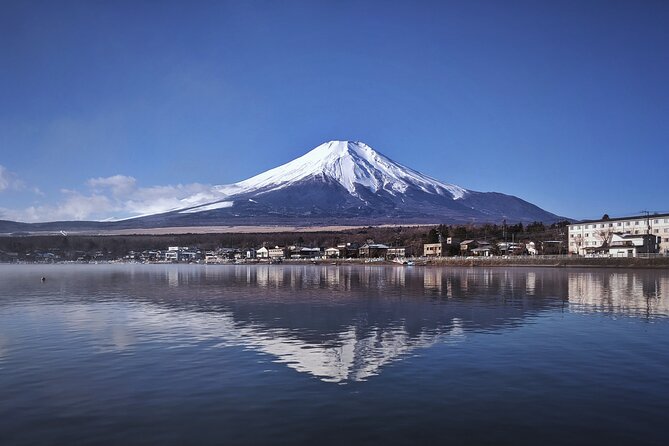
Next up is Fugaku Wind Cave, also called the cave of the wind. You get about 30 minutes here, and admission is included.
This stop is valuable because it adds a different Mount Fuji angle. Instead of only lakes and shrines, you get a natural feature formed after one of the mountain’s eruptions. It is a short visit, but it helps break the pattern of scenery and gives you something more physical to imagine.
The drawback is simply time. Thirty minutes is enough for the main viewing and getting your bearings, but it is not enough if you want an extended underground experience.
If you are the kind of traveler who loves geology and natural formations, this is one of the stronger spots for curiosity during the day.
Saiko Lake and Motosuko Lake: second and third chances for the perfect Fuji shot
After the cave, the itinerary shifts back to views with multiple lakes: Saiko Lake and Motosuko Lake.
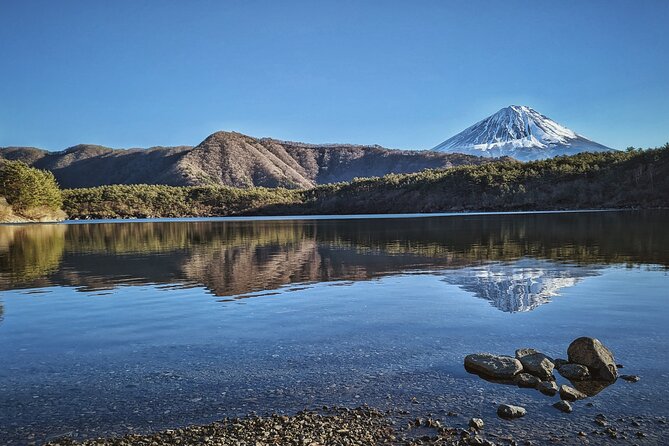
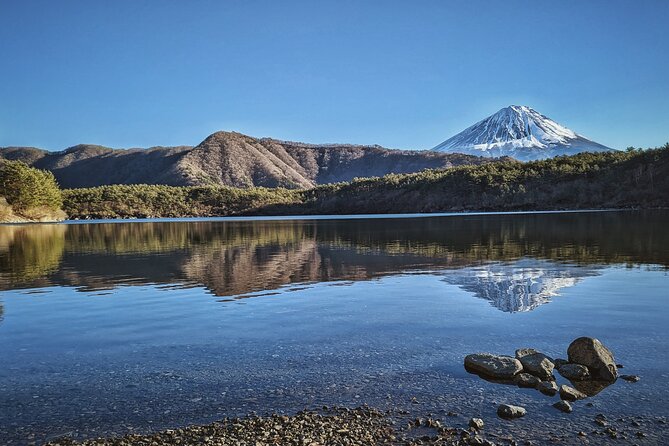
- Saiko Lake is about 30 minutes, with free admission.
- Motosuko Lake is also about 30 minutes, with free admission, and it is noted for a stunning view of Mount Fuji that matches the scene on the back of the thousand yen bill.
This is where the weather dependence becomes a make-or-break factor. The tour structure gives you repeated opportunities to see Fuji, which is exactly what you want on a mountain day. If clouds hide the view at one stop, you still have later chances.
A practical way to use this part of the day is to be ready to move quickly. In short visits, you get more from arriving with your camera settings ready and your eyes trained for the frame the guide is aiming for, instead of waiting for perfect light that might not show up.
Aokigahara Forest walk and Shiraito Falls: the softer, quieter ending
The afternoon includes two contrasting nature stops.
First is Aokigahara Forest, described as the famous Aokigahara forest, also known as the suicide forest. You take a walk inside for about 30 minutes, with free admission. Because this area is known for a heavy topic, I recommend keeping your own comfort level in mind. If you prefer your travel days to stay light, this might not be your ideal final stretch.
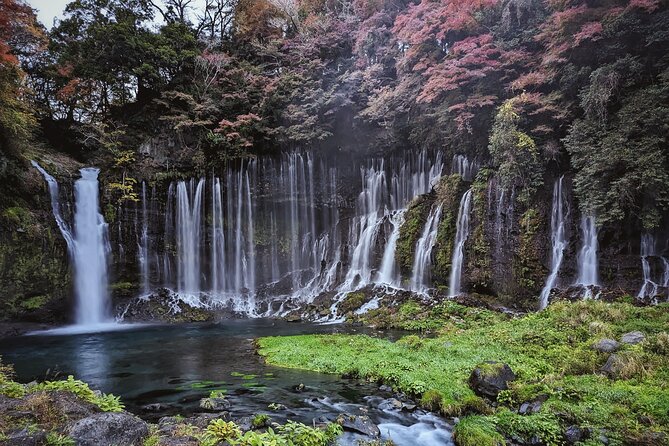
Then you end at Shiraito Falls, described as one of the most beautiful in Japan. This stop lasts about 40 minutes, with free admission. The falls are supplied by springs of Mount Fuji, which ties the water back to the mountain you have been chasing all day.
I like how the day closes with something that feels slower and more sensory. After caves and lakes and viewpoints, a waterfall gives you motion, sound, and a chance to refresh before you travel back.
Small group size and Spanish storytelling: how the day actually feels
This tour caps at 13 travelers, which is a big deal on a long day with many stops. With smaller groups, the guide can keep track of where people are and you usually spend less time waiting. That turns a “9-hour tour” into something closer to a real experience rather than a constant shuffle.
Spanish guidance is another core advantage. When the guide explains the history and curiosities of Mount Fuji and each site, you get more than pretty views. One of the themes you will likely notice is that the tour treats Fuji as a whole system, not just a single summit icon. Lakes connect to the mountain’s presence, shrines connect to belief, and the cave connects to volcanic activity.
If you are traveling with family, a small group can be easier too. Everyone tends to stay oriented, and you can manage your energy without feeling like you are constantly separating from the group.
Who this Mount Fuji day tour suits best
This is a great fit if you want a guided, organized Mount Fuji day without wrestling with multiple tickets and transfers yourself. It is especially good for travelers who enjoy explanations while they look, not just people who want silence and snapshots.
You might love it if:
- you want to see several Fuji-related highlights in one go, from lake viewpoints to a shrine and a cave
- you are comfortable with a schedule that moves every 30 to 40 minutes
- you prefer a smaller group over large bus crowds
You might want to think twice if:
- you are very sensitive to the subject associated with Aokigahara
- you need lots of free time to linger somewhere, because each stop is time boxed
- you only want Fuji views in perfect weather, since the day depends on conditions
Should you book this Spanish Mount Fuji tour?
If you want a structured Mount Fuji day with Spanish guidance, multiple classic stops, and entrance fees covered for the attractions that charge, this is a strong option. The value is not only the price. It is the way the day is packaged: a workable timeline, a small group size, and enough repetition across lakes and viewpoints that you have a real chance of seeing Mount Fuji clearly.
Book it if you can be flexible about views and you are okay with a schedule that keeps moving. Skip or choose another option if you know you will struggle with the Aokigahara stop theme or you feel you need a slow, unhurried day.
In short: this is the kind of tour that pays off when you want to understand Fuji as much as you want to photograph it.
FAQ
What language is the guide?
The tour is with a guide in Spanish.
How long is the Mount Fuji full day tour?
The duration is approximately 9 hours.
How much does the tour cost?
The price is $103.67 per person.
Where does the tour start and end?
It starts at Mishima Station and ends at Shin-Fuji Station (around 6:30 pm).
Is lunch included?
No. Lunch is not included. There is a stop for houtou at noon.
Are entrance fees included?
Yes, the payment of the entrances to the places visited is included.
How many people are in the group?
The tour has a maximum of 13 travelers.
Newly listed around Shizuoka
- Private Fuji Full-day Car Tour with Hotel Pickup -Local Guide★ 5.0 · 12 reviews
- Halfway Up Mt,Fuji, Oshino Hakkai, Kawaguchiko from Tokyo★ 3.6 · 13 reviews
- Tokyo: Mount Fuji 5th Station & Onsen Day Trip★ 4.3 · 75 reviews
- Tokyo: Fuji Cable Car Tour (Ticket Inc.) – Kawaguchiko Views★ 4.8 · 12 reviews
- Mount Fuji E-Bike Tour: Explore Nature and History★ 5.0 · 7 reviews
- Mt. Fuji Drive Tour (Includes Visit to Local Speedway)★ 5.0 · 19 reviews
- From Tokyo: Izu Omuro Mountain, Jogasaki Coast Day Trip★ 4.0 · 11 reviews
- A trip to visit Ise Grand Shrine and experience Ama culture★ 3.9 · 6 reviews
Mount Fuji Day Trips, compared.
Mt Fuji and Hakone 1-Day Bus Tour Return by Bullet Train
Read our review →
Mt Fuji & Hakone Cruise, Drum Show Bullet Train 1 Day from Tokyo
Read our review →
Tokyo Mt Fuji 5th St & Hakone Cruise Bus Tour w/Bullet Train
Read our review →
Mt. Fuji Tour, Hakone Ropeway, Owakudani, Lake Ashi
Read our review →
Mt.Fuji,Kawaguchiko Oishi Park,Arakurayama Sengen Park
Read our review →
Mt. Fuji 5th Station & Hakone Cruise 1-Day Bus Tour
Read our review →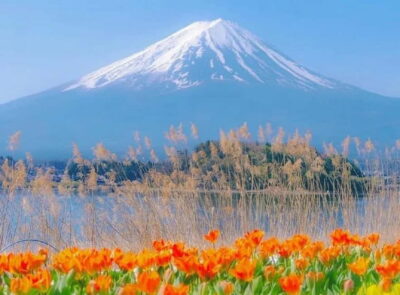
Mt Fuji Top 5 Spots Day Tour: Arakurayama Park,Oshino Hakkai
Read our review →Browse the lists this tour appears in