
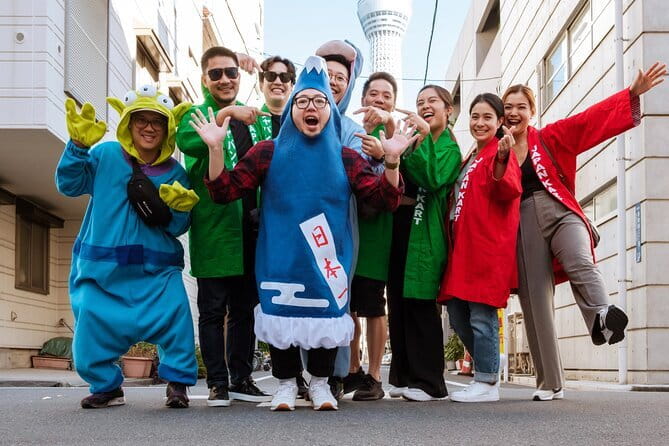
Review · STREET KART RIDES
Official Japan Go-Kart Tokyo Skytree/Akihabara (IDP Required)
Tokyo goes a lot faster, and you stay smiling.
This Japan Kart go-kart tour is a smart way to cover big neighborhoods in a short chunk of time, with a max group size of 10 that keeps the experience friendly and manageable. I especially like the route mix, from Kaminarimon to Tokyo Skytree, plus the setup that includes clear guidance before you hit the streets. One real drawback to plan around is the strict driving paperwork: you must have the correct license and International Driving Permit (IDP) format, or you can be turned away.
In This Review
- Key Points to Know Before You Cruise Tokyo Streets
- Go-Kart Tokyo in 90 Minutes, From Thunder Gate to Skytree
- The Small Group Size That Keeps Things Calm
- Price and Value: Is $65.69 Worth It?
- Before You Ride: Waiver, Outfits, and a Short How-To Video
- Asakusa First, With Kaminarimon Thunder Gate Energy
- Ameyoko Market Stops for Street Noise and People-Watching
- Ueno Park: Big-Sight Spacer Between Market and Tech
- Akihabara Neon With an Otaku-Culture Feel
- Kappabashi Kitchen Town for Knife Shops and Plastic Food
- Tokyo Skytree: Panoramic Views and Big-City Finishing Energy
- Driving Rules That Can Stop the Trip Before It Starts
- Timing, Meeting Point, and How Not to Stress Out
- Who This Tour Suits Best (And Who Should Skip It)
- Should You Book JapanKart for a Tokyo Go-Kart Ride?
- FAQ
- Do I need an International Driving Permit (IDP) for this Tokyo go-kart tour?
- What IDP format is accepted, and what is not accepted?
- How long is the go-kart experience?
- How many people are in the group?
- What does the tour include?
- Where do I meet the tour, and where does it end?
- What should I wear and bring for the ride?
- What happens if the weather is bad?
Key Points to Know Before You Cruise Tokyo Streets
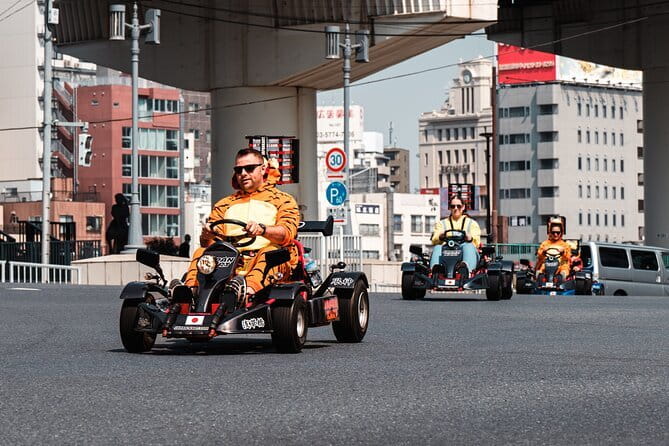
- Small group, big coverage: capped at 10 people so you spend more time riding and less time waiting around
- Real driving rules, no gray area: bring the right IDP (1949 Geneva format, booklet form) with your home license and passport
- Fast setup and training: you sign a waiver, choose gear, then watch a short instructional video before riding
- A route built for first-time Tokyo highlights: Asakusa, Ameyoko, Ueno Park, Akihabara, Kappabashi, and Skytree
- English and Japanese guide support: helpful for timing, safety, and understanding what to expect
Go-Kart Tokyo in 90 Minutes, From Thunder Gate to Skytree
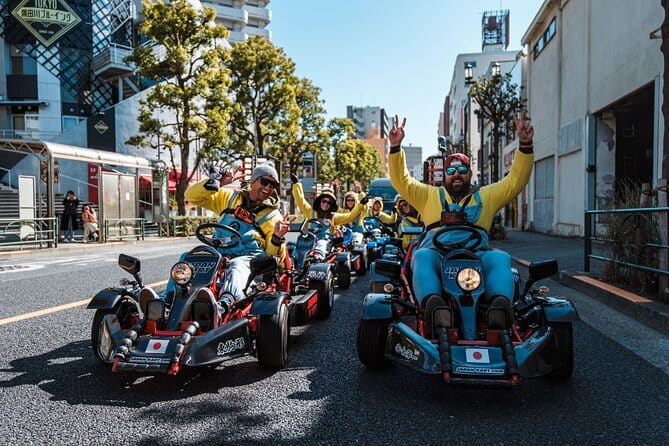
If you want Tokyo without the marathon of train changes and long walks, this is a fun shortcut. You get into a go-kart, learn the basics, then roll through several of the city’s most famous areas in roughly 1 hour 30 minutes total.
What makes it work is the pacing. You’re not trying to see everything on foot, you’re moving through the neighborhoods that define Tokyo, and the route is designed to connect iconic sights in one run.
There’s also a fun practical angle. Riding lets you cover distance quickly, yet you still get to look around, take in street life, and feel the energy of places like Akihabara in a way that walking alone usually cannot match.
Other Anime and Manga trips worth a look in Tokyo:
- Official Street Go-Kart Tour – Akihabara
★ 5.0 · 1,578 reviews - Tokyo Go Kart: Asakusa, Skytree, and Akihabara **IDP MUST**
★ 5.0 · 988 reviews - Tokyo: Tokyo Tower, Shibuya Crossing, Harajuku, Go Kart Tour
★ 4.7 · 446 reviews
The Small Group Size That Keeps Things Calm
A 10-person cap is a big deal for a street ride. It means you’re not stuck watching a long line of karts go by while you wait for your turn, and you’re more likely to get attention when questions pop up.
You also get a guide who speaks English and Japanese, which matters when you’re new to the karts or you’re trying to follow instructions about safety and the course. In a setup-heavy experience like this, that language support helps you feel confident fast.
This is the kind of tour where you can feel the staff moving people through the process, which keeps the vibe upbeat instead of chaotic.
Price and Value: Is $65.69 Worth It?
At $65.69 per person, you’re paying for two things: access to a go-kart experience and a route that stacks major Tokyo stops in a short window. For many visitors, the value is how much ground you cover compared with trying to stitch together those neighborhoods in one day.
You also get more than just driving. Your time includes the prep, the short instructional video, and the guided ride experience. When you add up time saved and the fun factor, the price starts to feel more like an activity ticket than a simple sightseeing add-on.
That said, it only becomes a good deal if you show up ready to drive. With the IDP rules being strict, check your documents early so you don’t risk losing the opportunity entirely.
Before You Ride: Waiver, Outfits, and a Short How-To Video
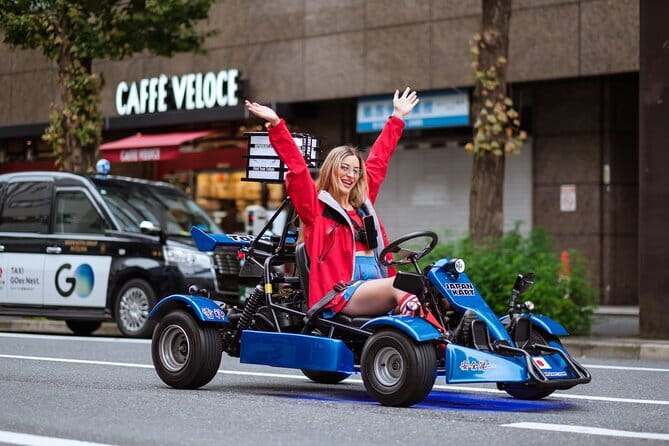
The most important part of any go-kart tour is the start, because nerves and confusion are what steal the fun. Here, the process is structured: you sign the waiver, get your outfits or costumes, then watch a quick instructional video before you hit the street.
That short video is there for a reason. It helps you understand how to handle the kart safely and how the ride flow works, so you can focus on the streets and the sights instead of guessing.
One detail I like from the setup experience is how staff make it feel welcoming. People consistently describe the team as professional and friendly, which helps a lot when you’re gearing up to drive in a busy Tokyo setting.
More Street Kart rides in Tokyo:
- Flagship 2-Hours Official Street Go-Kart Tour – Tokyo Bay Shop
★ 5.0 · 4,974 reviews - Official Street Go-Kart in Shibuya
★ 5.0 · 3,435 reviews - Tokyo: Street Kart Experience in Shibuya
★ 4.9 · 1,484 reviews - Shibuya Official Street Go-Kart in Shibuya Annex
★ 5.0 · 972 reviews
Asakusa First, With Kaminarimon Thunder Gate Energy
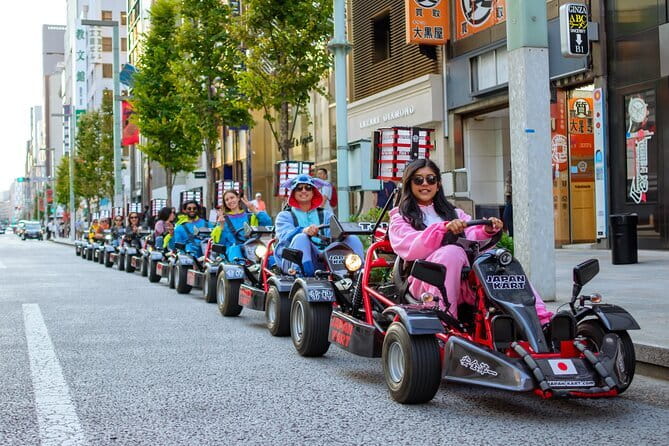
Your route begins around Asakusa’s famous landmark, Kaminarimon, the Thunder Gate that marks the entrance to Sensō-ji. You’ll recognize it fast by the big red lantern, plus statues of Fujin (god of wind) and Raijin (god of thunder).
This is a strong starting point because it sets the theme of the day. Asakusa gives you old-meets-everyday Tokyo right away, and starting there is a satisfying way to kick off your kart ride.
The tradeoff is timing and attention. If you’re focused on driving, you won’t linger like you would on foot. Still, you’ll get that unmistakable landmark moment, then move on before you feel boxed in by crowds.
Ameyoko Market Stops for Street Noise and People-Watching
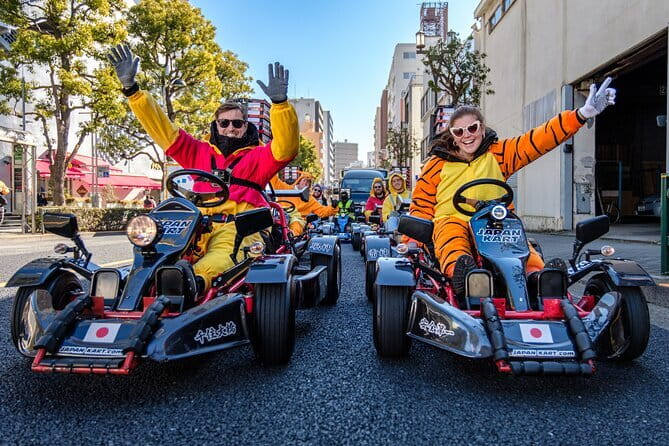
Next up is Ameyoko, short for Ameya Yokocho, in the Ueno area. It’s known for the story behind its name, tied to selling American goods early on, and today it’s a lively street market zone.
This stop works well on a go-kart route because it’s visually dense. You get to see storefront energy and street-level Tokyo without needing to slow down to the speed of walking.
Practical note: market streets can feel busy. Keep your focus on the guide and the flow of the ride, and use your eyes for quick snapshots rather than planning a full stop-and-stare.
Ueno Park: Big-Sight Spacer Between Market and Tech
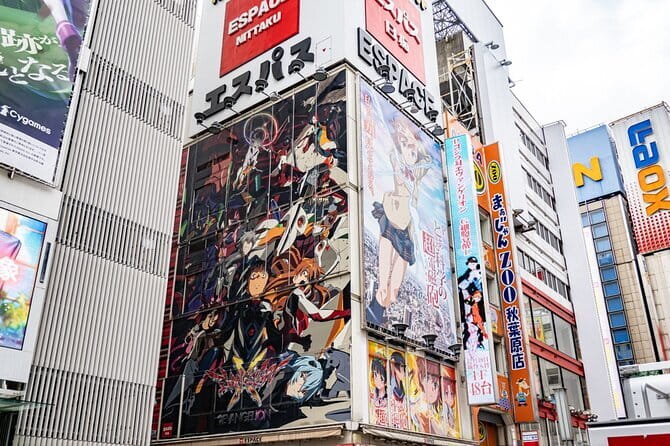
You also roll through Ueno Park, a major public park known for major cultural attractions like the Tokyo National Museum and the Ueno Zoo. In spring, it’s especially known for cherry blossoms and picnic culture, which gives the park a seasonal identity.
On a kart tour, you don’t get to wander for hours. But that’s not the goal. The park becomes a breather space in the route, a change in pace after shopping street intensity.
If you like taking in Tokyo’s mix of modern movement and classic public spaces, Ueno Park is a nice mid-ride moment.
Akihabara Neon With an Otaku-Culture Feel
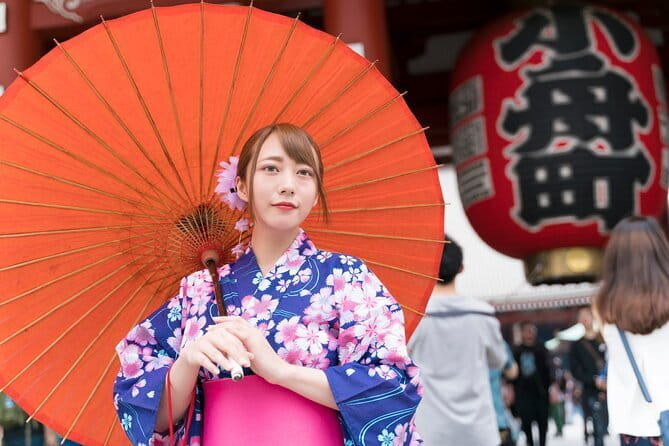
Then comes Akihabara, the electrifying hub of otaku culture and tech. You’ll get the neon-lit vibe, the dense cluster of electronics shops, and the anime and manga storefront atmosphere that makes Akiba feel different from most of Tokyo.
A go-kart perspective helps here. When you approach the area from the street, the energy hits faster, and you feel like you’re in the middle of Tokyo’s pop-culture map.
This is also where costume and attitude can really pay off. If you enjoy waving at people or just enjoying the scene, this area is one of the best places in the route for that kind of fun.
Kappabashi Kitchen Town for Knife Shops and Plastic Food
After Akihabara, you shift to Kappabashi, often called Tokyo’s Kitchen Town. The area is known for cookware, professional-grade knives, and the famously detailed plastic food models you see outside restaurants.
This stop has a practical payoff for food lovers. Even if you never buy anything, you’ll get a feel for Japanese kitchen culture and the level of craftsmanship shops are showing.
Because it’s a ride-through stop, don’t expect a full shopping session. Instead, use it like a visual marketplace preview, then plan a separate visit later if you want to browse.
Tokyo Skytree: Panoramic Views and Big-City Finishing Energy
The final big anchor is Tokyo Skytree, Japan’s tallest structure at 634 meters. Inside the complex, there are observation decks, shopping and dining, plus attractions such as an aquarium and a planetarium.
Skytree is a great ending point because it’s instantly meaningful even if you’re not staying for the view. It gives you that landmark payoff, and the tall-tower energy makes the route feel complete.
One thing to keep in mind is weather and visibility. If you want views toward Mount Fuji, clear conditions matter, and Skytree is one of the places where good sightlines make a bigger difference than most.
Driving Rules That Can Stop the Trip Before It Starts
This is the part you should take seriously, because it can be the difference between riding and getting turned away. You must have:
- Your driver’s license from your home country
- An International Driving Permit (IDP) in the 1949 Geneva Convention format
- Your passport
There are exceptions for certain license-issuing countries listed as Switzerland, Germany, France, Taiwan, Belgium, or Monaco, but even then you need a Japanese translation from JAF.
The IDP must be issued by approved issuers for your country, and it must be in booklet form, not paper or A4. Also, IDPs under the Vienna Convention 1968 are not accepted.
Dress matters too. You should avoid long skirts, high heel shoes, and sandals. And alcohol consumption before the tour is prohibited.
If you follow the rules, you’ll enjoy the experience. If you don’t, you may not drive at all, and you may not be able to fix it last-minute. Check your documents before you leave home.
Timing, Meeting Point, and How Not to Stress Out
The meeting point is at JapanKart2-chōme-18-15 Azumabashi, Sumida City, Tokyo 130-0001, Japan. It’s near public transportation, which makes arrival easier.
You should arrive 15 minutes before your booking time. They can wait up to 10 minutes after the reserved time, so build in buffer for train delays or a quick walk to the exact spot.
The tour uses a mobile ticket, and you’ll receive confirmation at booking. Also, you should watch the instructional video sent with your confirmation email, because it helps you show up prepared.
Finally, this experience requires good weather. If it’s canceled for poor weather, you’ll be offered a different date or a full refund.
Who This Tour Suits Best (And Who Should Skip It)
This is best for you if you want Tokyo highlights in a concentrated time window. If you’re short on time, this go-kart format is a practical way to see big names like Asakusa, Ueno, Akihabara, and Skytree without spending half your day just getting from point A to B.
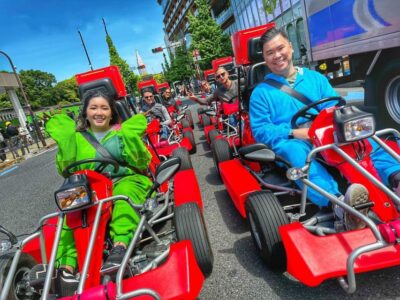
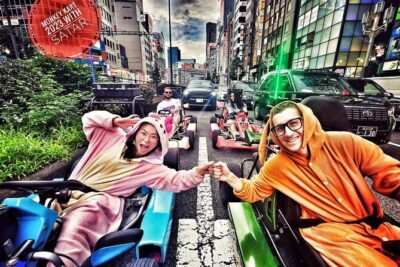
It’s also a good fit if you enjoy playful energy. People talk about the fun factor of costumes and the idea of feeling like you’re in a real-life game while riding through real streets.
Skip it if you don’t have the right driving documents ready. The IDP requirement is strict, and the process will not bend for last-minute fixes.
Should You Book JapanKart for a Tokyo Go-Kart Ride?
I’d book this if you are prepared for the IDP rules and you want a high-fun, efficient way to connect Tokyo’s biggest districts in one loop. The combination of a small group, an English and Japanese guide, and a short training setup tends to make first-time go-karters feel comfortable quickly.
But if your travel documents are uncertain, slow down and verify everything first. This is the kind of activity where being off by one detail can ruin the day.
If you’ve got your IDP in the correct booklet format and you can wear appropriate footwear, this is a smart, memorable way to experience Tokyo streets with momentum.
FAQ
Do I need an International Driving Permit (IDP) for this Tokyo go-kart tour?
Yes. You must bring an International Driving Permit in the 1949 Geneva Convention format, plus your driver’s license from your home country and your passport. Some listed countries have exceptions, but you still need the right paperwork.
What IDP format is accepted, and what is not accepted?
The accepted IDP is the 1949 Geneva Convention format, and it must be in booklet form, not in paper or A4 format. IDPs issued under the Vienna Convention 1968 are not accepted.
How long is the go-kart experience?
It runs for about 1 hour 30 minutes. The tour is designed to be shorter so you can fit it in even if you are on a tight schedule.
How many people are in the group?
The tour has a maximum of 10 travelers, which helps keep the experience more personal and easier to manage.
What does the tour include?
The go-kart ride is included, and you also get an English and Japanese speaking guide.
Where do I meet the tour, and where does it end?
The meeting point is JapanKart2-chōme-18-15 Azumabashi, Sumida City, Tokyo 130-0001, Japan. The activity ends back at the meeting point.
What should I wear and bring for the ride?
Bring the required driving documents. For clothing, avoid long skirts, high heel shoes, and sandals.
What happens if the weather is bad?
This experience requires good weather. If it’s canceled due to poor weather, you can either reschedule (if available) or receive a full refund.
More Go-Karts in Tokyo
- Tokyo: Asakusa, Skytree & Akhihabara Go-Kart City Experience
★ 4.7 · 761 reviews - Official Street Go-Kart Tour in Asakusa
★ 5.0 · 461 reviews - Best Go Kart Experience in Shibuya Crossing with Iconic Photos
★ 5.0 · 348 reviews - Asakusa/Tokyo Bay & Akihabara Go Karting Tours
★ 4.6 · 347 reviews
Newly listed around Tokyo
- Private Tokyo Food Tour – A Journey Through Time Through Food★ 5.0 · 36 reviews
- Private Tokyo Tour with Licensed Guide & Vehicle (Max 15 persons)★ 5.0 · 107 reviews
- Private Tokyo Custom Full-Day Tour by Chartered Vehicle★ 5.0 · 16 reviews
- Private Tokyo Custom Half-Day Tour by Chartered Vehicle★ 4.5 · 13 reviews
- Private Outstanding Nikko Tour with English Speaking Driver★ 4.0 · 11 reviews
- Private Sightseeing to Mt Fuji and Hakone with English Driver★ 5.0 · 51 reviews
- Private Snow Monkeys park Day Trip From Tokyo or Nagano★ 4.5 · 26 reviews
- Private Omiya Bonsai Village Tour with Licensed Guide★ 5.0 · 8 reviews
Street Kart Rides, compared.
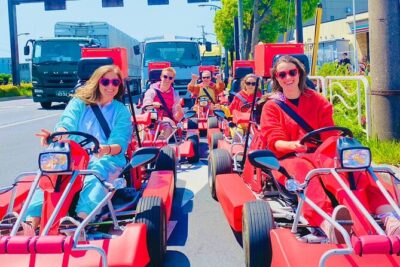
Flagship 2-Hours Official Street Go-Kart Tour – Tokyo Bay Shop
Read our review →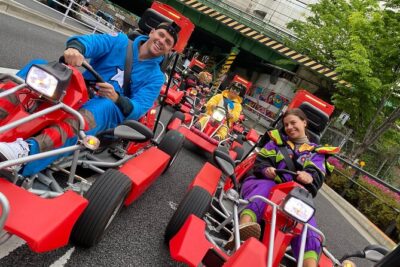
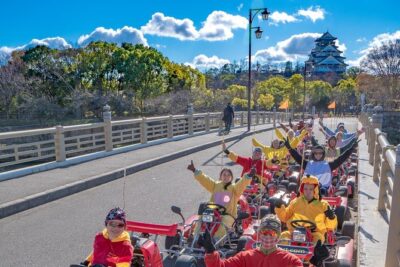
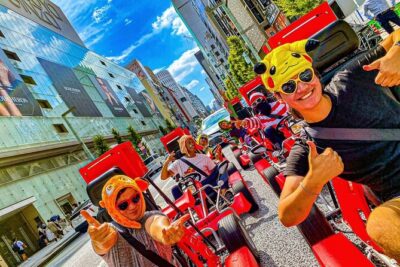
Tokyo Go Kart: Asakusa, Skytree, and Akihabara **IDP MUST**
Read our review →
Shibuya Official Street Go-Kart in Shibuya Annex
Read our review →
Browse the lists this tour appears in