
Review · LOCAL FOOD WALKS
Private Tokyo Food Tour – A Journey Through Time Through Food
Tokyo eats like a time machine.
This private Tokyo food tour strings together Nihonbashi, Ginza, and Akihabara, with 14 tastings that run from Edo-era staples like dashi and katsuobushi to modern fusion desserts. I really like how the guide ties flavors to ingredients and everyday culture, and I also like the convenience of pickup plus a planned route that helps you move through the city without stress. One thing to consider, though: transport costs are on you, and you will do a couple of short subway rides.
The pacing is designed for hungry curiosity, not museum mode. You start with the building blocks of Japanese cooking, pause briefly at Fukutoku Shrine, eat like a salaryman around Gado Shita spots near the tracks, then finish by looking at what future Japanese dessert culture looks like in Akihabara. Based on the guide styles you’ll see reflected in past experiences, expect a tour that feels personal, with guides like Yasu, Keiko, Paiva, Miko, and Rohan showing up as sharp, fun storytellers who help you understand what you’re tasting and how to order if you want to repeat it later.
In This Review
- Key Highlights You’ll Actually Feel During the Tour
- Why This Tokyo Food Tour Feels Like Edo-to-Akihabara
- The 5.5-Hour Route: What You’ll See and How Fast It Moves
- Nihonbashi Starts With Dashi: The Flavor Base of Japanese Cooking
- Small stop payoff: Nihonbashi Bridge
- Fukutoku Shrine Is Short, But It Changes the Tone
- Ginza and Yurakucho: Salaryman Bites Under the Tracks
- A note on time
- Tokyo Station to Kitte Marunouchi: Commuter Snacks, Not Tourist Traps
- Akihabara’s Dessert Future: Fusion Flavors and Pop Culture
- What 14 Tastings Mean for Hunger, Budget, and Satisfaction
- The Guide Factor: Why People Keep Mentioning the Same Strengths
- Pickup, Private Party, and Mobile Ticket: The Convenience Side
- Price and Logistics: What Costs Extra and What Doesn’t
- Who Should Book This Tour, and Who Might Skip It
- Should You Book This Private Tokyo Food Tour?
- FAQ
- Does this tour include hotel pickup?
- How long is the Private Tokyo Food Tour?
- How much does the tour cost?
- What neighborhoods and areas does the tour cover?
- What food and drinks are included?
- Is transportation included in the price?
- Is this tour really private?
- Where do you meet and where does the tour end?
- Do I need a printed ticket?
- Is the tour refundable if I cancel?
Key Highlights You’ll Actually Feel During the Tour
- 14 tastings across Edo to today, with snacks, lunch, and sweet stops
- Three districts, one storyline: Nihonbashi to Ginza and Yurakucho, then Akihabara
- Ingredient-first explanations, including dashi basics like kelp and katsuobushi
- Salaryman-style eating near railway tracks, with an izakaya vibe
- Commuter treats at Tokyo Station, including tamagoyaki and fruit sando
- Future-of-food dessert ideas in Akihabara, with items like Pokemon taiyaki
Why This Tokyo Food Tour Feels Like Edo-to-Akihabara
I like food tours that do more than hand you samples. This one gives you a route where the food keeps changing, but the logic stays clear. You start with the flavors that made Japanese cooking what it is, then you watch how Tokyo shifted after the war, and finally you see how pop culture and new tech shapes what people snack on today.
If you enjoy the “how did they get from there to here” feeling, this tour is built for you. The guide doesn’t just say this tastes good, they talk about ingredients and why certain foods show up repeatedly, like the role of dashi in Japanese dishes. I also appreciate the practical side: the tastings are spread through neighborhoods you can actually revisit later, so the tour becomes a map you can use after the last bite.
More Food Tours in Tokyo
- Tokyo: Shinjuku Food Tour (13 Dishes at 4 Local Eateries)
★ 5.0 · 6,603 reviews - Tokyo Tsukiji Fish Market Food and Culture Walking Tour
★ 5.0 · 3,184 reviews - Tokyo: Shinjuku Food Tour (15 Dishes and 4 Eateries)
★ 4.9 · 2,033 reviews
The 5.5-Hour Route: What You’ll See and How Fast It Moves
This is about 5 hours 30 minutes of walking, eating, and short stops. You visit three main districts, plus key landmarks along the way. The route is not designed to be a sit-and-stare city tour. It’s more like a well-timed food walk, with enough breaks to keep energy up, but not so many stops that you lose the thread.
You’ll start in Nihonbashi, then move into Ginza and Yurakucho, connecting through central Tokyo landmarks like Tokyo International Forum and Kitte Marunouchi. After that, you finish in Akihabara, where the mood shifts from classic flavors and working-city food to playful, future-leaning dessert culture.
Also worth knowing: you’ll take two short subway rides at your own expense. Pickup is offered, but those transit legs are the only part you need to budget for separately.
Nihonbashi Starts With Dashi: The Flavor Base of Japanese Cooking
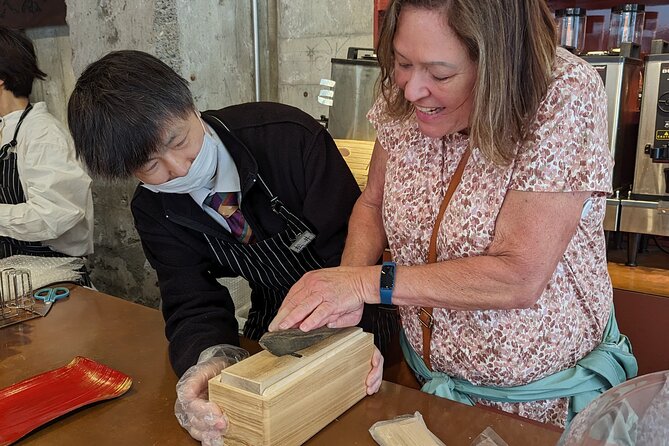
Nihonbashi is where the tour earns its keep. You begin in an old-school food area and shift into ingredient mode, because Japanese cooking often starts with a foundation stock. You learn about dashi, the base for many dishes, and you focus on the two heavy hitters behind it: kelp and katsuobushi.
That matters, even if you don’t cook. Once you understand that dashi is the flavor engine, a lot of everyday Japanese food starts to click. It’s the difference between eating something that tastes good and realizing what makes it taste that way.
After the explanation, you snack your way through classic flavors. Expect tastings like:
- Satsuma-age (fried fish cake)
- Amazake (a fermented rice drink)
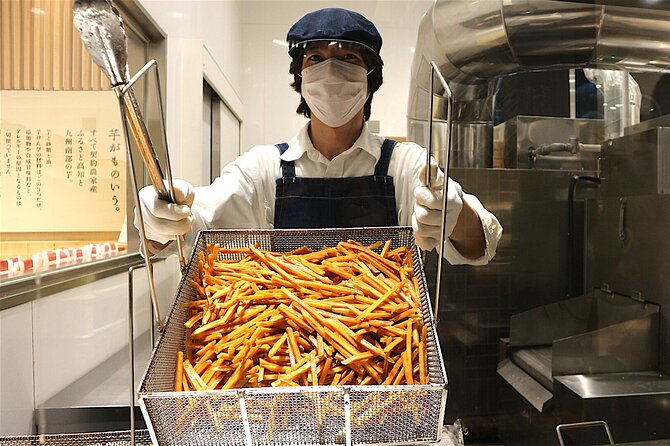
- Imo kenpi (sweet potato chips)
- Daifuku (glutinous rice mochi with a sweet filling)
- And possibly dorayaki as another traditional sweet option
A key detail I appreciate here: the stops are said to be very old, with shops linked to Edo-era roots and long-running traditions. That gives the food tasting extra weight, because you’re not only trying flavors, you’re seeing how long people have relied on these same snack types.
Small stop payoff: Nihonbashi Bridge
You also pass by the Nihonbashi Bridge. It’s brief, but it helps anchor the “past” half of the story in a spot that feels central to Tokyo’s older identity.
More Food Walks in Tokyo
- Tokyo Night Foodie Tour in Shinjuku – Seasonal Sushi, Wagyu Beef
★ 5.0 · 1,161 reviews - Shinjuku Izakaya Food Tour
★ 5.0 · 1,041 reviews - Eat and Drink Like a Local: Tokyo Ueno Food Tour-Taverns&Ramen
★ 5.0 · 957 reviews - Tokyo: Shibuya Food Tour (13 dishes and 4 Eateries)
★ 5.0 · 770 reviews
Fukutoku Shrine Is Short, But It Changes the Tone
Right after Nihonbashi food, you take a quick breather at Fukutoku Shrine. This stop is about more than scenery. You learn the difference between shrines and temples, and you get a basic sense of how people cleanse their spirit and pray at a shrine.
It’s only about 10 minutes, so don’t expect a long cultural lecture. But I like this placement because it resets your brain between food eras. One moment you’re learning why dashi tastes the way it does, and the next you’re in a calmer space that frames gratitude, routine, and respectful practice. For some people, it makes the rest of the tasting feel more grounded in daily life, not just consumption.
Ginza and Yurakucho: Salaryman Bites Under the Tracks
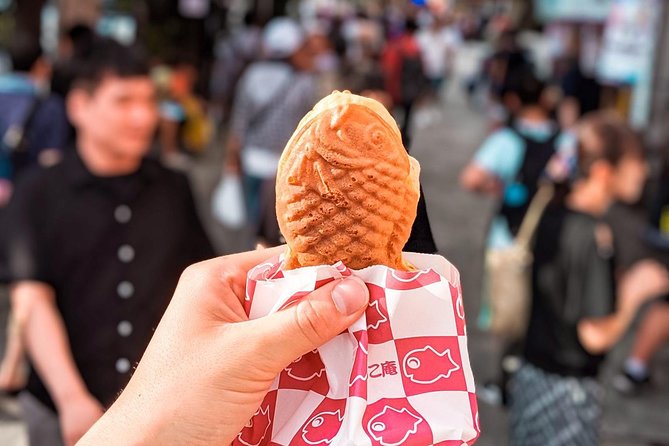
When the tour reaches Ginza and Yurakucho, it leans into the Tokyo you feel in the middle of the workday. You learn about industrialization after the war, and how the arrival of salarymen shaped small dining spots that served quick meals before commuting home.
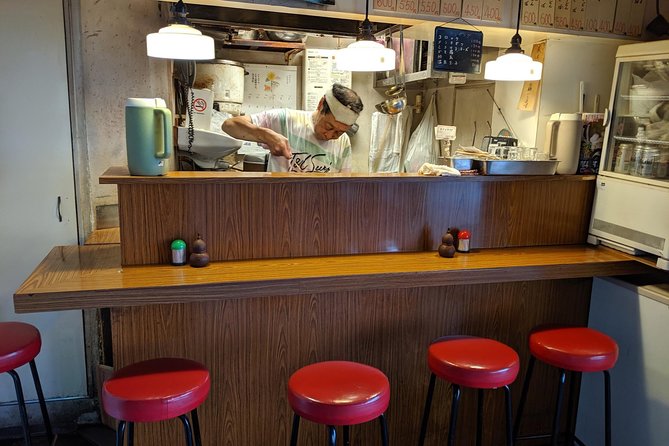
That brings you to the world of Gado Shita, small bars and restaurants built under the railway tracks. The atmosphere here is part of the lesson. You’re not just sampling food, you’re experiencing the logic of a city where time matters and good calories need to be fast.
On your menu you’ll have items like:
- Yakitori (grilled skewers)
- Tempura soba or curry udon (noodle soups)
- A Japanese lemon sour (included)
I like that the tour gives you both a savory anchor (yakitori) and a comforting bowl option (noodles). It’s a realistic lunch pattern you could copy later. If you want to understand Japanese pub and noodle culture beyond just one dish, this segment does the job.
A note on time
This part of the day is about 1 hour 10 minutes in Ginza and another 1 hour 10 minutes in the Yurakucho area. That may sound similar on paper, but it helps you cover the feel of the neighborhoods and not just walk through them.
Tokyo Station to Kitte Marunouchi: Commuter Snacks, Not Tourist Traps
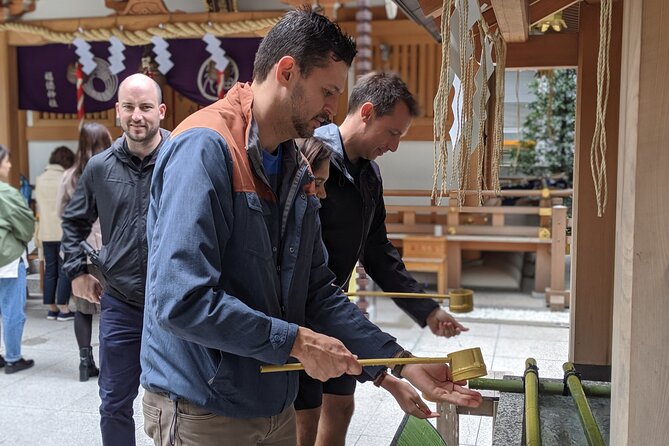
From the railway-track area, you stroll through central Tokyo, calling in at Tokyo International Forum and then heading to Kitte Marunouchi. These stops work like connectors in the story: you’re leaving the working-city vibe behind and moving into areas where everyday commuting snacks are part of the rhythm.
At Tokyo Station, you try commute-home favorites like:
- Tamagoyaki (Japanese rolled omelette)
- Fruits sando (milk bread sandwich with fresh fruit and whipped cream)
Then you repeat the idea again around Daimaru Tokyo, also featuring tamagoyaki and fruits sando. This double stop is smart for two reasons. First, it gives you more time to actually enjoy the texture and flavor of the food without rushing. Second, it builds a clearer sense of what people buy when they’re moving through transit hubs, not planning a special occasion meal.
If you’ve ever wanted to snack like a Tokyo local, this is where the tour starts teaching you the habits, not just the flavors.
Akihabara’s Dessert Future: Fusion Flavors and Pop Culture
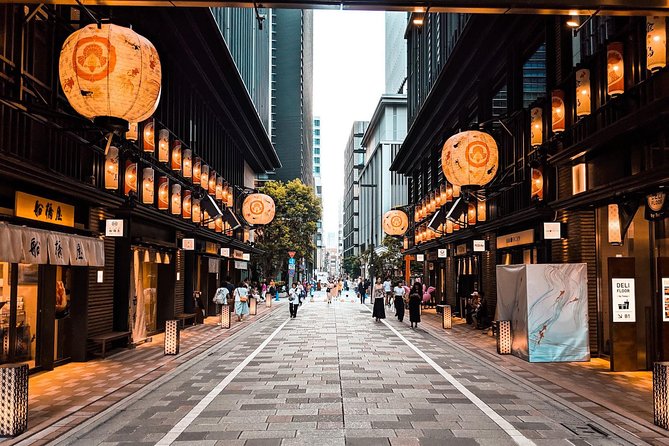
Akihabara is a sharp pivot, and I mean that in a good way. You’re in an electronics and anime zone, and the tour uses that cultural context to frame how Japanese food keeps evolving.
This final segment focuses on desserts with traditional ingredients or flavors plus a modern fusion twist. You’ll also discuss Akihabara’s role in spreading new subcultures and ideas into Japan’s mainstream.
What you can expect to taste here includes items like:
- Pokemon taiyaki
- Matcha bubble tea or ice cream
- Three fusion desserts (exact picks aren’t listed, but the included items point clearly to this sweet direction)
This is also a friendly way to end if you’re the kind of eater who wants variety at the end of the day. The first half teaches “how Japanese cooking works.” The last stop asks, “what happens when Japan’s pop culture mindset meets classic flavors?”
What 14 Tastings Mean for Hunger, Budget, and Satisfaction
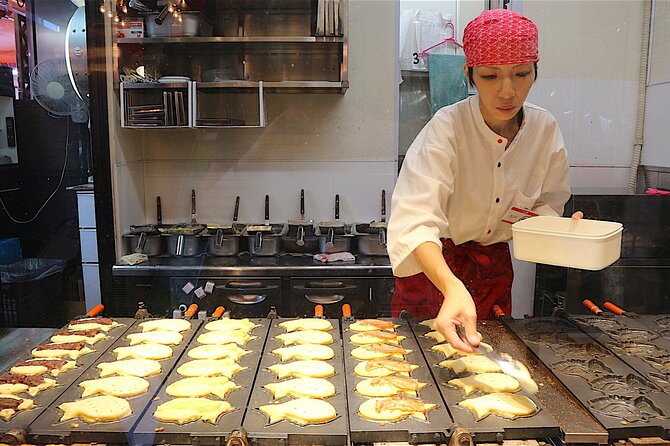
The key value here is not just number bragging. 14 tastings sounds like a lot, and it is. But they’re also spread across different categories: traditional snacks, a proper lunch meal with noodles and yakitori, plus sweets and drinks. That mix reduces the risk that the tour becomes one long snack parade.
You’re told to come hungry for a reason. The lunch portion includes food that feels like an actual meal, not only bites. After that, you still have time for sweet stops, so you’re not left with heavy fullness and nothing to enjoy.
Price-wise, you’re paying for a private experience with a guided route, multiple food stops, and included items like the lemon sour and drinks. There are two cost buckets to be aware of:
- Your tour price includes tastings and lunch, plus the included drink options.
- Transport used during the tour is payable by yourself, with two short subway rides.
If you’re traveling with friends or family and you want the comfort of a custom pace, the private format can feel like strong value. If you’re solo and hunting for the cheapest possible food hits, you may decide to compare with group tours. But if you want structure, ingredient lessons, and a guide who helps you order and understand what you’re eating, the private setup makes sense.
The Guide Factor: Why People Keep Mentioning the Same Strengths
This tour’s biggest repeat theme is the guide. Past experiences tied to this tour highlight guides that are:
- Funny and engaging
- Prompt and professional
- Strong at explaining Japanese food and culture without turning it into a lecture
- Helpful with navigating the train system
You’ll see multiple guide names showing up in standout feedback, including Yasu, Keiko, Paiva, Miko, and Rohan. Even without knowing which guide you’ll get, it’s a good sign that the tour consistently selects people who can mix storytelling with food facts.
For you, that means you’re less likely to finish the tour with a pile of snacks and no understanding. Instead, you should leave with a few mental hooks, like what dashi is doing in the background, and why salaryman eating has its own logic.
Pickup, Private Party, and Mobile Ticket: The Convenience Side
If you choose this, you’re choosing a smoother start. Pickup is offered, and the tour is private, meaning it’s only for your group. That matters when you have kids, older family members, or anyone who just gets tired of crowd navigation.
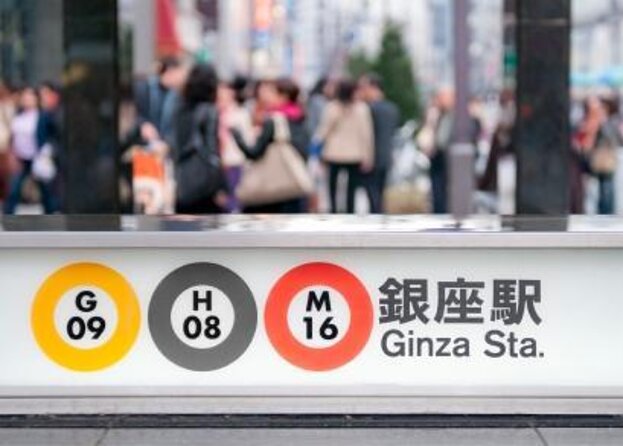
You’ll also have a mobile ticket, plus you start near public transport. The first meeting point is at Nihonbashi 1-chome Mitsui Building. The tour ends at Akihabara Station (1-chome Sotokanda), which is convenient because Akihabara is easy to reach from most places once you’re done.
In plain terms: you spend less time hunting, more time tasting.
Price and Logistics: What Costs Extra and What Doesn’t
Here’s the practical breakdown:
- Tour duration is about 5 hours 30 minutes.
- Price is $327.75 per person.
- You’ll do two short subway rides, and those transport costs are payable by you.
- Everything else on the food side is included, including lunch items like yakitori, tempura soba, tamagoyaki, and fruits sando, plus tastings like amazake, daifuku or dorayaki, and sweets such as Pokemon taiyaki and matcha drinks.
If you hate last-minute payments, plan a small buffer for subway fare. It’s not a huge part of the day, but it’s the only thing you should budget for beyond the tour price.
Cancellation details in this listing are strict, so if your schedule is in flux, double-check before you book. In other words, only book when you’re confident you’ll be there.
Who Should Book This Tour, and Who Might Skip It
This tour is a great fit if you:
- Want a private Tokyo food experience with a real guide
- Enjoy the story behind food, especially ingredient basics like dashi
- Like traditional flavors but also want modern dessert culture in the same day
- Are traveling with family, including kids who enjoy trying different foods
It may not be ideal if you’re:
- Trying to minimize walking and transit, since the day includes a route and two subway rides
- Only interested in one type of food, like sushi or ramen, since this is a broad sampler across snacks, lunch, and sweets
- On a very tight budget and comparing alternatives is important
Should You Book This Private Tokyo Food Tour?
If you want Tokyo food with context, structure, and a guide who keeps things fun, book it. The mix of Nihonbashi tradition, salaryman-era eating, and Akihabara future desserts is a rare combination. You’ll leave with more than a full stomach. You’ll also have a clearer sense of how Japanese flavors build from ingredients and how the city keeps reshaping those flavors over time.
If you’re deciding between this and a cheaper option, look at your travel style. This works best when you value a private pace, tastings that feel like a planned meal, and explanations you can use later when you’re ordering on your own.
FAQ
Does this tour include hotel pickup?
Yes. Pickup is offered from your Tokyo accommodations.
How long is the Private Tokyo Food Tour?
It runs for about 5 hours 30 minutes.
How much does the tour cost?
The price is $327.75 per person.
What neighborhoods and areas does the tour cover?
You’ll visit Nihonbashi, Ginza, Yurakucho, and Akihabara, with stops around central Tokyo such as Tokyo International Forum, Kitte Marunouchi, and Tokyo Station.
What food and drinks are included?
The tour includes a range of tastings and lunch items such as dashi, katsuobushi, kombu, satsuma-age, amazake, imo kenpi, daifuku or dorayaki, Pokemon taiyaki, and matcha bubble tea or ice cream. Lunch includes items like yakitori and tempura soba or curry udon, plus tamagoyaki and fruits sando. A lemon sour is included.
Is transportation included in the price?
No. Transport used during the tour is payable by yourself, and you’ll take two short subway rides.
Is this tour really private?
Yes. It’s a private tour/activity, and only your group participates.
Where do you meet and where does the tour end?
You start at Nihonbashi 1-chome Mitsui Building and end at Akihabara Station (1-chome Sotokanda).
Do I need a printed ticket?
No. The tour offers a mobile ticket.
Is the tour refundable if I cancel?
This experience is listed as non-refundable and cannot be changed for any reason.
More Food & Drink in Tokyo
- Tokyo: Tsukiji Fish Market Food and Walking tour
★ 5.0 · 1,724 reviews - Tokyo: Tsukiji Fish Market Food and Culture Walking Tour
★ 4.7 · 757 reviews - Tsukiji Fish Market: Street Food & Culture Walking Tour
★ 5.0 · 669 reviews - Tsukiji Fish Market Small-Group Food Walking Tour
★ 5.0 · 621 reviews
Newly listed around Tokyo
- Private Tokyo Tour with Licensed Guide & Vehicle (Max 15 persons)★ 5.0 · 107 reviews
- Private Tokyo Custom Full-Day Tour by Chartered Vehicle★ 5.0 · 16 reviews
- Private Tokyo Custom Half-Day Tour by Chartered Vehicle★ 4.5 · 13 reviews
- Private Outstanding Nikko Tour with English Speaking Driver★ 4.0 · 11 reviews
- Private Sightseeing to Mt Fuji and Hakone with English Driver★ 5.0 · 51 reviews
- Private Snow Monkeys park Day Trip From Tokyo or Nagano★ 4.5 · 26 reviews
- 4 Day Tour – Mount. Fuji, Tokyo, Hakone, Kamakura and Yokohama★ 5.0 · 19 reviews
- Private Omiya Bonsai Village Tour with Licensed Guide★ 5.0 · 8 reviews
Local Food Walks, compared.
Shinjuku Food Tour (13 Dishes at 4 Local Eateries)
Read our review →
Shinsekai Food Tour with 13-15 Dishes at 5 Eateries
Read our review →
Osaka Food Tour: 13 Dishes at 5 Local Eateries
Read our review →
Shinjuku Food Tour (15 Dishes and 4 Eateries)
Read our review →
Kyoto Night Foodie Tour in Gion (9+ dishes + 6 Sake tastings)
Read our review →
Hungry Osaka Street Food Tour:15 Tastings & 3 Drinks with a Local
Read our review →
Tokyo Night Foodie Tour in Shinjuku – Seasonal Sushi, Wagyu Beef
Read our review →
Browse the lists this tour appears in