
Review · FUKUOKA TOURS
Private shore excursions in Kyushu, Japan
A Kyushu day that moves with you. This private shore excursion runs from Fukuoka with pickup, a native-English guide, and flexible pacing so you can linger or keep things moving depending on your group. You ride in a spacious Toyota van with room to get in and out easily, then spend the day hopping between iconic shrines, food stops, volcanic landscapes, hot springs, and viewpoints.
I especially like the mix of everyday Japan plus big-name sights, including hands-on-feeling stops like Hot Foot 105 and the sand-bath style experience at Saraku. The main drawback is simple: the route is packed and fast, so if you want slow, long visits at only one or two places, this format may feel like a lot.
In This Review
- Key points that make this Kyushu shore day work
- Private shore day in Fukuoka, Kyushu, built for flexibility
- Getting around: Toyota vans, comfort, and a guide doing the heavy lifting
- Shannon Lefebvre, and why the pace feels human
- Stop by stop: how the Kyushu route actually feels
- Nanzo-in Temple: calm countryside, not a crowded postcard
- Dazaifu Tenmangu Shrine: the God of Learning, the practical way to enjoy it
- Ichiran no Mori Itoshima: food culture with a built-in wow factor
- Suginoya Brewery: traditional sake brewing as a cultural shortcut
- Yusentei Park: a cultural break that does not feel like a museum
- Hakata Port Tower: bayside nostalgia and the travel rebound feeling
- Megane Bridge in Isahaya: a smaller “spectacles” style viewpoint moment
- Shimabara Castle: castle ruins with practical photo angles
- Samurai Houses: stone walls, water channels, and a street you can actually walk
- Buried houses of Mt. Unzen eruption preservation park: the reality of geology
- Unzen Jigoku (Unzen Hell): a national-park style volcanic landscape
- Hot Foot 105: seaside foot onsen, snacks, and an easy way to loosen up
- Nagasaki Atomic Bomb Museum: serious, focused, and not rushed if you want it
- Nagasaki Peace Park: remembrance with numbers you cannot unsee
- Chinoike Jigoku: Beppu’s blood-red hell ponds
- Jumonjibaru Observation Deck: a simple win for views
- Yufuin Onsen: the classic onsen town feel
- Sapporo Beer Kyushu Hita Brewery: beer lovers get a real treat
- Mamedamachi Shopping Street: a casual way to end up with something to take home
- Shiroyama Observatory: the viewpoint payoff
- Shirakane Ishigura Museum: Kagoshima spirit culture, presented in museum form
- Saraku Sand Bath Hall: the one you will talk about later
- Chiran Peace Museum: ending with remembrance, not just sightseeing
- What you actually get for the price, and where the value hides
- Who this shore excursion suits best
- Should you book this private Kyushu shore excursion?
- FAQ
- How many people are in the group for this private tour?
- How long is the Kyushu shore excursion?
- Do you offer pickup in Fukuoka?
- What is included in the tour?
- Are admission tickets included?
- Do you get a mobile ticket?
- Can the tour be customized during the day?
- What happens if the tour is canceled due to weather?
- Is the tour refundable if I cancel for personal reasons?
Key points that make this Kyushu shore day work
- Small-group private routing instead of herd-to-queue sightseeing
- Flexible time at each stop, so you control your pace
- Native English guide Shannon Lefebvre, with a style that adjusts to your group
- Lunch and even alcoholic beverages included, plus onboard comfort like WiFi and bottled water
- A big geographic sweep across Fukuoka, Nagasaki, Oita, and southern Kyushu highlights in one long day
Private shore day in Fukuoka, Kyushu, built for flexibility
This is the kind of tour I think works best for shore days because it does not treat you like a clock-in-clock-out number. You get pickup in the Fukuoka area and then a private day structured around classic Kyushu places, but with permission to slow down or speed up at each stop.
That flexibility is the real value. Instead of feeling stuck at a tight schedule, you can choose to take photos quickly and move on, or pause longer if a place grabs you.
You also avoid the main stress of group tours: the wrong pace for your group. Here, the day is designed around keeping things comfortable in a van and letting your guide steer the flow.
A few more Fukuoka days to weigh up
- Mt. Aso & Takachiho Gorge Tour with Optional Boat Ride
★ 4.7 · 222 reviews - Fukuoka: Takachiho Gorge & Scenic Railway One Day Tour
★ 4.8 · 178 reviews - Private Fukuoka Tour with a Local, Highlights & Hidden Gems 100% Personalised
★ 5.0 · 143 reviews
Getting around: Toyota vans, comfort, and a guide doing the heavy lifting
You are not walking the whole day. You ride in one of several roomy Toyota options depending on group size, including a Toyota Grand Hiace (8 seats), Toyota Commuter Hiace (10 seats), or a Toyota microbus (15 seats). In practical terms, that means easier entry and exit, plus less time lost to transit friction.
The vehicle is air-conditioned, and you get bottled water plus WiFi on board. On a long 10 to 12 hour day, that small comfort matters. It keeps energy up between the stops, especially when the day includes hot spring experiences, outdoor viewpoints, and heritage sites.
And yes, there is a driver and a guide working as a team. You focus on the sights. They handle directions, timing, and the flow between locations.
Shannon Lefebvre, and why the pace feels human
The guide for this experience is Shannon Lefebvre. From the way past groups describe the day, his biggest strength is how he keeps the tour friendly while still getting you to the right places. He is punctual, professional, and good at turning the day into a conversation, not a lecture.
A key perk for an English-speaking group is that language never becomes the obstacle. One big praise point is that there is no language barrier, and he keeps explanations clear even when you are moving quickly between sites.
I also like that he does not seem locked into a single script. You can tailor the day to your interests and time limits, and he adjusts pacing for different energy levels. In at least one experience, he even followed up with photos and videos from the day, which is a nice way to re-live the best moments later.
Stop by stop: how the Kyushu route actually feels
This tour is built around a sequence of short visits, each roughly 10 minutes at many stops, but you are not forced into a rigid speed. The point is to hit meaningful variety, then let you linger where something clicks.
That said, consider the trade-off. You will see a lot, but you will not have a full half-day at every site. If you want deep time at a single shrine, temple, or museum, you should plan to pick your “slow down” moments and treat the rest like well-chosen stops.
A different sort of day in Japan:
- Fukuoka: Beppu Hells HotSpring, Frog Temple & Yufuin DayTrip
★ 4.4 · 84 reviews - Fukuoka Your Way: 100% Customisable Private Tour with Local Guide
★ 5.0 · 83 reviews - Day Tour to Miyazaki Takachiho Gorge & Shrine depart from Fukuoka
★ 4.5 · 61 reviews - Fukuoka Full-Day Private Tour with Government Licensed Guide
★ 5.0 · 55 reviews
Nanzo-in Temple: calm countryside, not a crowded postcard
Nanzo-in Temple sits out in the countryside on the outskirts of Fukuoka City. It is a good first stop because it sets a peaceful tone early, before the day gets more hectic with food and sightseeing.
Admission here is free, so you can spend time inside without worrying about extra costs. If you are the type who enjoys atmosphere over checklists, this is a great place to start.
Dazaifu Tenmangu Shrine: the God of Learning, the practical way to enjoy it
Dazaifu Tenmangu is one of the most popular shrines in Fukuoka Prefecture, dedicated to the God of Learning. The cultural message is clear, and the shrine setting makes it easy to feel the focus on education, prayers, and traditional devotion.
Admission is free, so you can spend more time reading the details and just observing. It is also close enough to make sense early in a shore day route.
Ichiran no Mori Itoshima: food culture with a built-in wow factor
This stop leans into Japan’s food storytelling. Ichiran no Mori is not just about tasting; it includes a look at the noodle component manufacturing process through a viewing window, plus details around Ichiran’s soup recipe and steps.
Admission is included, and it is a smart change of pace from shrines. If your group likes food facts and simple sensory experiences, this is one of the more memorable stops.
Suginoya Brewery: traditional sake brewing as a cultural shortcut
Suginoya Brewery is a popular Itoshima Peninsula stop because it ties a product people recognize to the traditional process behind it. You get a structured way to learn how sake is made, and you can connect the taste to what you are seeing.
Admission is free here. That helps the cost side feel balanced, since the day also includes paid admissions at other locations.
Yusentei Park: a cultural break that does not feel like a museum
Yusentei Park is described as a rare find in the middle of Fukuoka City, with plenty of quintessential Japanese cues. Admission is included, so you can treat it as part of the planned value rather than an optional extra.
This is a good stop if you want something lighter than temples but still distinctly Japanese.
Hakata Port Tower: bayside nostalgia and the travel rebound feeling
Hakata Port Tower is a recognizable beacon in the bayside district. It is the kind of stop that helps reset your brain between deeper cultural sites, and it gives you a satisfying sense of place in Fukuoka’s waterfront area.
Admission is free. With a view and a break from walking, it works well as a transition point.
Megane Bridge in Isahaya: a smaller “spectacles” style viewpoint moment
Megane Bridge is a double arch stone bridge spanning a pond at Isahaya Park. It is essentially a scaled sibling of the famous Spectacles Bridge concept, but it still delivers a photogenic scene.
Admission is free. Use this one as a “stretch legs and grab a picture” stop.
Shimabara Castle: castle ruins with practical photo angles
Shimabara Castle sits between Ariake Bay and Mount Unzen. The outer moat is described as deep, and the overall layout makes it a good stop for understanding how fortifications shaped the landscape.
Admission is included. That means you should expect time that goes beyond a quick exterior look.
Samurai Houses: stone walls, water channels, and a street you can actually walk
The Samurai Street area commemorates the old samurai section of Shimabara City. It is lined with stone walls and a spring water canal down the center, so you are not just reading signs, you can feel the old neighborhood flow.
Admission is free. Because it is a street-style stop, it is usually easier to adapt to your walking comfort and photo style.
Buried houses of Mt. Unzen eruption preservation park: the reality of geology
This preservation park focuses on damaged houses from the Unzen volcano explosion, including eruptions from 1990 to 1995. It is an emotionally heavier stop than many of the day’s scenic sites.
Admission is free. It is worth approaching with a calm pace, even if your visit length is short, because the setting is meant to keep the memory grounded.
Unzen Jigoku (Unzen Hell): a national-park style volcanic landscape
Unzen Hell is located in Unzen Town and designated as a national park area. The site is known for wild birds, alpine plants, and volcanic features.
Admission is free. Expect a more outdoor, nature-and-heat feeling stop. It pairs well with the earlier preservation park, so you get both the human impact and the natural forces side by side.
Hot Foot 105: seaside foot onsen, snacks, and an easy way to loosen up
Hot Foot 105 is right on the waters edge, and it is built for a relaxed sensory experience. You get steamed vegetables, snacks, and beverages, and the big memorable twist is the foot-onsen style setup.
Admission is free. This is one of the best places in the itinerary to reset your energy before moving into the more solemn Nagasaki stops.
Nagasaki Atomic Bomb Museum: serious, focused, and not rushed if you want it
The Atomic Bomb Museum in Nagasaki is located above the epicenter. Exhibits show the destruction caused by the bombing and emphasize the importance of world peace.
Admission is included. This is the kind of site where you might feel the urge to take in every detail, but remember the day is packed. If you want to read more, choose this as your “linger stop,” even if you need to keep later sightseeing brisk.
Nagasaki Peace Park: remembrance with numbers you cannot unsee
Nagasaki Peace Park was created from the day’s aftermath, with memorial space tied to remembrance. The text provided gives death toll context, including 74,000 deaths and 75,000 injured, and that scale is central to the experience.
Admission is free. This stop is emotional. If your group is sensitive to heavier history, it is still manageable, but give yourself time to absorb without rushing.
Chinoike Jigoku: Beppu’s blood-red hell ponds
Chinoike Jigoku, also called the Blood Hell Ponds, is in the hot spring town of Beppu in Oita Prefecture. The pond is known for its blood red color and is said to exist for over 1300 years.
Admission is included. Visually, it is a strong contrast to shrine and castle days. It is also a reminder that “scenic” in Kyushu often has a volcanic backbone.
Jumonjibaru Observation Deck: a simple win for views
Jumonjibaru Observation Deck is described as a great lookout. This is the kind of stop where the value is mostly about perspective, because you are usually switching gears from heat-and-walk experiences to wide-open views.
Admission is free. If you feel your legs getting tired, this is often a good “stand, look, breathe” pause.
Yufuin Onsen: the classic onsen town feel
Yufuin Onsen is one of the places where Kyushu’s hot springs culture becomes obvious. Even without a full deep-dive, the town atmosphere and onsen identity make it a recognizable and satisfying stop.
Admission is free. This also gives you a chance to slow down slightly compared with museums and preservation parks.
Sapporo Beer Kyushu Hita Brewery: beer lovers get a real treat
This stop is clearly aimed at beer fans. Sapporo Beer Kyushu Hita Brewery gives you a look and a break that feels different from the day’s solemn history and volcano sites.
Admission is included. It is a smart balance stop, especially if you are traveling as a mixed-interest group.
Mamedamachi Shopping Street: a casual way to end up with something to take home
Mamedamachi Shopping Street is a place for browsing and snacks, and it is described as a great shopping street. Admission is free, and that makes it low-risk and flexible.
If you want a souvenir or a few edible odds and ends, this is the part of the day where you can do it without feeling forced.
Shiroyama Observatory: the viewpoint payoff
Shiroyama Observatory is described as a lookout of epic proportions. This is a classic “end of the scenic brain” stop, where views help you tie together what you have seen all day.
Admission is free. If you are the type who loves skyline or city layering from above, this one can be a highlight.
Shirakane Ishigura Museum: Kagoshima spirit culture, presented in museum form
Shirakane Ishigura Museum is described as a brewery especially for spirits of Kagoshima. It is another product-focused stop, but framed as a museum experience, which helps it feel more meaningful than a plain tasting counter.
Admission is free. If you want one more adult-friendly stop without turning the day into a pub crawl, this fits.
Saraku Sand Bath Hall: the one you will talk about later
Saraku Sand Bath Hall is described as a once in a lifetime experience, with admission included. A sand bath is a very specific kind of thermal relaxation, and it is the sort of activity that makes a shore day feel like more than sightseeing.
Admission is included, so you do not need to hunt down the right place or add another payment step. It also gives you a concrete experience to anchor the memories from the rest of the route.
Chiran Peace Museum: ending with remembrance, not just sightseeing
Chiran Peace Museum is described as sad and sombre. That matters, because it signals that this final chapter is about reflection rather than entertainment.
Admission is included. If your group is tired, this is still a powerful closing stop, but you may want to go slower and read more only if you still have emotional energy.
What you actually get for the price, and where the value hides
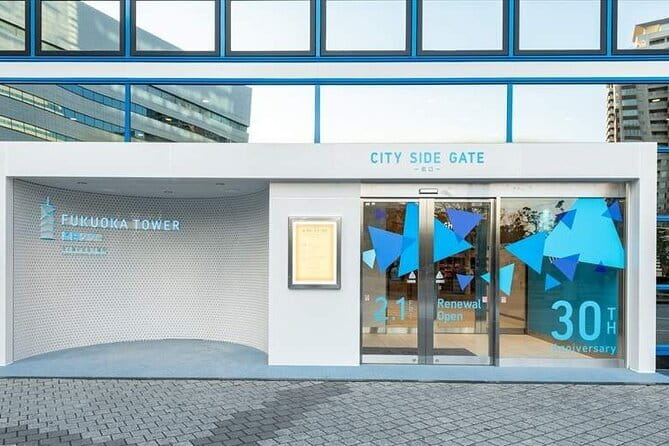
The price is $1,759.12 per group, up to 8 passengers. Yes, it is a premium number, but the value comes from the structure: private transport plus a native-English guide, lunch, alcoholic beverages, onboard WiFi, bottled water, air conditioning, and included admissions at several stops.
This is not a cheap way to see Kyushu. It is a controlled way to see Kyushu. If you are traveling with a small group, or you want the flexibility to shape the day around your interests, paying for private routing can cost less than paying individually for a stack of tickets and the frustration that comes with rigid schedules.
My practical advice: treat this as a long, full-day experience, not a “few quick stops.” If you show up ready for a jam-packed route, you get a lot of value per hour.
Also, if your priorities are mostly religious sites and museums, this route already covers those. If you want food, brewing, hot springs, and viewpoints mixed in, it also fits that goal.
Who this shore excursion suits best
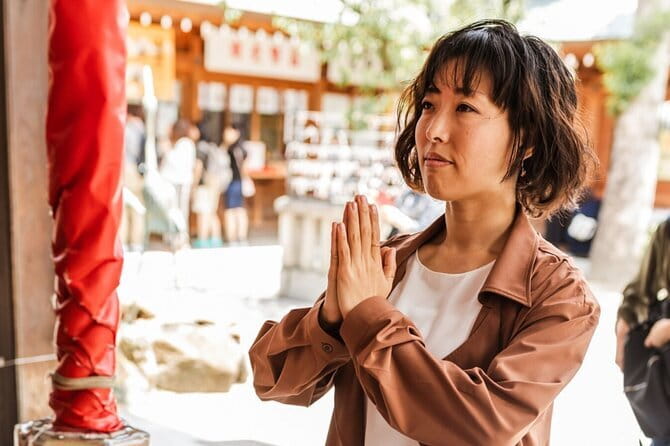
This tour is a strong fit if you:
- Want a private day from Fukuoka with a real guide, not a big-group script
- Like variety, including food and brewing stops alongside history and volcanic scenery
- Appreciate flexibility, so you can stay shorter or longer at venues based on your mood
- Are okay with a fast pace across many locations in a single day
It is less ideal if you:
- Want deep time at only one or two places
- Prefer slow travel with fewer transitions
- Get uncomfortable with long days and frequent movement between sites
Should you book this private Kyushu shore excursion?
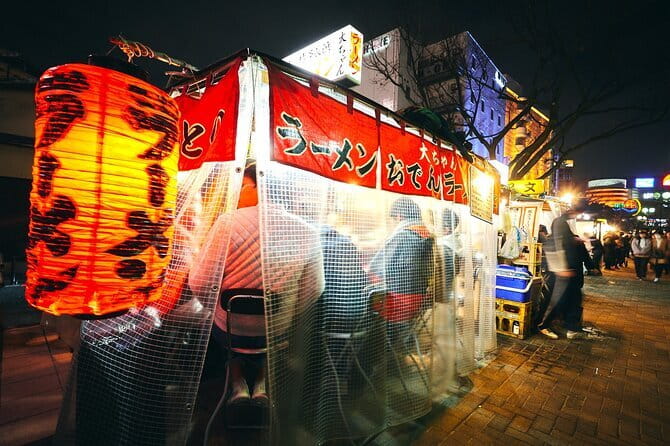
Book it if you want a guided, private Kyushu day that mixes major highlights with lived-in, everyday stops like brewing culture, street shopping, and hot-spring related experiences. The biggest selling point is the way the day can flex to your group, especially with Shannon Lefebvre guiding in native-English and keeping the pace human.
Hold off if you know you will feel rushed. This is a long day with many stops, and even with flexibility, the structure is still designed for coverage.
If you are deciding, tell your guide what you care about most, then pick your two must-linger moments. Everything else becomes easier when you have a plan for where you want time to slow down.
FAQ

How many people are in the group for this private tour?
Your group is private, with a price set for up to 8 passengers. The tour vehicle options can seat 8 in a Toyota Grand Hiace, 10 in a Toyota Commuter Hiace, or 15 in a Toyota microbus, depending on your group size.
How long is the Kyushu shore excursion?
It runs about 10 to 12 hours.
Do you offer pickup in Fukuoka?
Yes, pickup is offered.
What is included in the tour?
Included are private transportation, lunch, alcoholic beverages, WiFi on board, an air-conditioned vehicle, bottled water, and a professional driver plus a native English speaking guide.
Are admission tickets included?
Some stops include admission tickets, while others are listed as free. Where admission is marked as included, you will not need to pay extra for those stops.
Do you get a mobile ticket?
Yes, there is a mobile ticket.
Can the tour be customized during the day?
Yes. The tour is designed to be customized and flexible, so you can stay a shorter or longer time at a venue to match your interests and pace.
What happens if the tour is canceled due to weather?
This experience requires good weather. If it is canceled due to poor weather, you will be offered a different date or a full refund.
Is the tour refundable if I cancel for personal reasons?
No. The experience is non-refundable and cannot be changed for any reason. If you cancel or ask for an amendment, the amount paid will not be refunded.
Newly listed around Fukuoka
- Tour Nagasaki or Fukuoka in Privacy and Comfort.★ 5.0 · 17 reviews
- teamLab Forest Fukuoka an Immersive Art Experience Ticket★ 4.0 · 11 reviews
- Home Made Maki Sushi Class in Fukuoka★ 5.0 · 6 reviews
- Kyushu: Aso Vocano, Grassland,Onsen and Aso shrine 1-Day Tour★ 4.5 · 23 reviews
- Fukuoka Group/Private Tour by Local Professionals!★ 5.0 · 15 reviews
- From Fukuoka: Miyazaki, Takachiho Gorge And Shrine Day Tour★ 4.5 · 44 reviews
- Fukuoka Like a Local: Private & Personalized Experience 2-3 hours★ 4.5 · 11 reviews
- Yanagawa Canal Cruise and Grilled steamed Eel Lunch Private Tour★ 5.0 · 10 reviews
Fukuoka Tours, compared.
Mt. Aso & Takachiho Gorge Tour with Optional Boat Ride
Read our review →
Private Fukuoka Tour with a Local, Highlights & Hidden Gems 100% Personalised
Read our review →
Beppu Hells HotSpring, Frog Temple & Yufuin DayTrip
Read our review →
Fukuoka Your Way: 100% Customisable Private Tour with Local Guide
Read our review →
Day Tour to Miyazaki Takachiho Gorge & Shrine depart from Fukuoka
Read our review →
Fukuoka Full-Day Private Tour with Government Licensed Guide
Read our review →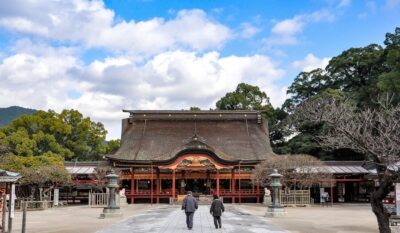
Fukuoka Private and Personalized Walking Tour with a Local
Read our review →Browse the lists this tour appears in