
Review · OSAKA TOURS
【Family Friendly】Traditional Mochi Pounding Experience
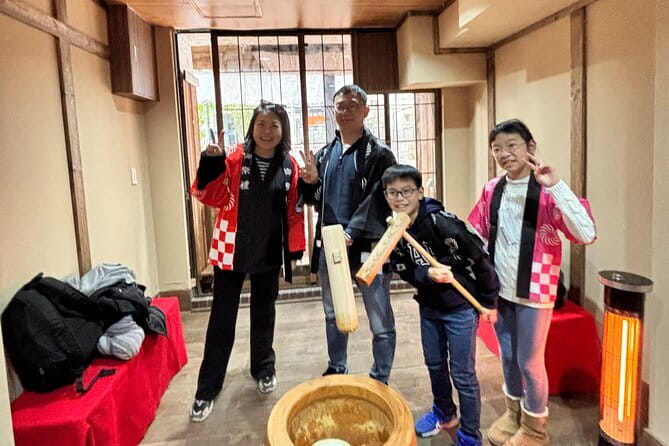
Mochi pounding turns dinner into a hands-on craft. In this Osaka session, you learn the story behind mochitsuki, then take part in the rhythmic process using a mortar and pestle, with traditional tools and a family-friendly pace. It ends with a warm, satisfying tasting, so you leave with more than photos.
I love that you get a short, clear history talk before your hands get sticky. I also like that the activity is built around learning by doing, from steaming glutinous rice to forming the final mochi, then pairing it with classic toppings.
One consideration: you are eating a chewy rice cake, so for elderly participants they note small portions are safer, since mochi can be a choking hazard if someone tries to rush. Also, the experience depends on good weather, so plan flexibility.
In This Review
- Key highlights you will actually feel
- Mochi pounding in Dōtonbori: the 1-hour ritual that works for kids
- Finding Oh Mochi: location that makes a Dōtonbori day easier
- The full step-by-step: history talk, steaming rice, and pounding mochi
- 1) A short history and meaning, about 10 minutes
- 2) Steaming the glutinous rice
- 3) Pound and shape with traditional tools
- 4) Tasting the mochi with toppings and tea
- Taste check: kinako, sweet bean paste, nori, and soy sauce
- Small group size and patient instruction: why this feels smooth
- Family-friendly Osaka: what to expect with kids under 13
- Vegan and vegetarian notes: how dietary preferences are handled
- Price and value: is $32.29 for an hour good in Osaka?
- Who should book this mochi experience, and who should think twice
- Should you book? My practical call for most travelers
- FAQ
- Is this mochi pounding experience family-friendly for children?
- How long does the experience take?
- Where does the experience meet and end?
- What languages are offered during the experience?
- Can vegans and vegetarians join?
- What happens if the weather is bad or I need to cancel?
Key highlights you will actually feel
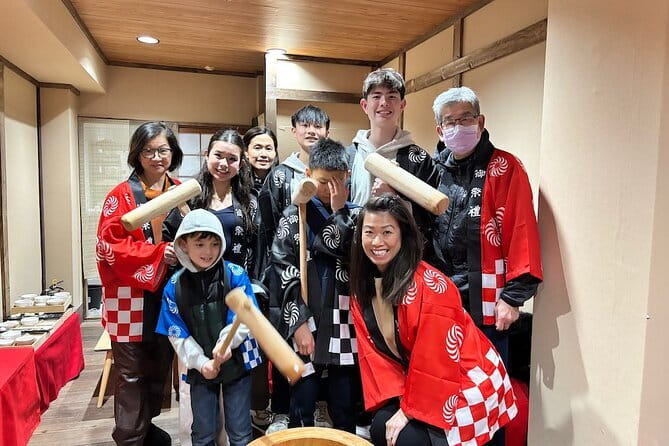
- Small group size (maximum 10) so instruction stays personal.
- 10-minute history talk that gives meaning before you start pounding.
- Traditional mortar and pestle for real mochitsuki technique, not a demo.
- Steamed glutinous rice to mochi step-by-step, with patient guidance.
- Tasting with multiple seasonings and tea so you can compare flavors.
- English and Chinese support to keep the process understandable.
Mochi pounding in Dōtonbori: the 1-hour ritual that works for kids
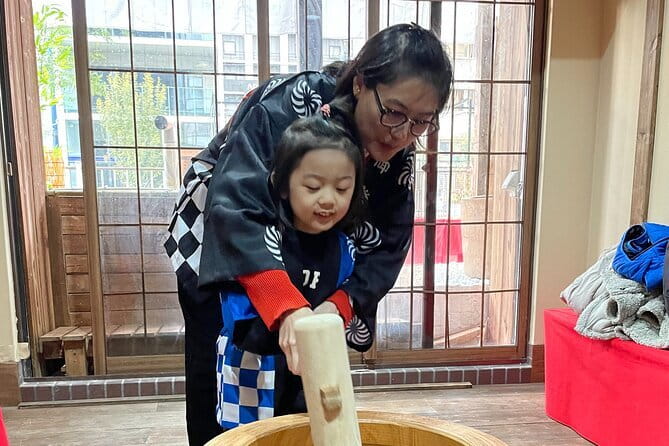
This is the kind of Osaka activity that feels simple at first, then gets surprisingly fun. You are not just watching mochi get made. You are grabbing a traditional tool, pounding steamed glutinous rice, and shaping that dough into mochi. The whole experience is built to be approachable, even if you have never tried mochitsuki before.
The best part for families is the pacing. It runs about 1 hour (approx.), and it is described as family-friendly for children under 13. At the same time, adults can join too, so it does not feel like it is only for kids. From the way it is structured, you should expect a guided, supportive vibe with instructors who teach patiently.
If you are in Osaka and already planning to explore Dōtonbori after dinner, this fits nicely. You can turn a cultural food activity into an easy anchor for your day, then walk it off nearby.
A few more Osaka days to weigh up
- Osaka Go Karting Tour with Funny Costume
★ 5.0 · 2,658 reviews - Osaka Castle: Museum and Tower Entry Ticket
★ 4.5 · 2,380 reviews - Osaka: Shinsekai Food Tour with 13-15 Dishes at 5 Eateries
★ 4.8 · 2,204 reviews
Finding Oh Mochi: location that makes a Dōtonbori day easier
The meeting point is Mochi Pounding Experience Osaka, Oh Mochi, at 2-chōme-4-11 Dōtonbori, Chuo Ward, Osaka (542-0071). The venue is stated to be near public transportation, which matters in a city where you may change trains and walk a bit.
Why that location detail matters: Dōtonbori is the kind of area where you can get sucked into street food and shopping fast. Starting your day with something scheduled and structured helps you avoid the feeling of aimless wandering. The tour also ends back at the meeting point, so you are not stuck figuring out a complicated return route.
Practical tip: because Dōtonbori is busy, show up a little early so you can settle in before the lesson starts. The experience is short, so you want to start on time.
The full step-by-step: history talk, steaming rice, and pounding mochi
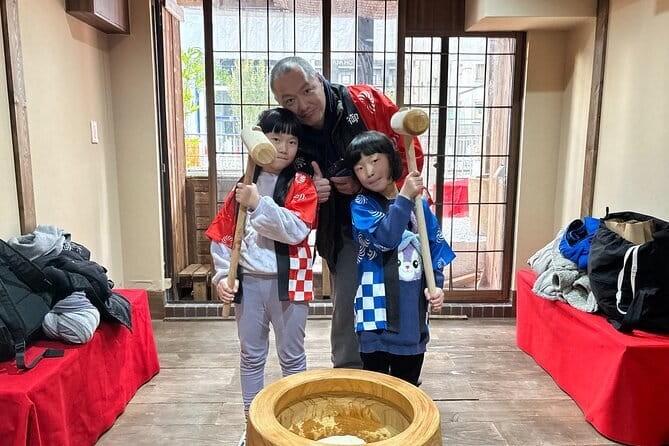
Here is what the session is designed to do, in order.
1) A short history and meaning, about 10 minutes
You begin with a 10-minute talk about the history and cultural significance of mochi pounding. This is important because mochi is not just a dessert here. It is tied to Japanese seasonal traditions and everyday rituals. The teaching is meant to give you context so your first pound lands with understanding, not confusion.
If you are traveling with kids, this part helps them see why the activity is more than play. It also helps adults who care about food culture beyond the flavor.
A different sort of day in Japan:
- Osaka Food Tour: 13 Dishes at 5 Local Eateries
★ 5.0 · 2,149 reviews - Hungry Osaka Street Food Tour:15 Tastings & 3 Drinks with a Local
★ 5.0 · 1,727 reviews - Osaka: teamLab Botanical Garden Entry Ticket
★ 4.5 · 1,710 reviews - Osaka: Tea Ceremony Experience
★ 4.9 · 1,426 reviews
2) Steaming the glutinous rice
Next comes the hands-on process. You join in the steps that lead to mochi, starting with steaming glutinous rice. While the exact steaming flow can vary by session, the intent is clear: you learn what changes the rice into workable mochi dough.
Why this step is worth your time: mochi is all about texture. Knowing that it begins with steamed glutinous rice helps you understand why the pounding technique matters so much.
3) Pound and shape with traditional tools
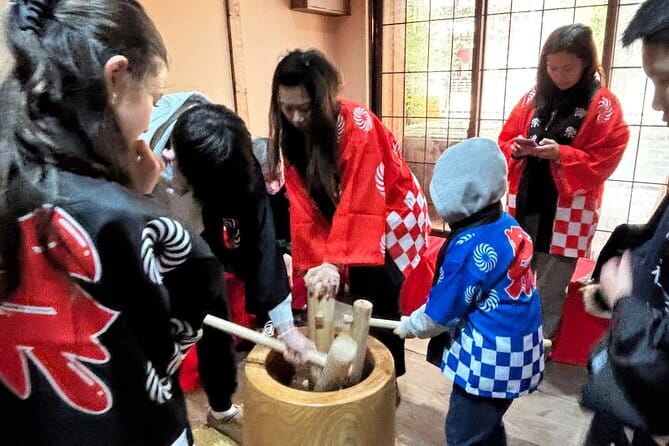
Then comes the core action: using traditional mortar and pestle to pound the steamed rice into mochi. This is the moment most people remember, because it is physical, rhythmic, and very visual.
One detail from the way the experience is described in past sessions is that you may pound while chanting the yo shoi style shout. That call-and-response energy usually turns a short activity into a memorable one, especially for families. Even if you are only half confident, the instructors are there to keep it moving and explain what to do next.
4) Tasting the mochi with toppings and tea
Finally, you sit down to eat what you made. The session ends with freshly prepared mochi served plain or topped with classic options, plus a cup of tea. This is not just a snack. It is part of the learning. You get to taste the result immediately, while the whole process is still fresh in your mind.
Also, the experience states there are five beloved Japanese seasonings and ingredients served with the mochi. The listed favorites include kinako (roasted soybean powder), sweet red bean paste, nori (seaweed), and sweet soy sauce. So you can expect at least the classic set, with a plain option as well.
Taste check: kinako, sweet bean paste, nori, and soy sauce

If you love Japanese sweets, this tasting is a strong reason to book. You are not stuck eating one flavor. You can compare.
Here is what each topping usually brings:
- Kinako gives a nutty, lightly sweet soy flavor that feels comforting with chewy mochi.
- Sweet red bean paste leans classic and dessert-like, with a smooth, sweet finish.
- Nori adds salty, savory sea notes. It is a nice contrast to the sweetness of the bean paste.
- Sweet soy sauce brings a glossy sweetness with deeper umami.
In some sessions, people report more than the basic set of options, so you might find extra variety beyond the four named toppings plus plain. The safe expectation is that the tasting focuses on these traditional flavors.
One more detail that matters: mochi is chewy. You might want to take it slow, especially if you are eating multiple pieces. The experience itself warns that elderly participants should eat in small portions due to choking risk. That is also just good manners for enjoying texture, not racing through it.
Small group size and patient instruction: why this feels smooth

This is capped at a maximum of 10 travelers, which is a big deal for a hands-on food activity. Fewer people means instructors can correct technique and keep the group from getting stuck waiting.
Language support is also built in. The experience is listed as English and Chinese. Chinese support is provided through slides or interpretation by ChatGPT. That matters if you want to understand both the history talk and what to do during pounding.
In plain terms, this kind of setup reduces stress. You do not need to be fluent to follow along, and you do not need to pretend you know what you are doing with the mortar and pestle.
If you are the kind of traveler who hates feeling rushed, this format is reassuring. The activity is short, it stays structured, and it is taught step-by-step.
Family-friendly Osaka: what to expect with kids under 13
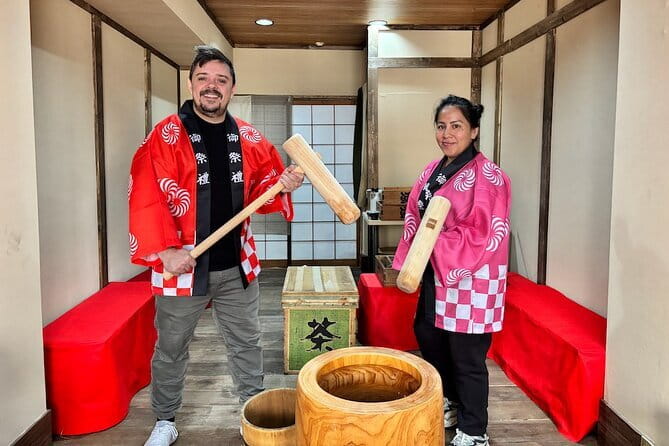
This plan is explicitly available for children under 13, and it is described as family-friendly. That fits the mochi theme, because the experience is naturally game-like: pounding, shaping, tasting.
What kids typically enjoy most is the physical rhythm. The tools are real, the dough is squishy and fun to work with, and the tasting is a reward right after effort. Adults also tend to like that it is not a long class. About 45 to 60 minutes keeps energy steady, which is helpful when traveling with younger family members.
A balanced note: mochi is sticky and chewy. It is safe for most people when eaten slowly, but anyone sensitive to textures might want to sample smaller portions first. The caution about elderly participants is a helpful reminder for everyone to eat mindfully.
Vegan and vegetarian notes: how dietary preferences are handled
The experience states it can accommodate dietary preferences, including vegan and vegetarian travelers. That is a big green light if you are trying to plan food activities without stress.
One limitation: the information provided does not list exact ingredients for each topping or confirm vegan substitutions in every case. So you should plan to mention your needs clearly at booking, and ask what options are available for your specific diet when you arrive.
Still, the key point is that dietary needs are not treated as an afterthought here. They are explicitly called out, which makes the experience easier to commit to.
Price and value: is $32.29 for an hour good in Osaka?
At $32.29 per person, this is not the cheapest thing you can do in Osaka. It is also not trying to be. You are paying for hands-on instruction, a small group setting, traditional tools, and a final tasting with tea.
For value, look at what you get:
- A full guided process, not just watching.
- Traditional mortar and pestle time, with teaching.
- Multiple toppings and a warm drink at the end.
- Small group format (up to 10), which helps you actually participate.
- A location right in the flow of Dōtonbori, so you can pair it with sightseeing without long transfers.
If you usually spend money on one-time food experiences, this one is likely worth it. It is interactive, it feeds you, and it teaches you something you can talk about later. It is also great for mixed-age groups where one person wants culture and another wants something fun and concrete.
Who should book this mochi experience, and who should think twice
This is a great fit if you:
- Want an authentic, hands-on Osaka food activity.
- Are traveling with kids under 13, or you want something that works across ages.
- Love Japanese flavors like kinako, nori, sweet soy sauce, or sweet bean paste.
- Prefer a short, structured session rather than a long cooking class.
It might be less ideal if:
- You are not comfortable eating chewy rice cakes. Mochi requires slower chewing.
- You need the certainty of zero weather risk. The experience requires good weather, and it can be rescheduled or refunded if canceled due to poor conditions.
- You dislike interactive activities where you physically participate, even if the staff guides you patiently.
Should you book? My practical call for most travelers
I would book this if you are in Osaka and want a cultural food moment that is quick, family-friendly, and genuinely participatory. The combination of small group size, a short history explanation, and a real mochi pounding experience makes it feel like more than a ticket. You come away with tasty results and a story that is easy to share.
If you have dietary restrictions, you should feel encouraged because vegan and vegetarian options are acknowledged. Still, confirm details for your exact needs.
And if you are traveling with older family members, just plan portion sizes calmly and take eating slow. The warning about choking risk is there for a reason, and a little caution goes a long way.
Overall: this is one of those experiences that gives you something hands-on in the time you actually have.
FAQ
Is this mochi pounding experience family-friendly for children?
Yes. The experience is available for children under 13 years old and is described as family-friendly. Adults only can also join.
How long does the experience take?
It runs about 1 hour (approx.).
Where does the experience meet and end?
It starts at Mochi Pounding Experience Osaka, Oh Mochi, at 2-chōme-4-11 Dōtonbori, Chuo Ward, Osaka 542-0071, Japan, and it ends back at the meeting point.
What languages are offered during the experience?
The experience offers English and Chinese. Chinese is provided through slides or interpreted by ChatGPT.
Can vegans and vegetarians join?
Yes. The experience states they accommodate dietary preferences, including vegan and vegetarian travelers.
What happens if the weather is bad or I need to cancel?
The experience requires good weather. If it is canceled due to poor weather, you will be offered a different date or a full refund. You can cancel for a full refund up to 24 hours in advance of the experience start time.
Newly listed around Osaka
- Hiroshima and Miyajima Private Tour with English Speaking Driver★ 3.5 · 9 reviews
- Kyoto Top Four Highlights Day Trip from Osaka or Kyoto★ 5.0 · 18 reviews
- Kyoto & Nara Private Day Tour★ 4.5 · 45 reviews
- From Osaka: 10-hour Private Customizable Tour to Kyoto★ 4.5 · 8 reviews
- Osaka Highlights Walking Tour: Castle, Dotonbori & Hidden Gems★ 5.0 · 9 reviews
- Osaka Highlights: 4Hrs Guided Walking Tour with a Native Expert★ 5.0 · 12 reviews
- Honor – Experience Samurai & traditional Culture to the fullest★ 5.0 · 32 reviews
- Experience Extracting Pearls From Akoya Oysters osaka★ 5.0 · 19 reviews
Osaka Tours, compared.


Shinsekai Food Tour with 13-15 Dishes at 5 Eateries
Read our review →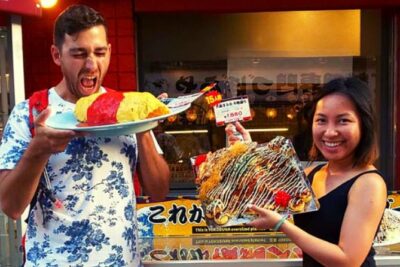
Osaka Food Tour: 13 Dishes at 5 Local Eateries
Read our review →
Hungry Osaka Street Food Tour:15 Tastings & 3 Drinks with a Local
Read our review →
Browse the lists this tour appears in