
Review · TICKETS
Osaka: teamLab Botanical Garden Entry Ticket
One walk can change the whole mood of a garden. teamLab Botanical Garden Osaka is the rare ticket that starts as a peaceful plant stroll and ends as an interactive light and sound experience built right into nature.
I really like two things here: the way the light installations move in harmony with trees, water, and visitors, and the sheer variety of the grounds, with about 1,200 species spread across Nagai’s large garden space. One thing to plan for is that it is outdoors at night, with rules that limit what you can bring, and there are no on-site cafes to stop for a snack.
If you like your evenings low-stress and slow, you are going to have a great time. If you need wheel-to-wheel, fully predictable access to every artwork, you should contact the venue first, since some areas may not be accessible even though wheelchairs and strollers can enter.
In This Review
- Key things to know before you go
- Daytime at Nagai Botanical Garden: plants first, photos later
- Nighttime teamLab: light art that talks back to the garden
- Interactive art: how you become part of it
- What makes the garden itself worth your time
- Practical logistics that make or break the night
- What to bring, what not to bring
- Kids, strollers, and accessibility reality check
- Budget and value: is $11 worth it
- Where this fits in your Osaka itinerary
- A small human detail: getting help if you want it
- Should you book this ticket?
- FAQ
- How much is the entry ticket for teamLab Botanical Garden Osaka?
- How long is the experience?
- What are the key things to bring?
- Are pets and food allowed inside?
- Can I take photos with flash, and are tripods allowed?
- Is re-entry allowed after you enter?
Key things to know before you go
- 1,200 plant species in a huge setting of about 240,000 square meters, so the day part has real breathing room
- Day to night transformation, where the botanical garden becomes teamLab’s art space after dark
- Interactive light art that responds to people and surroundings, so you are not just watching
- Music, light, and sound are part of the experience, which is why evenings feel special here
- No food or cafes on site, so you need to plan your timing around meals
Daytime at Nagai Botanical Garden: plants first, photos later
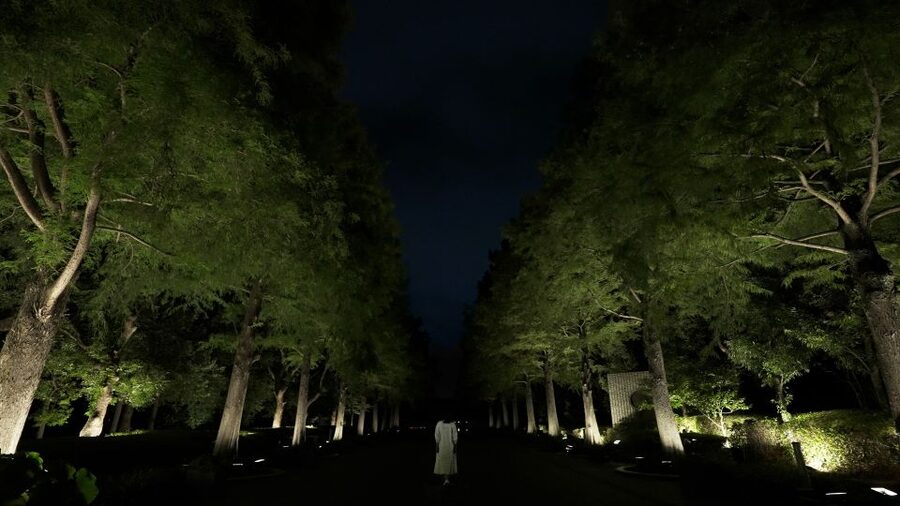
The best part of teamLab Botanical Garden Osaka is that it does not force you to choose between nature and art. You start in the newly reopened Nagai Botanical Garden, and you get a full daytime walk before night turns the paths into something else.
Nagai is big, about 240,000 square meters, and the garden runs on variety. You are looking at roughly 1,200 species, so it is not a quick stroll through a few highlight beds. Take your time. You will move at your own pace through the grounds and pause where the scenery feels calm, especially around the central pond area, which works as a natural reset button.
I also like that this part feels grounded. The garden is not just a backdrop for the tech. It is a living space connected to how plants are cultivated and protected, which becomes relevant later when you see the art built around the idea that digital technology like light can create art without harming nature.
Practical tip: wear comfortable shoes from the start. Even with staggered entries, this is still a walking experience. Plan to spend real time on the daytime paths instead of rushing straight to the lights.
A few more Osaka days to weigh up
- Osaka Go Karting Tour with Funny Costume
★ 5.0 · 2,658 reviews - Osaka Castle: Museum and Tower Entry Ticket
★ 4.5 · 2,380 reviews - Osaka: Shinsekai Food Tour with 13-15 Dishes at 5 Eateries
★ 4.8 · 2,204 reviews
Nighttime teamLab: light art that talks back to the garden
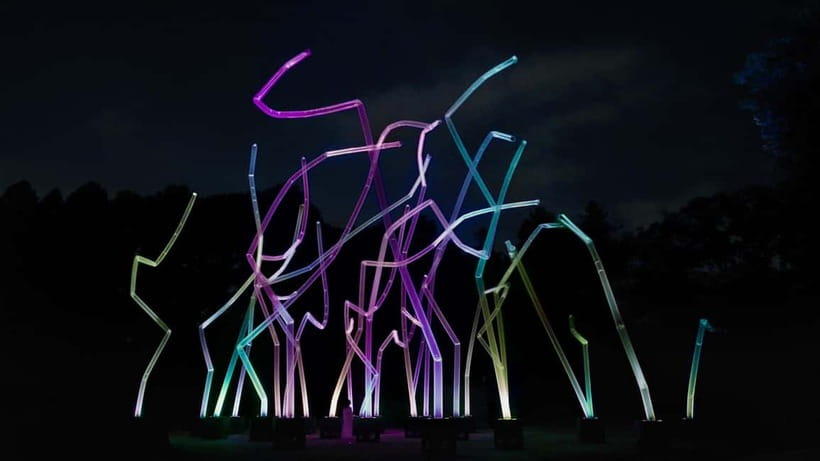
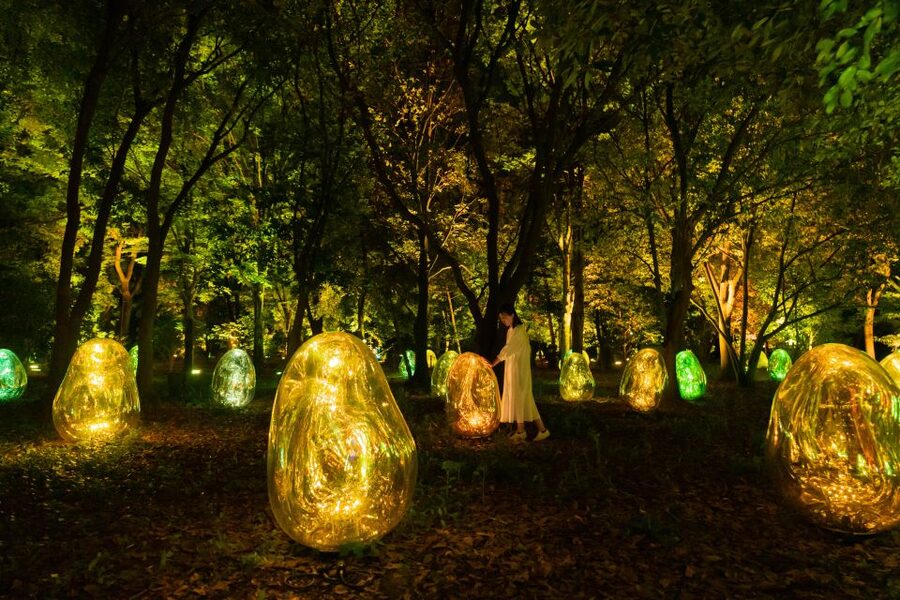
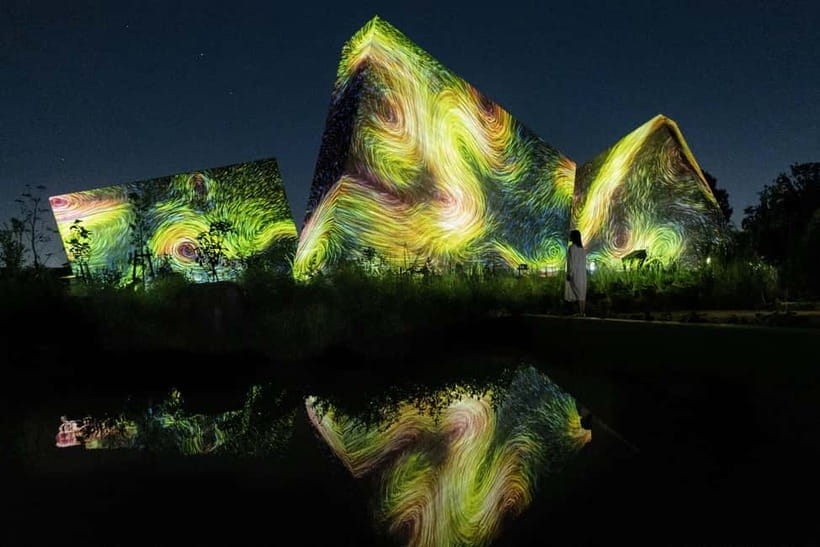
When evening comes, the garden changes character. teamLab’s installations light up, and the concept is clear: non-material digital tech can turn nature into art without damaging it. You will still be walking among trees, plants, and water. The difference is that the space starts reacting, visually and sometimes audibly, to what is around it and to you as you move.
A lot of the praise for this experience centers on the feeling of magic that happens when colors and light interact with nature and people. That is the magic trick here. You are not stuck staring at a single screen. You are inside the effect, moving through it, and watching the visuals shift with perspective.
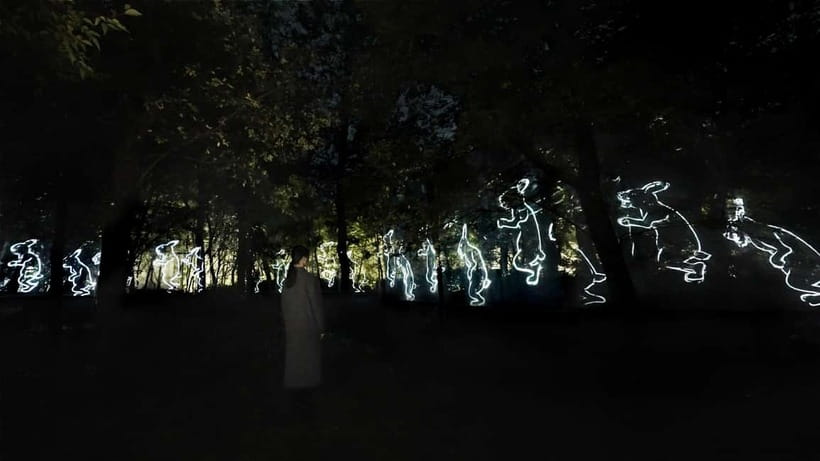
Music and sound matter, too. Several people highlight that the evening feels immersive in the best way, with music and sound blending into the outdoor setting. It helps the experience feel like more than a light show, because you are walking through a mood.
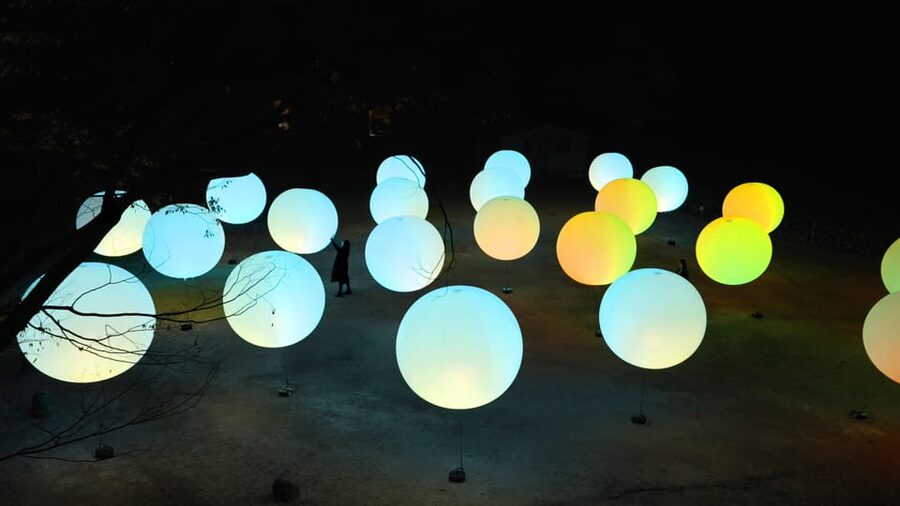
If you are wondering where to go first, use your instincts once you are inside. People often say the early parts can feel a little slow, like bubbles of light, then it gets more interesting as you progress deeper into the route. So don’t judge too fast. Keep moving.
Interactive art: how you become part of it

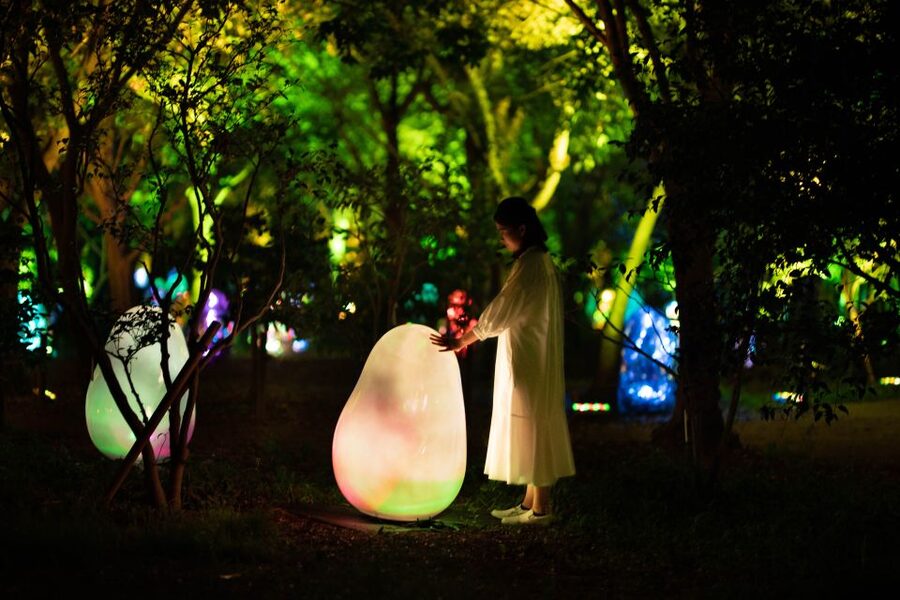
This ticket is not a passive viewing setup. The installations are designed to interact, and that interaction changes the vibe from sightseeing to participation. You may not need to do anything complicated, but you will notice that being in the space matters, like when light effects respond as you walk through areas.
One of the commonly mentioned favorites is the feeling of walking among the installations, not standing in front of them. You get to roam and soak it in, which is why comfortable shoes pay off again. When the art is interactive, you are naturally tempted to slow down, backtrack a little, and try different angles.
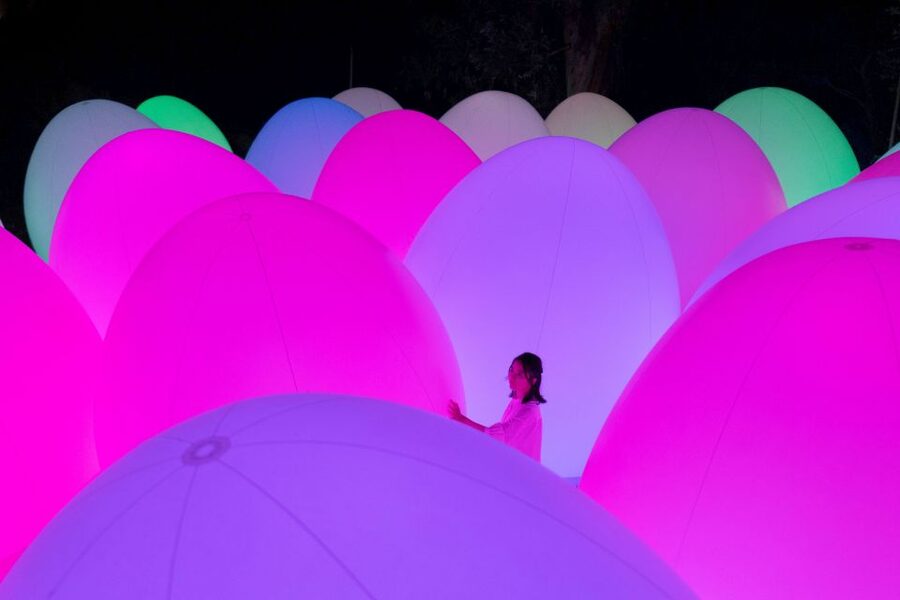
Another praised element is that there is a bit of playful spectacle, including recognizable shapes in some installations. People mention big egg-like light forms that visitors, including kids, run through. That is a good sign if you want an evening that feels fun, not just pretty.
Where it can feel tricky: this is a place where flash photography is prohibited, and you should expect darker outdoor sections. The rule list is strict, so bring a normal phone camera without flash and plan to rely on your eyes.
What makes the garden itself worth your time
A lot of people buy this ticket for the lights, but the daytime garden is still a major reason it works. At about 240,000 square meters and with plant variety around 1,200 species, you are not just walking past a few displays. You are visiting a real botanical garden.
The grounds include a central pond, and that kind of water feature helps the whole event feel less like a theme park. Instead of everything being purely artificial, the pond and paths ground the visuals. Even when the art turns the night colorful, you are still surrounded by living plants and natural shapes.
You can also feel the underlying theme of cultivation and protection. Even if you do not read every label, the experience communicates that the garden is maintained with care, and that the art approach aims to avoid harming nature. That is a big part of why this does not feel like a random lighting install dropped into a park.
A different sort of day in Japan:
- Osaka Food Tour: 13 Dishes at 5 Local Eateries
★ 5.0 · 2,149 reviews - Hungry Osaka Street Food Tour:15 Tastings & 3 Drinks with a Local
★ 5.0 · 1,727 reviews - Osaka: Tea Ceremony Experience
★ 4.9 · 1,426 reviews - Osaka Kickstart: Hotspots & Hidden Gems Tour
★ 5.0 · 1,306 reviews
Practical logistics that make or break the night
This is one of those Osaka plans where timing and comfort matter more than anything complicated.
First, arrive early enough for the day portion you want. Reviews include the idea of going early because the park fills quickly, and 6 p.m. being dark enough for strong light effect is a useful mental target. If you arrive late, you can lose the best flow of daytime to nighttime.
Second, plan how you will leave. One review flagged that getting a taxi afterward can be hard in that area and that it is about a 15-minute walk to the nearest station. That is not guaranteed to be your exact situation, but it is enough that you should not schedule your last train sprint with zero buffer.
Third, know the on-site food situation. There are no restaurants or cafes on site. That changes how you plan your evening, especially if you come straight after work. Eat beforehand, then treat the visit like an outdoor two-part event.
What to bring, what not to bring
The rules are specific, so read them like a checklist, not as fine print.
Bring:
- Comfortable shoes
- A long-sleeved shirt
- Insect repellent
- Long pants
Do not bring:
- Pets
- Smoking
- Luggage or large bags
- Drones
- Selfie sticks
- Food
- Flash photography
- Tripods
- Alcohol and drugs
- Flashlight
If you are a photographer, plan around the no-flash rule. You can take photos, but flash is not allowed. Tripods are out too, so handheld shooting works best. For most people, that means taking fewer, more intentional shots instead of trying to capture everything like a photo marathon.
Also, re-entry is not allowed. Once you are in, you are committing to your route that day.
Kids, strollers, and accessibility reality check
This is family-friendly in spirit, but the venue still runs on rules.
Children must be accompanied by an adult who is 18+ years old, and there must be one accompanying adult for every three children. If you are traveling with a group that includes kids, this is the kind of rule that matters early, because staff can deny entry if the adult ratio does not match.
Wheelchair users and children in strollers may enter the venue. Still, some artworks may not be accessible. If you need full access to every installation, contact the venue by phone before you go so you can plan your expectations.
Budget and value: is $11 worth it
At around $11 per person, this ticket is priced as a value play compared to many major light-art attractions. The real value is not only the low price. It is how the experience is built as two experiences in one day: a serious botanical walk, then a tech-and-art night session.
You get:
- A garden with extensive plant variety during daylight
- A nighttime transformation that turns that same garden into a creative space
- Interactive elements, plus music and sound, so it is not just looking
If you only care about a quick photo stop, you might feel like it is too big and too slow. But if you enjoy walking, taking your time, and letting the mood build, the price starts to feel like an easy yes.
One caveat from practical feedback: some people note it is not identical to teamLab experiences in other cities, meaning you should judge it on its own merits, not as a direct comparison.
Where this fits in your Osaka itinerary
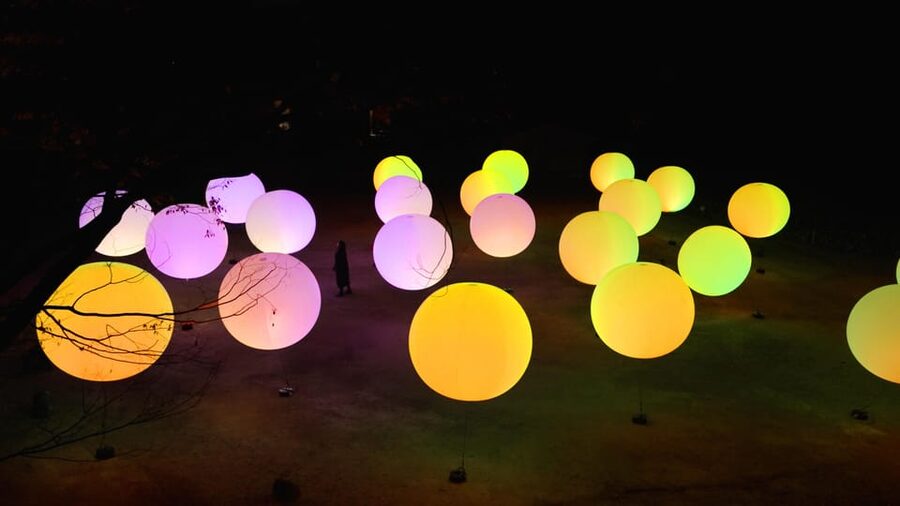
This works best as an evening anchor with a daytime warm-up.
A smart rhythm is:
- Start earlier with the garden walk while it is still comfortable outside
- Stay for the night transformation, since that is when the light art becomes the main event
- Plan your food off-site because there are no cafes or restaurants inside
Why this is a good fit for Osaka: you get a break from the typical pace of crowds, trains, and shopping. The garden setting helps the night feel calmer, and a lot of praise mentions it as relaxing and even romantic for some visitors.
If you are the type who likes to avoid heavy crowds, arriving earlier tends to help. Staggered entrance can reduce crush points, so the walk stays more enjoyable than chaotic.
A small human detail: getting help if you want it
One review specifically thanked a guide named Tomoko Matsukiyo. If you find staff or a guide there to answer questions, take advantage of it. Even when you are there just for the experience, having someone point you toward the best flow can help you avoid wasting time when it gets dark.
Should you book this ticket?
I think you should book if you want a one-day Osaka activity that mixes nature, art, and night atmosphere, and you are okay with a walking outdoors event where you cannot bring extra gear like tripods or selfie sticks.
Skip it, or at least adjust expectations, if:
- You want a short, sit-down show with minimal walking
- You rely on a nearby restaurant on-site, because there are no cafes or restaurants here
- You cannot handle outdoor nighttime conditions, especially insect season, since you will need repellent and long pants
If you are planning one memorable night in Osaka, this is a strong choice because the price is reasonable, the daytime garden is genuinely part of the experience, and the evening is the kind of visual and sound experience that feels different from the typical city routine.
FAQ
How much is the entry ticket for teamLab Botanical Garden Osaka?
The price is listed as $11 per person.
How long is the experience?
The duration is listed as 1 day.
What are the key things to bring?
You should bring comfortable shoes, a long-sleeved shirt, insect repellent, and long pants.
Are pets and food allowed inside?
No pets are allowed, and food is not allowed. The venue also has no restaurants or cafes on site.
Can I take photos with flash, and are tripods allowed?
You can take photos, but flash photography is prohibited. Tripods are also prohibited.
Is re-entry allowed after you enter?
No, re-entry is not allowed.
Newly listed around Osaka
- (Ticket Included) Explore Osaka Castle & Museum of History★ 4.8 · 21 reviews
- Hidden Osaka – Yukaku Red Light Tour & Culinary Adventure★ 4.8 · 96 reviews
- Osaka: Walking Tour and Top Highlights★ 4.8 · 104 reviews
- Same Day OK! Osaka: Local Food, Izakaya & Local Bites Tour!★ 4.8 · 17 reviews
- Osaka: Private Ceramic Painting Workshop★ 5.0 · 13 reviews
- Eat Like a Local in Osaka – Private Custom Street Food Tour★ 4.3 · 33 reviews
- Pickleball in Osaka & Kyoto with Locals!★ 4.6 · 64 reviews
- Osaka:SUMO BEATS SHOWCASE: Taiko Drum and Wagyu burger!★ 4.2 · 37 reviews
Tickets, compared.

teamLab Planets TOKYO Digital Art Museum Entry Ticket
Read our review →

Japanese Dance Cabaret Theater Asakusa-Kaguwa Ticket
Read our review →
Kamakura & Enoshima Day Trip including Temple Tickets
Read our review →Browse the lists this tour appears in