
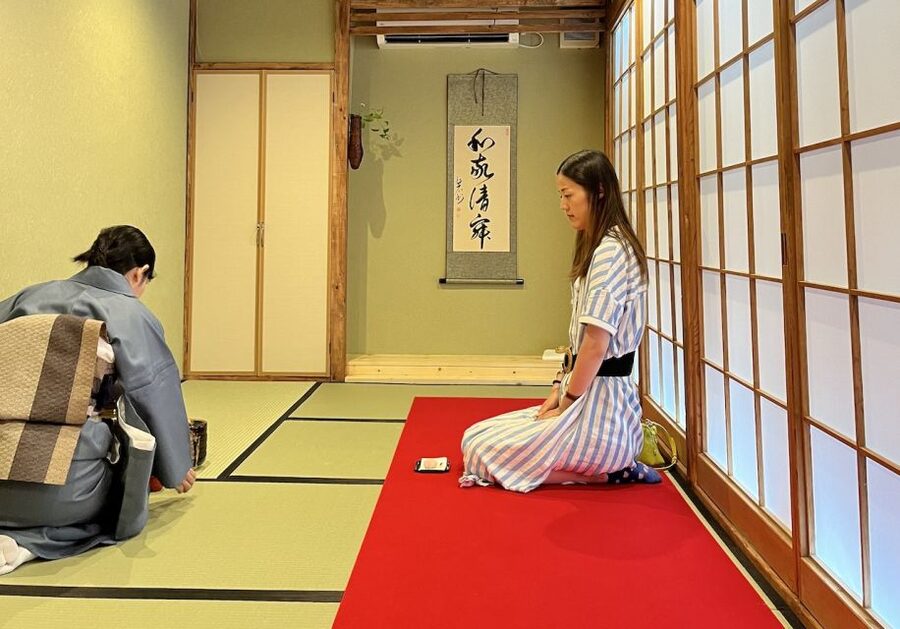
Review · MATCHA & TEA CEREMONY SESSIONS
Osaka: Tea Ceremony Experience
A quiet matcha moment in loud Osaka. This tea ceremony feels gentle, because Japanese instructors guide you through each step in clear English, then you make and drink your own bowl of matcha. It is a real culture stop, not a photo-op.
I also like the calm tatami room and the way the lesson focuses on meaning, manners, and how to handle the tools. One thing to plan for: you are sitting for the session, and the rules are strict, including no strollers and no noise.
In This Review
- Osaka Tea Ceremony Experience: What Makes It Special in 45 Minutes
- Key Highlights You Will Actually Feel
- Entering the Kimono-Guided Ceremony in a Traditional Tatami Room
- Tea Ceremony Demonstration: Manners, Tools, and Why Each Step Exists
- Hands-On Matcha Making: The Part You Will Remember
- Seasonal Sweets: The Pairing That Turns Tea Into a Meal Moment
- Finding the Meeting Point on Dotonbori, Second Floor Reality Check
- Price and Time Value: Is $25 Worth It?
- Should You Book the Osaka Tea Ceremony Experience?
- FAQ
- How long is the Osaka tea ceremony?
- Is the tea ceremony taught in English?
- What is included in the $25 price?
- Where is the meeting point?
- Are children allowed to participate?
- Are there rules during the ceremony?
Osaka Tea Ceremony Experience: What Makes It Special in 45 Minutes
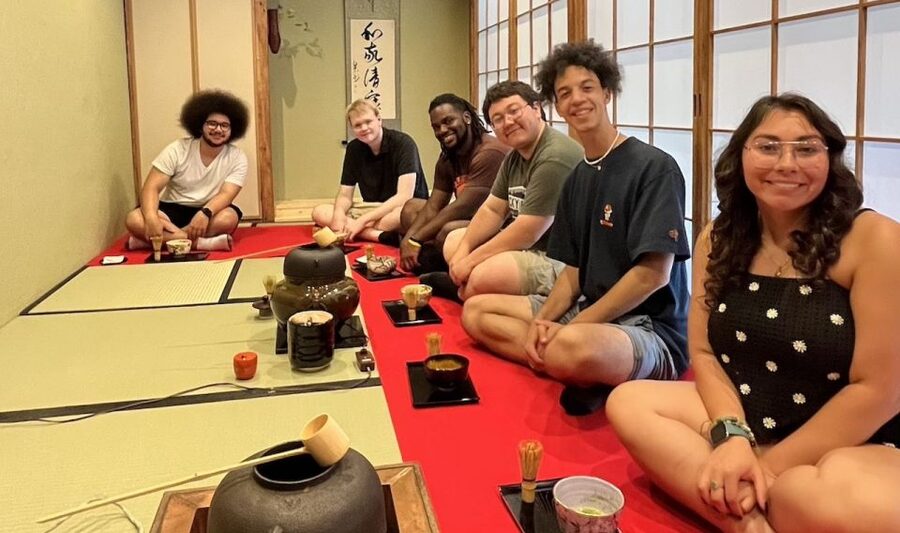
If you want a break from the shopping streets and neon, this is a good reset. You walk into a traditional space, you get a welcome, and an instructor in kimono starts with the meaning and history of the tea ceremony. Then you watch a live demonstration where the host explains the basics of serving etiquette.
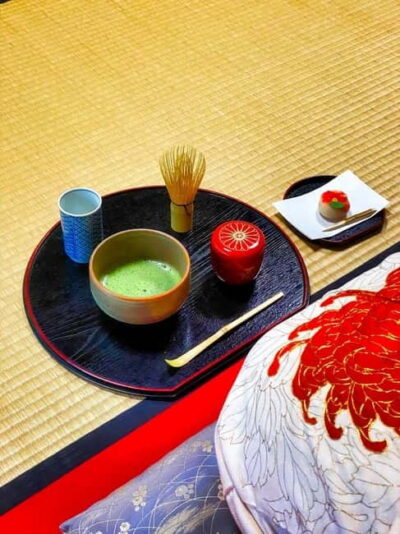
From there, it turns practical. You get to make matcha yourself with authentic tea tools, then you taste it in the peaceful setting you just learned in. And because tea is never just tea here, you also get seasonal Japanese sweets that pair naturally with the bitterness and clean grassy flavor of matcha.
The staff and hosts are a big reason this works. Names that have shown up in sessions include Yuki, Akiko, Mayumi, Ayaka, and Kazu. In every case, the theme is the same: kind guidance, patient coaching, and English that is easy to follow.
Key Highlights You Will Actually Feel
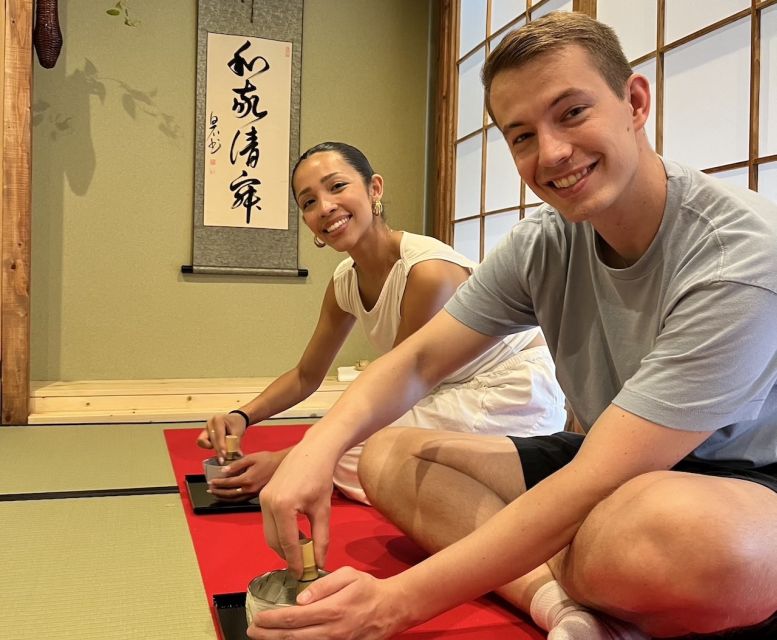
- Hands-on matcha making with traditional tools, not just watching.
- English instruction from Japanese hosts in kimono, with room for questions.
- Tatami-room calm that slows your pace fast.
- Seasonal confections served alongside matcha for a proper taste finish.
- Symbolism and etiquette taught step by step, including attention to tea bowls and serving manners.
More Tea Ceremonies in Osaka
- Tea Ceremony Experience in Osaka Doutonbori
★ 5.0 · 754 reviews - Matcha Making Class in Osaka with Authentic Japanese Sweets Set
★ 5.0 · 509 reviews - Osaka: Matcha Making Experience with Japanese Sweets
★ 5.0 · 146 reviews
Entering the Kimono-Guided Ceremony in a Traditional Tatami Room
The first moment matters. You are welcomed into a traditional Japanese room before anything gets complicated. The instructor explains the meaning and history of the tea ceremony, so you are not left guessing why people do things a certain way. This is one of the best parts for first-time visitors, because it turns the ritual into something you can understand and respect.
The tone stays quiet and focused. You sit in a tatami setting, and the pacing is designed for learning while staying mindful. If you like experiences that are structured but not rushed, this fits. If you hate slow, careful routines, you might find it a bit too serene. But for most people, that is the point.
You also get a strong “you are here” feeling from the presentation. The instructors wear traditional kimono, and the session is run as a proper ceremony rather than a casual tasting. Even the way the host sets up the tools communicates that this is deliberate work, not just stirring powder into water.
One practical note: you should be ready to sit. The session is short, about 45 minutes, but reviews do mention floor sitting. If you know you struggle with floor seating in Japan, bring a plan in your body, like comfortable clothing and a calm attitude toward staying still.
Tea Ceremony Demonstration: Manners, Tools, and Why Each Step Exists
After your welcome, you shift to watching the live demonstration. The host shows you how the ceremony works and explains the tools as she goes. This is where the experience stops being purely hands-on and becomes cultural literacy.
What you learn here is not just “how to do it,” but how to do it correctly. Serving manners show up early, including the idea that the process is about respect and attention, not speed. The instructor also shares the basic flow of what happens from start to finish, so when you later make matcha yourself, you understand what you are doing and why your hands and movements matter.
A standout detail from people who have gone: the host takes time to explain the significance of tea bowls and other ceremony elements. That matters because tea bowls are not random cups. They carry meaning in the ritual, and knowing that changes how you experience your own bowl later.
The English component is another quiet win. The host speaks clearly, and the overall format helps you follow along even if you have zero background in Japanese tea. Audio is included in English too, so you are not stuck waiting for one person’s explanation.
If you are the type who likes asking questions, this is also a good fit. The hosts are patient and attentive, and they guide you at a pace that does not make you feel rushed.
Hands-On Matcha Making: The Part You Will Remember
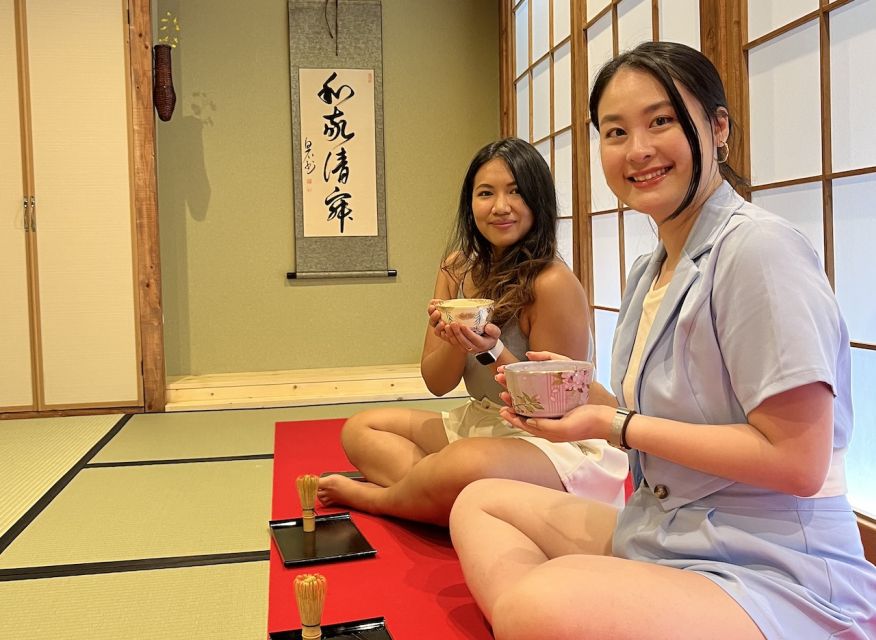
This is the main event, and it is where the value becomes obvious. After you watch, you do. You make your own bowl of matcha using traditional tools, guided by the instructor.
Matcha making sounds simple until you try it. You are shown how to handle the tools and how to work with the powder and whisking process. Then you make your own bowl while the instructor watches. That coaching is key. Getting it wrong is part of learning, and the host’s job is to correct you gently and clearly so your final sip still tastes good.
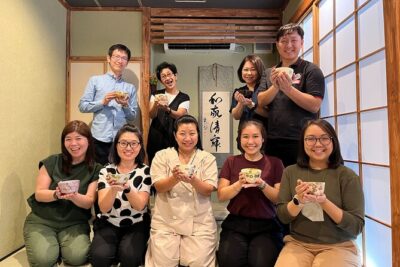
When you taste your matcha, you also understand why the demonstration came first. The ceremony’s rhythm teaches you to slow down enough to actually notice flavor. Matcha is not sweet, and it is not meant to be. It is meant to be balanced. The host helps you approach it with the right mindset, like you are tasting something intentional.
Many people describe the session as wholesome and educational, and that comes from this hands-on moment. Watching someone whisk is interesting. Whisking your own makes it real.
One more detail that helps: you drink your matcha right in the ceremony space, not after you wander off. That keeps the experience cohesive. You do not break the spell.
A different sort of day in Japan:
- Osaka Go Karting Tour with Funny Costume
★ 5.0 · 2,658 reviews - Osaka Castle: Museum and Tower Entry Ticket
★ 4.5 · 2,380 reviews - Osaka: Shinsekai Food Tour with 13-15 Dishes at 5 Eateries
★ 4.8 · 2,204 reviews - Osaka Food Tour: 13 Dishes at 5 Local Eateries
★ 5.0 · 2,149 reviews
Seasonal Sweets: The Pairing That Turns Tea Into a Meal Moment
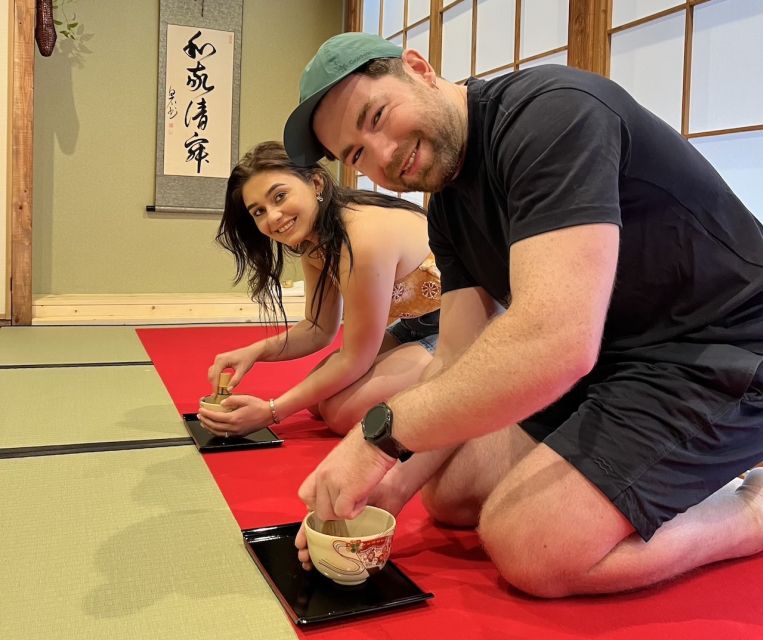
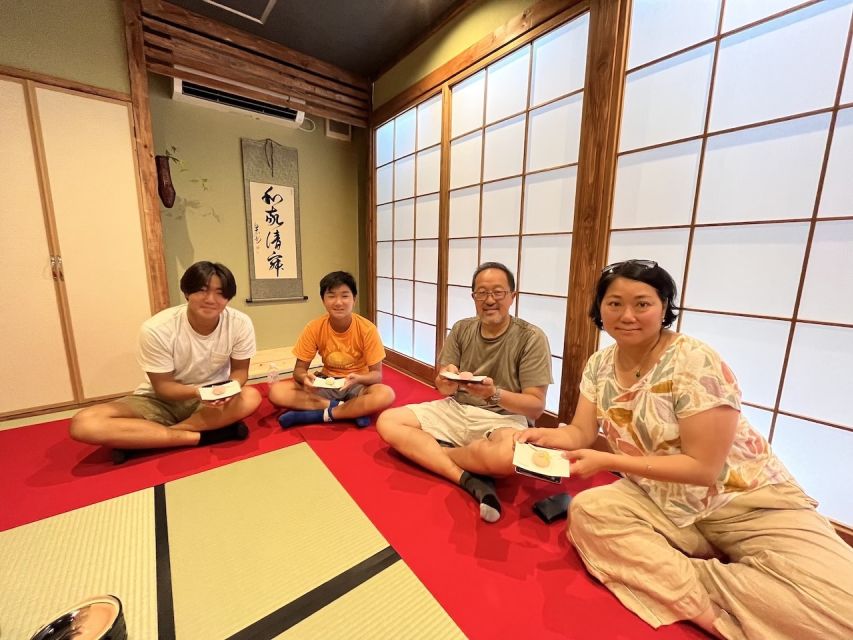
Then comes the sweet part, literally. You get seasonal Japanese confections meant to go with matcha. The pairing is simple but smart: matcha has a clean, slightly bitter edge, and a well-chosen sweet makes the taste feel rounded.
You eat the sweets as part of the ceremony flow. That matters because it changes your focus from tasting as a snack to tasting as a course that belongs with the tea. The sweets are described as delicate in size and designed to match the matcha, so expect something more refined than a big candy bar.
If you are worried that a tea ceremony will be dry or too formal, the sweets help keep the experience human. They give you an easy point of comparison, and they make it more likely you will enjoy the full session even if you are not instantly in love with matcha.
Finding the Meeting Point on Dotonbori, Second Floor Reality Check
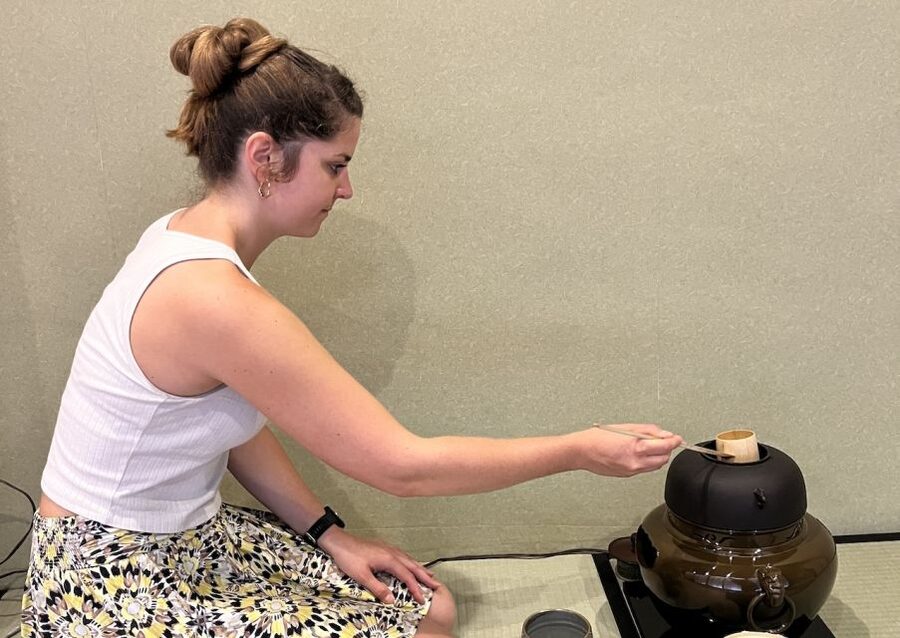
Logistics can make or break a short experience like this. The meeting point is in central Osaka, and the address is:
大阪市中央区道頓堀1丁目東5-26, second floor
The instruction is to use Google Maps and search tea ceremony osaka the osaka for the correct location. The venue is on the second floor, so once you find the building, look up and confirm you are in the right place before you settle. Reviews also suggest it can be tricky to locate, so give yourself extra time.
Also, very occasionally, people cannot come, so the timing can shift a little. Come with a buffer so you are not rushing or stressing. For a ceremony that values calm, arriving flustered fights the whole vibe.
A good strategy: arrive a little early, find the entrance, and then wait nearby until you are told you are ready to enter. In short activities, waiting time is usually the only part you can’t control, so plan for it.
Price and Time Value: Is $25 Worth It?
At $25 per person for about 45 minutes, this is priced like a true cultural experience, not like a museum ticket. The value comes from two things you do: you learn the meaning and manners, and you make matcha yourself with authentic tools.
A lot of “tea experiences” in tourist areas are either mostly watching, or mostly buying a souvenir cup. This one includes the essential components: entrance fee, matcha (powdered green tea), and confections. In other words, you are not paying extra for the basics once you arrive.
It is also a smart length for Osaka. You can fit it between sightseeing blocks without losing half a day. And because the session is structured, you do not need prior knowledge. Even if you know nothing about matcha, the instructor explains the ceremony history and the steps, then you follow along.
Who will like it most?
- First-time visitors who want an authentic but friendly introduction to Japanese rituals
- People who enjoy calm breaks and hands-on instruction
- Anyone who wants an English-led cultural activity that still feels traditional
Who might hesitate?
- Anyone who hates floor seating for any length of time
- People who are likely to struggle with strict rules around noise, strollers, and staying quiet
Should You Book the Osaka Tea Ceremony Experience?
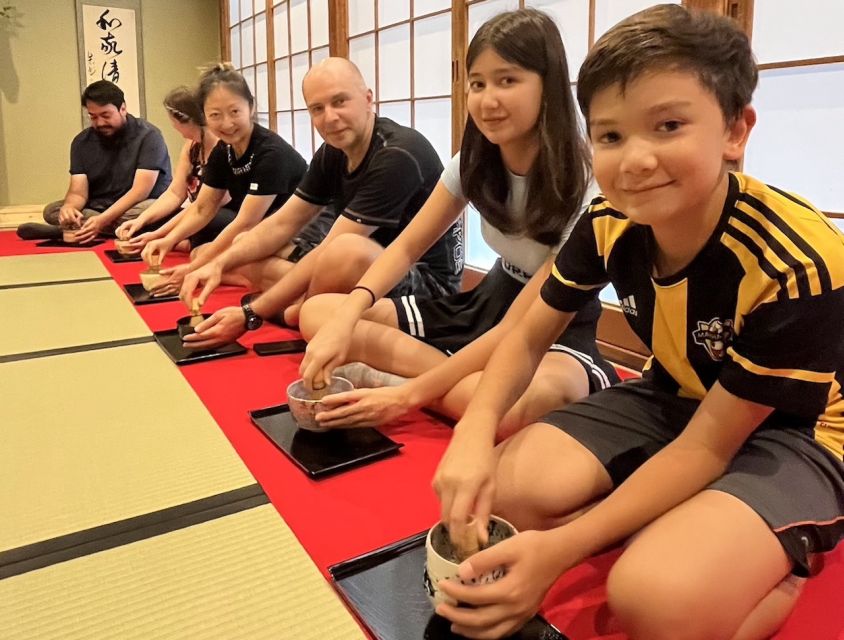
If you want one experience in Osaka that feels quieter, more intentional, and still practical, I think this is a strong pick. The best reason to book is the matcha part. Watching is nice, but making your own bowl, in the ceremony flow, is the memory you carry home.
Book it if you want a short, structured lesson in Japanese etiquette, with seasonal sweets and clear English guidance. Skip it if you expect a casual, walk-in tasting with flexible behavior, or if floor seating is a dealbreaker for you.
If you do book, plan to arrive on time and use Google Maps carefully for the second-floor location. Then show up ready to move slowly and taste intentionally. That is when this experience pays off.
FAQ
How long is the Osaka tea ceremony?
The experience is scheduled for 45 minutes.
Is the tea ceremony taught in English?
Yes. The host or greeter is English, and an audio guide in English is included.
What is included in the $25 price?
Entrance fee, matcha (powdered green tea), and confections (seasonal Japanese sweets) are included.
Where is the meeting point?
Use Google Maps to search tea ceremony osaka the osaka. The address is 大阪市中央区道頓堀1丁目東5-26, and it is on the second floor.
Are children allowed to participate?
Children aged 5 and above need their own ticket. Entry may be refused if you are accompanied by a child under 5. If you have a child under 4, contact in advance.
Are there rules during the ceremony?
Yes. Baby strollers, food, and baby carriages are not allowed. You should also avoid jumping and making noise.
Newly listed around Osaka
- (Ticket Included) Explore Osaka Castle & Museum of History★ 4.8 · 21 reviews
- Hidden Osaka – Yukaku Red Light Tour & Culinary Adventure★ 4.8 · 96 reviews
- Osaka: Walking Tour and Top Highlights★ 4.8 · 104 reviews
- Same Day OK! Osaka: Local Food, Izakaya & Local Bites Tour!★ 4.8 · 17 reviews
- Osaka: Private Ceramic Painting Workshop★ 5.0 · 13 reviews
- Eat Like a Local in Osaka – Private Custom Street Food Tour★ 4.3 · 33 reviews
- Pickleball in Osaka & Kyoto with Locals!★ 4.6 · 64 reviews
- Osaka:SUMO BEATS SHOWCASE: Taiko Drum and Wagyu burger!★ 4.2 · 37 reviews
Matcha & Tea Ceremony Sessions, compared.
Tea Ceremony in a Traditional Tea House in Kiyomizu
Read our review →
World Heritage Kyoto & Nara Uji Authentic Matcha Experience
Read our review →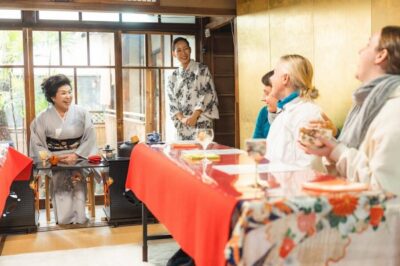
Browse the lists this tour appears in