
Review · KAGOSHIMA TOURS
Discover the Wonders of Sakurajima Half Day Tour in Kagoshima
Sakurajima hits hard, even in half a day. This tour strings together the ferry crossing, volcanic ash art, and a long footbath so you get real, hands-on volcano flavor without burning your whole day.
I especially like the mix of calm and dramatic, from Tsukiyomi Shrine to high lookout views when the weather behaves. The main thing to consider is that this experience depends on visibility and the day can include bus rides and some walking, so rain or fog can change what you actually see.
I also appreciate the human touch. Local guides, including people like Yuki, Naomi, Kuni, and Yukiko, keep the pace friendly and help you understand how life works on an active volcanic island. With a group capped at 30, it stays manageable, not chaotic.
In This Review
- Key things to know before you go
- Sakurajima in 4.5 hours: the big idea behind this tour
- Price and value: what $95.54 includes (and what it does not)
- Getting there and getting around: ferry first, then Island View Bus
- Tsukiyomi Shrine: a quiet 1,300-year pause near the port
- Sakurajima Visitor Center: learning the volcano’s story fast
- Nagisa Foot Bath Park: 100 meters of hot iron water
- Ougaku Togei ash art: making a volcano souvenir with your own hands
- Yunohira Lookout at the fourth station: your highest public volcano view
- The return ferry to Kagoshima: end where you started
- Who should book this Sakurajima half-day tour, and who might want a different plan
- Should you book this Sakurajima half-day tour?
- FAQ
- How long is the Sakurajima Half Day Tour?
- What is included in the tour price?
- Is lunch included?
- Where does the tour start and end?
- Which stops are included on Sakurajima?
- Should I bring a towel for the footbath?
- How long do you spend making volcanic ash artwork?
- How high is Yunohira Lookout and how long is it?
- What happens if the weather is poor?
- What ticket type do I receive?
Key things to know before you go
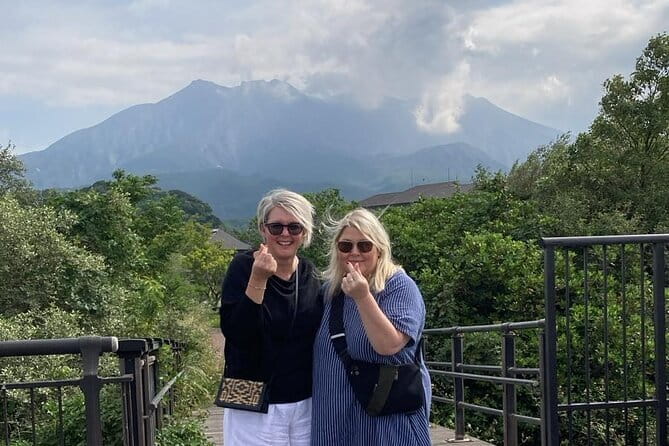
- Ferry plus Island View Bus routing: You visit multiple stops efficiently instead of guessing schedules on your own.
- Nagisa Foot Bath Park details: A 100-meter footbath fed by hot water from about 1,000 meters underground, with iron-rich, terra-cotta colored water.
- Ougaku Togei ash art: You make a picture using colorful stained ash, and it is designed to be doable even if you are not artsy.
- Yunohira Lookout specifics: The highest public access point on Sakurajima, at the fourth station (373 meters above sea level).
- Small group pacing: Maximum 30 travelers, with planned time at each stop so you are not sprinting.
Sakurajima in 4.5 hours: the big idea behind this tour
The point of this half-day tour is simple: you get the best Sakurajima highlights fast. You start at the Kagoshima ferry terminal, cross to Sakurajima, and then use the Sakurajima Island View Bus to reach key sights without cobbling together transport.
What makes it work for most people is the rhythm. You have museum and shrine time that keeps things grounded, then you hit the sensory, memorable stuff. The hot footbath is relaxing, and the volcanic ash art is the kind of souvenir you actually helped create, not just something you bought and carried.
This is also a strong choice if you like context. You are not only seeing volcanic scenery, you are also getting a quick education on what the volcano means for history, disaster preparedness, and local life.
A few more Kagoshima days to weigh up
- Sakurajima Century Lava Climb Journey with E-bike
★ 5.0 · 54 reviews - Kagoshima Private & Custom Tour with Licensed Guide and Vehicle
★ 5.0 · 29 reviews - Sakurajima Century Lava Climb Journey with E-bike
★ 4.9 · 27 reviews
Price and value: what $95.54 includes (and what it does not)
At $95.54 per person, the price feels fair if you value time and included activities. Your ticket covers the ferry to and from Sakurajima and the volcanic ashes art experience fee.
Two things are not included. Lunch is not part of the package, so plan a quick meal or snack on your own. Also, you should treat this as a guided experience built around scheduled admissions and time blocks, so budget your energy accordingly.
Is it worth it versus doing it yourself? If you are comfortable building your own day, you can potentially travel independently. But this tour reduces the stress of coordinating ferry timing and bus connections, and it adds a guide who can connect the dots between sites.
Getting there and getting around: ferry first, then Island View Bus
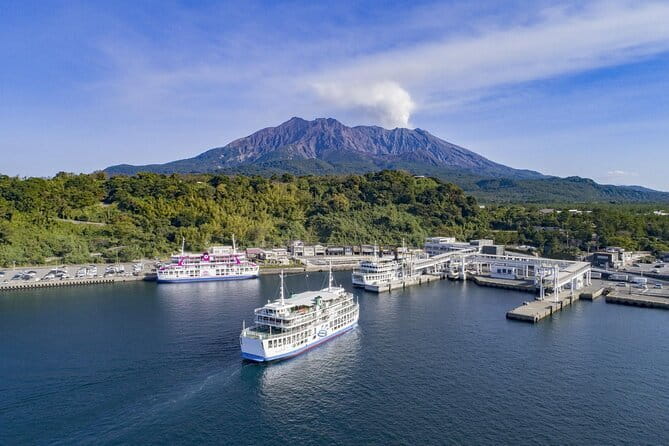
Your day starts at the Sakurajima Ferry Kagoshima Terminal. You will take the ferry to Sakurajima, with about 20 minutes of crossing time. Then the tour shifts to local transport on the island, using the Sakurajima Island View Bus.
Two practical points matter here.
First, arrive early enough to stay calm. The tour asks you to be at the pickup point about 10 minutes before. Missing that window can mean you will not be able to join the group and refunds will not be provided for a no-show.
Second, be ready for a day that can feel like real public transportation. On busier days, it can get packed. If you are sensitive to tight spaces, bring patience and plan for some standing time between stops.
Tsukiyomi Shrine: a quiet 1,300-year pause near the port
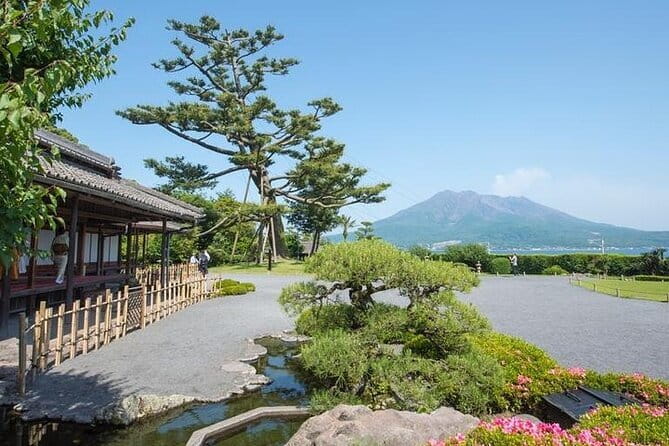
A highlight early in the day is Tsukiyomi Shrine, which has a history of about 1,300 years. It sits right by the Sakurajima port, so you can step from the ferry energy into something much calmer.
This stop is short at about 30 minutes, but it is valuable. Shrines like this are not only photo stops. The guide’s explanations typically help you notice how the setting supports the spiritual atmosphere, with nature surrounding the grounds.
If you travel with kids or anyone who needs a break from crowds, this is a good place to slow down. You get a meaningful cultural moment without a long hike.
A different sort of day in Japan:
- Discover the Wonder of Sakurajima Half Day Tour in Kagoshima
★ 4.8 · 24 reviews - Kagoshima-city Sightseeing spot Private Tour
★ 5.0 · 16 reviews - Kagoshima: Ibusuki City and Mount Kaimon Dake Tour
★ 5.0 · 14 reviews - Experience the blessings of volcanoes in Kagoshima, Kyushu
★ 4.9 · 13 reviews
Sakurajima Visitor Center: learning the volcano’s story fast
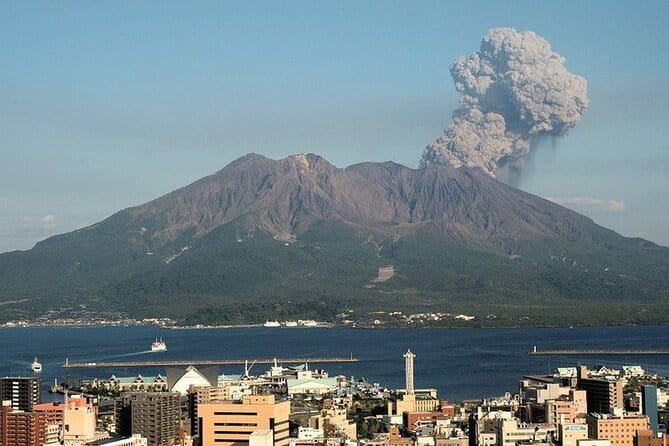
After the shrine, you head to the Sakurajima Visitor Center for about 45 minutes. This is one of those stops that makes everything else click.
The center’s exhibits cover past eruptions and how the volcano formed. You also see information connected to vegetation, tourism, and disaster prevention. In other words, you learn what the volcano has done and what locals do to stay ready.
This matters because Sakurajima is not a “once-in-a-lifetime mountain view” only. It is a living active volcano. Even if you come for the scenery, you leave with a more grounded understanding of why the island looks and feels the way it does.
Nagisa Foot Bath Park: 100 meters of hot iron water
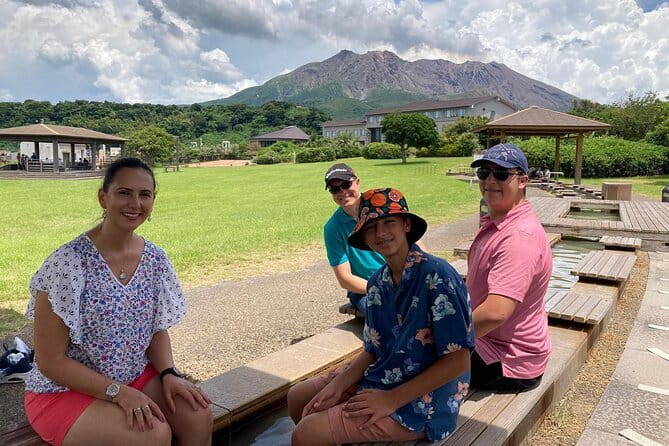
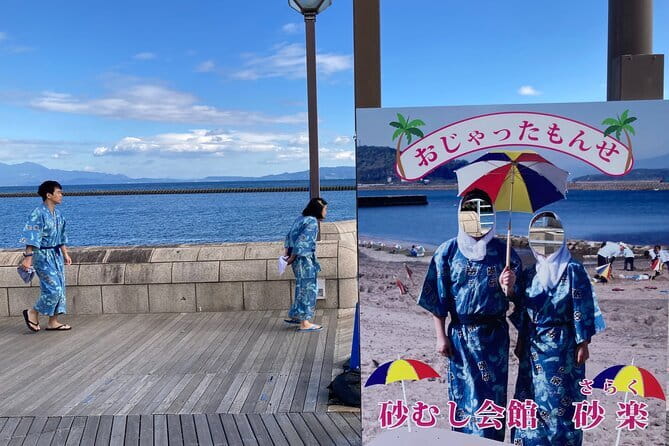
Next comes one of the easiest ways to feel Sakurajima. Nagisa Foot Bath Park gives you a long, 100-meter footbath supplied by a natural hot spring from about 1,000 meters underground.
The water is described as terra-cotta colored and iron-rich. That is part of the fun. You are not just dipping your feet, you are stepping into a very local kind of volcanic bath experience that is built for visitors too.
You will have about 30 minutes here. Pack smart: the tour encourages you to bring your own towel. Even if you can dry off without one, having a small towel makes the whole thing more comfortable, especially if it is cool or rainy.
Ougaku Togei ash art: making a volcano souvenir with your own hands
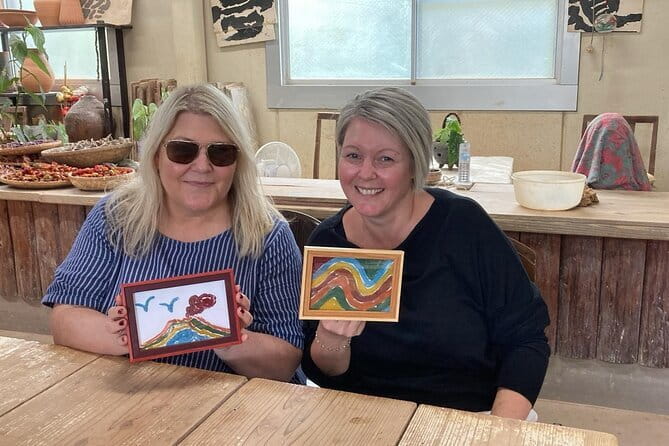
Then you get the hands-on piece: Ougaku Togei, where you experience Sakurajima-yaki pottery made using natural volcanic ashes. The program includes an art-making component where you create a picture using colored stained ash from Sakurajima.
You will spend about 1 hour 15 minutes total at this stop, and the art portion takes at least 20 minutes. This is great for families and first-timers. You are not expected to be a professional artist. Instead, the activity is designed to help you end up with a result you can be proud of.
Practical value: ash art gives you a souvenir with a story. You can also purchase items from the studio, which means you might leave with something handmade that does not feel generic.
One small travel tip: if it is raining, dress so you can still enjoy the experience comfortably. The tour keeps the pace moving, but you do want to feel dry enough to focus on your artwork.
Yunohira Lookout at the fourth station: your highest public volcano view

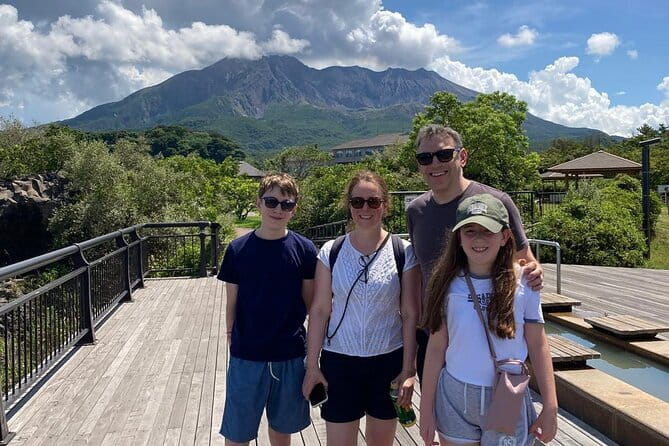
The finale on the island is Yunohira Lookout, at the fourth station. It is about 373 meters above sea level on the North Peak of Sakurajima, and it is described as the highest accessible point for the public.
You get about 50 minutes here. This is where your day can become dramatic fast, because this is the viewpoint people come for.
The important consideration is weather. This tour requires good weather, and fog or rain can block views. When visibility is limited, you still get the experience of being at the island’s top accessible viewpoint, but you may not see as much of the active volcano and surrounding bay as you hoped.
If you are the type who really wants clear views, dress for the elements, keep your expectations flexible, and plan for the possibility that the mountain will be hidden some of the time.
The return ferry to Kagoshima: end where you started
After your lookout time, the tour wraps by taking the ferry back to the Sakurajima Ferry Kagoshima Terminal. The crossing is about 20 minutes, and the activity ends back at the meeting point.
That turnaround is part of the appeal of a half-day tour. You get a complete, satisfying arc without needing a long hotel plan or a late dinner rescue afterward.
Who should book this Sakurajima half-day tour, and who might want a different plan
This tour is a strong fit if you want all the essentials in one go: ferry ride, shrine, volcano education at the visitor center, a relaxing footbath, hands-on ash art, and a serious lookout.
It is also a good choice if you like local context. The guide role is big here. In the experiences people reported with guides such as Yuki, Naomi, Kuni, and Yukiko, the common theme was clear explanations and helpful pacing. That matters because Sakurajima can be confusing if you do not know where to go first.
A couple of considerations.
If you are not comfortable with public bus rides, crowding can be a factor. The itinerary uses island buses to save time, and that means you share space with other passengers.
If you are extremely view-dependent, accept that weather can take away some of the magic. The tour does require good weather, and poor conditions can lead to a different date or refund.
Should you book this Sakurajima half-day tour?
I would book it if your priority is value through time saved and included experiences. You get ferry transport and volcanic ash art built into the ticket price, plus an efficient route using the Island View Bus. The footbath is a fun, easy highlight, and the visitor center helps you understand what you are seeing.
I would think twice if you hate uncertainty. Cloudy or rainy weather can change what you see from Yunohira Lookout, and the day does involve moving between stops on buses. If that sounds stressful, you might prefer a slower, more flexible plan.
If you do book, pack smart. Bring a small towel for the footbath, wear shoes you can walk in, and bring a light rain layer. Do that, and you will be set for a memorable half-day on Japan’s most active-feeling volcanic island.
FAQ
How long is the Sakurajima Half Day Tour?
It runs about 4 hours 30 minutes (approx.).
What is included in the tour price?
The price includes the ferry ticket to Sakurajima Island and the volcanic ashes art experience fee.
Is lunch included?
No, lunch is not included.
Where does the tour start and end?
It starts at the Sakurajima Ferry Kagoshima Terminal in Honkoshinmachi, Kagoshima, and ends back at the same meeting point.
Which stops are included on Sakurajima?
The tour includes the Sakurajima Ferry port area, Tsukiyomi Shrine, Sakurajima Visitor Center, Nagisa Foot Bath Park, Ougaku Togei (volcanic ash art), and Yunohira Lookout.
Should I bring a towel for the footbath?
The tour encourages you to bring your own towel.
How long do you spend making volcanic ash artwork?
The art experience takes at least 20 minutes, and the total time at Ougaku Togei is about 1 hour 15 minutes.
How high is Yunohira Lookout and how long is it?
Yunohira Lookout is at the fourth station, about 373 meters above sea level, and you spend about 50 minutes there.
What happens if the weather is poor?
This experience requires good weather. If it is canceled due to poor weather, you will be offered a different date or a full refund.
What ticket type do I receive?
The tour uses a mobile ticket.
Newly listed around Kagoshima
- Kagoshima: Ibusuki City and Mount Kaimon Dake Tour★ 5.0 · 14 reviews
- Kagoshima-city Sightseeing spot Private Tour★ 5.0 · 16 reviews
- Kagoshima Half-Day Sightseeing Tour★ 4.4 · 6 reviews
- Experience the blessings of volcanoes in Kagoshima, Kyushu★ 4.9 · 13 reviews
- Experience about the blessings of the earth in Sakurajima.★ 5.0 · 6 reviews
- Discover the Wonder of Sakurajima Half Day Tour in Kagoshima★ 4.8 · 24 reviews
- Sakurajima Century Lava Climb Journey with E-bike★ 4.9 · 27 reviews
- Sakurajima Century Lava Climb Journey with E-bike★ 5.0 · 54 reviews
Kagoshima Tours, compared.
Sakurajima Century Lava Climb Journey with E-bike
Read our review →
Kagoshima Private & Custom Tour with Licensed Guide and Vehicle
Read our review →Sakurajima Century Lava Climb Journey with E-bike
Read our review →
Discover the Wonder of Sakurajima Half Day Tour in Kagoshima
Read our review →
Kagoshima: Ibusuki City and Mount Kaimon Dake Tour
Read our review →
Experience the blessings of volcanoes in Kagoshima, Kyushu
Read our review →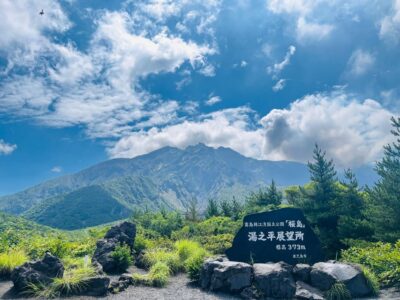
Experience about the blessings of the earth in Sakurajima.
Read our review →Browse the lists this tour appears in