
Review · CYCLING & E-BIKE RIDES
Sakurajima Century Lava Climb Journey with E-bike
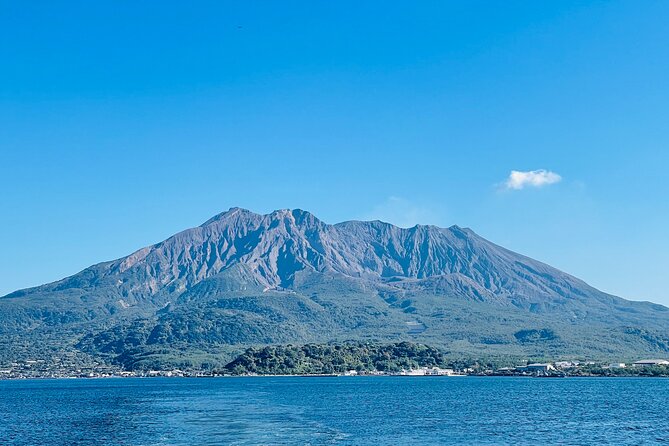
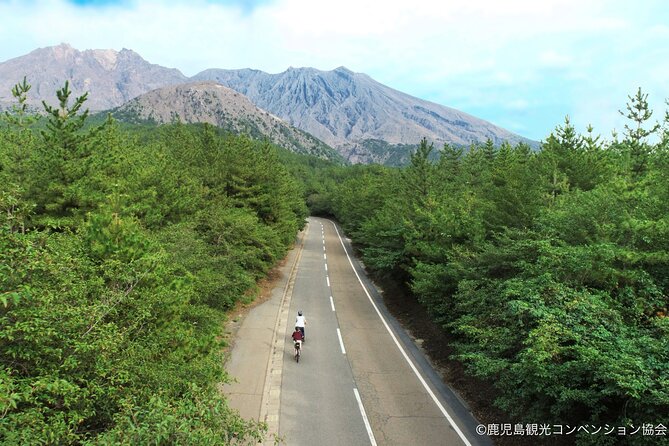
Sakurajima feels different when you pedal up. This e-bike tour threads together volcano history, real eruption traces, and big sea-to-city views from Sakurajima’s highest area, the Yunohira Observatory. What I like most is that the pace stays friendly with frequent stops for geology stories and photos, and the guide guides the group with calm patience. One consideration: the climb can still be tough, and slippery conditions can matter if there’s wet black sand on the paths.
You’re also getting more than a viewpoint run. I like that the route focuses on the island’s eruption impact in the 20th century, including Taisho lava traces, instead of treating Sakurajima like a quick photo stop. If you hate biking uphill, or you can’t ride steadily, this probably won’t feel fun.
In This Review
- Quick hits you’ll care about
- From ferry to volcano island: why this tour works in 3 hours
- Meeting at 桜島ビジターセンター, and what the tour setup implies
- Safety briefing and your first ride: getting comfortable before the climb
- The eruption stories and Taisho lava traces you’ll spot along the way
- Viewpoint pauses that turn into real photo moments
- Yunohira Observation Deck: the panoramic payoff over Kagoshima
- The secret stops: quieter Sakurajima angles with more meaning
- E-bike effort level: what the climb feels like and how to manage it
- What’s included in the $102 price, and where the value really is
- Who should book this Sakurajima e-bike lava climb
- Practical tips for your day on Sakurajima
- Should you book this tour or do it on your own?
- FAQ
- How long is the Sakurajima Century Lava Climb Journey with E-bike?
- Where do I meet the guide?
- Is the tour in English?
- What is included with the price?
- What should I bring?
- Who is this tour not suitable for?
- What happens if the weather is bad?
Quick hits you’ll care about
- Small group (up to 6) means more time for questions, not just motion
- Yunohira Observatory delivers panoramic Kagoshima views with time to shop and snack
- Taisho lava traces and eruption history come with on-the-road explanations
- Plenty of photo stops, plus a guide who makes time for pictures
- E-bike assist helps, but you still get a workout on the climb
- Secret stops add variety beyond the obvious overlooks
From ferry to volcano island: why this tour works in 3 hours
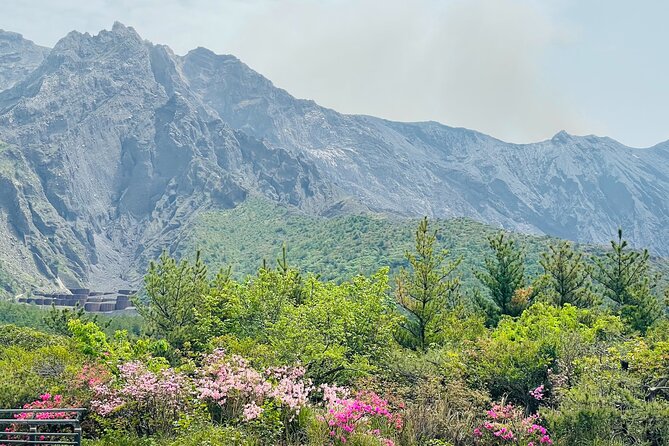
Sakurajima is one of those places where the scenery comes with an active backstory. You’re on an island shaped by repeated volcanic activity, and this tour helps you read that landscape like a page of text. Instead of just looking, you learn how the eruption history connects to what you see underfoot and along the roads.
The core idea is simple. You start at the Sakurajima Visitor Center, get a safety briefing, then ride an e-bike toward the higher parts of the island for viewpoints and interpretation stops. With only about three hours total, the format fits well into a Kyushu day plan, especially if you’re already coming over by ferry.
You also get a guide who talks through volcano history in a way that makes the time feel purposeful. People I talked to about the experience often highlight how patient the guide is and how often they make stops for explanations. That matters, because volcano learning works best when you can pause and look at what the guide is pointing to.
More Bike rides in Kagoshima:
- Sakurajima Century Lava Climb Journey with E-bike
★ 5.0 · 54 reviews - Bike Tour Exploring North Kyoto plus Lunch
★ 5.0 · 1,087 reviews - Tokyo Great Cycling Tour
★ 5.0 · 811 reviews
Meeting at 桜島ビジターセンター, and what the tour setup implies
Your meeting point is the Sakurajima Visitor Center, 桜島ビジターセンター. It’s about an 8-minute walk from the Sakurajima Ferry Terminal, which is handy if you’re timing ferry arrivals and don’t want a complicated transfer.
You’ll start with a safety briefing for about 20 minutes. This isn’t just rules talk. It signals that the ride is active and includes road awareness, bike handling, and smart stop-and-go behavior on an island with changing surfaces.
Then you’re on the e-bike quickly. The early minutes include a short guided ride segment, around 10 minutes, which gives you a chance to settle in before the more interesting stops begin. If you’re new to e-bikes, that initial adjustment time can make the rest of the tour much less stressful.
The group stays small, limited to 6 participants. In practice, that usually means the guide can slow down for slower riders, wait at key points, and still keep the energy moving. If you’re the type who likes asking questions, this setup is more satisfying than big bus crowds.
Safety briefing and your first ride: getting comfortable before the climb
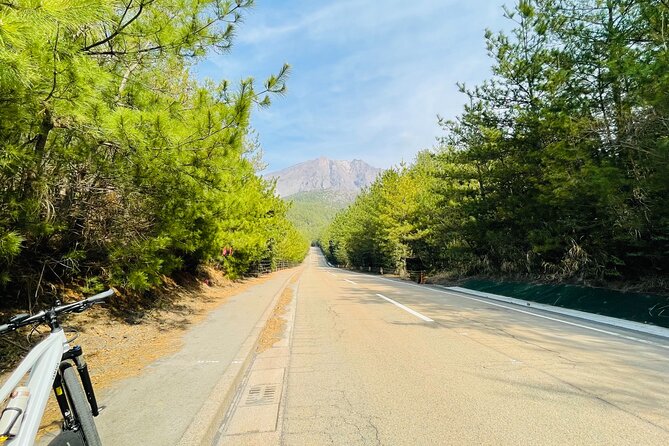
The first part of the tour is all about setting you up to enjoy the ride instead of worrying about it. The guide provides a safety briefing, then you start with a guided bike segment. That sequence matters because Sakurajima’s roads and surfaces can vary, and you’ll want confidence before you head toward higher elevations.
You’ll have an e-bike rental and a helmet included. That’s a big value point because it removes the “what bike am I getting?” uncertainty, and you can focus on the ride itself.
Comfort advice from the experience is practical: wear comfortable shoes and bring water. You’ll also want weather-appropriate clothing, because the island conditions can shift. The tour’s preparation list even mentions sunglasses for glare and ash fall, plus slip-resistant gloves if you’re dealing with cool wind or want extra grip.
If you’ve never ridden an e-bike before, you’ll probably do fine with a little practice. In the experience, people specifically mention getting used to the controls and finding the climb manageable thanks to electric assist.
The eruption stories and Taisho lava traces you’ll spot along the way
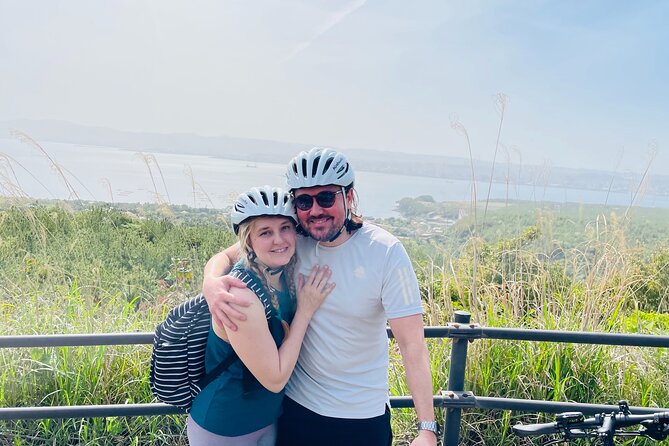
This tour isn’t just “ride to the top.” It’s built around learning what Sakurajima’s eruptions did and why those events still show up in the island’s history.
You’ll discover the history behind major eruptions that happened in the 20th century, with explanations tied to what you see as you ride. One of the key themes is the history of volcanoes and traces of Taisho lava. When a guide points out lava-related features, it helps you connect the scientific story to the physical evidence you’re moving past.
Expect geology-focused stops. The experience includes multiple brief breaks and sightseeing photo stops, around 10 minutes each in several segments. Those pauses are where the learning clicks, because you can look at the ground, the rock, and the surrounding area while the guide explains how the eruption shaped it.
From people’s feedback, the guide makes these stops frequent and readable. If you care about understanding volcanoes instead of only enjoying the view, this is one of the main reasons the tour earns such strong ratings.
A few more Kagoshima days to weigh up
- Hidden Kyoto E-Biking tour
★ 5.0 · 1,843 reviews - Tokyo Guided Small-Group Biking Tour
★ 5.0 · 1,250 reviews - Tokyo Top Highlights 3h Guided E-bike Tour
★ 5.0 · 714 reviews - 3h Tokyo E-Bike Tour: Hidden Gems, and Local Life with guide
★ 5.0 · 670 reviews
Viewpoint pauses that turn into real photo moments
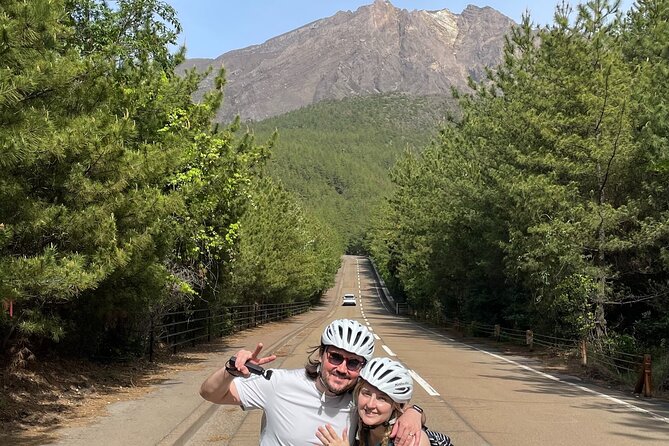
The route includes designated viewpoint stops with photo time. That structure is more useful than it sounds, because it keeps your photos from turning into a chaotic self-guided scramble.
You’ll have short scenic stops along the way, and the pacing is designed to keep you engaged with the story and the scenery at the same time. If you like taking pictures, you’ll appreciate that the guide stops long enough for composition, not just a quick glance.
You’ll also likely get help with timing. In feedback from the experience, the guide has been described as patient and attentive, and on at least one occasion helped someone connect with the group after they fell behind on another schedule. The practical takeaway for you: you’re in a setting where the guide actively manages the group, not just points ahead and hopes everyone keeps up.
One thing to watch for: traction. There’s at least one account of wet black sand on a pathway causing a bike skid. It’s not guaranteed you’ll face that, but it’s enough to take seriously. If it’s damp or recently rained, slow down near sandy edges and stay light on the brakes.
Yunohira Observation Deck: the panoramic payoff over Kagoshima
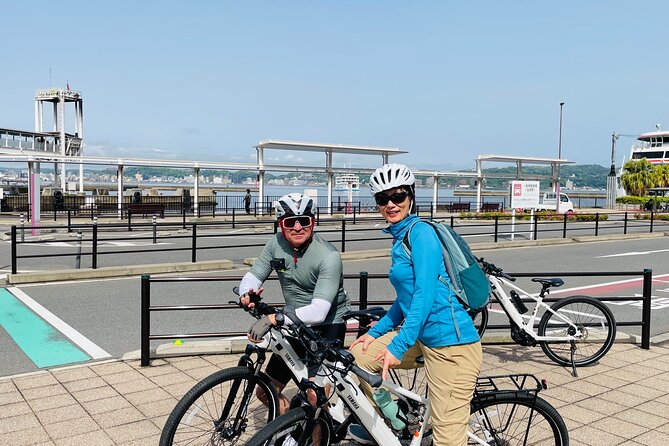
The main “wow” moment is the ride to Yunohira Observation Deck, where you’ll reach the highest point on Sakurajima. The tour includes a photo stop and a guided visit there, plus free time and shopping for about 30 minutes.
This is where the tour’s purpose becomes obvious. From high elevation, you can take in Kagoshima and the wider area in one long look. It’s the kind of viewpoint that makes the volcanic story feel bigger, because you see how the island interacts with the surrounding geography.
It also helps that this stop includes time beyond just photos. People mention getting local snacks and juice at the viewing area, which makes the break feel like a real pause instead of a quick roadside stop. If you’re planning a day with ferry timing and want a proper snack moment without hunting for vending machines, this is a nice built-in benefit.
Shopping time is part of the package too. That can be a win if you want a simple souvenir or a snack to bring back, and you don’t have to squeeze it between other sightseeing plans.
The secret stops: quieter Sakurajima angles with more meaning
After Yunohira, you’ll hit additional stops described as secret stops. You’ll have breaks, sightseeing, and photo opportunities at these points, each around 10 minutes.
These are valuable for a simple reason. If every stop is just the obvious overlook, you end up repeating the same view angle. The secret stops tend to add texture to the ride, giving you small moments that feel more like discovery than checklist travel.
In feedback, the route is described as beautiful, with quieter places where the guide talks about local agriculture too. Even when you’re focused on volcano history, it’s the mix of nature, farming, and everyday island life that makes Sakurajima feel lived-in rather than purely dramatic.
You should think of these secret stops as pacing tools, not just extra diversions. The short duration keeps the group moving, while still giving you time to step off the bike, look around, and ask questions.
E-bike effort level: what the climb feels like and how to manage it
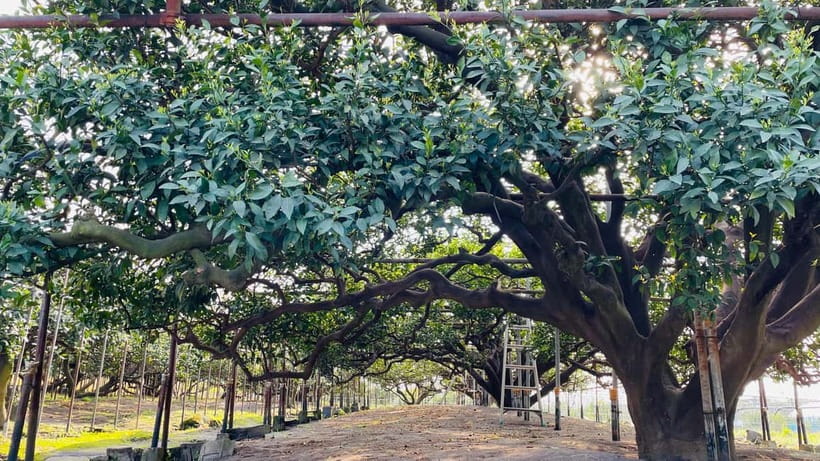
E-bikes can be misleading. They often help you handle the harder segments, but they do not erase gravity. This tour is still a climb to the highest area, so you should assume you’ll feel effort, especially during uphill stretches.
The good news is that the electric assist is described as excellent. People who were new to e-bikes specifically mention that the assist made the uphill manageable and that they could enjoy the tour even with limited cycling experience.
The better news is that the guide builds in breaks. Safety and comfort are part of the plan, and you’ll have multiple stop points to catch your breath, ask questions, and take photos. On hot days, feedback mentions planned stops to keep riders comfortable.
Still, be honest with yourself. If you’re not comfortable riding a bike, the tour won’t suit you. The experience isn’t for people who can’t ride a bike, and there’s also a height limit of 145 cm (4 ft 8 in). That makes sense because balanced control matters with e-bike handling.
If the weather turns bad, the tour notes that a decision is made the day before and you’ll be notified if cancellation happens. So bring your flexibility, and keep an eye on forecasts if you’re planning other Kyushu activities on the same day.
What’s included in the $102 price, and where the value really is
At about $102 per person for a 3-hour guided tour, the ticket price can seem high if you compare it to a self-guided ferry and map. But the value is in three places: guidance, equipment, and time saved.
First, you’re paying for a live guide who explains volcano history and eruption impact along the route. That turns sightseeing into understanding. If you’ve ever spent time reading signs and still felt unsure what mattered, you’ll appreciate having the story narrated in real time.
Second, the e-bike rental and helmet are included. You don’t need to source gear, guess quality, or spend time coordinating rentals.
Third, snacks and a drink are included. It’s a small detail, but it helps you avoid the common vacation problem where you feel rushed to find food between stops.
Finally, the small group size adds value. With a limit of 6 participants, your guide can adjust pacing and stop frequency more than on bigger tours. People also describe the service as personalized, which is exactly what you want on a short 3-hour experience.
For me, the biggest “value signal” is consistency. The guide’s patience, frequent geology explanation stops, and photo-friendly timing show up repeatedly. That usually means you’re not just buying access, you’re buying a smoother experience.
Who should book this Sakurajima e-bike lava climb
This tour is a strong match if you want volcano storytelling you can actually see, not just read about. It’s especially good if you like short, structured outings with enough stops to take pictures and ask questions.
You’ll probably enjoy it if:
- you can ride a bike at a moderate pace and handle uphill effort
- you want the highest-point viewpoint at Yunohira plus multiple interpretation stops
- you like small-group tours with a live guide in English or Japanese
- you want a clear plan for a half-day that starts at the Visitor Center and ties into ferry access
You might skip it if:
- you can’t ride a bike or are uncomfortable with basic balance control
- you’re sensitive to uneven surfaces and slippery ground in rain or humidity
- you’re looking for a purely relaxed, flat ride
Practical tips for your day on Sakurajima
Bring a passport or ID card. Wear comfortable shoes and plan for water. Also pack travel insurance if you’re including it as part of your general trip coverage.
Don’t forget the extras listed for comfort and safety. The tour notes a window breaker for sudden rain and wind, slip-resistant gloves, and sunglasses for glare plus ash fall. A small backpack helps with carrying valuables, since bags can be attached to bicycles for transport.
If weather looks sketchy, keep your plans flexible. The experience states the decision is made the day before, and cancellation will be notified with a refund if conditions are bad.
And if it’s wet, ride like it might be slippery. The account about wet black sand skidding is a reminder that volcanic surfaces and loose material can affect traction. Even if you have strong bike skills, slow down and keep your weight steady.
Should you book this tour or do it on your own?
If your goal is to understand Sakurajima while getting to the best viewpoint, I think you should book. The combination of guided volcano history, e-bike access to the climb, and dedicated time at Yunohira makes it hard to replicate cheaply or easily without effort.
Do it if you want small-group attention and a guide like Rento who is patient, thoughtful, and focused on safety and photo stops. The tour feels built for people who want both scenery and meaning, and it gives you snacks, a drink, and enough pacing to enjoy rather than rush.
If you only want quick photos and you’re fine with a self-guided day, you could DIY. But for most first-time visitors, paying for a guided e-bike route is the easiest way to get the Taisho lava story and the panoramic Kagoshima views in one tight 3-hour window.
FAQ
How long is the Sakurajima Century Lava Climb Journey with E-bike?
It lasts 3 hours.
Where do I meet the guide?
You meet at 桜島ビジターセンター (Sakurajima Visitor Center). It is about an 8-minute walk from the Sakurajima Ferry Terminal.
Is the tour in English?
Yes. The live tour guide offers English and Japanese.
What is included with the price?
Included are the guided e-bike tour, e-bike rental and helmet, and Kagoshima snack and drink.
What should I bring?
Bring a passport or ID card, comfortable shoes, water, and travel insurance. Also wear weather-appropriate clothing.
Who is this tour not suitable for?
It is not suitable for people who cannot ride a bike, or for people under 145 cm (4 ft 8 in).
What happens if the weather is bad?
The decision is made by the day before the experience. If the tour is cancelled due to bad weather, you’ll be notified and receive a refund.
More E-Bikes in Kagoshima
- 5 Top Highlights of Kyoto Full Day Bike Tour (E-bike option)
★ 5.0 · 511 reviews - Tokyo: 3-Hour Bike or E-Bike City Highlights Tour
★ 4.8 · 435 reviews - Kyoto: Memory Kyoto E-Bike Tour
★ 4.8 · 297 reviews - E-Bike Tours of the highlights of Kyoto!!!
★ 5.0 · 291 reviews
Newly listed around Kagoshima
- Kagoshima: Ibusuki City and Mount Kaimon Dake Tour★ 5.0 · 14 reviews
- Kagoshima-city Sightseeing spot Private Tour★ 5.0 · 16 reviews
- Kagoshima Half-Day Sightseeing Tour★ 4.4 · 6 reviews
- Experience the blessings of volcanoes in Kagoshima, Kyushu★ 4.9 · 13 reviews
- Experience about the blessings of the earth in Sakurajima.★ 5.0 · 6 reviews
- Discover the Wonder of Sakurajima Half Day Tour in Kagoshima★ 4.8 · 24 reviews
- Discover the Wonders of Sakurajima Half Day Tour in Kagoshima★ 5.0 · 34 reviews
- Sakurajima Century Lava Climb Journey with E-bike★ 5.0 · 54 reviews
Cycling & E-Bike Rides, compared.
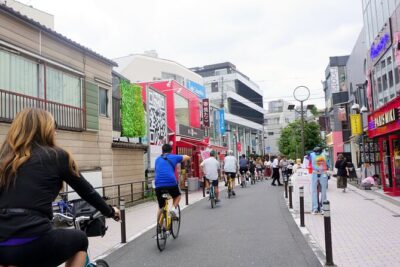
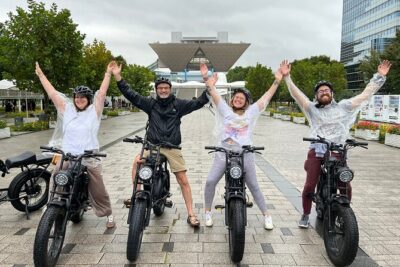

3h Tokyo E-Bike Tour: Hidden Gems, and Local Life with guide
Read our review →
Arashiyama Bamboo Forest & Hidden Gems Bike Tour (Early Bird)
Read our review →
5 Top Highlights of Kyoto Full Day Bike Tour (E-bike option)
Read our review →
Hiroshima 2hr Peace Cycling Tour with Local Guide
Read our review →Browse the lists this tour appears in