
Review · WALKING TOURS
Amami Oshima Mangrove Kayaking, Waterfall and Cape Walking Tour
Tide-timed kayaking and waterfall steps in one day. On Amami Oshima, this half-less-than-a-day outing strings together mangrove kayaking in a national park, a short walk to Funangyo Falls, and the cape scenery at Miyakozaki. I love that the mangroves feel like their own subtropical world, with tree-lined channels and tidal flats that can reveal small coastal life.
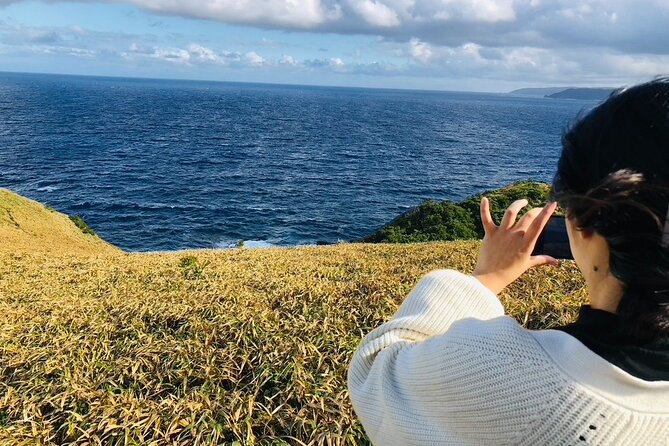
What really seals the deal for me is the Miyakozaki walk. After about 20 minutes, you hit broad East China Sea views from a grassy cape edged with dwarf bamboo, and the area has even been used as a drama filming location. One possible drawback: the tour includes some uphill walking, so wear grippy shoes and expect a moderate effort.
In This Review
- Key highlights worth planning for
- Why Amami Oshima mangroves feel different from regular nature tours
- Funangyo Falls: a short forest walk with a powerful payoff
- Miyakozaki cape walk: dwarf bamboo, then open East China Sea views
- The mangrove primeval forest kayaking section: tide, stillness, and your best chance to slow down
- 7 hours in practice: pickup, walking effort, and a small-group feel
- Price and value: what $142 buys on Amami Oshima
- Weather, tide timing, and how to show up prepared
- Who should book this Amami Oshima tour
- FAQ
- FAQ
- What places does this tour visit?
- How long is the tour, and when does it start?
- Is pickup included, and do I get a mobile ticket?
- Are admission fees included?
- Does the tide affect the kayaking?
- What if the weather is poor, or I need to cancel?
- Should you book Amami Oshima Mangrove Kayaking, Waterfall and Cape Walking?
Key highlights worth planning for
- Kayak timing follows the tide, so your paddling slot can shift.
- Funangyo Falls is reached by a short mountain path and lasts about 30 minutes.
- Miyakozaki delivers a big viewpoint payoff after a 20-minute walk.
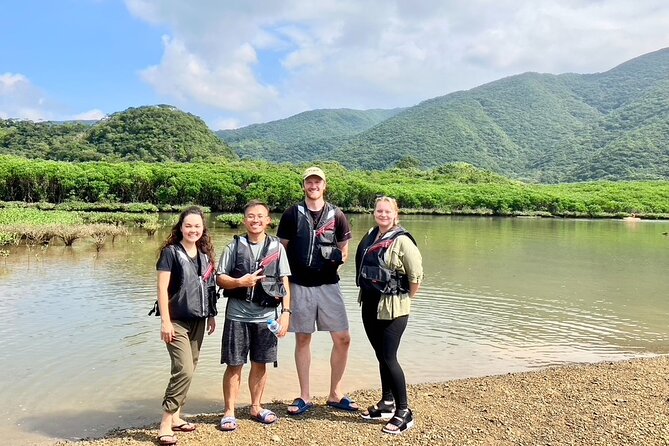
- Small group size keeps the day from feeling rushed, with a maximum of 6 people.
- Two scenic stops have free admission, while the mangrove kayaking ticket is included.
Why Amami Oshima mangroves feel different from regular nature tours
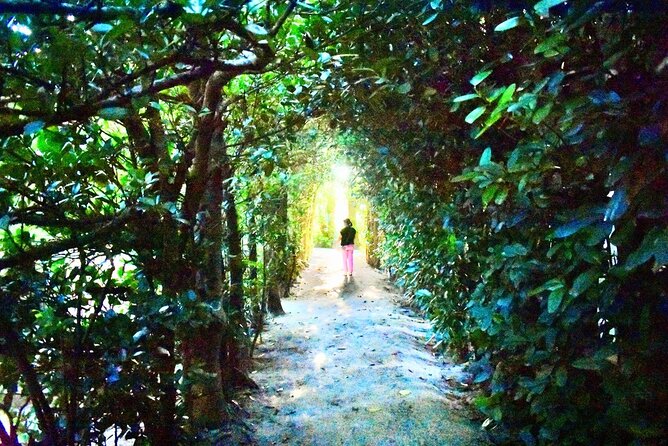
Amami Oshima has the kind of subtropical coastline that Japan does unusually well, and the mangrove forest portion is the star here. You paddle through tree-lined channels in the mangrove primeval forest, where the water and mud flats shift with the tide. That tide change matters more than you might think, because it affects what you can see and when the kayak section fits into the day.
I like how this tour doesn’t treat the kayak as a token activity. The schedule leaves room for the real mangrove experience, and the timing depends on tide level. Translation for you: the guide is working with nature, not against it. If the tide is right, you get a smooth, calm paddle along mangrove corridors. If the tide is not, you adjust. Either way, it keeps the day grounded in how the area actually works.
Mangroves are also good for people who like quiet wildlife watching. On tidal flats, you might spot small creatures where land meets water. You should not count on a specific animal sighting, but the setting is built for it, and your time on the water is long enough to actually pay attention.
A few more Kagoshima days to weigh up
- Kyoto Geisha Walking Tour: Gion District & Hidden Gems
★ 4.7 · 3,273 reviews - Tokyo Tsukiji Fish Market Food and Culture Walking Tour
★ 5.0 · 3,184 reviews - Kyoto: Gion Geisha District Walking Tour – Stories of Geisha
★ 4.7 · 2,187 reviews
Funangyo Falls: a short forest walk with a powerful payoff
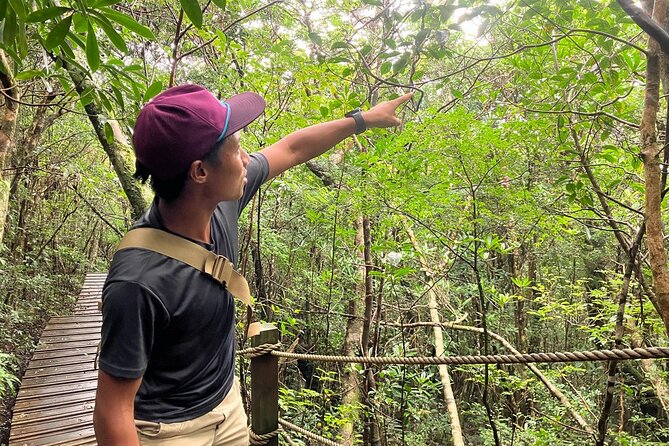
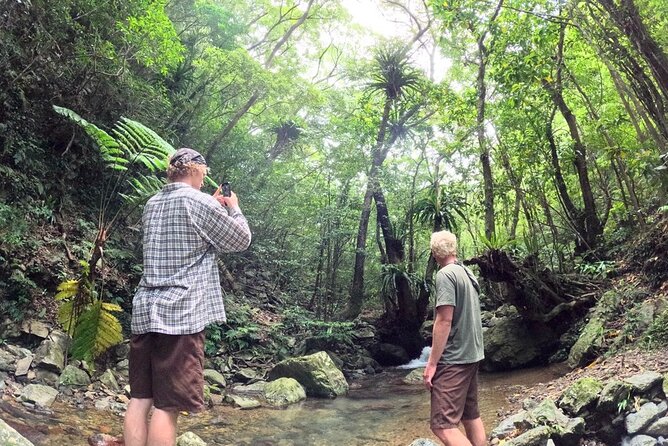
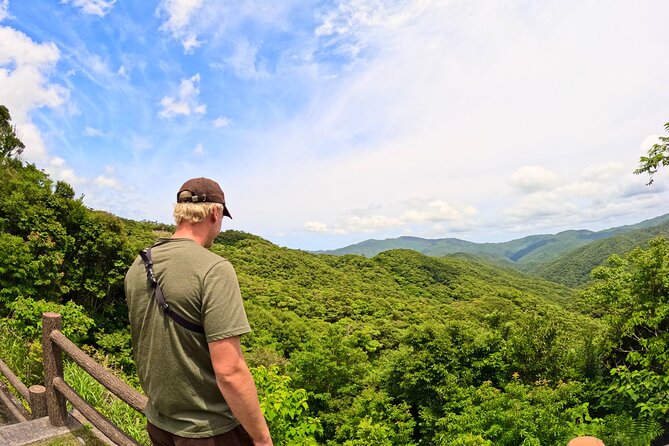
The day starts with Funangyo Falls, reached by a roughly 10-minute walk along a mountain path. The total waterfall time is about 30 minutes, and admission is free for this stop. It is not a long hike, but it does put you on a trail through forest cover, so it feels like you’re stepping away from the coastline and into the island’s mountain green.
This waterfall is described as sacred and tied to people’s lives in the past, hidden behind a local village. Even if you’re not big on folklore, that context changes the mood. Instead of a generic waterfall photo stop, you’re visiting a place that locals treat as meaningful. The walk to and around the falls is where you earn the moment, because the surrounding forest frames the water and makes it feel more contained.
Practical tip: bring shoes that can handle uneven ground. The trail is short, but it is still a mountain path, and Amami weather can leave surfaces damp. If you get even mildly tired on inclines, you will feel it here, because the tour does include some uphill walking overall.
Miyakozaki cape walk: dwarf bamboo, then open East China Sea views
After Funangyo Falls, the plan moves to Miyakozaki. You walk for about 20 minutes to reach the grassy plains at the cape tip. This stop lasts about 1 hour 30 minutes, and admission is free here too. The best part is how the views arrive.
You do not see the full payoff at the start. Instead, you work your way along the approach, and then suddenly the cape opens up. That moment matters for your experience because it turns the walk into a build-up, not just a straight trek. The cape is covered in dwarf bamboo, which adds texture and a slightly unusual look compared with typical coastal greenery.
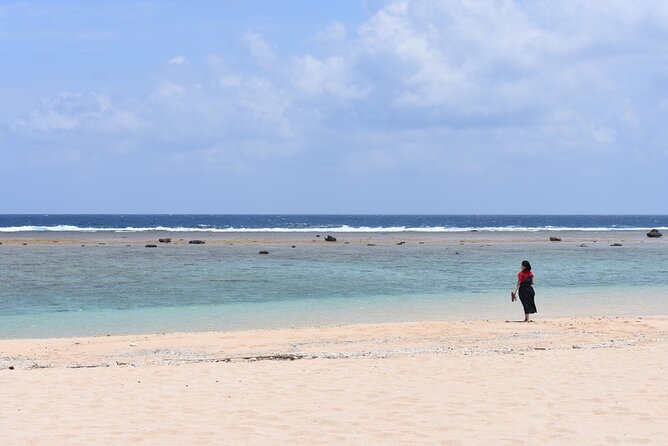
At the tip, you get sweeping open views over the East China Sea. It is exactly the kind of visual moment that makes you stop talking and just watch the horizon. The area has also been used as a drama filming location, which hints at why the scenery photographed so well. If you care about angles and framing, you’ll likely find spots that feel camera-ready without trying too hard.
Comfort note: capes can be windy. Even in good weather, plan for a little breeze on the open viewpoints. A light layer can help, especially if you run into cooler air after the forest sections.
The mangrove primeval forest kayaking section: tide, stillness, and your best chance to slow down
The kayaking portion is about 2 hours, and that includes the mangrove primeval forest admission. Unlike the walking stops with set visit windows, your kayak timing depends on tide level. This is the one variable in the day, and it can actually be a good thing.
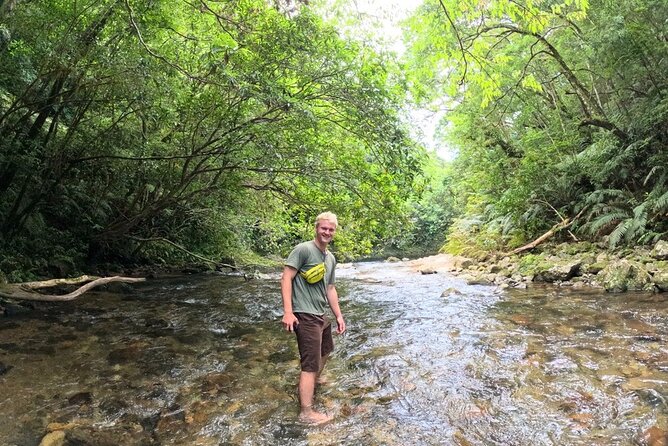
When the tide matches the conditions, you paddle through channels formed by the mangroves. The trees lining the water create a sense of enclosure, so the experience often feels quieter than you expect from a tour day. This is where I think the tour delivers its most memorable contrast: forest walk on land, then water movement in a maze of mangrove roots.
For wildlife, the tide flats and edges are where your attention can pay off. You might see small creatures where water recedes or meets exposed mud. To get the most out of this, keep your eyes forward and slightly downward as you paddle, and don’t spend the entire time only looking at the horizon.
Because the tour is guided, you’re not left guessing. But you should still set expectations: mangroves are a living environment, and your route can shift based on conditions. The goal is not to “check off” kayaking, it’s to let the island’s rhythm set the pace.
A different sort of day in Japan:
- Sakurajima Century Lava Climb Journey with E-bike
★ 5.0 · 54 reviews - Discover the Wonders of Sakurajima Half Day Tour in Kagoshima
★ 5.0 · 34 reviews - Kagoshima Private & Custom Tour with Licensed Guide and Vehicle
★ 5.0 · 29 reviews - Sakurajima Century Lava Climb Journey with E-bike
★ 4.9 · 27 reviews
7 hours in practice: pickup, walking effort, and a small-group feel
The tour runs about 7 hours total, including travel time, and the start time is 9:00 am. Pickup is offered, and the tour uses a mobile ticket, which makes the morning easier if you’re already moving around the island by public transportation.
There is also a maximum of 6 travelers, meaning you’re not stuck in a crowd. Smaller groups usually mean less waiting, quicker check-ins, and a calmer feel when you switch between land and water.
One detail to take seriously: the tour includes some uphill walking. The waterfall and cape walks are not long, but they are not flat either. If you’re someone who gets sore on slopes, choose supportive shoes and pace yourself. If you can handle short inclines, you’ll likely enjoy how varied the day feels without being a full-day grind.
Service animals are allowed, and the meeting area is near public transportation, so the tour fits a range of trip styles. If you’re on a cruise, you might also find that your guide meets you quickly at the cruise ship exit area, like Seiya did for one group in a private setup. The bigger takeaway for you: don’t worry about getting lost, the start is designed to be direct.
Price and value: what $142 buys on Amami Oshima
At $142 for about 7 hours, this tour is priced for a guided, mixed-activity day that includes kayaking time and guided access to three separate nature spots.
Here’s the value logic I see:
- Kayaking is the paid centerpiece, and the mangrove primeval forest admission is included.
- Funangyo Falls and Miyakozaki have free admission, so you’re not paying extra entry fees on top of the tour cost for those viewpoints.
- You’re paying for coordination: moving between sites, keeping the kayak section tied to tide timing, and having a guide handle the transitions between walking and water.
If you already plan to rent gear and arrange separate transport, a guided package like this can feel like good simplification. If you’re only interested in one part, the cost may feel heavier. But if you want the combo of mangrove kayaking plus a waterfall and a cape viewpoint in one morning-to-afternoon window, the structure makes sense.
Weather, tide timing, and how to show up prepared
This experience requires good weather. If it’s canceled due to poor weather, you’ll be offered a different date or a full refund. That’s important, because a mangrove kayaking day depends on conditions as much as it does on scheduling.
Your other “timing driver” is the tide level. The kayak section is not forced into a rigid clock, which is why it can still work even if the day needs a slight adjustment. In real life, this means you should plan to relax and go with the flow once you’re on the island.
What you should bring is simple:
- shoes for forest paths and possibly damp ground
- a light layer for wind at the cape
- water and sun protection for outdoor walking
- a small rain-ready item, since weather can change
If you take care of comfort, the tour feels much smoother, especially when you switch from mangroves to mountain trails to open sea views.
Who should book this Amami Oshima tour
This tour fits best if you want variety without running around all day. It is great for people who:
- want mangrove kayaking as a real activity, not a brief stop
- enjoy walking short trails for waterfalls and cape viewpoints
- like small-group pacing, with a maximum of 6
- want a tide-influenced nature experience tied to how the coast works
It may be less ideal if you dislike any uphill walking or if you need a very flat, low-effort day. The walking sections are short, but “some uphill” still matters.
FAQ
FAQ
What places does this tour visit?
You’ll visit Funangyo Falls, Miyakozaki, and the mangrove primeval forest kayaking area within the national park.
How long is the tour, and when does it start?
The tour is about 7 hours total, including travel time. It starts at 9:00 am.
Is pickup included, and do I get a mobile ticket?
Pickup is offered, and the tour uses a mobile ticket.
Are admission fees included?
Admission for Funangyo Falls and Miyakozaki is free. The mangrove primeval forest kayaking section includes the admission ticket.
Does the tide affect the kayaking?
Yes. The kayaking timing depends on the tide level.
What if the weather is poor, or I need to cancel?
The experience requires good weather. If it’s canceled due to poor weather, you’ll be offered a different date or a full refund. You can cancel for a full refund up to 24 hours before the experience starts.
Should you book Amami Oshima Mangrove Kayaking, Waterfall and Cape Walking?
If you want one well-paced day that delivers water, forest, and open sea views, I think this is a smart booking. The value comes from bundling mangrove kayaking with two scenic walks, plus the fact that two of the stops have free admission while the kayak admission is included.
Book it if you can handle short walks with some uphill sections and you’re okay with the kayak timing shifting with tide conditions. Skip it only if you strongly prefer low-effort, flat ground or if you’re traveling during a period when weather often disrupts outdoor plans.
Newly listed around Kagoshima
- Sakurajima One Day Round Journey with E-bike★ 5.0 · 8 reviews
- Kagoshima Highlights Private Tour, Sakurajima Volcano and more★ 5.0 · 20 reviews
- Kagoshima Full-Day Private Tour with Government-Licensed Guide★ 5.0 · 21 reviews
- Kayaking in Anbo River★ 5.0 · 19 reviews
- Port Pick-Up: Kagoshima Private Tour Licensed Guide & Vehicle★ 4.5 · 22 reviews
- Scuba diving in Yakushima! (Guided Fun Diving for Licensed Guests)★ 5.0 · 10 reviews
- Kagoshima: Ibusuki City and Mount Kaimon Dake Tour★ 5.0 · 14 reviews
- Kagoshima-city Sightseeing spot Private Tour★ 5.0 · 16 reviews
Walking Tours, compared.
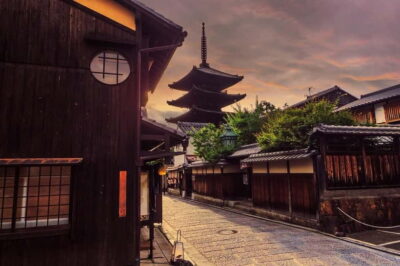
Kyoto Geisha Walking Tour: Gion District & Hidden Gems
Read our review →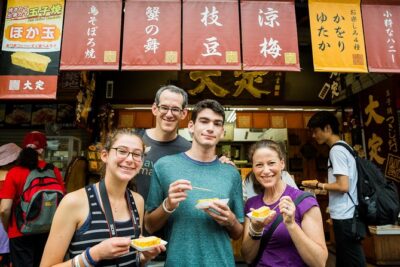
Tokyo Tsukiji Fish Market Food and Culture Walking Tour
Read our review →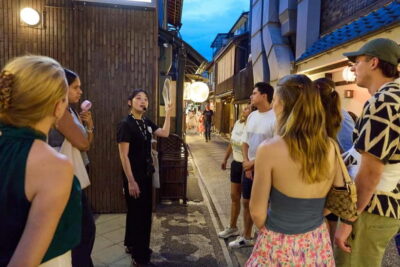
Gion Geisha District Walking Tour – Stories of Geisha
Read our review →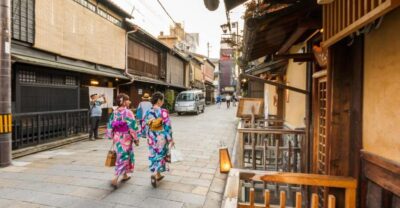
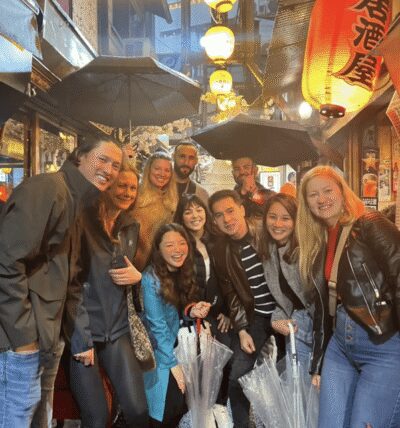
Shinjuku Local Bar and Izakaya Guided Walking Tour
Read our review →
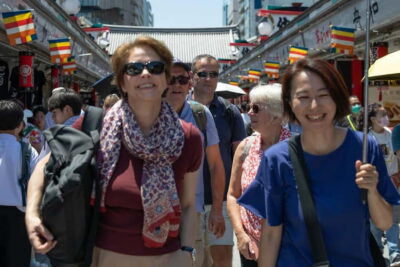
Asakusa Walking Tour with Sensoji Temple Visit
Read our review →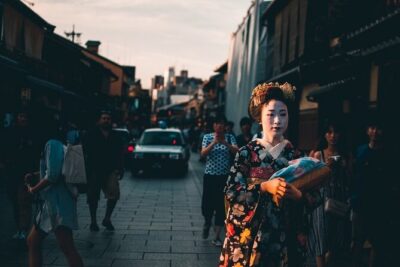
Kyoto Gion Geisha District Walking Tour – The Stories of Geisha
Read our review →Browse the lists this tour appears in