
Review · NIKKO TOURS
EDO WONDERLAND Nikko Edomura
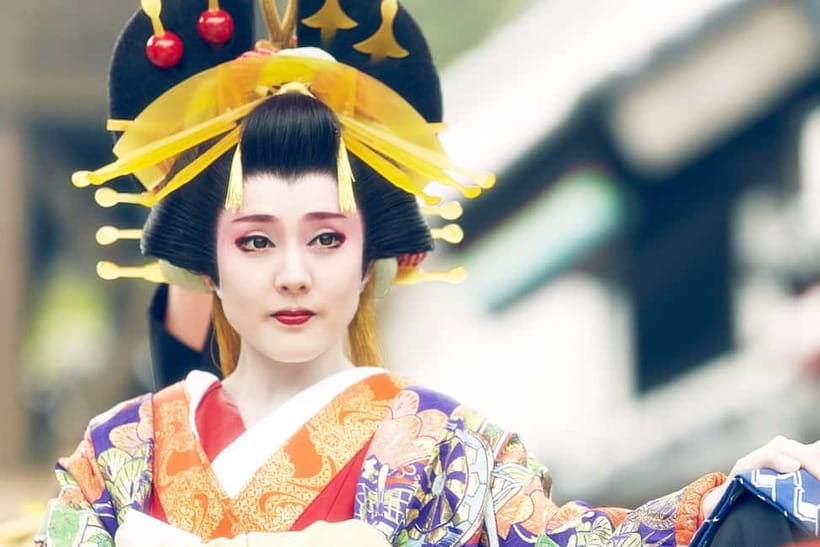
Old streets, Edo vibes, and easy fun. Edo Wonderland Nikko Edomura is the kind of place where traditional kimono turns you into an Edo citizen for the day, and the park’s recreated Edo architecture makes history feel walkable. I loved the chances to explore streets and role-play your way through the era, and I also enjoyed the park’s cultural performances (the ninja show is a strong highlight). One drawback to plan for is that this is an open-air park with a lot of walking, so weather and comfortable shoes matter.
You’ll find it in the Kinugawa Onsen area near Nikkō, Tochigi, and it runs on two seasonal schedules with last entry one hour before closing. With admission around $37 per person and performances plus exhibits included, it’s a good value if you want hands-on Edo culture without needing a long, complicated day.
In This Review
- Key Highlights You Will Actually Care About
- Why Edo Wonderland Nikko Edomura Feels Like Edo on Foot
- Dress the Part: Kimono, Edo Citizen Energy, and Photo Rules
- The Recreated Town Walk: Post Stations, Business Streets, Ninja Village, Samurai Residences
- Exhibits and Performances: Edo Culture You Can Watch, Not Just Read
- Edo Cuisine on Your Schedule: What Is Included and What You Must Budget
- Getting There, Starting Fast: Kinugawaonsen Station and Seasonal Hours
- Price and Value: Is the $37 Ticket Worth It?
- Who Should Go (and Who Might Want a Different Plan)
- Should You Book Edo Wonderland Nikko Edomura?
- FAQ
- What does the Edo Wonderland Nikko Edomura ticket include?
- Where is the meeting point?
- What are the opening hours?
- Is food included with admission?
- Can I take photos inside the park?
- Are there any extra fees besides admission?
- Is the park crowded?
Key Highlights You Will Actually Care About
- Kimono makeover: Dress up and get that Edo citizen feeling while you walk the streets
- Recreated neighborhoods: Post stations, business streets, a ninja village, and samurai residences (bukeyashiki)
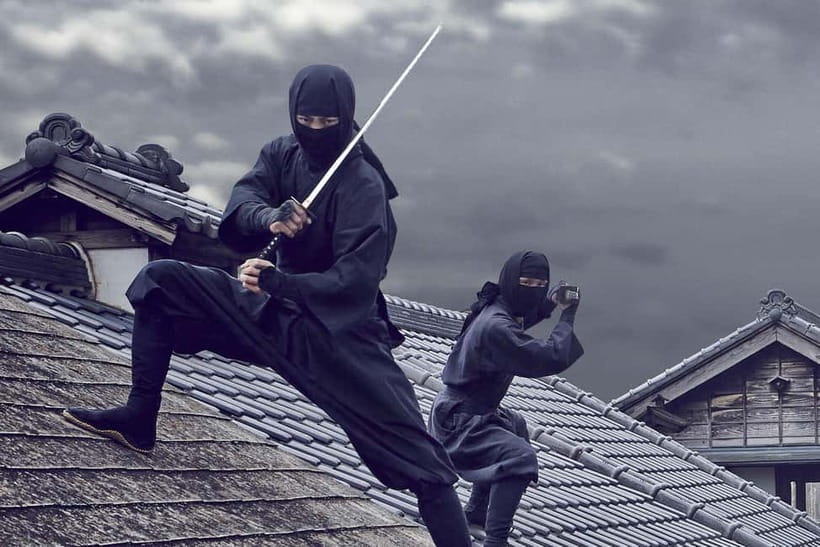
- Cultural performances: Shows help explain Edo culture, including a ninja performance that people really talk about
- Genroku-era design: The park is based on the Edo period’s golden age theme (Genroku)
- Food inside the park: You can eat Edo-style dishes at restaurants, but it is not included in admission
Why Edo Wonderland Nikko Edomura Feels Like Edo on Foot
Edo Wonderland Nikko Edomura recreates Edo period life in a theme park setting, built across a huge site of 122.3 acres. That size is part of the magic. You are not just looking at a couple of staged spots. You are walking through a whole town concept, with enough room that the Edo theme stays consistent instead of feeling cramped.
I like that the park’s design is based on the Genroku era, one of the Edo period’s “golden” moments. That matters because it gives the park a clear style and mood, rather than feeling like random costumes placed in a field. As you move through the areas, you get a sense of how different parts of society looked and worked, from daily street life to samurai and ninja-inspired settings.
The park is in the Kinugawa Onsen area, near Nikkō in Tochigi. If you are already thinking about soaking in hot springs nearby, Edo Wonderland works as a culture stop that does not require a long ride or careful scheduling. You simply start at the station, then spend your day inside the town-world.
A few more Nikko days to weigh up
- Nikko: Kegon Falls, Lake Chuzenji & Toshogu Temple
★ 4.6 · 1,577 reviews - Tokyo: Nikko Toshogu Shrine and Kegon Waterfall Tour
★ 4.5 · 1,266 reviews - Nikko, Kegon Waterfall & Chuzenji Lake from Tokyo
★ 5.0 · 1,240 reviews
Dress the Part: Kimono, Edo Citizen Energy, and Photo Rules
One of the best value moments here is the chance to wear a kimono and become an Edo citizen for the day. Even if you do not know much Edo history before arriving, the outfit gives you instant context. The park is built for that experience, so the costume does not feel like a random add-on.
You also need to think about photos the right way. Photography is allowed, but be respectful. If you want to take pictures of performers or staff, ask permission first. This is one of those small rules that keeps the whole place feeling pleasant and orderly.
Practical tip: since you will be walking a lot, choose comfortable footwear. A kimono can be gorgeous, but your feet still carry the day. If you plan to dress up, do it with realistic expectations. You want to enjoy the look and still move easily between exhibits and performance areas.
The Recreated Town Walk: Post Stations, Business Streets, Ninja Village, Samurai Residences
The heart of Edo Wonderland is its town layout. You can wander through streets and districts designed to match different Edo-era roles and settings. The park recreates traditional Edo architecture and multiple “neighborhood types,” so you can see the Edo period from several angles rather than one single theme.
Here are the major areas you will want to pay attention to as you walk:
- Post stations and street areas: These help you understand how people traveled, traded, and moved through towns during the Edo era.
- Business streets: You get a daily-life feel, with the sense that commerce and services shaped the rhythm of the town.
- Ninja village: This is the zone that tends to grab attention quickly because it is visually dramatic and performance-friendly.
- Bukeyashiki (samurai residences): These spaces connect the Edo story to the samurai class and their place in society.
What I like about this arrangement is that it is not just static scenery. It encourages you to look around and think about what each area represents. For example, if you are paying attention at the post station-style sections, you are seeing movement and travel as a theme. If you focus on bukeyashiki, you are seeing a more structured social world.
Possible consideration: the park has a lot of ground to cover, so if you have limited mobility or you hate long walking days, this might feel like hard work instead of fun. I would still call it a great experience, but you should plan your pace. Treat it like a full-day stroll, not a quick photo stop.
Exhibits and Performances: Edo Culture You Can Watch, Not Just Read
Edo Wonderland includes access to exhibits and performances, which is a big reason it feels more useful than a typical “walk-and-take-photos” park. The park is designed to explain the Edo period through visuals and staged events. That makes it easier to understand the era even if you are not studying it ahead of time.
One performance highlight that really lands is the ninja show. It is a show that people find genuinely impressive, not just cute entertainment. I also like the fact that the park feels family-friendly, but it does not feel childish. You can enjoy it even as an adult because the performances communicate Edo themes in a clear, show-first way.
As you move between exhibits and show areas, you get a rhythm: walk through a district, stop to learn something from an exhibit, then watch a performance that puts a story behind what you saw. It is an effective way to make the Edo period feel real.
Tip: If the show schedule is important to you, arrive ready to plan your day once inside. Since last entry is one hour before closing, you do not want to accidentally miss the performance window you were hoping for.
A different sort of day in Japan:
- Nikko Full-Day Private Tour with Government-Licensed Guide
★ 5.0 · 259 reviews - From Tokyo: Nikko World Heritage Site Private Full-Day Trip
★ 4.9 · 243 reviews - Nikko: Edo Wonderland Edomura Cultural Theme Park Ticket
★ 4.3 · 205 reviews - From Tokyo: Nikko Full-Day Sightseeing Trip
★ 3.8 · 14 reviews
Edo Cuisine on Your Schedule: What Is Included and What You Must Budget
Admission to Edo Wonderland includes entry and access to exhibits and performances, but food and beverages are not included. Still, the park makes it easy to eat there. There are multiple restaurants inside where you can try authentic Edo cuisine.
This is where I think the value math works for many people. If you go hungry, you are not scrambling to find a restaurant outside the park. You can keep your day flowing and eat something Edo-themed where you already are.
Practical approach: budget for meals separately from the ticket price. If you are traveling with kids, build in time for food breaks so you do not rush. If you are trying to save money, you can still enjoy the experience without over-spending at restaurants, but you should expect to pay for meals since they are not part of admission.
Getting There, Starting Fast: Kinugawaonsen Station and Seasonal Hours
Your meeting point is the nearest station: Kinugawaonsen Station. The activity starts there, and it ends back at the meeting point, so you are not dealing with complicated drop-offs.
Plan around the park hours, because they change seasonally:
- 9:00~17:00 from 3/20 to 11/30
- 9:30~16:00 from 12/1 to 3/19
- Last entry is 1 hour before closing
A smart strategy is to arrive early. The park can be crowded on weekends and holidays, so starting sooner helps you enjoy more of the Edo town before lines and bottlenecks appear. If you want the best shot at calmer photos, fewer crowds is a real advantage.
Another practical note: because the park is open-air and weather-dependent, check the forecast and dress appropriately. Rain does not automatically ruin the day, but it changes the comfort level. With walking built in, you want clothes and shoes that handle whatever conditions you get.
Price and Value: Is the $37 Ticket Worth It?
The ticket price is around $37 per person, and admission includes access to exhibits and performances. That means your core costs are predictable. You are paying for the park experience itself, and then any optional extras come later.
Value usually comes down to two questions:
- Will you use the exhibits and performances you already paid for?
- Will you enjoy time walking through the recreated town districts?
If you like history that is visual and interactive, you will likely feel the value quickly. The kimono experience is a key draw, and it pairs naturally with the park’s Edo set pieces. Plus, the performances give you another layer that you cannot easily replicate by just wandering around on your own.
Optional costs may appear in the form of additional fees for some workshops or activities. So if you love hands-on extras, expect that not everything will be included inside the base ticket. Still, you can choose how much you add on. The essentials are covered by admission.
Also, food is not included, so plan for meals. If you do not want to spend much extra, consider that ahead of time when you budget your day.
Who Should Go (and Who Might Want a Different Plan)
I think Edo Wonderland Nikko Edomura is a strong fit for:
- People who want Edo period culture without sitting through a lecture
- Families who like performances and a theme-park energy
- Travelers who enjoy dressing up and walking through a themed environment
- Anyone visiting Nikkō or the Kinugawa Onsen area and looking for a culture stop
It may not be the best fit if:
- You dislike walking long distances (the park is set up for lots of exploration)
- Weather could be a problem for you that day, since it is open-air
- You want a purely educational museum style experience, because this is a theme park format
If you do go, your best mindset is simple: treat it like a full Edo day. Wear good shoes. Check the weather. Plan for a kimono moment if you want it. Then let the streets and shows do the teaching.
Should You Book Edo Wonderland Nikko Edomura?
Book it if you want an easy, hands-on way to experience the Edo period in the Kinugawa Onsen area. The ticket includes admission plus access to exhibits and performances, and the kimono experience gives you that memorable Edo citizen feeling. I also think it is a good value for the kind of day it creates, especially if you are already planning to be in the Nikkō area.
Skip or reconsider if you are sensitive to open-air weather and lots of walking, or if you dislike theme parks. In that case, the experience might feel like effort instead of fun.
If you are on the fence, the deciding factor is your tolerance for a walk-heavy park day. If you are okay with that, Edo Wonderland is likely to be a fun culture detour you will remember.
FAQ
What does the Edo Wonderland Nikko Edomura ticket include?
The ticket includes admission to Edo Wonderland Nikko Edomura and access to exhibits and performances.
Where is the meeting point?
The start point is the nearest station, Kinugawaonsen Station. The activity ends back at the meeting point.
What are the opening hours?
From 3/20 to 11/30, hours are 9:00~17:00. From 12/1 to 3/19, hours are 9:30~16:00. Last entry is 1 hour before closing.
Is food included with admission?
No. Food and beverages are not included in the ticket price, but there are restaurants in the park where you can try Edo cuisine.
Can I take photos inside the park?
Photography is allowed, but please be respectful. Ask permission before taking photos of performers or staff.
Are there any extra fees besides admission?
Some activities and workshops may require an additional fee. Check on arrival if you want to join anything special.
Is the park crowded?
It may be crowded during weekends and holidays, so plan your visit accordingly and consider arriving early.
Newly listed around Nikko
- Nikko: Edo Wonderland Edomura Cultural Theme Park Ticket★ 4.3 · 205 reviews
- From Tokyo: Nikko Full-Day Sightseeing Trip★ 3.8 · 14 reviews
- From Tokyo: Nikko World Heritage Site Private Full-Day Trip★ 4.9 · 243 reviews
- Nikko Full-Day Private Tour with Government-Licensed Guide★ 5.0 · 259 reviews
- Tokyo: Nikko Toshogu Shrine and Kegon Waterfall Tour★ 4.5 · 1,266 reviews
- Nikko, Kegon Waterfall & Chuzenji Lake from Tokyo★ 5.0 · 1,240 reviews
- Nikko: Kegon Falls, Lake Chuzenji & Toshogu Temple★ 4.6 · 1,577 reviews
Nikko Tours, compared.
Nikko: Kegon Falls, Lake Chuzenji & Toshogu Temple
Read our review →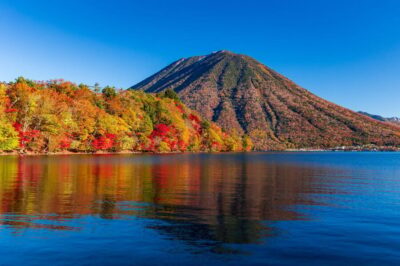
Nikko Toshogu Shrine and Kegon Waterfall Tour
Read our review →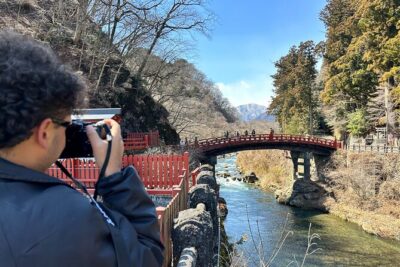
Nikko, Kegon Waterfall & Chuzenji Lake from Tokyo
Read our review →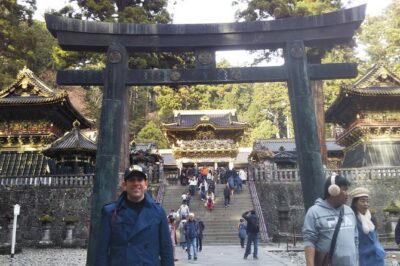
Nikko Full-Day Private Tour with Government-Licensed Guide
Read our review →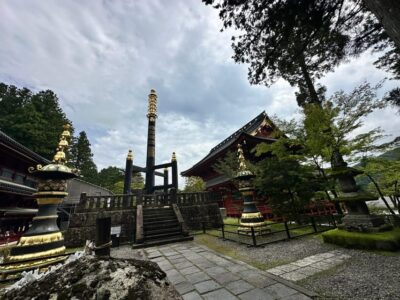
Nikko World Heritage Site Private Full-Day Trip
Read our review →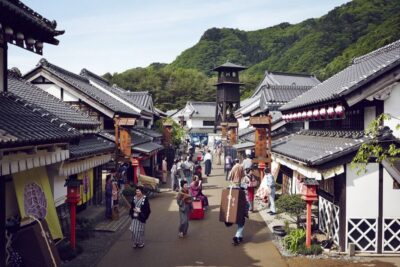
Nikko: Edo Wonderland Edomura Cultural Theme Park Ticket
Read our review →
Browse the lists this tour appears in