
Review · NIKKO TOURS
Nikko: Edo Wonderland Edomura Cultural Theme Park Ticket
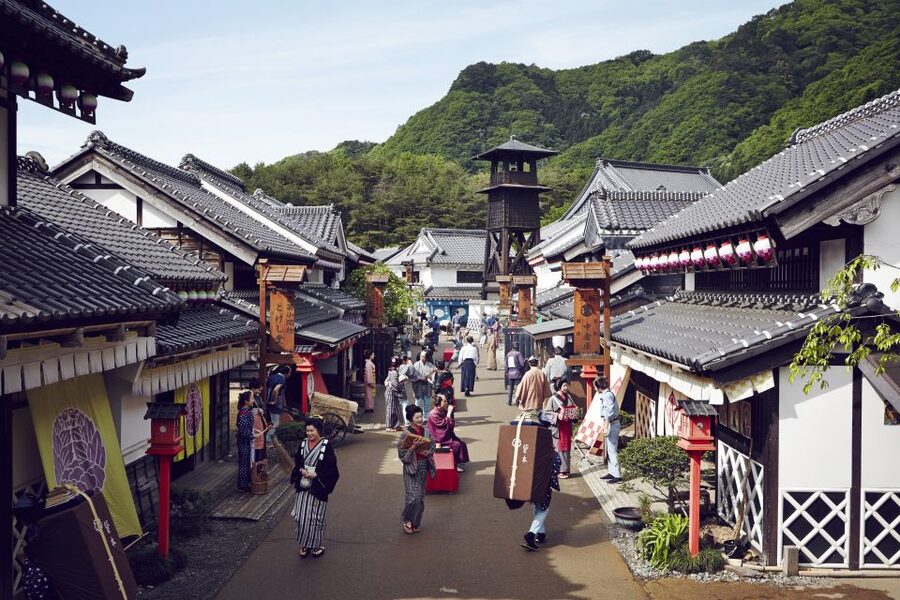
Edo Wonderland makes history behave like theater. I love the chance to choose an Edo-rank kimono for the day and walk Edo-style streets in Nikko’s mountain setting, and I love the live ninja action performances and oiran cultural shows that still land even when your Japanese is limited. The one thing to plan around is pacing, some workshops are scheduled and kid sessions are limited.
This is also one of those rare theme parks where you can be flexible. If you’re lucky with guidance, you’ll get smart pointers on where to go next, how to time the shows, and even photo spots as you move through the grounds.
At about $35 for a one-day ticket, it’s strong value for a full day of shows plus hands-on activities, but food, drinks, and a few craft add-ons cost extra inside. Also, some payment setups may mean cash is your friend, so don’t assume everything is credit-card friendly.
In This Review
- Key points before you go
- Edo Wonderland, Nikko: the Edo era you can walk into
- Getting your ticket in and choosing your Edo role
- Live performances: ninja, oiran, and other stage shows that do the work
- Workshops and lessons: samurai, archery basics, shamisen, and etiquette
- Edo exhibits that add real learning to the fun
- The costume-city experience: photos with Edo architecture as your backdrop
- Ninja houses, training hall secrets, and the mechanical maze
- Edo food and what to budget for inside the park
- Price and value: is $35 a good deal?
- Nikko logistics from Tokyo, shuttle timing, and where you start
- Language and payments: what can surprise you
- Who this Edo Wonderland day suits best
- Should you book Edo Wonderland Edomura?
- FAQ
- How long is the Nikko Edo Wonderland ticket valid?
- What’s included with the ticket?
- Is kimono rental included?
- Are workshops like woodblock printing or indigo dying included?
- How do I get from Tokyo to Edo Wonderland, and how often does the shuttle run?
- Is there English support, and can I pay with card?
Key points before you go
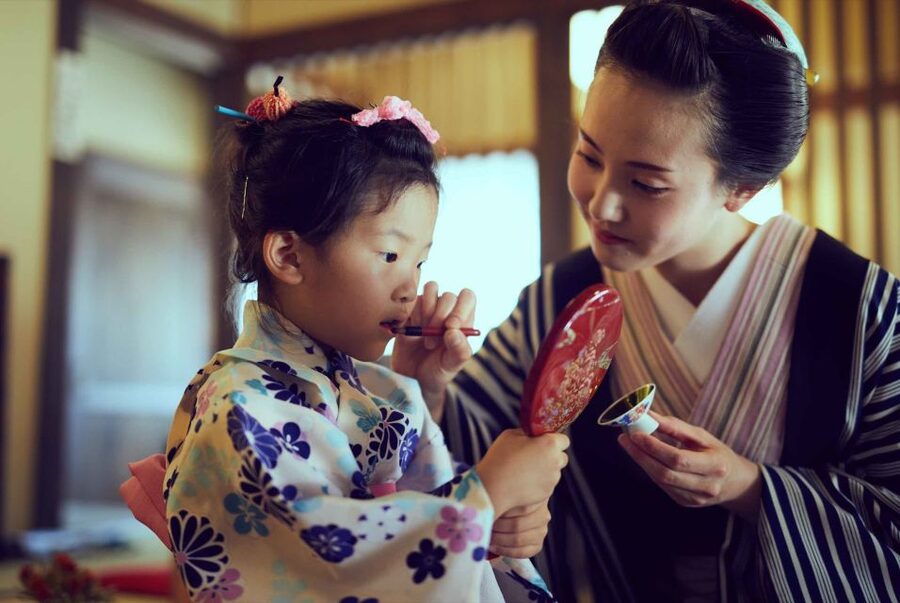
- Edo-rank costume time: pick a kimono style (and become an Edo citizen) for instant picture value.
- Live ninja and oiran shows: acting, movement, and staged spectacle do most of the work for you.
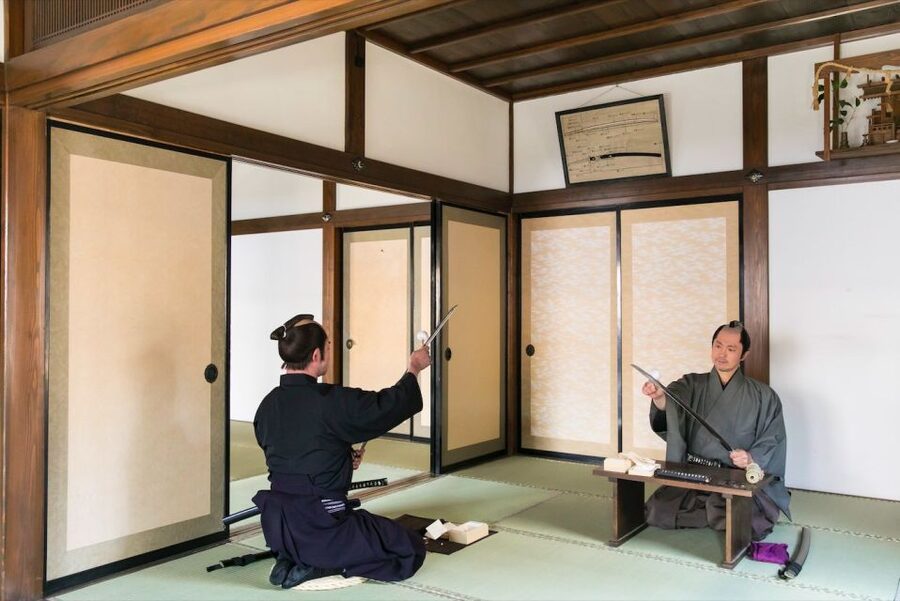
- Hands-on Edo workshops: samurai sword basics, horseback archery basics, shamisen, etiquette, and more.
- Secret-story experiences: ninja houses, training halls, mechanical mazes, and physics-defying spots.
- Standout exhibits: Edo firefighters and swordsmith areas add real learning to the fun.
- Food is extra: you can eat Edo-style seasonal menus, sweets, and drinks, but they’re not included.
Edo Wonderland, Nikko: the Edo era you can walk into
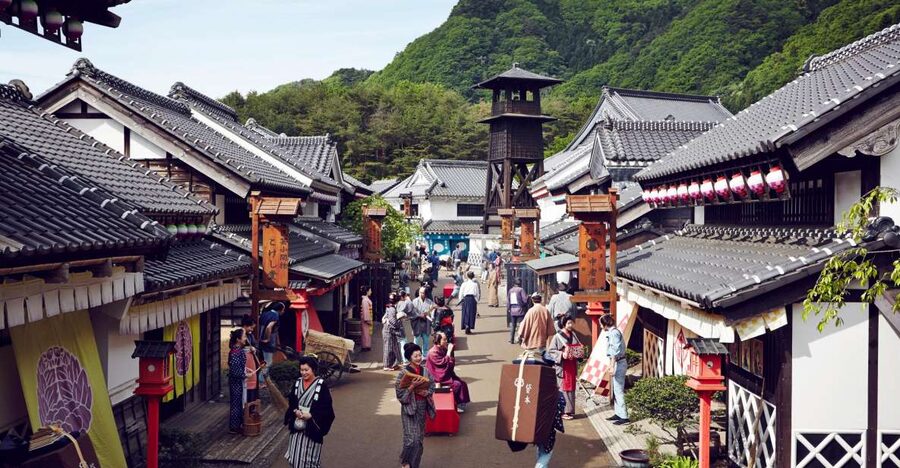
Edo Wonderland in Nikko is built so the Edo period feels like a place, not a topic. Once you enter, you navigate a town made with traditional Edo architecture, so the buildings, streets, and atmosphere do a lot of the storytelling for you.
Two things drive the experience for me. First, the park gives you costume time that changes how you move through it, you dress like your role and the photos look like scenes from a period drama. Second, the day is structured around live performances, so you’re not stuck only with static exhibits.
One practical consideration: it’s a one-day ticket, so you’ll want to build a plan around the show schedule and workshop times. If you’re traveling with kids, start thinking about the “must-dos” early because some kid-only sessions are limited.
A few more Tokyo days to weigh up
- Mt Fuji and Hakone 1-Day Bus Tour Return by Bullet Train
★ 5.0 · 26,383 reviews - 1-Day Tokyo Bus Tour
★ 5.0 · 14,250 reviews - Tokyo: TOKYO SKYTREE® Admission ticket
★ 4.5 · 11,192 reviews
Getting your ticket in and choosing your Edo role
Your ticket is your entry pass to the full park day. It includes entrance, access to theatres and performances, and access to exhibits across the grounds, so you’re not paying again for the core park content.
A big highlight is the Edo role dressing. You can choose a kimono from a selection of ranks and then spend the day as that character, lord, samurai, princess, farmer, or another citizen type. This matters because it turns walking around into an activity, and it makes photos feel like a story instead of a backdrop.
Small but important note: kimono rental is not included in the ticket. So if you want to dress up, plan to budget extra for the costume. The good news is the costume part is central to the park’s appeal, and when you commit to it, the day feels like you truly joined the Edo scene.
Live performances: ninja, oiran, and other stage shows that do the work
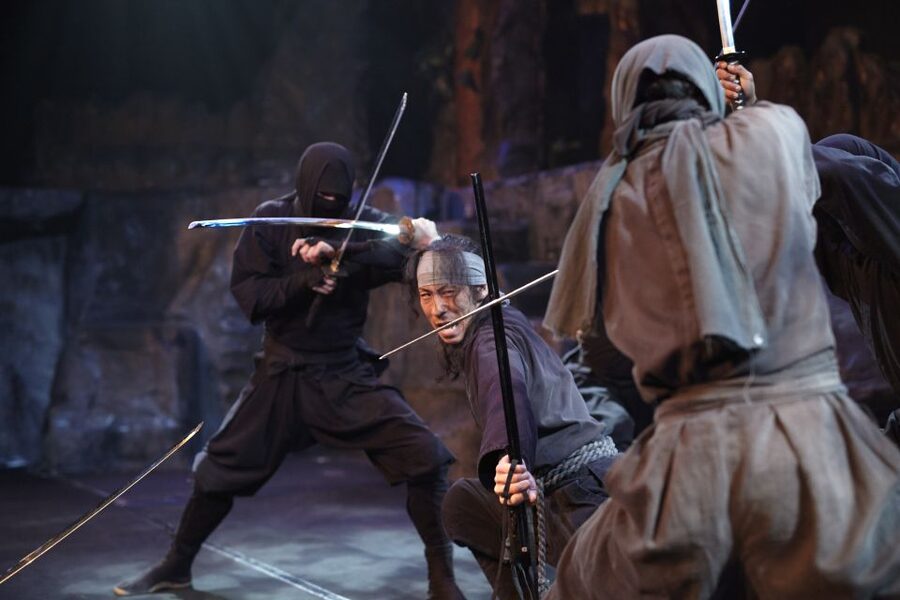
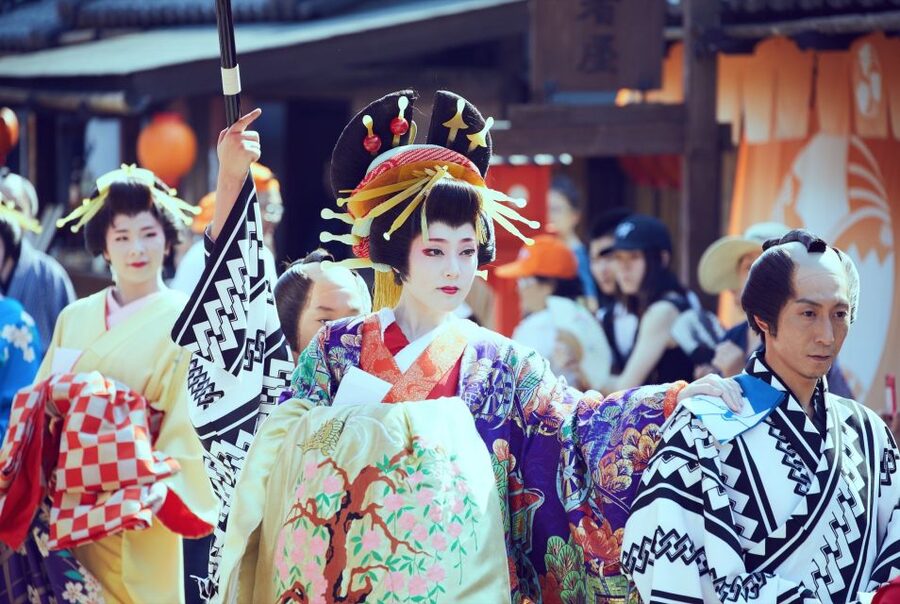
The heart of Edo Wonderland is live entertainment. You can catch performances like a popular ninja action show and an oiran cultural performance, plus water magic style shows and other traditional plays.
What I like about these shows is how much you can get from performance even if you don’t speak Japanese. The park relies heavily on action, staging, and character movement, so you’re not totally blocked if you’re relying on your feet and your eyes instead of detailed dialogue.
If you want the best shot at enjoying every show, treat it like a theater day. You don’t need to sprint to every event, but you do need a rough schedule. Wear comfortable shoes, because the park is spread out and you’ll be moving between theatres.
Workshops and lessons: samurai, archery basics, shamisen, and etiquette
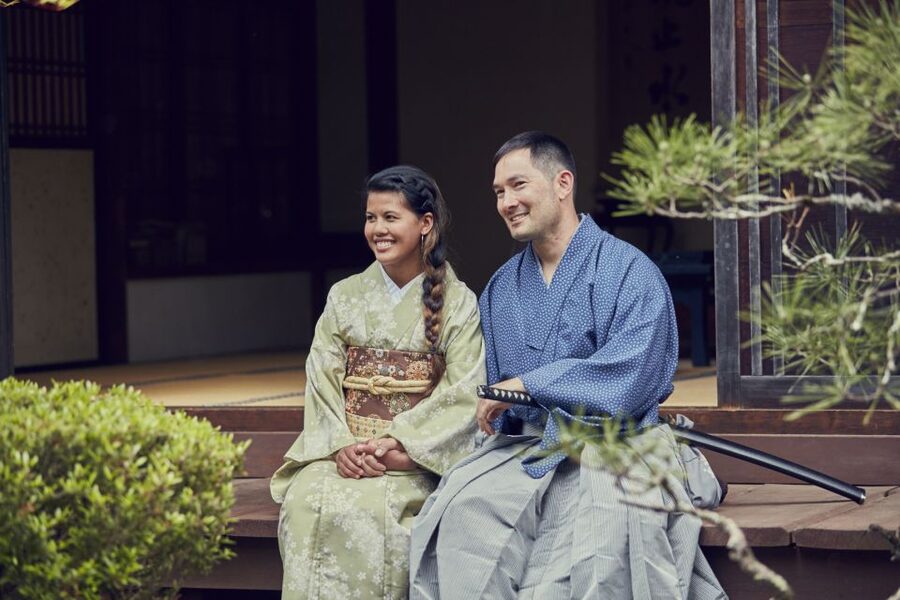
Edo Wonderland gives you hands-on content, not just watching. Depending on the session, you can join workshops and demonstrations for samurai sword, horseback archery, shamisen music, and samurai etiquette. There are also themed experiences and kid activities built into the day.
Here’s the value of this part of the day: workshops turn your curiosity into a physical memory. Even basic instruction makes the exhibits make more sense, because you’ve felt how it works rather than just reading about it.
Two add-ons to note: some craft experiences are not included with the ticket. Woodblock printing, indigo dying, and Daruma painting cost extra. If you see these and you love artsy souvenirs, decide in advance which one you actually want, since they can eat up time you might prefer for shows or the ninja experiences.
Kids get their own themed workshops (ninja, police, and samurai). The sessions are free but limited, and registration happens on the day. If your child is set on one, show up early and be ready to sign up as soon as you can.
A different sort of day in Japan:
- Tokyo: teamLab Planets TOKYO Digital Art Museum Entry Ticket
★ 4.6 · 9,779 reviews - Mt Fuji & Hakone Cruise, Drum Show Bullet Train 1 Day from Tokyo
★ 4.0 · 7,413 reviews - Tokyo: Sumo Show Experience with Chicken Hot Pot and a Photo
★ 4.8 · 6,678 reviews - Tokyo: Shinjuku Food Tour (13 Dishes at 4 Local Eateries)
★ 5.0 · 6,603 reviews
Edo exhibits that add real learning to the fun
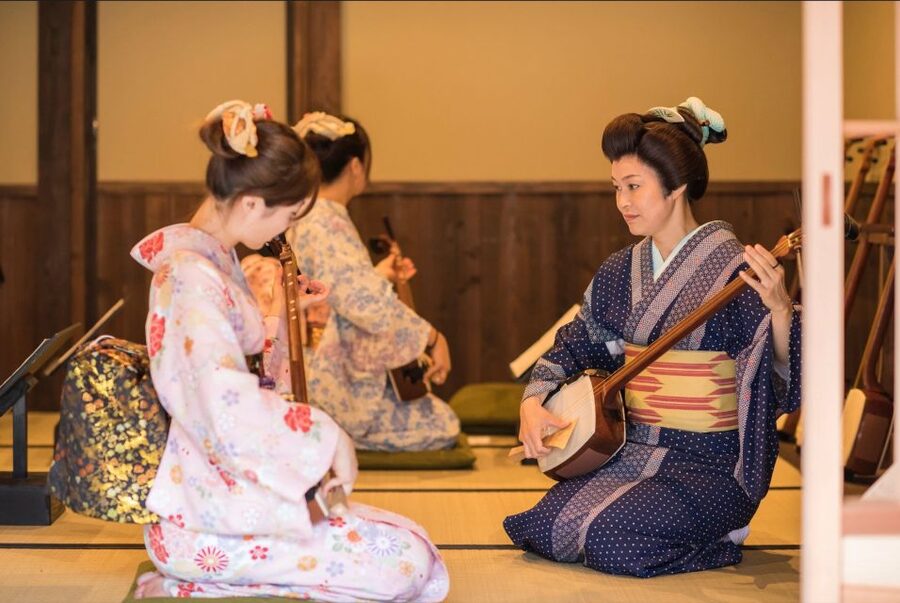
Even with all the costumes and theatrics, the park still builds in learning stops. Expect exhibits that explain Edo-era roles and crafts, including areas like Edo firefighters and swordsmith demonstrations.
This is where the day can surprise you in a good way. It’s not just a set of photo spots, you get context for why these roles mattered and how skills fit into daily life in the Edo period. If you like museums, you’ll probably enjoy how the exhibits sit alongside the shows, so your brain gets both action and information.
If your reading level in Japanese is limited, don’t worry too much. A lot of the value comes from the visuals and from watching demonstrations. Still, you should know there can be very little English explanation in some areas, so keep your expectations realistic.
The costume-city experience: photos with Edo architecture as your backdrop
One of the most practical reasons the kimono choice is worth it is photography. The park is full of Edo-style architecture, so you can take photos in scenes that look like a movie set, with you framed as a lord, samurai, or princess.
If you want the best results, think about timing. You’ll likely be inside for performances, so aim to do some costume walking early or between show blocks. Also, wear footwear that handles stairs and uneven ground, because you’ll be hopping from theatre to streetside photo spots.
This is also a good day to slow down. The park has a lot of character, including small details that feel like set dressing. When you’re dressed for the role, it’s easier to notice the world around you and harder to rush through.
Ninja houses, training hall secrets, and the mechanical maze
The park leans hard into the shinobi theme. You can access free ninja-related experiences such as a sword area and ninja training hall, plus larger amusement spots like a mechanical maze, a ninja house filled with secrets, and a mysterious ninja training house where the laws of physics seem to not apply.
Even if you’re not a hardcore ninja fan, this section breaks up the day in a fun way. It’s active, playful, and different from the stage shows, so you don’t feel stuck in one mode for hours.
A good strategy: do the interactive maze and ninja house while you still have energy to explore. Then use the performances as your rhythm anchors, something scheduled that helps you reset and refuel your day.
Edo food and what to budget for inside the park
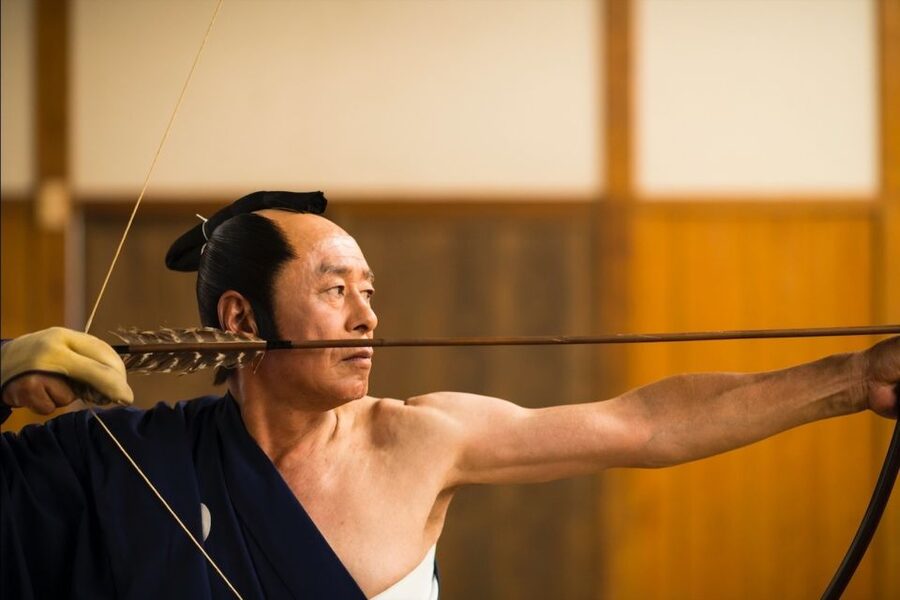
Food is part of the experience, but it’s not included in your ticket. You’ll find seasonal Edo cuisine at restaurants inside the park, plus sweets and drinks.
From a budgeting standpoint, I treat it like a theme-park lunch plus snacks. The upside is you’re buying food that fits the setting, so it feels like part of the Edo role you’re playing. If you’re traveling with kids, these on-site options help, because you don’t have to plan an off-site meal in the middle of a timed show schedule.
One practical note: if you want to spend extra on craft add-ons and also eat more than one meal, plan your money early. The park can tempt you into extra purchases, and that’s part of the fun, just be ready.
Price and value: is $35 a good deal?
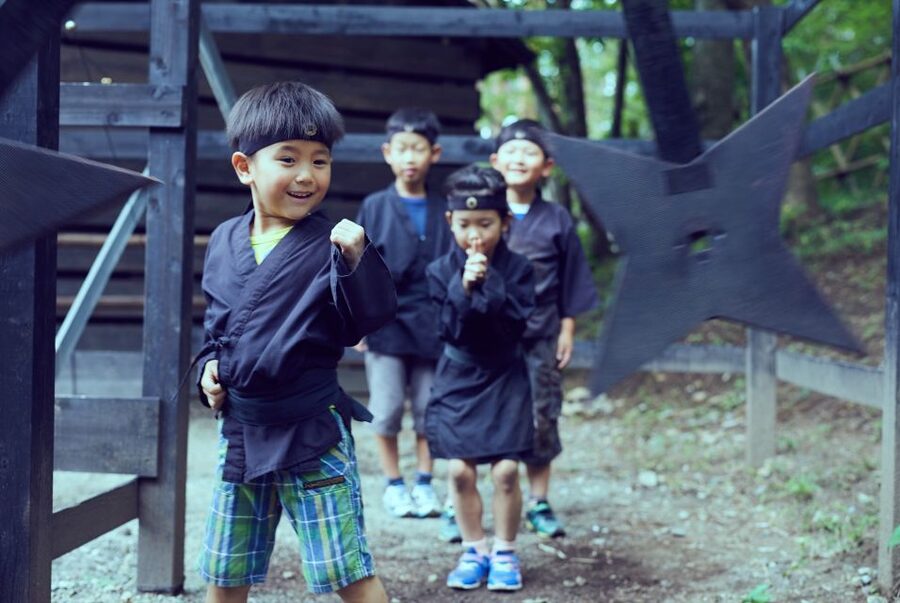
At around $35 per person for a one-day ticket, Edo Wonderland can be a good value if you take advantage of both show content and included activities. The ticket covers entrance, access to theatres and performances, and exhibit entry, plus free experiences like the sword and ninja training hall and certain kid activities like the maze and work experiences.
Where the extra costs can add up is also clear. Kimono rental is not included, and food and drinks cost extra. Also, craft add-ons like woodblock printing, indigo dying, and Daruma painting cost extra, so you might pay more if you go beyond the included options.
My rule for deciding: if your priority is costumes plus live shows, the ticket price feels fair. If you’re mostly looking for learning-only exhibits, you may need to be selective about workshops and craft add-ons so the day matches your interests.
Nikko logistics from Tokyo, shuttle timing, and where you start
Getting to Nikko takes time from Tokyo, so build your day around transportation rather than hoping you can wing it. Travel time from Tokyo’s Shinjuku and Asakusa is typically about 2 to 3 hours, but you should check your route in advance.
The most direct route from Asakusa uses Tobu limited express trains to Kinugawa Onsen station. From there, you’ll connect onward to Edo Wonderland.
If you’re using JR Pass options, one supported route is: Shinkansen from Tokyo to Utsunomiya station, change to the local train at JR Nikko station, then take the free shuttle bus to Edo Wonderland.
Two details matter a lot. First, plan for the shuttle bus frequency from Nikko station. It runs only every 2 hours, which can create long waits if you miss your timing. Second, many connections from Tokyo can be tight, so don’t plan a leisurely morning if you want a full day inside.
Your meeting point is listed at 470-2 Karakura, Nikko, Tochigi Prefecture 321-2524, Japan. Also, the ticket skips the ticket line, which saves time once you arrive at the park.
Language and payments: what can surprise you
Language is the biggest “expectation setting” factor here. Some explanations can be limited in English. That said, shows can still work for you because the acting and staging carry a lot of meaning, and activities can be easy to follow even when you don’t speak Japanese.
Payments can also surprise you. One experience note: there may be no credit card option, and there is no ATM in the park. If you want smooth spending, bring enough cash for food, kimono rental, and any paid craft add-ons you decide to do on-site.
Who this Edo Wonderland day suits best
This is a standout pick for families and first-timers to Japan who want a full-day theme experience with hands-on moments. If you’re traveling with kids, the park is especially appealing because you can find kid-oriented work experience and maze time, plus those limited kid-only workshops.
It also works well for adults who love performance, costuming, and photo-heavy sightseeing. If you enjoy practical skill demonstrations like samurai sword basics and etiquette, you’ll likely appreciate how the lessons connect to the exhibits.
If your priority is quiet museum time with lots of English interpretation, you might find the experience more challenging. Go in for the action and the atmosphere, and treat translation limits as part of the adventure.
Should you book Edo Wonderland Edomura?
Book it if you want a one-day package that mixes live performances, costume roleplay, hands-on workshops, interactive ninja attractions, and Edo-era exhibits in one place. The ticket price makes sense when you plan to use the shows and included activities, and when you’re okay paying extra for kimono rental and food.
Skip or reconsider if you hate scheduled timing, you need extensive English explanations, or you’re traveling without cash and don’t want to deal with payment limitations. If you do your homework on transport timing, especially the shuttle frequency, you’ll set yourself up for a day that feels like you stepped into the Edo era, not just visited a themed park.
FAQ
How long is the Nikko Edo Wonderland ticket valid?
The ticket is valid for 1 day, from the first activation.
What’s included with the ticket?
The ticket includes the entrance fee and access to all exhibits, theatres, and performances. It also includes free experiences such as the sword and ninja training hall, plus activities like Edo work experience for kids and the maze.
Is kimono rental included?
No. Kimono rental is not included in the ticket.
Are workshops like woodblock printing or indigo dying included?
No. Additional experiences including woodblock printing, indigo dying, and Daruma painting are not included.
How do I get from Tokyo to Edo Wonderland, and how often does the shuttle run?
From Tokyo (Shinjuku and Asakusa) the trip is typically 2 to 3 hours. The free shuttle bus from Kinugawa Onsen or JR Nikko runs only every 2 hours, so timing matters.
Is there English support, and can I pay with card?
Some explanations may be limited in English. Also, one note from a visitor says there was no credit card option and there is no ATM in the park, so you should bring cash for food, kimono rental, and paid extras.
Newly listed around Tokyo
- Tokyo: FC TOKYO Football Game at Ajinomoto Stadium★ 4.8 · 58 reviews
- Expert Anime Guide in Akihabara with a maid witch★ 4.9 · 19 reviews
- Experience Crafting a Flower-Adorned Mini Japanese Garden★ 4.7 · 15 reviews
- Old and Nostalgic Tokyo: Half-Day Yanaka Walking Tour★ 4.9 · 30 reviews
- Exclusive Tokyo Ramen Kitchen Experience★ 4.7 · 34 reviews
- Private Edo-Tokyo Open Air Architectural Museum Tour★ 4.8 · 15 reviews
- Eat/Drink like a LOCAL-Taverns & Ramen★ 4.9 · 23 reviews
- Tokyo : Kimono Rental in Asakusa Provided by KanoWafuku★ 4.4 · 18 reviews
Nikko Tours, compared.
Nikko: Kegon Falls, Lake Chuzenji & Toshogu Temple
Read our review →
Nikko Toshogu Shrine and Kegon Waterfall Tour
Read our review →
Nikko, Kegon Waterfall & Chuzenji Lake from Tokyo
Read our review →
Nikko Full-Day Private Tour with Government-Licensed Guide
Read our review →
Nikko World Heritage Site Private Full-Day Trip
Read our review →

Browse the lists this tour appears in