
Review · LICENSED GUIDES & PRIVATE DRIVERS
Nikko Full-Day Private Tour with Government-Licensed Guide
Nikko can feel overwhelming fast. This private, government-licensed guide turns it into a smooth, flexible day. I like that you avoid crowded group chaos, and I like that you choose 3 to 4 sights instead of being herded down one fixed route.
Another strong part is the way the guide handles the day for you, from timing between spots to explaining what you are seeing in plain language. You’ll hear the best results in guide names like Yumi, Yoko, and Yoshii, where communication and route flexibility were repeat themes. One note to plan for: it is a walking-based outing, and key costs like transport fares and entrance fees are not included.
In This Review
- Key Points at a Glance
- Why a Licensed Local Guide Makes Nikko Feel Smaller
- Price and Value: What You’re Paying For, and What You’re Not
- Meeting at Nikko Station: A Practical Start to Your Day
- How the Flexible Route Works (and How to Choose 3 to 4 Sights)
- Toshogu, Futarasan, and Rinnoji: The Sacred Core of Nikko
- Nikko Tosho-gu
- Nikko Futarasan Shrine
- Rinnoji Temple
- Rin’nōji Taiyū-in (Mausoleum of Iemitsu)
- Kegon Falls and Lake Chuzenji: Nature That Actually Feels Like Art
- Kegon Falls
- Lake Chuzenji
- Senjogahara Field
- Kirifuri Waterfall
- Shinkyo Bridge, Abyss Walks, and University-Owned Botanical Time
- Kanmangafuchi Abyss
- Shinkyo Bridge
- Nikko Botanical Garden
- Tamozawa Imperial Villa Memorial Park
- Akechidaira Observation Area
- Kanaya Hotel History House
- Getting Around Nikko: Buses, Weekday Rhythm, and Taxi Reality
- Lunch, Footcare, and Photo Timing Tips That Actually Help
- Who This Nikko Private Tour Fits Best
- Should You Book This Nikko Private Tour?
Key Points at a Glance
- Private day feel without the fixed itinerary trap
- Meet at Nikko Station, guide meets you on foot
- Pick 3 to 4 highlights, from Toshogu to waterfalls
- Plan for walking plus cash for buses or taxis
- Entrance fees, lunch, and transit are on your own budget
- Mobile ticket and licensed local English speaking guide
Why a Licensed Local Guide Makes Nikko Feel Smaller
Nikko has big-name sights, but it is also spread out. Trying to match a shrine complex, a waterfall, and a scenic lake on your own can turn into sprinting and guesswork.
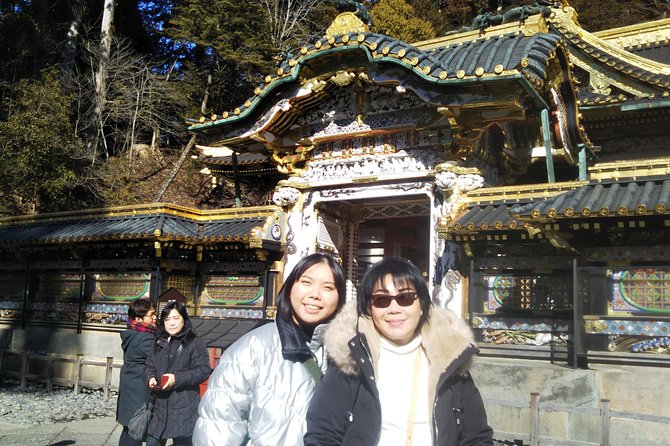
With this tour, you’re working with a licensed local English-speaking guide who can help you connect the dots. The experience is built around your interests, not a rigid schedule. That means you can lean more into nature (waterfalls and lake views) or more into heritage (Tokugawa shrines and major temples), and still keep the day moving.
Also, you do not have to figure out the logistics alone. Guides in this setup are used to working around real-world timing issues like buses and weather, and you can see that pattern in how guides like Yumi and Yoshii handled late train arrivals in past tours, without turning the day into a scramble.
More Private Guides in Nikko:
- Tokyo: Nikko Private Day Tour with English Speaking Driver
★ 4.8 · 97 reviews - From Tokyo: Nikko Private Tour with English-speaking Guide
★ 4.6 · 31 reviews - From Tokyo: Nikko luxury Tour with English-speaking Guide
★ 5.0 · 6 reviews
Price and Value: What You’re Paying For, and What You’re Not
At $155.86 per person for about 6 hours, this is not a bargain-price add-on. It is closer to what you pay when you want a human planner and a private day that you can shape.
Here is the value equation:
- You are paying for a government-licensed guide plus the time to tailor a route around you.
- You are not paying for many of the on-site costs that can add up in Nikko, like entrance fees, transportation fares, and lunch.
One practical budgeting tip that comes up often is to carry cash, and one helpful rule of thumb is at least 10,000 JPY for buses and entrances. Your final total will depend on which stops you pick, and which ones charge admission.
Meeting at Nikko Station: A Practical Start to Your Day
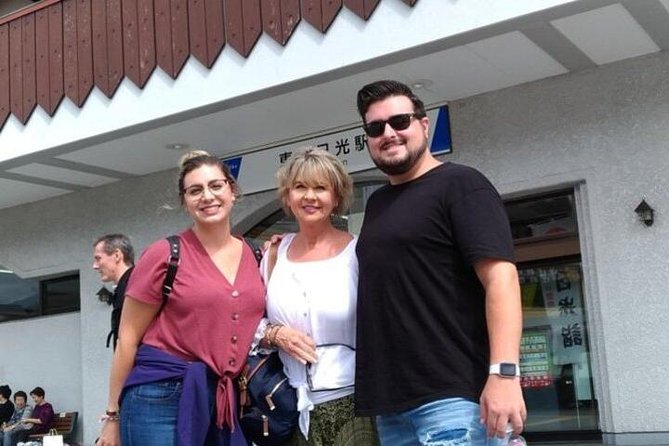
Plan for a walking-based day. The core meeting is at Nikko Station, where you meet your guide within the designated area on foot.
That matters because you can’t rely on the tour being door-to-door from your hotel. Pickup is listed as offered in the overall tour info, but the tour’s design centers on meeting at Nikko Station and then moving from there as a small private group with your guide.
The good news: once you meet up, your guide helps you go from spot to spot without you needing to constantly re-check transit routes and schedules.
How the Flexible Route Works (and How to Choose 3 to 4 Sights)
The tour is built around picking 3 to 4 attractions from a wider menu. That flexibility is exactly what makes it worth considering. Nikko is one of those places where trying to do everything in one day can leave you with a headache and a pile of “we meant to see that” photos.
My advice is to choose in pairs:
- Pick one major shrine or temple anchor.
- Pick one nature star (waterfall, lake, or scenic viewpoint).
- Add one bonus stop that matches your mood, like a garden, a bridge, or a short trail.
If you love architecture and sacred art, you’ll probably want Toshogu plus one related stop like Futarasan or Rinnoji. If you care more about scenery, go for Kegon Falls or Kirifuri Waterfall, then pair it with Lake Chuzenji or an easy scenic walk like Kanmangafuchi Abyss.
The best way to reduce stress is to tell your guide your priorities early, then let them build the order based on your day’s pacing and conditions.
A few more Nikko days to weigh up
- Nikko: Kegon Falls, Lake Chuzenji & Toshogu Temple
★ 4.6 · 1,577 reviews - Tokyo: Nikko Toshogu Shrine and Kegon Waterfall Tour
★ 4.5 · 1,266 reviews - Nikko, Kegon Waterfall & Chuzenji Lake from Tokyo
★ 5.0 · 1,240 reviews - From Tokyo: Nikko World Heritage Site Private Full-Day Trip
★ 4.9 · 243 reviews
Toshogu, Futarasan, and Rinnoji: The Sacred Core of Nikko
Most Nikko days orbit around the Tokugawa legacy and the religious complex that surrounds Toshogu.
Nikko Tosho-gu
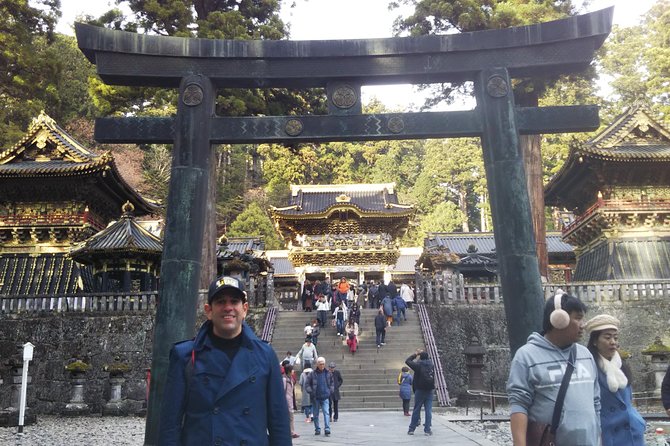
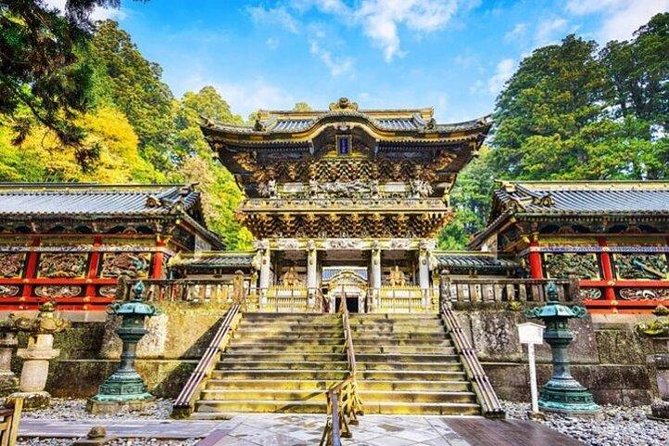
Toshogu is the final resting place of Tokugawa Ieyasu, the founder of the Tokugawa Shogunate, plus nearby shrines and temple areas. This is often the “wow” stop that helps the rest of Nikko click into place. If you like symbolism, ceremonial design, and Japan’s imperial-era and shogunate-era storytelling through stone and color, this is your anchor.
Admission is not included, so check your budget before you fall in love with every detail.
Nikko Futarasan Shrine
Futarasan Shrine sits next to Toshogu and is older than its more lavish neighbor. It was founded in 782 by the monk Shodo Shonin. If you want to feel the layers of Nikko, this is a smart pairing. It gives you the contrast between a quieter sacred site and the more ornate Tokugawa spotlight.
Again, admission is not included.
Rinnoji Temple
Rinnoji is Nikko’s most important temple, founded by Shodo Shonin in the 8th century, who introduced Buddhism to Nikko. If Toshogu pulls you in with shogunate power, Rinnoji gives you the broader Buddhist context.
Admission is not included.
Rin’nōji Taiyū-in (Mausoleum of Iemitsu)
Taiyū-in is the mausoleum of the third Tokugawa shogun, Iemitsu, and the complex mirrors Toshogu in layout style. If you want to see how Tokugawa rule echoes through both shrine and temple design, this stop helps connect the dots.
Admission is not included.
Watch for a common Nikko tradeoff: these sacred sites can be visually intense, so do not overpack your “must see.” Choose one big heritage anchor and let it breathe.
Kegon Falls and Lake Chuzenji: Nature That Actually Feels Like Art
Nikko’s reputation for scenery is not empty hype. The waterfalls and lake area are where the day turns from “history marathon” into “fresh air break.”
Kegon Falls
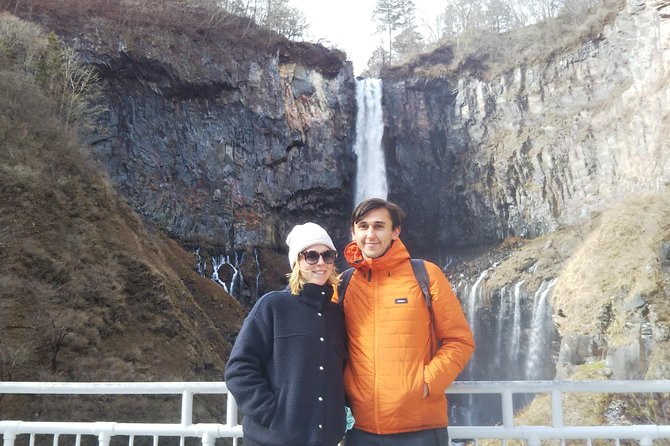
Kegon is Nikko’s most famous waterfall, fed by Lake Chuzenji. Water drops about 97 meters straight down, and there is a special lift that helps visitors reach viewpoints without turning it into a full hike.
Admission is not included.
Lake Chuzenji
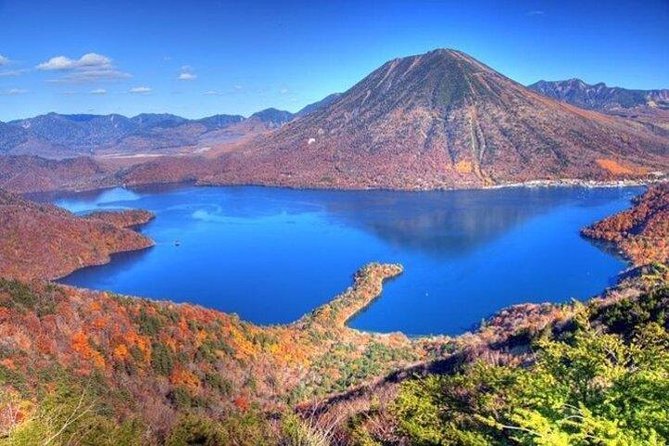
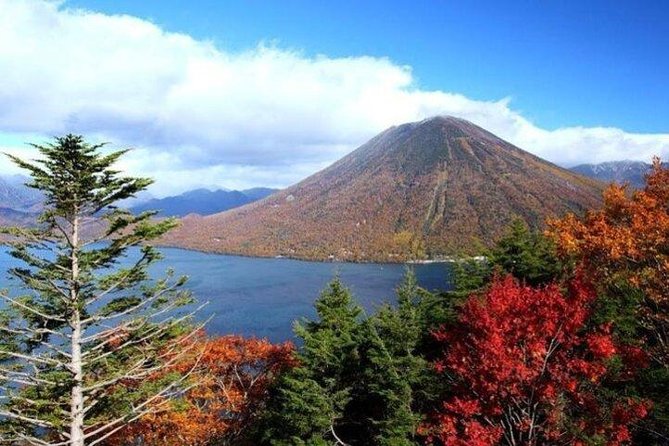
Lake Chuzenji is the largest lake in Tochigi, surrounded by about 25 kilometers of nature. It used to be a summer resort for foreigners from the late 19th into the early 20th century, and you can sense that older resort atmosphere when you take in the view.
Admission is free, so it’s an easy win to include if you’re trying to keep costs down.
Senjogahara Field
Senjogahara translates to battlefield, tied to a mythical story about gods of Mount Nantai and Mount Akagi battling for the nearby lakes. It’s not just a pretty stop. It’s a legend stop, and if you like folk stories and myth as a way to understand place, it adds flavor.
Admission is free.
Kirifuri Waterfall
Kirifuri is a dramatic 75 meter high, two-tier waterfall in the Kirifuri Highlands area, a few kilometers from the temple and shrine areas. This is a great choice if you want variety after Toshogu and Rinnoji, because it changes the mood to mist and motion.
Admission is not included.
A simple practical tip: when weather turns, waterfall viewpoints can get slick or cold. Wear shoes you trust. Bring layers. This matters more in Nikko than in many other day trips.
Shinkyo Bridge, Abyss Walks, and University-Owned Botanical Time
Some Nikko stops are the “pause button.” They take less time than big temples, but they can refresh your day.
Kanmangafuchi Abyss
Kanmangafuchi Abyss was formed by an eruption of Mount Nantai. The gorge is only a few hundred meters long and can be enjoyed from a pleasant riverside walking trail. It’s a good pick when your group wants nature without a long trek.
Admission is free.
Shinkyo Bridge
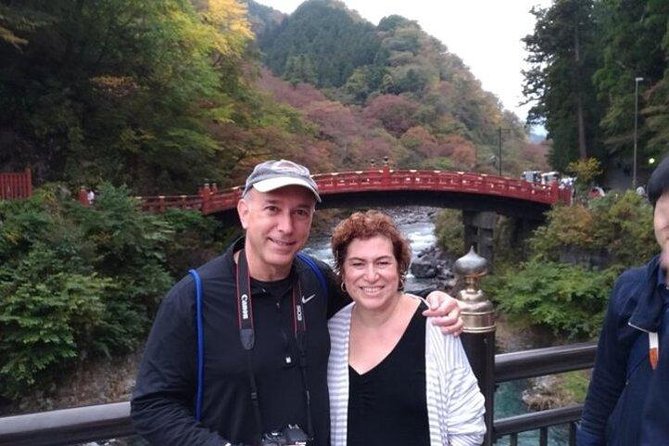
Shinkyo Bridge is the sacred bridge at the entrance to Nikko’s shrine and temple areas, and it technically belongs to Futarasan Shrine. It is ranked among Japan’s top three bridges, so this is one of those “stand in the right spot” experiences.
Admission is free.
Nikko Botanical Garden
The Nikko Botanical Garden is owned and maintained by the University of Tokyo. It’s a strong choice if you want a quieter, calmer stop that contrasts with the ornate shrines and the loud waterfall roar.
Admission is not included.
Tamozawa Imperial Villa Memorial Park
Tamozawa Imperial Villa is a mix of traditional Edo and early Meiji architecture, with 106 rooms. The villa was erected in Nikko in 1899, using parts of a residence from another place (the tour does not include detailed transfer history, so you’ll get the high-level idea on site).
Admission is not included.
Akechidaira Observation Area
Akechidaira Plateau is near the top of Irohazaka Slope with sweeping mountain views and a dramatic road backdrop. The ropeway takes you up to the observation platform, which makes it a strong option if you want views without a lot of stair climbing.
Admission is free.
Kanaya Hotel History House
This is a historical building connected to the predecessor of the well-known Kanaya Hotel. It’s a short, low-effort stop that adds a modern Nikko thread, beyond shrines and waterfalls.
Admission is not included.
Getting Around Nikko: Buses, Weekday Rhythm, and Taxi Reality
Nikko is a place where getting from A to B is part of the experience, but it can also eat time. The difference is whether you plan it, or you hope.
Here is what I’d do based on how guides handle it in the real world:
- If possible, aim for a weekday over a weekend. Crowds and lines can stack up, and you will lose time you could have spent at the sites.
- Use the guide for timing. Guides are good at lining up bus and train connections so you can cover multiple stops in a 6-hour window.
- Budget for taxis as a backup, especially if you hit traffic. You’ll want cash for public transport or taxis anyway.
One review tip that’s worth repeating: do not assume you can rely on public buses without delays and crowds. Your guide can help you choose the best option on the day.
Lunch, Footcare, and Photo Timing Tips That Actually Help
Lunch is not included, so you’ll want to plan for a real break, not a “snack and sprint” strategy. The guides in this tour style often help with practical choices like where to eat and how to fit it into the day, and that can save you from the trap of picking a random spot that is slow or far.
Footcare is another big deal in Nikko. The walking is real, and surfaces around sacred areas and scenic spots can vary. In past tours, guides have shown up prepared with things like towels for a foot bath and cooling items on hot days. You should still come ready with your own comfortable shoes and a light layer.
If you collect Goshuin, treat that as a guiding filter. One guide pointed out stamp opportunities for unique goshuin, and it can add meaning to the day when you are already motivated to visit temples deliberately.
Finally, expect weather to change the feel of Nikko. Snow, heat, and autumn colors have all shown up in guide-led days. Bring layers even in seasons that sound “pleasant” back home.
Who This Nikko Private Tour Fits Best
This tour is ideal if you want:
- A private, intimate day instead of a big crowded group
- A customizable plan based on what you care about most
- A guide who can help with timing and local transport choices
It also tends to work well for first-time Japan visitors who feel stressed by station transfers and bus schedules. If you are traveling with teens, a guide who can tie sites to what teens find interesting can make the day fly by, not drag.
If you dislike walking, or you want zero added costs for admissions and transport, this may not be your best fit.
Should You Book This Nikko Private Tour?
Book it if you want a smoother Nikko day with a licensed guide, you care about choosing the right mix of shrines plus nature, and you’re okay budgeting extra for tickets, transit, and lunch.
Skip it if your plan is all about low cost and maximum DIY independence, or if you hate walking around sacred areas. Nikko is big, and even with a tight 6-hour plan, you may feel like you want more time. That is a good sign. It usually means Nikko earned a second visit.
If you want my simple decision rule: if you’re doing Nikko as a one-day priority and you want it to feel intentional, this private guide format is worth the price. If Nikko is a bonus stop and you’re traveling light, then DIY might work.
Newly listed around Nikko
- Private One Day Nikko Tour with Bilingual driver★ 3.5 · 11 reviews
- Tokyo to Nikko: Exclusive Private Day Trip★ 4.8 · 6 reviews
- Tokyo: Private Nikko World Heritage Instagramable Day Tour★ 4.9 · 10 reviews
- Tokyo: Private Nikko Sightseeing Tour In Luxury Land Cruiser★ 4.1 · 8 reviews
- Tokyo Nikko Toshogu Shrine Iroha-zaka Lake Chuzenji Day Tour★ 3.6 · 17 reviews
- Tokyo Nikko Private Tour Customizable Day Trip English Guide★ 4.9 · 15 reviews
- Tokyo: Nikko Private Sightseeing Day Trip with Driver★ 5.0 · 10 reviews
- Tokyo: Nikko Private Day Tour Fully Customizeable Low Price★ 5.0 · 8 reviews
Licensed Guides & Private Drivers, compared.
Tokyo 6hr Private Tour with Government-Licensed Guide
Read our review →
Kyoto Early Morning Tour with English-Speaking Guide
Read our review →
Tokyo 4hr Private Tour with Government-Licensed Guide
Read our review →
Kyoto 6hr Private Tour with Government-Licensed Guide
Read our review →
Hiroshima / Miyajima Full-day Private Tour with Government Licensed Guide
Read our review →Early Morning Tour with English-Speaking Guide
Read our review →
Tokyo Private Sightseeing Tour by Car- English speaking chauffeur
Read our review →
Mt Fuji Private Tour with English Speaking Driver
Read our review →Browse the lists this tour appears in