
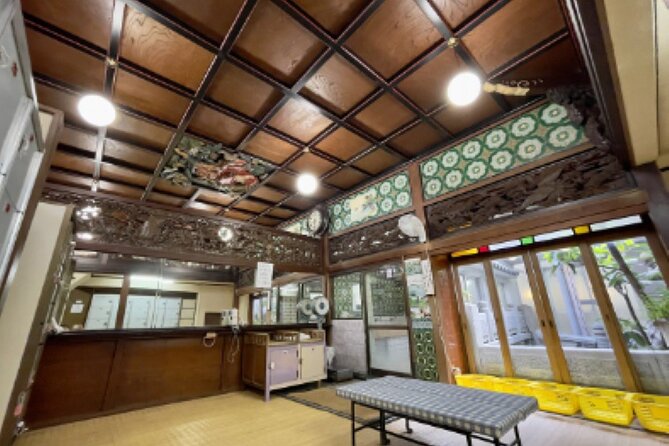
Review · HOT SPRING BATHS
Guide tour of Japanese bathing culture at Funaoka Onsen
Japanese baths can feel intimidating at first. This tour turns that uncertainty into calm, step-by-step confidence. You start with a lesson at Sarasa Nishijin, a cafe renovated from a former public bathhouse, and you learn the purpose behind Japanese bathing rituals before you ever get in the water. Two things I really like: the teaching is practical (not just theory) and the setting is genuinely local, not a performance.
Then you move to Funaoka Onsen, a preserved bathhouse that Kyoto residents have used for generations. I especially like that the guide explains the bathing flow before you try it yourself, so you know what comes next and you are less likely to feel awkward. One consideration: the onsen experience requires nude bathing, and facilities are gender-segregated, so couples should expect separation.
In This Review
- Key highlights worth your attention
- Kyoto onsen, the way locals actually do it
- Stop 1 at Sarasa Nishijin: the bathhouse cafe primer
- Stop 2 at Funaoka Onsen: steps, materials, and real soaking
- Nude, privacy, and couple expectations
- Timing, pacing, and the small-group advantage
- Price in context: what $45.72 buys you
- Who this tour fits best (and who should skip)
- Guide experience: Atsuki and the teaching style
- Practical etiquette tips to help you feel at ease
- Should you book this Funaoka Onsen bathing culture tour?
- FAQ
- How long is the tour?
- Where does the tour start and end?
- What is the price per person?
- Are admission tickets included?
- What should I know about bathing rules?
- Is the group size large?
- Who should not participate?
- Do I need to speak English?
- Can I cancel for a refund?
Key highlights worth your attention
- Sarasa Nishijin, a bathhouse-turned cafe where you learn the why, not just the rules
- Funaoka Onsen at a local pace, about 1 hour in the bathhouse setting
- Nude bathing with clear gender separation, explained before you go in
- Small group size (max 5), which helps you ask questions
- A guide-led routine using teaching materials, so the steps stick
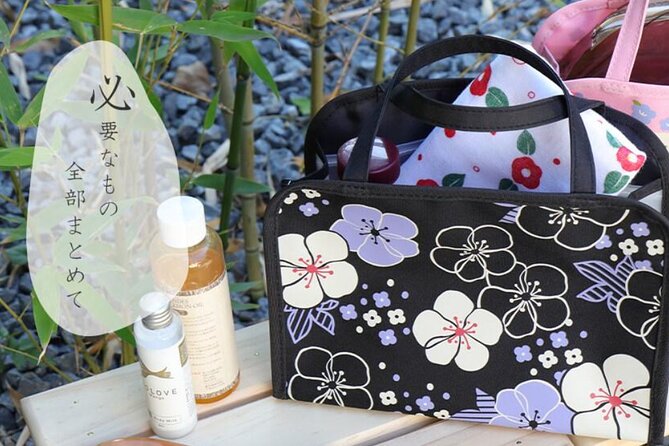
- Take-home guidance so you can repeat the etiquette later
Kyoto onsen, the way locals actually do it
Kyoto is full of temples, shrines, and photo-worthy corners. After that, your body often wants something simpler. An onsen or sento experience is one of those rare cultural activities that works on multiple levels. It is wellness, yes. It is also etiquette, health thinking, and everyday local life.
This tour gives you that full context. You are not just told to soak and hope for the best. You learn how Japanese bathing culture works and why visitors are expected to behave in certain ways. The payoff is mental, not only physical. You go from wondering if you are doing it right to knowing what is supposed to happen.
Funaoka Onsen is a big part of the reason this tour feels special. It is described as a beautifully preserved bathhouse loved by Kyoto residents for generations. That matters. You are experiencing something that long-term locals kept using, not a newly built attraction.
More Hot Spring baths in Kyoto:
- Kyoto: Hike and Hot Springs in Kurama
★ 5.0 · 49 reviews - From Osaka: Himeji Castle, Arima Onsen & Mt. Rokko Day Tour
★ 4.6 · 339 reviews - From Tokyo: Private Tour to Fuji/Hakone – Onsen, Art, Nature
★ 5.0 · 116 reviews
Stop 1 at Sarasa Nishijin: the bathhouse cafe primer
Your first stop is Sarasa Nishijin. It is a cozy cafe that was renovated from a public bathhouse, which means the space already carries the story you are there to learn. You do not just sip a drink and look around. You get an orientation to Japanese public bath culture and the idea behind proper bathing techniques.
This first segment is only about 15 minutes, but it is not random. It sets the mental framework. When you understand the logic of the process, the rules feel less like arbitrary tourist homework and more like basic hygiene and comfort.
What to expect here:
- You start in a cafe setting, which makes the intro feel less intimidating than going straight into a bathhouse.
- You learn the history and meaning behind Japanese bathing culture at a place that physically used to be part of that culture.
- You receive a take-home guide, which you can use the next time you visit an onsen or sento.
My practical advice: treat this stop as your warm-up. If you have questions about what you might feel unsure about later, ask early. Your brain will remember the answers once you are standing in front of the bathing setup.
Stop 2 at Funaoka Onsen: steps, materials, and real soaking
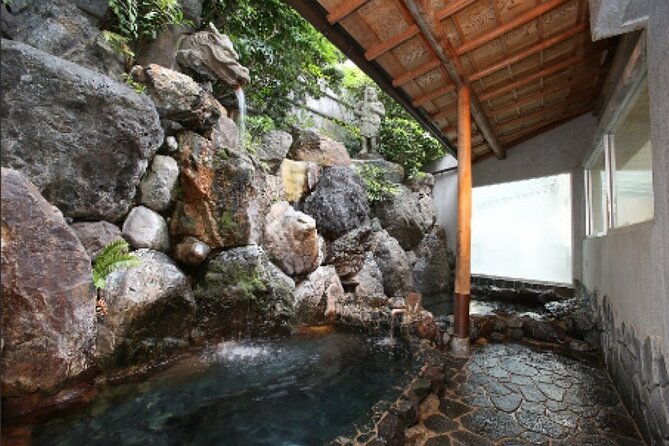
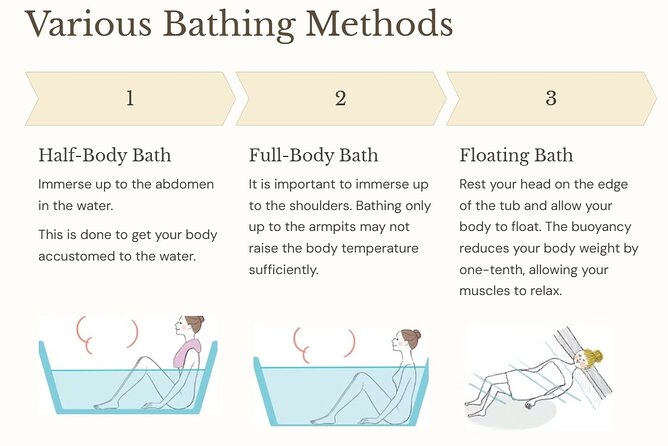
Funaoka Onsen is where the experience turns into the main event. Plan on about 1 hour at the bathhouse. Before you enter, your guide uses materials to explain unique bathing methods and the correct flow.
That part is one of the most praised aspects of the whole experience. The instruction comes first, then you try it. That sequence matters. It removes the guesswork, especially if it is your first time. You are not relying on body-language clues from strangers. You have someone guiding you through the process and watching the pace.
Also, be clear about the rules before you book or show up. This is not a swimsuit scenario. It requires nude bathing and the facilities are strictly segregated by gender. One review also notes that couples may be separated. So if you are coming as a pair and want to share the same bathing space, this is not designed for that.
What you can mentally prepare for:
- You will be briefed on the bathing steps first.
- Then you will practice the method yourself.
- The goal is relaxation, but you still follow the etiquette so the communal space stays comfortable for everyone.
If you tend to overthink, this is a good match. Several reviews highlight that the guidance helped ease anxiety about doing it wrong, so you can focus on the actual soothing part.
Nude, privacy, and couple expectations
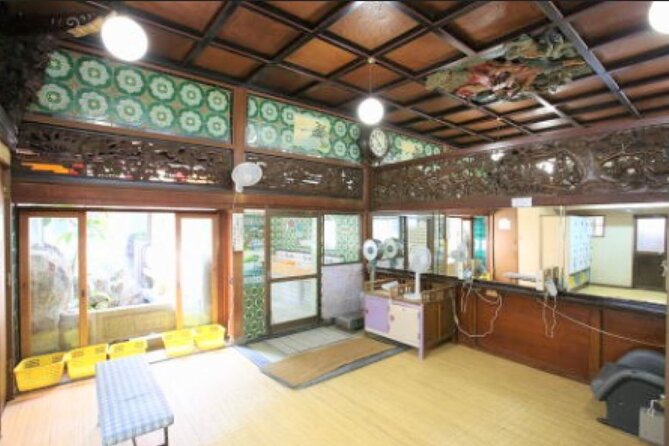
Let’s talk about the elephant in the room, plainly. This onsen experience uses nude bathing, and it is not optional. That can be uncomfortable for some people, especially if you have social anxiety, a body image concern, or you simply dislike nudity in any context.
The good news is that the bathhouse is gender-separated, which provides privacy within your group. The less-good news, based on the feedback you will see, is that couples may not stay together in the same spaces.
So here is how I’d decide:
- If you can handle nude bathing for an hour and you do not need to share the bathing area with your partner, you will likely feel more at ease than you expect.
- If you are hoping for a mixed-gender soak or a shared couples experience, set that expectation now. This is built on traditional bathing customs, and those customs run on separation.
If you are unsure, the best move is to read the rules carefully before you go, so you are not negotiating the vibe once you are already there.
A few more Kyoto days to weigh up
- Mt. Fuji, Hakone Private Tour from Tokyo – Onsen, Arts and Nature
★ 5.0 · 79 reviews - Tokyo: Mount Fuji 5th Station & Onsen Day Trip
★ 4.3 · 75 reviews - Private Nagano 1-Day Tour:Snow Monkeys,Zenko-ji,Obuse,Sake,Onsen
★ 5.0 · 71 reviews - Tokyo: Mt Takao Tour with Ramen and Tattoo-Okay Hot Spring
★ 5.0 · 69 reviews
Timing, pacing, and the small-group advantage
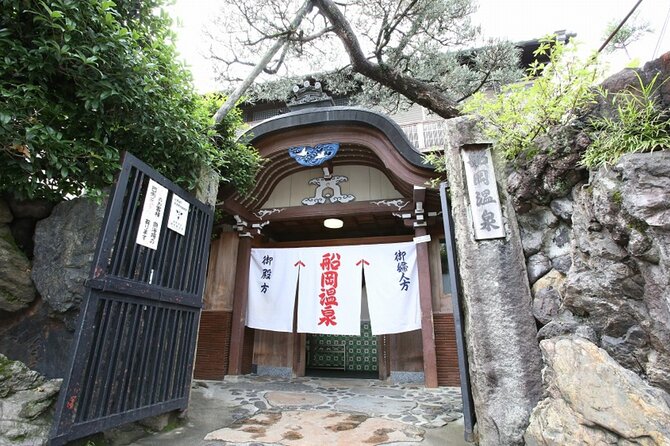
The total experience runs about 1 hour 30 minutes. That is a sweet spot. It is long enough to feel like you did something real and not just collected a few facts. It is short enough that it does not wreck your day of temple stops.
You also get a small group, with a maximum of 5 people. That size is a practical advantage. In many guided cultural activities, you spend more time listening than interacting. Here, with fewer people, it is easier to ask about what you are seeing and what to do next. You can also adjust your comfort level without feeling like you are holding up a large crowd.
Your guide is local and is not very strong in English. That is another practical point. Do not expect a polished, vocabulary-heavy lecture. Instead, expect clear demonstration and step-by-step guidance.
My suggestion for language limitations:
- Go in ready to follow actions and simple explanations.
- Use questions if you can, but also watch closely.
- If you are a non-native Japanese speaker, this kind of guided routine usually works well because the steps are physical.
Price in context: what $45.72 buys you
The price is listed at $45.72 per person. On paper, that can sound like a lot for 1.5 hours. In Japan, though, what you are paying for is not only access to a bathhouse. You are paying for guided instruction, cultural context, and tickets included for both stops.
Here is how the value holds up:
- Tickets are included for the Sarasa Nishijin stop and the Funaoka Onsen stop.
- You get a pre-bath lecture plus the on-site guidance during the bathing method.
- You receive a take-home guide for proper bathing techniques, which is useful beyond this single visit.
If you are a first-timer to sento or onsen etiquette, the guidance can be worth more than the cost. The biggest downside of trying on your own is the risk of fumbling etiquette and feeling self-conscious. This tour reduces that risk by giving you the steps before you enter.
One note: the tour is often booked about 34 days in advance, on average. If you want a specific time window, do not wait until the last minute. Popular onsen-adjacent experiences can disappear quickly.
Who this tour fits best (and who should skip)
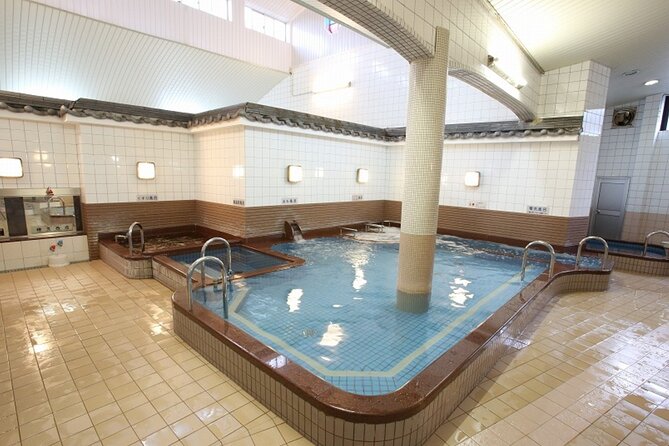
This is for people who want something more grounded than a checklist of landmarks. If you care about wellness, mindfulness, and local traditions, you are going to appreciate the structure. The experience is calm by nature, and the etiquette lesson makes it feel respectful instead of awkward.
It is also a good fit if you like learning cultural practices through real settings. Starting at a bathhouse-turned cafe and then going to a preserved bathhouse is a smart way to connect the dots.
It may not be right for everyone, though. You should avoid participating if you have medical contraindications for hot springs, including severe heart or lung diseases, recent gastrointestinal bleeding, advanced malignant tumors, or severe anemia. You also should not join if you feel unwell the day of the experience, have a fever, or have consumed alcohol. If a doctor has advised against it, you should follow that advice.
So if you are making a decision, it helps to ask yourself:
- Do I feel healthy enough for a hot bath?
- Can I handle nude bathing for about an hour?
- Am I okay with gender separation and the possibility that couples may not share the same space?
If those answers are yes, you should be in the right lane.
Guide experience: Atsuki and the teaching style
The guide for the experience is a local Japanese specialist, and the name that comes up clearly is Atsuki. Several comments praise how well the routine is explained and how supportive the guide is through the bathhouse steps.
Atsuki’s teaching style is practical. The tour uses materials to lecture on unique bathing methods, then guides you as you try the bathing approach yourself. Reviews also highlight that this particular onsen has an interesting background, including how founders competed with traditional geothermal onsen. Even if you only catch parts of the story because of language, the key takeaway is still there, how the onsen fits into Kyoto bathing culture.
One small caution: since the guide is not very good at English, you may want to go in with patience. The experience works best when you let the demonstrations do the heavy lifting.
Practical etiquette tips to help you feel at ease
The tour teaches proper techniques and bathing do’s and don’ts, so you will get guidance. Still, here are a few practical mindset tips that line up with how this kind of guided onsen experience works:
- Treat the first briefing as your game plan. Memorize the sequence more than the words.
- Expect a learning curve. Even if the etiquette seems strict, the goal is comfort for everyone.
- Keep your focus on relaxation once the steps are clear. Several comments emphasize that the guidance removes anxiety, which lets the soaking work its magic.
- Dress for convenience. Since you will be changing and moving through a bathhouse routine, wear easy clothes you can handle quickly.
Also, remember that this is a communal cultural space. Your behavior matters, even when you are simply relaxing. That is part of the point of the etiquette lesson.
Should you book this Funaoka Onsen bathing culture tour?
If you want an onsen experience that feels understandable, respectful, and not overly stressful, this is a strong choice. The biggest reason is the instruction first, bath second approach. It turns a potentially awkward first visit into a guided routine where you know what to do.
Book it if:
- You want real Japanese bathing etiquette explained before you try it.
- You prefer a small group setting.
- You are comfortable with nude bathing and gender separation.
Skip or reconsider if:
- You cannot participate in hot spring bathing for medical reasons.
- Nudity or separation rules would make you uneasy enough that you cannot relax.
For most people who are curious about Japanese bathing culture, the combination of Sarasa Nishijin’s bathhouse-cafe intro and the Funaoka Onsen guided soak is a smart use of time in Kyoto.
FAQ
How long is the tour?
The experience lasts about 1 hour 30 minutes in total, with around 15 minutes at the first stop and about 1 hour at Funaoka Onsen.
Where does the tour start and end?
It starts at Funaoka Onsen, 82-1 Murasakino Minamifunaokachō, Kita Ward, Kyoto, 603-8225, Japan, and it ends back at the same meeting point.
What is the price per person?
The price is $45.72 per person.
Are admission tickets included?
Yes. Admission tickets are included for Sarasa Nishijin and Funaoka Onsen.
What should I know about bathing rules?
The experience involves nude bathing. Bathing facilities are segregated by gender.
Is the group size large?
No. The tour has a maximum of 5 travelers.
Who should not participate?
You should not join if you have contraindications for hot spring use, such as severe heart or lung diseases, recent gastrointestinal bleeding, advanced malignant tumors, or severe anemia. You should also avoid joining if you feel unwell, have a fever, or have consumed alcohol. If a doctor advises against it, you must refrain.
Do I need to speak English?
Not necessarily. The guide is a local Japanese guide and is not very good at English, but the tour is designed around explanation and step-by-step guidance.
Can I cancel for a refund?
Yes. You can cancel for a full refund if you cancel at least 24 hours in advance of the experience start time. If you cancel less than 24 hours before, the amount paid is not refunded.
Newly listed around Kyoto
- Gion Night Walking Tour★ 5.0 · 142 reviews
- Kyoto: Descending Arashiyama (Private)★ 5.0 · 24 reviews
- Private Art Sushi Roll Class in Kyoto★ 5.0 · 13 reviews
- Start from Kyoto Station: Early Morning E-Bike Tour with Kyotoite★ 5.0 · 15 reviews
- Kyoto Private Tour with Customized Itinerary★ 5.0 · 7 reviews
- Osaka Day Trip from Kyoto with a Local: Private & Personalized★ 4.0 · 6 reviews
- Nara Day Trip from Kyoto with a Licensed Guide★ 4.5 · 6 reviews
- Kyoto Private Photo Shoot & Tour by SnapKyoto★ 5.0 · 41 reviews
Hot Spring Baths, compared.
Himeji Castle, Arima Onsen & Mt. Rokko Day Tour
Read our review →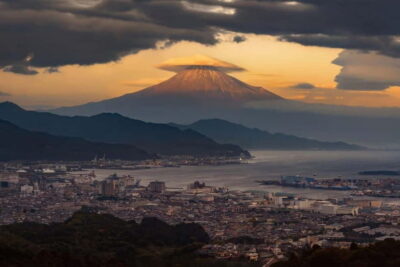
Private Tour to Fuji/Hakone – Onsen, Art, Nature
Read our review →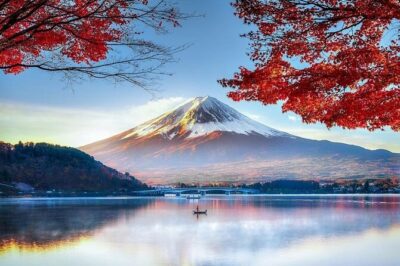
Mt. Fuji, Hakone Private Tour from Tokyo – Onsen, Arts and Nature
Read our review →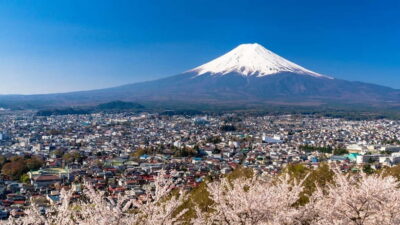
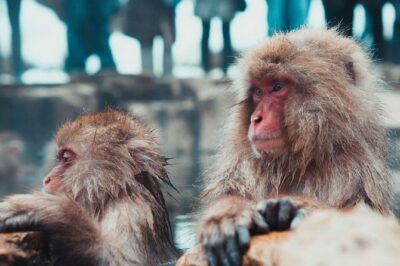
Private Nagano 1-Day Tour:Snow Monkeys,Zenko-ji,Obuse,Sake,Onsen
Read our review →
Mt Takao Tour with Ramen and Tattoo-Okay Hot Spring
Read our review →![[Seasonal Limited] Mt. Fuji 5th Station &Hot Spring Day Tour](https://pic3.japaneseguides.com/wp-content/uploads/seasonal-limited-mt-fuji-5th-station-hot-spring-day-tour-400x225.jpg)
[Seasonal Limited] Mt. Fuji 5th Station &Hot Spring Day Tour
Read our review →
Browse the lists this tour appears in