
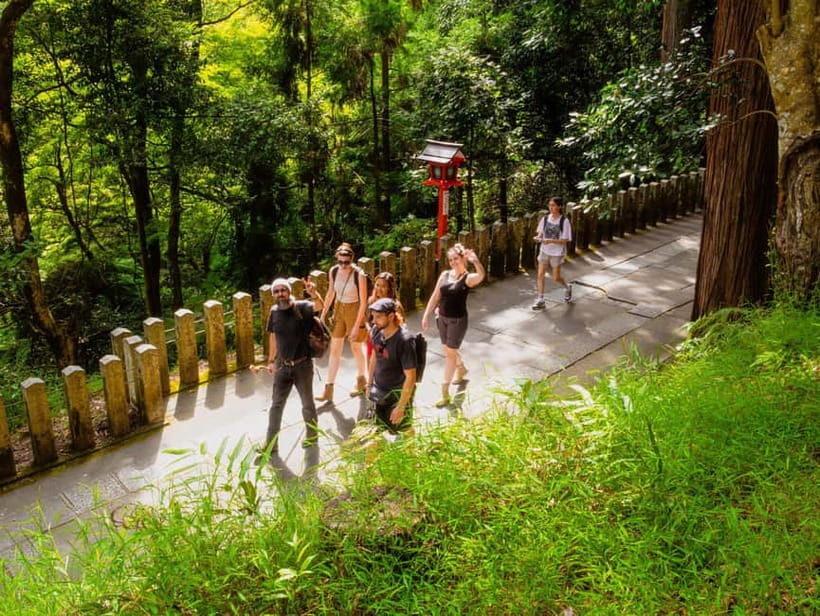
Review · HOT SPRING BATHS
Kyoto: Hike and Hot Springs in Kurama
Kurama feels like a secret Kyoto reset. You start with a scenic train ride into the hills, then hike through a cedar forest to the Kurama Temple mountaintop, where legends and big valley views do the heavy lifting. This is the kind of day that feels energizing first, then quietly spiritual when you slow down.
I really like the pacing for a 4-hour trip: you get meaningful stops, not just walking for walking’s sake. The best finish is the Kurama Hot Spring, where your legs get to un-stiffen after the climb. The main drawback to plan for is that the stairs to the top are a real effort, and this isn’t set up for people with limited mobility or those who don’t have hiking experience.
In This Review
- Key takeaways before you go
- From Demachiyanangi Station to the mountains: why the ride matters
- Kibune shrine stop: a short culture moment with a specific intention
- The hike up Kurama: cedar air, steady steps, and where the views show up
- Kurama Temple at the top: the “power spot” feeling and the view reward
- Kurama village after the hike: lunch, stroll time, and choosing your next step
- Kurama Hot Spring at the end: why you should budget time and extra fees
- Price and value: how $80 makes sense for a focused half-day
- Who this Kurama hike suits best (and who should skip it)
- Should you book Kyoto: Hike and Hot Springs in Kurama?
- FAQ
- Where does the Kyoto hike start?
- How long is the tour, and how long is the climb to the top?
- Is lunch included?
- Are the hot springs included in the price?
- What should I bring?
- Is this tour suitable for everyone?
Key takeaways before you go
- Mountain train ride through the gorge area: a calm lead-in so you arrive in the right mood for hiking.
- Kibune shrine prayer moment: a clear, cultural stop focused on good relationships.
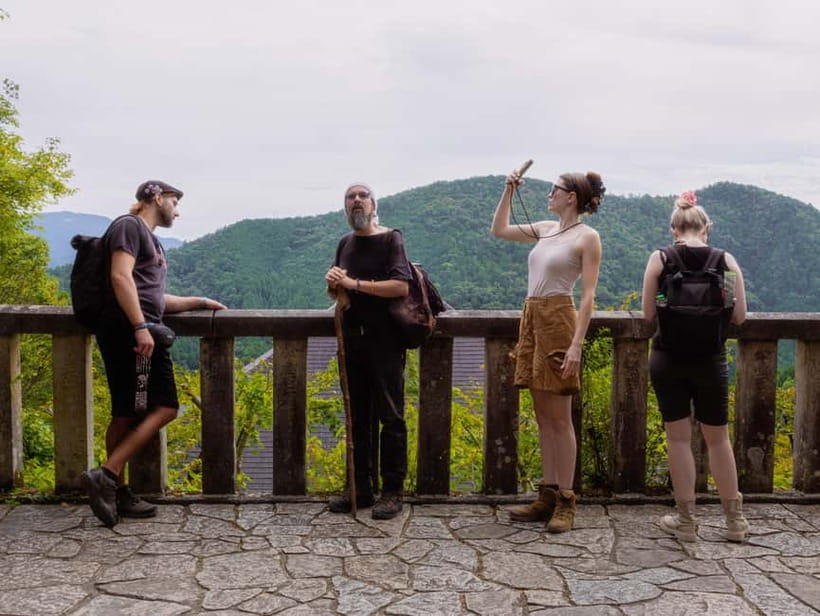
- Kurama Temple on the mountaintop: famous views, plus “power spot” energy locals talk about.
- Moderate hike, built around 30 to 40 minutes to the peak: you should be comfortable with steady climbing.
- Kurama village as your payoff zone: easy transition to lunch, a stroll, or straight to the onsen.
From Demachiyanangi Station to the mountains: why the ride matters
This tour starts at Demachiyanangi Station exit 7, in front of the Eizan railway in Kyoto. That matters because you’re not just meeting “nearby.” You’re dropping straight into the local rail network, heading out from the city before your shoes even hit the trail.
Once you leave Kyoto, the mood changes fast. The ride runs through mountainous country, and you can feel the day going from traffic noise to quiet air. It’s also a smart way to save energy. Instead of spending your morning navigating buses and transfers, you let the train do the first leg while you get oriented to the terrain you’ll be walking.
I also like that the day is built around a half-day format. You still get the classic Kyoto combo of shrine and nature, but you’re back with enough time to eat, soak, or simply decompress.
More Hot Spring baths in Kyoto:
- From Osaka: Himeji Castle, Arima Onsen & Mt. Rokko Day Tour
★ 4.6 · 339 reviews - From Tokyo: Private Tour to Fuji/Hakone – Onsen, Art, Nature
★ 5.0 · 116 reviews - Mt. Fuji, Hakone Private Tour from Tokyo – Onsen, Arts and Nature
★ 5.0 · 79 reviews
Kibune shrine stop: a short culture moment with a specific intention
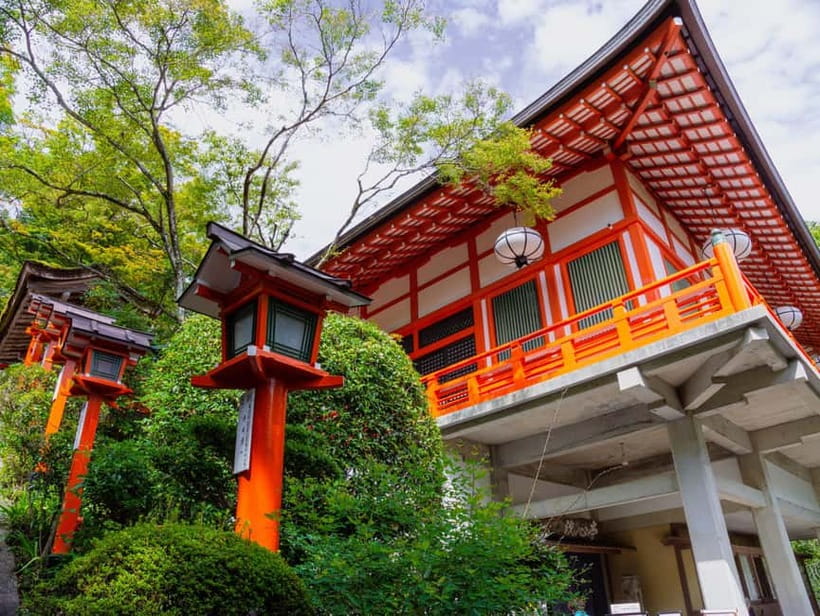
After you’re moving into the hiking course, there’s a visit to Kibune shrine. This isn’t a long temple detour that steals your hike time. It’s a focused stop tied to making a prayer for good relationships.
That intention is a big part of why the day feels different from a standard walk in the woods. You’re not just passing cultural sites. You’re doing something specific, and then continuing onward into nature with a clear mental shift.
One practical note: shrines reward calm. Go in thinking slow down for a minute, not rush to the next photo. Even if you don’t know every detail of the rituals, the experience still lands because it’s simple, personal, and time-respectful.
The hike up Kurama: cedar air, steady steps, and where the views show up
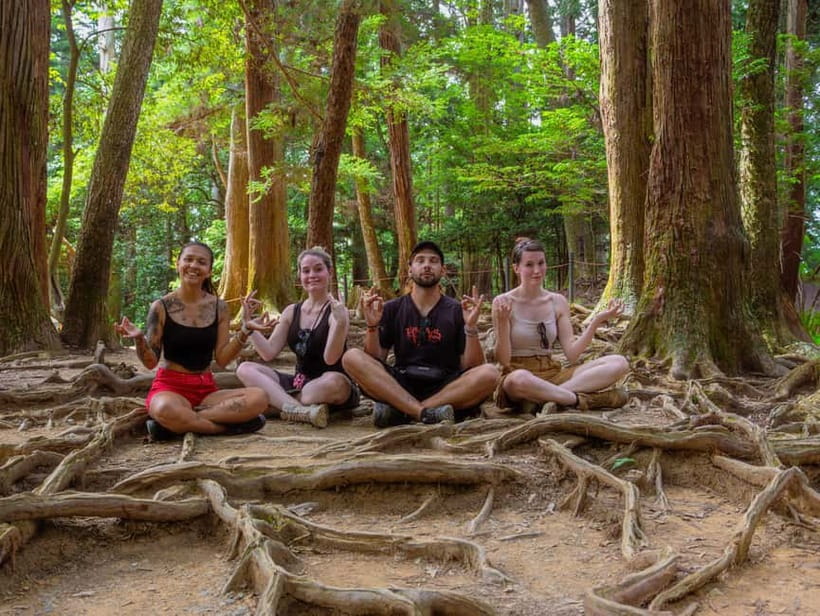
The main climb is to Kurama Mountain, and you reach the peak within about 30 to 40 minutes once you start up the steps. That time window is helpful because it tells you the effort is concentrated. You’re not committing to hours of continuous ascent.
The trail follows an ancient forest feel, with tall cedar trees and a setting that reads as more rural than central Kyoto. You’ll make plenty of stops along the way. The guide uses those breaks for scenery pauses and story moments, so the hike stays engaging even when your legs are working.
If you’re wondering what “moderate” means here, take it seriously. The instructions recommend a decent level of fitness, and the best preparation is straightforward:
- Comfortable shoes you trust on stone steps
- Water, since you’re climbing and you’ll be out for most of the half-day
- Long pants, especially if you want to limit bug bites
Also, this isn’t presented as a stroller-friendly or fully accessible outing. It’s a stair-and-trail hike, and the temple at the top is reached by climbing. If you’re comfortable with that rhythm, you’ll enjoy it. If stairs are a deal breaker, you’ll feel it fast.
Kurama Temple at the top: the “power spot” feeling and the view reward
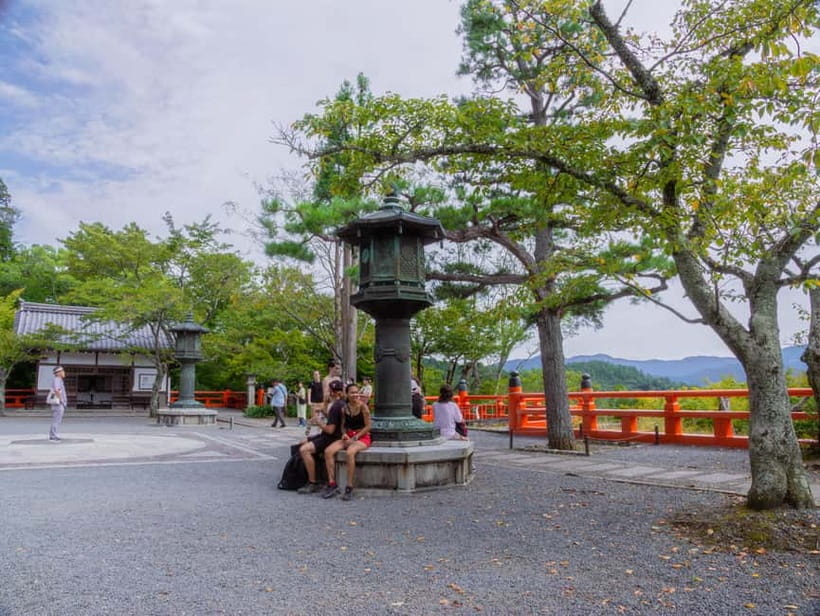
When you reach the summit, you visit Kurama Temple, a place locals describe as a power spot. The idea here is less about trying to force a spiritual moment, and more about giving yourself time in a setting that feels old and meaningful.
From the temple area, the views are a major part of why the climb is worth it. You get the valley below and a sense of separation from the city. Even if the sky is cloudy, the stillness of the mountaintop area does something that feels rare in Kyoto’s busier streets.
One of the most interesting details from guide-led visits is that some groups get access to deeper temple areas. In at least one experience, the guide took the group to see parts under the temple, including a crypt and a maze-like area. That may not be the case every day, but it tells you the guide is watching for opportunities to show more than the obvious front door.
Guides seem to make a noticeable difference here. In past groups, names like Philippe, Chris, Kevin, Salome, and Eric have been singled out for adding historical and cultural context, plus for adjusting pacing when the group is small or needs more time. If you want stories tied to place, this is where you’ll feel it.
A few more Kyoto days to weigh up
- Private Nagano 1-Day Tour:Snow Monkeys,Zenko-ji,Obuse,Sake,Onsen
★ 5.0 · 71 reviews - Tokyo: Mt Takao Tour with Ramen and Tattoo-Okay Hot Spring
★ 5.0 · 69 reviews - [Seasonal Limited] Mt. Fuji 5th Station &Hot Spring Day Tour
★ 4.5 · 53 reviews - Osaka: Solaniwa Onsen Hot Spring Visit
★ 4.6 · 51 reviews
Kurama village after the hike: lunch, stroll time, and choosing your next step
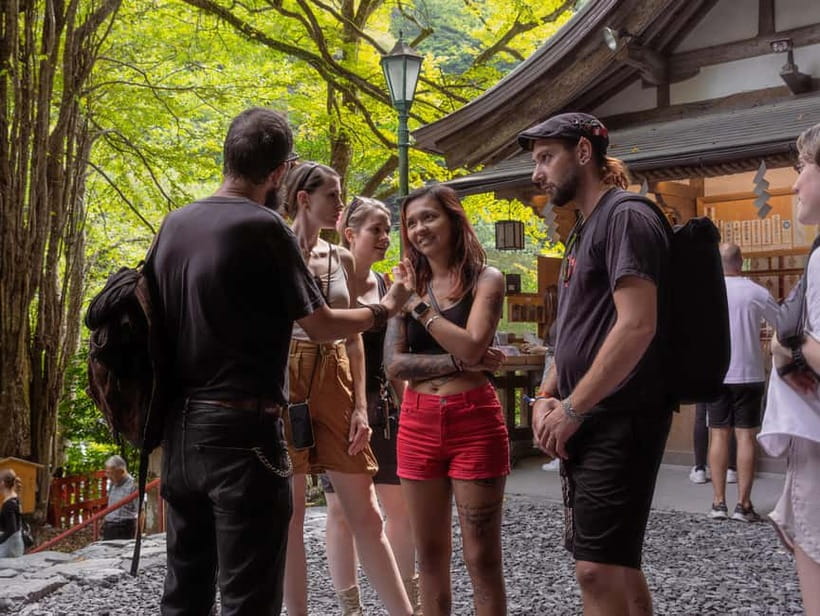
After the temple visit, you descend back toward Kurama village. This part matters because it changes the tone again. The climb is effort and focus; the village is recovery and choice.
At the end of the tour, you’re guided through options such as:
- Eating lunch in the village
- Taking time to stroll
- Choosing to soak at the Kurama Hot Spring
- Using the train journey back to town
This “decide what kind of tired you are” approach is practical. If you want a casual late lunch and a slow walk, you can do that. If you’d rather be proactive, you can head toward the hot spring quickly so the soak timing works with your energy levels.
Also, don’t plan to treat Kurama as a quick stop. Even within a half-day, the village is the buffer zone that keeps the tour from turning into pure exertion.
Kurama Hot Spring at the end: why you should budget time and extra fees
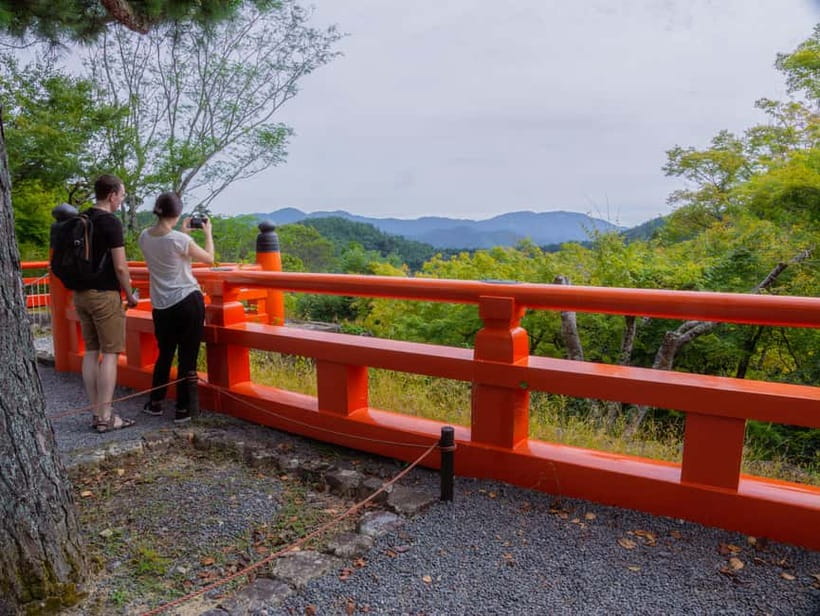
The hot spring bath is optional but strongly encouraged in the way the day is shaped. The reason is simple: you hike stairs and steps, and your body wants warmth after.
The Kurama Hot Spring is known for outdoor bath views, meaning you get to soak while looking out at the mountain setting rather than staring at a wall. That contrast is what makes the end feel restorative instead of routine.
Two practical things to know:
- The hot springs fee is not included
- You’ll want to plan for the onsen as part of your half-day timing, even though the main hike is already “done”
If you’re deciding whether to add the onsen, my advice is to treat it as part of the value. This tour isn’t only about reaching the temple. It’s about moving through nature, then resetting with one of Japan’s most classic recovery tools.
Price and value: how $80 makes sense for a focused half-day
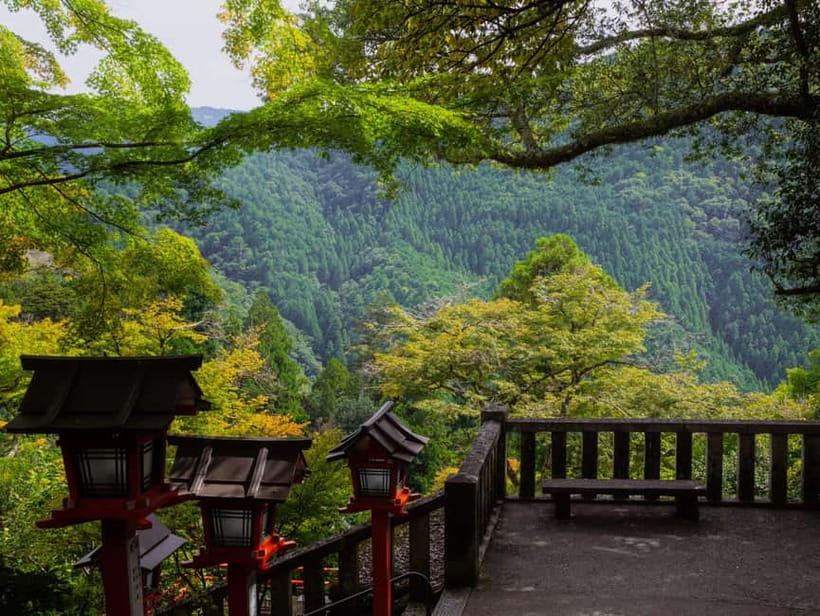
At $80 per person for a 4-hour experience, the price can seem “market average” at first glance. But here’s where the value shows up.
You’re paying for three things that are hard to replicate on your own without extra work:
- A guide to manage the route and explain what you’re seeing, including shrine and temple context.
- Temple admission included for the stop you make at the mountaintop.
- Transportation included as part of the day, so you’re not piecing together multiple segments during limited time.
Lunch is not included, and the onsen fee is extra, but that’s also part of the flexibility. You can pick what you want to eat in the village, and you can decide on the soak based on how your body feels.
In other words, the base price buys you the structured half-day reset: city to mountains, prayer stop, temple payoff, then a guided transition back into Kurama.
Who this Kurama hike suits best (and who should skip it)
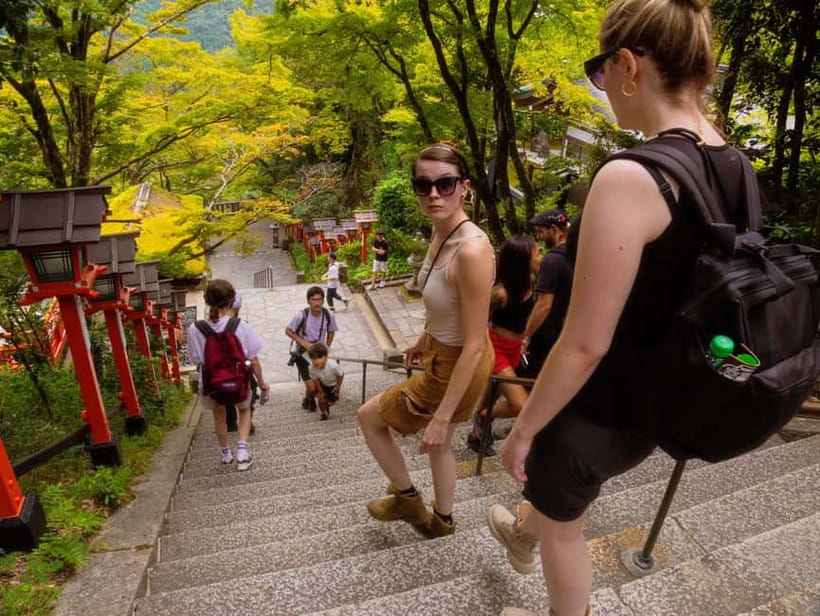
This outing fits people who want a half-day escape from central Kyoto without giving up meaningful culture stops.
You’ll likely love it if you:
- Can handle stair climbing to the mountaintop within about 30 to 40 minutes
- Prefer nature plus shrines in one tight schedule
- Enjoy guided stories about legends and local beliefs, not just sightseeing
- Want a day that leaves you refreshed enough for dinner back in the city
You should reconsider if you:
- Need wheelchair accessibility or have mobility impairments
- Are traveling with children under 11
- Don’t have hiking experience
- Don’t feel comfortable with long pants and outdoor walking in areas where bugs might be present
One more note: heat makes stairs harder. If you’re going in warmer weather, take the water seriously and pace yourself like the guide will.
Should you book Kyoto: Hike and Hot Springs in Kurama?
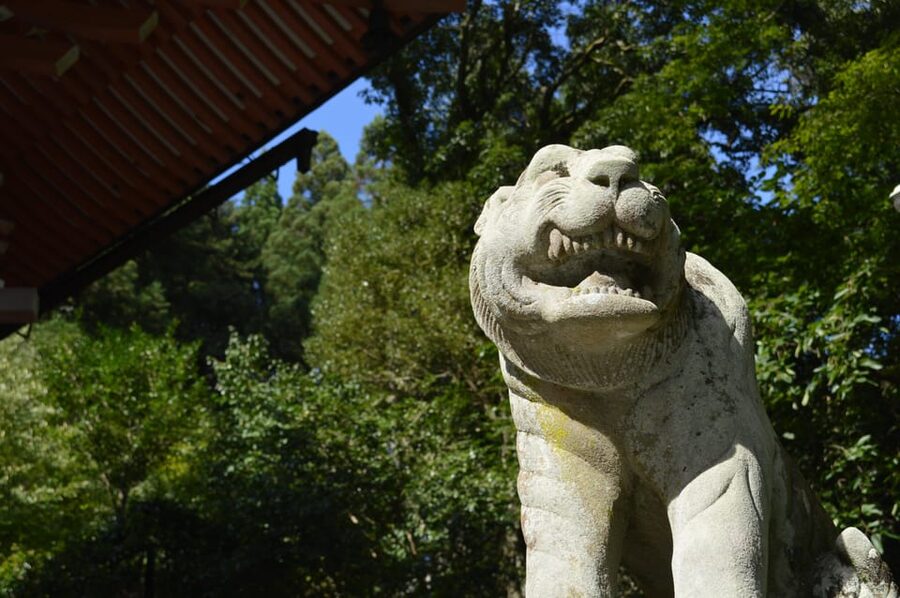
If your goal is a true Kyoto change of scenery in under half a day, I’d book it. You get the mountain train intro, Kibune’s relationship-focused prayer stop, a real climb to Kurama Temple, and then a chance to end with a mountain-view onsen.
The only reason to skip is if the physical side is not your style. This is not a casual stroll. It’s a short but sincere hike with stairs, and the reward is strongest when you can meet that effort level.
If that sounds like your kind of day, reserve your spot and plan to wear supportive shoes and bring water. Add the hot spring if you want the “body reset” that makes this experience feel complete.
FAQ
Where does the Kyoto hike start?
The meeting point is Demachiyanangi Station exit 7, in front of the Eizan railway in Kyoto.
How long is the tour, and how long is the climb to the top?
The total duration is 4 hours. Climbing the steps to the top requires a moderate level of fitness and can take about 30 to 40 minutes.
Is lunch included?
No. Lunch is not included, but you will finish the tour in the Kurama village area with guidance on lunch options.
Are the hot springs included in the price?
No. The hot springs fee is not included, even though the tour ends with the option to use the Kurama Hot Spring.
What should I bring?
Bring comfortable shoes and water. Long pants are recommended to help avoid bug bites.
Is this tour suitable for everyone?
It is not suitable for children under 11, wheelchair users, people with mobility impairments, or people without hiking experience.
More Hiking & Trekking in Kyoto
- Fushimi Inari Hidden Hiking Tour (Private Option Available)
★ 5.0 · 1,750 reviews - Kyoto: 3-Hour Fushimi Inari Shrine Hidden Hiking Tour
★ 4.9 · 270 reviews - Hiroshima Local guided Hiking Tour&Open-air Tea Ceremony
★ 5.0 · 213 reviews - Hiking the Historic Nakasendo Trail [1 Day Tour from Nagoya]
★ 5.0 · 104 reviews
Newly listed around Kyoto
- Half Day Matcha Tour in Uji, home of culture, with a local★ 4.8 · 14 reviews
- Making Fresh To-fu from soybeans in Kyoto★ 5.0 · 8 reviews
- Let’s make only one original onigawara in the world!!★ 4.9 · 21 reviews
- Kyoto:Private Tour/Luxury Vehicle with Guide & photographer★ 4.8 · 35 reviews
- Kyoto/Osaka: Kyoto Coast, Amanohashidate & Ine Bay Day Trip★ 4.4 · 7 reviews
- Kyoto/Osaka: Kyoto and Nara World Heritage Day Tour★ 4.5 · 12 reviews
- Kyoto/Osaka: Kobe & Himeji Journey Through Culture & History★ 3.7 · 18 reviews
- kyoto:Experience creating one-of-a-kind special fragrances★ 4.8 · 8 reviews
Hot Spring Baths, compared.
Himeji Castle, Arima Onsen & Mt. Rokko Day Tour
Read our review →
Private Tour to Fuji/Hakone – Onsen, Art, Nature
Read our review →
Mt. Fuji, Hakone Private Tour from Tokyo – Onsen, Arts and Nature
Read our review →
Private Nagano 1-Day Tour:Snow Monkeys,Zenko-ji,Obuse,Sake,Onsen
Read our review →
Mt Takao Tour with Ramen and Tattoo-Okay Hot Spring
Read our review →![[Seasonal Limited] Mt. Fuji 5th Station &Hot Spring Day Tour](https://pic3.japaneseguides.com/wp-content/uploads/seasonal-limited-mt-fuji-5th-station-hot-spring-day-tour-400x225.jpg)
[Seasonal Limited] Mt. Fuji 5th Station &Hot Spring Day Tour
Read our review →
Mt. Aso Volcano & Kurokawa Onsen Scenic Day Tour
Read our review →Browse the lists this tour appears in