
Review · BULLET TRAIN JOURNEYS
Hakone and Kamakura: 3-day Rail Pass
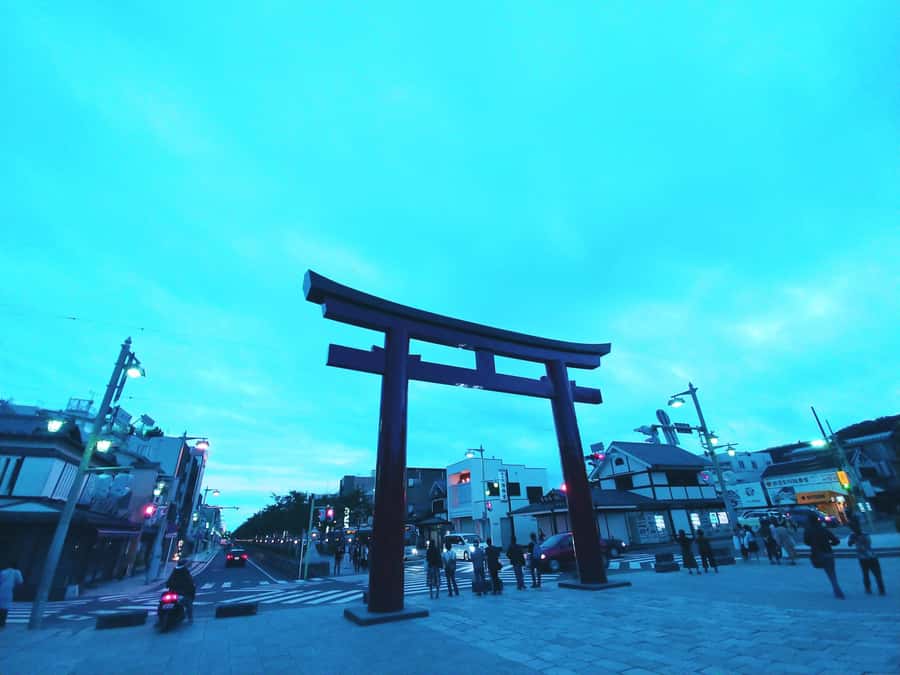
Hakone and Kamakura feel different when you ride. This pass is interesting because it lets you stitch together Hakone and Kamakura with one ticket, so you can move between volcano views, lake scenery, temples, and coastal rides without doing constant fare math. I especially like the way the pass bundles big-ticket Hakone transportation (train, cable car, ropeway, and sightseeing cruise) into one price. I also like the freedom to design your own days around Mount Fuji views and shrine-and-temple time. The main drawback to plan for is logistics, the Shinjuku voucher exchange can be tricky to find, and bad weather can temporarily shut down Hakone set pieces like the ropeway or the lake cruise.
In practical terms, you get a 36-hour style rail pass with a 3-day validity window from your first activation. Before you get excited, read the fine print: it is only for non-Japanese passport holders, the pass is only valid for the person whose name is printed on it, and you’ll need to carry and show ID if staff ask.
At $54 per person, the value can be excellent if you actually use the Hakone machinery, not just one train ride. One thing to watch: this pass does not cover the limited express Romance Car fare, and it does not include Izu Hakone Bus. In other words, you can save money, but you still need to choose your route smartly.
In This Review
- Key things to know before you buy
- Price and value: why this pass can be a smart move
- Where this pass works (and where it won’t)
- Shinjuku voucher exchange: the one step that can make or break your day
- The big Hakone loop: using the included rail, cable, ropeway, and cruise
- How Owakudani fits in
- Lake Ashinoko (Lake Ashi) and the sightseeing cruise
- A practical 3-day game plan (built around the included rides)
- Day 1: Shinjuku, Hakone-Yumoto area, and the viewpoint climb
- Day 2: Lake Ashi views, plus time for Hakone Open-air Museum
- Day 3: Kamakura by Enoden, temples, and coastal wandering
- Money-saving math you can actually do
- Discounts at 90-plus facilities: how to use them without wasting time
- Common gotchas and how to avoid them
- Who this pass suits best
- Should you book this Hakone and Kamakura Rail Pass?
- FAQ
- Is this pass refundable?
- Who is eligible to use the pass?
- Where do I exchange my voucher?
- What are the service center hours?
- How long is the pass valid?
- What transportation is included in Hakone?
- Is Enoden included?
- What is not included?
- Is it wheelchair accessible?
Key things to know before you buy
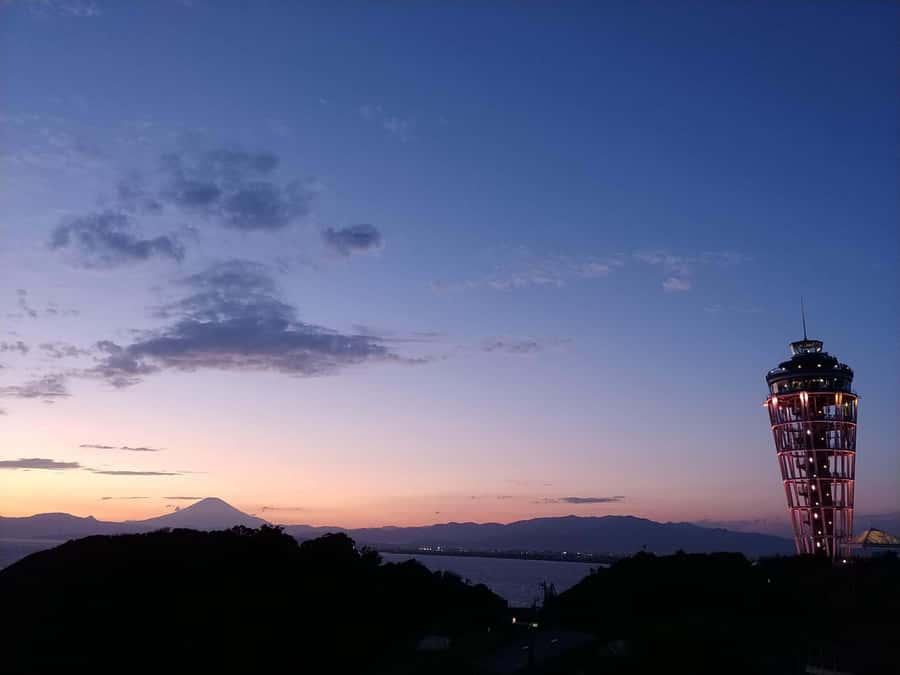
- Hakone and Kamakura coverage with one pass: Odakyu Lines across both areas plus unlimited Enoden rides.
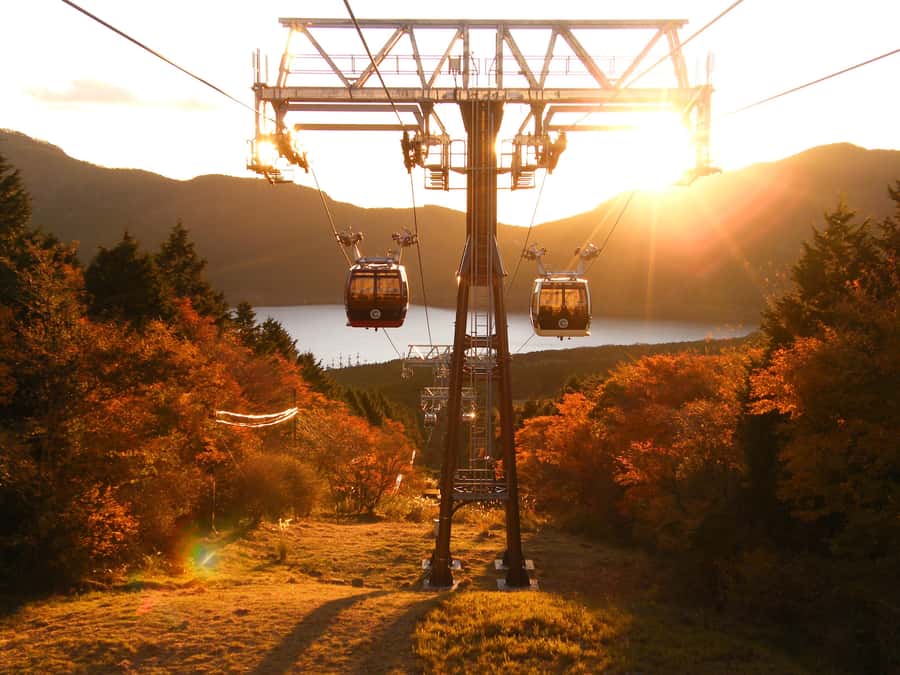
- Multiple Hakone transport modes included: Tozan train, cable car, ropeway, sightseeing cruise, and designated bus routes.
- Discounts at 90-plus facilities: Useful if you plan to pay for museum and sightseeing add-ons.
- You control the pace: No fixed group schedule, you simply ride within the covered network.
- The Shinjuku exchange office is the stress point: If you arrive unprepared, redemption can feel harder than it should.
- Weather matters in Hakone: Strong winds can stop the ropeway and the Lake Ashi cruise.
Price and value: why this pass can be a smart move
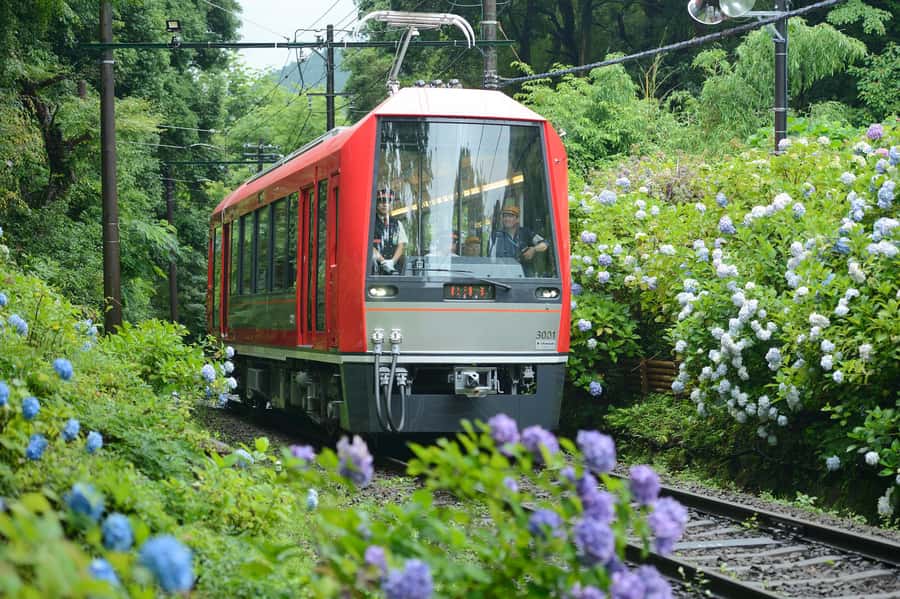
A rail pass only feels worth it when you use the expensive legs. This one targets the exact places that tend to rack up costs fast in Hakone: the ropeway connection toward Owakudani, the lake cruise on Lake Ashi, plus the train and cable car shuttles that stitch the views together.
At $54 for 3 days, you are basically paying for convenience plus coverage. If you try to do Hakone the usual way, you will often buy separate tickets for the ropeway and the cruise, then pay again for other connections. One detailed review described costs like roughly $25 round trip for the ropeway and roughly $25 round trip for the boat, plus other legs. Even if your exact totals are different, the pattern holds: the pass gets interesting when you plan to ride more than one standout attraction in the Hakone loop.
There are two ways to decide fast:
- If you want Owakudani and Lake Ashi as more than scenery from a distance, this is the style of ticket that helps.
- If you plan to keep Hakone simple and mostly stay in one town, you might not use enough covered transportation to justify the price.
A few more Bullet Train journeys around Hakone:
- Mt Fuji and Hakone 1-Day Bus Tour Return by Bullet Train
★ 5.0 · 26,383 reviews - Mt Fuji & Hakone Cruise, Drum Show Bullet Train 1 Day from Tokyo
★ 4.0 · 7,413 reviews - Tokyo Mt Fuji 5th St & Hakone Cruise Bus Tour w/Bullet Train
★ 4.4 · 5,024 reviews
Where this pass works (and where it won’t)
Think of the pass as covering a particular transportation family, not every bus and train in the region.
Covered in Hakone and Kamakura:
- All Odakyu Lines throughout the Hakone and Kamakura areas
- Unlimited rides on Enoden Lines
- Hakone Tozan Train
- Hakone Tozan Cable Car
- Hakone Ropeway
- Hakone Sightseeing Cruise
- Several bus services, but only within designated areas
Also included are the KANKO SHISETSU-MEGURI bus for tourist attraction sightseeing, plus Hakone Tozan Bus, Odakyu Hakone Highway Bus, and Tokai Bus, each limited to designated areas.
Not included:
- The limited express Romance Car fare
- Izu Hakone Bus
Practical takeaway for your planning: you do not need to avoid Hakone rail lines in general. You just need to avoid assuming every popular line is automatically covered. Stick to the Odakyu network for the big moves, then use Hakone’s included ropeway and lake cruise to connect viewpoints.
Shinjuku voucher exchange: the one step that can make or break your day
Most travel friction with this kind of pass happens before you ever ride a train.
Your voucher needs to be exchanged at the Odakyu Sightseeing Service Center, Shinjuku West. It is located on the B1 floor of Odakyu Line Shinjuku Station West Exit, in front of the ticket gate. Hours are 8:00 AM to 6:00 PM.
Here’s the key advice: do not treat this like a quick formality. One review specifically warned that finding the correct Visitor Sightseeing Service Center at Shinjuku West was the hardest part by far. If you show up late, confused, or with unclear directions, you can burn your first morning.
My recommendation:
- Confirm you know exactly where Shinjuku West Exit is in the station before you go.
- Aim to exchange early, not after you already feel behind schedule.
- Keep your passport or ID ready, since you may need ID checks when staff request it.
Once you solve the exchange step, the rest is mostly about straightforward riding.
The big Hakone loop: using the included rail, cable, ropeway, and cruise
If you want a mental picture, think of Hakone as a series of view upgrades. Each mode of transport turns a different angle toward Owakudani and Lake Ashi, and on clear days you can also get those Mount Fuji views.
A few more Hakone days to weigh up
- Tokyo: Mt. Fuji Tour, Hakone Ropeway, Owakudani, Lake Ashi
★ 4.7 · 4,002 reviews - Tokyo: Mt. Fuji 5th Station & Hakone Cruise 1-Day Bus Tour
★ 4.2 · 2,381 reviews - Private Tour to Mt. Fuji and Hakone (Fully Licenced Operator)
★ 5.0 · 1,910 reviews - Mt Fuji & Hakone Cruise, Drum Show Bus 1 Day from Tokyo
★ 4.0 · 1,287 reviews
How Owakudani fits in
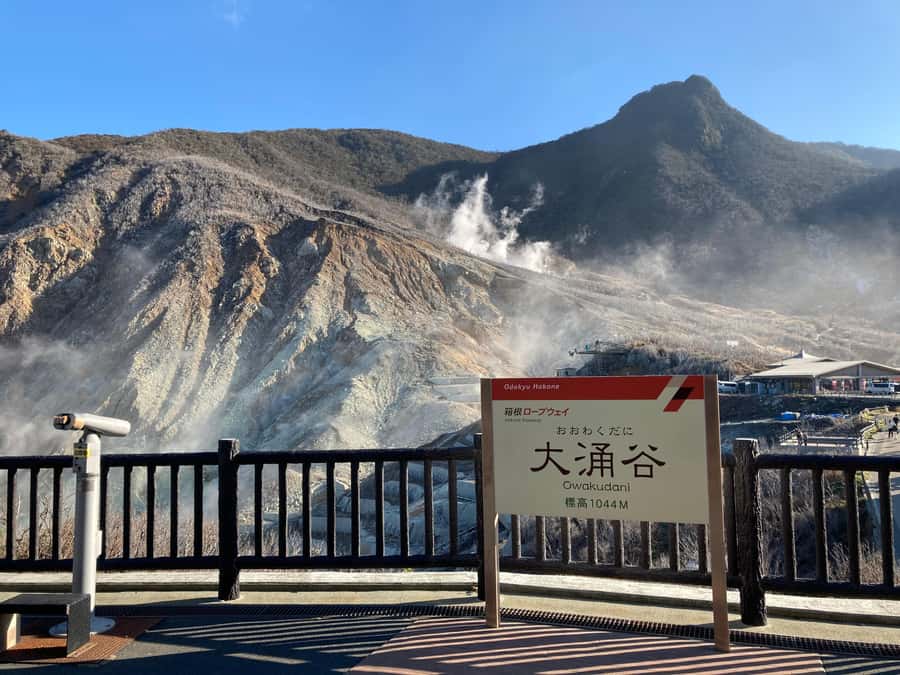
Owakudani Volcano is one of the top reasons people structure Hakone around a specific day. With this pass, you have access to it using the included Hakone Tozan transport chain. Your biggest win is that you do not have to keep paying separate tickets as you shift levels from train to cable car to ropeway.
What to expect:
- You are going up through the systems that locals and visitors use to reach the volcanic area.
- You’ll be outdoors a lot, so bring layers. Wind can be a factor here.
- When conditions are good, it feels like a real change of scenery rather than just a ride.
One caution based on real-world experience: strong winds can shut down the ropeway or delay/stop the lake cruise. If your heart is set on doing every Hakone headline in one go, give yourself a little flexibility within the 3-day window.
Lake Ashinoko (Lake Ashi) and the sightseeing cruise
After Owakudani, the lake area is where Hakone slows down. The sightseeing cruise is included, which matters because lake cruises can be pricey when you buy them separately.
What to expect:
- Big views over the water and surrounding mountains.
- A calmer break between transport legs.
- A nice moment for photos, especially when the weather cooperates.
If you hit wind, don’t assume you can force it. One review mentioned the cruise being unusable due to strong winds. It is rare that you can plan around all weather, but you can plan around the impact by not stacking every crucial view into the exact same narrow hour.
A practical 3-day game plan (built around the included rides)
This is not a rigid tour schedule. Think of it as a sequence that fits what the pass covers: Hakone highlights first, Kamakura next, with the transport modes as your backbone.
Day 1: Shinjuku, Hakone-Yumoto area, and the viewpoint climb
Start by getting yourself into Hakone using the Odakyu network. The pass covers Odakyu Lines, so you can focus on local connections rather than the Romance Car limited express, which is not included.
Once you are in the Hakone area, aim for the classic climb toward the volcanic zone:
- Use the Hakone Tozan Train and Hakone Tozan Cable Car to get positioned.
- Take the Hakone Ropeway to reach Owakudani.
Why I like this order:
- You spend your morning chasing better weather, and you tend to do viewpoint-heavy stops earlier.
- The pass inclusion is most valuable when you string these modes together in one day.
Drawback to remember:
- Wind can affect ropeway service. If conditions look sketchy, you might want a Plan B for a flexible stop closer to your base area.
Day 2: Lake Ashi views, plus time for Hakone Open-air Museum
Day 2 is where you balance motion with a proper break. Lake Ashi is your included cruise slot, and it is also a great place to slow down and just watch the scenery.
Typical flow:
- Do the Hakone Sightseeing Cruise on Lake Ashi, included with your pass.
- Spend time around the lake area for views and photos.
- Then add the Hakone Open-air Museum. It is one of the specifically mentioned inclusions/access points in the pass description.
Why this mix works:
- You get both dramatic transport moments (the cruise) and a calmer indoor/outdoor cultural stop (the museum).
- Museum time is a good weather hedge. If the forecast isn’t perfect, you’ll still have something worthwhile to do.
Small reality check:
- If the cruise is suspended due to wind, you might need to accept that your day becomes more land-based. This is exactly why the pass is useful, because you can still move around using the covered trains and cable car/ropeway as conditions allow.
Day 3: Kamakura by Enoden, temples, and coastal wandering
Kamakura is the contrast day. Instead of volcano and lake drama, you get an old samurai capital feel: temples, shrines, and bay views, plus the coastal romance of Enoden.
Your pass gives you unlimited Enoden rides, so you can ride it like a local, stopping for old-town wandering and then hopping back on when you want to cover more ground without fuss.
What to focus on:
- The bay-side scenery as you move along the coast.
- Time at old temples and shrine areas in Kamakura’s historic districts.
- Beach time where it makes sense for your route and daylight.
Why I like ending here:
- It keeps the energy from Hakone from turning into a repeat of the same type of sightseeing.
- Enoden is built for strolling days. You can ride, walk, and ride again without buying new tickets each time.
Money-saving math you can actually do
Here’s the simple way I’d run the numbers before I buy anything:
- Write down your must-dos in Hakone: Owakudani and Lake Ashi should be on the list if you are considering this pass.
- Add your museum plan: the Hakone Open-air Museum is specifically supported by the pass access/discovery angle.
- Estimate how many separate transport tickets you would otherwise pay for: ropeway and cruise are usually the expensive feels.
- Compare that to $54.
The reviews reinforce the basic logic: one person calculated that several core legs could each cost around $25 round trip when purchased separately, meaning the pass likely saves money if you use it fully. That does not guarantee it for every itinerary, but it’s a strong signal. The pass is designed for people who want to do the Hakone headline circuit, not only one or two short rides.
Then add the small extra value: special discounts at many facilities, described as over 90 sightseeing facilities. Discounts don’t always feel huge ticket-by-ticket, but they can shave costs when you stack them across days.
Discounts at 90-plus facilities: how to use them without wasting time
Discounts can be either useful or annoying depending on how you plan. Here’s the better approach:
- Before you lock in your days, skim which attractions you actually want. Then prioritize those that are likely to be on the discount list.
- Use the included transport as your spine, then plug in discounted stops around the areas you already plan to reach.
This way you are not detouring to chase a bargain. You are just paying less for the sightseeing you already want.
Common gotchas and how to avoid them
This pass is powerful, but a few practical issues can trip you up.
- It’s for non-Japanese passport holders only.
If you are not eligible, the pass won’t work for you. If you are eligible, double-check that the name on the pass matches your passport.
- You must carry and show ID.
Even though this is a transit product, staff can request ID. Keep your passport or ID card accessible rather than buried in a bag.
- You have to return the physical pass at the final station.
This is one of those rules that is easy to forget when you are moving quickly. Plan to keep the pass with your other important items until you finish the trip.
- Some buses are limited to designated areas.
If you assume every bus in Hakone is covered, you can get stuck. Use trains, cable cars, ropeways, and cruises as your main connections, and treat buses as optional fillers where they overlap your route.
- Romance Car fare is not included.
So if you’re imagining a smooth direct express from Shinjuku, build your plan around Odakyu Lines that are covered, or accept that you may pay extra for certain express segments.
Who this pass suits best
You’ll probably like this pass if:
- You want to do the main Hakone viewpoint experiences like Owakudani and Lake Ashi using included transport modes.
- You prefer flexible, self-guided travel over a group itinerary.
- You want Kamakura afterward, and you like the idea of Enoden riding along the coast.
- You’re comfortable handling a little on-the-ground logistics, especially at Shinjuku.
You might skip it if:
- Hakone is mostly a stopover for you and you plan to stay mostly in one area.
- You hate weather uncertainty and need every major attraction to be guaranteed on the calendar day.
Should you book this Hakone and Kamakura Rail Pass?
If your plan includes Owakudani and Lake Ashi, and you want to pair them with Kamakura temples and coastal Enoden time, I think this pass is a strong value buy. It is priced low enough to matter, and it is built to cover the exact transport you tend to pay extra for when you do Hakone independently.
I would only hesitate if you are arriving at Shinjuku unprepared, because the voucher exchange at the Odakyu Sightseeing Service Center Shinjuku West can feel stressful if you cannot find it quickly. If you handle that step confidently, the rest of the experience is largely about smooth riding, smart route choices, and spending your time on the views instead of ticket counters.
FAQ
Is this pass refundable?
No. The activity is non-refundable.
Who is eligible to use the pass?
It is only for non-Japanese passport holders, and it can only be used by the person whose name is written on the pass.
Where do I exchange my voucher?
Present your voucher at the Odakyu Sightseeing Service Center, Shinjuku West, located on B1 floor of Odakyu Line Shinjuku Station West Exit, in front of the ticket gate.
What are the service center hours?
The hours of operation are 8:00 AM to 6:00 PM.
How long is the pass valid?
It is valid for 3 days from your first activation, and it is described as a 36-hour pass.
What transportation is included in Hakone?
Your pass includes unlimited rides on Hakone Tozan Train, Hakone Tozan Cable Car, Hakone Ropeway, Hakone Sightseeing Cruise, plus Hakone Tozan Bus, Odakyu Hakone Highway Bus, Tokai Bus, and the KANKO SHISETSU-MEGURI bus in designated areas.
Is Enoden included?
Yes. You get unlimited rides on Enoden Lines.
What is not included?
Limited Express Romance Car fare is not included, and Izu Hakone Bus is not included.
Is it wheelchair accessible?
Yes, it is wheelchair accessible.
Newly listed around Hakone
- Hike Japan Heritage Hakone Hachiri with certified mountain guide★ 5.0 · 46 reviews
- Custom Private Tour in Hakone with a Certified Local Guide★ 5.0 · 91 reviews
- Traverse Outer Rim of Hakone Caldera and Enjoy Onsen Hiking Tour★ 5.0 · 30 reviews
- Hike Japan Heritage Hakone Hachiri (Half Day)★ 5.0 · 18 reviews
- Private Tour – Hakone Day Trip! A Tour to Explore All Must-Sees!★ 5.0 · 58 reviews
- Hike Hakone Hachiri★ 5.0 · 48 reviews
- Private Hakone Half-day Car Tour with Hotel Pickup – Local Guide★ 5.0 · 48 reviews
- Do You Want to Try Skywalk? A New Way of Enjoying Hakone!★ 5.0 · 7 reviews
Bullet Train Journeys, compared.
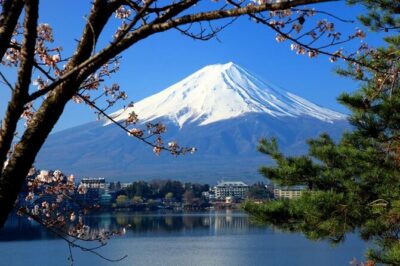
Mt Fuji and Hakone 1-Day Bus Tour Return by Bullet Train
Read our review →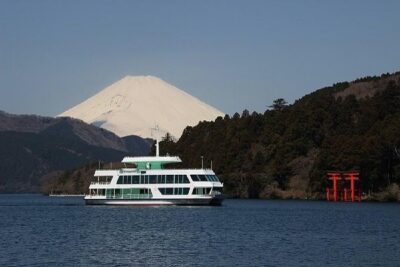
Mt Fuji & Hakone Cruise, Drum Show Bullet Train 1 Day from Tokyo
Read our review →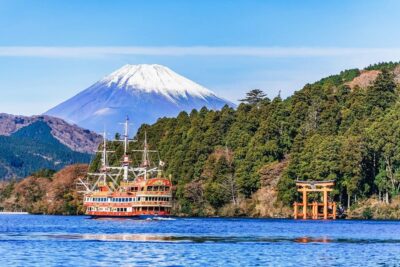
Tokyo Mt Fuji 5th St & Hakone Cruise Bus Tour w/Bullet Train
Read our review →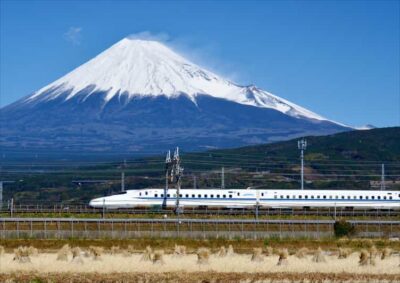
Mt. Fuji & Hakone Tour w/ Return by Bullet Train
Read our review →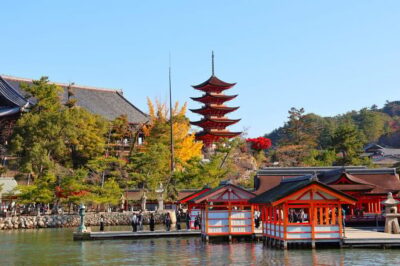
Osaka/Kyoto: Hiroshima Miyajima Bus Tour & Shinkansen Ticket
Read our review →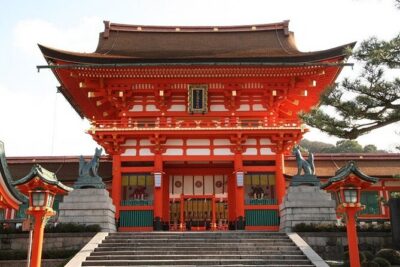
From Tokyo 1-Day Kyoto English-guided Tour by Bullet Train
Read our review →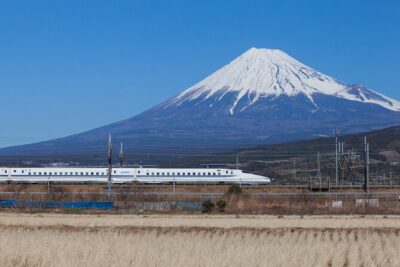
Mt. Fuji and Hakone Day Trip From Tokyo with Bullet Train Option
Read our review →
Hiroshima and Miyajima Day Trip by Bullet Train
Read our review →Browse the lists this tour appears in