
Review · MOUNT FUJI DAY TRIPS
4 Day Tour – Mount. Fuji, Tokyo, Hakone, Kamakura and Yokohama
Private Japan beats train math every time. In four days you glide from Tokyo to Mt Fuji, then on to Hakone, Kamakura, and Yokohama, with a private car and an English-speaking driver who can shape the pace around your interests.
I love the way the itinerary strings together major sights without you constantly recalculating trains, transfers, and timetables. I also love the human touch, like the guide Armad who took care of the details on day one and helped keep photo stops easy, and later David who kept the days running smoothly.
The main drawback to think about is the money, plus the fact that good weather matters for getting the Mt Fuji experience you came for. Many stops also have optional paid admission on top of the tour price.
In This Review
- Key Points That Make This Tour Click
- How a Private Car Saves Your Tokyo to Fuji Time
- Day 1 in Tokyo: Tsukiji, Asakusa, Skytree, Imperial Gardens, and Nightlife Zones
- Tsukiji Fish Market, without the chaos tax
- Senso-ji Temple in Asakusa
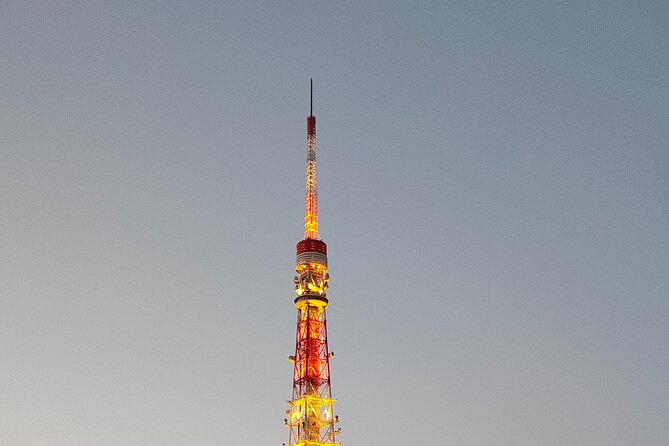
- Tokyo Skytree for skyline scale
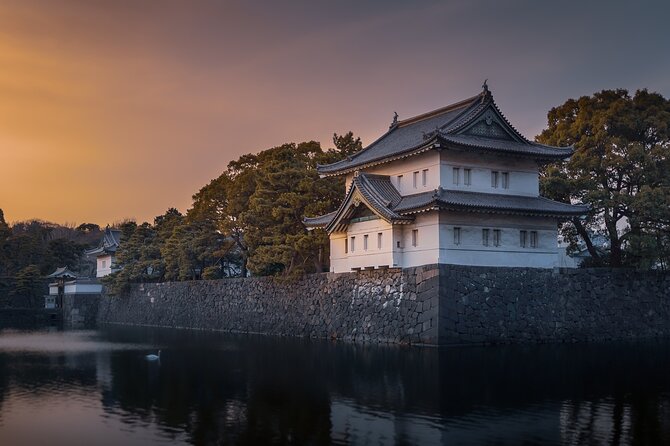
- Imperial Palace East Garden, a calmer contrast
- Akihabara and the Harajuku sugar circuit
- Shibuya Crossing and Meiji Jingu, Tokyo’s extremes
- Optional add-ons: teamLab Planets and Odaiba photo stops
- Day 2 Kamakura and Yokohama: Bamboo Temple, Great Buddha, Chinatown, and Gardens
- Hokoku-ji, the Bamboo Temple effect
- Hasedera and the Kannon statue
- Kotoku-in and the Great Buddha
- Tsurugaoka Hachimangu Shrine and the clan ponds
- Komachidori street time
- Yokohama Chinatown, old and still flavorful
- Sankeien Gardens for a slower kind of beauty
- Minatomirai if time permits
- Day 3 Mt Fuji Power Views: Oshino Hakkai, Lakes, Ropeway, and 5th Station
- Oshino Hakkai, eight springs from the Fuji aquifer
- Chureito Pagoda, a classic Fuji postcard
- Lake Kawaguchiko, the easiest Fuji-five-lakes base
- Mt Fuji Panoramic Ropeway for elevation changes
- Oishi Park, with lavender in the frame
- Saiko Iyashi no Sato Nemba, a walk-back in time
- Arakura Fuji Sengen Shrine, panoramas with hiking energy
- Mt Fuji 5th Station, the atmosphere part
- Gotemba Premium Outlets, a practical ending
- Day 4 Hakone: Lake Ashinoko, Ropeway Links, Owakudani Sulfur Valley, and Open-Air Art
- Hakone Shrine and Kuzuryu Shrine at the forest edge
- Lake Ashinoko, a crater lake view
- Hakone Ropeway (funitel) for the big “between stops” moment
- Owakudani Valley, the sulfur and black egg legend
- Gora Park and the calmer garden break
- Hakone Open-Air Museum for sculpture with views
- Price and Value: Is $3,000 Per Group Worth It?
- Practical Reality Checks: Tickets, Long Days, and Mt Fuji Weather
- Should You Book This Tokyo to Fuji to Hakone Private Tour?
- FAQ
- How many people are included in a group?
- Is pickup offered?
- What time does the tour start?
- Is accommodation included?
- Is this a guided tour?
- Are attraction tickets included?
- Do you receive a mobile ticket?
- What happens if the weather is poor for Mt Fuji?
- What is the cancellation deadline for a full refund?
Key Points That Make This Tour Click
- Private, air-conditioned car: long sightseeing days stay comfortable, even when the city heat ramps up.
- English-speaking driver with flexibility: you get real guidance plus room to adjust.
- Big-name Tokyo, then classic day trips: Tokyo hits hard on day one, then you escape the grid for Fuji, temples, and lakes.
- Mt Fuji viewing stops built in: you get multiple photo angles, not one random glance.
- Hakone by lake and volcano: Lake Ashinoko views plus Owakudani’s sulfur valley gives variety fast.
- Up to 5 people per group: pricing can make sense when you split it.
How a Private Car Saves Your Tokyo to Fuji Time
This is the kind of tour that works because it removes friction. You are covering Tokyo, Mt Fuji country, Hakone, Kamakura, and Yokohama in just four days, and that is exactly where independent travel can turn into a second job.
With the private air-conditioned vehicle, you are not stuck timing buses, crowding into trains, or losing hours to transfers. You can also keep your energy for the fun parts. And since the driver is English-speaking, you are not just chauffeured, you are also guided through what you are seeing and how to get the best from each stop.
The tour is also described as customizable, which matters. If you care more about temples and neighborhoods than shopping, or you want more time at views and less at photo stops, you can usually steer the day better than you can with fixed group departures.
More Mount Fuji Day trips in Tokyo:
- Mt Fuji and Hakone 1-Day Bus Tour Return by Bullet Train
★ 5.0 · 26,383 reviews - Mt Fuji & Hakone Cruise, Drum Show Bullet Train 1 Day from Tokyo
★ 4.0 · 7,413 reviews - Tokyo Mt Fuji 5th St & Hakone Cruise Bus Tour w/Bullet Train
★ 4.4 · 5,024 reviews
Day 1 in Tokyo: Tsukiji, Asakusa, Skytree, Imperial Gardens, and Nightlife Zones
Day one is all about picking up Tokyo’s main “characters” quickly, without pretending you can see everything in one day. It is a fast sampler platter, but it is arranged in a smart flow so you are not zigzagging across town all day.
Tsukiji Fish Market, without the chaos tax
Tsukiji Fish Market is famous as the largest fish market in the world, and even if the style has evolved over time, it still feels like one of Tokyo’s most authentic food-related attractions. If you like watching what a place is actually known for, this is where you get that early. Plan to walk, look, and snack if you want, since the best part is the energy and the food culture.
Senso-ji Temple in Asakusa
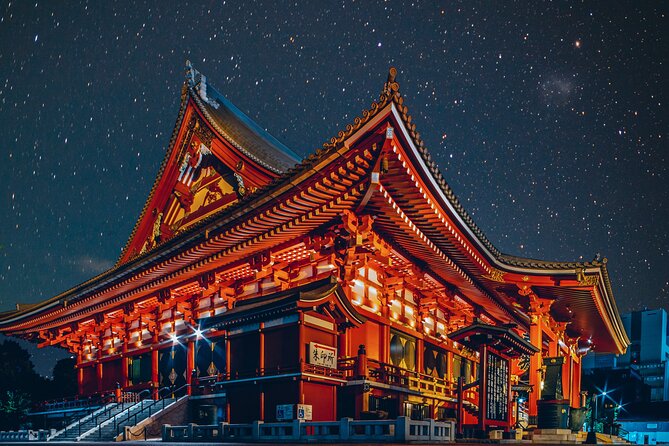
Then you shift into Asakusa at Senso-ji, Tokyo’s oldest religious building, also called Asakusa Kannon. This is the kind of stop where the setting matters as much as the building itself. It is colorful, popular, and made for wandering.
The practical tradeoff is crowd density. This is free to enter, but it can be busy. The advantage of a private setup is you can spend less time “figuring out where to go next” and more time simply enjoying the stroll.
A few more Tokyo days to weigh up
- 1-Day Tokyo Bus Tour
★ 5.0 · 14,250 reviews - Tokyo: TOKYO SKYTREE® Admission ticket
★ 4.5 · 11,192 reviews - Tokyo: teamLab Planets TOKYO Digital Art Museum Entry Ticket
★ 4.6 · 9,779 reviews - Tokyo: Sumo Show Experience with Chicken Hot Pot and a Photo
★ 4.8 · 6,678 reviews
Tokyo Skytree for skyline scale
Next up is Tokyo Skytree. You are looking at the observation decks on the 45th floor area, and the height reference here is big: views from about 202 meters up. This stop is not included in the sense that admission to the observation decks is not part of the tour ticket, so check that ahead if you are price-sensitive.
Still, Skytree is useful because it gives you a sense of Tokyo’s layout. Once you see the sprawl from above, the rest of the days feel easier to follow.
Imperial Palace East Garden, a calmer contrast
Imperial Palace is an easy win if you like heritage without the frantic pace. You visit the East Garden of the Imperial Palace, and admission is free. The one catch is that prior booking is mentioned, so you want to make sure your timing works for entry arrangements.
This is a nice break from shopping streets and observation lines. Even if your history knowledge is casual, it is a good reset.
Akihabara and the Harajuku sugar circuit
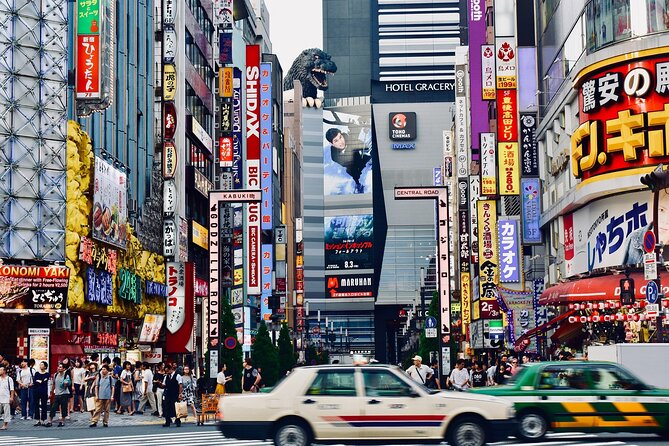
Akihabara brings the electronics, manga, and anime energy. It is free to enter, and it is a fun contrast to the solemn temple moments earlier.
Then you hit Takeshita Street in Harajuku, known for youth-driven shops and also sweets like fluffy, sugary crepes. If you plan to snack, do it here. It is one of those places where you can wander in circles and still end up finding something worth looking at.
Shibuya Crossing and Meiji Jingu, Tokyo’s extremes
Shibuya Crossing is brief but iconic, with up to thousands of people crossing at once. It is busy, yes, but it gives you that Tokyo “right now” feeling in a way that few places do.
After that, you switch gears to Meiji Jingu Shrine, set in a lush forest right in the city. Dedicated to Emperor Meiji and Empress Shōken, it is a real mood change from neon and shopping streets. This is one of the best balancing acts of day one.
Optional add-ons: teamLab Planets and Odaiba photo stops
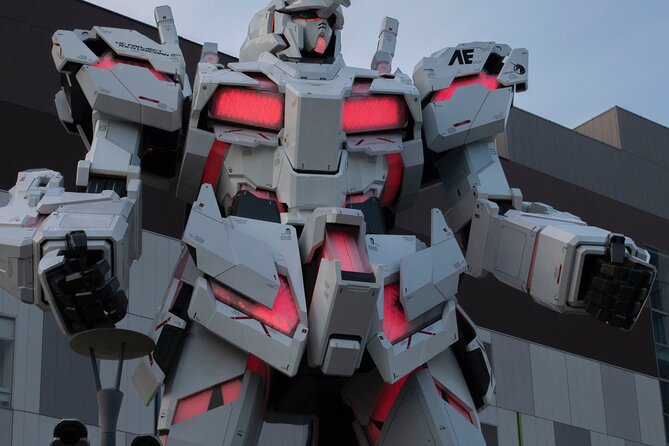
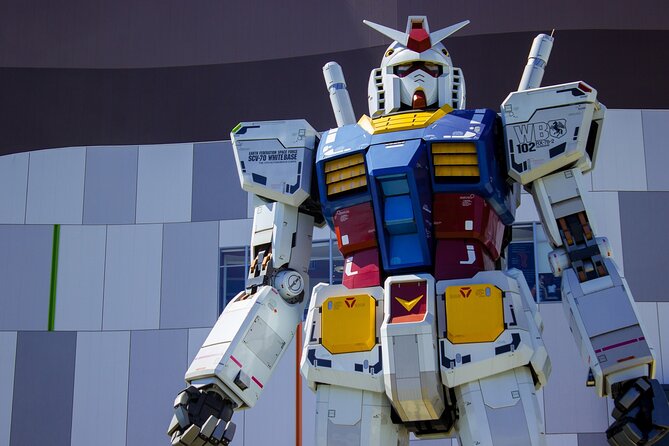
There are time-dependent options such as teamLab Planets TOKYO, where you walk through water and garden spaces, and the Statue of Liberty replica on Odaiba’s waterfront. These are marked as possible if you have time, and admission is not included.
This is a good sign of how the tour is meant to run. You are not locked into paying for every ticketed attraction, but you have a chance to add them if your day has room.
Day 2 Kamakura and Yokohama: Bamboo Temple, Great Buddha, Chinatown, and Gardens
Day two slows down in a good way. Instead of Tokyo’s vertical city feel, you get Kamakura’s temple and seaside-temple vibe, then you swing into Yokohama for food and old-meets-new urban style.
Hokoku-ji, the Bamboo Temple effect
Hōkoku-ji is famous for its bamboo garden and is nicknamed Bamboo Temple. Even if you have seen bamboo before, a place built around it changes how it feels. This stop is not listed with included admission, so factor in that you may pay at the entrance depending on how you handle tickets that day.
Hasedera and the Kannon statue
Hase-dera (Hase-kannon) is known for housing a massive wooden statue of Kannon. A big religious sculpture can feel overwhelming in the best way, especially after the softer garden scenes.
Again, admission is not included, so it is a good place to check your “yes” budget for paid stops.
Kotoku-in and the Great Buddha
Then you get to Kotoku-in, the Great Buddha of Kamakura. It is a short stop but one of those classic images you see in Japanese travel scenes for a reason. If you want fewer purchases and more “wow, I’ve made it here,” this is a strong pick.
Tsurugaoka Hachimangu Shrine and the clan ponds
Tsurugaoka Hachimangu Shrine works for two kinds of travelers: people who like shrines and people who like symbolism. It is described as a cultural center with museums, and the ponds represent the Taira and Minamoto clans.
This stop is not included admission either, but it is free in the sense that the tour does not charge an extra entry fee upfront in the description. You may still pay on site based on the attraction rules.
Komachidori street time
Komachidori is a pedestrian walkway filled with shops and sweet treats. It is one of those “slow walk, snack, buy a small souvenir” sections, and it helps break up the temple concentration.
Yokohama Chinatown, old and still flavorful
Yokohama Chinatown is about 160 years old, and the modern resident population is much smaller than it once was. It is still one of the best places in the area to eat your way through a neighborhood.
The tour lists this stop as free, which is helpful if you want at least one day section where the main cost is whatever you decide to order.
Sankeien Gardens for a slower kind of beauty
Sankeien Gardens is a traditional Japanese-style garden that opened in 1906, and it was designed and built by Tomitaro Hara (using the name Sankei Hara). Admission is not included, but this is a worthwhile contrast to the busy streets and temple crowds.
If your legs are tired, this stop can feel like a reset. Gardens are also easier to enjoy at your own pace, even on a scheduled tour day.
Minatomirai if time permits
Minatomirai is marked as “if time permits.” It is a futuristic waterfront area with the Landmark Tower and Plaza, plus an observation deck. This is a flexible closer, especially if you are still feeling energetic at the end of the day.
Day 3 Mt Fuji Power Views: Oshino Hakkai, Lakes, Ropeway, and 5th Station
Day three is where the tour earns its name. Mt Fuji is the main character, and you do not just rely on one roadside viewpoint. You hit a sequence of places that each give you a slightly different way to see the mountain and the Fuji Five Lakes region.
Oshino Hakkai, eight springs from the Fuji aquifer
Oshino Hakkai refers to eight springs in Oshino, tied to the Mount Fuji aquifer. It is described as a natural monument. This stop is short, around 30 minutes, but it is one of those places where the details feel worth it because the water source story is tied directly to Fuji.
Admission is free for this stop. That makes it easy to enjoy without guilt.
Chureito Pagoda, a classic Fuji postcard
Chureito Pagoda is the five-storied pagoda view that shows up everywhere for a reason. It is tied to Japan’s most recognizable Fuji scene. You get about 30 minutes, so you will want to move with purpose, take photos, then enjoy the setting before you move on.
Lake Kawaguchiko, the easiest Fuji-five-lakes base
Lake Kawaguchiko is described as the most easily accessible of the Fuji Five Lakes, with train and direct bus connections to Tokyo. It is a hot spring resort town, and it is also where you can keep your day moving without getting stuck in logistics.
Again, listed as free for this stop. That is a solid way to spend time near Fuji without paying extra just to arrive.
Mt Fuji Panoramic Ropeway for elevation changes
You also go up via the Mt Fuji Panoramic Ropeway. It ascends 400 meters from the eastern shore of Lake Kawaguchiko to an observation deck near the peak area of Mount Tenjo. This one is marked as not included admission, so it is a ticket you may want to budget for.
If the day is clear, ropeways and observation decks can be worth it because the views expand quickly once you gain height.
Oishi Park, with lavender in the frame
Oishi Park is specifically listed as one of the best spots to view Mt Fuji, with the mountain in the background, the lake mid ground, and lavender in the foreground. Even if lavender timing changes by season, the layout goal is the same: Fuji plus lake plus foreground color.
Saiko Iyashi no Sato Nemba, a walk-back in time
Saiko Iyashi no Sato Nemba lets you wander through a replica of an old Japanese village with thatched roof buildings. It is marked as not included admission, but this is a nice break from the purely scenic stops. Instead of “look at Fuji,” you get “walk through a story.”
Arakura Fuji Sengen Shrine, panoramas with hiking energy
Arakura Fuji Sengen Shrine sits in a scenic park on the mountainside. It is positioned in front of Mt Fuji for panoramic views, and spring cherry blossoms are mentioned as a highlight, with people also enjoying hiking.
This stop is free on the tour list. It is also a good place to pace yourself, because you can spend as much or as little time as your legs allow.
Mt Fuji 5th Station, the atmosphere part
At Mt Fuji 5th station, you get the chance to experience the atmosphere of the start point for many climbers. The tour notes it is halfway up the mountain for most hikers and climbers.
Admission is not included here. Also, this is the part that feels most dependent on weather. If you want Mt Fuji as a clear silhouette and not just a cloud cap, take care with your day planning and hope for the best.
Gotemba Premium Outlets, a practical ending
Finally, Gotemba Premium Outlets gives you a reset with shopping time. It is listed as free for the tour stop. You also get a little local flavor: Gotemba is regarded as a premium green tea growing area, and the region is linked with horseradish too (Shizuoka is described as the horseradish capital).
If you need a place to cool down or buy gifts without searching for stores, this is handy.
Day 4 Hakone: Lake Ashinoko, Ropeway Links, Owakudani Sulfur Valley, and Open-Air Art
Day four turns the volume down in a smart way. Hakone gives you lakes, forests, volcano sights, and outdoor culture. It feels like a different trip, but you still keep the same private-car ease.
Hakone Shrine and Kuzuryu Shrine at the forest edge
You visit Hakone Shrine and also Kuzuryu Shrine. The buildings are described as hidden in dense forest, sitting at the foot of Mount Hakone along Lake Ashi. This is a great opening stop because it shifts you from city energy to something quieter immediately.
Admission is not included, so check your expected costs.
Lake Ashinoko, a crater lake view
Lake Ashinoko is described as a crater lake formed in Hakone’s caldera after the volcano’s last eruption about 3,000 years ago. It is scenic and supports the “Hakone is alive” feeling.
Admission is not included here as well, but this is the kind of stop where the value is in seeing how the land shaped the views.
Hakone Ropeway (funitel) for the big “between stops” moment
Next you take the Hakone Ropeway. The tour explains it as an aerial lift and also its operator, with the line linking Sounzan and Togendai via Owakudani, and it became a funitel in 2002.
This is a big-picture moment. The ropeway itself is part of the experience, not just the method to get somewhere else. It is marked as not included admission.
Owakudani Valley, the sulfur and black egg legend
Owakudani Valley is the star if you like volcanic drama. The nature is described as fascinating, and the area is known for sulfur springs and Kuro Tamago, black eggs.
This stop is free on the tour list. It can also be a strong sensory experience, so it is best if you are okay with the smell that comes with sulfur.
Gora Park and the calmer garden break
Gora Park is a Western-style hillside botanical garden, described with tea house, greenhouses, and a central fountain. It is a good mid-afternoon type of stop because it gives you something to slow down in.
Admission is not included.
Hakone Open-Air Museum for sculpture with views
The Hakone Open-Air Museum rounds out the trip with outdoor sculpture. It is described as an outdoor gallery across 70,000 square meters, with views of the surrounding mountains.
Admission is not included, but if you want a final day that is not only scenic photo ops, this is a smart way to add culture in a relaxed format.
Price and Value: Is $3,000 Per Group Worth It?
$3,000 per group for up to five people is a lot if you think of it as a personal expense. But it often makes more sense when you split it, especially for a route that would normally require multiple rides, transfers, and tickets across multiple regions.
This price is paying for three main things:
- Private door-to-door transport, which is the hard part across Tokyo to Fuji to Hakone to Kamakura to Yokohama.
- An English-speaking driver who helps you understand what you are seeing and keeps the day moving.
- Less stress, which sounds soft until you are the one carrying a daypack through a station maze.
If you are traveling solo, it may feel steep compared to using public transit. But if you are a small group of friends or a family with kids who need shorter walking distances and less time navigating, this kind of private structure can feel like good value.
Also, note what you are not buying: lots of attraction admission is not included, including observatories, ropeways, and several temple or shrine admissions. So your total trip budget will depend on how many optional paid stops you choose.
Practical Reality Checks: Tickets, Long Days, and Mt Fuji Weather
The biggest practical consideration is that the tour lists a range of stops where admission tickets are not included, such as Tokyo Skytree observation decks, teamLab Planets, ropeways, and some shrine or museum entrances. So you should plan your spending like a buffet, pick the items you care about.
Second, expect long days. The experience lists about 10 hours including commuting time, and with five to ten stops per day, you will be active. You should be ready to walk, stand, and move even when you have a comfortable car between places.
Third, Mt Fuji is weather-dependent. The tour notes it requires good weather, and if it is canceled due to poor weather you should expect a different date offer or a full refund. This matters because Mt Fuji is the centerpiece. If you are the type who hates uncertainty, build some flexibility into your schedule.
Should You Book This Tokyo to Fuji to Hakone Private Tour?
Book it if you want to maximize regions in a short window, and you value comfort, simplicity, and local guidance. It is especially appealing for small groups up to five where splitting the cost makes sense, and for travelers who do not want to spend vacation time mastering train connections.
Consider a different approach if you are happy doing route planning yourself, or if you want every single admission cost included in the base price. Because several stops are ticketed separately, your final budget depends on your choices.
If you do book, do one thing that helps: decide what your must-have Mt Fuji moments are, then let the driver shape the rest around that. That is where this tour style shines, you get the big views and you avoid the busy-work.
FAQ
How many people are included in a group?
The tour price is listed per group, for up to 5 people.
Is pickup offered?
Yes, pickup is offered.
What time does the tour start?
The start time is 8:00 am.
Is accommodation included?
No, accommodation isn’t included so you can choose where to stay each place.
Is this a guided tour?
It is not a guided tour by default, but a guide can be arranged on request for an additional cost.
Are attraction tickets included?
Many attractions list admission as not included, so you should expect separate tickets for several stops like observatories, ropeways, and some temples or museums.
Do you receive a mobile ticket?
Yes, mobile ticket is listed as a feature.
What happens if the weather is poor for Mt Fuji?
If the experience is canceled due to poor weather, you will be offered a different date or a full refund.
What is the cancellation deadline for a full refund?
You can cancel up to 24 hours in advance of the experience start time for a full refund.
Newly listed around Tokyo
- Private Tokyo Food Tour – A Journey Through Time Through Food★ 5.0 · 36 reviews
- Private Tokyo Tour with Licensed Guide & Vehicle (Max 15 persons)★ 5.0 · 107 reviews
- Private Tokyo Custom Full-Day Tour by Chartered Vehicle★ 5.0 · 16 reviews
- Private Tokyo Custom Half-Day Tour by Chartered Vehicle★ 4.5 · 13 reviews
- Private Outstanding Nikko Tour with English Speaking Driver★ 4.0 · 11 reviews
- Private Sightseeing to Mt Fuji and Hakone with English Driver★ 5.0 · 51 reviews
- Private Snow Monkeys park Day Trip From Tokyo or Nagano★ 4.5 · 26 reviews
- Private Omiya Bonsai Village Tour with Licensed Guide★ 5.0 · 8 reviews
Mount Fuji Day Trips, compared.
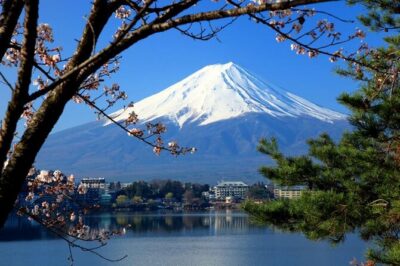
Mt Fuji and Hakone 1-Day Bus Tour Return by Bullet Train
Read our review →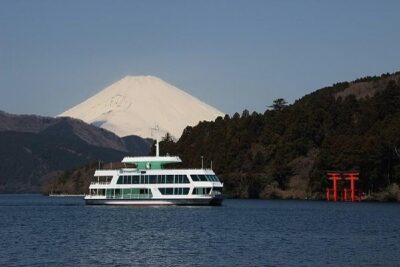
Mt Fuji & Hakone Cruise, Drum Show Bullet Train 1 Day from Tokyo
Read our review →
Tokyo Mt Fuji 5th St & Hakone Cruise Bus Tour w/Bullet Train
Read our review →
Mt. Fuji Tour, Hakone Ropeway, Owakudani, Lake Ashi
Read our review →
Mt.Fuji,Kawaguchiko Oishi Park,Arakurayama Sengen Park
Read our review →
Mt. Fuji 5th Station & Hakone Cruise 1-Day Bus Tour
Read our review →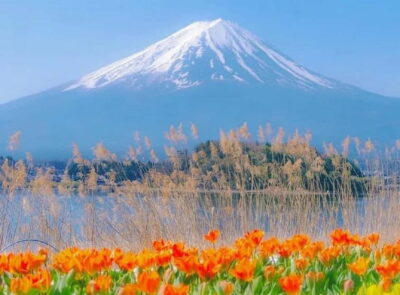
Mt Fuji Top 5 Spots Day Tour: Arakurayama Park,Oshino Hakkai
Read our review →Browse the lists this tour appears in