
Review · MIYAJIMA ISLAND TRIPS
Full Day Hiroshima and Miyajima Tour by Bullet Train from Kyoto
Hiroshima and Miyajima in one long day. This full-day tour stitches together Japan’s most moving sites with the calm beauty of Miyajima, then gets you back to Kyoto by Shinkansen. You start at Kyoto Station early, ride high-speed rail to Hiroshima, take the ferry to the Sacred Island, and return for time at the Peace Park and Museum.
What I like most is the way the day is handled for you: pickup is set, you get a guided Hiroshima segment with a licensed English interpreter, and you are moved between stops without wrestling the trains. Second, the contrast is smart, Miyajima for shrine views and seafood lunch on your own, then Hiroshima for the Atomic Bomb Dome and Peace Memorial Museum.
The main drawback is simple timing: it is a long day, and the Hiroshima museum time can feel tight if you want to read everything slowly, especially if the site is crowded.
In This Review
- Key things I’d plan around
- Kyoto-to-Hiroshima by Shinkansen, the easy part of a big day
- The guided transition to Miyajimaguchi and the ferry to Miyajima
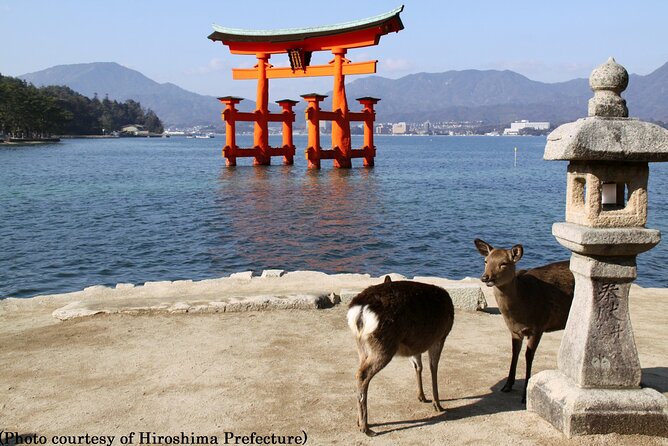
- Itsukushima Shrine and the torii moment, plus lunch on your own
- Hiroshima at the memorial sites, where the day becomes serious
- Peace Memorial Museum, what you can realistically take in
- Genbaku Dome timing and the Children’s Peace Monument area
- Long day logistics, wearables, and the time-pressure factor
- Price and value: why this costs more than DIY, and when it’s worth it
- Who this tour suits best, and who should rethink it
- Should you book this Hiroshima and Miyajima tour from Kyoto?
- FAQ
- Is lunch included on this tour?
- Where do I meet the tour in Kyoto?
- What time does the tour start?
- How long is the tour?
- What are the main stops during the day?
- Are tickets and admission fees included?
- Do I need to buy a ticket for the bullet train?
- Do I return to Kyoto in the evening?
- Is there a hotel drop-off at the end of the tour?
- What is the cancellation policy?
Key things I’d plan around
- High-speed rail included from Kyoto to Hiroshima and back, so you spend energy on sights, not logistics
- Miyajima timing is short, about 45 minutes on the island before lunch, plus time for the ferry rides and shrine area
- Peace Park + Museum are guided, with an English-speaking guide for the Hiroshima portion
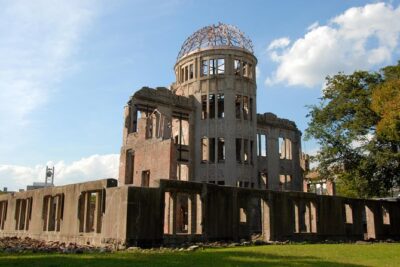
- Atomic Bomb Dome is a highlight, one of the few structures preserved from the bombing
- Lunch is on your own, so you will want to decide in advance what kind of food you want on Miyajima
- Group size is capped at 40, which helps keep the day organized on busy streets and ferries
Kyoto-to-Hiroshima by Shinkansen, the easy part of a big day
This tour is built around a smooth rail loop: you meet at the JTB Sunrise Tours Desk area in Avanti (across from Kyoto Station, Hachijo Exit side), then walk as a group to the station. From there you take a bullet train to Hiroshima Station, about a 2-hour ride.
Why this matters: Hiroshima and Miyajima are not close. Doing it by train lets you keep your day focused. It also means you are not trying to swap cars, buses, or transfers while you are still waking up.
One practical detail: seats are described as reserved on the Shinkansen return segment in either a standard car or Green Car, but it is also noted that seats may not be designated. If you care about sitting together or prefer a certain section of the car, arrive early and be ready to adjust once you see what is assigned.
A few more Miyajima Island trips around Kyoto:
- Hiroshima, Miyajima 1 Day Bus with Indian Lunch from Osaka, Kyoto
★ 5.0 · 7 reviews - Peaceful Hiroshima & Miyajima UNESCO 1 Day Bus Tour
★ 5.0 · 5,309 reviews - Hiroshima: Hiroshima and Miyajima UNESCO Sites 1-Day Tour
★ 4.9 · 2,330 reviews
The guided transition to Miyajimaguchi and the ferry to Miyajima
Once you arrive in Hiroshima, the pace changes from rail comfort to island rhythm. You travel toward Miyajimaguchi and then transfer to the ferry heading to Miyajima, often called the Sacred Island.
Here is what I think you should expect in a good way: the ferry ride helps you shift gears. It is not just transport, it sets the mood before you hit Itsukushima Shrine and that famous torii view over the water.
Also, Miyajima has that instantly recognizable “people and nature share the road” feeling. Deer roam freely, and you can get great photos without needing a special viewpoint ticket.
Itsukushima Shrine and the torii moment, plus lunch on your own
On Miyajima, the centerpiece is Itsukushima Shrine, a UNESCO World Heritage site. The shrine dates back to the 6th century, and it is known for its distinctive shrine architecture associated with the Heian period. The big visual payoff is the torii gate over the water, with the classic “floating” look at high tide.
The timing is the tradeoff. You get about 45 minutes on the island before lunch time is allotted, so you will want to move with purpose once you step off the boat. If you care most about seeing the torii from the best angles, plan your walking route quickly instead of lingering at every souvenir shop on the first pass.
Lunch is your call. The tour gives you time to eat on your own, and Miyajima is known for items like oysters, Hiroshima-style okonomiyaki, and conger eel rice bowls. Vegetarian options are not guaranteed in the tour description, so if your diet is restricted, I would scan menus before you commit to a stall.
A nice bonus from how the day is structured: you get a guided feel for the key sights, then a little freedom to choose what to eat. That keeps the schedule from feeling like you are trapped in a constant commentary loop.
Hiroshima at the memorial sites, where the day becomes serious
After Miyajima, you return to Hiroshima for the most important part of the trip. The Peace Memorial Park area is UNESCO listed, and you will see key landmarks tied to 1945 and the city’s postwar rebuilding.
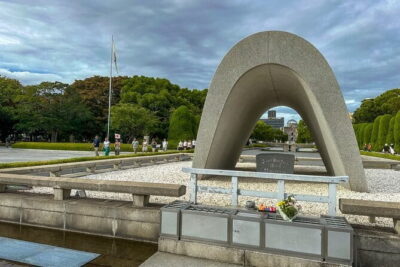
One of the most powerful stops is the Atomic Bomb Dome, also called Genbaku Dome or the Atomic Bomb Memorial in the area. It was preserved as it was to communicate the reality of the bombing. Nearby, there is also the Children’s Peace Monument, covered with thousands of origami cranes made by children, and the Atomic Bomb Memorial Mound contains the ashes of 70,000 victims, many unidentified or without surviving relatives.
What I appreciate here is that this is not presented as a quick photo op. With a licensed English guide interpreter leading the Hiroshima segment, you get context and explanation for what you are seeing. In the reviews you provided, guides like Angela, Hiro, Takeshi, Masako, Sato San, Akiko, and Marie show up repeatedly as highlights, which tells me the guide quality is a central part of why people feel satisfied.
This part of the day is emotional, and it deserves your attention. Give yourself a little mental space to slow down, even if the schedule feels fast.
A few more Bullet Train journeys around Kyoto:
- Mt Fuji and Hakone 1-Day Bus Tour Return by Bullet Train
★ 5.0 · 26,383 reviews - Mt Fuji & Hakone Cruise, Drum Show Bullet Train 1 Day from Tokyo
★ 4.0 · 7,413 reviews - Tokyo Mt Fuji 5th St & Hakone Cruise Bus Tour w/Bullet Train
★ 4.4 · 5,024 reviews - From Tokyo: Mt. Fuji & Hakone Tour w/ Return by Bullet Train
★ 4.2 · 1,278 reviews
Peace Memorial Museum, what you can realistically take in
The Peace Memorial Museum is included, and it is described as a large-scale museum inside the park area. It opened in 1949 after the Pacific War and is visited by countless people as a symbol of peace. The museum is presented as an Important Cultural Property of Japan.
You typically have about an hour at the museum. That can be enough to get the main story arc, but it is not enough to read every panel if you are detail-focused. The museum can also be intense. If you know you want to study photographs and documents carefully, you might feel rushed.
A couple practical ways to make that hour work:
- Pick your priorities before you go in, for example the parts that show the bombing impact and postwar survival and recovery
- Start where your guide suggests if they give a recommended route, so you hit the highest-impact exhibits first
- If crowds build, be willing to move to the next room instead of forcing a stop in a bottleneck
The good news: having the guide with you helps you understand why each section matters. That is often the difference between reading labels and truly getting the story.
Genbaku Dome timing and the Children’s Peace Monument area
Depending on how the day runs, you may see the Dome and memorial area as part of the Hiroshima highlights. The Dome stop is relatively brief, about 40 minutes in the itinerary structure, and it is described as admission free.
Even with that limited time, I like this placement in the day. If you first get a guided sense of Hiroshima through the museum context, the Dome stops being just a famous building and turns into a symbol you understand. If you do it the other way around, it can still hit hard, but you might miss some connections.
The Children’s Peace Monument is also an important moment because it shifts the focus slightly toward the human response, especially the idea of children using art to express peace and remembrance. Those origami cranes are simple and striking. If you want a slower, more reflective stop, this is where I would choose to pause.
Long day logistics, wearables, and the time-pressure factor
This tour runs about 13 hours 20 minutes, and it starts early, around 7:30 am. You return to Kyoto Station around 9:00 pm, and there is no hotel drop-off. If you plan dinner elsewhere after you get back, it helps to book something near Kyoto Station or have a simple plan for food and rest.
The big timing variable is your priority split between Miyajima and Hiroshima. If you love island wandering, you may wish for more time on Miyajima to shop and eat slowly. If Hiroshima is your main focus, you will likely be satisfied with the museum and park experience, but still might feel the hour is “just right” rather than “deep.”
Your guide and group size help smooth things out. The tour caps at 40 travelers, and the itinerary is designed so you move in an organized flow from trains to buses to ferry. Still, you are dealing with real-world crowds and lines, especially around the museum.
What to wear: comfortable walking shoes. Expect uneven surfaces on the island and a lot of standing and moving through memorial spaces.
Price and value: why this costs more than DIY, and when it’s worth it
At $399.71 per person, this is not a budget day trip. So the value has to come from what you do not have to figure out yourself.
Here is what the tour includes based on the details you gave:
- Round-trip Shinkansen from Kyoto to Hiroshima and back
- A licensed English guide interpreter for the Hiroshima segment
- Admission fees and transportation costs for the included sights
- Miyajima visitor tax
- Entry tied to Itsukushima Shrine and the Peace Memorial Museum
Lunch is not included, and you handle it on your own in Miyajima.
So when is it worth it?
- If you want a first-time-friendly structure, with the rail and ferry connections handled
- If you value guided explanation in Hiroshima, so you can focus on meaning instead of translations and route planning
- If you prefer not to spend your limited vacation hours mapping out transfers from Kyoto, buying tickets, and worrying about platform timing
When it might not be worth it:
- If you already feel confident doing the route on your own and you want a slower, more flexible pace
- If you care mostly about Miyajima and want longer free time there, because the schedule is intentionally tight
Who this tour suits best, and who should rethink it
I think this tour fits best if you want a strong mix of scenery and meaning, and you like having an expert guide keep the day moving. It is also family-friendly in the sense that it includes meaningful moments for all ages, but the museum includes material that you might find intense, especially for younger kids.
It is ideal for:
- First-timers in Japan who want a guided, structured day
- People who want the Dome and Peace Memorial Museum without doing research and route planning for each leg
- Travelers who appreciate group organization, especially when moving through big train stations like Kyoto
If your travel style is slow and you want to linger for hours per site, you may want to choose an itinerary with more buffer time, because this one is packed.
Should you book this Hiroshima and Miyajima tour from Kyoto?
If your top priorities are Itsukushima Shrine, the Atomic Bomb Dome, and the Peace Memorial Museum, this tour makes a lot of sense. The bullet train, included admissions, and guided Hiroshima portion remove the hardest parts of DIY planning, and the day’s emotional weight is handled with context rather than just a list of stops.
I would book it if you want:
- A structured day that gets you to the right places efficiently
- English guidance where it counts most, in Hiroshima
- The big visual contrast of Miyajima, ferry ride, and shrine views, followed by Hiroshima’s memorial spaces
I would hesitate if you strongly prefer unhurried time on Miyajima shopping streets or you know you want to spend much longer than an hour reading the museum exhibits.
FAQ
Is lunch included on this tour?
Lunch is not included. You are given time for lunch on Miyajima and you eat on your own there.
Where do I meet the tour in Kyoto?
You meet at the JTB Sunrise Tours Desk inside Avanti (across from Kyoto Station, Hachijo Exit side). The meeting point is listed at Avanti B1F.
What time does the tour start?
The start time is listed as 7:30 am.
How long is the tour?
The duration is listed as about 13 hours 20 minutes.
What are the main stops during the day?
The tour includes Miyajima and Itsukushima Shrine, the Atomic Bomb Dome (Genbaku Dome), and the Hiroshima Peace Memorial Museum and Peace Memorial Park area.
Are tickets and admission fees included?
Admission tickets and other listed transportation costs are included for the tour’s included stops, and you also pay Miyajima visitor tax as part of what is covered.
Do I need to buy a ticket for the bullet train?
You do not need to handle the bullet train tickets yourself for this tour because Shinkansen travel and other transportation costs are included.
Do I return to Kyoto in the evening?
Yes. The tour ends at Kyoto Station, with return around 9:00 pm.
Is there a hotel drop-off at the end of the tour?
No. The tour ends at Kyoto Station, and there is no drop-off service to hotels.
What is the cancellation policy?
You can cancel for a full refund up to 24 hours before the experience starts. If you cancel less than 24 hours before, the amount paid is not refunded.
More Train Experiences in Kyoto
- From Osaka: Sagano Train Ride and Kyoto Guided Day Tour
★ 4.3 · 180 reviews - Kyoto Railway Museum Admission Ticket
★ 4.3 · 23 reviews - Kyoto: Arashiyama Tour with optional Sagano Romantic Train
★ 4.7 · 18 reviews - Kyoto Hozugawa River Boat Sagano Romantic Train Tour
★ 3.9 · 8 reviews
Newly listed around Kyoto
- Zen Meditation for Life in Kyoto★ 5.0 · 10 reviews
- Kyoto: Zen Meditation at a Private Temple with a Monk★ 5.0 · 25 reviews
- Kyoto Private Customizable Day Tour with Guide and Vehicle★ 5.0 · 52 reviews
- Private Wagyu Beef Tour with a Local Guide★ 5.0 · 6 reviews
- Kyoto: Gion Geisha District & Sake-in-Hand Walking Tour★ 5.0 · 37 reviews
- Your Private Vacation Photography Session In Kyoto★ 5.0 · 110 reviews
- Private Guided Traditional Buddhist Cooking in Japan★ 5.0 · 16 reviews
- Private Pewter Sake Cup Experience with a Kyoto Artisan★ 5.0 · 31 reviews
Miyajima Island Trips, compared.
Peaceful Hiroshima & Miyajima UNESCO 1 Day Bus Tour
Read our review →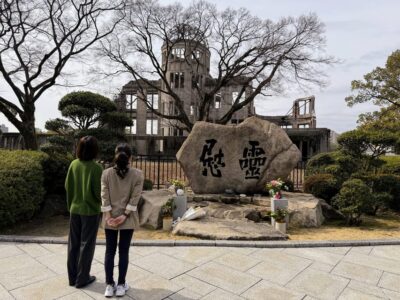
Hiroshima and Miyajima UNESCO Sites 1-Day Tour
Read our review →
Hiroshima / Miyajima Full-day Private Tour with Government Licensed Guide
Read our review →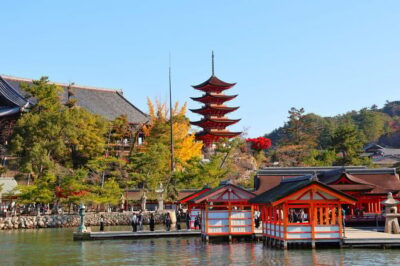
Osaka/Kyoto: Hiroshima Miyajima Bus Tour & Shinkansen Ticket
Read our review →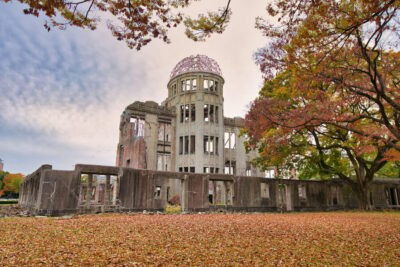
Hiroshima and Miyajima Day Trip with Itsukushima Shrine & Ferry
Read our review →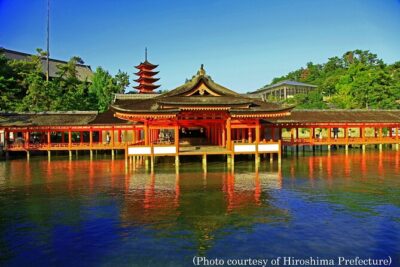
Full Day Hiroshima and Miyajima Bus Tour from Hiroshima
Read our review →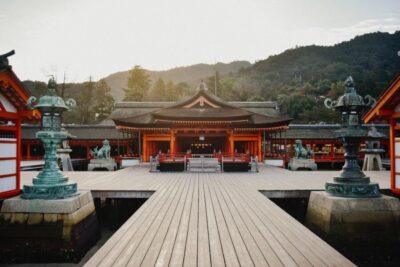
Miyajima Peace Memorial Icons of Peace and Beauty
Read our review →Browse the lists this tour appears in