Review · TOKYO TOURS
Highlights of Japan Tour: 10-day Small Group
Tokyo in 10 days can feel like a sprint, but this plan stays human. You’ll bounce from neon streets to Buddhist halls, then out to classic onsen and castle days, all with a group capped at 8 people and built-in flexibility for how your crew wants to spend free time.
I especially like how the tour blends major sights with daily details that help you understand Japan, not just photograph it. You get temple mornings, market time, and a ryokan night with a real onsen soak plus an authentic kaiseki dinner on the Mt. Fuji side.
The main tradeoff is the pace and the walking. You’ll cover a lot of ground across multiple days, and the info notes moderate physical fitness is best, so plan for hills, lines, and lots of on-your-feet time.
In This Review
- Key points before you go
- A small-group Japan plan that feels like a handoff, not a handout
- Shibuya Crossing on day one, spend your first hour smart
- Asakusa Senso-ji and Tsukiji market time for real everyday Japan
- Lake Kawaguchiko: ryokan, onsen, and kaiseki for the classic Mt. Fuji side
- Matsumoto Castle and Nakamachi streets, a quieter kind of history day
- Zenko-ji in the morning, then Kenrokuen and old districts in Kanazawa
- Tsumago-juku in the Kiso Valley, slow walking on an old post town route
- Kiyomizu-dera and Higashiyama shops, Kyoto made walkable
- Golden Temple and Ryoanji rock garden, a classic temple pairing day
- Tokyo National Museum on day nine, culture with room to breathe
- Narita airport transfer on day ten, end the trip without chaos
- Price and value: what $7,048 really covers in a 10-day Japan plan
- Who this tour fits best, and who should adjust expectations
- Should you book this 10-day Highlights of Japan tour?
- FAQ
- How many travelers are in this small-group tour?
- Where does the tour start and end?
- Is airfare included in the price?
- Is travel insurance included?
- What meals are included?
- Does the tour include a ryokan, onsen, and kaiseki dinner?
- Which temple experiences are included?
- Are admission tickets included?
- Does the tour use mobile tickets?
- Is this tour refundable if I cancel?
Key points before you go
- Max 8 travelers keeps the experience calm, with time to ask questions and adjust on the fly
- Ryokan + mineral-rich onsen + kaiseki gives you a true overnight taste of Japan beyond day trips
- Temple variety from Senso-ji and Zenko-ji to Kiyomizu-dera, Kinkaku-ji, and Ryoanji
- Small-city stops like Matsumoto and Kanazawa help you see more than just Tokyo and Kyoto
- Meals and ticket support (9 breakfasts, 4 dinners, plus many admissions) reduces the planning headache
A small-group Japan plan that feels like a handoff, not a handout
This tour is designed for people who want Japan’s highlights without the stress of figuring out every train change, queue, and cultural detail. The group stays small, and the company emphasizes customizing the experience to match what your group cares about. That matters because Japan rewards small choices, like which neighborhood you linger in and how you time markets and temples.
Two names pop up repeatedly in the guides’ feedback: Becki and Shawn. What I like about that is the tone people describe, comfortable from the start and supported beyond just showing up at attractions. You also get serious pre-trip communication, including a Zoom-style prep call mentioned by past travelers, which is the kind of thing that pays off immediately once you’re in Japan.
One more practical point: the overview says you ride the bullet train. If you’re not thrilled about long-distance transit planning, that is a big part of the value. You get the speed of Japan’s rail system without the mental load.
A few more Tokyo days to weigh up
- Mt Fuji and Hakone 1-Day Bus Tour Return by Bullet Train
★ 5.0 · 26,383 reviews - 1-Day Tokyo Bus Tour
★ 5.0 · 14,250 reviews - Tokyo: TOKYO SKYTREE® Admission ticket
★ 4.5 · 11,192 reviews
Shibuya Crossing on day one, spend your first hour smart
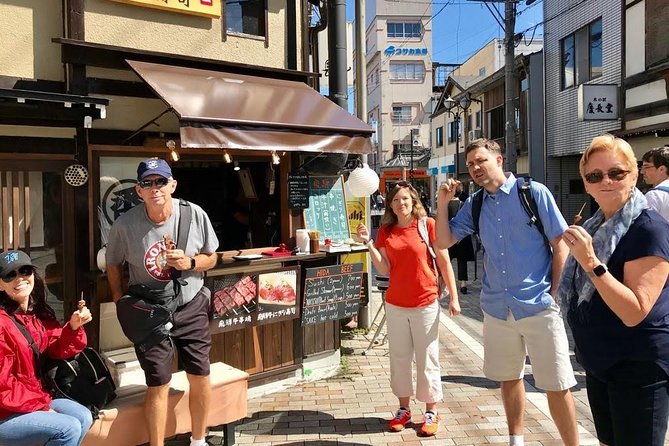
You start in Tokyo with a focused, high-energy introduction at Shibuya Crossing. The plan includes free time to explore the area, with a one-hour block set aside just for getting your bearings. This is a good setup if you want your first views to be your choice, not someone else’s checklist.
What to do with that hour: treat it like a warm-up. Walk the nearby streets, find the best vantage points, and don’t worry about squeezing in shops yet. The goal is to notice how the city moves around you, trains arriving, crowds crossing, and how signage guides you even if your Japanese is limited.
The only caution is timing. Shibuya can be busy and photos can tempt you into standing in the wrong spot for your group. With a small team, you can keep it smooth if you agree on a meeting spot and a quick plan for where to regroup.
Asakusa Senso-ji and Tsukiji market time for real everyday Japan
Day two starts in Asakusa at Senso-ji, Tokyo’s oldest Buddhist temple, built in 645 AD. You get a two-hour window to see the temple and the surrounding neighborhood at a relaxed pace, with admission noted as free. This isn’t just a landmark visit. It’s one of those places where the atmosphere tells you a lot about how people practice religion and tradition in daily life.
Next comes the Old Tsukiji Market, with one hour set aside. It’s famous, yes, but the tour format helps you keep it practical. Market time is best when you treat it like sampling and people-watching, not a shopping marathon.
A good way to use this combo day: let Senso-ji settle your brain, then use Tsukiji to wake your stomach up. You’ll likely want to focus on a few items rather than trying to cover everything. In Japan, small tastings usually beat big lists.
Lake Kawaguchiko: ryokan, onsen, and kaiseki for the classic Mt. Fuji side
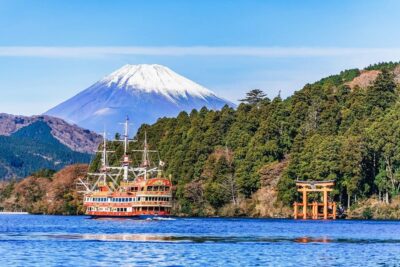
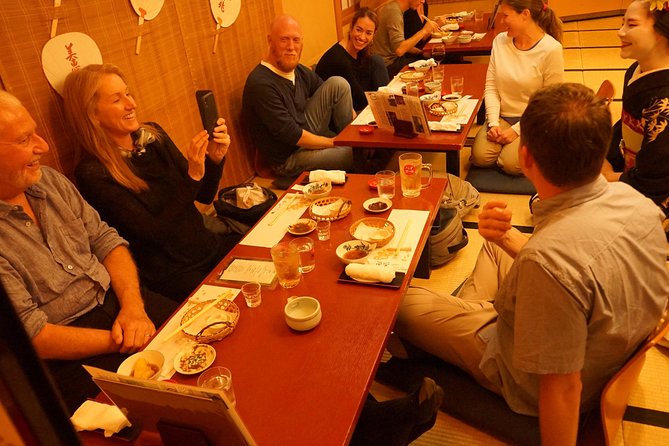
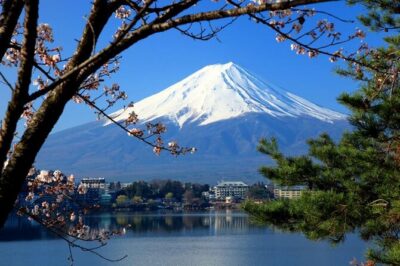
Day three is the payoff day for many people. You head to Lake Kawaguchiko for the Mt. Fuji view area, and the schedule builds in an experience block of about eight hours. The plan includes staying in a traditional ryokan, soaking in a mineral-rich hot spring onsen, and having an authentic Japanese kaiseki dinner.
Why this part is worth caring about: a day trip from Tokyo gives you views. An overnight ryokan gives you the rhythm. The onsen is not just a bathroom upgrade. It’s a full reset after travel, with a slow, quiet atmosphere that’s hard to replicate if you’re bouncing from hotel to hotel.
The kaiseki dinner is also a big value lever. When you can skip the research and simply show up for a prepared meal, you avoid the common first-time Japan problem: knowing where to go, but not knowing what to order or how the experience works.
A consideration: Mt. Fuji views depend on weather. Even with perfect planning, clouds can happen. The ryokan and onsen still make this day feel complete, so you’re not betting everything on a single photo moment.
A different sort of day in Japan:
- Tokyo: teamLab Planets TOKYO Digital Art Museum Entry Ticket
★ 4.6 · 9,779 reviews - Mt Fuji & Hakone Cruise, Drum Show Bullet Train 1 Day from Tokyo
★ 4.0 · 7,413 reviews - Tokyo: Sumo Show Experience with Chicken Hot Pot and a Photo
★ 4.8 · 6,678 reviews - Tokyo: Shinjuku Food Tour (13 Dishes at 4 Local Eateries)
★ 5.0 · 6,603 reviews
Matsumoto Castle and Nakamachi streets, a quieter kind of history day
After the Mt. Fuji side, you move to Matsumoto and visit Matsumoto Castle, one of only five original castles in Japan and a National Treasure. The visit is about three hours with admission included, and the plan also highlights the historic shopping streets of the Nakamachi District.
This is a smart stop for first-time visitors because it breaks the Tokyo-Kyoto rhythm. Matsumoto gives you a sense of Japan outside the biggest marketing magnets. The castle gives you structure and context, then Nakamachi gives you everyday street life, the kind that continues long after tourists leave.
What you’ll likely enjoy most is the pacing. You’re not trying to do five major things in ten minutes. You get a focused castle window, then time to walk, browse, and snack as the streets unfold.
Zenko-ji in the morning, then Kenrokuen and old districts in Kanazawa
Day five starts with Zenko-ji Temple, founded in the 7th century, and includes a Buddhist morning service. Admission is included and the time block is about one hour. Morning service is the kind of experience that rewards respect and attention. Even if you don’t follow every detail, you can feel how the space works and how people move through it.
Then you travel to Kanazawa for a long day block of around eight hours. The plan points you toward the restored Geisha entertainment district of Higashi Chaya, the Nagamachi Samurai District, and Onomichi Market, with Kenrokuen Garden also on the schedule. Admission for these is listed as included.
Here’s how to make this day work in real life: don’t try to treat it like a checklist of photo spots. Instead, pick a few areas to linger in, and use the rest for flow. Kenrokuen is the big garden moment, but the neighborhoods around it are where you often notice the small differences that make Kanazawa feel like Kanazawa.
Potential drawback: it’s long. You’ll want comfortable shoes and a simple snack plan so you don’t lose energy halfway through the day.
Tsumago-juku in the Kiso Valley, slow walking on an old post town route
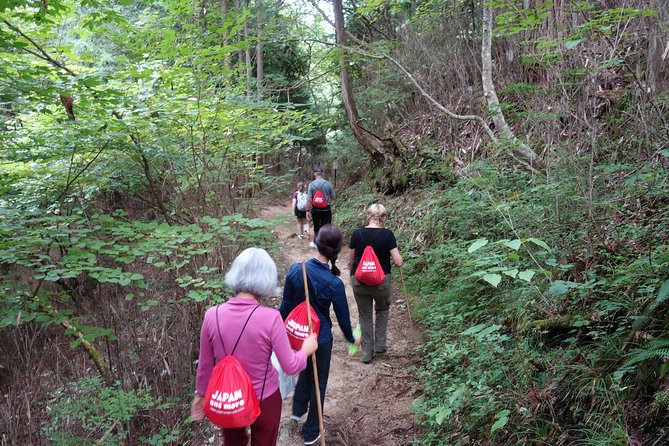
Day six shifts to the Kiso Valley and the Nakasendo post town of Tsumago-juku. You get about two hours in the beautifully preserved post town. Admission is free for this stop.
This kind of day is different from the temple and castle days. Post towns are about continuity. You’re seeing what travelers once needed on the route between Tokyo and Kyoto during the Edo Period. The streets can feel like a living lesson in how travel, lodging, and commerce fit together.
A small strategy that helps here: keep your expectations flexible. The best moments in post towns are often the small streets you didn’t plan for, not the exact storefront you hoped to find. Let the walking lead.
Kiyomizu-dera and Higashiyama shops, Kyoto made walkable
Day seven is built around Kiyomizu Temple (Kiyomizu-dera), a World Heritage Site, with about four hours allocated including time in the Higashiyama District. The plan specifically notes old wooden houses and small shops along the way, with admission included.
Kiyomizu-dera is a must for first-time Kyoto visits, and the schedule helps because you get time to move through the surrounding area instead of only viewing from one point. Higashiyama works best when you treat it like a slow stroll. Look, pause, and snack, then keep going.
Drawback to plan for: Kyoto temple districts can get crowded, especially midday. This tour gives you a block of time, which helps you ride the crowd cycles, but you still need patience. If you get restless easily, you might want to prioritize one side of the district for photos and let the other areas be optional.
Golden Temple and Ryoanji rock garden, a classic temple pairing day
Day eight hits Kinkaku-ji, the Golden Temple, then Ryoanji, known for its famous zen rock garden. Kinkaku-ji gets about one hour with admission included, and Ryoanji gets about one hour, also included.
Why this pairing works: Kinkaku-ji gives you a visually stunning, iconic temple experience. Ryoanji shifts the mood to quiet contemplation through minimal form and careful layout. Together, they show how Japanese temple culture can be about both spectacle and calm focus.
To enjoy both without burning out: be intentional about your pace. Spend your first minutes getting your bearings, then take in the details without rushing for the next spot. With a small group, you can keep your place in line and still take breaks when you need them.
Tokyo National Museum on day nine, culture with room to breathe
On day nine, you return to Tokyo for Tokyo National Museum. The schedule allows about two hours, with admission included. It’s described as Japan’s oldest national museum, with over 110,000 items including 87 Japanese National Treasures.
Two hours can sound short for a museum that big, but that’s exactly why this stop is valuable. Instead of getting lost in endless galleries, you get a guided focus and a manageable time box.
If you’re a museum person, you’ll appreciate how it breaks the temple intensity. It also adds context. Museums help you connect the dots between what you saw outside, like architecture and artifacts, and what the country values enough to preserve.
Narita airport transfer on day ten, end the trip without chaos
Your final day goes from Tokyo to Narita International Airport. The plan includes check-out from the hotel and a route to the airport, with about two hours scheduled and admission noted as free.
This is the kind of ending that reduces the usual last-day stress. Instead of squeezing in one more train puzzle, you close the trip with a clear handoff. If you’ve done other independent travel, you know that last-day rushing can ruin the final hours.
Price and value: what $7,048 really covers in a 10-day Japan plan
Let’s talk money honestly. At $7,048 per person for about 10 days, this is not a budget trip. But you’re paying for the things that cost time and mental energy when you travel independently: a guided route, small-group support, many admissions, and planned meals.
Here’s what your money specifically buys in the provided details:
- 9 breakfasts and 4 dinners included
- A ryokan night experience on the Mt. Fuji side, including onsen and kaiseki dinner
- Many attractions list admission tickets included
- A max of 8 travelers, which usually means fewer coordination headaches and more room to ask questions
- A mobile ticket and group discounts (useful for day-to-day ease)
The value equation gets stronger if you’re flying in and you don’t speak the language. Past feedback on this style of tour points to exactly that. Japan is very workable with transit and signs, but it’s also easy to feel unsure when you need to ask for help or read small etiquette cues. A guide role is not about luxury. It’s about preventing costly mistakes, like arriving at the wrong time or missing how an experience works.
One caution on value: lunch is not listed as included. Plan to budget for midday meals and treat them as part of the fun, especially when you’re near temples and historic streets.
Who this tour fits best, and who should adjust expectations
This tour is a great fit if you want:
- A first Japan visit and you’d rather not design the route yourself
- A small-group pace without the pressure of big-bus crowds
- A mix of Tokyo energy, countryside rhythm, and classic temple days
- Help navigating etiquette and the flow of experiences
It may feel less ideal if you want maximum free time in one city, or if you dislike moving every day. The schedule packs in several distinct regions and multiple temple stops, and the physical requirement is listed as moderate.
Should you book this 10-day Highlights of Japan tour?
If your goal is to see Japan’s biggest highlights with structure, plus at least one truly Japanese overnight experience, I think you should seriously consider booking. The combination of small-group size, a Mt. Fuji ryokan with onsen and kaiseki, and a balanced mix of Tokyo, castle towns, gardens, and temples is the core reason this plan rates so highly.
Do book if you value stress-free logistics and you like learning as you go. Skip it or compare alternatives if you want lots of solitary wandering with no guidance at all, or if you’re sensitive to long days and walking.
Bottom line: this tour is best when you want a guide to do the hard parts, and you get to enjoy the Japan part.
FAQ
How many travelers are in this small-group tour?
The tour has a maximum of 8 travelers.
Where does the tour start and end?
It starts in Tokyo, Japan, and it ends back at the meeting point.
Is airfare included in the price?
No, airfare is not included.
Is travel insurance included?
No, travel insurance is not included.
What meals are included?
Breakfast is included for 9 days, and dinner is included for 4 days.
Does the tour include a ryokan, onsen, and kaiseki dinner?
Yes. Day 3 includes staying in a traditional Japanese ryokan, soaking in a mineral-rich hot spring onsen, and having an authentic Japanese Kaiseki dinner.
Which temple experiences are included?
The tour includes Senso-ji Temple, Zenko-ji Temple (including a Buddhist morning service), Kiyomizu Temple, Kinkaku-ji, and Ryoanji Temple.
Are admission tickets included?
It’s mixed. Some stops list admission tickets as free, and other stops list admission tickets as included.
Does the tour use mobile tickets?
Yes, the tour features mobile ticketing.
Is this tour refundable if I cancel?
No. The experience is non-refundable and cannot be changed for any reason.
Newly listed around Tokyo
- Hitachi National Seaside Park`s Flowers & Ashikaga Flower Park★ 4.5 · 15 reviews
- Holiday Lights Walk Tour Hibiya Midtown Tokyo Station Marunouchi★ 5.0 · 6 reviews
- Tsugaru shamisen performance over traditional dinner★ 5.0 · 9 reviews
- Tokyo Family Photoshoot — Private & Authentic Experience★ 5.0 · 8 reviews
- Hide’s Table A Unique Dinner Gathering Every Wednesday Night★ 5.0 · 20 reviews
- Harajuku Kawaii Fashion and Pop-Culture Tour★ 5.0 · 94 reviews
- Tokyo: Private Transfers to/from Narita Airport(NRT)★ 3.5 · 23 reviews
- Haneda Layover tour of 5hours with local Japanese guide by car★ 5.0 · 26 reviews
Tokyo Tours, compared.
Mt Fuji and Hakone 1-Day Bus Tour Return by Bullet Train
Read our review →

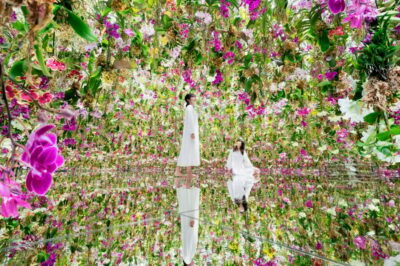
teamLab Planets TOKYO Digital Art Museum Entry Ticket
Read our review →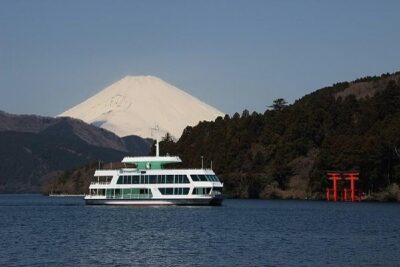
Mt Fuji & Hakone Cruise, Drum Show Bullet Train 1 Day from Tokyo
Read our review →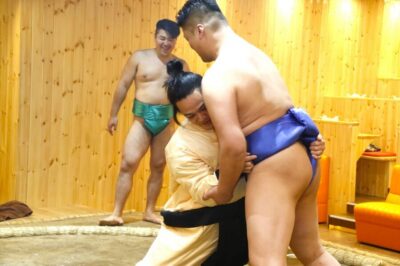
Sumo Show Experience with Chicken Hot Pot and a Photo
Read our review →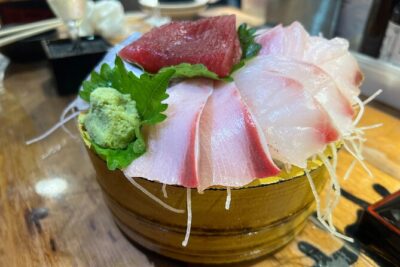
Shinjuku Food Tour (13 Dishes at 4 Local Eateries)
Read our review →