
Review · MUSEUMS
Tokyo: teamLab Planets TOKYO Digital Art Museum Entry Ticket
Touch the art, and it changes back. teamLab Planets TOKYO is a full-body digital art exhibition where your presence affects what you see, turning you into part of the show. It’s designed around all five senses, with shifting light, sound, and materials across a huge indoor-outdoor space.
I especially love how the experience keeps moving from room to room instead of feeling like one long screen. And the best parts are physical, like water-based scenes and falling flower effects that make the artwork feel personal.
The main drawback is practical, not artistic: you walk barefoot and some areas involve water that can rise to knee height, so it helps to plan clothes and pace.
In This Review
- Key things to know before you go
- Entering the teamLab world: what the first minutes feel like
- Price and value: is $25 actually a good deal?
- Your timed ticket rules: how not to get burned
- Barefoot entry, lockers, and clothing that works in real life
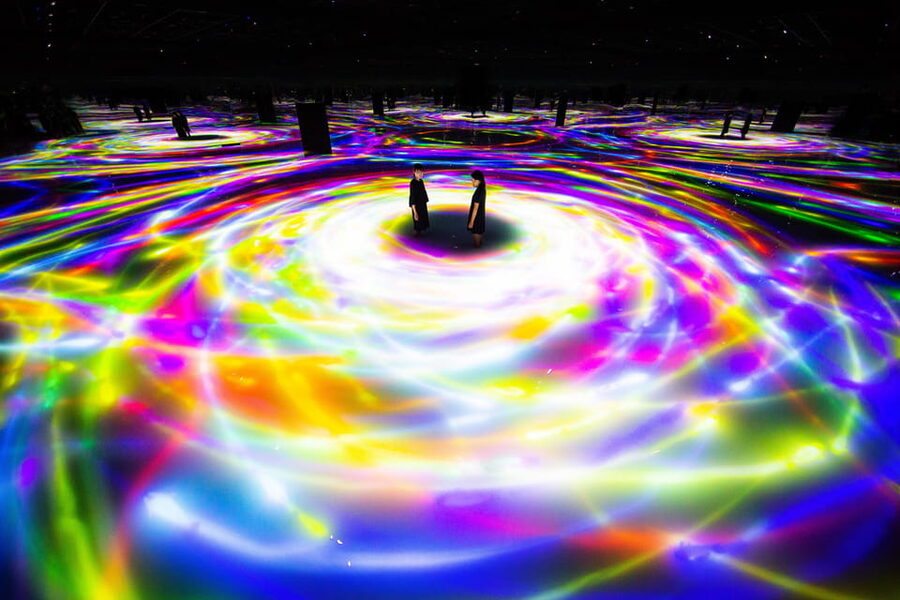
- Inside the exhibition: how the rooms play with light, sound, and movement
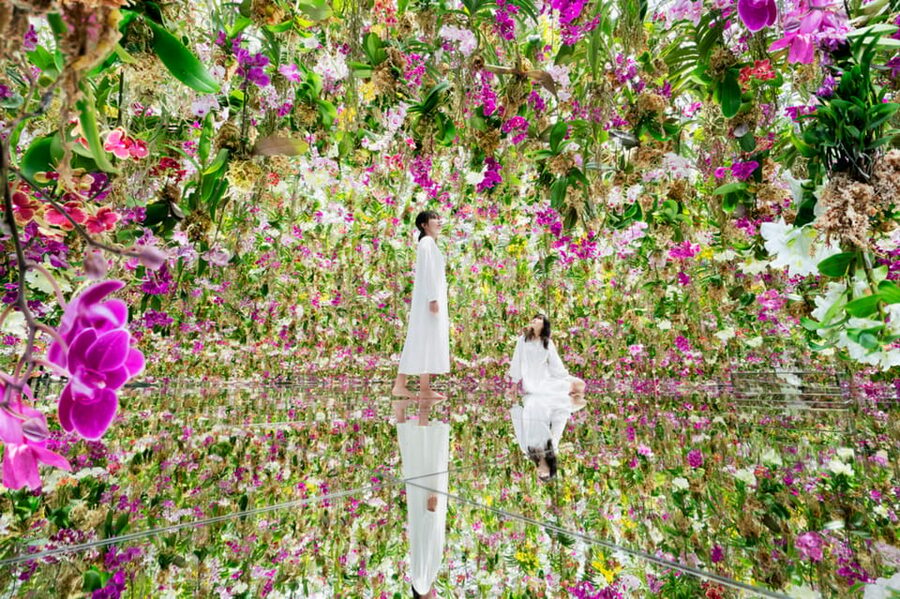
- The orchid room and flower walls: a favorite for a reason
- Water gallery and forest scenes: knee-high fun with real atmosphere
- Timing, crowd flow, and how to reduce stress
- Tech helpers: should you use the teamLab app?
- Who this is for, and who should skip it
- A quick note on comfort, food, and the rest of your Tokyo day
- Should you book teamLab Planets TOKYO?
Key things to know before you go
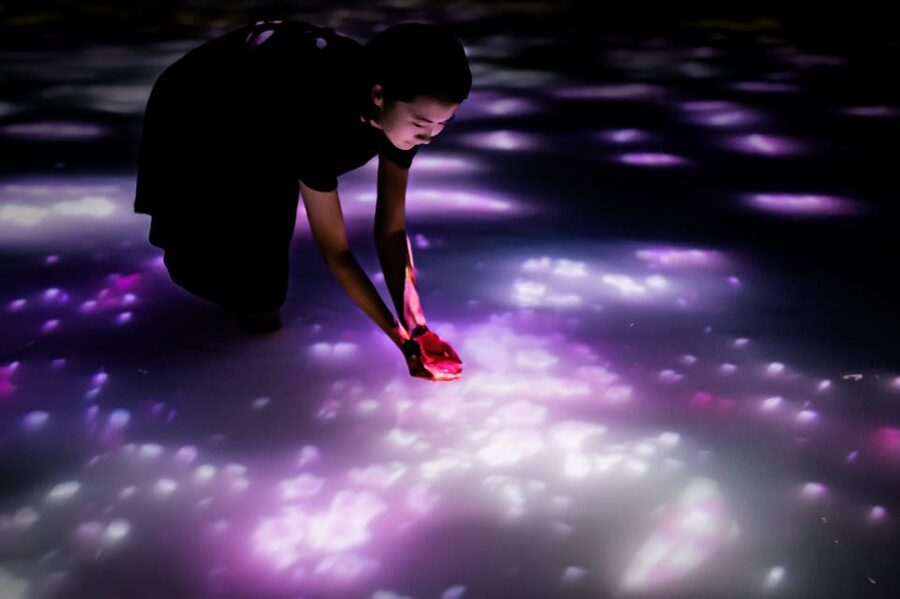
- Your body triggers the art, so standing in the right place matters in several installations
- Over 10,000 square meters of rooms, so you need time to actually go slowly
- Barefoot entry with water zones, including knee-high water in some areas
- Timed entry is strict, with entry allowed only in the first 30 minutes after your slot
- Not a good fit for epilepsy, heart conditions, or strong light sensitivity
- Some areas are not wheelchair accessible, so check expectations first
Entering the teamLab world: what the first minutes feel like
The moment you step inside teamLab Planets TOKYO, it stops being like a normal museum. There’s no distant barrier telling you to stand back. Instead, the environment pulls you forward, and the artworks react to movement and positioning.
You’ll move through several large zones that change the feel of the space. One room may be all light and reflection, while another leans into sound, fog-like effects, or sensory water play. The overall result is that you’re not just looking at digital art, you’re experiencing it as a kind of environment.
I like that the exhibition is built for different moods. If you want to be playful, you can. If you want a calmer moment, you can slow down and watch how the visuals shift around you. A lot of people also come away feeling like they unplugged for a while, since you spend time fully paying attention to what’s in front of you.
More Museum Tours in Tokyo
- Tokyo: Samurai Ninja Museum Guided tour and Experience
★ 4.6 · 1,010 reviews - Skip the lines Basic Ticket at SAMURAI NINJA MUSEUM TOKYO
★ 5.0 · 470 reviews - Tokyo Studio Ghibli Museum and Ghibli Film Appreciation Tour
★ 4.5 · 421 reviews
Price and value: is $25 actually a good deal?
At about $25 per person, teamLab Planets TOKYO isn’t cheap for an entry ticket. But the value comes from two places: scale and participation.
First, the exhibition covers over 10,000 square meters, meaning you’re not paying to see a single “big moment.” Second, the artworks are interactive in a very literal way. Your presence changes what happens, so you are not just consuming content, you’re influencing it.
If you compare it to typical paid attractions in Tokyo, timed entry helps too. Some people find they lose less time than walk-up lines, especially when they’ve booked a voucher with a set entry window. You still should arrive with breathing room, because rules are strict about the entry time window.
One caution: this is “value” in the sense of experience quality, not convenience. It’s worth it if you’re ready for barefoot zones, pacing, and letting the show set your schedule.
Your timed ticket rules: how not to get burned
The biggest logistics issue is timing. Tickets are valid for one day, but entry is only allowed during the first 30 minutes after your selected entry time. If you show up late, there are no refunds for late arrivals.
Also, you can’t just purchase admission on the same day. Your voucher has to be arranged ahead of time, and an official voucher is emailed to you. You need to use that voucher to enter.
When you plan your day in Tokyo, build in a buffer. Don’t schedule this as a “right after lunch” gamble. Tokyo travel can be smooth, but lines, transit, and weather can still mess with tight plans. Give yourself extra time to get there, find the venue, and handle the pre-entry checks.
One more practical point: you may be asked to show ID for proof of age and/or school affiliation. Bring your passport or ID card so you’re not stuck.
Barefoot entry, lockers, and clothing that works in real life
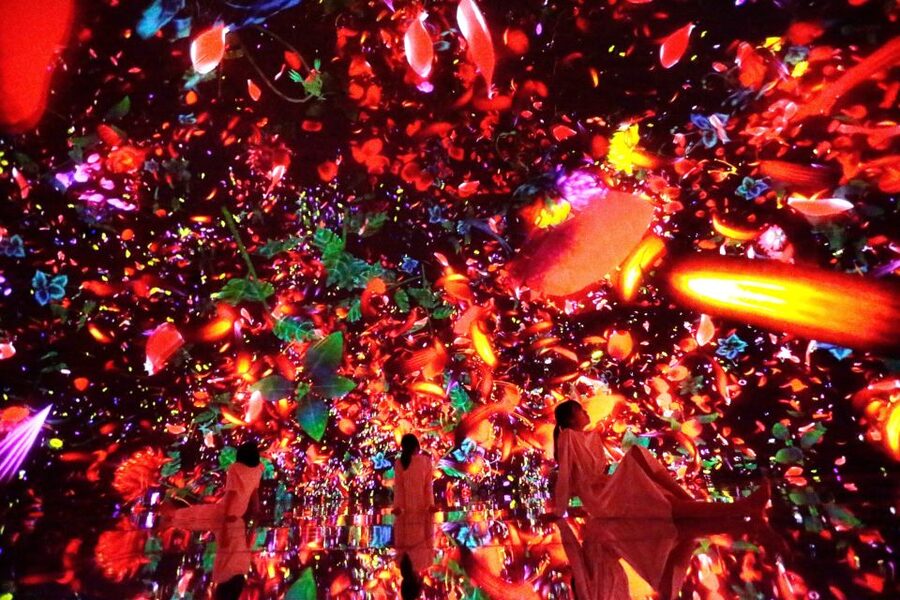
teamLab Planets TOKYO requires barefoot entry. Some floors include mirroring materials, so you may feel visually disoriented at first. It helps to move slowly, so you’re not rushing across reflective surfaces.
Then there’s the water. In some areas, water levels can rise up to knee height. That’s the kind of detail that can make or break your comfort. The exhibition also recommends wearing trousers that can be rolled up past your knee.
A simple outfit strategy:
- Wear pants that are easy to roll up.
- Keep valuables minimal, since you’ll want to use the lockers for small items.
- Expect that you might get wet in ways that feel more than “a splash.” It’s part of the experience.
If you’re someone who hates feeling cold, check the season. The exhibition has a semi-outdoor feel in places, and one of the most common practical comments is to dress warm enough for cooler air.
Finally, you should know what is not allowed inside: eating, drinking, and smoking are prohibited. That means plan meals around your visit, not during it.
A few more Tokyo days to weigh up
- Tokyo Sword Experience – includes Museum Ticket/Ninja Experience
★ 5.0 · 314 reviews - Samurai Ninja Museum Asakusa: Samurai Sword Lesson & Tour
★ 4.8 · 306 reviews - Tokyo: Art Aquarium Museum GINZA Entry Ticket
★ 4.5 · 278 reviews - Samurai Ninja Museum Asakusa: Kid-Friendly Ninja Training
★ 4.7 · 67 reviews
Inside the exhibition: how the rooms play with light, sound, and movement
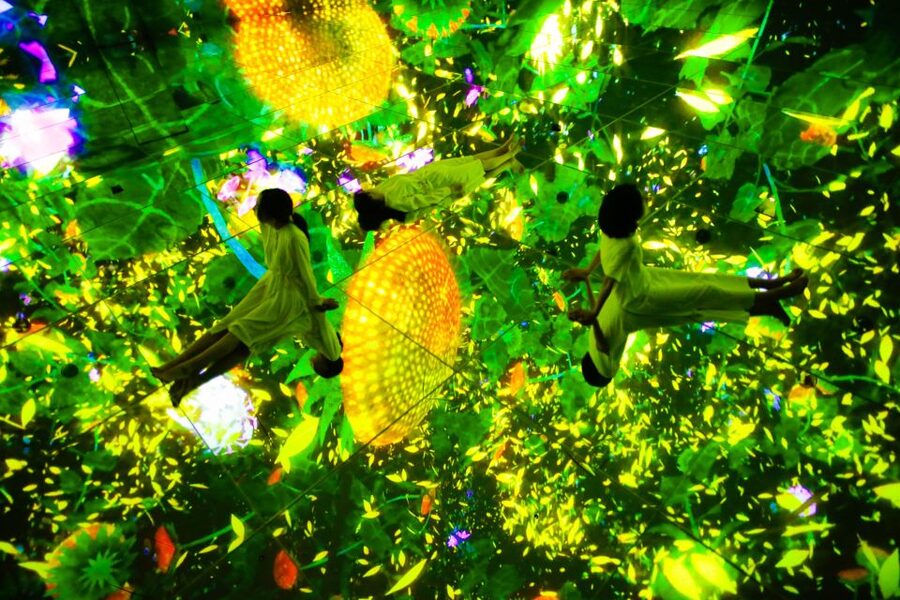
The show is spread across multiple installations, and each one changes how you behave. In some zones, you’ll want to pause. In others, you’ll want to walk slowly and notice what happens when you change direction.
Here’s the pattern you’ll likely see:
- Early rooms help you get used to the rules, like where you can walk, how to approach the interactive parts, and how your movement triggers effects.
- Mirror and reflection areas can be visually intense. They can feel like you’re standing inside a digital hall of mirrors, so take your time.
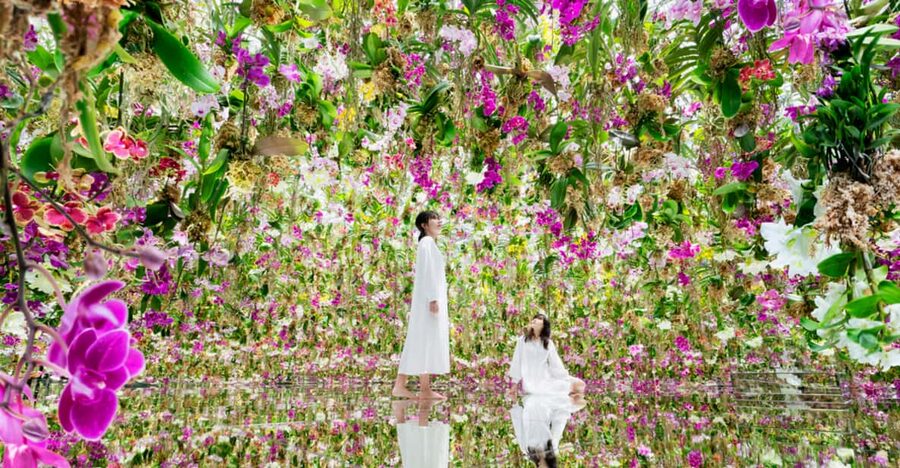
- Flower-focused zones use motion and scale to create the feeling of being surrounded. Some areas let you lie down or lean into the visuals, which is where the experience becomes very personal and memorable.
One thing I appreciate about the design is pacing. Even when it gets busy, staff typically manage the flow so you can still access each area without feeling like you’re stuck in one spot all day.
A minor downside to keep in mind: signs and directions may not feel perfectly clear in every moment. A lot depends on how quickly you read the room layout, so if you feel unsure, stop and reorient rather than forcing your way forward.
The orchid room and flower walls: a favorite for a reason
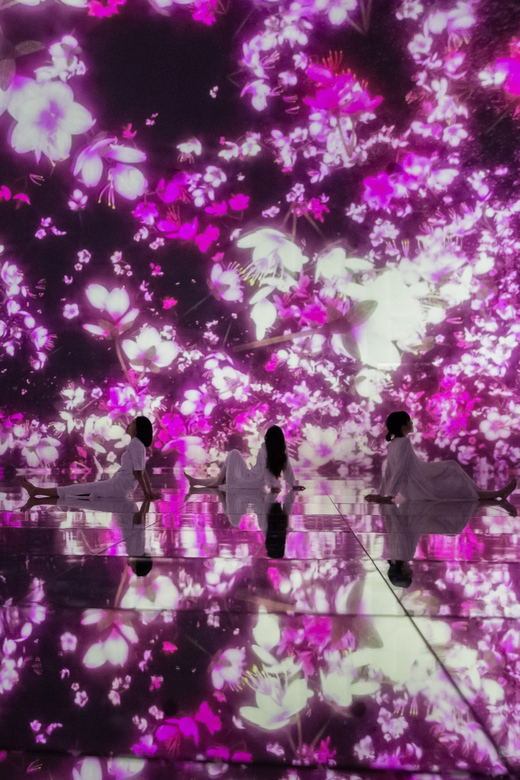
Among the most praised sections are the orchid room and the flower-based environments. These are the spaces where the art feels delicate even though it’s huge.
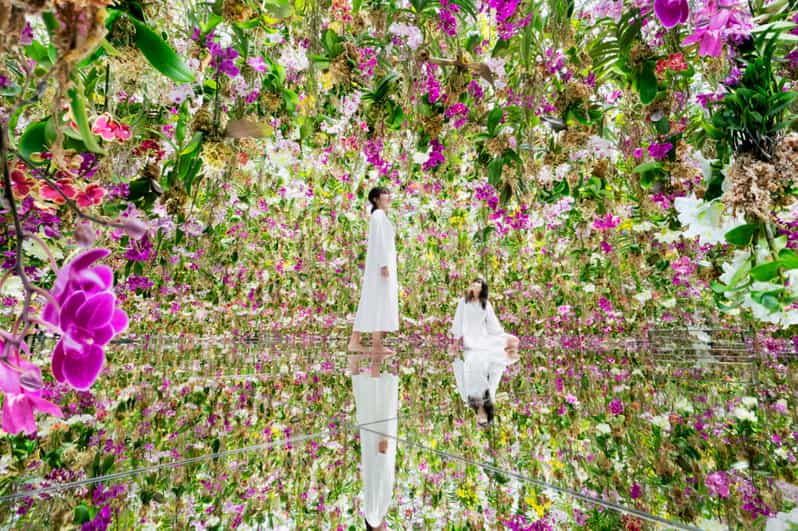
The orchid room tends to be a standout because it blends soft, living-plant visuals with digital motion. The point isn’t realism, it’s mood. You watch light patterns and petals interact with space in a way that makes you slow down without being forced.
Then there are installations described as falling flowers and flower petal walls. In these spaces, the show uses your presence and physical position to shape what you see. If you love photo moments, these are the kinds of rooms that give you “instant wow.” If you don’t care about photos, they still work because you’re surrounded by motion and color.
The most useful advice here is to spend time. People often assume the big moments will be quick. But the best experiences come from staying in each zone long enough to notice how effects change as you move.
Water gallery and forest scenes: knee-high fun with real atmosphere
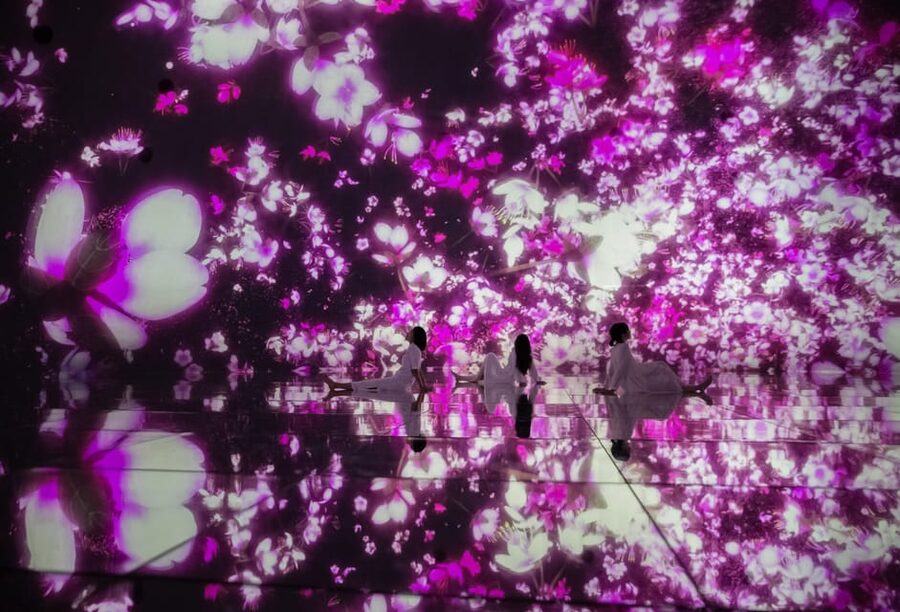
If there is one part of this exhibition that people talk about most, it’s the water-related rooms. The water gallery is repeatedly singled out as a highlight, and the reason is simple: you can’t experience it from a safe distance.
The setting uses rising and falling water effects and naturalistic elements like forest themes and floral environments. In other words, it feels like you’re stepping into a living scene, not standing next to a screen.
Two practical takeaways:
- Wear clothing you can roll up comfortably. If you’re not used to water zones, this is worth doing before you arrive, not as a last-minute scramble.
- Expect sensory intensity. Water plus light plus sound can feel like a lot. If you’re sensitive to light or sound, you might want to choose a calmer time slot or take breaks.
One reason it’s so memorable is that it’s not just visual. You can feel the coolness under your feet and the way the space changes as the water level shifts. That physical element is what makes the artwork stick in your mind long after you leave.
If you go on a rainy evening, it can also feel extra atmospheric since parts of the exhibition are semi-outdoor.
Timing, crowd flow, and how to reduce stress
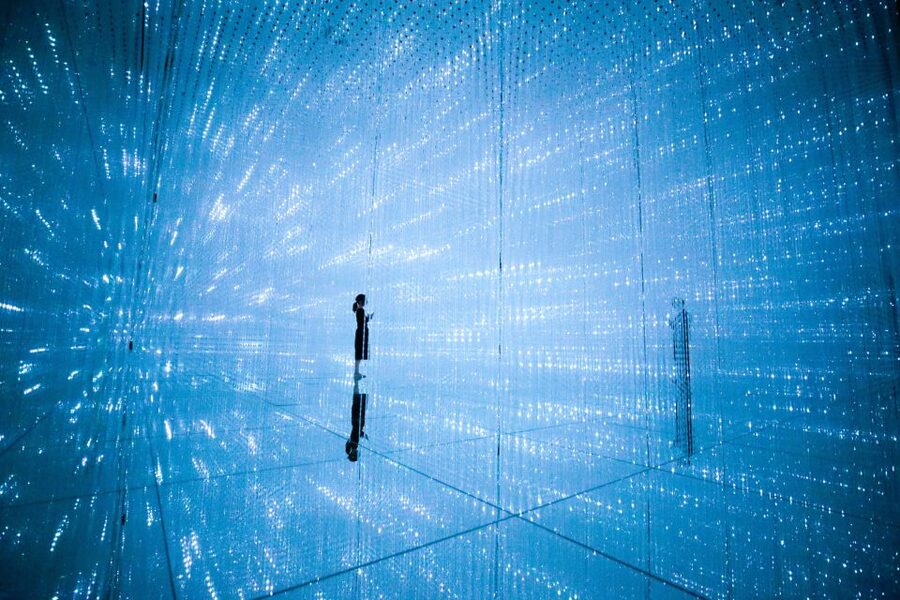
teamLab Planets TOKYO can get busy. That’s normal for a popular digital attraction in Tokyo. The good news is that staff do seem to keep things organized, with a controlled flow so rooms don’t always turn into total chaos.
Still, to make your visit smoother:
- Pick an entry time you can commit to. Missing the window is costly because rules are strict.
- Go with patience in your plan. Even if you feel like you’re moving slowly, you’ll likely go through the zones faster than you think once you’re inside.
- If you’re going with others, agree on a meeting spot for the moments when you separate to explore.
Some people mention the experience can feel hectic in certain areas. If you want the calmer version, consider choosing a less busy time slot. It can change the whole vibe of flower rooms and water scenes.
Also, if you’re coming solo and some installations feel awkward at first, give it a minute. Many interactive elements work even if you’re alone, and you can treat it like a slow walk with occasional pauses instead of a performance.
Tech helpers: should you use the teamLab app?
One practical tip that comes up is downloading the teamLab app in advance. The idea is to make your experience smoother, especially when you’re navigating and want to understand what to expect.
The exhibition itself is built to work without heavy tech reliance, but using the app can still help you keep your bearings fast and avoid unnecessary wandering. If you’re the type who likes clear guidance, it’s an easy extra step.
If you prefer a more unplugged approach, you can skip it. Just make sure you arrive early enough to orient yourself without rushing.
Who this is for, and who should skip it
teamLab Planets TOKYO is a joy for many ages, but it’s not for everyone. The exhibition is not suitable for people with:
- heart problems
- epilepsy
- wheelchair users, since some areas are not accessible by wheelchair
- light sensitivity, since some zones can be visually intense
It also comes with rules about age and supervision. Unaccompanied minors are not allowed, and children younger than 13 must be accompanied by an adult.
So how do you decide if it’s safe for you? Be honest about your health and comfort with sensory experiences. Water play and shifting light effects are part of the design, not optional extras.
If you’re in a group with mixed needs, this might also influence your timing. Pick a slot when you can take breaks, and don’t plan anything demanding right after.
A quick note on comfort, food, and the rest of your Tokyo day
Because eating and drinking are prohibited inside, you’ll want to handle meals before or after. Some visitors also mention the on-site coffee shop or cafe does not match the excitement level of the exhibition itself. That doesn’t ruin the experience, but it does mean I would not treat it as a must-do stop.
Also, plan around how long you want to linger. The exhibition is broad enough that you might find yourself wanting a second pass through certain rooms. If you love the water and flower areas, don’t be surprised if you lose track of time.
Weather matters too. The semi-outdoor feel in parts means you may want a layer or something warm enough for Tokyo evenings, especially outside peak summer.
Should you book teamLab Planets TOKYO?
Book it if you want a Tokyo activity that is truly participatory, not just observational. The top reasons to go are the interactive artworks, the water gallery moments, and the flower scenes that people remember for a long time. If you like sensory experiences and you can handle barefoot water zones, the price is reasonable for the scale and the effort involved in the show.
Skip or rethink it if any of these apply: you have epilepsy, heart problems, wheelchair accessibility needs, or strong light sensitivity. Also be sure you can follow the rules about the entry window and coming prepared with ID and a voucher.
If you’re on the fence, one simple decision tool helps: if you’d rather walk into a world than stare at art from a bench, this is the kind of ticket worth prioritizing.
Newly listed around Tokyo
- Tokyo private transfer for Yokohama Port★ 4.5 · 63 reviews
- Luxury Kimono Photoshoot at Ginza Tokyo★ 5.0 · 7 reviews
- Tokyo Allstar Food Tour★ 4.5 · 206 reviews
- Tokyo Art Aquarium Museum E-Ticket with optional Tokyo Metro Pass★ 5.0 · 17 reviews
- Tokyo: Best Ginza Food Tour at 3 Local Eateries★ 5.0 · 83 reviews
- Private One Day Nikko Tour with Bilingual driver★ 3.5 · 11 reviews
- PRIVATE tour in 180SX to Daikoku+++++★ 5.0 · 6 reviews
- Kabuki Talk★ 5.0 · 10 reviews
Museums, compared.
Samurai Ninja Museum Guided tour and Experience
Read our review →
Tea Museum Tickets and Matcha Grinding Experience
Read our review →
Skip the lines Basic Ticket at SAMURAI NINJA MUSEUM KYOTO
Read our review →
Skip the lines Basic Ticket at SAMURAI NINJA MUSEUM TOKYO
Read our review →
Tokyo Studio Ghibli Museum and Ghibli Film Appreciation Tour
Read our review →
Geiko Maiko Dance of Kyoto & Visits of Gion Museum
Read our review →
Tokyo Sword Experience – includes Museum Ticket/Ninja Experience
Read our review →Browse the lists this tour appears in