
Review · KANAZAWA TOURS
Make original accessories with Mizuhiki, experience Kanazawa’s traditional craft
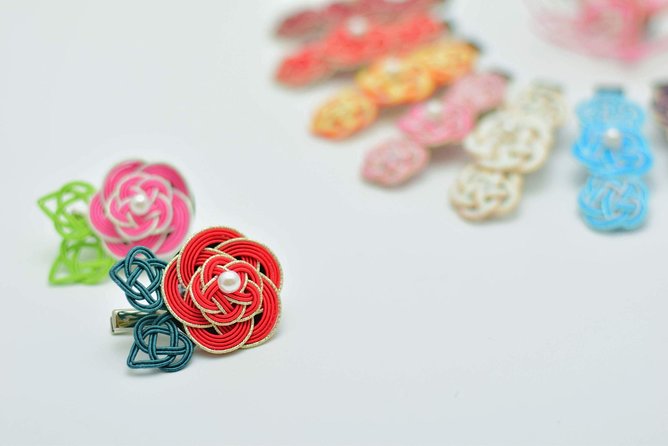
Turning paper into jewelry sounds simple, then it gets addictive. In this small group workshop in Kanazawa, you’ll learn mizuhiki, the traditional art of twisting Japanese paper into cords, and you’ll leave with a handmade accessory. I like that you can choose from more than 50 color options, so your piece actually reflects your style, not just whatever ribbon is on hand. I also love the practical side: your finished accessories are light, easy to pack, and perfect as a gift.
The only real watch-out is the fine, detailed work. If you’re traveling with kids, mizuhiki may be too difficult for children under 10, and you may want to bring glasses if you need them for close work.
In This Review
- Key Takeaways Before You Go
- Why Mizuhiki Is a Smarter Kanazawa Souvenir Than a Magnet
- Price and What You Actually Get in This 2-Hour Workshop
- Tiny Group Setup: What Max Four Really Means
- Pick Your Piece: Earrings, Necklace, Brooch, or Hair Accessory
- The Workshop Flow: What You’ll Do During Those Two Hours
- Step one: Choose your color palette
- Step two: Learn the mizuhiki basics
- Step three: Make your accessory pieces
- Step four: Finish and prepare to take it home
- What Is Mizuhiki, Really, and Why It Feels Different
- Practical Tips So You Enjoy the Fine Work
- How to Choose Colors Like a Pro (Without Overthinking)
- Who Should Book This Workshop in Kanazawa
- Booking and Timing, in Plain Terms
- Should You Book This Mizuhiki Accessory Workshop?
- FAQ
- Is this workshop in Kanazawa, Japan?
- How long does the mizuhiki accessory workshop take?
- What is the price per person?
- What items can I make in the workshop?
- How many people are in each group?
- Do I get to choose colors?
- Do I need to bring anything?
- What is the minimum age recommendation?
- Do I need a reservation?
- How do I pay?
Key Takeaways Before You Go
- Learn mizuhiki hands-on, the Kanazawa craft made from twisted paper cords
- Small-group size (max four) means more attention while you work
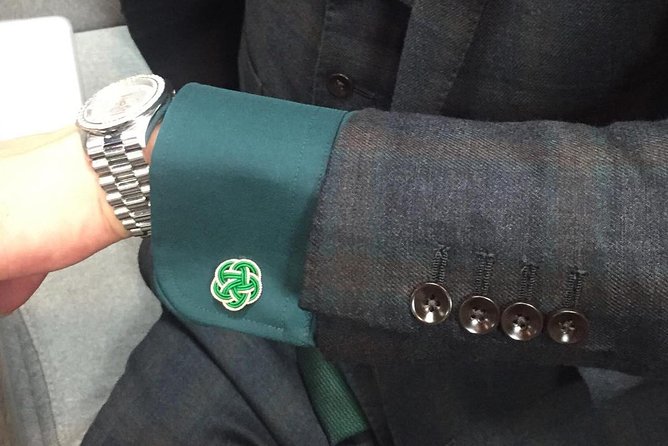
- Pick colors you like, from over 50 options, so your accessory looks personal
- Choose what you make, with the basic course set to earrings and a necklace
- Lightweight souvenirs that fit easily in luggage and work as gifts
Why Mizuhiki Is a Smarter Kanazawa Souvenir Than a Magnet
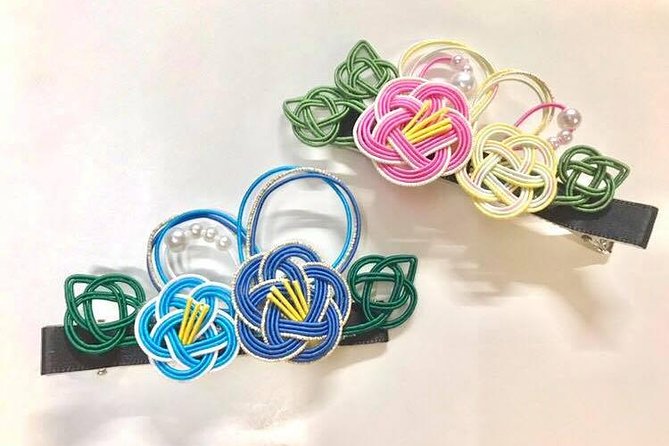
Kanazawa has no shortage of things to buy, but mizuhiki hits a different sweet spot. It is traditional Japanese craft made with paper string, and it has a specific cultural role. Historically, mizuhiki showed up in celebrations like engagement and marriage. There is also a belief that it brings good luck, which is part of why these pieces often feel more meaningful than typical tourist keepsakes.
What I like about choosing mizuhiki for a souvenir is the combination of meaning plus usefulness. These aren’t just decorative scraps. The workshop lets you make wearable accessories, so the result has a life beyond your suitcase. Even if you do not wear jewelry often, you’ll likely keep a piece because it’s tied to an actual skill you practiced with your own hands.
And because mizuhiki cords are paper-based, the finished items are light. That matters in Japan, where you might already have souvenirs from markets and local shops. You get a truly handmade item without adding major weight to your travel load.
A few more Kanazawa days to weigh up
- World Heritage Shirakawa-go and Experience Tours from Kanazawa
★ 5.0 · 4,049 reviews - Kanazawa: Kenrokuen Tea Ceremony Experience
★ 4.8 · 1,139 reviews - Kanazawa Half Day Tour (Private Guide)
★ 5.0 · 361 reviews
Price and What You Actually Get in This 2-Hour Workshop
At about $50.17 per person for roughly two hours, this workshop is priced like a focused craft class, not a long sightseeing tour. The value is in the constraints: small group size, guided making, and a tangible takeaway you can wear right away.
Here’s the practical value equation for you:
- You spend time learning a skill, not just watching something.
- You select your own colors from a wide palette.
- You leave with jewelry or an accessory, so your money turns into something you can use.
Also, the workshop is designed around packability. You are making light items that match outfits well, which is a real advantage if you’re thinking about bringing home gifts. The price feels fair because the craft itself is intricate and the outcome is personalized, not mass-produced.
Tiny Group Setup: What Max Four Really Means
This is a small-group workshop with a maximum of four people. That number sounds small, but you feel it in how you work. Mizuhiki is detailed. Twisting and forming paper cords takes patience and accuracy, so having only a few people in the room matters for getting unstuck quickly.
There’s also a built-in personalization angle. Even though the basic course is set, you still get to choose what you make and what colors you use. If you are the kind of person who likes to ask questions while you’re working, the small group format makes it easier. You won’t be shouting over a crowd, and you won’t be waiting for instructions.
The experience is also set up as a private tour/activity for your group. That can be a bonus if you prefer a calmer atmosphere or you’re traveling with friends who want to work at a similar pace.
Pick Your Piece: Earrings, Necklace, Brooch, or Hair Accessory
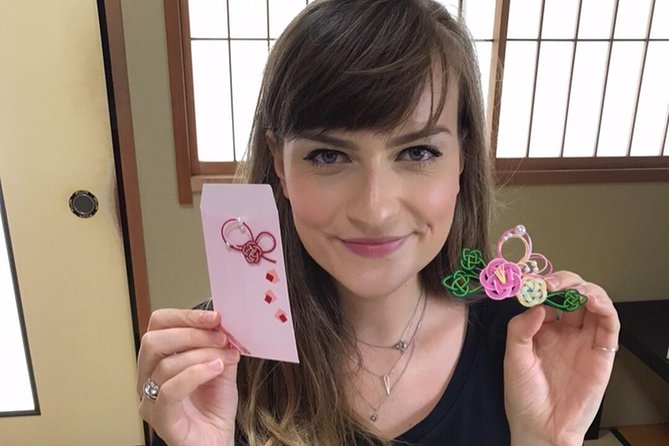
Your course options focus on wearable accessories. The basic course is earrings and a necklace. If you want something different, you can opt for a brooch or a hair accessory depending on what the workshop offers for your session.
This matters because your final souvenir should match how you’ll use it at home. If you want something easiest to wear frequently, earrings and a necklace are the straightforward choice. If you prefer something more subtle, a brooch can work with a jacket, bag, or scarf. A hair accessory is ideal if you like styling with clips or pins.
One detail that’s worth taking seriously: mizuhiki accessories are said to match many types of outfits. That is a helpful guideline, but your best bet is to pick colors that will actually complement what you own. Since you choose from more than 50 colors, you can think of it like building a mini wardrobe accessory, not just picking something pretty on the spot.
A different sort of day in Japan:
- Kanazawa Full Day Tour (Private Guide)
★ 5.0 · 323 reviews - 1 Day Private Charter Tour to Shirakawa-go & Takayama
★ 4.5 · 253 reviews - [One-day bus tour departing from Kanazawa Station] Shirakawa-go and Gokayama – Two World Heritage Villages Enjoyable Bus Tour
★ 5.0 · 253 reviews - World Heritage Shirakawa-go Perfect Guided Tour from Kanazawa
★ 5.0 · 220 reviews
The Workshop Flow: What You’ll Do During Those Two Hours
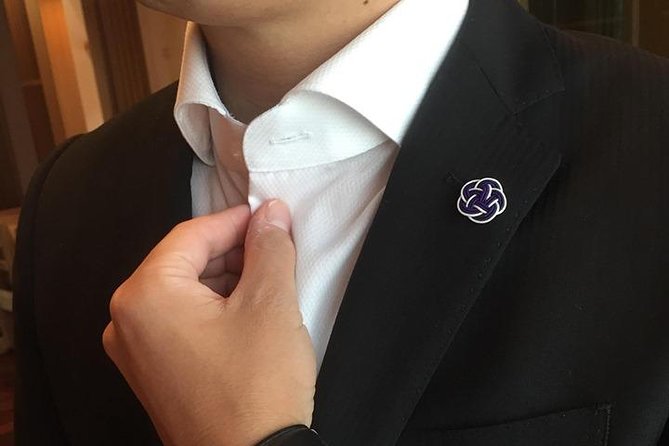
The experience starts and ends back at the meeting point in Kanazawa, at 1-15 Yasuechō, Kanazawa, Ishikawa 920-0854. Expect a calm, hands-on pace rather than a rush through multiple stops.
Here’s what your time will likely look like as you move through the activity:
Step one: Choose your color palette
Before you start twisting paper cords, you’ll pick your favorite colors. The workshop offers more than 50 color options, which is where you can really shape the final look. If you’re unsure, you can choose colors based on something you already wear, like a favorite top color or a jacket shade you know goes with everything.
Step two: Learn the mizuhiki basics
Mizuhiki is paper twisted into cords. It may sound similar to simple craft, but the results depend on how consistently you twist and form the cord into the accessory parts. You’ll be doing a detailed job, so expect close, careful work.
This is also where the small group helps. If you are fumbling with fine details, it’s the kind of thing where getting quick feedback prevents frustration later.
Step three: Make your accessory pieces
Your class focus is on making accessories. For the basic course, you’ll make earrings and a necklace. If you opt for a different accessory, the focus will shift accordingly.
This part is where you’ll feel the real craft skill. You’re taking something that looks like paper string and turning it into a finished item that holds its shape and looks intentional.
Step four: Finish and prepare to take it home
Because mizuhiki accessories are light, you don’t need special packing. You’ll be leaving with something you can wear right away, or gift to someone who loves handmade items.
If you have ever bought crafts that crumble in a suitcase, you’ll appreciate this design choice. The workshop is built around taking the accessory home without turning it into a luggage problem.
What Is Mizuhiki, Really, and Why It Feels Different

A lot of Japan souvenirs are pretty, but they do not ask you to slow down. Mizuhiki asks you to slow down. That’s the difference.
Mizuhiki is made from paper string, twisted into cords. Traditionally it’s tied to celebrations like engagement and marriage, and it’s associated with the idea of bringing good luck. When you make it yourself, that meaning becomes more than a story on a label. You are part of the act, even if your version is an accessory instead of a ceremonial decoration.
Also, because the accessory format is built into the workshop, you’re not left wondering how to use your project later. You are building something wearable: earrings, necklace, brooch, or a hair accessory.
If you love crafts with a clear output, this kind of workshop hits the sweet spot. You get a result in a couple hours, not a multi-day project. And you leave knowing a technique you can repeat, at least in spirit, when you get home.
Practical Tips So You Enjoy the Fine Work
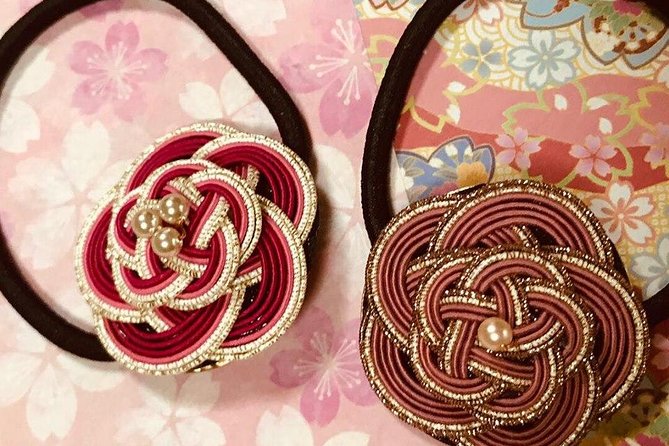
This is a detailed craft. To make it smooth, I’d plan like this:
- Bring glasses if you need them for close work. The work is precise.
- If you’re traveling with children, remember that mizuhiki may be too difficult for kids under 10.
- Wear or bring something comfortable. You’ll likely be leaning in and focusing for an extended stretch.
- Expect patience. This isn’t about speed. It’s about accuracy and careful twisting.
If you’re worried about your hands, here’s the reassurance baked into the format. This workshop runs with up to four people. That setup is helpful for fine work, because you’re less likely to fall behind the pace of the group.
How to Choose Colors Like a Pro (Without Overthinking)
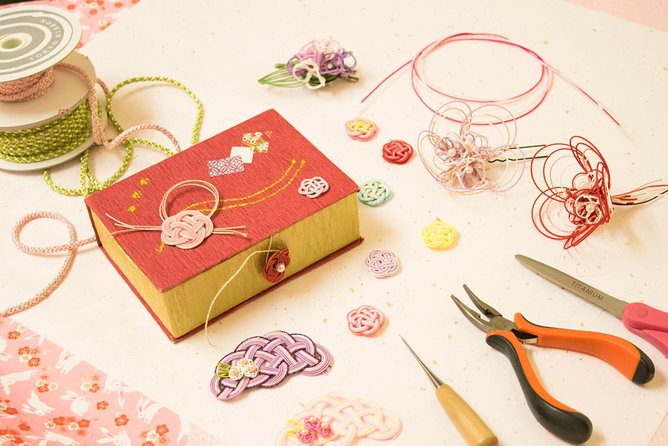
With more than 50 colors, you might think you need to create a perfect design. You don’t. Pick what feels easy and wearable.
Here are a few ways you can make a confident choice quickly:
- Choose colors that match a jacket or bag color you already have.
- If you want a safe look, pick one main color and one accent color.
- If you’re making a gift, think about the person’s wardrobe. A small set of complementary colors almost always works better than a rainbow mix.
The biggest benefit here is that you have control. A lot of craft souvenirs are fixed. This one lets you choose, which means you’re more likely to actually use the accessory later.
Who Should Book This Workshop in Kanazawa
This workshop is a great fit if you want one of Kanazawa’s traditional crafts that is both meaningful and practical. It works especially well for:
- People who love hands-on activities
- Anyone looking for a lightweight, easy-to-pack souvenir
- Travelers who want wearable art, not just an item to store away
- Groups of adults or older teens, since the craft can be detailed
It may not be ideal if:
- You’re traveling with younger children. Mizuhiki may be too difficult under age 10.
- You hate detail work and close focus. This craft rewards patience.
It’s also a good choice for a calm break in your Kanazawa day. You’re not hopping between sights. You’re building something.
Booking and Timing, in Plain Terms
This workshop requires reservation. It runs on Saturdays, Sundays, and Japanese national holidays. You’ll want to reserve ahead so you get a time that fits your itinerary.
Confirmation is provided within 48 hours of booking, based on availability. The workshop is capped so you should also plan to book as part of a group, because the workshop will be cancelled if there is only one participant. In other words, it is set up for small shared making.
For payment, credit card is accepted through TripAdvisor. The activity uses a mobile ticket, so you’ll want your phone ready.
Should You Book This Mizuhiki Accessory Workshop?
Yes, if you want a Kanazawa craft souvenir that you will actually use. This workshop hits several important value points: small-group instruction, meaningful traditional craft, a clear wearable output, and an accessory that packs easily.
I would skip it only if you know you dislike fine, detailed handwork, or if you’re traveling with children under 10 who might struggle with precision tasks. Otherwise, it’s a satisfying use of a couple hours, and it gives you a skill you can brag about in a friendly way when you get home.
If you’re building a Kanazawa itinerary, this is one of the better “do something” options. It’s traditional, but not stuffy, and you leave with something tangible you can put on.
FAQ
Is this workshop in Kanazawa, Japan?
Yes. The activity takes place in Kanazawa, and the start address is 1-15 Yasuechō, Kanazawa, Ishikawa 920-0854. It ends back at the meeting point.
How long does the mizuhiki accessory workshop take?
It lasts about 2 hours.
What is the price per person?
The price is listed as $50.17 per person.
What items can I make in the workshop?
The basic course is earrings and a necklace. Other options include a brooch or a hair accessory.
How many people are in each group?
The workshop has a maximum group size of four people.
Do I get to choose colors?
Yes. You can pick your favorite colors from more than 50 different colors of mizuhiki.
Do I need to bring anything?
Bring glasses if you need them, since the work is detailed.
What is the minimum age recommendation?
The suggested age is 10 or older, because mizuhiki may be too difficult for children under 10.
Do I need a reservation?
Yes, a reservation is needed, and you should make your reservation by two days prior.
How do I pay?
Payment is accepted with a credit card through TripAdvisor.
Newly listed around Kanazawa
- Private Tour of Shirakawago and Gokayama from Kanazawa★ 5.0 · 50 reviews
- Taste of Kanazawa (Food tasting in Omicho Market & Higashi Chaya)★ 5.0 · 58 reviews
- Kanazawa private 1 day/Photoshoot by professional photographer★ 5.0 · 33 reviews
- Private Tour of Shirakawago from Kanazawa (Half Day)★ 5.0 · 24 reviews
- Private Ring Craft Experience in Kanazawa★ 5.0 · 22 reviews
- Private Tour Kanazawa, Shirakawago, Hida Furukawa,Takayama★ 5.0 · 108 reviews
- Noto Full Day Driving Tour (Private Car)★ 5.0 · 6 reviews
- Noto peninsula 1 day/Photoshoot with professional photographer★ 5.0 · 9 reviews
Kanazawa Tours, compared.

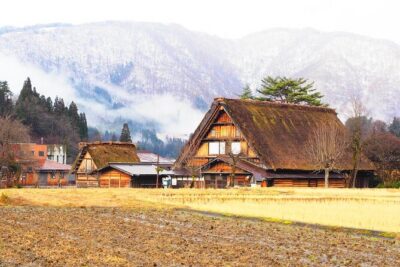
World Heritage Shirakawa-go and Experience Tours from Kanazawa
Read our review →

1 Day Private Charter Tour to Shirakawa-go & Takayama
Read our review →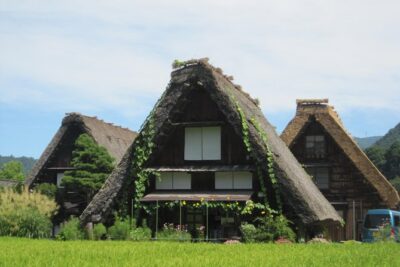
[One-day bus tour departing from Kanazawa Station] Shirakawa-go and Gokayama – Two World Heritage Villages Enjoyable Bus Tour
Read our review →
World Heritage Shirakawa-go Perfect Guided Tour from Kanazawa
Read our review →
Browse the lists this tour appears in