
Review · BEPPU TOURS
Open-air theater “Tao- no-Oka” Drum TAO Live performance
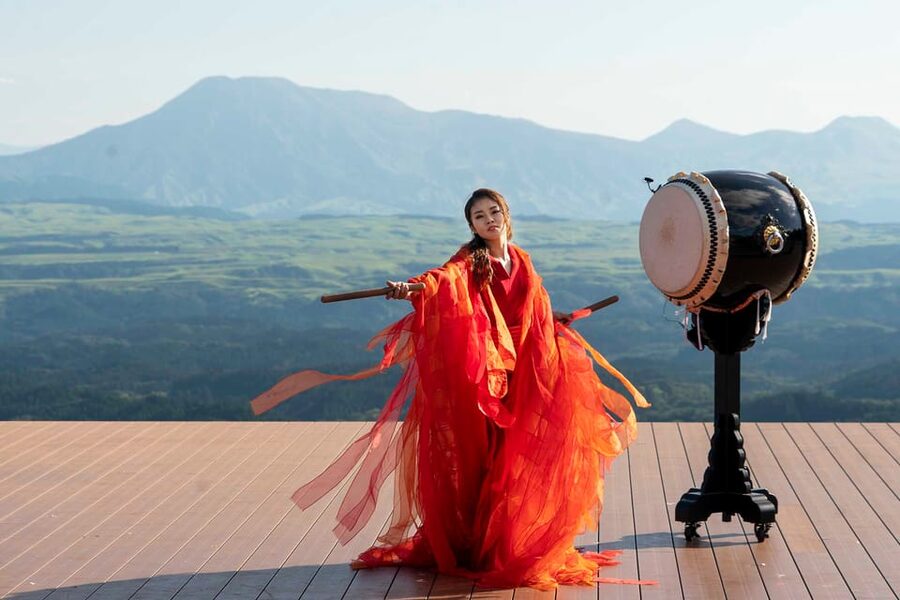
You do not watch this show, you get pulled into it. TAO-no-Oka, Drum TAO’s open-air venue in Taketa, pairs Skyward Stage drama with the full-throttle energy of wadaiko plus flutes, strings, chants, dance, and acrobatics. The result is one of those rare performances where the mountains feel like part of the cast.
What I love most is the setting, Kuju’s towering mountains and the Aso area with an active volcano in the wider backdrop. I also love the show’s mix of instruments and movement, it keeps changing gears so you stay locked in from the first drumbeat. The one catch to plan around is weather. If rain or wind makes it unsafe, the outdoor performance can shift indoors, so you need a backup-ready mindset and a jacket.
In This Review
- Key things to know before you go
- TAO-no-Oka and the Skyward Stage view you feel in your chest
- Arriving and getting seated: plan for a calm 30-minute buffer
- TAO House: costumes, video theatre, and pre-show momentum
- The performance: what Drum TAO’s instruments and acrobatics actually do
- Weather reality: how rain changes the show plan
- Food, drinks, and what to bring to avoid disappointment
- Price and value: why $30 can feel like more than a ticket
- Rules that affect your comfort: photos, pets, and what is not allowed
- Who should book TAO-no-Oka, and who should reconsider
- Should you book TAO-no-Oka Drum TAO Live?
- FAQ
- What time should I arrive for the TAO-no-Oka performance?
- What happens if it rains or the wind is too strong?
- Is there food and drink available at the venue?
- Can I take photos or video during the performance?
- Are pets allowed in TAO-no-Oka?
- What is the indoor seating limit if the show moves indoors?
Key things to know before you go
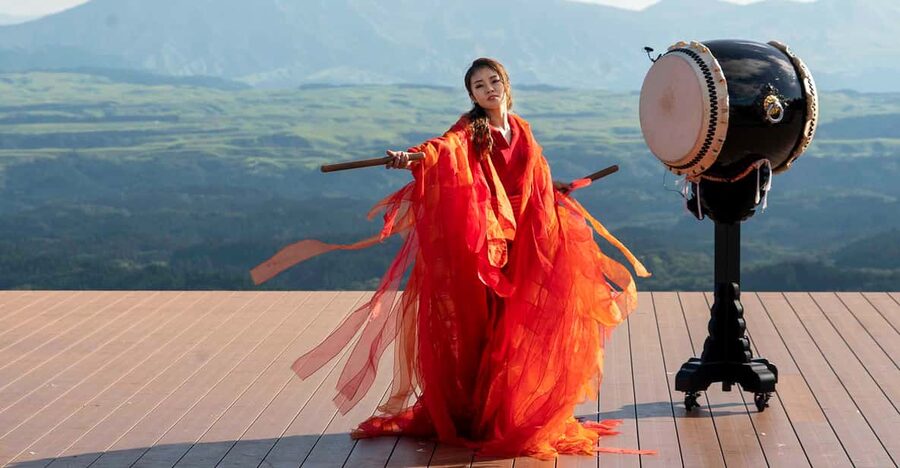
- Skyward Stage in Aso-Kuju National Park: An open-air grandstand high above the countryside
- Drum TAO’s full show lineup: Wadaiko, shinobue flutes, shamisen, koto, chants, dance, and acrobatics
- TAO House adds context: A costume exhibition, video theatre, cafe, and a shop
- Rain means indoor performance: The venue swaps to a second-floor hall if they judge the outdoor stage unsafe
- Limited food and drink on-site: You can buy drinks at TAO House, but don’t count on a meal
TAO-no-Oka and the Skyward Stage view you feel in your chest
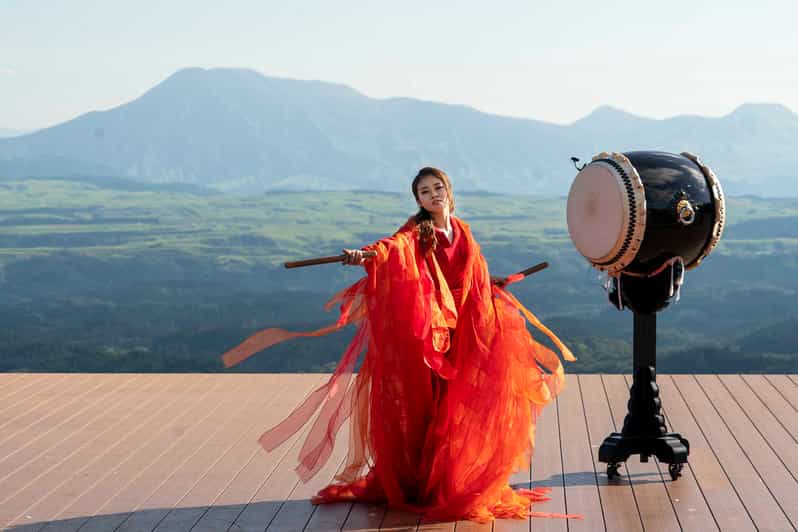
TAO-no-Oka is Drum TAO’s performance and arts complex, set high in the Aso-Kuju National Park region at an elevation of 1,036 meters. The first thing you notice is how the venue frames the world. You are not in a generic theatre box. You are high enough that the weather can change fast and the mountains feel close.
Then the show starts, and the mountain setting makes the drumming hit harder. Wadaiko is loud by nature, but here it is paired with wide-open air and huge sightlines. The sound does not bounce off walls. It spreads into the valley and comes back at you in a new way, which is exactly why Drum TAO’s style works so well in this kind of stage.
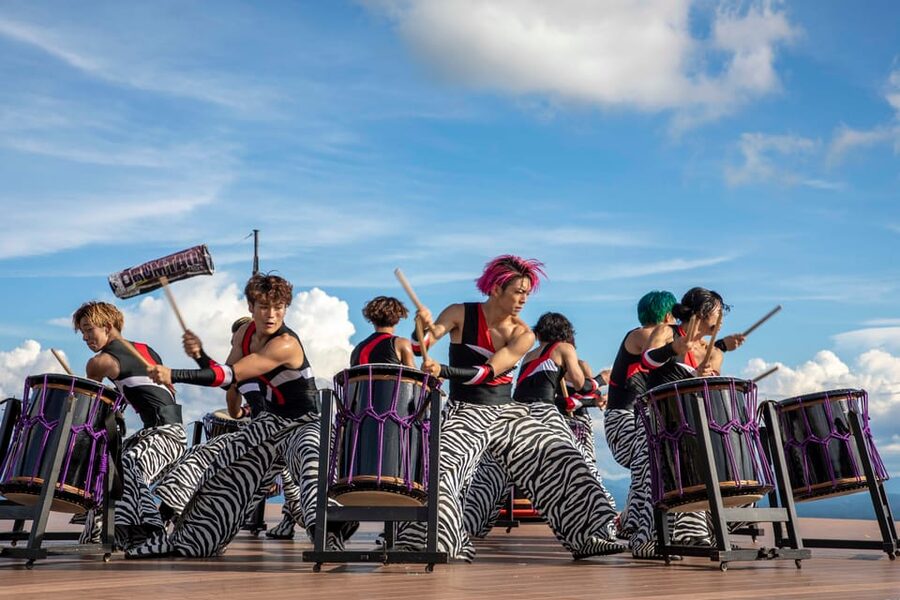
The show itself is not just taiko. You’ll see a tight blend of instruments and performance arts: shinobue flutes slicing through the rhythm, shamisen and koto adding texture, plus chanting, dance, and acrobatics. That variety matters. If you are a first-timer, it keeps you from getting bored during the quieter musical moments. If you are a fan of Japanese performance, it gives you a bigger picture of what the group does beyond drumming.
A few more Beppu days to weigh up
- Become a local! A Walking Tour of Arts, Crafts & Onsen Culture
★ 5.0 · 36 reviews - Hot Spring Capital of Yufuin Rickshaw Tour
★ 5.0 · 32 reviews - Bamboo Lantern Workshop
★ 5.0 · 25 reviews
Arriving and getting seated: plan for a calm 30-minute buffer
This experience works best if you arrive early. You should go to the reception in the white building on site at least 30 minutes before the live show. That timing helps you get your bearings fast, especially because the venue is in mountainous terrain and the weather can be unpredictable.
Once the performance begins, you stay focused on the stage. The show is a live event with strict rules around movement and recording, so treat this like a proper performance night. Walk in with a jacket and comfortable shoes. You’ll likely appreciate having a little extra time to settle in before the first drumbeat.
Also, note the venue language is Japanese. You do not need fluent Japanese to enjoy the show, but being ready for simple staff directions will make your arrival smoother.
TAO House: costumes, video theatre, and pre-show momentum
Your ticket includes entry to TAO House, which is the complex that supports the performance. Think of it as the context layer before the mountain spectacle. You can spend time browsing before you head toward your viewing area.
One standout detail is the costume exhibition. The complex includes stage costumes created by Junko Koshino, so you’re not just seeing the final performance look. You’re seeing the craft behind the visuals. For me, that kind of exhibition is valuable because it turns the show into something more than a one-time event. It helps you notice details you might otherwise miss when you’re watching at speed.
TAO House also has a video theatre, plus a cafe and a shop. Even if you are not into shopping, the shop is worth a quick look because it gives you a way to take a piece of the experience home. One thing I like about venues like this is that the merchandise often matches the performance theme instead of feeling generic.
The performance: what Drum TAO’s instruments and acrobatics actually do
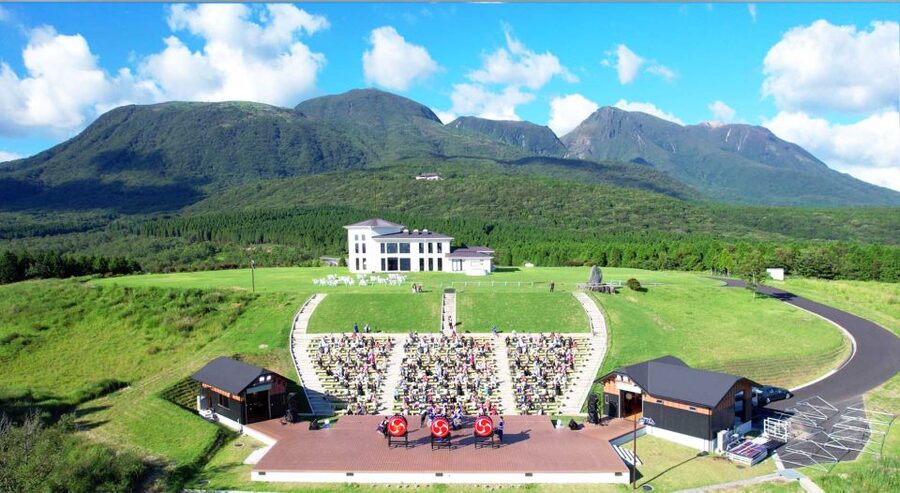
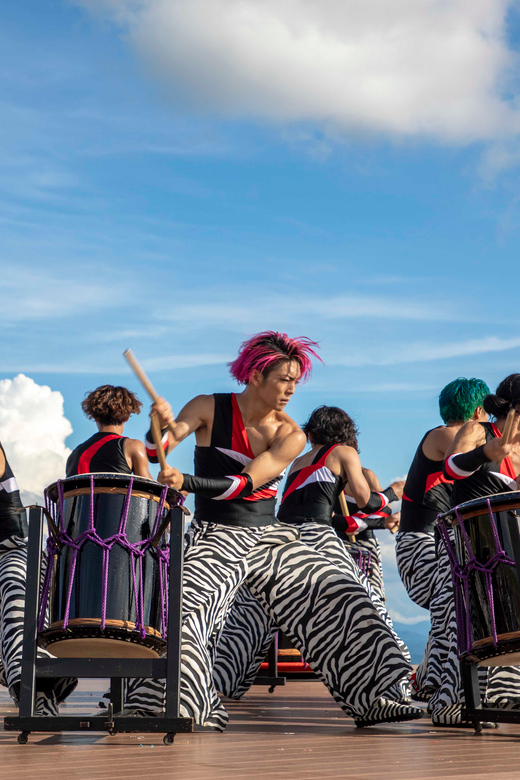
The core of TAO-no-Oka is the live performance featuring Drum TAO’s high-energy, flamboyant stagecraft. The group has been based in Oita since 1995, and their international reputation makes this more than a local curiosity. Here, you feel that experience in the timing. The show hits hard, then it shifts, then it builds again.
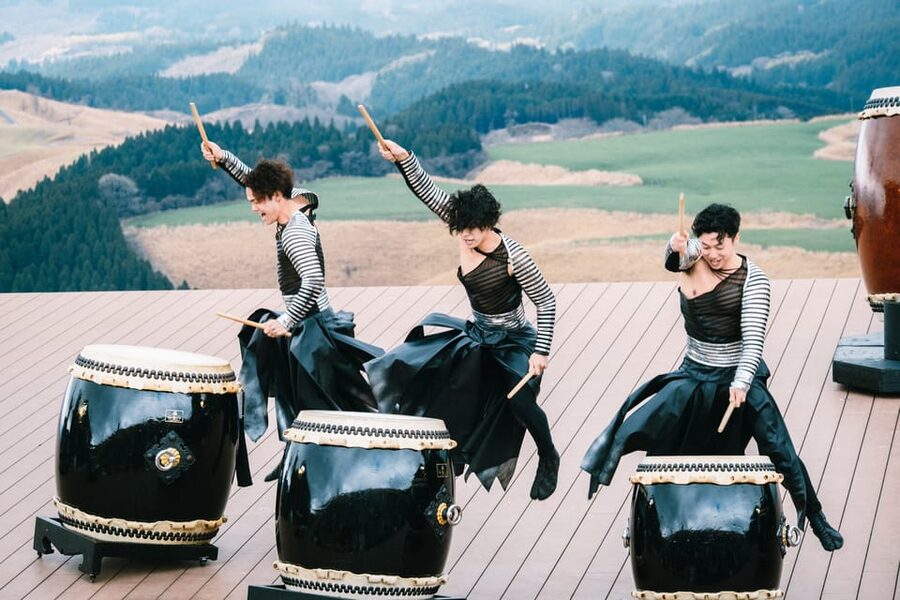
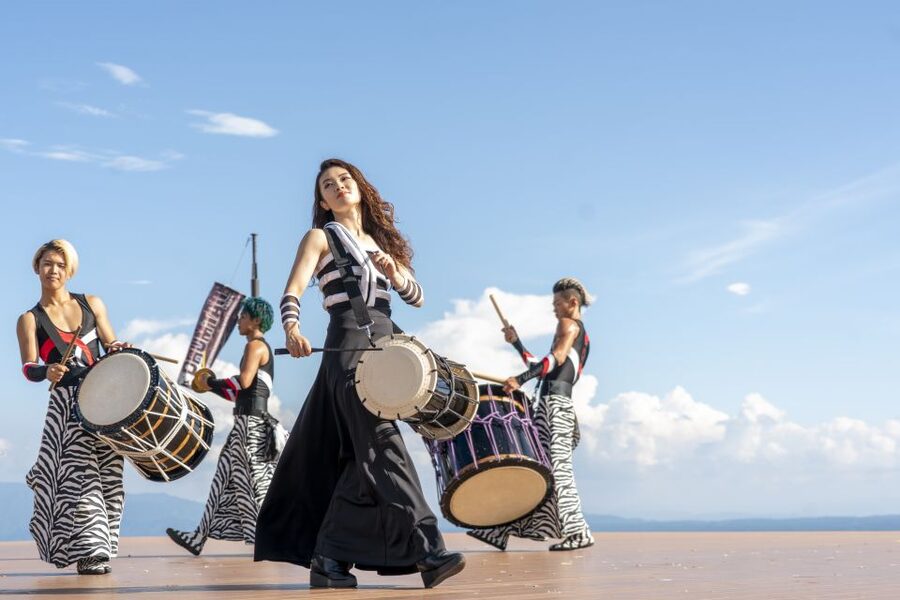
What you’ll see is a choreographed mix of rhythmic percussion and theatrical movement. Wadaiko drives the pace, and you’ll feel it in your posture even if you are just sitting. The shinobue flute gives the music a human voice quality, like a call that rides over the drums. Shamisen and koto add a more melodic edge, which helps the show avoid becoming one-note loudness.
Then come the movement elements. Chants, dance, and acrobatics turn the stage into a performance sport. Even when you are not familiar with the styles, you can track the story through intensity. The pacing is what keeps you interested. The show keeps shifting between power and control, so your eyes always have something new to lock onto.
If you are thinking about bringing family, kids often respond well to the physical energy and visible action. If someone in your group is sensitive to loud sound, consider this a strong audio environment. The setting is open-air, but taiko is still taiko.
A different sort of day in Japan:
- Calligraphy Class for Beginners in a Century-old Japanese House
★ 5.0 · 18 reviews - Beppu: Bamboo Lantern Workshop
★ 5.0 · 14 reviews - Become a local! A Walking Tour of Arts, Crafts&Onsen Culture
★ 5.0 · 13 reviews - Calligraphy Class for Beginners in a Century-old House
★ 5.0 · 12 reviews
Weather reality: how rain changes the show plan
The venue has a clear approach to weather. If they judge it is dangerous to hold the outdoor performance due to rain or wind, they cancel the outdoor portion. When that happens, the performance shifts indoors, and they hold a special indoor version in the hall on the second floor.
Important practical detail: the indoor hall is on the second floor, and there are no elevators or escalators. That means you should be comfortable with stairs. If you have mobility limitations, you’ll want to consider this before you reserve.
Capacity inside is limited too. For indoor performances, up to 53 people can attend on a first-come, first-served basis at the time of reservation, with 8 of those spots standing. If you arrive with the rain in the forecast, you should take the venue timing seriously and plan to be there early.
As for what to pack for weather, TAO-no-Oka sits at altitude, and the temperature can be unstable. It can be windy even when the sun is out. Bring a jacket. This is not optional in practice. It’s the difference between enjoying the wait and rushing through it.
Food, drinks, and what to bring to avoid disappointment
Food and drinks planning is the biggest practical “gotcha” for TAO-no-Oka. Food and drinks are not allowed to be brought in. You can buy drinks at TAO House, and you can drink at your seat even during the performance if you purchased them there.
What I would do is simple: eat before you go. Do not count on the venue as a meal stop. At minimum, you should assume options are limited and plan accordingly, especially for long waits if weather complicates the schedule.
Also, no smoking is allowed on site. So if you smoke, step away from the performance areas before the show begins and follow staff guidance.
Price and value: why $30 can feel like more than a ticket
At around $30 per person, you are paying for two things: entry to TAO House and the live Drum TAO taiko performance. That matters because you are not just buying a seat in an auditorium. You’re getting the full atmosphere of the complex, plus a high-impact performance in an unusual setting.
If you like performance art, this price can feel fair because the show blends multiple traditional elements, not only one instrument family. And the location adds real value. Watching drums with Kuju mountains and the Aso volcanic region as your backdrop is not something you replicate every day.
You also get a small bonus in experience depth. The costume exhibition by Junko Koshino and the video theatre give context. You might arrive thinking it is only an outdoor drumming show, but the venue invites you to connect more dots.
Add to that the shop and you get something tangible to remember the night. One audience detail that stuck with me is that people often find the location beautiful and the staff positive. That kind of calm, friendly service makes a performance like this feel smoother, especially when weather is rolling through.
Rules that affect your comfort: photos, pets, and what is not allowed
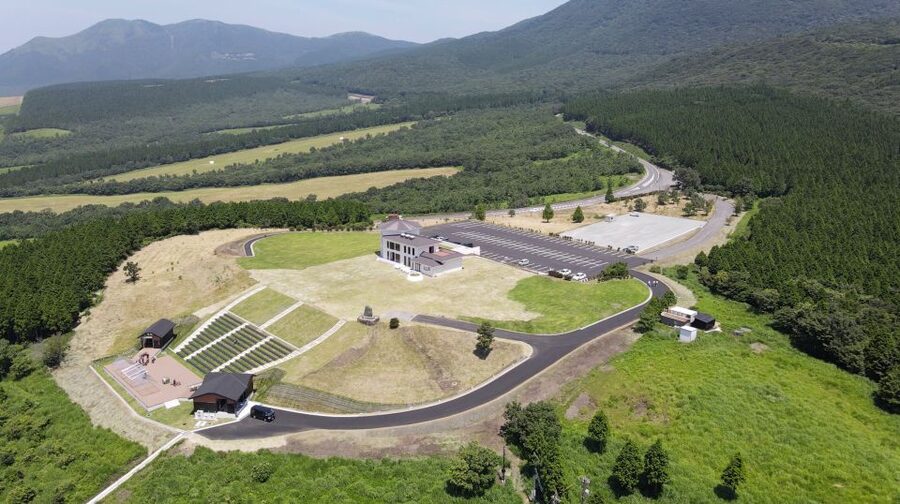
A few rules shape how you experience the show.
No photography or video recording is allowed during the performance. That keeps the focus on the stage and helps the performers do what they do without screen clutter all around you. If you like to capture memories, plan to do it before the show begins inside TAO House or right after you settle, but keep cameras away once the performance starts.
Pets are not allowed. Assistance dogs are allowed, though.
The venue also has rules against bringing food and drinks, and smoking is prohibited. These are easy to follow, but they matter. If you show up hungry, the show does not work like a snack stop.
Who should book TAO-no-Oka, and who should reconsider
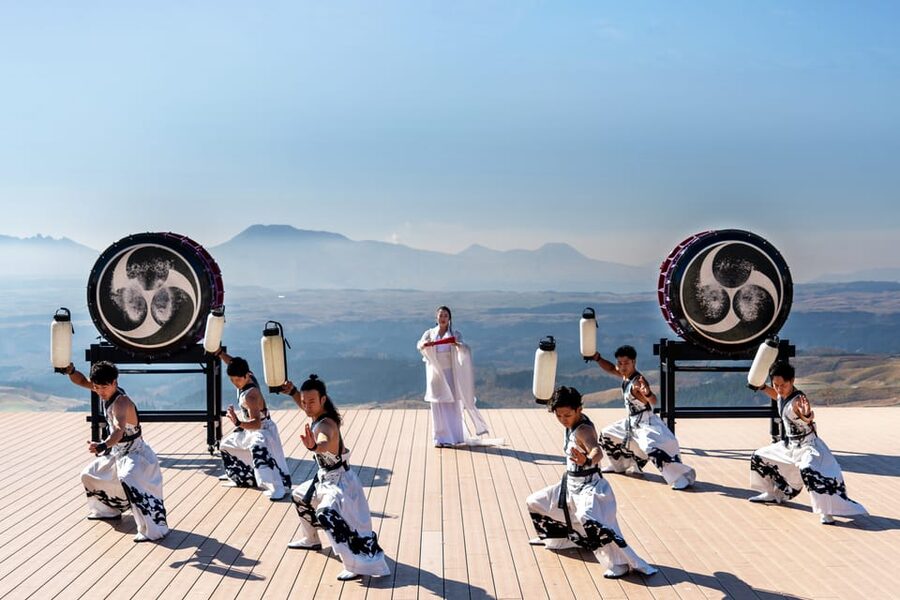
I’d book TAO-no-Oka if you want a performance that feels special because of the place. If you love Japanese music and performance arts, the combination of taiko with shamisen, koto, flute, dance, chants, and acrobatics is a strong mix.
I’d also book it if you are the type who enjoys atmosphere. The mountain stage setting is a big part of the payoff, and the Skyward Stage concept is exactly the kind of thing that makes a trip feel like a trip.
I’d reconsider only if you have issues with stairs. The indoor hall is on the second floor with no elevator or escalator. Rain can also shift you indoors, so you should be comfortable with that possibility. And if you need on-site food, you might find the venue is not designed for full meals.
Should you book TAO-no-Oka Drum TAO Live?
I think you should book it if you want high-energy Japanese performance in a dramatic outdoor setting, and you can handle a few practical rules. The value is strong for what you get: entry to TAO House, a true live Drum TAO performance, and a rare mountain stage experience.
Book with realistic expectations about food. You’re coming for the show, not dinner. Bring a jacket because altitude and wind are real here. And accept that weather can change the venue plan, but the indoor backup is built into the experience.
If that sounds like your kind of evening, TAO-no-Oka is the kind of stop that makes you remember the sounds and the scenery together.
FAQ
What time should I arrive for the TAO-no-Oka performance?
Plan to visit the reception in the white building on the site at least 30 minutes before the live show.
What happens if it rains or the wind is too strong?
If the staff judge it is dangerous to hold the outdoor performance, the Skyward Stage performance is cancelled. The team will perform indoors instead in the hall on the second floor.
Is there food and drink available at the venue?
Food and drinks are not allowed to be brought in. Drinks you purchase at TAO HOUSE are allowed to be consumed at your seat even during the performance. The provided info also notes there is no food and very little to drink offered, so eat beforehand.
Can I take photos or video during the performance?
No. Photography and video recording are not allowed during the performance.
Are pets allowed in TAO-no-Oka?
Pets are not allowed. Assistance dogs are allowed.
What is the indoor seating limit if the show moves indoors?
For indoor performances, up to 53 people can attend on a first-come, first-served basis at the time of reservation, with 8 of those seats standing. The hall is on the second floor and there are no elevators or escalators.
Newly listed around Beppu
- Tea Ceremony in a Century-old Japanese Town House★ 4.5 · 7 reviews
- Cooking Class: Make a Local Delicacy in a Japanese House★ 5.0 · 7 reviews
- Beppu: Half Day HELL Sightseeing Private Guide Tour★ 5.0 · 10 reviews
- Art Workshop with a Local Painter in a Century-old Japanese House★ 5.0 · 6 reviews
- Calligraphy Class for Beginners in a Century-old Japanese House★ 5.0 · 18 reviews
- Calligraphy Class for Beginners in a Century-old House★ 5.0 · 12 reviews
- Beppu: Bamboo Lantern Workshop★ 5.0 · 14 reviews
- Become a local! A Walking Tour of Arts, Crafts&Onsen Culture★ 5.0 · 13 reviews
Beppu Tours, compared.
Become a local! A Walking Tour of Arts, Crafts & Onsen Culture
Read our review →
Calligraphy Class for Beginners in a Century-old Japanese House
Read our review →
Become a local! A Walking Tour of Arts, Crafts&Onsen Culture
Read our review →
Calligraphy Class for Beginners in a Century-old House
Read our review →
Beppu: Half Day HELL Sightseeing Private Guide Tour
Read our review →Browse the lists this tour appears in