
Review · JAPANESE CRAFT WORKSHOPS
Calligraphy Class for Beginners in a Century-old House
Your souvenir will be written by your own hand. I love the century-old house setting and the small group coaching, and you’ll practice local characters like 温泉 (onsen) and 地獄 (jigoku). One drawback: the class is only about an hour, so it is an intro, not a lifetime skill in one session.
I also like that the tools and a frame are included, so your piece feels complete when you leave. In Beppu, instructors like Liko or Hana keep the vibe relaxed, teach proper brush handling, and pass along calligraphy etiquette alongside the basic technique.
In This Review
- Key things I’d mark on your map
- Inside Beppu’s century-old calligraphy room
- From brush grip to first characters in one hour
- Local themed writing, and how to make strokes feel weighted
- Etiquette: the quiet rules behind good calligraphy
- Tools, framing, and taking home a masterpiece
- Language support, and how to follow along without experience
- Price and value for $32 in Kyushu
- Who this class is best for, and who should skip it
- Tips so your strokes look better the first time
- Should you book this Beppu calligraphy class?
- FAQ
- How long is the calligraphy class?
- What does the class cost?
- What is included in the price?
- Do I need prior calligraphy experience?
- What language will the instructor use?
- What should I wear or bring?
- Is it accessible, and can I bring pets?
Key things I’d mark on your map
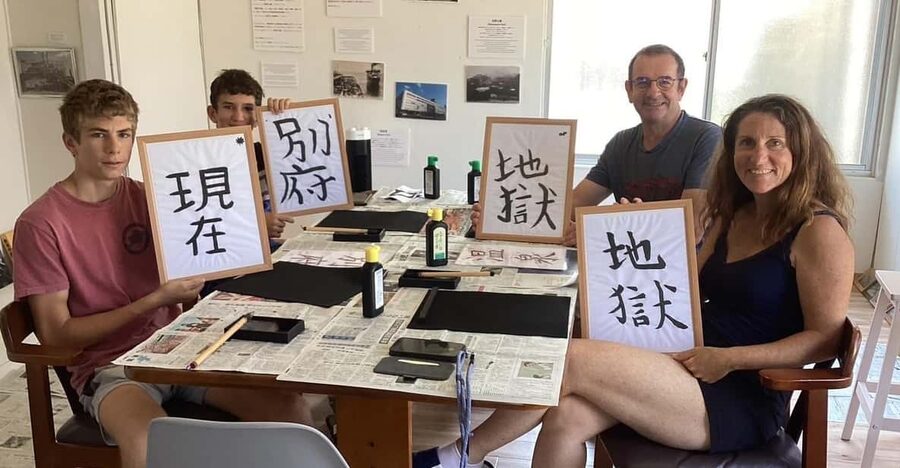
- Practice local words like 温泉 (hot spring) and 地獄 (hell), tied to Beppu’s identity
- Small group teaching capped at four, which often means extra attention and slower pacing
- Tools and frame included, so your masterpiece does not turn into a scrap of paper
- Etiquette as part of the lesson, not an afterthought for beginners
- You take your work home, making the class feel like a real souvenir, not just a lesson
Inside Beppu’s century-old calligraphy room
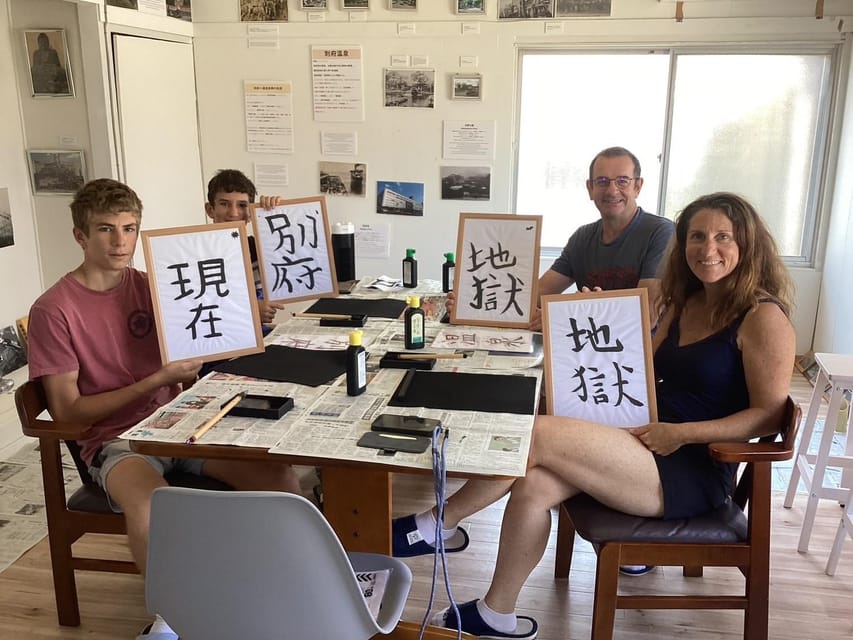
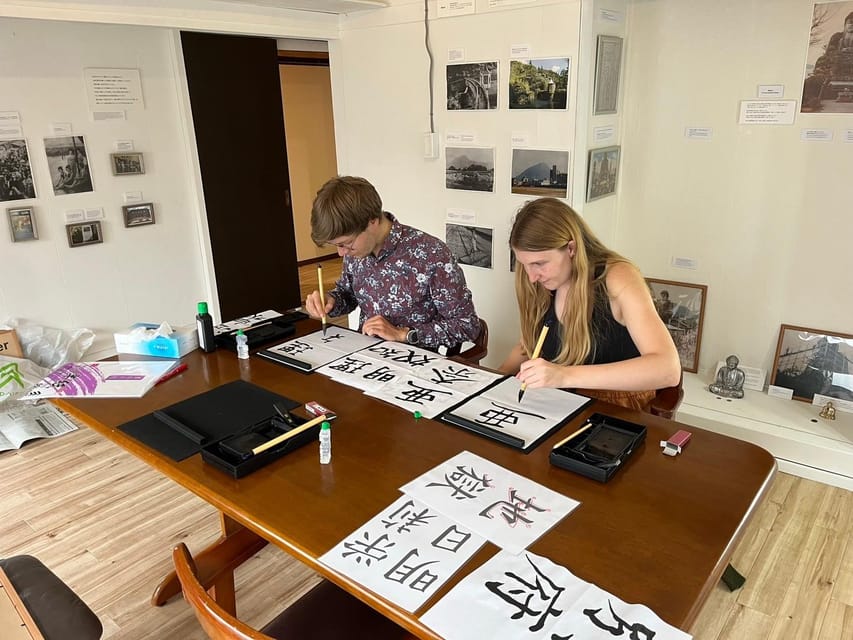
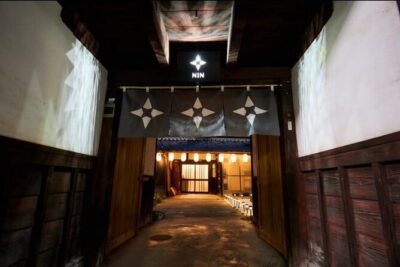
This class happens in a traditional, older house in Beppu. Think wooden room, calm atmosphere, and the kind of setting that makes you slow down without being told. It is the opposite of rushing through a photo stop.
The session keeps its focus. You are not hopping from place to place. Instead, you settle in, meet your instructor, and start with materials that feel authentic and simple. Past participants have pointed out the peaceful mood and the friendly, welcoming staff, which matters, because calligraphy can feel intimidating before you touch the brush.
You’ll meet in a small group, limited to four people. When fewer people show up, the teaching can feel extra personal, close to one-on-one. That personal attention is a big deal for beginners, because calligraphy is mostly about tiny choices, like grip, angle, and pressure.
Practical note: this is not listed as suitable for people with mobility impairments. If stairs, floor space, or sitting position could be an issue for you, it is worth checking first. Also, pets are not allowed.
More Craft workshops in Beppu:
- Chopstick Making Workshop in Ginza
★ 4.8 · 1,366 reviews - Tokyo: Samurai Sword & Archery Class from Samurai Descendant
★ 5.0 · 603 reviews - Tokyo: Shinjuku Chopstick Making Class
★ 4.9 · 440 reviews
From brush grip to first characters in one hour
The class is built for beginners, so you start with foundations instead of fancy techniques. You learn the basics of forming Japanese characters and how brushstrokes should behave on paper. In plain terms, you are learning how to make the strokes look intentional, not random.
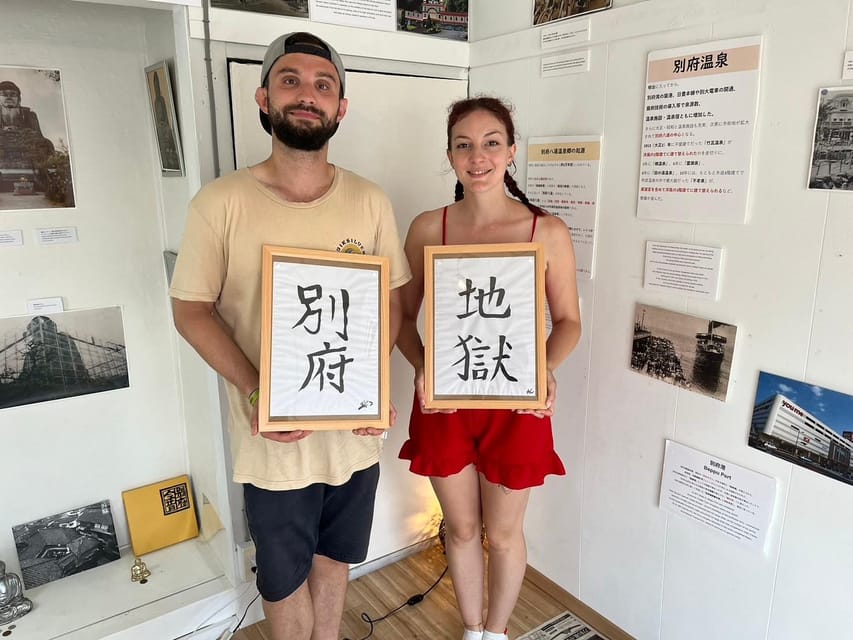
The instructor covers core stroke structure and then guides you into writing a word connected to the local area. Two common examples are 温泉 (onsen, hot spring) and 地獄 (jigoku, hell). You might not expect to write 地獄 on vacation, but that contrast is exactly what makes it fun and memorable. It turns a regional theme into something you physically create.
One review mentioned learning three basic elements first, then moving on to a single word, like sakura. That pattern is useful for your brain. You get a small toolkit, then you apply it right away. You are not stuck copying complicated characters for the entire hour.
Timing is tight, so the lesson leans on practice that is focused. You’ll have time to try, get corrected, and then start your own piece. If you want mastery, you will need practice after the class, but you will leave with a confident start and a better understanding of what to practice.
Local themed writing, and how to make strokes feel weighted
Calligraphy is often described as art, but the mechanics matter more than people expect. One participant specifically mentioned learning how to hold the brush so the stroke accents carry weight. That is the moment where calligraphy stops being scary.
Here is what you’ll notice once you begin. A single character is not just shapes. It is speed, pressure, and direction, all at once. When the instructor corrects your grip or brush angle, you suddenly see why one attempt looks flat and the next looks alive.
Because you practice beginner-friendly words tied to Beppu, your brain also connects the writing to a theme. 温泉 fits the city story. 地獄 feels dramatic and memorable. Even sakura, if it is part of your final word, gives you something bright and easy to recognize.
You should also expect the instructor to guide you through the steps, not just hand you a worksheet. Reviews describe teaching that is encouraging, with no pressure to be perfect. That encouragement is practical, because you need the confidence to try again when the first strokes do not look right.
Etiquette: the quiet rules behind good calligraphy
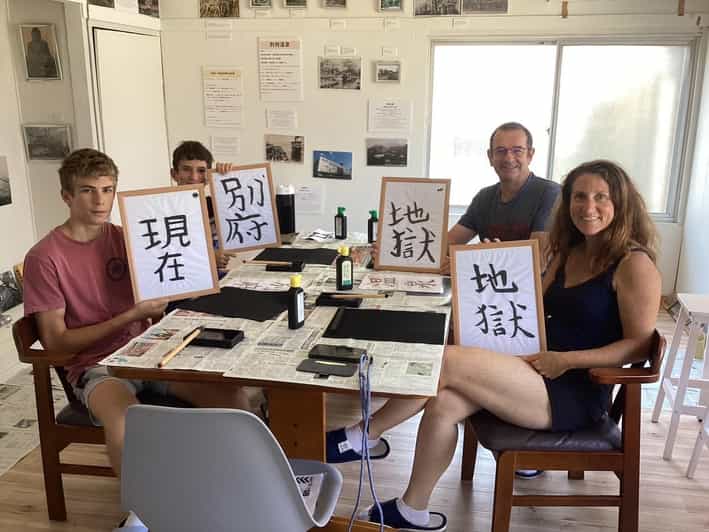
Japanese calligraphy etiquette is part technique, part respect. In this class, you’re taught not only how to write, but how to handle materials and follow basic manners for the activity. That might sound formal for a one-hour class, but it actually helps you focus.
Etiquette can include how you prepare the brush and paper, how you take your time during writing, and how you follow the instructor’s cues. When you treat the act like a small ceremony, you naturally slow down and your strokes get steadier.
This class also tends to feel supportive. Participants described learning in a warm, nonjudgmental way, including laughing together while learning. That kind of relaxed teaching matters because beginners often worry they will mess up. Here, the tone pushes you toward improvement, not perfection.
One subtle benefit of learning etiquette early: you’ll know what to copy later if you want to practice again on your own. You’ll understand why your strokes look different when you rush versus when you pay attention to preparation and control.
A few more Beppu days to weigh up
- Open-air theater “Tao- no-Oka” Drum TAO Live performance
★ 4.8 · 191 reviews - Become a local! A Walking Tour of Arts, Crafts & Onsen Culture
★ 5.0 · 36 reviews - Hot Spring Capital of Yufuin Rickshaw Tour
★ 5.0 · 32 reviews
Tools, framing, and taking home a masterpiece
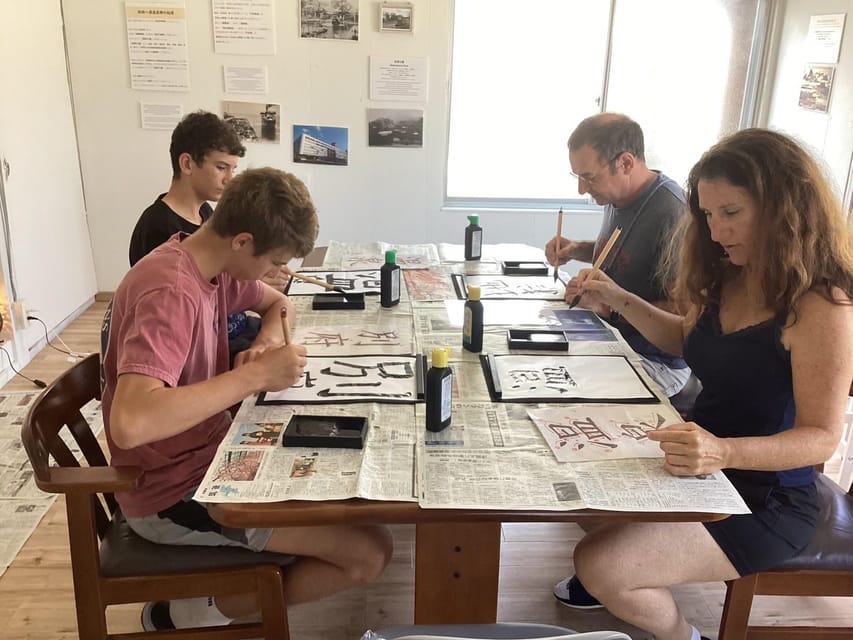
This is one of the most practical classes in Japan for a souvenir. The class includes a full set of calligraphy tools, and it includes a frame. That means you are not left scrambling for supplies after class ends.
Your final masterpiece is personalized to you, so it carries more meaning than a generic poster. The frame is also a big value add, because it turns your piece into something you can display without extra work.
Plan your day with that in mind. You’ll likely want a safe way to carry the framed work back to your lodging. Ask the instructor what protection they provide, and consider bringing a bag that can hold a framed piece comfortably.
One more small upside: a few participants noted photos as part of the experience. Even if you do not treat it like a photo shoot, it is a nice way to mark the moment, since you are doing something hands-on and cultural.
Language support, and how to follow along without experience
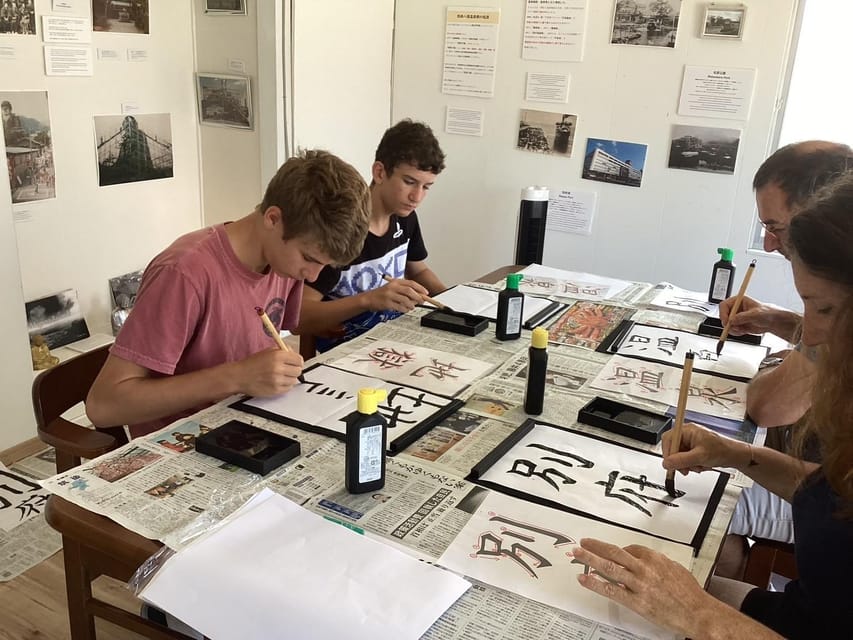
The workshop is conducted in English and Japanese. The instructor can also use Chinese and Traditional Chinese, which helps if your group includes speakers from different backgrounds. Practically, this reduces the chance that you will feel lost during key steps.
You do not need prior calligraphy experience. That is essential. Many art classes assume you already know how to hold a brush or copy strokes. Here, you start from basics and get guidance as you try.
If you learn best by listening, you’ll like the teaching style described by past participants. People mentioned clear explanations of how to write the characters and how to hold the brush. If you learn best by watching, you’ll also benefit, because the instructor can show the stroke behavior and then correct you in real time.
Also, the class is friendly about cultural differences. One participant described discussing cultures and languages with the group while learning. That turns the lesson into a human experience, not just a skill transfer.
Price and value for $32 in Kyushu
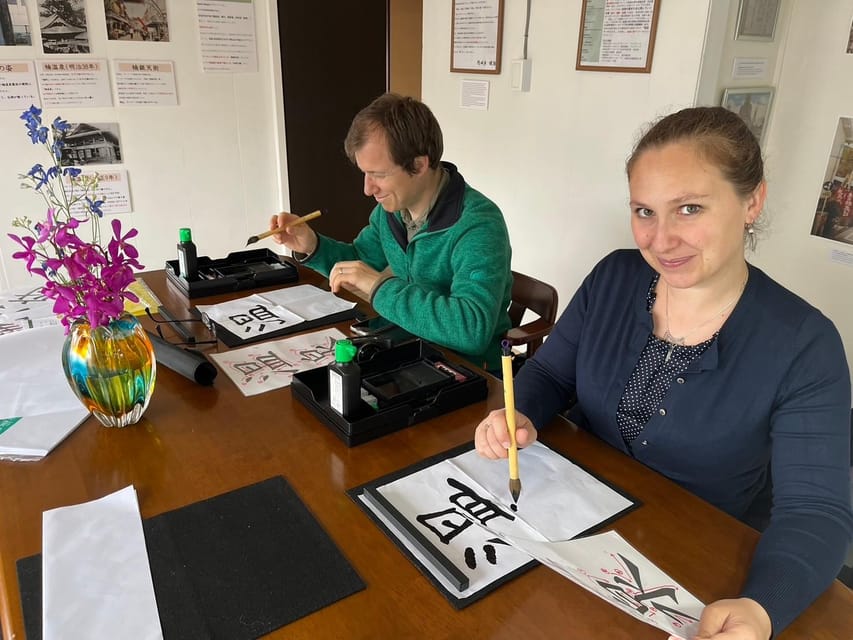
At $32 per person for about one hour, this class sits in the sweet spot between affordable and satisfying. You are paying for more than instruction. You’re paying for materials, plus a frame, plus a personalized keepsake.
In many low-cost activities, you get a small taste, then you go buy your own supplies afterward. Here, the tools are provided, and your final work gets framed. That is real value.
The other value factor is the small group size. Limited to four participants, you get enough time for practice and corrections. Calligraphy depends on small adjustments, so group size matters. A class with 15 people might rush you. This one does not have to.
Is it expensive for a souvenir? Not really, when you consider what you leave with. A framed piece you wrote yourself is harder to replicate later than a postcard.
One caution: you should treat this as a starting point. Even with good teaching, learning calligraphy is practice-based. Your first attempt will not look like a professional piece, and that is normal. You’ll leave knowing what to work on next time.
Who this class is best for, and who should skip it
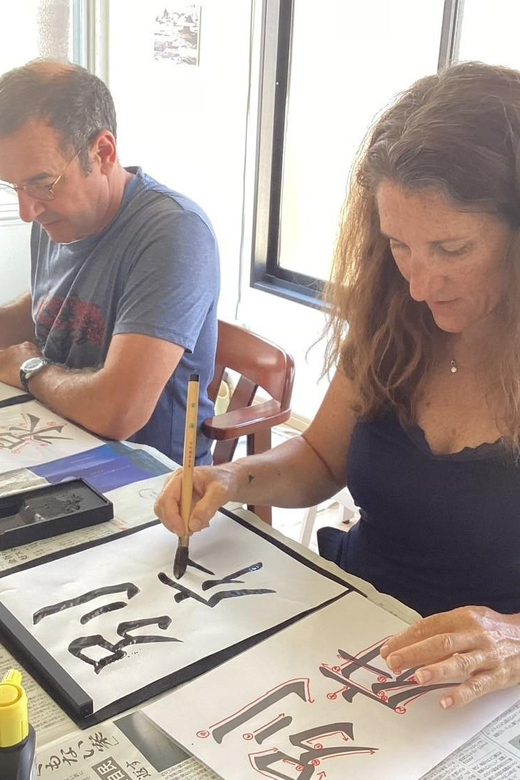
This is a great pick if you want a hands-on cultural activity that does not require artistic talent. You get beginner coaching, local themed characters, and a finished souvenir in about an hour.
You’ll also like it if you enjoy slower experiences in normal-sized rooms. Reviews describe a relaxed atmosphere and friendly interaction with locals. This feels like a real cultural moment, not a rushed checklist.
It is also a good activity for couples or solo travelers who want something calm. Small group teaching means you still get attention even if your group ends up being just a couple of people.
Skip it if mobility is an issue for you. The class is not suitable for people with mobility impairments, based on the activity’s information. Also skip if you need a long multi-hour art workshop. This is focused and short.
One more reality check: the instructor is experienced, but not described as a professional calligrapher. That does not make the class bad. It just means the goal is approachable instruction and solid basics, not advanced calligraphy training.
Tips so your strokes look better the first time
You do not need calligraphy skills to enjoy this class, but you can set yourself up for success. First, wear comfortable clothes. You will be sitting and concentrating, and you do not want to fight tight sleeves or awkward shoes.
Arrive about 10 minutes early. That buffer helps you settle in and get ready before the lesson starts. Calligraphy works best when you start calm and focused.
When you practice your strokes, slow down a bit. The goal is not to move fast. The goal is to create controlled lines with the right pressure. If you notice a stroke looks flat, ask for the grip or pressure adjustment. That correction is where the improvement usually happens.
Also, do not overthink the word choice. If you’re guided to write 温泉 or 地獄, lean into it. Strange and specific characters can be easier to remember, and they make your keepsake feel tied to Beppu.
Finally, treat your first attempt as practice, not a final product. The atmosphere here is built for beginners, so it is okay if your first strokes are messy. Your second set will get better once you understand what the instructor is pointing out.
Should you book this Beppu calligraphy class?
If you want a meaningful souvenir you can take home, this is an easy yes. You get beginner instruction, local themed words like 温泉 and 地獄, and you leave with a framed masterpiece.
You should book it if you like calm, hands-on cultural activities and you enjoy learning by doing. The small group size and supportive teaching style are practical advantages, especially when you have zero experience.
Skip it only if you need something long and advanced, or if mobility access is a concern. Otherwise, this is a solid, friendly way to spend an hour in Beppu, with a result you can display long after the trip.
FAQ
How long is the calligraphy class?
The class lasts 1 hour.
What does the class cost?
It costs $32 per person.
What is included in the price?
You get a full set of calligraphy tools, a frame, and a personalized masterpiece to take home.
Do I need prior calligraphy experience?
No. The class is designed for beginners and requires no prior experience.
What language will the instructor use?
The workshop is conducted in English and Japanese. The instructor can also use Chinese and Traditional Chinese.
What should I wear or bring?
Wear comfortable clothes. Tools and other materials are provided.
Is it accessible, and can I bring pets?
The workshop is not suitable for people with mobility impairments. Pets are not allowed.
Newly listed around Beppu
- Beppu: Bamboo Lantern Workshop★ 5.0 · 14 reviews
- Become a local! A Walking Tour of Arts, Crafts&Onsen Culture★ 5.0 · 13 reviews
- Become a local! A Walking Tour of Arts, Crafts & Onsen Culture★ 5.0 · 36 reviews
- Bamboo Lantern Workshop★ 5.0 · 25 reviews
- Hot Spring Capital of Yufuin Rickshaw Tour★ 5.0 · 32 reviews
- Open-air theater “Tao- no-Oka” Drum TAO Live performance★ 4.8 · 191 reviews
Japanese Craft Workshops, compared.
Samurai Sword & Archery Class from Samurai Descendant
Read our review →
Japanesel Archery Experience HIROSHIMA CASTLE SHARAKU
Read our review →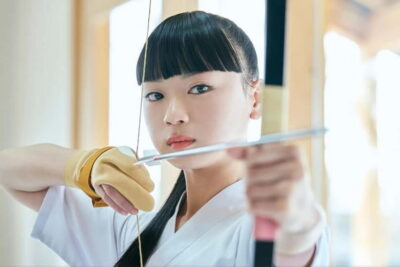
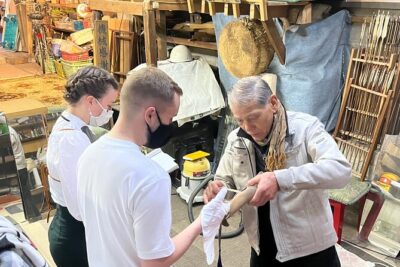
Authentic knife making experience at a blacksmith in Kyoto
Read our review →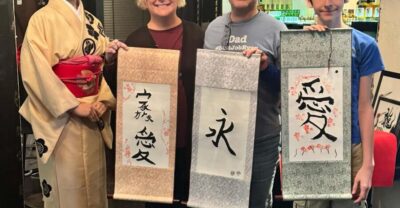
Browse the lists this tour appears in