
Review · MATCHA & TEA CEREMONY SESSIONS
Tea Ceremony in a Century-old Japanese Town House
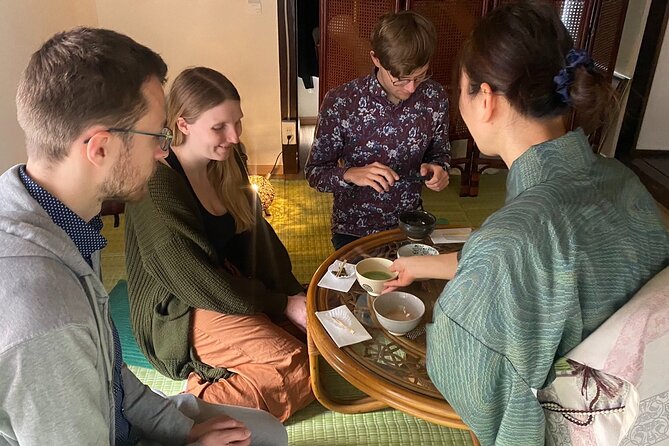
First, a hot tea lesson in Beppu. This English guided tea ceremony happens in a century-old Japanese town house that has been recently modernized for a comfortable visit, so you get the feel of the past without freezing through the steps. You’ll also get a clear walkthrough of tea ceremony history and etiquette from a local professional, with an interpreter translating so nothing important gets lost.
I especially liked how patient the instructor is. Even when people go wrong, the guidance is step-by-step and calm, and the vibe can shift from focused to genuinely funny without anyone feeling rushed. After the demonstration, you’ll make your own cup of matcha and savor it with a simple local sweet on the side.
One thing to weigh is that the setting may feel more community space than traditional tearoom, which can lower the wow factor if you were picturing something more classic. Also, the experience centers on matcha served as part of a single ceremony format, so if you were hoping to taste multiple tea types, your expectations may need adjusting.
In This Review
- Key things to know before you go
- Space Beppu and the century-old setting that makes it feel real
- What you learn first: etiquette, history, and how the room expects you to act
- The demonstration: watch closely, then try for yourself
- Making matcha in a one-hour session without feeling rushed
- The sweet side: how the snack fits into the ceremony mood
- Price and value in Beppu: what $45.61 really buys you
- Timing, group setup, and what being private changes
- Who should book this tea ceremony and who might not love it
- Should you book this tea ceremony in Beppu?
- FAQ
- Where does the tea ceremony start in Beppu?
- How long is the tea ceremony experience?
- Will there be an English guide?
- Do I get to make matcha myself?
- Is there food included with the tea?
- Is this a private experience?
- What happens if I arrive late?
- When will I get confirmation after booking?
- What is the cancellation policy?
Key things to know before you go
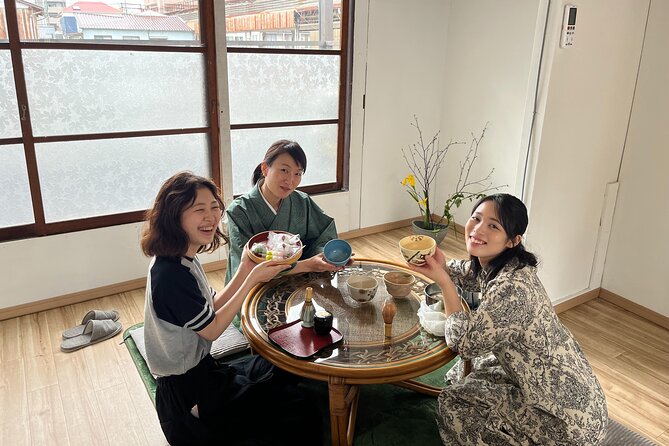
- A century-old town house in Beppu: the ceremony happens in a historic house that has been modernized for visitors.
- English guidance throughout: an interpreter walks you through history, etiquette, and what to do with your hands.
- Hands-on matcha making: you try whisking and preparing your own cup, not just watch.
- Kimono instructor, real method: you follow the demonstration closely with a professional dressed in traditional kimono.
- A sweet pairing included: you’ll also receive a local sweet alongside your tea.
- Private group feel: only your group participates, so it stays personal.
Space Beppu and the century-old setting that makes it feel real
This tea ceremony is based out of Space Beppu, and that location matters more than you might think. You’re not sitting in a generic classroom where everyone is facing the same angle, you’re in a Japanese town house environment that gives you a sense of how tea fits into everyday cultural spaces.
The big plus here is that the house is described as recently modernized. In plain terms, you get the atmosphere of an older home, while still having the kind of comfort that makes a one-hour cultural lesson actually enjoyable. You can concentrate on posture, the pace of movements, and the small etiquette details instead of worrying about discomfort.
Still, it’s worth keeping expectations realistic. Some people come in imagining a fully traditional tearoom look and feel. In feedback, there’s a common thread that the interior can read as more modern than they expected, even if the building is old. If you mainly want old-style décor and ceremony pageantry, you might find yourself slightly underwhelmed. If you want the practical how-to and the meaning behind the steps, the setting does its job.
More Tea ceremonies in Beppu:
- Kyoto: Tea Ceremony in a Traditional Tea House in Kiyomizu
★ 4.9 · 3,519 reviews - Kyoto: Tea Ceremony Ju-An at Jotokuji Temple
★ 4.9 · 3,207 reviews - Kyoto: 45-Minute Tea Ceremony Lesson Experience
★ 4.3 · 2,378 reviews
What you learn first: etiquette, history, and how the room expects you to act
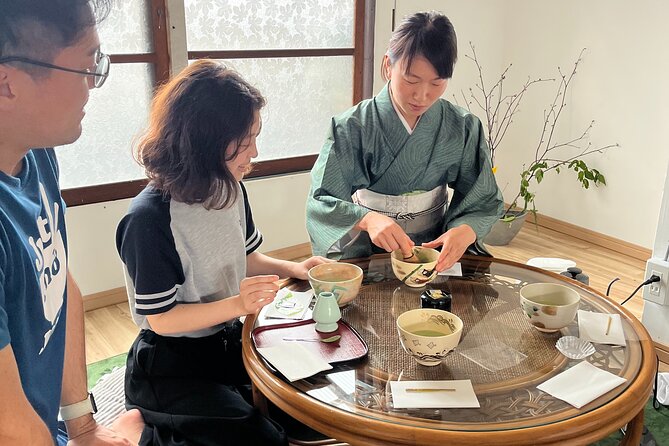
Before you touch anything, you get an English-speaking interpreter who takes you step by step through the history and cultural importance of the Japanese tea ceremony. That first chunk is not just trivia. It helps you understand why the movements are so specific and why the tone is so calm.
The ceremony itself has a strong etiquette framework. You can’t fake it quickly, because the way you handle tools and how you sit or move through the steps are part of the message. When you have a translator, you’re not left guessing at what the instructor wants, and that makes it far easier to respect the ritual without feeling awkward.
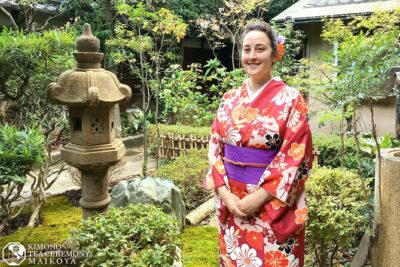
I also like the way the instructor is described as a local professional dressed in traditional kimono. That’s not just visual flavor. It signals that this is not a casual demo. You’re watching someone who knows the practice and can explain it. In the feedback, the instructor’s patience comes up again and again, including moments where participants made mistakes but were still guided back to doing the actions correctly themselves.
The demonstration: watch closely, then try for yourself
A tea ceremony tour is always about more than tea. It’s about attention. In this format, you watch a demonstration, and then you’re invited to try making your own cup.
That hands-on moment is the heart of the experience. Instead of being passive, you get to practice the motions. The interpreter helps you follow what’s happening, so you can connect the movement to the reason behind it. You’ll also notice that the pace is slow on purpose. It gives you time to absorb the steps, not just copy them.
The instructor is key here. One of the most praised aspects is that the instructor is very patient. People described being guided to perform the activities themselves, even after errors, with laughter mixed into the learning. That balance is important. Tea ceremony can sound stiff, but the best versions teach you that it’s also human. You’re meant to learn it, not perform perfection.
Making matcha in a one-hour session without feeling rushed
After the demonstration, you’ll make your own cup of matcha. This is the moment where the whole ceremony stops being abstract and becomes practical.
Matcha isn’t just hot green tea. It’s a whisked preparation, and the steps involve more than pouring. The value for you is that you learn the process you can recognize later if you ever see a tea counter in Japan. Even if you never become a matcha expert at home, you’ll understand what to look for and why the texture and serving style matter.
Because the tour runs about one hour, you get a compact session. That’s great for a day plan. It also means you won’t have time to experiment wildly with variations. If you were hoping for multiple tea styles or different tasting options, this may not match that wish. Still, one well-guided matcha making is often more memorable than a quick tasting flight where you never really do anything.
A smart tip: go in ready to be coached. If your first attempt is clumsy, that doesn’t mean you missed the point. The point is that you’re learning a ritual with your body, not just with your brain.
A few more Beppu days to weigh up
- Open-air theater “Tao- no-Oka” Drum TAO Live performance
★ 4.8 · 191 reviews - Become a local! A Walking Tour of Arts, Crafts & Onsen Culture
★ 5.0 · 36 reviews - Hot Spring Capital of Yufuin Rickshaw Tour
★ 5.0 · 32 reviews - Bamboo Lantern Workshop
★ 5.0 · 25 reviews
The sweet side: how the snack fits into the ceremony mood
You’re also served a Japanese sweet snack alongside your tea. It’s described as a local delicacy meant to complement the matcha.
This matters because tea ceremony rhythm is built to move at a human pace: prepare, serve, taste, then settle. The sweet helps shift your taste and keeps the experience from feeling like only one flavor note. It’s also a way to bring in local food culture without turning the tour into a food tour.
In the feedback, people connected the experience with additional touches like calligraphy and flowing noodles. Those elements are not spelled out in the main activity summary, so I wouldn’t plan your whole trip around them. But the takeaway is still useful. The session can include small cultural extras that make it feel less like a script and more like a lived community event.
Price and value in Beppu: what $45.61 really buys you
At $45.61 per person for about one hour, you should think of this as a guided cultural workshop, not a cheap snack-and-a-show. The value comes from three things you get together: English explanation, hands-on matcha making, and instruction from a professional in kimono.
A lot of tea experiences cost more because they’re mostly watching. Here, you do the making part. That’s where your money turns into a skill you leave with, even if it’s just the memory of doing it correctly at least once.
You also get group discounts, which helps if you’re traveling with friends or family. The booking pattern suggests it’s popular, with an average booking time around 41 days in advance. If your travel dates are busy, booking early gives you more chance at the time you want.
One more value point: the experience ends back at the meeting point, and the meeting is described as near public transportation. That makes it easier to fit into a Beppu day without adding a bunch of transit stress.
Timing, group setup, and what being private changes
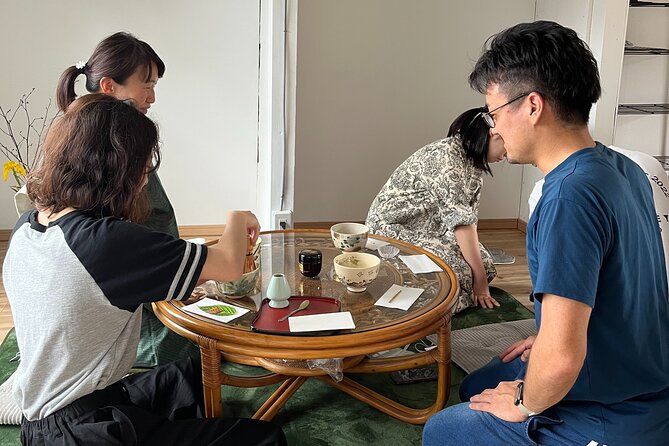
This activity is private for your group, meaning it’s not mixed with strangers. That matters because tea ceremony etiquette can feel intimidating if you’re watching other people go through it without a chance to ask questions. With a private group, the interpreter can pace explanations to your group’s needs, and the instructor can guide everyone without the pressure of a large crowd.
The session is about one hour, which is a sweet spot. Long enough to learn the meaning, short enough to keep your day moving. If you’re tired after a hot springs day in Beppu, a calm cultural activity like this can be a nice mental reset.
You’ll want to arrive on time. If you arrive late without prior notice, up to 50% of the activity fee may be charged as a cancellation fee. Even if that rule sounds harsh, it’s practical: tea ceremony steps have a flow, and late arrivals can disrupt the pace for everyone.
Who should book this tea ceremony and who might not love it
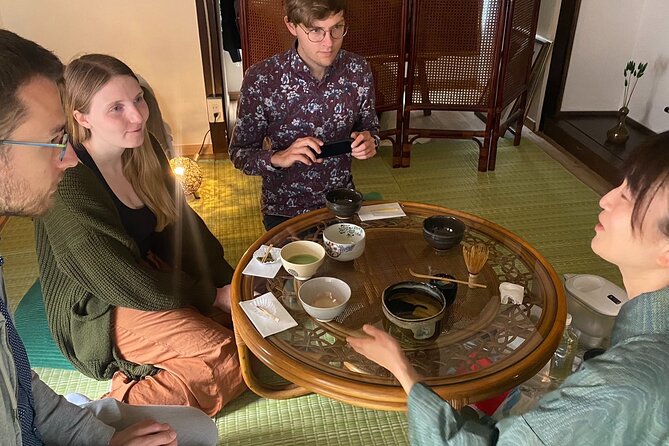
You’ll probably enjoy this most if you want a guided, respectful introduction to tea culture with a real instructor and real participation. It’s a strong choice for couples, solo travelers who want an English-led experience, and families who benefit from step-by-step guidance.
It’s also good if you like learning through doing. If you enjoy hands-on cultural workshops, making matcha will feel like the main event, and the sweet pairing gives you an easy finish.
You might hesitate if your top priority is a strictly traditional tearoom atmosphere with multiple tastings and options. Some feedback mentions that the ceremony environment can look more modern than expected, and others felt the value didn’t fully match the cost if they wanted more cups or variety. If your goal is visual immersion above all, readjust expectations and focus on the teaching.
Should you book this tea ceremony in Beppu?
Yes, if you want an English-guided tea ceremony where you actually learn the motions and come away understanding the etiquette behind them. The best reason to book is the combination of a patient kimono instructor, step-by-step translation, and the chance to make your own matcha in about an hour.
I would book with open expectations if you are chasing authenticity as a feeling, not as a strict décor checklist. Even with a more modernized house interior, the core experience is still about learning and practicing the ritual. And if you’re the type who remembers culture best through your hands, you’ll likely leave with something you can repeat at home, even if it’s just once.
FAQ
Where does the tea ceremony start in Beppu?
The experience starts at Space Beppu in Chiyomachi, Beppu, Oita. It ends back at the same meeting point.
How long is the tea ceremony experience?
The duration is about 1 hour.
Will there be an English guide?
Yes. An English speaking interpreter takes you step by step through the history, etiquette, and cultural importance of the Japanese tea ceremony.
Do I get to make matcha myself?
Yes. After the demonstration, you’ll be invited to try making your own cup of matcha and then savor it.
Is there food included with the tea?
Yes. A Japanese sweet local delicacy is served alongside the tea.
Is this a private experience?
Yes. It is private for your group, so only your group participates.
What happens if I arrive late?
You are asked to arrive on time. If you arrive late without prior notice, up to 50% of your activity fee may be charged as a cancellation fee.
When will I get confirmation after booking?
Confirmation is received within 48 hours of booking, subject to availability.
What is the cancellation policy?
Free cancellation is available up to 24 hours in advance for a full refund. If you cancel less than 24 hours before the experience starts, the amount paid is not refunded.
Newly listed around Beppu
- Cooking Class: Make a Local Delicacy in a Japanese House★ 5.0 · 7 reviews
- Beppu: Half Day HELL Sightseeing Private Guide Tour★ 5.0 · 10 reviews
- Art Workshop with a Local Painter in a Century-old Japanese House★ 5.0 · 6 reviews
- Calligraphy Class for Beginners in a Century-old Japanese House★ 5.0 · 18 reviews
- Calligraphy Class for Beginners in a Century-old House★ 5.0 · 12 reviews
- Beppu: Bamboo Lantern Workshop★ 5.0 · 14 reviews
- Become a local! A Walking Tour of Arts, Crafts&Onsen Culture★ 5.0 · 13 reviews
- Hot Spring Capital of Yufuin Rickshaw Tour★ 5.0 · 32 reviews
Matcha & Tea Ceremony Sessions, compared.
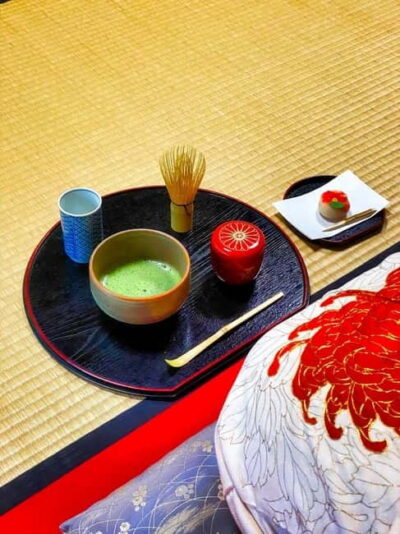
Tea Ceremony in a Traditional Tea House in Kiyomizu
Read our review →
World Heritage Kyoto & Nara Uji Authentic Matcha Experience
Read our review →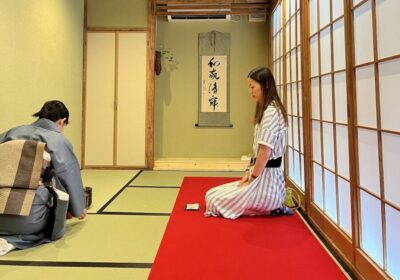
Browse the lists this tour appears in