
Review · SAPPORO TOURS
Red Crowned Crane and Wildlife Watching
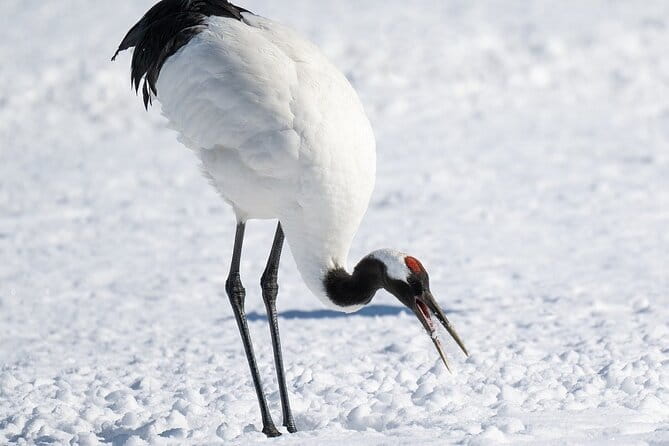
Red-crowned cranes turn a winter walk into theater. This half-day wildlife tour from Picchio Shiretoko focuses on Tsurui Village and the Kushiro Wetland area, where you can watch red-crowned cranes in their natural routine and then search for other wildlife along the marsh roads.
What I especially like is how the day blends crane viewing with real animal spotting, not just photos. With guide Makoto (Mark) at the wheel and a small group size (up to 8), you get practical help using the provided binoculars and staying in the right places at the right times.
One drawback to think about: it runs about 4 hours and skips lunch, so you will want to eat before you go or plan for a meal right after. Also, this is a weather-dependent outing in cold conditions.
In This Review
- Key highlights you will care about
- Why Kushiro Wetland is the right stage for cranes
- Price and value: what $42.35 really covers
- The tour flow: a half-day safari that doesn’t waste time
- Stop 1 in Kushiro: setting out with the locals’ rhythm
- Stop 2 in Kushiroshitsugen National Park: eagles and Ezo sika deer
- Stop 3 at Hosooka Observation: panoramas, mountains, and winter light
- Stop 4 in Tsurui Village: red-crowned cranes dancing on snow
- Gear and comfort: winter clothing, warmth, and staying focused
- The guide makes a difference: why Makoto’s style works
- Wildlife watching tips that will improve your odds
- Who this tour suits best in Kushiro
- Should you book this red-crowned crane and wildlife tour?
- FAQ
- How long is the red-crowned crane and wildlife watching tour?
- Where does the tour take place?
- What does the tour cost?
- Is transportation included?
- What wildlife can I expect to see?
- Are binoculars provided?
- What winter gear is included?
- Is lunch included?
- How many people are in a group?
- What if the weather is bad?
- When do I get confirmation after booking?
Key highlights you will care about
- Small group, big wildlife odds, max 8 people, so the guide can focus on sighting tips
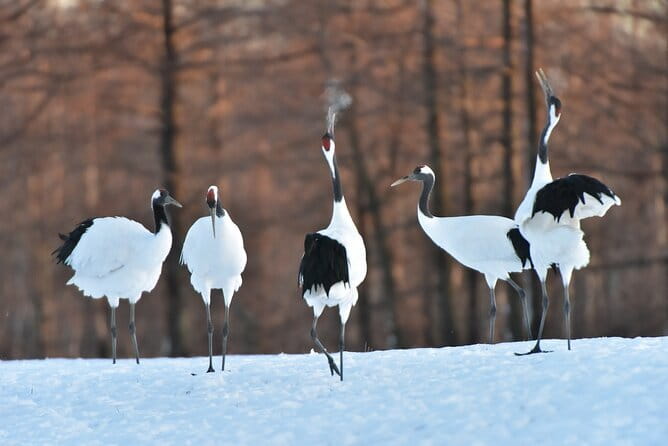
- Real crane time in Tsurui Village, around 700 birds migrate here each winter
- Binoculars included, plus winter gear like a ski jacket top, gloves, and a hat (sizes if needed)
- Kushiro Wetland wildlife drive, with chances for Ezo sika deer and large raptors
- Steller’s sea eagles and white-tailed eagles, the kind of birds you usually have to work to see
- Hosooka Observation viewpoint, wide panoramas of Kushiro Marsh and distant mountains
Why Kushiro Wetland is the right stage for cranes
If you want red-crowned cranes without guessing, Kushiro is a smart base. This region is famous for crane habitat, and Tsurui Village in Eastern Hokkaido is one of the best places to observe them as they migrate and settle in winter.
What makes this tour click is that it doesn’t treat cranes like the only act. You also get time in the wider Kushiroshitsugen National Park area and Kushiro Marsh, which is where you may spot other wildlife while you move slowly through the countryside. It is a “hunt for wildlife, then pause to watch” rhythm, and that is exactly what you want for animal sightings.
A few more Sapporo days to weigh up
- 3.5hours Primeval Forest Snowshoe hike and Wildlife Watching Tour
★ 5.0 · 14 reviews - 3 hours Snowshoe hike to “Furepe fall” and Wildlife Watching
★ 5.0 · 9 reviews - Wildlife Night Drive in Shiretoko national park
★ 4.5 · 8 reviews
Price and value: what $42.35 really covers
At $42.35 per person for about 4 hours, this is a budget-friendly option in a part of Japan where winter sightseeing can get pricey fast. You are not just paying for a seat in a van. You get a trained nature guide, a small group, and binoculars plus winter clothing basics (ski jacket top, gloves, hat).
The best value part is that the tour is built around logistics you would otherwise handle yourself: getting from Kushiro town to multiple viewing points and staying flexible about where to stop while searching for wildlife. You can pay more for tours that end up feeling like a bus ride. Here, the pace is designed for noticing, not rushing.
The tour flow: a half-day safari that doesn’t waste time
This outing is typically about 4 hours, with transportation included from Kushiro town to the guiding areas and back. You also have pickup offered, which matters because Hokkaido winter can turn “easy” into “annoying” fast once you are dealing with cold and limited daylight.
In practice, you will spend a little time at each key stop, then move. That keeps the group focused and helps you avoid the fatigue that can come from long waits. It also matches crane and wildlife behavior, since you do not want to stand around in one spot for hours hoping something happens.
Stop 1 in Kushiro: setting out with the locals’ rhythm
The first stop starts in the Kushiro area, with transportation from Kushiro town to the guiding location and the return drive handled by the tour. This initial segment matters because it gets you into the right timeframe and helps you start scanning early.
Even though you might not see a lot immediately, you will feel the structure of the day. The guide is setting expectations, explaining what to look for, and getting everyone set up with the basic tools like binoculars. For wildlife watching, that first step is more important than it seems. The earlier you learn what signals to look for, the better your later viewing gets.
A different sort of day in Japan:
- Sapporo Bar Hopping Food Tour
★ 5.0 · 232 reviews - Hokkaido Seasonal: Lake Toya & Noboribetsu Jigokudani Valley
★ 4.7 · 173 reviews - Sapporo: Hokkaido, Noboribetsu and Lake Toya Day Tour
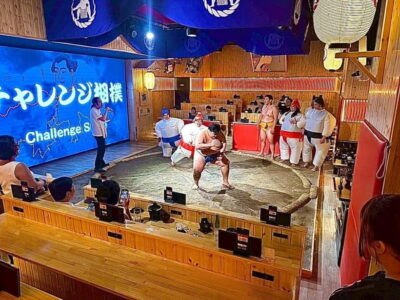
★ 4.1 · 88 reviews - Sapporo: Sumo Show Experience with Japanese food & Photo
★ 4.9 · 81 reviews
Stop 2 in Kushiroshitsugen National Park: eagles and Ezo sika deer
This is where the wildlife search turns serious. The drive follows the road through the Kushiro Wetland, described as the largest wetland in Japan. As you move along, you are not just riding past scenery. You are scanning for animals and stopping when the guide thinks visibility and odds are good.
The headline targets here are Steller’s sea eagles and white-tailed eagles, among the largest eagles in the world. Those are not small birds you can ignore. If you catch one in view, you will understand why people come to Hokkaido specifically for raptors.
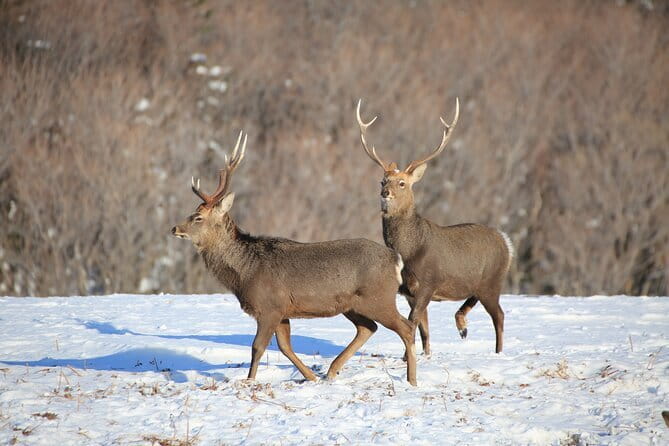
You may also see endemic mammals like Ezo sika deer. Deer sightings often depend on subtle timing: movement along the edges, stillness around open ground, and the way light hits the marsh. This stop gives you multiple chances because it is not a single fixed-point stare.
A practical note: keep your eyes on the guide’s cues. When you are bundled up and cold, it is easy to freeze up mentally. The guide helps you stay active in your scanning, not just passively waiting.
Stop 3 at Hosooka Observation: panoramas, mountains, and winter light

Next up is Hosooka Observation, a viewpoint on higher ground that gives you a panoramic look across the Kushiro Wetland. This is one of those stops that adds context to what you are seeing. Cranes and deer are only part of the story. The marsh itself is the reason these animals can live and move.
In winter, when trees and plants have no leaves, your sightlines improve. You can also see distant mountains, including Mount Oakan and Mount Meakan. If you catch a clear evening, this is also the place where the sunset can become the star.
This stop has two advantages for your viewing. First, it helps you understand where animals might be moving on the marsh below. Second, it gives you a break from constant searching. You get to slow down, take in the wider scene, and then refocus when it is time.
Stop 4 in Tsurui Village: red-crowned cranes dancing on snow

The main event is Tsurui-mura (Tsurui Village). Every winter, around 700 cranes migrate here, and the vibe changes as soon as you arrive. Instead of scanning, you start watching patterns.
A nature guide explains what you are seeing, including cranes that appear to dance on the snow. If you have ever seen a single red-crowned crane photo and thought it looked calm, winter Tsurui can surprise you. The movement feels more rhythmic and communal once you are there in person.
This is also where you understand the value of winter timing. The cranes are not just present. They are active within a seasonal routine. The snow, the open areas, and the way the group gathers all contribute to the experience.
If you care about capturing good photos, be patient. Crane behavior can change quickly, but the bigger advantage is your own readiness: once you find your viewing angle and settle into watching, the cranes will keep giving you chances.
Gear and comfort: winter clothing, warmth, and staying focused
Cold can ruin wildlife watching faster than you think, so I like that this tour provides winter gear. You will have a ski jacket top, gloves, and a hat available, and you can let the operator know your size if you need adjustments.
You also get binoculars, which is a huge help for raptors and cranes at distance. Even if you bring your own, the provided set makes it easy for everyone to participate without shopping ahead.
One small reality check: no matter how good the provided gear is, you still need to dress smart. Plan on layers you can move in. Keep your hands protected because gripping binoculars while freezing can make your attention drift.
And if you are the kind of person who likes to warm up between stops, build a habit of short pauses. Each viewing point has a natural rhythm, so you do not have to suffer through the whole day without breaks.
The guide makes a difference: why Makoto’s style works
A theme from the experience is the guide support, especially with Makoto (Mark). His role is not just to point. It is to interpret what you are seeing and help you spot wildlife across changing terrain.
You will likely notice that the tour feels like a guided safari rather than a sightseeing drive. That is because the guide is actively scanning, then bringing you in close when the odds improve.
For you, that means you can enjoy the moment instead of spending your energy trying to figure out where to look. Wildlife watching is part patience, part technique, and a good guide gives you technique fast.
Wildlife watching tips that will improve your odds
You cannot control animal movement, but you can control your readiness. Here are a few things that match what makes this tour effective:
- Keep your binoculars ready before the guide calls a stop. Do not dig them out while everyone is looking.
- Look for stillness. In marsh areas, wildlife often reveals itself through the absence of sudden movement.
- Watch edges and open areas. Deer sightings often show up where animals can move while staying partly sheltered.
- Give the eagles time. Raptors can be far off, and you might spot them after your eyes adjust.
- In Tsurui Village, treat the cranes like performers. Once you find their general area, keep watching rather than repeatedly shifting your viewpoint.
Who this tour suits best in Kushiro
This is a good match if you like nature more than crowds. The tour caps at 8 travelers, which helps it feel focused and personal, even though it is a half-day.
It also suits people who want a gentle pace. You are not hiking for hours, but you are actively observing at multiple stops. Most people can participate, and the experience is near public transportation, which helps if you are not doing everything with hotel pickup.
If you are traveling with kids who are old enough to hold attention for animal spotting, this can work well too, especially in winter when visibility and the crane experience can feel magical. If your group has very limited cold tolerance, dress and layering become more important, since the tour is outdoors for multiple viewing points.
Should you book this red-crowned crane and wildlife tour?
I think you should book it if you want a well-guided shot at red-crowned cranes, plus a realistic chance of seeing eagles and Ezo sika deer without having to plan each stop yourself.
If you hate winter cold or you want a full day experience, then the half-day format may leave you wanting more time on the ground. And if you get hungry easily, remember lunch is not included, so you will want a plan before you go or right after you return.
Overall, this one stands out for being practical and focused. You get the tools, a small group, and a guide who helps you turn sightings into understanding. For many visitors in Kushiro, that is the difference between a quick drive and a real wildlife experience.
FAQ
How long is the red-crowned crane and wildlife watching tour?
The tour lasts about 4 hours.
Where does the tour take place?
It is based in Kushiro, with stops including Kushiroshitsugen National Park and Tsurui Village in Eastern Hokkaido.
What does the tour cost?
The price is $42.35 per person.
Is transportation included?
Yes. Transportation from Kushiro town to the guiding site and back is included, and pickup is offered.
What wildlife can I expect to see?
The tour focuses on red-crowned cranes in Tsurui Village and also looks for wildlife such as Steller’s sea eagles, white-tailed eagles, and Ezo sika deer.
Are binoculars provided?
Yes. Binoculars are included.
What winter gear is included?
The tour includes a ski jacket top only, gloves, and a hat (share your size in advance if necessary).
Is lunch included?
No. Lunch is not included.
How many people are in a group?
The tour has a maximum of 8 travelers.
What if the weather is bad?
This experience requires good weather. If it is canceled due to poor weather, you will be offered a different date or a full refund.
When do I get confirmation after booking?
Confirmation is received within 48 hours of booking, subject to availability.
Newly listed around Sapporo
- Half Day – Snow View Rafting in Niseko★ 5.0 · 13 reviews
- 3.5hours Primeval Forest Snowshoe hike and Wildlife Watching Tour★ 5.0 · 14 reviews
- Wildlife Night Drive in Shiretoko national park★ 4.5 · 8 reviews
- 3hours Nature Guided Tour in Shiretoko Five Lakes★ 5.0 · 50 reviews
- Furepe Waterfall Nature Walk★ 5.0 · 6 reviews
- 3hours Primeval Forest and Stunning Views of Cliff Trekking Tour★ 5.0 · 20 reviews
- 3 hours Snowshoe hike to “Furepe fall” and Wildlife Watching★ 5.0 · 9 reviews
- Furano & Biei 6 hour Tour: English Speaking Driver only, No Guide★ 5.0 · 7 reviews
Sapporo Tours, compared.
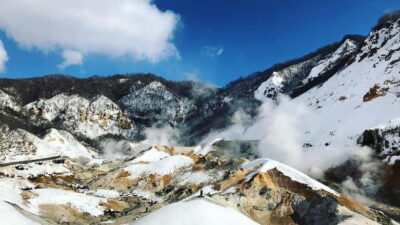
Hokkaido Seasonal: Lake Toya & Noboribetsu Jigokudani Valley
Read our review →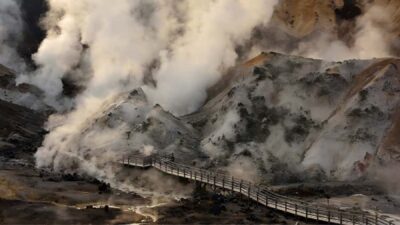
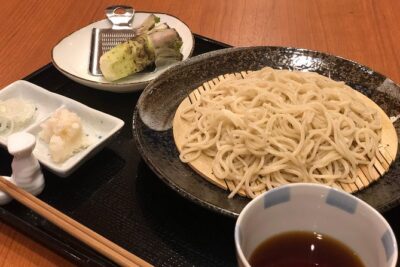
Popular in SapporoExperience authentic hand-made soba at a real soba shop!
Read our review →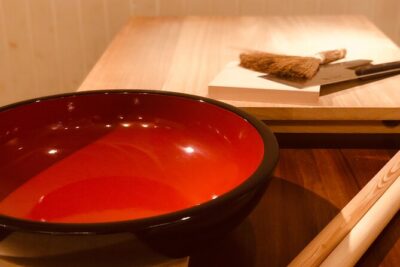
Mondo’s most popular plan! Experience making soba noodles and the king of Japanese cuisine, tempura, in Sapporo!
Read our review →
Hokkaido Noboribetsu Lake Toya Tour from Sapporo
Read our review →
Sapporo 6hr Private Tour with Government Licensed Guide
Read our review →Browse the lists this tour appears in