
Review · SOBA & UDON MAKING CLASSES
Popular in SapporoExperience authentic hand-made soba at a real soba shop!
Sapporo soba gets real in your hands. This experience is built around hands-on technique inside an operating soba restaurant, not a staged show, so you learn what actually makes noodles taste right. I also like the way the instruction stays clear for English speakers, with short explanations and visual cues while you work. One thing to plan for: the schedule is tight, so you do not want to be late for your start time.
What makes it especially fun is the full workflow. You mix buckwheat flour and water, knead, stretch the dough, and then cut it into pieces using real tools that the shop uses every day. Then you get to sit down and enjoy the soba you made right there, which turns a skill lesson into a satisfying meal.
One more consideration: this is not a long, leisurely cooking class where you can drift and chat for hours. The hands-on portion runs about 30 minutes, and the whole session is roughly 1 hour and 15 minutes, with the rest of the time going to tasting and wrap-up.
In This Review
- Key highlights before you go
- A Working Soba Shop, Not a Tourist Cooking Show
- Why Hokkaido Soba Changes the Flavor Game
- Getting There from Miyazawa Station (and why timing matters)
- What You Do in the Workshop: Your Hands Follow the Real Steps
- Cutting, Stretching, and the Craft Details You Actually Notice
- Your Own Soba Tasting, Plus Optional Side Orders
- What You Learn About Soba Beyond the Recipe
- Price and Value: What $72.67 Buys You in Real Life
- Who This Soba-Making Class Fits Best
- Quick logistics: what to bring and what to expect
- Should You Book This Soba-Making Experience?
- FAQ
- How long is the soba-making experience?
- What steps will I do during the soba-making?
- Is this experience in English?
- Do I get to eat the soba I make?
- Can children participate?
- What is the cancellation policy?
Key highlights before you go
- A true soba shop setting where you learn in the same environment staff work in during lunch service
- English explanations with visuals, so you are not lost while your hands are busy
- From mixing to knife cutting, including stretching and shaping, not just watching or kneading once
- You eat your own fresh soba, which is the real payoff for your effort
- Optional add-ons like tempura and duck soup if you want a bigger meal afterward
A Working Soba Shop, Not a Tourist Cooking Show
If you like your food experiences honest, this one hits the mark. You are not bouncing between “photo stops” and scripted talking points. Instead, you step into a hand-made soba restaurant that has been operating for over 10 years in Sapporo, run by an active soba chef.
The big practical difference is the learning style. The program is designed like a working craft. You get short English guidance, sometimes with visual demonstrations, and then you do the steps yourself. That matters because soba is one of those foods where texture and thickness are everything, and you only understand that when you actually stretch and cut the dough.
Also, the experience structure is intentionally simple to follow. The steps are consistent: mix, stretch, cut, then taste. For me, that is a good sign. When a class sticks to the real sequence of making soba, you are more likely to leave with a real appreciation of the process, not just a souvenir meal.
Soba and Udon Making classes readers book most in Sapporo:
Why Hokkaido Soba Changes the Flavor Game
Hokkaido is Japan’s number one soba producer, and this matters for what you experience even beyond the workshop. The region has cold weather and clean water. That combination is ideal for growing buckwheat in the first place, and the result is soba with strong flavor and a firm crunch.
In practical terms, you are learning how soba noodles are made, but you are also eating noodles shaped by Hokkaido’s growing conditions. If you like seeing how ingredients influence the final product, this is satisfying. Buckwheat quality and water conditions are not abstract trivia here. They connect directly to what you feel in the bite when you taste your finished noodles.
The experience also frames soba as traditional Japanese food with roots going back to the Edo period. That cultural angle is light but present, and it helps you understand why locals treat soba as more than just a tasty dish.
Getting There from Miyazawa Station (and why timing matters)
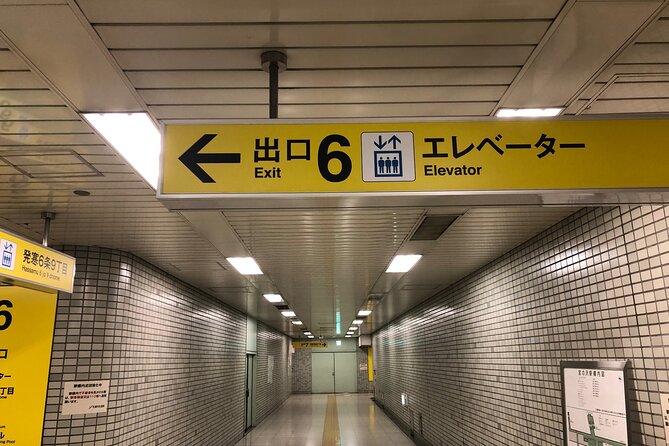
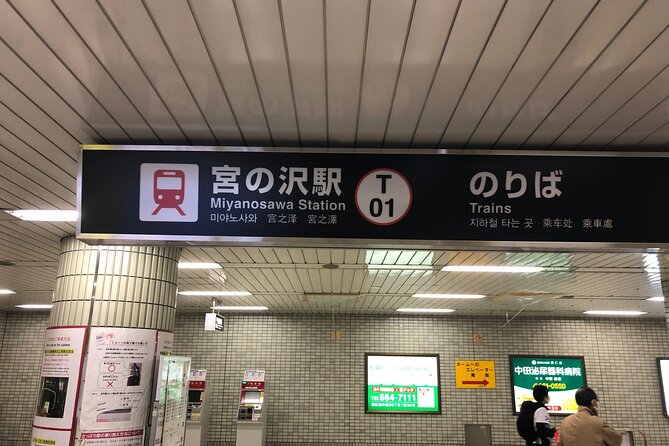
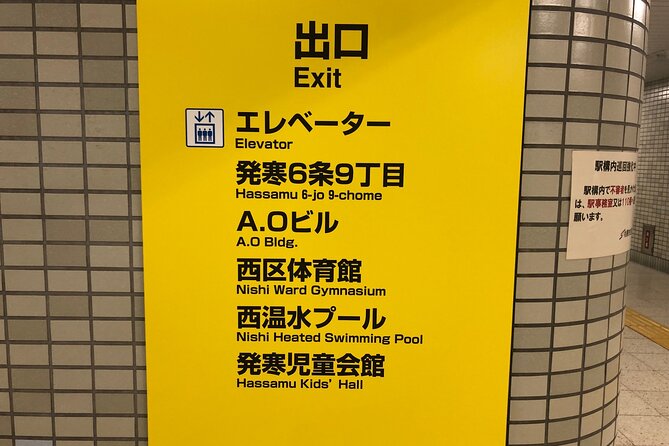
The shop is easy to reach by public transportation. It is about a 3 to 5 minute walk from Miyazawa Station on the Tozai line. If you are staying in Sapporo Shiroi Koibito Park area, you can also connect without major hassle.
I like that the meeting point is straightforward because this kind of experience rewards arriving calm. There are only about four parking spaces in front of the store, so if you are driving, plan for limited parking.
Now the timing part is important. This is scheduled around a start time, and being late can inconvenience the next group. If you cannot arrive before the start time, it can be treated as a no-show. I strongly recommend building in extra buffer time for walking and station exits, especially if it is raining or you are carrying bags.
What You Do in the Workshop: Your Hands Follow the Real Steps
This is where the experience earns its popularity. You will do the core craft steps yourself, including parts that many classes skip.
You can expect to learn and practice:
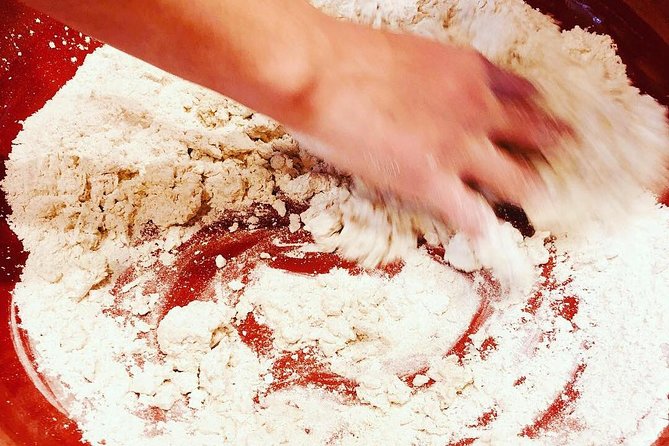
- Mixing buckwheat flour and water to form the dough
- Kneading so the texture is workable
- Stretching the dough into the right shape and consistency
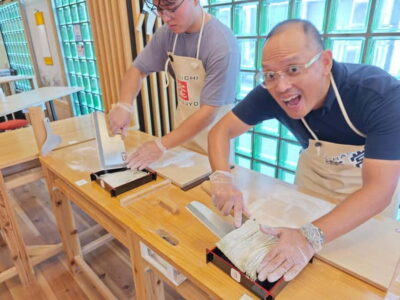
- Cutting the soba into small pieces with a kitchen knife
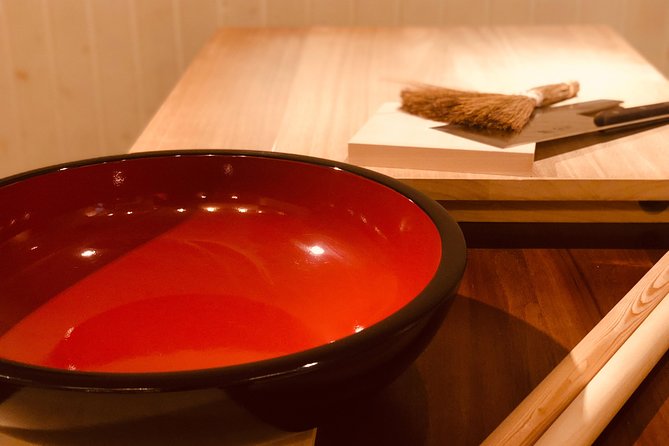
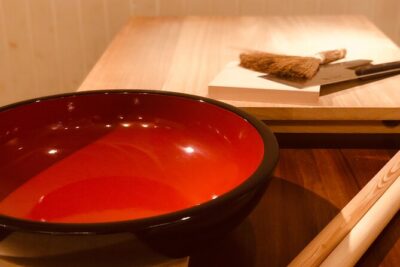
The workshop uses real utensils that the shop normally uses. That is more valuable than it sounds. When tools match the trade, you get feedback that feels closer to how soba makers actually work day to day. You are also not fighting mismatch problems like “why does this tool behave differently than what I am used to?”
English explanations are kept concise, and visual demonstrations do a lot of the heavy lifting. This format works well for beginners. Even if you have never touched dough before, the chef guides you while you try. You get room to make small mistakes, which is a huge stress reliever. A hands-on class that lets you learn without fear feels genuinely welcoming.
A few more Sapporo days to weigh up
- Sapporo Bar Hopping Food Tour
★ 5.0 · 232 reviews - Hokkaido Seasonal: Lake Toya & Noboribetsu Jigokudani Valley
★ 4.7 · 173 reviews - Sapporo: Hokkaido, Noboribetsu and Lake Toya Day Tour
★ 4.1 · 88 reviews - Sapporo: Sumo Show Experience with Japanese food & Photo
★ 4.9 · 81 reviews
Cutting, Stretching, and the Craft Details You Actually Notice
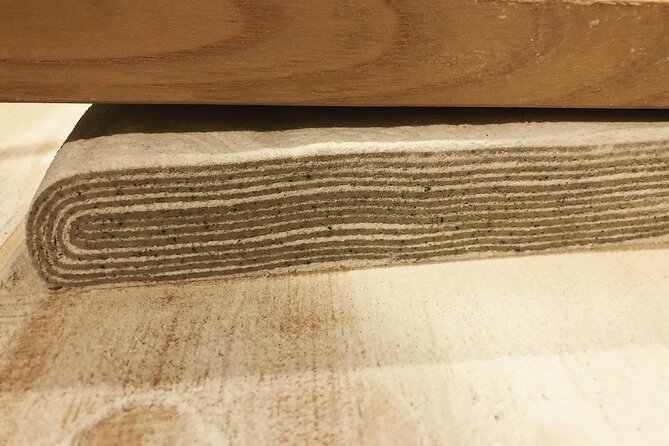
The stretching and cutting steps are the heart of the experience, and you will feel why they matter.
Stretching is where the dough moves from “clump” to “noodle-ready.” If you stretch too little, the pieces may not feel right when cooked and served. Stretching too much or inconsistently can also change the thickness. When you do it yourself, you start noticing how much control small adjustments take.
Cutting with a kitchen knife is the most satisfying step. You are taking a stretched sheet and turning it into actual soba portions. Knife work is also where you get an immediate sense of whether your pieces are consistent enough to cook evenly and eat well.
One more thing I appreciate: you are not just doing a single step. The craft is presented as a sequence. That sequencing is how you understand what happens if one step is off later on. It turns the experience into a real learning loop, even if it is only about 30 minutes of hands-on time.
Your Own Soba Tasting, Plus Optional Side Orders
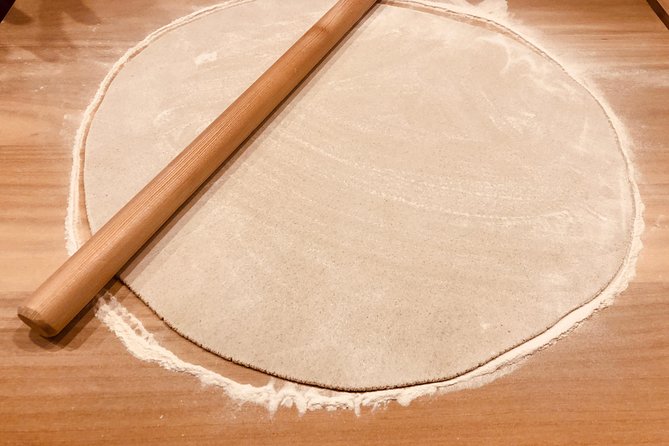
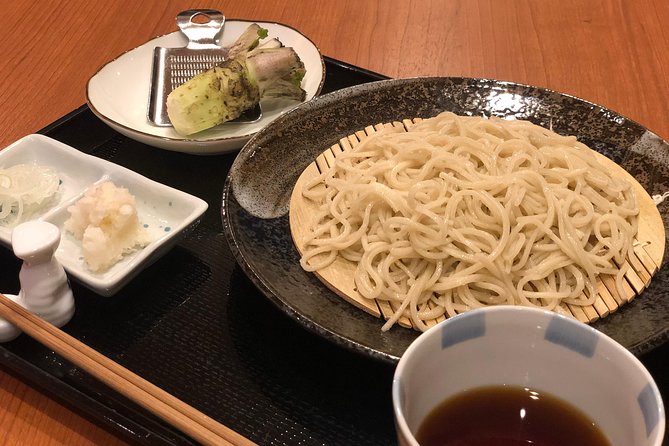
After the making portion, you taste what you produced. This is the best kind of payoff. You are not rushing off to find lunch somewhere else. You get to eat the soba you made, while the experience is still fresh in your mind.
In past sessions, people often pair their soba with extras. Options mentioned include tempura (often with an added cost) and duck soup. If you want a fuller meal, those add-ons can make the whole experience feel like an actual lunch or late-afternoon meal, not just a snack after a class.
A practical note: because it is a restaurant setting, you are likely eating what the shop serves as part of their normal flow. That keeps things grounded. It also means the focus stays on soba quality and how to eat it, not on turning the event into a plated fine-dining production.
What You Learn About Soba Beyond the Recipe
This is not a lecture-heavy workshop. Still, you should expect some cultural and craft commentary.
You may hear short history and context about soba, including how it fits into Japanese eating culture and why people take the technique seriously. In some sessions, the explanation level is just right for learning, with clear technique focus rather than a long speech.
Also, you may hear stories about the chef’s path and experience in soba making. Some people hoped for a bit more personal background and a sample of the chef’s own soba for comparison. Even if you do not get that every time, the core value stays the same: you learn through direct coaching at a functioning shop.
Instructors in this experience have been described as friendly and patient. One instructor name that comes up is Taku, and many people highlight how understandable and encouraging the guidance feels, especially for families and first-timers.
Price and Value: What $72.67 Buys You in Real Life
At $72.67 per person, this is not a cheap “try it once” activity. But it also is not overpriced in the way many tourist food classes can be, because you are paying for real instruction time inside a working restaurant.
You get:
- Hands-on practice through the main soba steps
- Guidance that is accessible for English speakers
- A meal element, since you eat the soba you made
The value gets better if you were already planning to eat at a soba restaurant anyway. In that case, the difference is you get both instruction and a dish created by your own hands.
If you add tempura or duck soup, your total goes up. Still, those extras can be a nice way to make the meal feel complete. Think of the base price as the craft plus the soba you make, with optional add-ons as your choose-your-own-bonus.
Finally, note that it is popular and often booked about 29 days in advance on average. If you want a specific day, booking earlier is smart.
Who This Soba-Making Class Fits Best
This experience is ideal if you want authentic Japanese food culture with skill-building, not just sightseeing.
It is a great fit for:
- Food lovers who like understanding how something is made
- Beginners who need clear English explanations and visual cues
- Families, since instructors guide carefully and novices can participate with confidence
- People who enjoy hands-on activities more than listening to long talks
Children can participate too. Children under 2 years old are free of charge, but they can only visit. If you are traveling with young kids, it is worth planning around the workshop rhythm and the short window for hands-on work.
If you want a long cooking session or a broad menu variety, you might find this more focused than you expect. It is about soba craft, and that focus is exactly why it works.
Quick logistics: what to bring and what to expect
Good news, you do not need to bring or prepare anything. That keeps the activity low-friction and lets you focus on learning.
You also do not need special cooking knowledge. The structure is made for guests who prefer doing things rather than sitting through lecture formats. For groups, it is a private experience, meaning only your group participates.
Duration timing is compact:
- Hands-on soba making is around 30 minutes
- The full experience is roughly 1 hour and 15 minutes
- The rest of the time includes tasting and completion
That makes it a good “middle of the day” activity if you have time around lunch or an afternoon slot. Just protect your schedule by arriving early enough to settle in.
Should You Book This Soba-Making Experience?
I think you should book it if you want a genuine craft experience in Sapporo, with a clear step-by-step structure and the satisfying part, eating your own fresh soba. It is especially compelling if you are the type of traveler who prefers learning by doing, and you like the idea of understanding why technique matters.
You might skip it if you are looking for a long, meandering food tour or you have flexibility issues around start times. This one rewards punctual arrivals.
Bottom line: if you are in Hokkaido and you care about food that tastes like the region that makes it, this is a very solid use of time.
FAQ
How long is the soba-making experience?
The hands-on soba making takes around 30 minutes, and the full experience takes about 1 hour and 15 minutes.
What steps will I do during the soba-making?
You will mix buckwheat flour and water, knead, stretch the soba noodles, and cut them into small pieces with a kitchen knife. You then taste the soba you made.
Is this experience in English?
Yes. English explanations are provided with concise instructions and visual demonstrations.
Do I get to eat the soba I make?
Yes. After the making portion, you can enjoy your own soba noodles.
Can children participate?
Yes. Novices and children can participate with confidence because the craftsmen guide you carefully. Children under 2 are free of charge but can only visit.
What is the cancellation policy?
You can cancel for a full refund up to 24 hours before the experience’s start time. If you cancel less than 24 hours before, the amount paid is not refunded.
Newly listed around Sapporo
- Hakodate Exploration Tour with Private Guide★ 4.5 · 9 reviews
- Hakodate 4hr Private Tour with Government-Licensed Guide★ 5.0 · 7 reviews
- Hakodate Rickshaw Tour★ 5.0 · 18 reviews
- Chitose Airport to Niseko Private Transfer | Licensed Driver★ 5.0 · 19 reviews
- SkyExpress Private Transfer: New Chitose Airport – Niseko (8 Pax)★ 5.0 · 15 reviews
- Sopporo: Hokkaido Shrine and Atama Daibutsu Full-Day Tour★ 4.8 · 12 reviews
- Silver Ring Workshop – Smith at Keio Plaza Sapporo★ 5.0 · 7 reviews
- Sea Kayaking Tour – Otaru Coastal Adventure★ 5.0 · 7 reviews
Soba & Udon Making Classes, compared.
Mondo’s most popular plan! Experience making soba noodles and the king of Japanese cuisine, tempura, in Sapporo!
Read our review →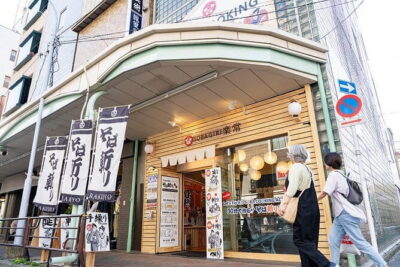
Experience Big soba knife Soba Making Class in Tokyo Kappabashi
Read our review →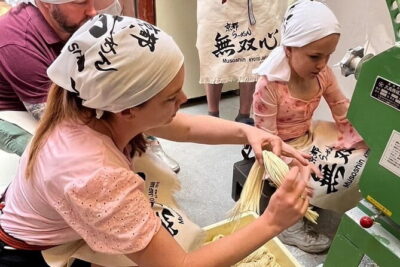
Made from flour in 30min! Ramen-noodle Making Experience!
Read our review →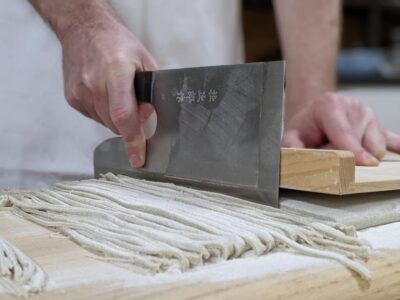
Matsumoto Castle Tour & Soba Noodle Making Workshop
Read our review →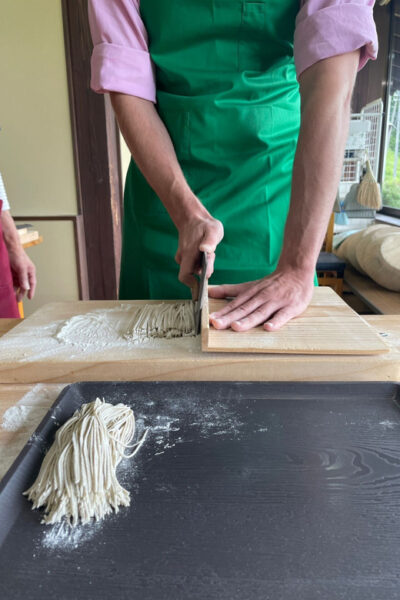
1-Day Togakushi: Soba making, Ninja Town and Hidden Shrines
Read our review →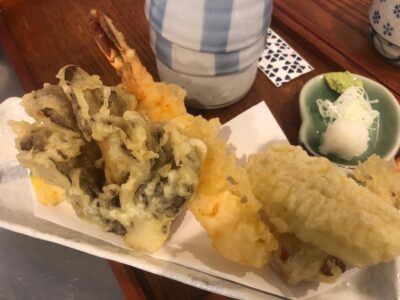
Top-rated experience Includes soba noodle making and tempura
Read our review →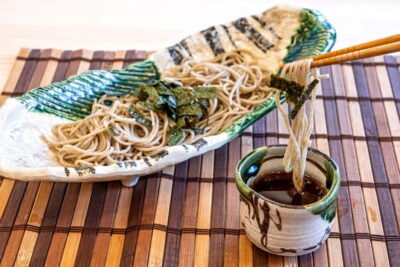
///Soba Making Experience///Use The BIG Soba-Knife!!
Read our review →Browse the lists this tour appears in