
Review · NAGOYA TOURS
Shirakawago and Hida Takayama Day Trip from Nagoya
Two mountain villages, one smooth day. This Nagoya outing connects UNESCO Shirakawago farmhouses with the old-street charm of Hida Takayama, and it’s paced so you still get breathing room. I particularly liked the clean, modern coach and the fact that you’re not glued to the group the whole time.
I also like that the day is built around the two architectural stories of the region, so your photos make sense when you’re done. You’ll see the thatched-roof gassho-zukuri style up close, then shift to Takayama’s preserved Edo-era town feel.
One thing to keep in mind is winter conditions in the mountains. If snow is heavy, walkways can get slippery and the timing of your visit may tighten, especially around Shirakawago.
In This Review
- Key things I’d bet on
- From ESCA to Shirakawago, then Back to Takayama, how the day actually moves
- Price and value: about $90.59, what you’re really paying for
- Getting started at Nagoya ESCA: a meeting point that can be easy or confusing
- Hida Takayama: why Little Kyoto feels different from the bigger cities
- Lunch time in Takayama: Keichan chicken or hoba-yaki, depending on season
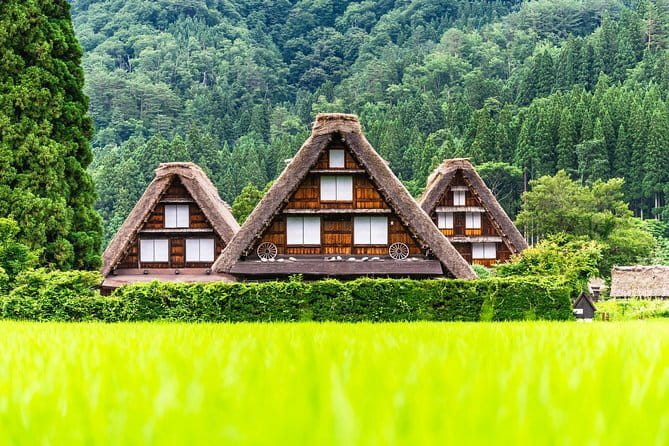
- Shirakawago UNESCO: gassho-zukuri farmhouses and what that roof actually means
- Winter reality check: what heavy snow can change on this exact kind of day trip
- The tour conductor and language support: helpful, but not a full guide
- Group size, pacing, and breaks: enough time to wander, not so much you lose the day
- What to pack and wear for this specific route
- Who should book this Shirakawago and Takayama day trip
- Should you book this tour?
- FAQ
- What time does the day trip start?
- Where is the meeting point in Nagoya?
- Where does the tour end?
- How long is the trip?
- What is included in the price?
- Is lunch always the same?
- Do I need a licensed English tour guide?
- Is the ticket free for the stops?
- How big is the group?
- FAQ
- What should I wear for this day trip?
- What if I have an allergy or medically necessary dietary need?
- Do I need a mobile ticket?
- How does the tour handle bad weather?
Key things I’d bet on
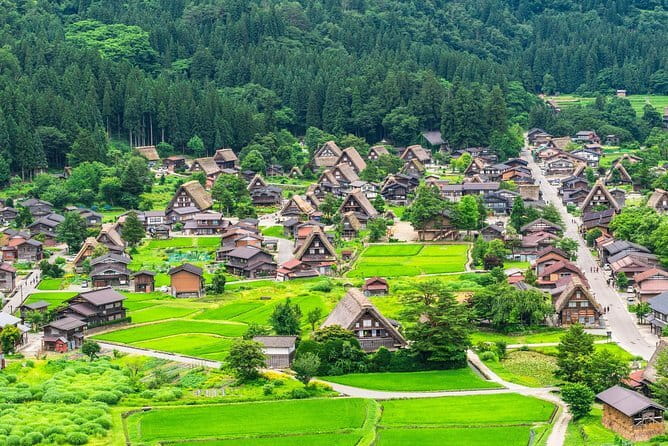
- UNESCO farmhouses in Shirakawago and the signature gassho-zukuri praying-hands roofs
- Real free time in Hida Takayama to explore narrow lanes, shops, and sake-brewerie areas
- Included lunch that changes by season (Keichan chicken or hoba-yaki with mitarashi dango)
- A translation app setup with a Japanese-speaking conductor who shares essential info
- Mountain weather risk, especially in winter, that can affect pacing and return time
- Small-ish group size (up to 42), which helps you feel less crowded on the bus
From ESCA to Shirakawago, then Back to Takayama, how the day actually moves
This is an 11-hour day trip from Nagoya, starting at 7:30 am. You meet in the underground ESCA shopping area at McDonald’s Nagoya ESCA Shop 6-9 (Shop 6-9, Tsubaki-chō, Nakamura Ward). It ends at JR Nagoya Station around Meieki 1-chōme-1-4.
The basic flow is: morning coach ride to the UNESCO stop, then on to Takayama for lunch and exploring, and finally the ride back. The operator notes the itinerary order can change, so I wouldn’t plan your day around a perfectly rigid schedule.
The coach portion matters more than you might think, because both towns are high enough in the mountains that winter conditions can slow roads. In practice, that means you should treat the day as a “see the key sights and soak it in” plan, not a “hit every shop on one street” plan.
A few more Nagoya days to weigh up
- From Nagoya: Gujo, Hida Takayama, and Shirakawa-go Day Tour
★ 4.4 · 398 reviews - Ghibli Park 1-Day Bus Tour from Nagoya
★ 4.5 · 277 reviews - From Nagoya: Hida Takayama & Shirakawa-go Tour w/Opt. Lunch
★ 4.5 · 256 reviews
Price and value: about $90.59, what you’re really paying for
At around $90.59 per person, this isn’t a budget-only option, but it also isn’t pricey for a full day that includes transport between distant mountain towns. You’re paying mainly for the round-trip coach ride, the organization that gets you to places that are harder without a car, and the fact that lunch is included.
The value gets better because admission is listed as ticket free at the main stops you visit. On top of that, the group size cap of 42 keeps the day from feeling like a cattle herd situation.
The main “cost” to factor in is what you pay in energy and weather risk. The day is long, you’re walking on older streets and around historic structures, and the mountain season can be brutally cold.
Getting started at Nagoya ESCA: a meeting point that can be easy or confusing
Meeting at McDonald’s inside ESCA is convenient once you’re inside the underground maze. ESCA is a major hub area, and being underground helps if it’s raining in the morning.
Still, do yourself a favor: arrive 10 to 15 minutes early and confirm the exact pickup spot with staff at the entrance. The operator notes the bus will stop at a nearby location that’s safe for passengers to disembark, so don’t expect a bus pull-up right next to the door you walked through.
The tour uses a mobile ticket, so make sure your phone battery is happy. I’ve learned the hard way that “mobile ticket” usually means you should be ready with the QR code in one smooth moment, not after digging through apps.
Hida Takayama: why Little Kyoto feels different from the bigger cities
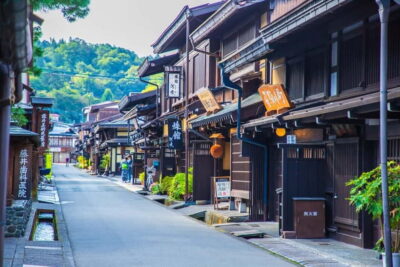
Takayama is often called Little Kyoto for a reason: the town has preserved Edo-era street character and traditional wooden structures. This isn’t just a scenic backdrop. It’s the kind of place where you can wander, pause, and watch daily life move at a slower tempo.
You get around 1 hour 30 minutes for self-guided exploring in the old-town area. That’s enough time to feel the streets, browse a few shops, and stop for snacks if you want, without it turning into a sprint.
In the old town, you’ll find historic sake breweries, craft shops, and food stalls. If you’re the type who likes to pick up small, practical souvenirs like local snacks, tea, or simple crafts, this is where you’ll likely enjoy your time most.
What to watch for: you’re on a tight schedule. If you want to shop, keep your favorites on a short list so you don’t lose time to decision fatigue.
A different sort of day in Japan:
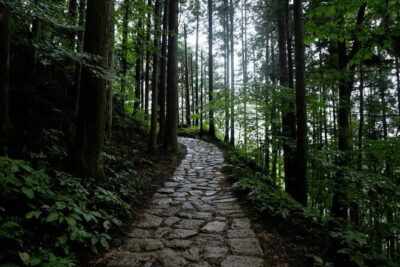
- Hiking the Historic Nakasendo Trail [1 Day Tour from Nagoya]
★ 5.0 · 104 reviews - Nagoya Highlight Tour guided by a friendly local
★ 5.0 · 86 reviews - Nagoya: Japanese Traditional Sweets making and Tea Ceremony
★ 4.9 · 76 reviews - Magome-juku, Tsumago-juku & Ena-kyo 1d Bus Tour from Nagoya
★ 4.6 · 75 reviews
Lunch time in Takayama: Keichan chicken or hoba-yaki, depending on season

Lunch is included, and it changes by season, which is great because it gives you a reason to care about timing. You’ll have about 50 minutes for the meal, served at a designated restaurant.
If you’re traveling until March, the lunch is hoba-yaki with Hida beef. Slices of tender beef are placed on a dried magnolia leaf (hoba), with miso paste, then gently cooked in a small pot you use at the table. It’s served with mitarashi dango at the end, which is a nice local sweet to round the meal out.
In other seasons, the included lunch can be Keichan chicken marinated in miso and soy sauce, grilled with cabbage, onions, and other vegetables. Either way, this is the kind of meal that helps the day feel rooted in the region, not just “another bus tour lunch.”
Two practical notes. First, dietary changes aren’t generally available except for allergies or medically necessary restrictions, and if you have specific needs, you may be asked to bring your own food. Second, you can’t take uneaten food away, so only order snacks you’re genuinely going to finish.
Shirakawago UNESCO: gassho-zukuri farmhouses and what that roof actually means
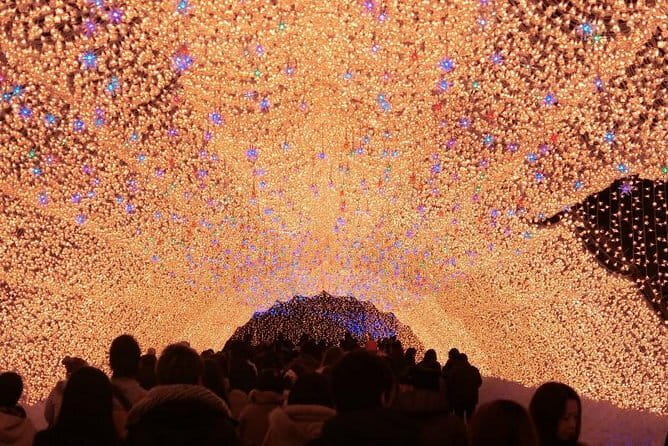
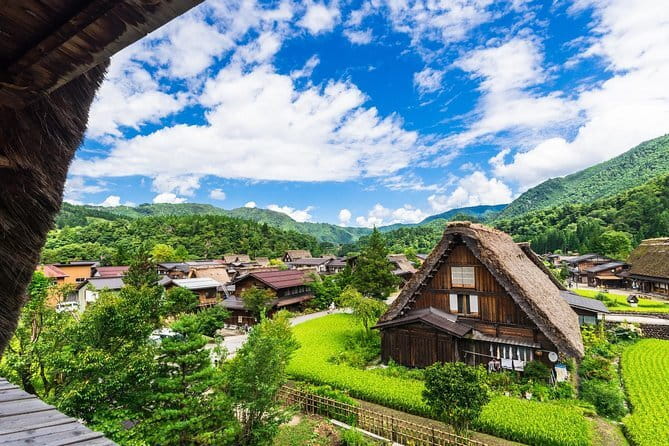
Shirakawago is the main architectural star of the day. You’ll get about 1 hour 30 minutes there, with admission noted as ticket free for the village area you visit.
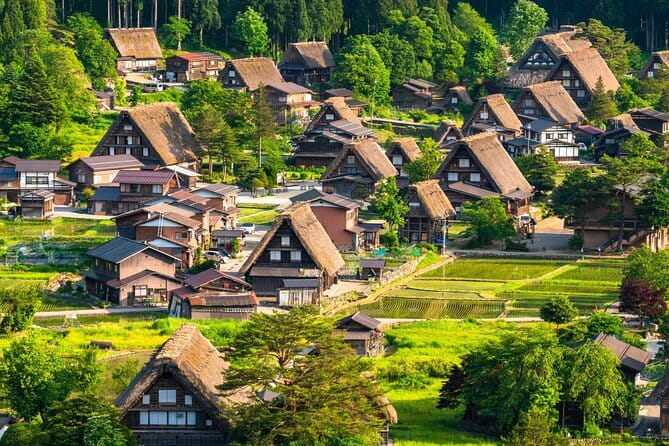
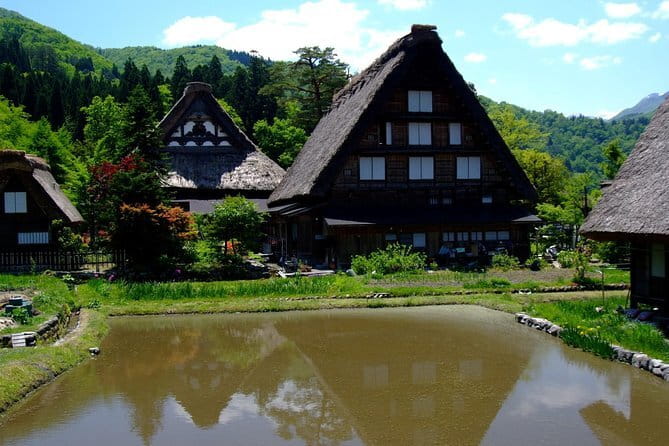
The draw is the collection of traditional farmhouses built in the gassho-zukuri style. The roof design looks like two hands placed together in prayer, and that shape is not just decorative. It’s part of how these homes handled heavy snowfall in one of Japan’s snowier regions.
You’ll also hear the village described as a place shaped by winter reality. In winter, snow can cover the area for up to 4 months, and villagers carry on daily routines in houses built to withstand the cold.
Why this stop is worth it even if you’ve seen other thatched-roof sites: Shirakawago’s farmhouses are famous, but the value here is your short time being guided by the “why” behind the architecture. Once you understand the roof logic, the whole village starts reading like one functional system instead of random cute houses.
The realistic trade-off: time is tight. If it’s clear weather, you can move at a comfortable pace and take photos. If it’s icy or slushy, walking slower becomes necessary, and the schedule can feel compressed.
Winter reality check: what heavy snow can change on this exact kind of day trip
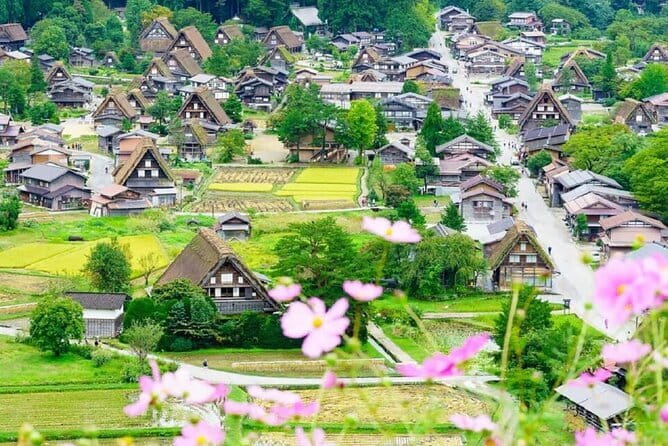
This is a mountain day, so weather is not a side note. If you go in late December or during cold spells, plan for freezing temperatures and slippery surfaces.
One common pattern is that heavy snow can make you spend more effort on safe footing. The village can still be spectacular, but you may need more time than usual to move around the grounds slowly and carefully.
The operator also flags that road conditions can affect the return time, and during New Year holidays crowds can add delay. Even if your itinerary remains mostly intact, the pickup and return timing can shift enough that you should keep your evening plan flexible.
If you want the most comfortable walking experience, consider warmer months. You’ll trade dramatic winter snow for easier movement and typically smoother logistics.
The tour conductor and language support: helpful, but not a full guide
This tour runs with a Japanese-speaking tour conductor who shares key information using a translation app. The operator also notes the conductor focuses on essentials, and it’s not positioned as a National Government Licensed Guide Interpreter.
In day trips like this, that usually means you’re getting the “what to see and how to think about it” essentials, but not a deep, stop-by-stop lecture on historical minutiae. For many people, that’s totally fine, because the main value is being in the right places and getting time to wander.
Still, you’ll get the most out of the day if you do a bit of prep before you go. Look up the terms gassho-zukuri and the overall idea of Takayama as an Edo-era style town. Then, when the app-driven explanations kick in, you’ll understand what’s being pointed out.
Group size, pacing, and breaks: enough time to wander, not so much you lose the day
The tour size max is 42 travelers. That’s big enough that you’ll hear the bus shuffle sounds, but small enough that the experience doesn’t usually feel chaotic at every stop.
The schedule gives you discrete blocks: sightseeing time in Shirakawago, then lunch and walking in Takayama. The best part of the pacing is that you get to explore unaccompanied for a meaningful chunk, especially in Takayama.
From a comfort standpoint, a modern coach and scheduled breaks are a big deal on an 11-hour day. If you’re sensitive to long rides, bring a layer, because buses can swing from warm to cool fast once outside temperatures drop.
What to pack and wear for this specific route
Wear comfortable clothing and walking shoes. In winter, that becomes non-negotiable, because icy patches can happen on uneven terrain around historic villages.
Bring a warm layer even if the forecast looks mild. Mountains can run colder than Nagoya, and the schedule doesn’t slow down just because you’re freezing.
If you’re planning photos, you’ll want gloves you can work in. You’re going to touch railings, walk on stone or packed paths, and adjust gear, and numb hands ruin your accuracy.
If you have food restrictions, plan ahead. The tour notes you can’t generally change the meal except allergies or medically necessary dietary restrictions, and you may need to bring your own food if needed.
Who should book this Shirakawago and Takayama day trip
This fits you best if you want a classic “two towns, one day” plan with real culture. It’s ideal for first-time visitors to the region who want architecture, old streets, and a locally flavored lunch without needing train transfers or a private car.
You’ll also like it if you’re okay with a structured day. You’re not going to customize the route, but you will get a clear sequence, transportation included, and enough unaccompanied time to enjoy both places.
It might not be the best match if you hate winter walking conditions. Heavy snow can be magical, but this is also where slippery ground can make the day more physically demanding.
Should you book this tour?
I’d book it if you want the big hitters of central Japan mountain culture from Nagoya, especially if you care about seeing gassho-zukuri farmhouses and walking Takayama’s Edo-style streets in one go. The included lunch and the organized coach transport make it a practical choice.
I’d also book it if you travel in the mindset of “see the main scenes well” rather than “try to do everything.” With about 1.5 hours in Shirakawago and 1.5 hours to explore Takayama (plus lunch time), you can enjoy the atmosphere without rushing.
I’d hesitate if you’re traveling in peak winter expecting zero weather friction. If snow and ice are a deal breaker for you, shift to warmer months or choose a longer stay so timing pressure doesn’t matter as much.
FAQ
What time does the day trip start?
The tour starts at 7:30 am.
Where is the meeting point in Nagoya?
Meet at McDonald’s Nagoya ESCA Shop 6-9 in the ESCA underground shopping area.
Where does the tour end?
The tour ends at Nagoya Station.
How long is the trip?
The duration is about 11 hours.
What is included in the price?
Included items are round-trip bus transportation and lunch, plus a Japanese-speaking tour conductor who uses a translation app.
Is lunch always the same?
No. The contents vary by season. Options include Keichan chicken marinated in miso and soy sauce, or hoba-yaki with Hida beef (until March), served with mitarashi dango.
Do I need a licensed English tour guide?
No. The conductor is Japanese-speaking and uses a translation app for assistance. A National Government Licensed Guide Interpreter is listed as not included.
Is the ticket free for the stops?
Admission is listed as ticket free for Shirakawago and for the Takayama stops shown in the itinerary details.
How big is the group?
The tour has a maximum size of 42 travelers.
FAQ
What should I wear for this day trip?
Wear comfortable clothing and walking shoes since you will walk around both towns.
What if I have an allergy or medically necessary dietary need?
Meal changes are only noted for allergies or medically necessary dietary restrictions. If that affects your safety, bring your own food since you may not be able to swap the included meal.
Do I need a mobile ticket?
Yes, the tour uses a mobile ticket.
How does the tour handle bad weather?
The experience requires good weather. If it’s canceled due to extreme weather, you’ll be offered a different date or a full refund.
Newly listed around Nagoya
- Discover The Hidden Pottery Town of Tokoname★ 4.5 · 12 reviews
- Shirakawa-go and Hida-Takayama Private Day Trip from Nagoya★ 4.5 · 11 reviews
- Walking Small-Group Nagoya City Tour★ 5.0 · 13 reviews
- Toyota Automobile Tour for Car Lovers★ 4.5 · 11 reviews
- Private Full-day Nagoya City Tour★ 5.0 · 22 reviews
- Nagoya: 2026 Hida Takayama Shirakawa-go Light-up Winter Tour★ 3.5 · 16 reviews
- Pub Crawl in Nagoya★ 5.0 · 15 reviews
- Nagoya Private Tour with a Local: Highlights & Hidden Gems★ 5.0 · 13 reviews
Nagoya Tours, compared.
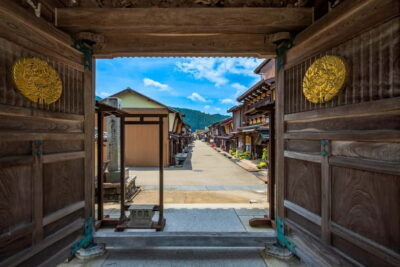

Hiking the Historic Nakasendo Trail [1 Day Tour from Nagoya]
Read our review →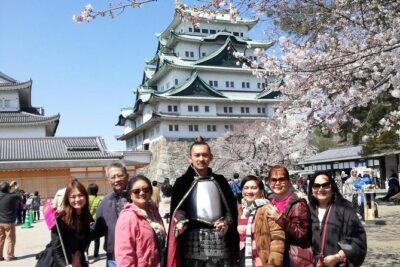
Nagoya Highlight Tour guided by a friendly local
Read our review →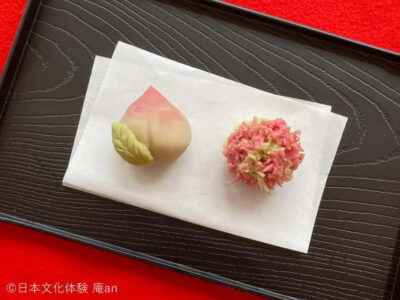
Japanese Traditional Sweets making and Tea Ceremony
Read our review →
Magome-juku, Tsumago-juku & Ena-kyo 1d Bus Tour from Nagoya
Read our review →
Ise’s Sacred Shrines and Captivating Coastlines – From Nagoya
Read our review →Browse the lists this tour appears in