
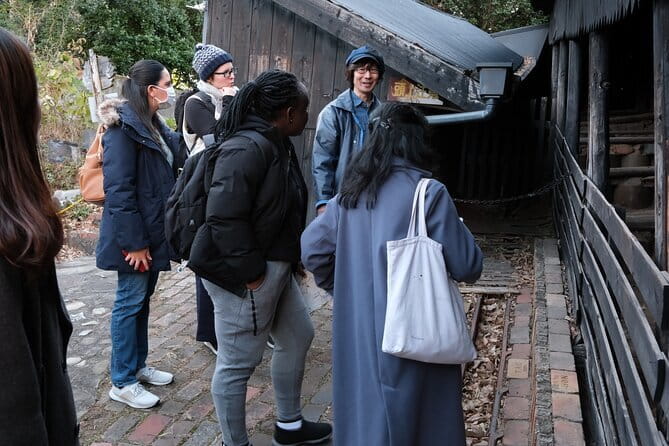
Review · JAPANESE CRAFT WORKSHOPS
Discover The Hidden Pottery Town of Tokoname
Tokoname pottery in two hours is a win. This small-group walk connects the dots between the makers, the street scenery, and the tools behind Japan’s ceramics. I especially like that you’re guided by a local ceramic artist (one who grew up here and studied abroad), not a script reader. I also love that the tour is built around free stops plus a real hands-on moment, so you feel you’re spending your money on people and time, not admission fees.
You’ll also get a practical feel for Tokoname, with memorable landmarks like the towering Tokonyan Maneki Neko and the slope full of pottery forms. One possible drawback: it moves at a walking-tour pace, so if you want long, slow browsing in shops, you may find 2 hours a bit tight.
In This Review
- Key Highlights You Should Know
- Tokoname’s Pottery Footpath, Explained Like a Maker
- Price and Value: What $65.32 Actually Buys
- Meeting at Tokoname Ceramic Hall, Then Letting the Route Teach You
- Stop 1: Tokoname City Ceramic Hall and the Local Craft Backstory
- Stop 2: Tokonyan, the Giant Maneki Neko You Can’t Miss
- Stop 3: Dokanzaka, the Pottery Footpath Slope (Pipes and Shochu Jars Included)
- Stop 4: Togama Square Museum, the Actual Kiln Plus Painting
- Stop 5: Ichisei Pottery Garden (Issei-Touen) and the Maker’s Personal Touch
- Why a Ceramic Artist Guide Makes This Worth It
- What You Learn Along the Way (Even If You Think You Know Nothing)
- Timing, Pace, and Getting the Most Out of 2 Hours
- Souvenirs, Painting, and How to Choose What You’ll Actually Use
- Who This Tour Is For
- Should You Book This Tokoname Pottery Footpath Tour?
- FAQ
- How long is the Tokoname pottery footpath tour?
- How much does the tour cost?
- Where does the tour start?
- Does the tour end at the meeting point?
- Is admission included at the stops?
- What stops are included?
- Is there a hands-on activity?
- Is the tour offered in multiple languages?
- How big is the group?
- What is the cancellation policy?
Key Highlights You Should Know
- A ceramic artist leads the route, with real maker context and calm, patient pacing for small groups.
- Pottery Footpath scenery turns into “material culture,” especially at Dokanzaka, where pipes and shochu jars line the walls.
- Togama Square Museum includes an actual kiln moment plus a hands-on painting activity.
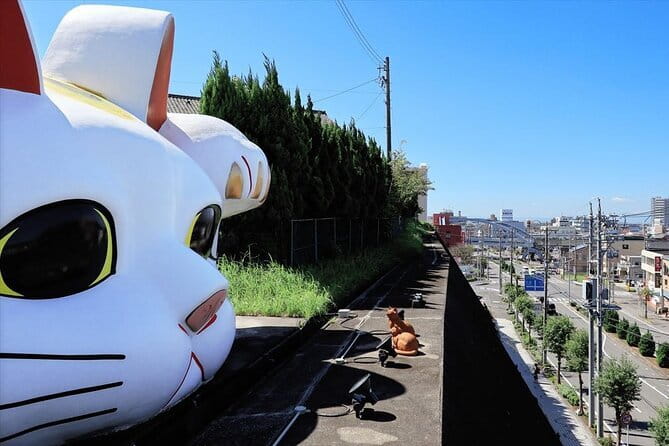
- Tokonyan is big enough to be silly, a 3.8-meter-tall cat that anchors the route in a very photo-friendly way.
- Group size maxes at 8, which helps you ask questions and slow down when something catches your eye.
- Mobile tickets make it easy to show up and start moving without a lot of paper juggling.
Tokoname’s Pottery Footpath, Explained Like a Maker
Tokoname is one of those places where ceramics are not a side hobby. They’re the daily language. On this tour, you walk the famous Pottery Footpath area and turn what looks like “cute streets with shops” into a story about materials, firing, and local design habits.
The best part for me is the guide. A ceramic artist guide brings a different kind of attention. Instead of only pointing out what’s pretty, they can explain why something is shaped a certain way, why the finishes look different, and what it takes to make the work last. That turns your photos into something smarter, and it turns souvenirs into objects with context.
The second thing I like is that it feels efficient without feeling rushed. You hit a heritage stop, a quirky landmark, a street-slope photo moment, then two places where you can see how the pottery is made and even try something yourself.
More Craft workshops in Nagoya:
- Experience Japanese calligraphy & tea ceremony at a traditional house in Nagoya
★ 5.0 · 16 reviews - Chopstick Making Workshop in Ginza
★ 4.8 · 1,366 reviews - Tokyo: Samurai Sword & Archery Class from Samurai Descendant
★ 5.0 · 603 reviews
Price and Value: What $65.32 Actually Buys
At $65.32 per person for about 2 hours, this isn’t the cheapest activity in Japan. But it is priced like a guided experience, not a generic walking tour.
Here’s the value math that matters:
- The guide fee is included.
- The itinerary stops you visit have free admission tickets listed for each stop.
- The tour has a maximum of 8 travelers, so you’re paying for attention and translation, not just being herded along.
In other words, you’re paying for the human piece. And that’s exactly where the tour shines, especially when you want to ask questions about ceramics without feeling awkward.
If you’re the type who hates paying for entry fees, you may find this one more comfortable than many museum-heavy plans. If you love makers and process, the value gets even better because the hands-on and kiln moments are the kind of thing you can’t easily recreate on your own.
Meeting at Tokoname Ceramic Hall, Then Letting the Route Teach You
The tour starts at Tokoname Ceramic Hall, 3-chōme-8 Sakaemachi, Tokoname. From that point, the route is designed to create momentum. You don’t spend the whole time “transit commuting.” You step into the story early, then walk the pottery corridor-like area where the scenery is part of the craft.
Because it uses a mobile ticket and you’re near public transportation, it’s the kind of plan that fits smoothly into a day trip. Also, it’s friendly for most travelers, and service animals are allowed. So if you’re traveling with mobility needs, it’s worth checking with the operator for your exact situation, but the format is generally approachable.
Keep in mind that this is a guided walk with set stops. If your ideal day is browsing slowly and buying at your own tempo, you’ll want to leave extra time after the tour to wander and repeat your favorite storefronts.
Stop 1: Tokoname City Ceramic Hall and the Local Craft Backstory
Your first stop is Tokoname City Ceramic Hall. This is where you get oriented. The goal here is context: what Tokoname is known for, how craftsmanship developed over time, and why the area became associated with ceramics in the first place.
You’ll spend about 20 minutes here, and admission is listed as free. That short window is important. It means you aren’t spending the whole tour in a single building. Instead, you’re setting your “ceramics lens” for the rest of the walk.
Practical tip: when you’re in a place like this, don’t just scan for displays. Take a moment to look for how tools, forms, and techniques are presented. Even if you don’t understand every term, the way the hall explains the craft will make the later stops feel less random.
A few more Nagoya days to weigh up
- From Nagoya: Gujo, Hida Takayama, and Shirakawa-go Day Tour
★ 4.4 · 398 reviews - Ghibli Park 1-Day Bus Tour from Nagoya
★ 4.5 · 277 reviews - From Nagoya: Hida Takayama & Shirakawa-go Tour w/Opt. Lunch
★ 4.5 · 256 reviews - Hiking the Historic Nakasendo Trail [1 Day Tour from Nagoya]
★ 5.0 · 104 reviews
Stop 2: Tokonyan, the Giant Maneki Neko You Can’t Miss

Then the mood shifts, in the best way. You’ll see Tokonyan, a giant Maneki Neko in Tokoname City. The scale is the hook: it’s 3.8 meters tall and 6.3 meters wide.
This stop is only about 10 minutes and admission is listed as free. The point isn’t deep history. The point is orientation and energy. The Tokonyan landmark anchors the route, and it gives you something fun and memorable while you move from craft context to craft scenery.
Photo tip: because it’s so large, you can get good shots without complicated angles. Try stepping back and letting the full cat fit in the frame, then walk in for a second shot where the face dominates. It helps you capture both the local icon and the scale effect.
Stop 3: Dokanzaka, the Pottery Footpath Slope (Pipes and Shochu Jars Included)

Next comes Dokanzaka, near the center of the Pottery Footpath area. This is one of the more visually distinctive parts of Tokoname’s ceramic identity.
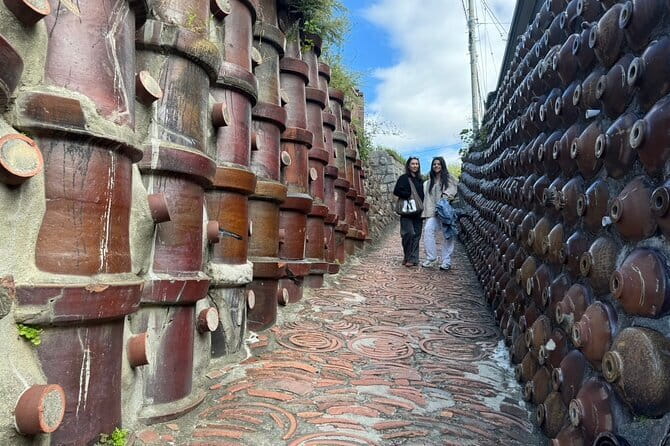
The slope is lined with large ceramic shapes, including earthenware pipes and shochu jars on both walls. As you ascend, you reach the summit, where the view and the street layout make the whole area feel like a planned craft corridor rather than a random shopping strip.
You’ll spend about 30 minutes here, and admission is listed as free. That’s a long enough stretch to slow down and notice patterns. Pay attention to how the shapes are arranged, how they reflect the wall space, and how pottery turns everyday street architecture into something playful.
One thing I appreciate about this stop is that it doesn’t require you to be a ceramics expert. The visuals do the work. Even if you’re not sure what glaze does what, you’ll still understand that these are not just decorations. They’re references to real categories of forms used by local makers.
Stop 4: Togama Square Museum, the Actual Kiln Plus Painting
If there’s one part that turns learning into something you can remember, it’s Togama Square Museum. You’ll spend about 30 minutes here, and admission is listed as free.
The standout detail: you can step into an actual kiln for an up-close look. That matters. Seeing a kiln from behind glass is one thing. Standing in the space where firing actually happens is another. You start to picture heat, airflow, and how fragile timing can be.
Then you get hands-on. There are painting activities tied to Tokoname pottery. This is where you stop being a spectator and start understanding how surface work changes the object. Even a simple activity teaches you that ceramics are more than form. Color choices, brush control, and design decisions all play a role.
A practical approach: treat the painting time as your chance to ask questions. If your guide offers translation or guidance in English or Spanish, use it while you’re at the work surface. When you later shop for a souvenir, you’ll recognize what you tried to do and understand why certain looks appeal to Tokoname makers.
Stop 5: Ichisei Pottery Garden (Issei-Touen) and the Maker’s Personal Touch
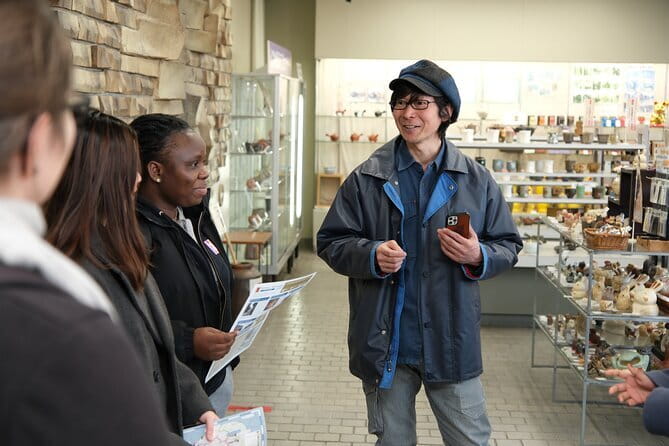
The final stop is 一菁陶園 (Issei-Touen), also described as Ichisei Pottery Garden. You’ll spend about 30 minutes here, and admission is listed as free.
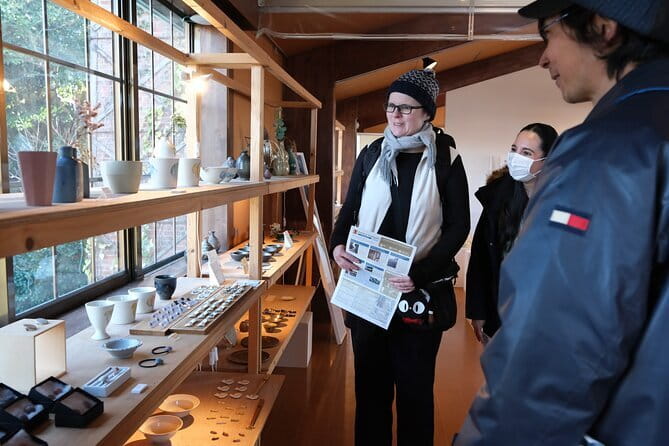
This part leans more personal. Instead of only showing you craft history, the experience is about seeing traditional craftsmanship alongside contemporary design. You’ll have time to explore the workshop area, admire handmade ceramics, and understand the vibe of the maker’s approach.
This is also where the tour feels most like a conversation with place. One of the strongest themes in the descriptions is that the guide has a deep, lived connection to Tokoname and can explain pottery in a way that feels grounded and human.
How to shop wisely at the end: if you want a souvenir that feels meaningful, focus on two things:
- Pick something you can describe in one sentence after the tour. If you can’t, ask why it’s made that way.
- Don’t rush to buy the first pretty item. Wait until you’ve seen the kiln and painting stop, then your eye will sharpen fast.
Why a Ceramic Artist Guide Makes This Worth It
Plenty of tours show you places. This one adds the “maker brain.” Because your guide is a ceramic artist, questions become easy.
You’ll likely get explanations about how Tokoname ceramics developed, what makes the local approach distinct, and how to interpret visual details you might otherwise overlook. The guide is also described as growing up in the area and studying abroad, which often leads to a helpful mix of local depth and outside perspective.
The tour is also multilingual, available in English, Spanish, and more. That matters more than people think. When pottery terms get technical, translation quality can make or break the experience.
What I like most is that small group size supports conversation. With a max of 8 travelers, it’s easier to ask follow-up questions instead of waiting for the next stop to hear a one-size-fits-all explanation.
What You Learn Along the Way (Even If You Think You Know Nothing)
Even if ceramics are new to you, this route teaches you a few key ideas:
- Craft isn’t only about aesthetics. It’s about process, tools, and firing.
- Local landmarks can communicate industry. A slope like Dokanzaka is basically architecture with a ceramics identity.
- Makers think in materials and forms. The types of ceramic objects you see around town are not random, they reflect real categories.
- A kiln is a system. Seeing an actual kiln helps you understand why pottery requires patience and consistency.
By the end, you’ll likely look at Tokoname shops differently. You’ll recognize which pieces look like they come from serious technique and which ones look like decorative nods. That’s a subtle shift, but it makes your shopping more satisfying.
Timing, Pace, and Getting the Most Out of 2 Hours
The duration is about 2 hours. That’s short enough to fit into many travel days, especially if you’re in the Chita Peninsula area.
The pace is guided and stop-based. You’ll spend time at each location, but walking is part of the lesson. Plan to wear comfortable shoes. The tour is mostly outside during key segments like Dokanzaka.
If you’re traveling with kids or you want something lively without being exhausting, this format can work well, because you see big visual landmarks and get a hands-on activity.
If you are the kind of traveler who wants to linger in shops, I recommend adding a bit of free time after the tour so you can revisit your favorite place. The guide’s focus is on coverage and context, not turning your day into a full ceramics market day.
Souvenirs, Painting, and How to Choose What You’ll Actually Use
You’ll pass a museum shop and a pottery garden workshop where ceramics are available. Also, the painting activity gives you a direct feel for surface design.
Here’s how to choose without getting overwhelmed:
- If you want something useful, look for items that match everyday life, like tableware or small pieces that fit your home style.
- If you want something symbolic, choose something connected to what you learned, like forms that resemble what you saw on Dokanzaka walls.
- If you want a souvenir that feels like a memory, consider what you did during painting. Even if you don’t get to keep a finished pottery item (the data just says painting activities), you can still treat it like a personal practice moment and buy something that matches your new preferences.
Ask questions at the maker shop. When you understand the reasoning, you buy with confidence instead of just impulse.
Who This Tour Is For
This experience is a great fit if:
- You want a guided route that explains Tokoname’s pottery culture in plain terms.
- You like small group tours where you can ask questions.
- You’re curious about kilns and process, not just shop windows.
- You want multilingual support, with options like English and Spanish.
It may be less ideal if:
- You’re hoping for a long museum marathon.
- You prefer solo exploration with no fixed stops.
- You want zero walking and no outdoor slope segments.
Should You Book This Tokoname Pottery Footpath Tour?
I’d book it if you want a focused, high-value introduction to Tokoname ceramics in a short time. The mix of Pottery Footpath landmarks, a real kiln experience, and a hands-on painting moment makes it feel more substantial than a typical “walk and look” tour.
It’s also a smart value for the price because free admission is listed for each stop, so you’re mostly paying for the guide and the time in each location. And the small group size supports real conversation.
Before you go, set your expectations right: you’re not signing up for an all-day shopping spree. You’re signing up for understanding. If you leave with better eyes for what you see and a couple of meaningful pieces to bring home, this tour does exactly what it promises.
FAQ
How long is the Tokoname pottery footpath tour?
The tour is approximately 2 hours.
How much does the tour cost?
The price is $65.32 per person.
Where does the tour start?
The tour starts at Tokoname Ceramic Hall, 3-chōme-8 Sakaemachi, Tokoname, Aichi 479-0836, Japan.
Does the tour end at the meeting point?
Yes, the activity ends back at the meeting point.
Is admission included at the stops?
The stops listed have free admission tickets, and the guide fee is included. Other personal expenses are not included.
What stops are included?
You’ll visit Tokoname Ceramic Hall, Tokonyan, Dokanzaka, Togama Square Museum, and 一菁陶園 Issei-Touen.
Is there a hands-on activity?
Yes. At Togama Square Museum, there are hands-on painting activities, and you can step into an actual kiln.
Is the tour offered in multiple languages?
Yes, it is described as multilingual, available in English, Spanish, and more depending on the schedule.
How big is the group?
The tour has a maximum of 8 travelers.
What is the cancellation policy?
Cancellation is free. You can cancel up to 24 hours in advance for a full refund. After that point, the amount you paid is not refunded.
Newly listed around Nagoya
- Shirakawa-go and Hida-Takayama Private Day Trip from Nagoya★ 4.5 · 11 reviews
- Walking Small-Group Nagoya City Tour★ 5.0 · 13 reviews
- Toyota Automobile Tour for Car Lovers★ 4.5 · 11 reviews
- Private Full-day Nagoya City Tour★ 5.0 · 22 reviews
- Nagoya: 2026 Hida Takayama Shirakawa-go Light-up Winter Tour★ 3.5 · 16 reviews
- Pub Crawl in Nagoya★ 5.0 · 15 reviews
- Nagoya Night Bar & Food Tour with Locals 【Private Tour】★ 4.5 · 9 reviews
- Nagoya Private Tour with a Local: Highlights & Hidden Gems★ 5.0 · 13 reviews
Japanese Craft Workshops, compared.
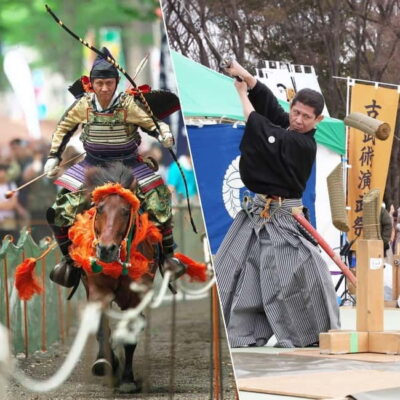
Samurai Sword & Archery Class from Samurai Descendant
Read our review →
Japanesel Archery Experience HIROSHIMA CASTLE SHARAKU
Read our review →
Authentic knife making experience at a blacksmith in Kyoto
Read our review →
Browse the lists this tour appears in