
Review · MATCHA & TEA CEREMONY SESSIONS
Nagoya: Japanese Traditional Sweets making and Tea Ceremony
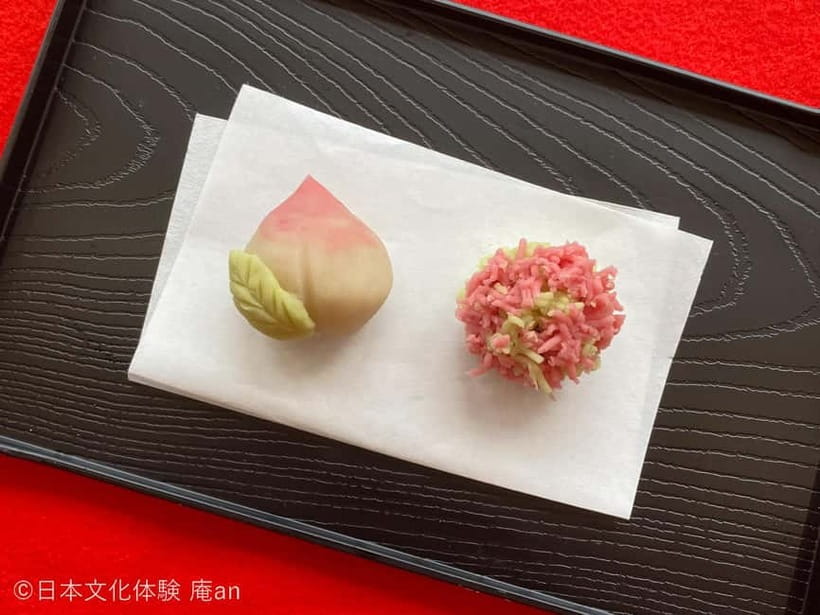
Sweet art, then matcha in Nagoya. In about 95 minutes, you’ll shape nerikiri from Kyoto bean paste and learn how to whisk Uji matcha like a pro. It’s a small, hands-on class that turns traditional Japanese sweets into something you can actually make and taste.
I love that you begin by coloring and working the bean paste, so the class feels practical from the first minute. I also like the clear, step-by-step teaching from instructors such as Mariko and Saki, and the fact that you make two season-matched sweets to eat with your own tea. One possible drawback: this is a guided experience, not a long, strict, full formal tea ceremony, so if you’re chasing the most traditional, slow ritual, manage your expectations.
In This Review
- Key Points Before You Go
- Nagoya Wagashi and Matcha in 95 Minutes
- Entering the Class: Nerikiri First, Then Tea
- Coloring Kyoto Bean Paste and Shaping Seasonal Nerikiri
- What you’ll really be learning with your hands
- Uji Matcha Grinding and the Tea Ceremony Portion
- About the tea ceremony expectations
- What You’ll Eat, How It Tastes, and Optional Souvenirs
- Price, Value, and Who This Works For
- Best fit
- People who should think twice
- Logistics That Matter: Timing, Location, and the 3rd Floor
- Small Tips for a Smoother, Better Experience
- Should You Book This Nagoya Sweets and Tea Class?
- FAQ
- How long is the Nagoya wagashi and tea ceremony experience?
- How much does it cost?
- What will I make during the class?
- What matcha is used in the tea ceremony portion?
- Is there English support during the class?
- Where is the meeting point?
- Is there an elevator in the venue?
- Can I buy a take-out box for the sweets?
- Is there an option for a certificate?
- What are the child and participation rules?
- When can I cancel for a full refund?
Key Points Before You Go
- Kyoto-made red and white bean paste is the base for your wagashi.
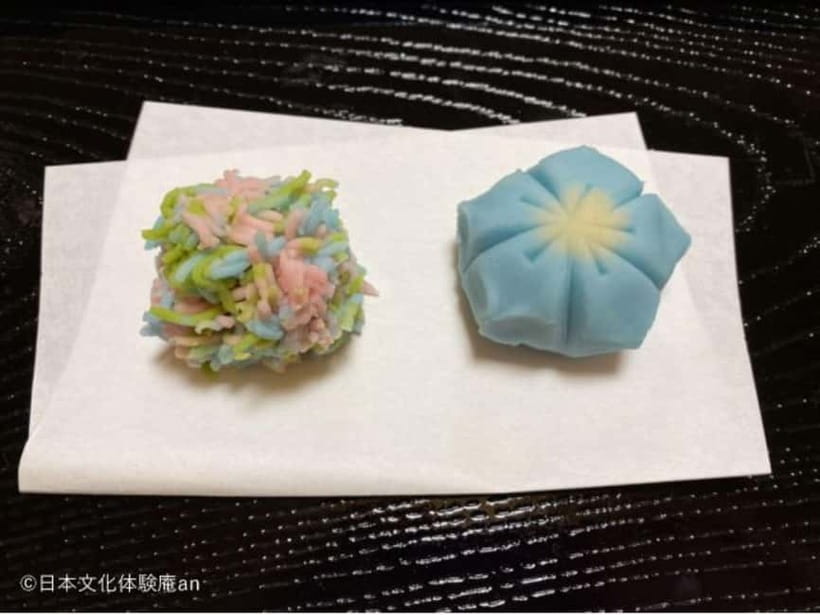
- You create two seasonal sweets, shaped into refined nerikiri styles.
- Single-origin Uji matcha is used, with a matcha-grinding demonstration.
- The tasting is part of the lesson, with your sweets paired directly with your tea.
- English support is provided as much as possible, and instructors like Mariko and Saki are praised for clarity.
- You can buy matcha and matcha equipment on-site, if you want to keep going after the class.
Nagoya Wagashi and Matcha in 95 Minutes
Nagoya is often a practical stop between bigger cities, but this class gives you a calm, focused evening-or-lunch-bag alternative. The format is simple: you’ll learn wagashi basics, make two season-inspired sweets, then move into matcha and tea preparation.
At $18 per person for 95 minutes, you’re paying for instruction plus ingredients plus the tea experience. That’s the real value here, not just the food. You leave with sweets you made by hand and a better sense of how good matcha tastes when you treat it properly.
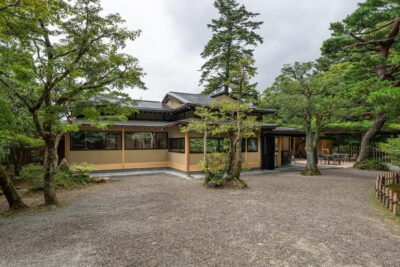
The venue is in central Nagoya, and the meeting point is easy to find. You’re looking for a spot that is one minute from Exit 3 of the Subway Sakura-dori Line Kokusai Center Station, or about 13 minutes on foot from Nagoya Station.
More Tea ceremonies in Nagoya:
- Kyoto: Tea Ceremony in a Traditional Tea House in Kiyomizu
★ 4.9 · 3,519 reviews - Kyoto: Tea Ceremony Ju-An at Jotokuji Temple
★ 4.9 · 3,207 reviews - Kyoto: 45-Minute Tea Ceremony Lesson Experience
★ 4.3 · 2,378 reviews
Entering the Class: Nerikiri First, Then Tea
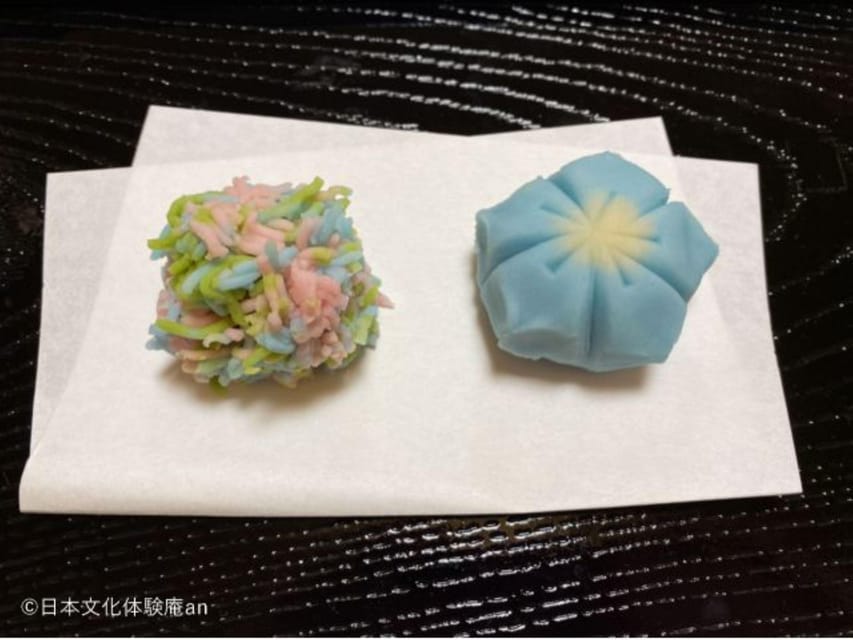
The class starts with a short introduction to Japanese traditional sweets, so you understand what you’re making before you squeeze and shape anything. Then the session flows into the main event: creating flower-shaped nerikiri and a second sweet, Kinton nerikiri.
Timing matters because the sweets are hand-shaped and delicate. The schedule is built so you get uninterrupted creative time early on, then you switch gears to tea in the middle.
A typical rhythm looks like this:
- Start with explanations about Japanese sweets
- Make the flower-shaped nerikiri
- Make Kinton nerikiri
- Take a short break, then return for tea
- Learn about matcha, watch a grinding demo, and take part in a tea-ceremony style session
- End with pictures and eating/drinking, then head out
If you like structured activities, this one is neatly paced.
Coloring Kyoto Bean Paste and Shaping Seasonal Nerikiri
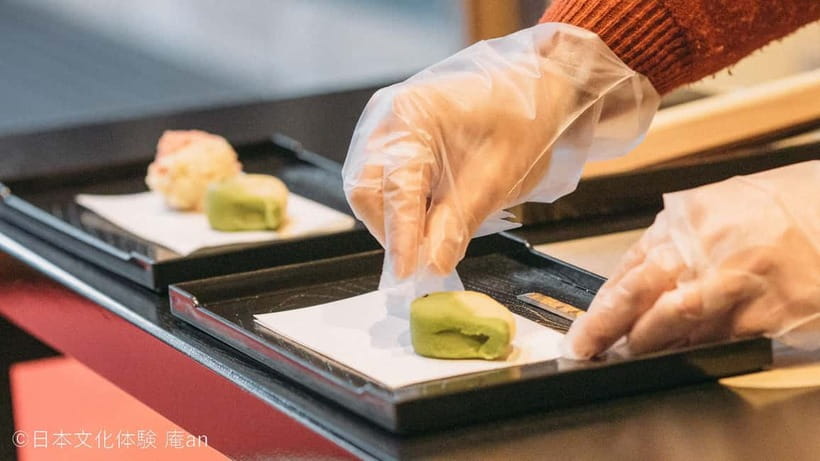
Here’s what makes the wagashi part feel special: you don’t just assemble a pre-made sweet. You start by coloring white bean paste, then you shape it into refined forms based on the season.
Nerikiri is the higher-end style of wagashi, known for its smooth, sculpted look. The craft is more than decoration. It’s also about texture and control. You’ll be working with white and red bean paste, and the program notes that the paste is made by long-established Kyoto shops.
That Kyoto connection is practical, too. Better bean paste matters because it affects both sweetness and how the paste behaves while shaping. When the base tastes balanced, the finished sweets feel more elegant and less cloying.
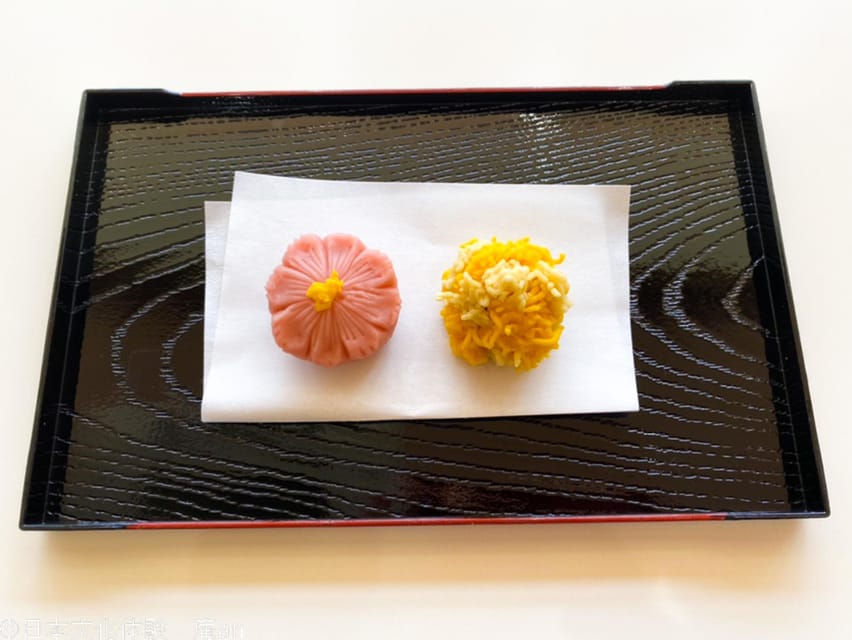
During the class, you’re making two sweets matched to the season. Depending on the theme, the shapes can include things like autumnal motifs, and some classes have included creations such as ginkgo leaf and chestnut styles. So even if you’ve never made wagashi before, you’re not building something random. You’re building a seasonal symbol.
What you’ll really be learning with your hands
You’re training three practical skills:
- Color control, since paste tone affects the final look
- Shaping discipline, since nerikiri is about smooth surfaces and clean edges
- Texture timing, because the paste is worked, not just pressed once
Even if your first attempt looks imperfect, that’s normal. The goal is to guide you into the technique, not to hand you a flawless product from minute one.
A few more Nagoya days to weigh up
- Nagoya: Traditional Japanese Sweets-Making Workshop
★ 4.6 · 14 reviews - Matcha Making Class in Tokyo with Authentic Japanese Sweets Set
★ 5.0 · 744 reviews - Matcha Making Class in Osaka with Authentic Japanese Sweets Set
★ 5.0 · 509 reviews - Tokyo: Matcha Making Experience with Mochi Sweets in Asakusa
★ 4.9 · 388 reviews
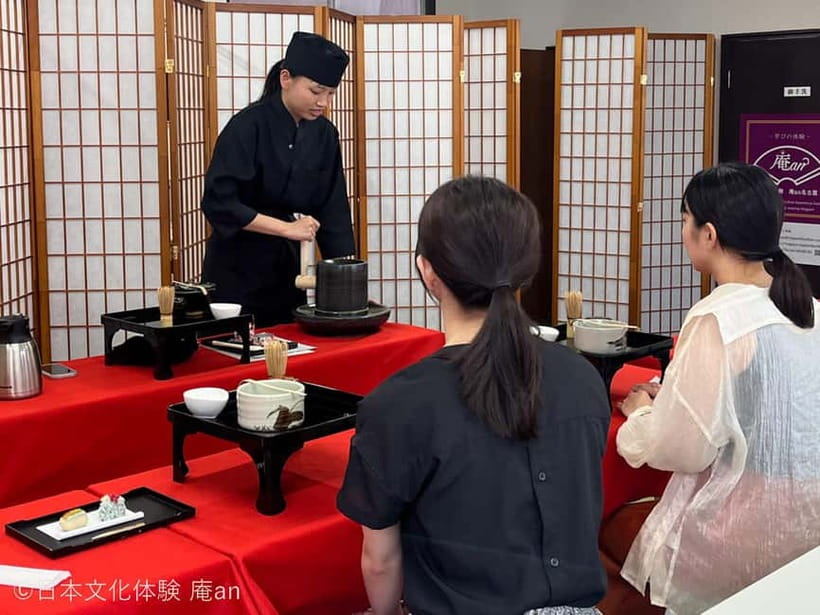
Uji Matcha Grinding and the Tea Ceremony Portion
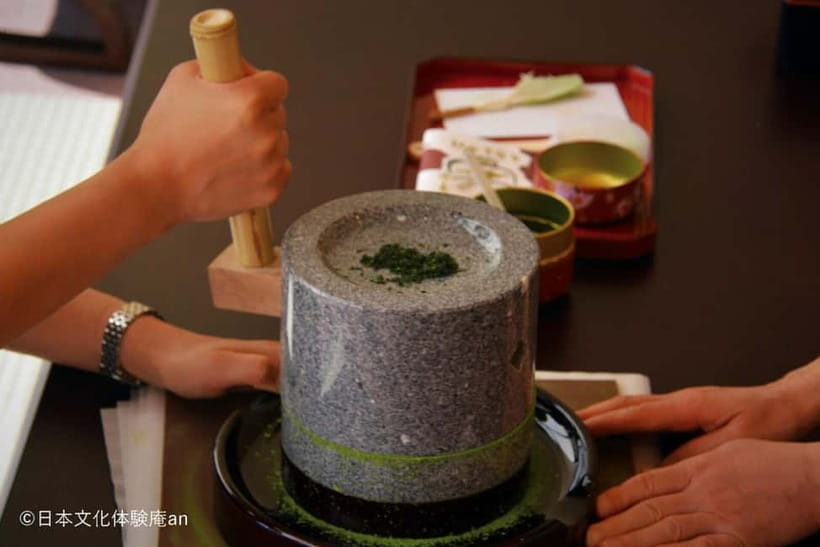
After you finish the sweets, the class shifts into tea. You’ll get an explanation about tea and then a matcha grinding demonstration, followed by a tea-ceremony style experience.
The matcha here is single-origin, specifically Uji matcha. That matters because matcha isn’t one generic flavor. It has different depth and bitterness depending on origin and handling, and Uji matcha is famous for the way it balances grassy notes with a richer finish.
This part is where I think many first-timers feel a real “oh, that’s why” moment. You’re not just drinking tea. You’re learning how preparation changes the taste. Some people come in mainly for the wagashi, then end up remembering the matcha lessons just as clearly, especially the proper way to drink it.
About the tea ceremony expectations
One thing to know up front: this experience is not presented as a full, slow, traditional ceremony with every formal step. It’s more of an approachable introduction. You still get the core actions and explanations, and you still sit down for tasting with what you made.
That makes it a good fit if you want culture plus hands-on fun, without committing to a longer, more ritual-heavy schedule.
What You’ll Eat, How It Tastes, and Optional Souvenirs
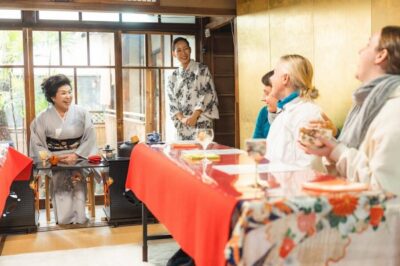
By the end, you eat the sweets you made and drink the matcha you prepared. The program emphasizes that the high-quality bean paste sweetness is meant to balance the taste of the matcha. In plain terms, the pairing is designed so the tea bitterness doesn’t overpower the sweetness, and the sweetness doesn’t flatten the tea.
When ingredients are higher quality, the experience feels cleaner. Several classes describe the ingredients as premium, with the instructor discussing them in a way that connects to how they’re sourced.
If you want a take-home option, you can purchase a sweets take-out box for 100 JPY. There’s also an optional experience completion certificate for 300 JPY. If you want the certificate to include your name, you should let them know in advance, otherwise it may be printed with a blank space.
And if you find yourself craving more matcha after class, you might also see that matcha and matcha equipment are sold on-site, which is convenient if you want to keep experimenting back home.
Price, Value, and Who This Works For
Let’s talk value. $18 for 95 minutes can feel either cheap or too much depending on what you compare it to. Here’s the good news: you’re getting more than a snack and more than a demo.
You’re getting:
- Instruction for making two wagashi
- Use of Kyoto bean paste
- Use of single-origin Uji matcha
- A matcha demo and tea-ceremony style portion
- A seat to eat the sweets you created
That’s why it’s good value. You’re paying for a guided activity that ends with your own edible results.
Best fit
This class is especially good if you:
- Want an authentic-feeling cultural activity without needing advanced Japanese
- Prefer hands-on learning over museum-style sightseeing
- Like food crafts where the process is part of the fun
- Enjoy tea and want the basics of matcha prep, not just tasting
People who should think twice
If you want a deep-dive, multi-hour, full-formal tea ceremony that follows strict etiquette start-to-finish, you might feel this is shorter and more practical than you expected. But if you want a strong introduction with real hands-on making, it’s a smart pick.
Logistics That Matter: Timing, Location, and the 3rd Floor
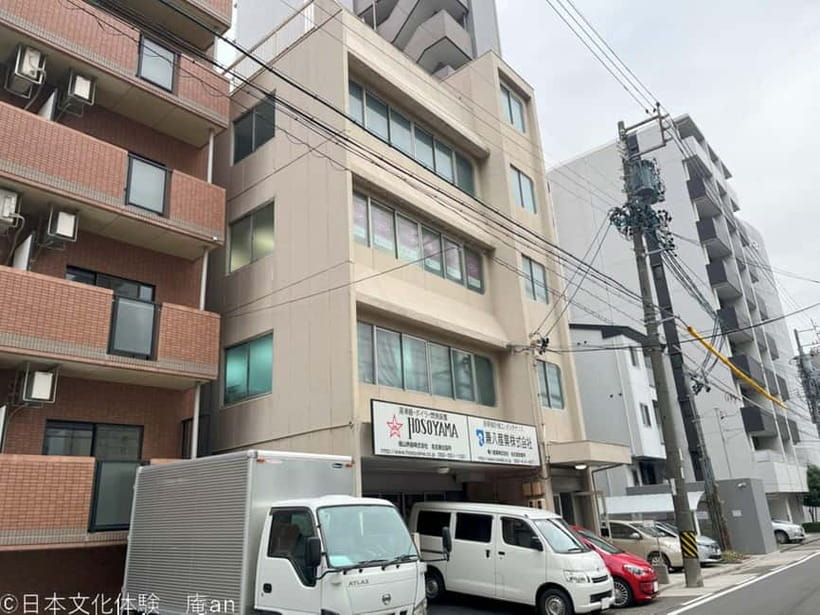
This class runs 10:00 to 17:00. If your reservation is received after 17:00, it’s processed the next day. Plan your day so you’re not sprinting across town right at the end.
The meeting point is straightforward, but the venue is on the 3rd floor, and there is no elevator. If stairs are an issue for you, it’s worth considering before booking.
Also keep this in mind: the venue says they cannot hold the event for delays. So aim to arrive a bit early and get settled. That simple move makes the experience calmer and helps you focus on shaping sweets instead of rushing.
Language is another practical point. The experience notes that English translation is provided as much as possible, and the class language is Japanese. If you specifically want added translation support, you’ll need to contact them in advance.
Small Tips for a Smoother, Better Experience
You’ll do best if you treat this like a craft class, not a quick food stop.
First, wear something comfortable for working hands. Wagashi shaping can be a little sticky, and your fingers will be doing real work.
Second, go slow when you color and shape. Neat edges and clean forms come from patience, not speed. If you feel rushed, pause and ask for guidance. Instructors such as Mariko and Saki are praised for clear instructions, so it’s okay to rely on the step-by-step coaching.
Third, taste with attention during the tea portion. When you drink matcha, the experience is partly about balance. Try to notice how the tea’s bitterness changes as it mixes and as your palate resets between sips and bites.
Finally, if you want souvenirs, decide early. The class offers a take-out box and a certificate, and you’ll want time for the final eating/drinking and picture moment before you wrap.
Should You Book This Nagoya Sweets and Tea Class?
Yes, you should book it if you want a short, high-return activity that mixes Japanese traditional sweets making with real matcha prep. It’s well structured, the ingredients are positioned as premium, and the pairing of your sweets with your own tea gives the class a satisfying payoff.
I’d skip or reconsider if you need a fully formal, long tea ceremony experience, or if stairs are a deal-breaker for you since the venue is on the 3rd floor with no elevator. Otherwise, for many visitors to Nagoya, this is one of those rare classes that feels both educational and genuinely fun, with edible results you can actually show for your time.
FAQ
How long is the Nagoya wagashi and tea ceremony experience?
The experience lasts 95 minutes.
How much does it cost?
The price is $18 per person.
What will I make during the class?
You will make two Japanese traditional sweets matching the season, starting with nerikiri and including flower-shaped nerikiri plus Kinton nerikiri.
What matcha is used in the tea ceremony portion?
The class uses Uji matcha and describes it as single-origin special matcha.
Is there English support during the class?
The experience language is Japanese, and English translation is provided as much as possible. If you want additional English translation, you can contact the provider.
Where is the meeting point?
It’s about a 1 minute walk from Exit 3 of Subway Sakura-dori Line Kokusai Center Station, or about a 13 minute walk from the Sakura-dori side of Nagoya Station.
Is there an elevator in the venue?
No. The venue is on the 3rd floor and there is no elevator.
Can I buy a take-out box for the sweets?
Yes. A sweets take-out box costs 100 JPY.
Is there an option for a certificate?
Yes. An experience completion certificate costs 300 JPY. If you want your name on it, you should let them know in advance.
What are the child and participation rules?
Children who sit on their parents’ laps are free of charge (under 2 years old only). Also, non-participants are not allowed to enter.
When can I cancel for a full refund?
You can cancel up to 24 hours in advance for a full refund.
Newly listed around Nagoya
- Nagoya: Traditional Japanese Sweets-Making Workshop★ 4.6 · 14 reviews
- Nagoya: Full-Day Nagoya City Tour★ 5.0 · 8 reviews
- From Nagoya: Shirakawa-go UNESCO Village Day Trip w/ Pickup★ 4.0 · 8 reviews
- Nagoya Private Custom Tour with Local Guide★ 5.0 · 15 reviews
- Nagoya Highlight Tour guided by friendly locals★ 5.0 · 7 reviews
- Nagoya: Full-day Kisoji Nakaendo Trail Tour★ 5.0 · 6 reviews
- Nagoya: Grand Sumo Tournament Tour★ 4.8 · 44 reviews
- Nagoya: Customized Private Tour★ 4.6 · 15 reviews
Matcha & Tea Ceremony Sessions, compared.
Tea Ceremony in a Traditional Tea House in Kiyomizu
Read our review →
World Heritage Kyoto & Nara Uji Authentic Matcha Experience
Read our review →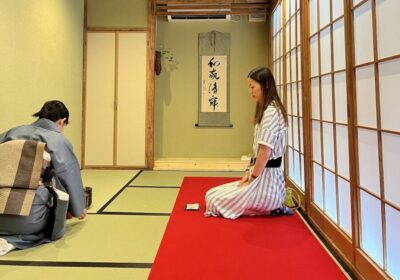
Browse the lists this tour appears in