
Review · SHRINE & TEMPLE VISITS
The sacred Ise Shrine, Mikimoto Island Private Tour
Sacred and pearly, in one well-run day. This private Ise Shrine plus Mikimoto Pearl Island tour gives you a slower, more personal look at a side of Japan that most people skip for Tokyo, Nara, or Kyoto. You start with the spiritual atmosphere around Amaterasu’s sacred sites, then shift to the hands-on craft world of cultured pearls.
What I really like is the way the day is guided end to end. With Fuji-san (Yasuhiro Fujinaga), the info feels clear and practical, including the story behind Shinto and how Japan’s major religions fit into daily life. I also like the mix of “see it” and “understand it,” from the couple rocks at Futami Okitama Shrine to the live ama divers demonstration at Mikimoto.
One thing to plan for: the tour price covers guide fee and transportation, but you’ll still pay extra for things like Mikimoto Pearl Island admission, lunch, and local toll or parking. If you hate surprise add-ons, budget a bit before you go.
In This Review
- Key highlights to look forward to
- A private-car day linking Ise Shrine and Mikimoto Pearl Island
- Meoto-iwa at Futami Okitama Shrine: a quick Shinto start
- Ise Jingu Naiku: sacred atmosphere with guided context
- Oharaimachi Street for lunch, sweets, and browsing
- Asama Mountain View Point: a scenic break on the way
- Mikimoto Pearl Island: cultured pearls and the ama divers demo
- Learning on this route: Shinto, Buddhism, and Japanese culture
- Price and extras: where your $150.24 goes
- Who should book the Ise and Mikimoto private tour
- Should you book this private Ise Shrine and Mikimoto Pearl Island tour?
- FAQ
- How long is the sacred Ise Shrine, Mikimoto Island Private Tour?
- What time does the tour start, and where do we meet?
- Is pickup available?
- Is this a private tour?
- Are shrine admissions included?
- Is Mikimoto Pearl Island admission included?
- What does the tour price include, and what extra costs should I plan for?
Key highlights to look forward to
- Meoto-iwa couple rocks at Futami Okitama Shrine, explained with Shinto context
- Ise Jingu Naiku time that feels unhurried, with free admission stops
- Oharaimachi Street for lunch on your own plus easy browsing for souvenirs and sweets
- Asama Mountain View Point for a quick scenic break and photo time
- Mikimoto Pearl Island with cultured pearl process plus a live ama divers seafood demo
- Private car pacing for a smooth 8-hour route without train stress
A private-car day linking Ise Shrine and Mikimoto Pearl Island
This is an 8-hour private tour in Mie Prefecture that uses a private car, so you are not juggling transfers between sacred stops, shopping streets, and the pearl island. You meet at Iseshi Station area at 9:30 am, and you end back at the same meeting point, which makes the day feel tidy.
A big part of the value here is the guide. The experience is not just a checklist. Fuji-san is described as having clear, prompt communication, and he adapts the day to what you want to focus on, whether that is shrine meaning, cultural context, or simply making sure you see the right spots with good timing.
You also get a practical setup for modern travel: pickup is offered, there is a mobile ticket, and the tour is only for your group. That combination matters in Japan, where getting between locations on your own can turn into waiting, walking, and trying to interpret signs while you are tired.
One more small point that I think you will appreciate: the most important entrances are free at the shrine stops listed, and the paid parts are concentrated at Mikimoto. That helps you plan your budget instead of paying small fees everywhere.
More Shrine and Temple visits in Japan:
- Kyoto: Fushimi Inari, Kinkakuji, Bamboo Grove 1 Day Bus Tour
★ 4.8 · 4,316 reviews - Kyoto: Tea Ceremony Ju-An at Jotokuji Temple
★ 4.9 · 3,207 reviews - Tokyo: Meiji Shrine, Asakusa, Skytree Bus Tour and Cruise
★ 4.7 · 1,986 reviews
Meoto-iwa at Futami Okitama Shrine: a quick Shinto start
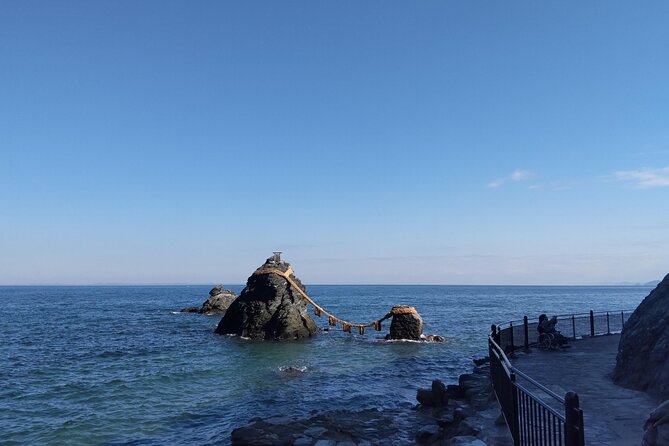
You begin at Futami Okitama Shrine for about 30 minutes. The star here is the view of Meoto-iwa, the couple rocks, and the guide uses the moment to explain Shinto basics and why people treat this place with reverence.
This stop is short, which is good if you like a strong first impression without feeling rushed. It also helps set the tone for the rest of the day. By the time you reach Ise Jingu, you are already primed to notice the quiet rules of the space and to listen for the meaning the guide is pointing out.
Admission at this stop is free, so it also feels like low-friction sightseeing. Still, keep your expectations realistic: with only half an hour, you will want to arrive ready to look and listen, not wander for long stretches.
If you are the type who likes to pause and take photos from multiple angles, just know you may have to make a couple quick choices. The upside is that you do not lose the day to one location.
Ise Jingu Naiku: sacred atmosphere with guided context
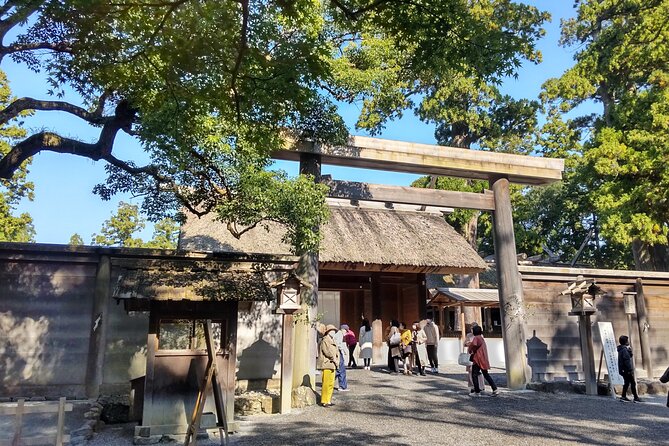
Next up is Ise Jingu (Naiku) for about 50 minutes, again with free admission included in your day plan. This is the heart of the spiritual story. The shrine is dedicated to Amaterasu, the Sun Goddess, and the guide focuses on what makes the area so sacred.
What makes this stop work well in a tour format is the pacing. You get enough time to slow down without feeling like you are stuck for hours. And because the guide is there to explain the atmosphere and significance, you are not left guessing what to pay attention to.
A practical thought: shrine visits reward respectful quiet. Even if you are not sure of the etiquette, you can still follow the vibe. Try to keep your voice down, watch how people behave, and let the guide point out key things before you start photographing.
One consideration is timing. Fifty minutes sounds long, but sacred spaces can have natural lines, and people tend to move carefully. So if you want time for extra photos, keep the “observe first, shoot second” mindset.
When the guide is doing his job well, that time becomes more than sightseeing. It becomes a cultural primer you can carry into the rest of your Japan trip.
Oharaimachi Street for lunch, sweets, and browsing
Then you head to Oharaimachi Street for about 1 hour. This is your break in the itinerary, the part where you can reset, eat, and browse. Since the tour says lunch is not included, this is where you choose your own meal from the restaurants, souvenir shops, and sweet shops along the street.
I like that this stop is practical. It lets you pick what fits your tastes, including if you want something quick or something more sit-down. It also reduces decision stress later, because you are not trying to find food while you are tired and running behind schedule.
Keep in mind that you are on a timed route. One hour can feel short if you treat it like a full food market day. If seafood is your thing, you might find choices that match the region’s reputation for fresh seafood and local dishes, but you still need to move at a reasonable pace to catch the next stops.
A small tip for comfort: if you have a phone wallet or cash preference, sort it before you reach the densest part of the street. It makes ordering faster, especially when you are hungry.
A few more Japan days to weigh up
- Tokyo 6hr Private Tour with Government-Licensed Guide
★ 5.0 · 3,902 reviews - Private Tour to Mt. Fuji and Hakone (Fully Licenced Operator)
★ 5.0 · 1,910 reviews - Fushimi Inari Hidden Hiking Tour (Private Option Available)
★ 5.0 · 1,750 reviews - Private Kyoto Tour with a Local, Highlights & Hidden Gems, Personalised
★ 5.0 · 1,543 reviews
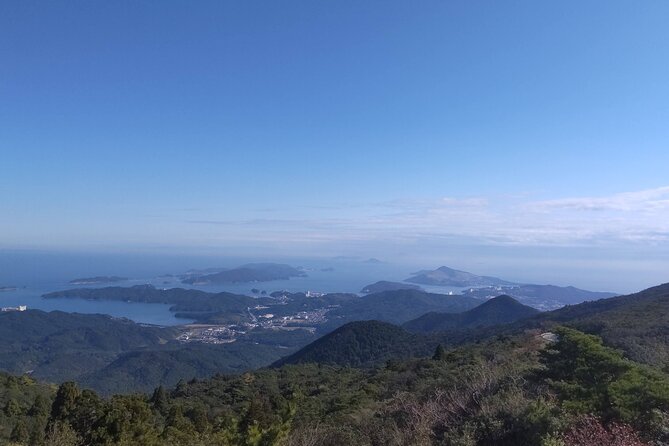
Asama Mountain View Point: a scenic break on the way
After lunch, you go to Asama Mountain View Point for about 20 minutes at an observation deck. Admission here is listed as not included, so you may have an additional fee depending on what is required on the day.
This stop is essentially your breather. It gives you a chance to step back from the religious and museum-focused portions of the day and get some fresh views. In a private tour, these smaller viewpoint stops are actually valuable because they break the mental rhythm of “walk, read, listen, repeat.”
Because the time is short, you will want to keep your visit simple. Take the photos you care about, look around, and be back on schedule for the ride to Mikimoto. If you get tempted into long detours, this is the one place where time slips can make the rest feel rushed.
If you are sensitive to weather, note that viewpoints can feel cooler or windier than streets. Bring a light layer if you tend to get chilly outside.
Mikimoto Pearl Island: cultured pearls and the ama divers demo
The final big anchor is Mikimoto Pearl Island, where you get about 1 hour 20 minutes. This is the stop most people remember, because it is not just a shop. You see a pearl museum showing the process of creating cultured pearls, and you also watch a live demonstration by ama, the female divers who collect seafood from the ocean depths.
I like this structure. The museum gives context, and the live demonstration gives you the sensory reality of the tradition. Even if pearls are not your obsession, this is an easy way to understand why the region is famous for seafood and pearl culture.
As with the mountain viewpoint, admission is not included for Mikimoto, and you should expect to pay the listed fee per person. There is also a shop where you can buy authentic Mikimoto pearls, so if you want a souvenir that is more than a postcard, this is where you can pull the trigger.
A smart way to use your time here: do the museum first so the later demonstration and shopping make more sense. Then, if you are buying, set a small budget before you walk into the shop, because pearl items can tempt you into spending more than you planned.
If you are traveling with someone who loves science, craft, or hands-on explanations, this is the place where the “tour” aspect really pays off.
Learning on this route: Shinto, Buddhism, and Japanese culture
One of the best parts of a tour like this is what happens between the stops. The guide is set up to explain Japan’s history and the connection between Shinto and Buddhism, Japan’s two major religions. That means you are not only moving through locations, you are getting language for what you are seeing.
This helps you travel smarter later. After a day like this, you tend to notice religious themes in architecture, festivals, and even everyday behaviors more easily. It also makes shrine visits in other cities less confusing, because you have a baseline story.
In the real world, that kind of cultural framing turns into better questions. You start to ask what matters to the locals, how beliefs shape routines, and why certain places carry weight.
If your Japan trip has mostly been city sightseeing, this tour is a solid correction. It puts you in a more spiritual, regional rhythm where tradition is part of the day, not an attraction.
Price and extras: where your $150.24 goes
The tour price is $150.24 per person, and what you are paying for is the guide fee plus transportation in a private car. You also benefit from free admission at the shrine stops listed, which helps keep the day feeling straightforward.
Where costs can rise is exactly where the tour shifts from spiritual sites to a premium attraction and dining. Lunch is not included, and you also have a few listed local charges:
- Ise toll road fee: JPY 1,270
- Mikimoto Pearl Island admission: JPY 1,650 per person
- Parking fee: about JPY 1,500
- Possible admission at Asama Mountain View Point (not included)
So the real value equation is this: you are essentially paying to remove the travel headache and to get expert guidance, while you cover the attraction admissions and meals directly. If you compare that to DIY planning, it can still be a good deal, especially if you want a private experience and you do not want to spend your day figuring out connections.
This is also where group discounts can matter. If your party size qualifies for group discount pricing, the per-person value usually improves.
My advice is simple: treat the price as a “private guiding package,” then add a realistic allowance for Mikimoto and lunch. You will feel in control that way.
Who should book the Ise and Mikimoto private tour
This tour is a strong match if you want to go beyond the top three city names and see Mie Prefecture in a way that feels guided, not rushed. The shrine portion is spiritual and culturally focused, and the Mikimoto portion is hands-on, practical, and tied to seafood culture.
It also fits seafood lovers. The ama demonstration is centered on collecting seafood from the ocean depths, and the region’s food reputation is part of the day’s appeal. If your travel style includes both learning and eating, this route gives you both.
I would also steer couples and small groups here because it is private. You get better pacing for questions, and you do not have to compete with a large group for attention at each stop.
Finally, if you appreciate clear communication from the guide, this day seems designed for that. Reviews highlighted Fuji-san’s communication style as prompt and easy to follow, and that matters when you want to relax rather than manage logistics.
Should you book this private Ise Shrine and Mikimoto Pearl Island tour?
If you are looking for a day that mixes sacred Japan with a world-famous pearl attraction, this tour makes a lot of sense. The private-car format is the big win, because it lets you spend your energy on the experiences instead of the transit.
Book it if you:
- Want guided Shinto and Japanese culture context while seeing key sites
- Like the idea of a museum plus a live demonstration, not just shopping
- Prefer a private group where the schedule feels paced to your comfort
Think twice if:
- You strongly dislike paying add-on fees for attractions and meals
- You want a very long, slow wander time at a single location, since some stops are brief by design
For most people, the tradeoff is fair: pay for private guidance and smooth transport, then budget for Mikimoto admission, lunch, and local charges. Do that, and you end up with a day that feels coherent, not stitched together.
FAQ
How long is the sacred Ise Shrine, Mikimoto Island Private Tour?
The tour runs for about 8 hours.
What time does the tour start, and where do we meet?
The start time is 9:30 am. The meeting point is Iseshi Station (1 Chome-1 Fukiage, Ise, Mie 516-0073, Japan).
Is pickup available?
Pickup is offered.
Is this a private tour?
Yes. It is private, meaning only your group participates.
Are shrine admissions included?
The listed admission for Futami Okitama Shrine and Ise Jingu is free.
Is Mikimoto Pearl Island admission included?
No. Mikimoto Pearl Island admission is not included and is listed as JPY 1,650 per person.
What does the tour price include, and what extra costs should I plan for?
The price includes the guide fee and transportation. Lunch is not included, and there may be extra costs like the Ise toll road fee (JPY 1,270), parking (about JPY 1,500), and Mikimoto admission.
Newly listed around Japan
- 1-Day Togakushi Tour: Soba making, Ninja Town, and Hidden Shrines★ 5.0 · 18 reviews
- Matsumoto Private One Day Tour from Nagano★ 5.0 · 6 reviews
- Half-Day Zenkoji Tour with Tea Experience★ 5.0 · 14 reviews
- 1-Day Snow Monkeys & Snow Fun in Shiga Kogen Tour★ 5.0 · 94 reviews
- 1-Day Winter Tour From Nozawa Onsen: Snow Monkeys, Zenko-ji Temple & Sake★ 5.0 · 32 reviews
- 1 Day Tour From Nagano to Matsumoto Castle and Narai-Juku★ 5.0 · 37 reviews
- (Spring Only) 1-Day Snow Walls of Tateyama-Kurobe Alpine Route Tour★ 5.0 · 75 reviews
- Explore Jigokudani Snow Monkey Park with a Local Guide★ 4.5 · 30 reviews
Shrine & Temple Visits, compared.
Fushimi Inari, Kinkakuji, Bamboo Grove 1 Day Bus Tour
Read our review →
Meiji Shrine, Asakusa, Skytree Bus Tour and Cruise
Read our review →
Fushimi Inari Hidden Hiking Tour (Private Option Available)
Read our review →
Osaka/Kyoto:Kinkakuji,Arashiyama,FushimiInariShrine,NaraPark
Read our review →
Asakusa Walking Tour with Sensoji Temple Visit
Read our review →
Nikko: Kegon Falls, Lake Chuzenji & Toshogu Temple
Read our review →
Kamakura & Enoshima Day Trip including Temple Tickets
Read our review →Browse the lists this tour appears in