
Review · SHRINE & TEMPLE VISITS
Tokyo: Asakusa Walking Tour with Sensoji Temple Visit
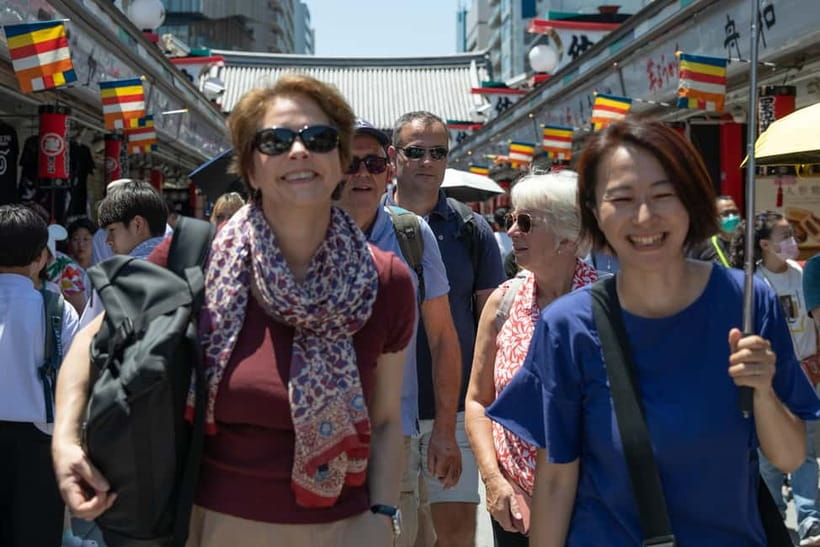
Old Tokyo starts at the Thunder Gate. In just 2 hours, you’ll get a guided walk through Asakusa and the Sensō-ji area, with explanations that make the streets feel less random and more meaningful. One thing to consider, though: this is a popular temple and shopping zone, so expect plenty of people and standing time, especially near the gates and incense area.
I really like how this tour mixes the big, iconic sights with the street-level stuff, like strolling through Nakamise Street and then carrying on through Asakusa’s nearby shopping lanes. The guides also tend to connect the dots well, and you can end up with a standout guide like Keiko, Aya, Hiroko, Loc, or Glenda, depending on the day. If you’re hoping for hours of slow wandering in one single spot, this may feel a bit fast.
For most first-timers, it’s a smart introduction. You’ll learn what you’re looking at, what to do at the temple respectfully, and where to go next after you finish near Azuma Bridge.
In This Review
- Key things you’ll notice on this Asakusa tour
- Why Asakusa feels like a Tokyo time machine
- Getting started at Kaminarimon, then moving fast through the crowd
- Kaminarimon Thunder Gate: the photo stop that teaches you where to look
- Sensō-ji Temple visit: incense rituals and respectful timing
- What to watch for during the visit
- Asakusa Shrine stop: a calm contrast to the temple energy
- Nakamise Street: shopping street history you can actually feel
- The main tradeoff
- Hoppy Street and Shin-Nakamise: the side lanes that round out Asakusa
- Finishing at Azuma Bridge: an easy place to keep going
- Price and time value for a $22, 2-hour introduction
- What kind of traveler this works best for
- Should you book this Asakusa Walking Tour with Sensō-ji?
- FAQ
- How long is the Tokyo Asakusa walking tour?
- How much does the tour cost?
- Where do I meet the guide for the tour?
- Is the tour guided in English?
- Is the tour wheelchair accessible?
- What if I’m late to the meeting point?
- Can I cancel and can I pay later?
Key things you’ll notice on this Asakusa tour
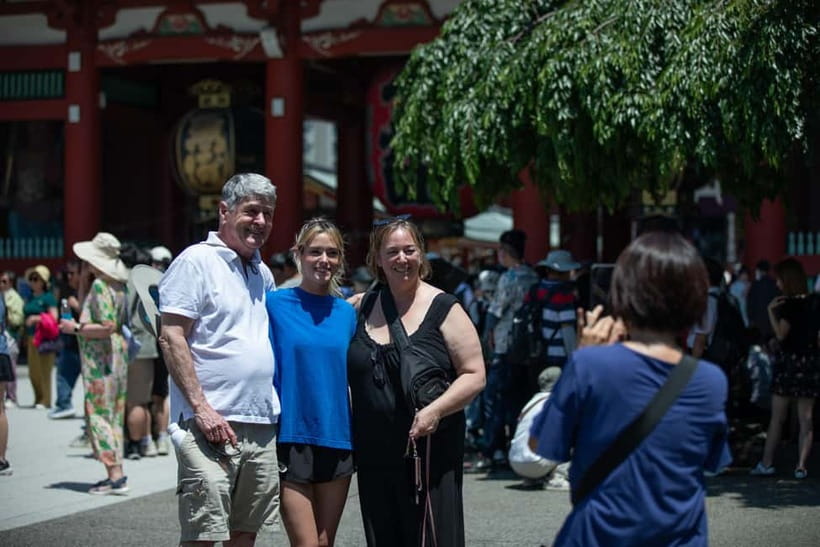
- Kaminarimon first, so you start with the most dramatic landmark and the best photo angle
- Sensō-ji in plain language, including what the temple traditions and incense moment are about
- Nakamise Street at walking speed, not just a photo sprint
- Asakusa Shrine and nearby streets, which add variety without adding confusion
- A clear finish point by Azuma Bridge, which makes it easier to keep exploring afterward
Why Asakusa feels like a Tokyo time machine
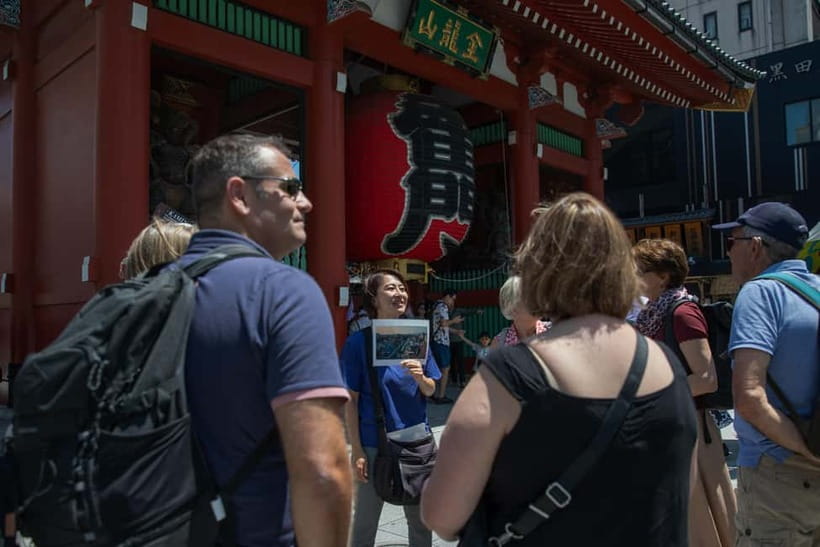
Asakusa is one of those places where Tokyo’s modern energy doesn’t erase the older layers. You’ll see traditional temple life and shrine habits right next to shopping streets where people are still browsing and snacking.
This tour is built for that feeling. It doesn’t just drop you at one famous stop. Instead, it strings together a sequence of landmarks so you can understand how the district developed, and why certain buildings and streets are still central.
More Shrine & Temple Visits in Tokyo
- Tokyo: Meiji Shrine, Asakusa, Skytree Bus Tour and Cruise
★ 4.7 · 1,986 reviews - Nikko: Kegon Falls, Lake Chuzenji & Toshogu Temple
★ 4.6 · 1,577 reviews - Tokyo: Nikko Toshogu Shrine and Kegon Waterfall Tour
★ 4.5 · 1,266 reviews
Getting started at Kaminarimon, then moving fast through the crowd
You’ll meet the guide in front of the Kaminarimon Gate, on the left side, near the Tokiwado Kaminari-okoshi Honpo shop. The guide holds a sign, so once you spot it, you’re good to go.
Plan to arrive a few minutes early, because the tour is strict about timing. The guide can’t keep waiting for late arrivals, and you don’t want to start out stressed while everyone else is already walking.
Starting at Kaminarimon matters, because it sets the pace. You get oriented right away, and the rest of the walk makes more sense once you understand you’re stepping into an old temple approach route.
Kaminarimon Thunder Gate: the photo stop that teaches you where to look
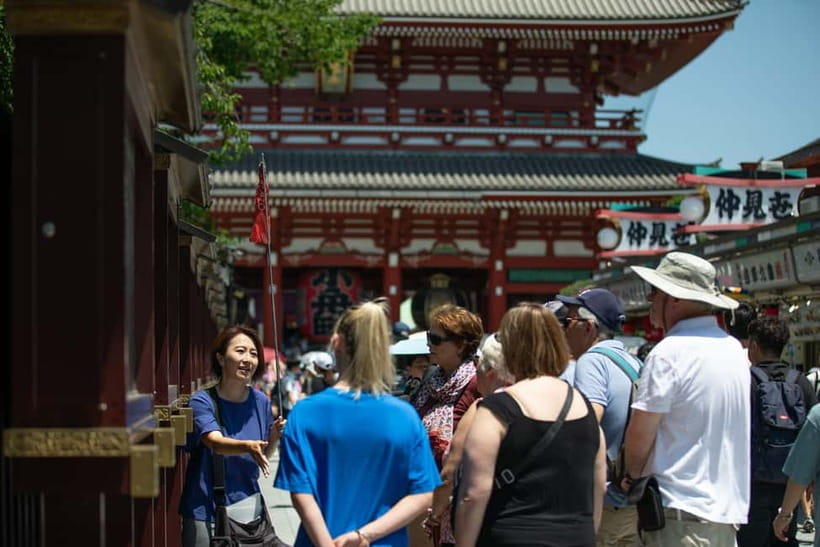
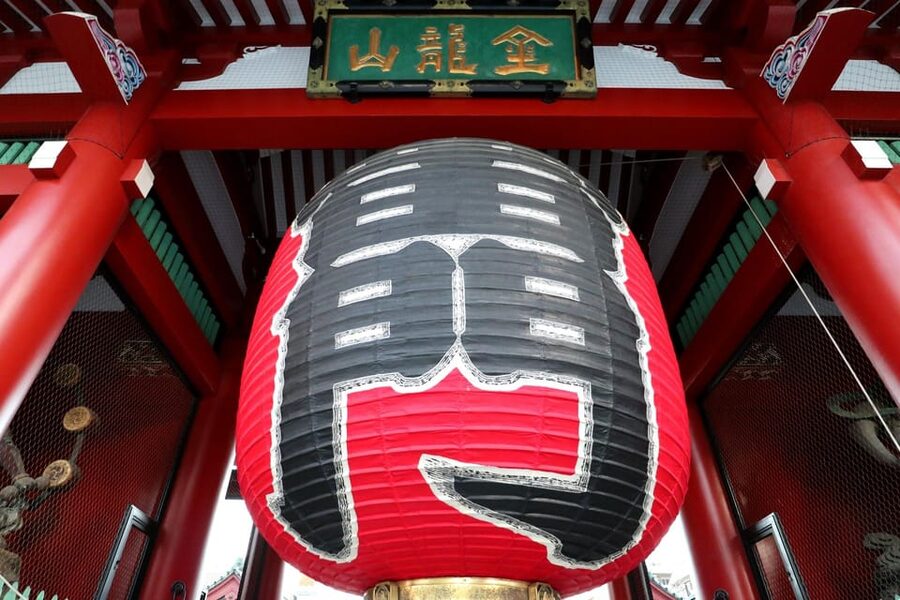
Kaminarimon is the dramatic entrance everyone recognizes, the Thunder Gate that signals you’ve reached the Sensō-ji complex. Even if you’ve seen photos online, standing in front of it is a different experience.
The guide uses the short stop time well. You’ll get context for why this gate is such an important entrance, and you’ll likely learn a few details about the temple’s layout so you know what to notice next.
A small practical tip: if you want your best shots, pick one angle at the gate, then accept that it’s a moving line. The crowd will keep flowing, and trying to hold everyone up is the fastest way to lose your spot.
Sensō-ji Temple visit: incense rituals and respectful timing
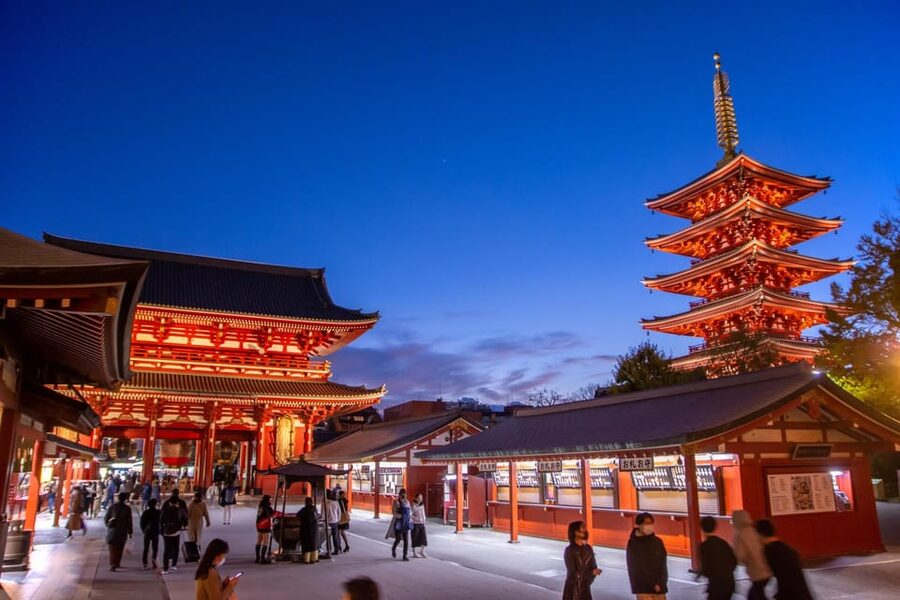
This is the heart of the tour. Sensō-ji, also known as Asakusa Kannon, is Tokyo’s oldest Buddhist sanctuary, and your guide will walk you through what you’re seeing in a way that sticks.
You’ll get a photo stop, a guided visit, and then a block of free time. That structure helps. You don’t have to choose between learning and exploring. You can listen first, then spend your own minutes soaking in details and taking photos without feeling rushed.
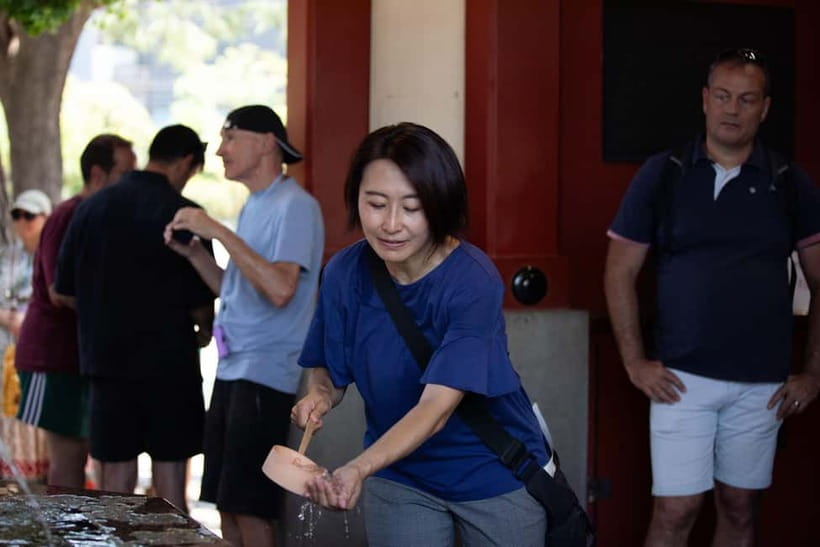
One of the most memorable parts is the incense-burning moment. You’ll see people participate, and your guide should explain what’s going on and how to do it respectfully. That turns a what do I do? moment into a calm, understandable ritual.
More Walking Tours in Tokyo
- Tokyo Tsukiji Fish Market Food and Culture Walking Tour
★ 5.0 · 3,184 reviews - Tokyo: Shinjuku Local Bar and Izakaya Guided Walking Tour
★ 4.9 · 1,794 reviews - Tokyo: Tsukiji Fish Market Food and Walking tour
★ 5.0 · 1,724 reviews - Tokyo: Tsukiji Fish Market Guided Walking Tour
★ 4.9 · 1,397 reviews
What to watch for during the visit
The temple area rewards attention. Look up at architectural details, then look at the flow of worshippers. The guide’s explanations help you read the place instead of just walking through it.
Also, expect crowds. The tour’s timing helps you manage that, but it’s still a popular site. If you get impatient, remind yourself you’re seeing Tokyo’s history in motion, not in a quiet museum hall.
Asakusa Shrine stop: a calm contrast to the temple energy
After Sensō-ji, the tour shifts to Asakusa Shrine with another photo stop and guided visit. This is a good contrast stop because it changes the feel without breaking your momentum.
A shrine visit fits naturally into Asakusa’s broader mix of spiritual spaces. Your guide helps connect what you’re seeing to the district’s cultural role, so you’re not just ticking another box.
This part of the tour is shorter than Sensō-ji, but that can be a plus. It’s enough time to understand the setting and take a few solid photos, then you’re off again before the day gets too heavy.
Nakamise Street: shopping street history you can actually feel
Next comes Nakamise Shopping Street, one of Japan’s oldest shopping corridors. It’s not just a line of stores. It’s part of the temple approach route and that changes how you experience it.
Your guide turns it into a story. You’ll hear historical and cultural significance tied to the area, and that makes the shopping street feel more grounded than a generic tourist market.
This is also where you can make practical choices. If you want snacks, it’s a good zone to browse. If you’re picky about what you try, pay attention to what looks fresh and what locals are buying, then use your free-time minutes wisely.
The main tradeoff
The tradeoff with Nakamise is crowd density. You’ll enjoy it more if you keep moving and don’t try to stop at every shop. Let the guide lead, then do your own quick window-shopping while you still have energy for the later lanes.
Hoppy Street and Shin-Nakamise: the side lanes that round out Asakusa
After the main shopping stretch, the tour continues to Hoppy Street and then to 浅草新仲見世商店街 (Shin-Nakamise Shopping Street). These are the kind of areas that help the tour feel complete rather than repetitive.
Hoppy Street is a short, guided pass, but it breaks up the rhythm. Shin-Nakamise adds another layer of the shopping experience, and your guide’s commentary helps you notice how these lanes fit the neighborhood’s daily life.
If you like travel that includes small atmosphere wins, these stops are for you. They help you understand Asakusa as a working district, not just a single famous temple photo backdrop.
Finishing at Azuma Bridge: an easy place to keep going
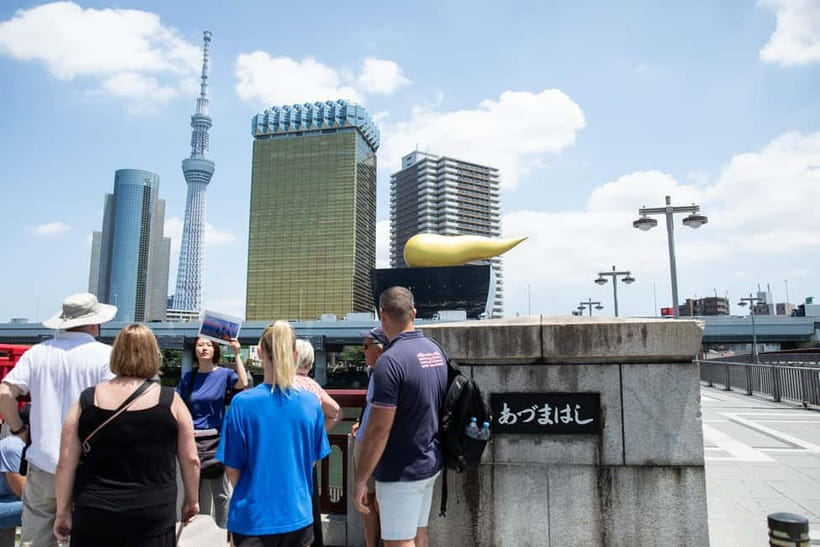
The tour ends near Azuma Bridge. I like having a clear finish point, because it lets you plan your next move instead of wandering in circles trying to re-orient.
From here, you can head toward lunch spots or continue exploring by foot. Even if you don’t have a detailed route, the bridge area works as a practical ending because it’s a recognizable marker in the district.
Price and time value for a $22, 2-hour introduction
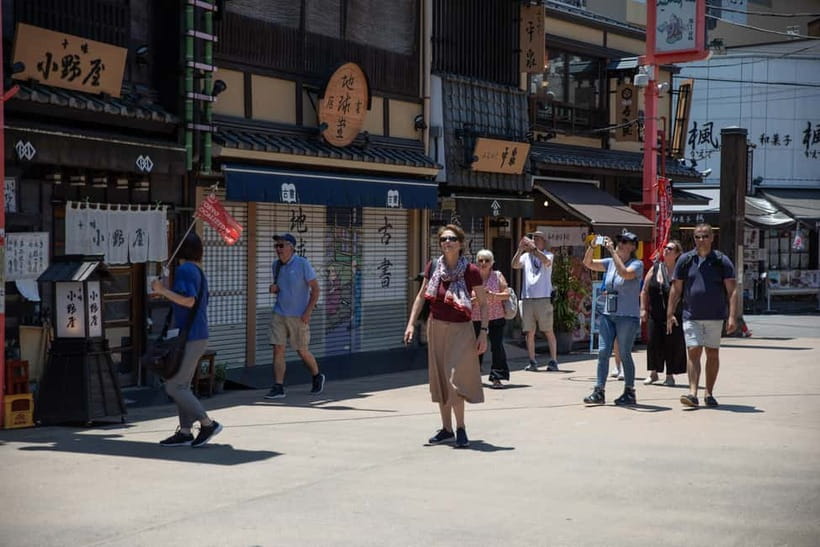
At $22 per person for about 2 hours, this tour is priced like a solid shortcut. You’re paying for a guided route through multiple key places, with explanations that help you understand the temples and shopping streets without doing hours of pre-reading.
Two hours is also a sweet spot for jet-lag days or first-timer mornings. You get a focused hit of Asakusa’s top highlights and supporting stops, and you still have plenty of time left in your day to eat, wander, and choose your pace.
If you’re someone who loves deep, slow temple study, you may want to plan extra time afterward on your own. But as an intro tour, this format makes sense.
What kind of traveler this works best for
This tour is ideal if you want structure in a busy area. If you’re new to Japanese temple etiquette, the guided incense moment and context around the landmarks can make your visit feel confident instead of awkward.
It also tends to work well for groups with different interests, because the walk covers both spiritual sites and street-level shopping culture. Guides often answer questions and adjust pacing so people can keep up and still take photos.
If you’re traveling with kids or teenagers, you’ll likely appreciate a guide who can stay patient and keep the day flowing. Many guides mentioned for this tour are praised for engaging audiences of different ages.
Should you book this Asakusa Walking Tour with Sensō-ji?
Book it if you want a fast, smart introduction to Asakusa with Sensō-ji, Kaminarimon, and the famous shopping approach streets, all in one guided morning-style walk. The best part is that you don’t just see the sights, you learn how to read them while you’re there.
Skip it if you prefer quiet, slow exploration of one location. Also skip it if crowds make you grumpy fast, because this route passes through popular temple entrances and major shopping streets.
If you’re trying to make the most of limited time in Tokyo and you want real context for the landmarks, this is a strong choice.
FAQ
How long is the Tokyo Asakusa walking tour?
The tour lasts 2 hours.
How much does the tour cost?
It costs $22 per person.
Where do I meet the guide for the tour?
Meet the guide in front of the Kaminarimon Gate on the left side, near the Tokiwado Kaminari-okoshi Honpo shop. The guide will be holding a sign.
Is the tour guided in English?
Yes, the live tour guide speaks English.
Is the tour wheelchair accessible?
Yes, the tour is wheelchair accessible.
What if I’m late to the meeting point?
Please do not be late. The guide cannot make other guests wait long for late arrivals.
Can I cancel and can I pay later?
Yes. You can cancel up to 24 hours in advance for a full refund. You can also reserve now and pay later.
Newly listed around Tokyo
- Tokyo private transfer for Yokohama Port★ 4.5 · 63 reviews
- Luxury Kimono Photoshoot at Ginza Tokyo★ 5.0 · 7 reviews
- Tokyo Allstar Food Tour★ 4.5 · 206 reviews
- Tokyo Art Aquarium Museum E-Ticket with optional Tokyo Metro Pass★ 5.0 · 17 reviews
- Tokyo: Best Ginza Food Tour at 3 Local Eateries★ 5.0 · 83 reviews
- Private One Day Nikko Tour with Bilingual driver★ 3.5 · 11 reviews
- PRIVATE tour in 180SX to Daikoku+++++★ 5.0 · 6 reviews
- Kabuki Talk★ 5.0 · 10 reviews
Shrine & Temple Visits, compared.
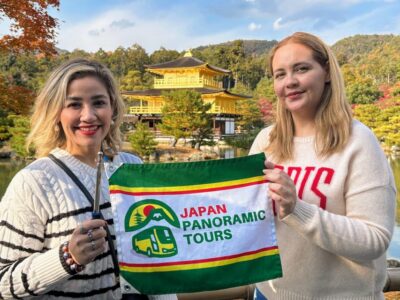
Fushimi Inari, Kinkakuji, Bamboo Grove 1 Day Bus Tour
Read our review →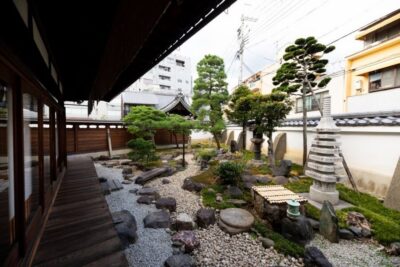
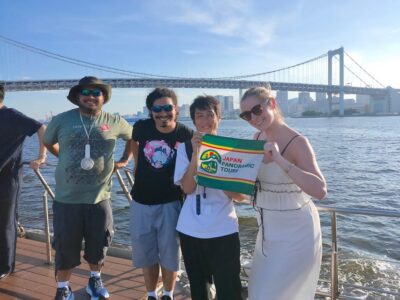
Meiji Shrine, Asakusa, Skytree Bus Tour and Cruise
Read our review →
Fushimi Inari Hidden Hiking Tour (Private Option Available)
Read our review →
Osaka/Kyoto:Kinkakuji,Arashiyama,FushimiInariShrine,NaraPark
Read our review →
Nikko: Kegon Falls, Lake Chuzenji & Toshogu Temple
Read our review →
Kamakura & Enoshima Day Trip including Temple Tickets
Read our review →
Kyoto/Osaka: Nara, Fushimi Inari Taisha, Arashiyama Bus Tour
Read our review →Browse the lists this tour appears in