
Review · MATCHA & TEA CEREMONY SESSIONS
Kyoto: Tea Ceremony Ju-An at Jotokuji Temple
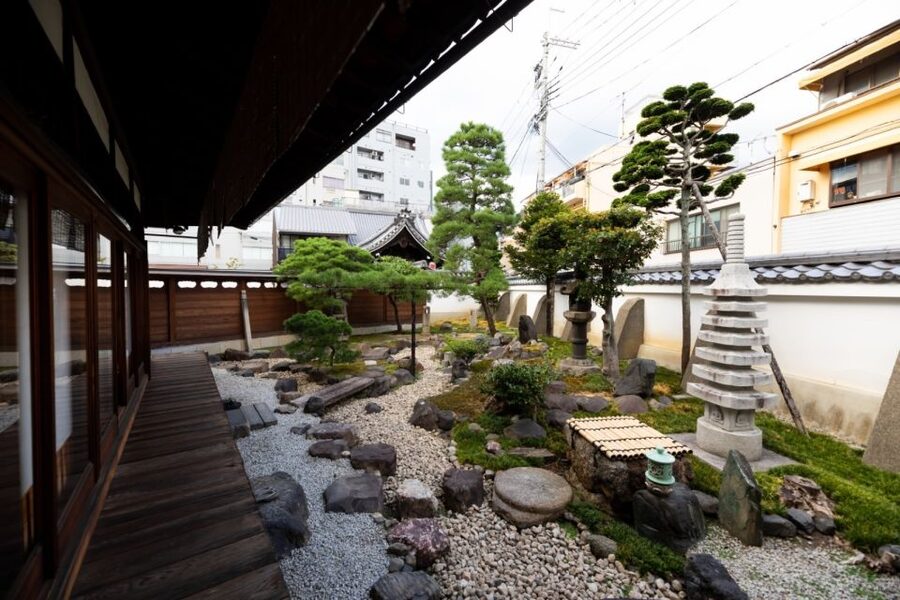
Matcha tastes better when you learn the why. Jotokuji Temple turns a simple tea break into a guided matcha lesson, from temple walk and purification to the calm Grand Tearoom. I like the way the Tea Master explains each step clearly, and I love the setting, with real temple architecture and quiet time on the red benches. One catch to plan for: the temple is wheelchair accessible, but the tearoom itself has three steps, so it is not wheelcha ir-friendly.
You meet the group near the main hall and head inside for a traditional-style experience in a small group capped at 10. The ceremony runs about 70 minutes, is led in English, and gives you a seat option if you do not want to sit on the floor.
In This Review
- Key highlights to know before you go
- Jotokuji’s Ju-An Tea Ceremony, a calm reset from Kyoto noise
- How the 70-minute flow usually goes
- Finding the meeting point inside the Jotokuji setup
- Temple walk, architecture, and the red benches pause
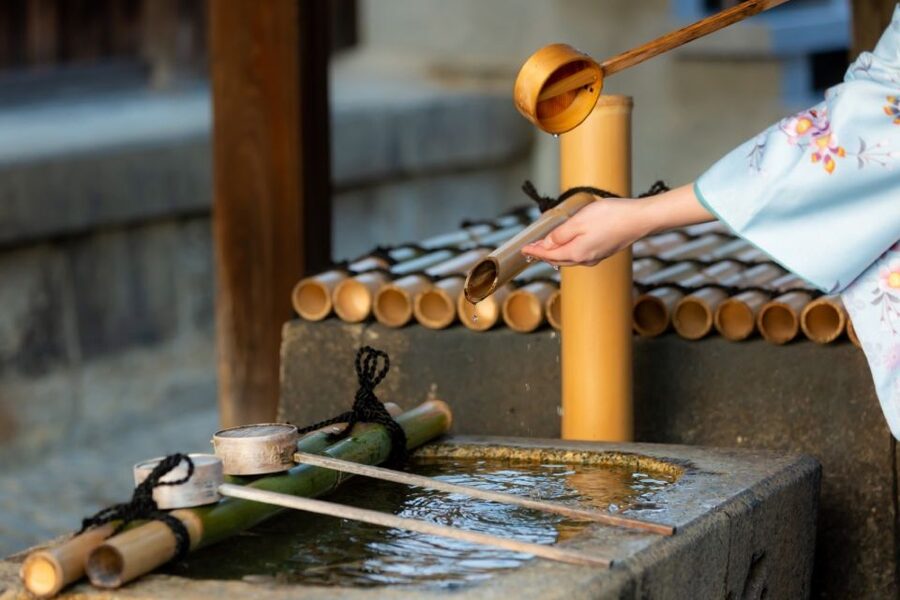
- The purification ritual at the fountain: why it matters
- Grand Tearoom etiquette: shoes off and seating reality checks
- Matcha in practice: from preparation to your own sip
- Who runs the show: guide plus Tea Master, in English
- Price and value: is $29 worth 70 minutes?
- Small details that make the experience better
- Who should book this, and who should skip it
- Quick planning tips for Kyoto timing
- Should you book Ju-An at Jotokuji?
- FAQ
- How long is the Kyoto tea ceremony at Jotokuji?
- How much does it cost?
- Is the tea ceremony offered in English?
- What group size is it?
- What is included in the ticket?
- What is not included?
- Can I use a seat if I am not comfortable sitting on the floor?
- Is the location wheelchair accessible?
- What happens if it rains?
- Where do I meet the group?
Key highlights to know before you go
- A real temple setting at Jotokuji with architecture you can actually slow down to notice
- Purification ritual at the fountain before you enter the Grand Tearoom
- English instruction plus a Tea Master who guides you through every move
- You do not just watch: you learn the steps and prepare matcha yourself
- Small group size (10 max) keeps the tone respectful and the explanations easier to follow
- Weather-proof moments: red benches outside, then shelter options if it rains
Jotokuji’s Ju-An Tea Ceremony, a calm reset from Kyoto noise
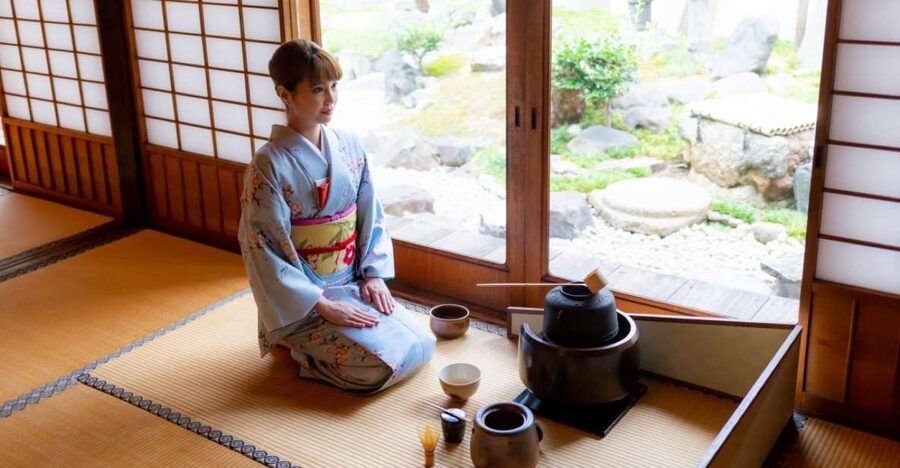
Kyoto can feel like constant motion. This experience gives you a different rhythm. At Jotokuji Temple, the Ju-An format is designed around Chanoyu, Japan’s tea-drinking ritual, with a guide to translate what you are seeing and a Tea Master to run the ceremony at the pace the tradition expects.
I especially like two things about the setup. First, it is not a show where you sit in the back and hope you understand. You get a step-by-step flow, including the purification ritual and the tea-making process. Second, the venue does the work for you. The temple architecture and the atmosphere inside the Grand Tearoom make it easier to focus on what you are doing, not just what you are photographing.
The main consideration is physical comfort. The tearoom has three steps. If you need wheelchair access, this is a case where you can enjoy the temple part, but you will not be able to enter the tearoom.
More Shrine & Temple Visits in Kyoto
- Kyoto: Fushimi Inari, Kinkakuji, Bamboo Grove 1 Day Bus Tour
★ 4.8 · 4,316 reviews - Fushimi Inari Hidden Hiking Tour (Private Option Available)
★ 5.0 · 1,750 reviews - Osaka/Kyoto:Kinkakuji,Arashiyama,FushimiInariShrine,NaraPark
★ 4.1 · 1,596 reviews
How the 70-minute flow usually goes
Think of this as a structured, single sitting of the ceremony. It lasts about 70 minutes, so you get the important pieces without it turning into a half-day commitment.
Here’s the typical progression:
- Meet near the temple area, then do a short walk through the grounds
- Pause by the purification fountain and follow along with the ritual
- If weather allows, take a break on the red benches
- Enter the Grand Tearoom, remove shoes, and take your seat
- Watch the Tea Master demonstrate, then you make and drink matcha
Because the time is fixed, you will want to arrive a few minutes early. When you are rushed, you miss the calm part. When you are on time, you get the full experience: instructions, tea-making, and a chance to settle into the tea moment.
Finding the meeting point inside the Jotokuji setup
Your meeting point is listed as Tea Ceremony Juan, 556, Gojo-sagaru, Tominokoji Dori, Shimogyo-Ku, Kyoto. From there, you move into the temple.
Once you are inside the temple grounds, you will face the Main Hall. Look left for a few steps that give access to the tea area. The group gathers near the red benches where your guide waits.
Practical tip: wear shoes you can remove quickly and socks you feel good sitting in. You will take your shoes off when you enter the Grand Tearoom, and that becomes part of the flow rather than a last-minute chore.
Temple walk, architecture, and the red benches pause
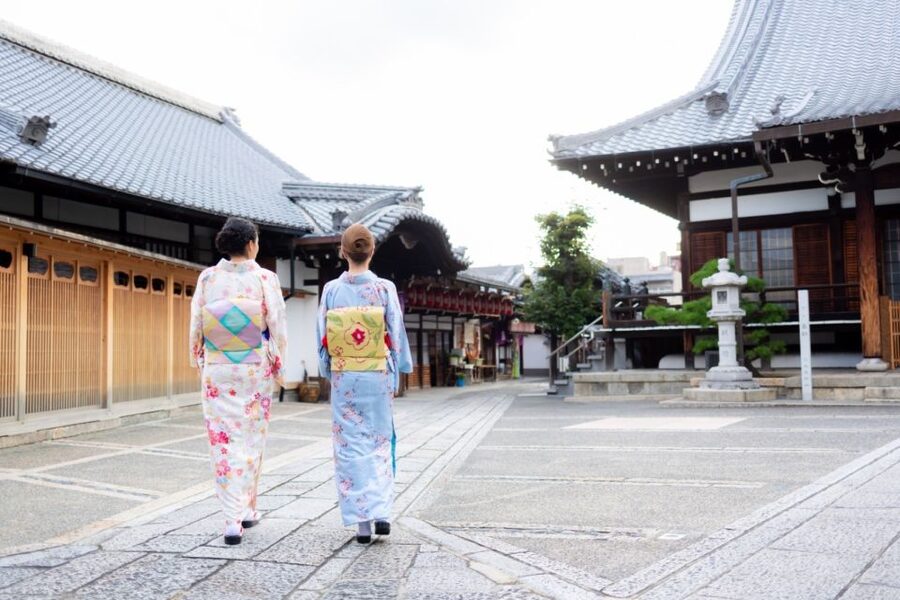
Before the tea, you are guided through Jotokuji so you can actually take in the place. You pass key landmarks along the way, including the entrance to the Grand Tearoom area and a small parish shop nearby.
As you walk, you are free to admire the temple architecture. If you want that quieter Kyoto feeling, this is your chance. You are also near the purification fountain, which signals that this experience is not only about drinking matcha. It is about preparing your mind, too.
Then comes a practical pause. Weather permitting, you can sit at the red benches. In rain, you can stand outside under the gable of the shop or wait inside the Grand Tearoom area. That helps a lot, because Kyoto weather can change fast, and tea ceremonies do not like chaos.
More Tea Ceremonies in Kyoto
- Kyoto: Tea Ceremony in a Traditional Tea House in Kiyomizu
★ 4.9 · 3,519 reviews - Kyoto: 45-Minute Tea Ceremony Lesson Experience
★ 4.3 · 2,378 reviews - Kyoto: Table-Style Tea Ceremony at a Kyo-Machiya
★ 4.9 · 1,211 reviews - Kimono Tea Ceremony at Kyoto Maikoya, NISHIKI
★ 5.0 · 911 reviews
The purification ritual at the fountain: why it matters
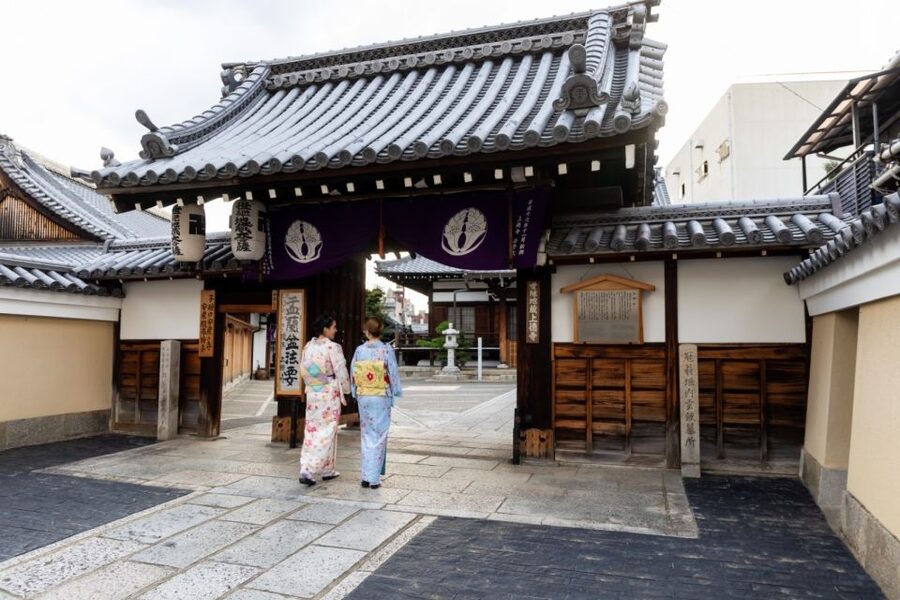
The ceremony begins with a traditional purification ritual at the temple. For Western visitors, this part often feels like the most surprising, because it is not about tea flavor or tools. It is about respect, timing, and attention.
You are guided through what is happening, and you stand by the fountain as the ritual takes place. It is short, but it sets the tone. Instead of jumping straight into matcha technique, you slow down and get your bearings first.
In practical terms, this also makes the tea lesson easier to remember. When you understand the ceremony as a sequence of steps with meaning, the movements stop feeling like random hand choreography.
Grand Tearoom etiquette: shoes off and seating reality checks
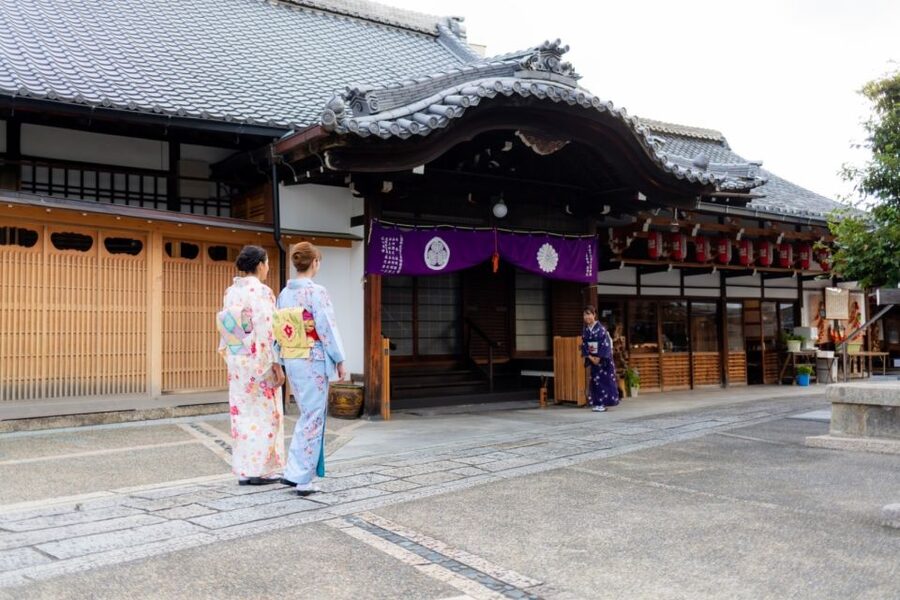
When it is time to enter the Grand Tearoom, you remove your shoes at the entrance. Then your group proceeds inside and takes your seats.
Here’s the part to plan for:
- The tearoom has three steps, so it is not suitable for wheelchair users.
- If you are not comfortable sitting on the floor in the traditional position, seats and stools can be provided.
That last point matters. A lot of visitors picture a strict floor-only situation and hesitate. This format gives you an option. You can focus on the ritual without worrying that your legs will turn into a distraction.
Also, expect the tearoom to ask for quiet behavior. This is a place where you learn by watching closely, listening, and then copying the Tea Master’s pace.
Matcha in practice: from preparation to your own sip
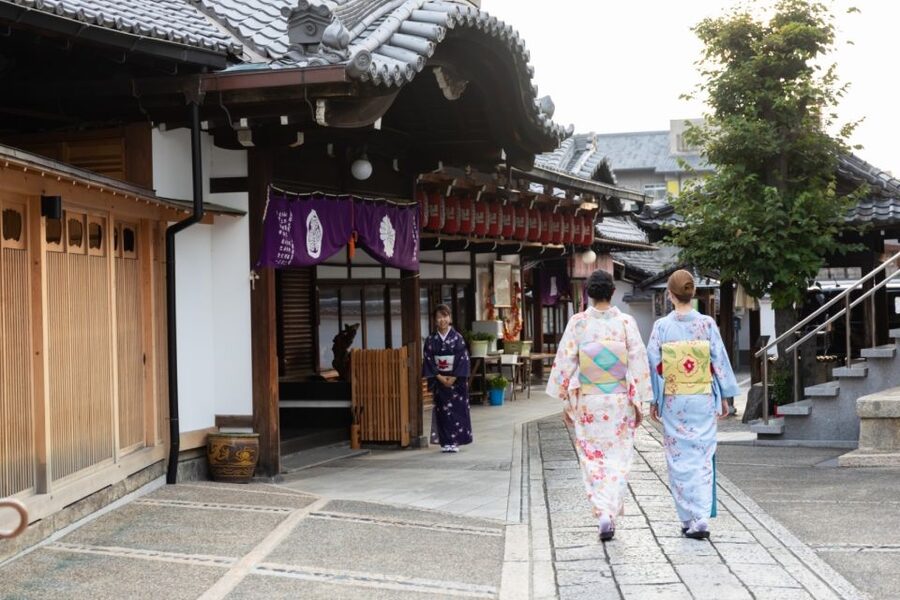
This is the core of the experience: learning the fine art of drinking matcha, not just tasting it once.
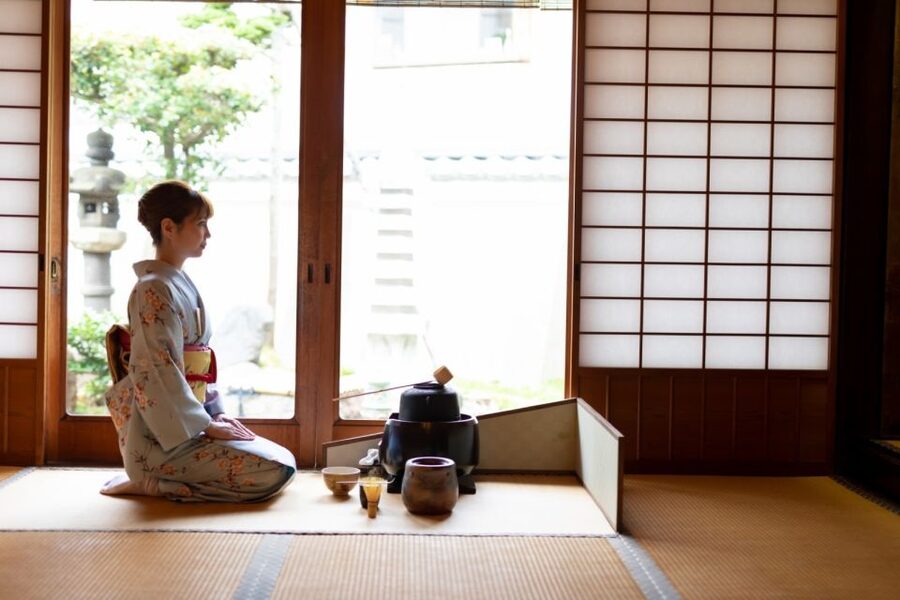
You start with the Tea Master guiding the group through the ceremony. The instructor leads in English, and the Tea Master explains what each step is for as you go. You get a chance to sample matcha tea at its best, then you prepare your own cup with guidance.
What you learn tends to be practical, not mystical. You pick up the basic rhythm:
- how matcha is prepared
- how you handle the ceremonial utensils
- how the tea is presented and then tasted with intention
Many people walk away saying the most valuable part is not the novelty of having matcha. It is understanding the why behind the steps. That is what turns a drink into a cultural lesson.
A note on sweetness: the ceremony is designed to go beyond plain tea tasting. In recent sessions, matcha is served with sweets as part of the overall pacing. That combo helps balance the experience, and it fits the ceremony’s idea of harmonizing flavors and moments.
Who runs the show: guide plus Tea Master, in English
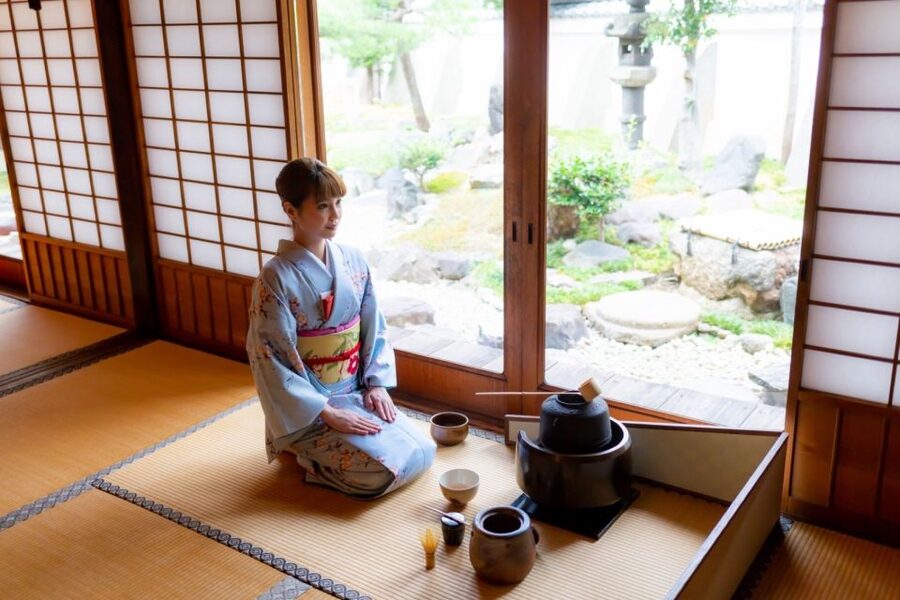
This workshop is set up with more than one staff role. You have a tour guide and then you have the Tea Master in the Grand Tearoom.
In English-language groups, guides have included names like Kate and Yaki in past sessions, and other hosts such as Taka have also been mentioned. The common thread is patient teaching. You are not left guessing what you are doing.
You should expect:
- step explanations as you watch
- time to ask questions during the flow
- guidance while you make matcha yourself
This setup is one reason the small group size matters. With a maximum of 10, the Tea Master can slow down for the room, not just for the fastest learners.
Price and value: is $29 worth 70 minutes?
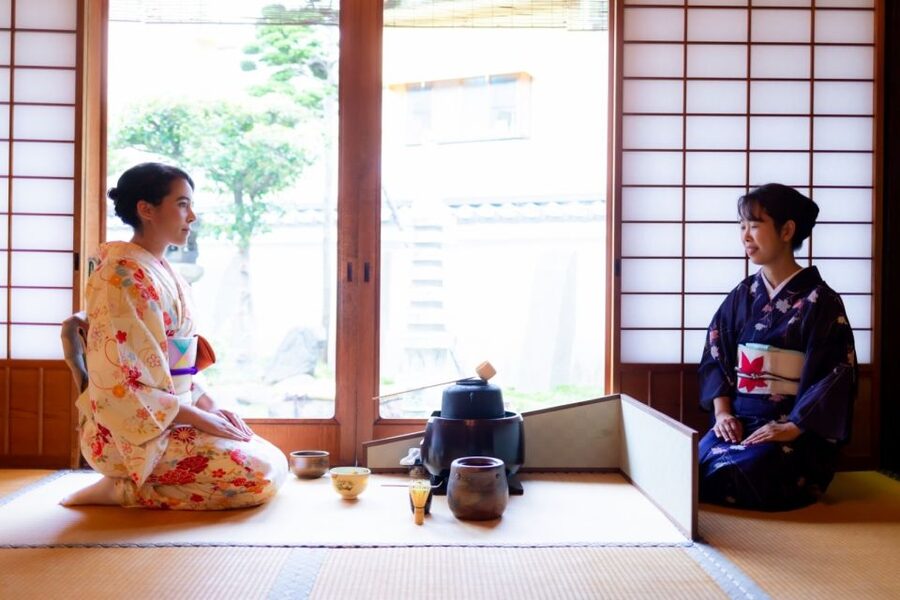
At $29 per person for a 70-minute ceremony, you are paying for more than a cup of tea. You are paying for access to a temple setting, a trained Tea Master, and an instructor who keeps the experience understandable in English.
The value shows up in three ways:
- You participate, not just watch. Making your own matcha adds meaning and memory.
- You get context, including the purification ritual and the importance of the ceremony’s steps.
- The group stays small (10 max), so you are not lost in a crowd.
Yes, this is shorter than a full, formal tea gathering that can last much longer. But for most visitors, this is the smart option. You get a complete taste of the structure in a single sitting, which fits how most people actually travel through Kyoto.
Small details that make the experience better
A few things can make your session smoother:
- Arrive a little early so you are not stressed during the temple walk.
- Bring or wear clothing that works for a sitting ceremony. You will likely spend part of the time indoors seated.
- If you need seating support, ask when you arrive. Seats and stools can be provided if you are not comfortable sitting on the floor.
- If rain hits, relax about it. The plan includes options like waiting under the shop gable or moving into the Grand Tearoom area.
One more thing: treat this like a quiet activity, not a break between big sightseeing stops. If you go in expecting serenity, you will get it.
Who should book this, and who should skip it
This ceremony fits best if you want:
- a structured cultural activity with clear guidance
- hands-on practice, especially making matcha
- a calmer Kyoto moment away from the most crowded sights
It also works well for people who are curious about Japanese philosophy, because the ceremony naturally teaches values like respect, attention, and timing.
Skip it or reconsider if:
- you need wheelchair access into the Grand Tearoom, since there are three steps there
- you are not comfortable with a formal sitting environment and you do not want the alternative stool or seat option
If you are generally flexible and can follow a short ritual with instruction, you should feel right at home.
Quick planning tips for Kyoto timing
This is a 70-minute experience, so it can slot into your day without wrecking your schedule. It is also designed to be weather-aware, with shelter options for rain.
If you are doing popular Kyoto attractions the same day, build in breathing room. Tea ceremonies do best when you are not sprinting to the next stop afterward. Let your mind slow down for an hour, then you can go back to sightseeing feeling refreshed instead of frazzled.
Should you book Ju-An at Jotokuji?
Book it if you want a genuine-feeling matcha lesson with a real temple setting and a calm pace. The small group size, English guidance, and the chance to make your own cup are the big wins.
Skip it if mobility into the tearoom is a deal-breaker. Also skip if you hate sitting quietly and following instructions. This workshop is respectful by design, and it works best when you lean into that.
If you want one Kyoto experience that feels different from the usual temple-to-temple checklists, this is a strong choice.
FAQ
How long is the Kyoto tea ceremony at Jotokuji?
The experience lasts 70 minutes.
How much does it cost?
The price is $29 per person.
Is the tea ceremony offered in English?
Yes, the instructor provides English guidance.
What group size is it?
It is a small group, limited to 10 participants.
What is included in the ticket?
Your ticket includes a tour guide and the Chanoyu workshop ceremony.
What is not included?
Meals are not included, and kimono is not included (it can be rented separately).
Can I use a seat if I am not comfortable sitting on the floor?
Yes. If you are not comfortable sitting on the floor in the traditional position, seats and stools can be provided.
Is the location wheelchair accessible?
The temple is wheelchair accessible, but the tearoom is not because there are three steps.
What happens if it rains?
Weather permitting, you can sit at the red benches. If it rains, you can stand outside under the gable of the shop or wait in the Grand Tearoom.
Where do I meet the group?
You meet at Tea Ceremony Juan, 556, Gojo-sagaru, Tominokoji Dori, Shimogyo-Ku, Kyoto. Inside the temple, you will face the Main Hall and look to the left for steps accessing the tea room.
Newly listed around Kyoto
- Taste of Nishiki Market Walking Food Tour with Local guide★ 5.0 · 17 reviews
- Kyoto: Sushi Making Class with Sushi Chef★ 4.8 · 64 reviews
- Simple Plan with Maiko★ 4.4 · 10 reviews
- Shibori Furoshiki Course at Kyoto Shibori Museum★ 5.0 · 21 reviews
- Kyoto: City Secrets eBike Tour★ 4.9 · 196 reviews
- Sacred Pathways: Discover the Philosopher’s Path of Kyoto★ 4.9 · 20 reviews
- Private Tour to Monkey Park and Arashiyama Highlights★ 5.0 · 22 reviews
- Private Nara Tour from Osaka – Meet at Your Hotel★ 5.0 · 22 reviews
Matcha & Tea Ceremony Sessions, compared.
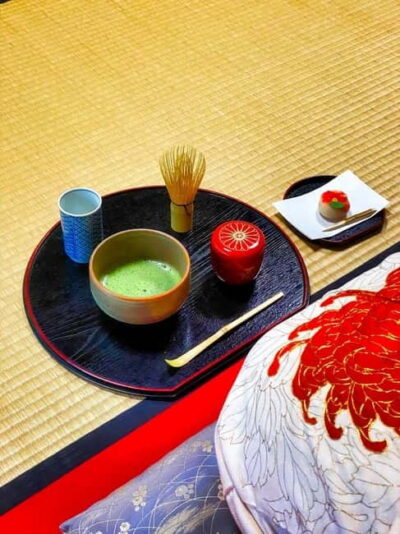
Tea Ceremony in a Traditional Tea House in Kiyomizu
Read our review →
World Heritage Kyoto & Nara Uji Authentic Matcha Experience
Read our review →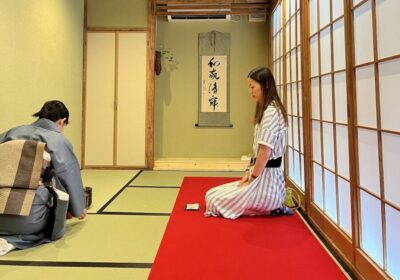
Browse the lists this tour appears in