
Review · DINING EXPERIENCES IN TOKYO
Tokyo: Traditional Japanese Performing Arts Show and Dinner
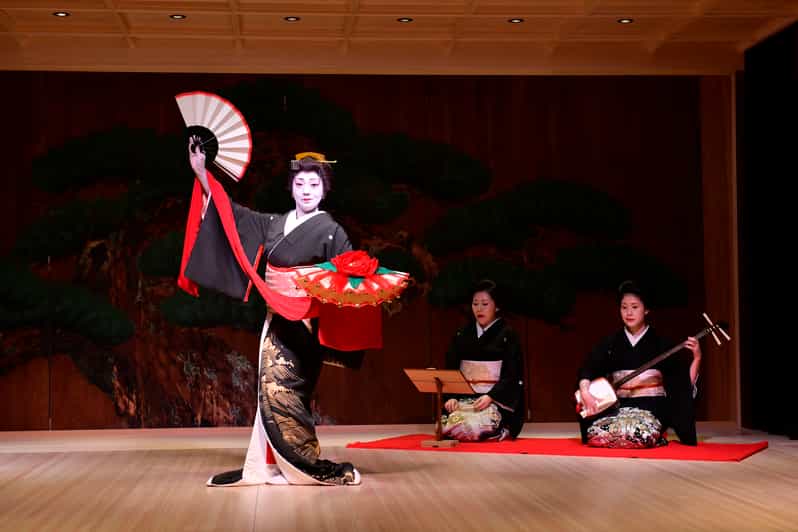
A dinner show in Tokyo, under a shrine garden. SUIGIAN in Nihonbashi pairs traditional performing arts with a full-course seasonal dinner in a Noh-style room.
What I like most is the food and the setting. I love the Japanese full-course meal built around fresh ingredients and bonito broth, and I love how the restaurant decor and historic tableware make the whole evening feel thoughtfully made.
One drawback to plan around: the live parts are brief, usually three short performance breaks during dinner rather than one long show.
In This Review
- Key things I’d mark on your Tokyo calendar
- SUIGIAN in Nihonbashi: a calm, arts-first setting
- What show you’ll see: kagura vs Nihon-buyo by date
- Regular kagura performance dates
- Other February and March days
- How long the performance feels
- The Noh-style stage and your view from chosen seats
- The full-course Japanese meal: what’s on the table
- Heritage tableware you’ll actually notice
- Matcha and dry sweets to close
- Pacing, service, and the English explanations
- Dietary needs: tell them early, not on the night
- Getting to SUIGIAN: Mitsukoshi-mae is the easiest anchor
- By subway
- From JR Shin-Nihonbashi
- From Tokyo Station
- By taxi
- Price and value: what you’re really paying for
- Who this is best for in Tokyo
- Should you book SUIGIAN?
- FAQ
- What performances are offered at SUIGIAN?
- How long does the experience take?
- What is included in the ticket price?
- Where is SUIGIAN in Tokyo?
- Is the venue wheelchair accessible?
- Is it suitable for children?
- How do I handle allergies or vegetarian needs?
- Can I cancel my reservation?
Key things I’d mark on your Tokyo calendar
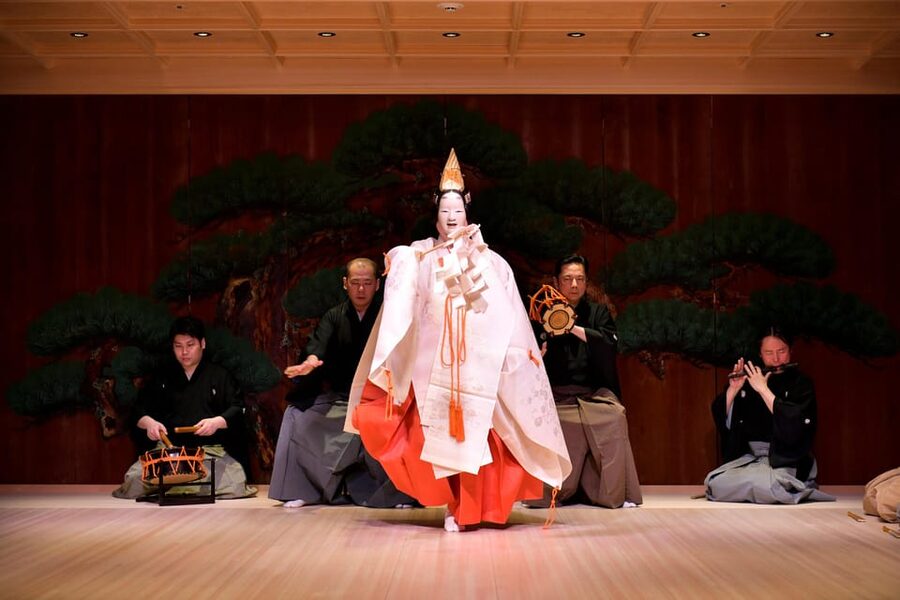
- Seasonal kagura or Nihon-buyo, based on the date, with performances timed through dinner
- Kaiseki omakase course meal, typically including appetizer, seasonal platters, soup, grilled Japanese beef, rice, and dessert
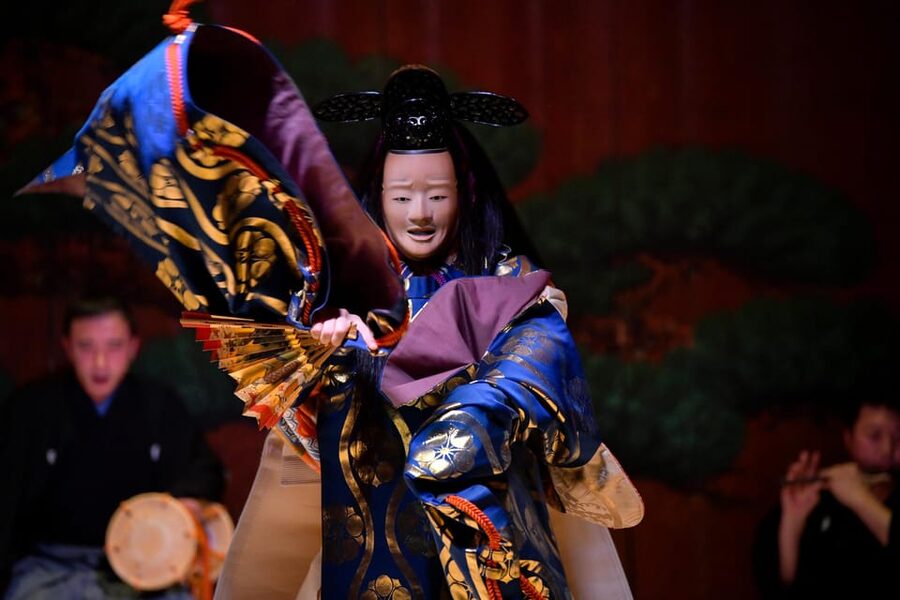
- Noh-style stage setup, with a backdrop featuring an old pine tree
- Four seat options, so you can pick how close you want to be to the performers
- Heritage dinnerware from Nagasaki, with trays and dishes said to have 350-plus years of history
- A commemorative photo with the performers, included as part of the experience
SUIGIAN in Nihonbashi: a calm, arts-first setting
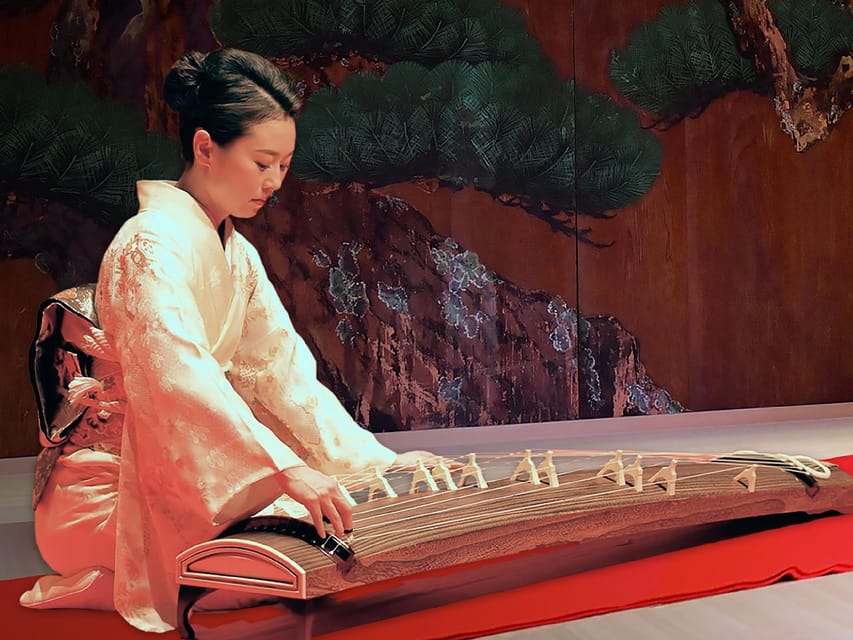
This is not the usual meal-and-a-show in a bright entertainment hall. SUIGIAN sits under Fukutoku Shrine at Fukutoku Garden, and the whole experience leans toward quiet focus: you eat carefully, watch closely, and let the evening unfold at a measured pace.
The entrance is a key detail. You’ll head to Fukutoku Garden, then look for the hidden restaurant and bar SUIGIAN at the bottom of the stairs leading under the shrine’s historic grounds. One practical tip that makes a difference: enter near the park corner and then orient from the street side, because the venue can feel slightly concealed when you arrive.
Once inside, the vibe is part theater, part dining room, and part shrine-adjacent museum. Multiple visitors highlight the atmosphere as beautiful and distinctive, and that matches the design idea here: a Noh-style stage, traditional decor, and heritage tableware that clearly matters to the restaurant’s identity.
Two more reasons this location works well in Tokyo:
- You’re in Nihonbashi, so you can pair this with easy sightseeing before or after.
- The timing of the dinner show makes it a great “slow evening” option after a busy day of walking.
More Dining Experiences in Tokyo
- Tokyo Bar Hopping Tour in Shinjuku (All-You-Can-Drink + Dinner)
★ 5.0 · 3,587 reviews - Tokyo: Sumo Show and Dining Experience
★ 4.8 · 2,742 reviews - Tokyo: Samurai Restaurant Show Ticket with 2 Drinks
★ 4.5 · 1,307 reviews
What show you’ll see: kagura vs Nihon-buyo by date
The performances depend on the day. Also note a small warning: the exact program and pricing can vary by date, so treat your reservation as day-specific.
Regular kagura performance dates
On these dates in February and March, the restaurant runs kagura, described as ancient Shinto music and dance:
- February 5 (Thu), 10 (Tue), 17 (Tue), 25 (Wed)
- March 10 (Tue), 17 (Tue), 24 (Tue)
On these days, you’ll typically get three performance segments during the dinner, each short (think about 10 minutes per segment, depending on the day’s flow).
Other February and March days
On the other days in February and March, the regular performance is Nihon-buyo, a traditional Japanese dance. The format stays similar, with three short performance moments spaced through dinner.
A few more Tokyo days to weigh up
- Mt Fuji & Hakone Cruise, Drum Show Bullet Train 1 Day from Tokyo
★ 4.0 · 7,413 reviews - Tokyo: Sumo Show Experience with Chicken Hot Pot and a Photo
★ 4.8 · 6,678 reviews - the SUMO show
★ 5.0 · 1,960 reviews - Mt Fuji & Hakone Cruise, Drum Show Bus 1 Day from Tokyo
★ 4.0 · 1,287 reviews
How long the performance feels
The most consistent pattern from visitor notes: the live parts are brief and well-paced, usually three short segments that total around the length of a dinner break, not a full-length production. If you want a theater marathon, this may feel short. If you want culture paired with a real meal, the shorter format is exactly why it works.
The Noh-style stage and your view from chosen seats
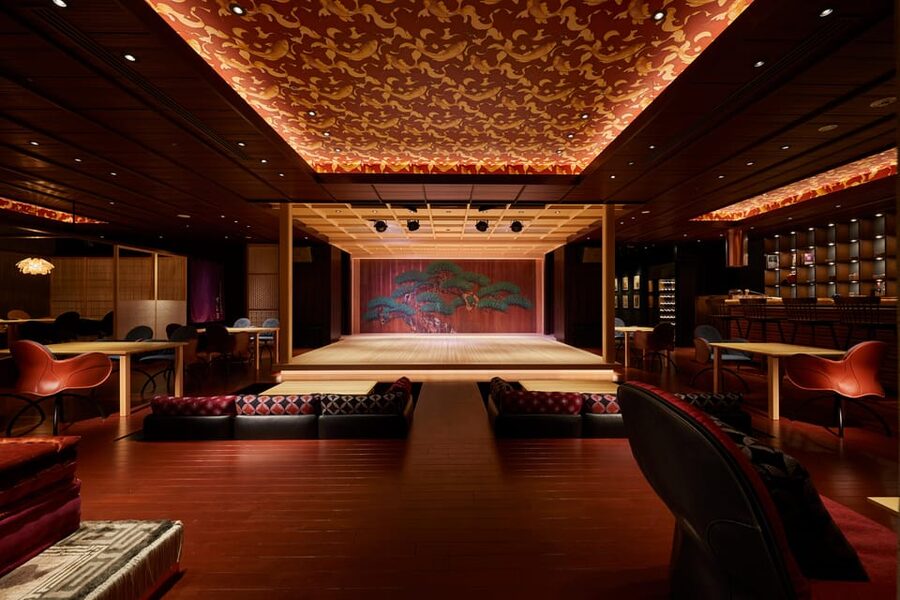
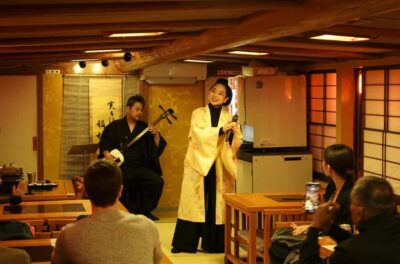
This venue is built so the show feels close. The stage is set in a Noh style, with a backdrop featuring an old pine tree, and you choose from four different seat options. The whole concept is that you can watch clearly without needing to squint or fight for the best angle.
When you pick seats, think about what you want most:
- Do you want a close-up view of movement and facial expression?
- Or do you prefer a slightly wider view that helps you follow the stage setup?
Because the live segments are short, seating matters more here than in shows where you can afford to “find your spot” during a long opening act. People also mention the proximity to the stage as a big plus, which matches the design.
One more thoughtful touch: the restaurant’s schedule mixes performance segments with dinner. So your best seats help not only for the dance, but also while you transition between courses.
The full-course Japanese meal: what’s on the table
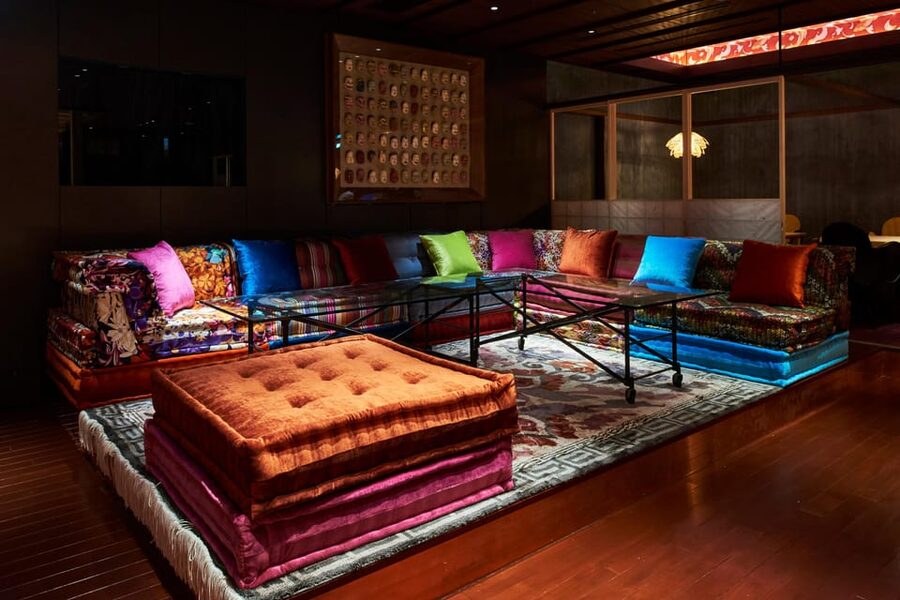
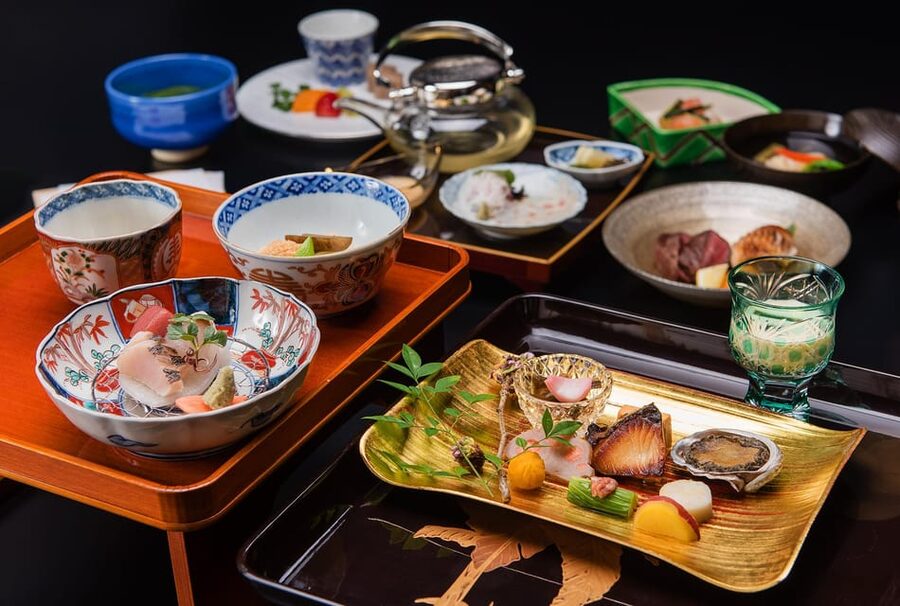
The included dinner is the heart of this experience. It’s described as a seasonal omakase-style course where the chef selects based on the day and season, so you should expect some variation.
A typical full-course meal includes:
- Appetizer
- First seasonal platter
- Soup (made with bonito broth)
- Later seasonal platter
- Grilled dish (Japanese beef is specifically mentioned)
- Rice
- Dessert
The meal is also themed after the season, which is one of the reasons kaiseki-style dining feels more meaningful than a standard set menu. You’re not just eating dishes. You’re tasting a seasonal idea, plated and paced like a mini performance of its own.
Heritage tableware you’ll actually notice
This is one detail that many people remember: the dinnerware. The restaurant uses trays and dishes described as inherited from another restaurant in Nagasaki, with a history of more than 350 years. When your food arrives on historic tableware, it changes how you experience each course. It also makes the dining room part of the story, not just the background.
Matcha and dry sweets to close
The meal typically ends with matcha green tea and dry sweets. One visitor noted the dessert flavor surprised them, so if you have strong opinions about seafood-adjacent flavors, it’s worth mentioning dietary or preference concerns in advance when you reserve.
Pacing, service, and the English explanations
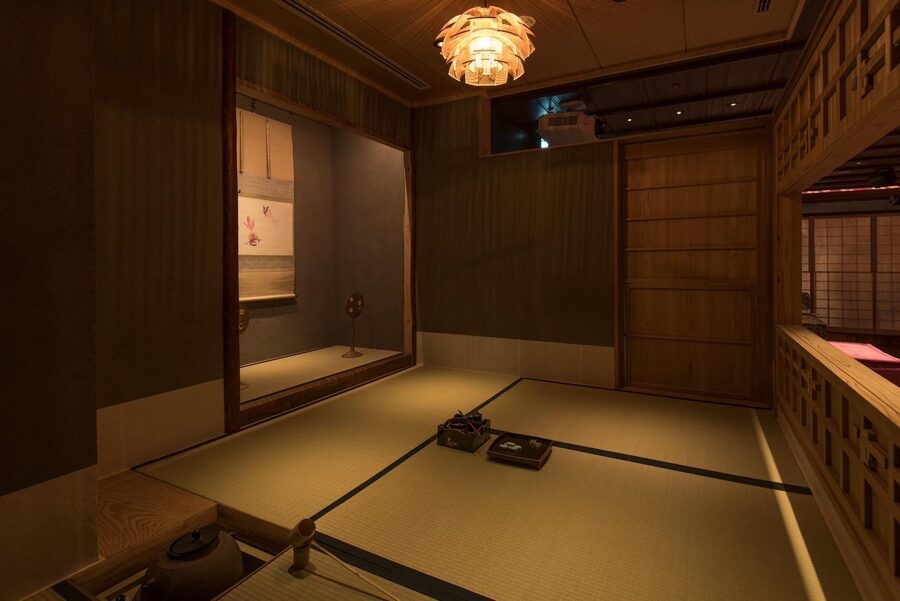
If you like food that arrives in a calm sequence, this show fits. The experience is built for a slow, deliberate dinner rhythm. One visitor even singled out the gentleness of the staff and the sense of being cared for between courses.
Service stands out for a simple reason: the staff help you understand what you’re seeing and eating. Reviews mention English-language explanations of both the food and the performances. That matters because traditional performing arts often come with context you won’t automatically catch just from watching the dance or listening to the music.
Expect the staff to guide you through:
- What each course is and how it connects to the season
- What’s happening in the short performance segments
- When you’ll shift back to dining
And yes, there’s also a photo moment. The highlights say you’ll take a commemorative photo with the performers. That’s a nice souvenir because it ties the performance to a moment you can keep, not just memory in your phone.
Dietary needs: tell them early, not on the night
Because the meal is described as seasonal omakase, flexibility is limited once you’re seated. The restaurant asks that you inform them in advance if you have foods you cannot eat due to allergies, vegetarianism, or other restrictions. If you wait until after you arrive, they may not be able to accommodate special requests.
You also have proof this matters: one visitor specifically noted the staff accommodated a gluten-free requirement for a group member. That’s a strong signal that planning ahead pays off.
My advice:
- Send dietary needs clearly at the time you reserve
- Mention the food items and how serious the allergy or restriction is
- If you’re traveling with a partner, coordinate so everyone’s needs are covered
Also keep in mind a practical point: the setting is described as not suitable for children under 10, so this is more of an adults-focused cultural evening.
Getting to SUIGIAN: Mitsukoshi-mae is the easiest anchor
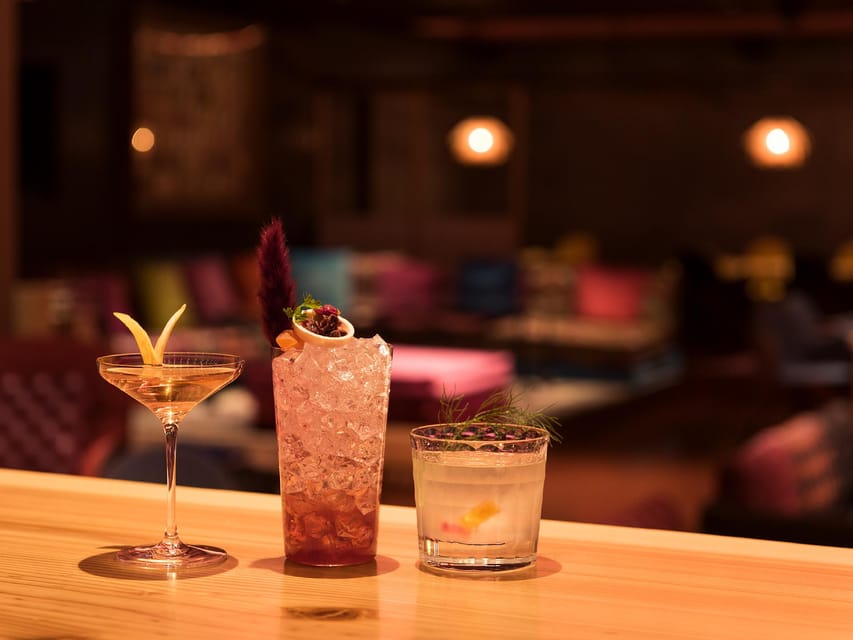
The meeting point is Theater Style Restaurant&Lounge SUIGIAN at:
Fukutoku Garden B1F, 2-5-10 Nihonbashi Muromachi, Chuo-ku, Tokyo, 103-0022
Here are the easiest ways to arrive:
By subway
Take Tokyo Metro Ginza Line or Hanzomon Line, get off at Mitsukoshi-mae Station, Exit A6. Walk about 1 minute to Coredo Muromachi 2 B1F, then follow signs and your route toward Fukutoku Garden.
From JR Shin-Nihonbashi
About a 6 minute walk from JR Sobu line rapid Shin-Nihonbashi Station.
From Tokyo Station
About a 10 minute walk from JR Tokyo Station, Nihombashiguch Exit.
By taxi
About 6 minutes from Tokyo Station, with a typical fare noted around 600 yen.
Two small logistics tips that save time:
- Wear shoes that handle a short walk plus stairs to reach the garden level and then the restaurant below.
- If you’re arriving right before your time slot, plan a little buffer. This venue is tucked under the historic grounds.
Wheelchair accessibility is listed, so if you need it, your best move is to confirm any on-site details directly when you book.
Price and value: what you’re really paying for
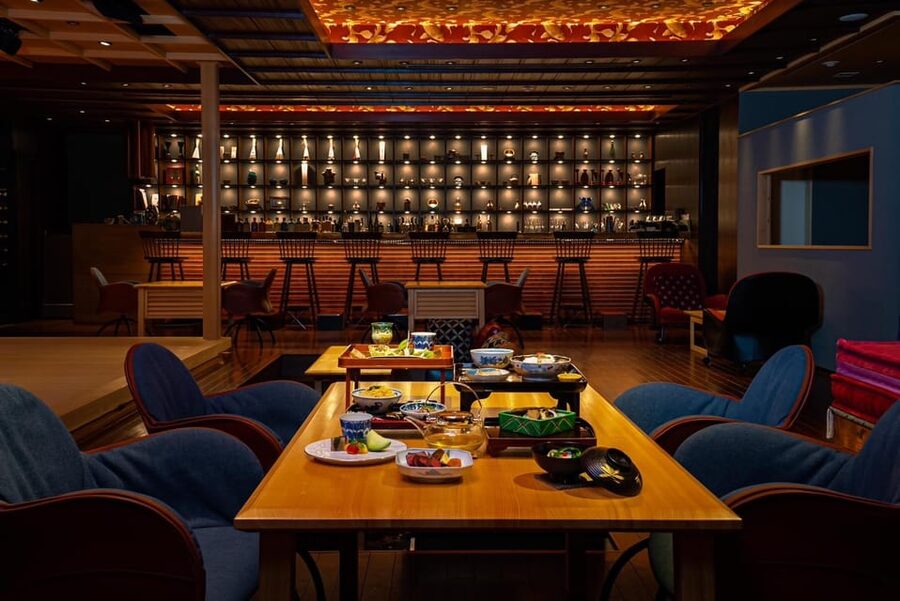
The listed price is $140 per group up to 1, for a duration of about 2 to 3 hours. That sounds like a lot until you break down what’s included.
You’re paying for:
- A full-course Japanese meal (seasonal, bonito-based soup, grilled Japanese beef mentioned, rice, dessert)
- Traditional performing arts with a Noh-style stage setup
- Assigned seating from four options
- A commemorative photo with the performers
In other words, you’re not buying just a dinner. You’re buying a package of dining plus structured cultural entertainment in a purpose-built room. If you compare this to doing the same quality of kaiseki dining on your own, the show component can make the overall “experience cost” feel easier to justify.
That said, there’s one fit question you should ask yourself first:
- Are you okay with short performance breaks and a meal that sets the pace?
If yes, the value can feel strong. If you want a long theater experience where the show is the main event for hours, this may feel pricier than you expected because the live segments are brief.
Who this is best for in Tokyo
I’d point this toward travelers who:
- Want a traditional Japanese culture evening without sprinting between stops
- Like kaiseki-style dining and seasonal presentation
- Prefer a venue designed for watching, with close seating rather than a distant stage
- Enjoy having context, especially with English-language explanations
It’s also a great “special evening” option for birthdays and celebrations. Several visitors highlighted the venue, service, and performance as memorable for those moments.
If you’re traveling with kids, remember it is not suitable for children under 10. If you’re booking for a group, seating assignments help keep the experience orderly, especially for couples and small friend groups.
Should you book SUIGIAN?
Book it if you want a Tokyo evening where food, performance, and atmosphere work together. The combination of a full-course seasonal meal, a Noh-style stage, short traditional performances timed into dinner, and the restaurant’s heritage tableware makes it a strong choice for anyone who wants something more thoughtful than a generic show.
Pass or reconsider if you want a long uninterrupted theater program. Also reconsider if dietary needs are complicated and you haven’t planned ahead to tell the restaurant in advance. Since the meal is seasonal and chef-selected, advance details matter.
If you’re deciding between “dinner with a show” and “traditional performing arts with a real meal,” this one leans hard into the traditional arts side while keeping the dining experience front and center. That balance is exactly why so many people leave with standout memories of both the performances and the cuisine.
FAQ
What performances are offered at SUIGIAN?
The show depends on the date. Regular kagura (ancient Shinto music and dance) is scheduled on specific dates in February and March, and on other days in February and March the regular performance is Nihon-buyo (traditional Japanese dance).
How long does the experience take?
Plan on about 2 to 3 hours.
What is included in the ticket price?
You get a Japanese full-course dinner, the traditional Japanese performing arts show, and a seat assignment based on the selected option.
Where is SUIGIAN in Tokyo?
It’s Theater Style Restaurant&Lounge SUIGIAN at Fukutoku Garden B1F, 2-5-10 Nihonbashi Muromachi, Chuo-ku, Tokyo, 103-0022.
Is the venue wheelchair accessible?
Yes, wheelchair accessibility is listed.
Is it suitable for children?
No, it is not suitable for children under 10.
How do I handle allergies or vegetarian needs?
Because the restaurant offers seasonal omakase courses, you should inform them in advance about any foods you cannot eat due to allergies, vegetarianism, or other reasons. Special requests made after arriving may not be accommodated.
Can I cancel my reservation?
Free cancellation is listed up to 24 hours in advance for a full refund.
Newly listed around Tokyo
- Tokyo private transfer for Yokohama Port★ 4.5 · 63 reviews
- Luxury Kimono Photoshoot at Ginza Tokyo★ 5.0 · 7 reviews
- Tokyo Allstar Food Tour★ 4.5 · 206 reviews
- Tokyo Art Aquarium Museum E-Ticket with optional Tokyo Metro Pass★ 5.0 · 17 reviews
- Tokyo: Best Ginza Food Tour at 3 Local Eateries★ 5.0 · 83 reviews
- Private One Day Nikko Tour with Bilingual driver★ 3.5 · 11 reviews
- PRIVATE tour in 180SX to Daikoku+++++★ 5.0 · 6 reviews
- Kabuki Talk★ 5.0 · 10 reviews
Dining Experiences in Tokyo, compared.
Tokyo Bar Hopping Tour in Shinjuku (All-You-Can-Drink + Dinner)
Read our review →
Yakatabune Dinner Cruise with Japanese Show & Drinks
Read our review →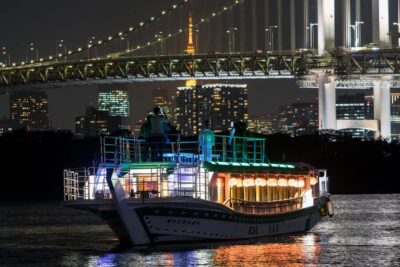
Sumida River: Japanese Traditional Yakatabune Dinner Cruise
Read our review →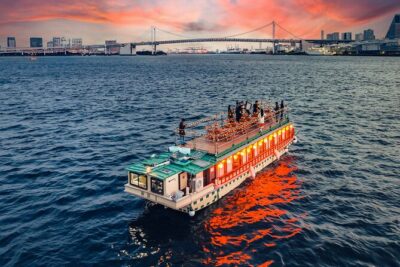
Tokyo Bay Yakatabune Dinner/Day Cruise with Japan Show and Drinks
Read our review →
Shinjuku Bar Hopping with All-You-Can-Drink & Dinner
Read our review →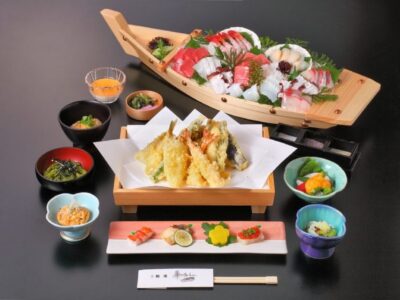
Tokyo Bay: Traditional Japanese Yakatabune Dinner Cruise
Read our review →Browse the lists this tour appears in