Review · TOKYO TOURS
Traditional Japanese Kumihimo Artform Experience
Kumihimo feels like practical magic. At DOMYO’s studio museum in Tokyo, I love getting up close to working kumihimo tools tied to centuries of craft, and I love that you leave with a bracelet or strap you made yourself. One thing to consider: the class braiding is designed so most people finish a wearable piece, so if you’re hoping to jump straight into a very complex pattern, you may find it starts simpler.
This workshop is set up to be calm and focused, with a maximum of 8 travelers and an instructor who can explain the steps clearly in English. It also mixes museum time with hands-on time, plus an exhibition that links classic kumihimo design to modern collaborations in fashion, art, and architecture.
In This Review
- Key things to know before you go
- Getting to DOMYO in Kagurazaka, Shinjuku
- Why this kumihimo studio is a big deal (DOMYO, founded in 1652)
- The museum time: restoration archives and historical tools you can actually see
- How the instructor connects structure to meaning
- Hands-on braiding: making your own bracelet or strap
- Old and new kumihimo: the exhibition that widens your view
- Price and value: $54.79 for 2 hours that ends with a take-home piece
- Group size and comfort: why max 8 matters
- Who should book this kumihimo experience
- Should you book the Kumihimo Experience by DOMYO?
- FAQ
- How long is the Kumihimo Experience by DOMYO?
- What is the price per person?
- Where is the meeting point?
- Is there a mobile ticket for this experience?
- How big is the group?
- Is it beginner-friendly if I have never done kumihimo before?
- Is instruction available in English?
- What is the cancellation policy?
Key things to know before you go
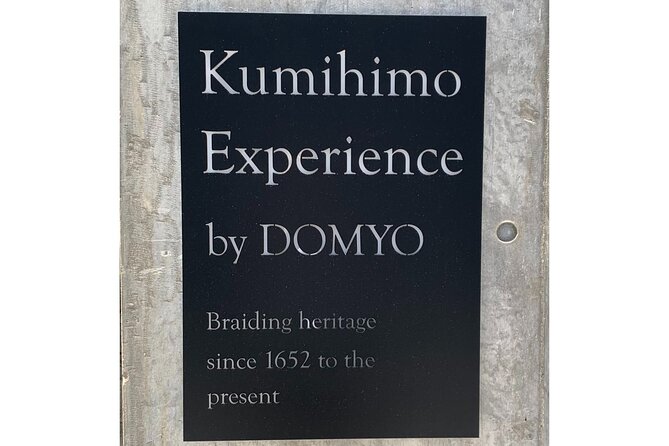
- A studio museum experience in Tokyo focused on kumihimo craft, not just a quick demo
- DOMYO’s long craft line (founded in 1652) traced through restoration archives and tools used in production today
- You learn the structure and meaning, not just the motions of braiding
- Small group format (max 8) that makes questions easy to get answered
- You make an original bracelet or strap, so the time ends with something useful in your hands
Getting to DOMYO in Kagurazaka, Shinjuku
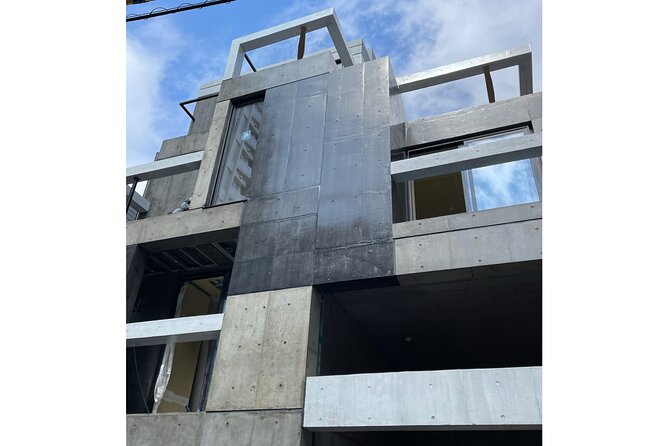
Your experience starts at Kumihimo Experience by DOMYO, 6-chōme-75 Kagurazaka, Shinjuku City, Tokyo 162-0825. It’s in a part of Tokyo that feels more local than tourist-script, and you’ll find it near public transportation, which matters because Tokyo traffic can be unpredictable when you’re trying to keep your day efficient.
The duration is about 2 hours, and that’s a sweet spot. Too short and you just end up watching. Too long and you risk turning a craft lesson into an endurance test. Here, the schedule is built so you get both context and a finished braid to take home.
One practical plus: this is a mobile ticket activity. That means less fiddling with printed paper, and more time to enjoy the moment when you walk in and see the setup.
A few more Tokyo days to weigh up
- Mt Fuji and Hakone 1-Day Bus Tour Return by Bullet Train
★ 5.0 · 26,383 reviews - 1-Day Tokyo Bus Tour
★ 5.0 · 14,250 reviews - Tokyo: TOKYO SKYTREE® Admission ticket
★ 4.5 · 11,192 reviews
Why this kumihimo studio is a big deal (DOMYO, founded in 1652)
DOMYO was founded in 1652, in the Edo period, and it built its work on inheriting classical research by samurai. Then, as Japan moved into the Meiji period, this craft tradition spread more widely across the country, and DOMYO’s role is presented as part of that continuity.
In plain terms, what you’re getting is a workshop that treats kumihimo as living technique, not as a museum-only artifact. That distinction shows up in how the visit is framed: you’re shown historical development, you’re shown tools used in actual production, and you’re taught how the braid is structured and why the design matters.
I also like that the experience doesn’t lock you into the past. You’ll have time to see how kumihimo charms people now, including collaborative works connected to contemporary fashion, art, and architecture. Even if you don’t study design for a living, it helps you see kumihimo as a creative language that still evolves.
The museum time: restoration archives and historical tools you can actually see
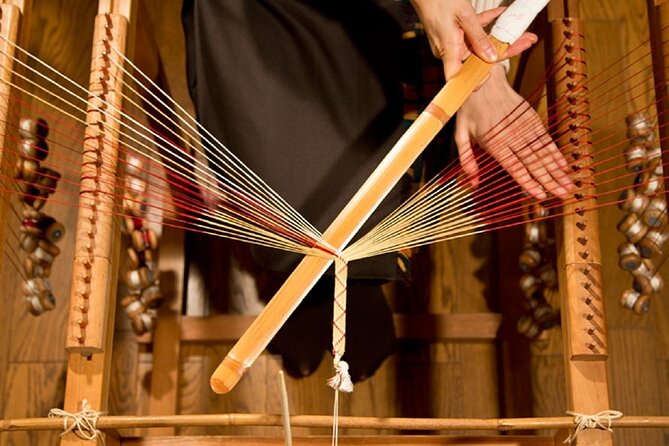
Before you sit down to braid, you get a museum-style walkthrough that focuses on historical development. DOMYO shares an archive route through restoration of cultural properties it owns, and that archive is used to trace how kumihimo evolved over time.
The value here is simple. When people learn a craft hands-on without context, it can feel like magic tricks with no map. This experience gives you a map. You’ll learn how kumihimo techniques developed and what to look for structurally when you view the braid pieces.
You also get to see tools that are currently used in production, not just old displays. That’s one of the most satisfying parts of the visit because you realize the technique isn’t a frozen antique. It’s still practiced, still refined, and still capable of producing precise, beautiful results.
How the instructor connects structure to meaning
Kumihimo isn’t just “tying strings.” It’s about structure, tension, and pattern logic. The experience is designed so you understand the structural characteristics of kumihimo and the meaning of the design as you go.
That matters because when you understand structure, your hands stop feeling like they are guessing. You start following a system. And once you follow a system, you can fix mistakes, slow down, and get back on track.
The instructor role is a big part of why this works for beginners. Based on what I’d recommend to you, look for the calm pacing and the step-by-step explanations. Reviews highlight instructors who are patient, and they also emphasize how clearly English is spoken. That combination is gold if you’re worried you’ll be lost when you sit down with the braiding materials.
Also, the setting is set up so you can see and then do. That’s much better than a workshop where you only hear instructions. Here, you watch the technique and then you try it.
A different sort of day in Japan:
- Tokyo: teamLab Planets TOKYO Digital Art Museum Entry Ticket
★ 4.6 · 9,779 reviews - Mt Fuji & Hakone Cruise, Drum Show Bullet Train 1 Day from Tokyo
★ 4.0 · 7,413 reviews - Tokyo: Sumo Show Experience with Chicken Hot Pot and a Photo
★ 4.8 · 6,678 reviews - Tokyo: Shinjuku Food Tour (13 Dishes at 4 Local Eateries)
★ 5.0 · 6,603 reviews
Hands-on braiding: making your own bracelet or strap
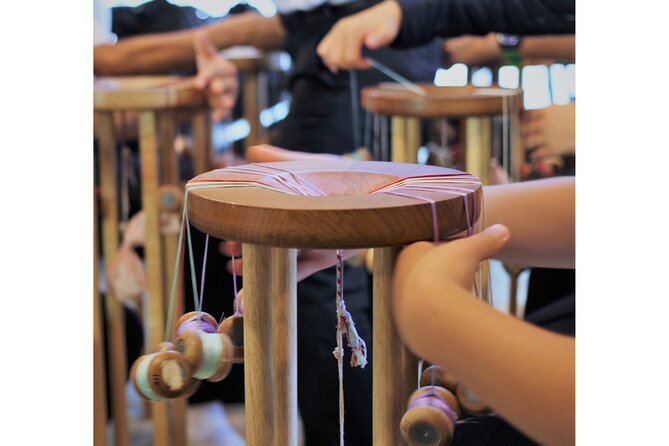
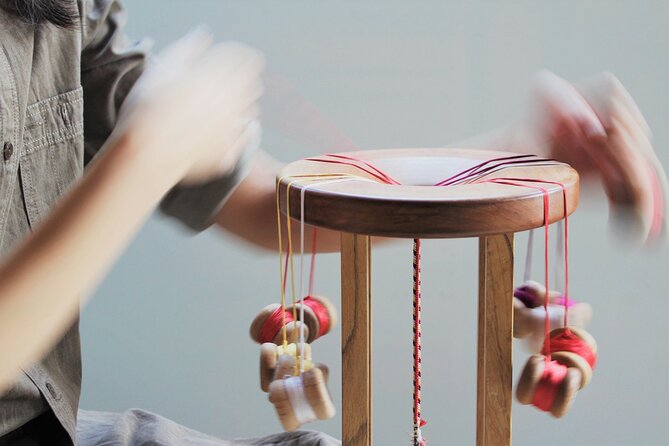
Now for the part you’ll remember after the photos fade. You make an original bracelet or strap and take it home as your souvenir.
The class is designed so you can come away with a finished braid. That’s a big deal if you’re taking this on a travel day, because you’re not leaving with half a project and a story that ends at the hotel. You leave with something you made, something you can wear, and something that still feels like a craft when you look at it up close.
The pace is beginner-friendly. People can get the hang of it quickly, and there’s support if your hands need a reset. One thing you should consider: the braiding pattern and difficulty are chosen to work well in a group setting. If you want a harder pattern from minute one, you might find yourself wishing you could push further. Still, the upside is that you finish, and finishing is what turns interest into a real new hobby.
Oddly relaxing is a phrase that fits kumihimo well. The motions are repetitive, but they’re not boring, and the logic of the braid gives your brain something concrete to do. If you’ve had a packed Tokyo day, this can feel like a pause button.
Old and new kumihimo: the exhibition that widens your view
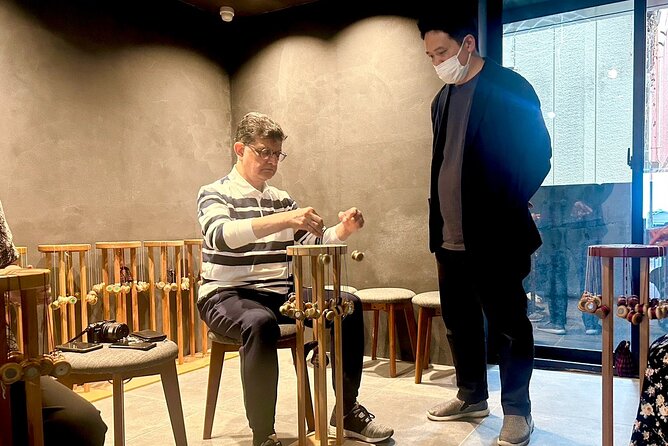
Half the craft value is what you make. The other half is what you learn to notice.
During the experience, you’ll also see an exhibition focused on the charm of old and new kumihimo. This includes collaborative works involving talents active in areas like contemporary fashion, art, and architecture. It’s not just a side display. It helps you connect the historical technique to modern visual design.
Why is this worth your time? Because kumihimo can be easy to misunderstand when you only see it as decoration. In this kind of exhibition, you start to see how braid structure, design intention, and texture create a look that works across centuries and styles.
Even if your fashion taste is plain and practical, you’ll probably enjoy how the collaborations show kumihimo in different contexts. Think of it as seeing the same language spoken by different writers.
Price and value: $54.79 for 2 hours that ends with a take-home piece
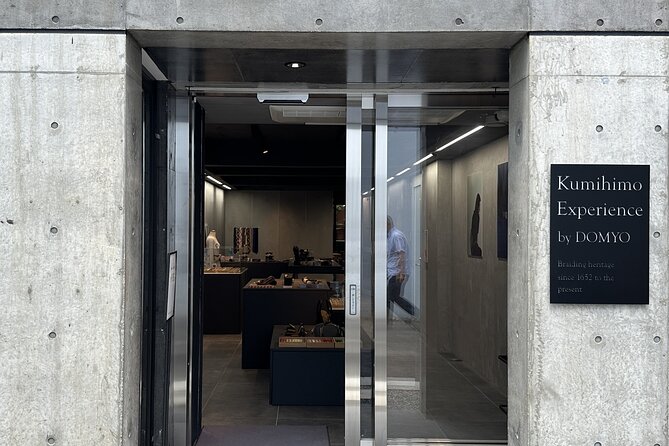
The price is $54.79 per person for about 2 hours. That sounds straightforward, but the value comes from what you actually get at the end.
You’re paying for:
- Access to DOMYO’s studio museum experience
- Demonstrations and context around historical development and restoration archives
- Hands-on guidance to make a bracelet or strap
- A group size capped at 8, which is a real advantage for questions and pacing
- A take-home product you made, not just a certificate or a memory
In Tokyo, many classes either focus on watching, or they focus on making something without much context. This one includes both. And because you’re making a real wearable item, the cost feels less like entertainment and more like a meaningful souvenir.
One more practical note: the average booking window is about 47 days in advance. That suggests this is something people plan ahead for. If you have specific dates, I’d treat this as a “book earlier rather than later” activity.
Group size and comfort: why max 8 matters
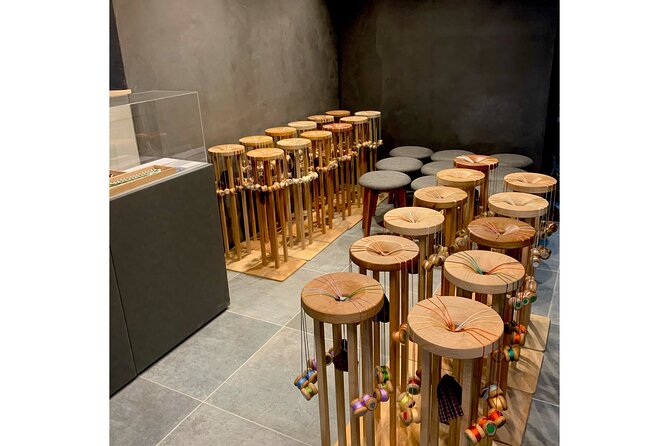
A maximum of 8 travelers keeps the energy workable. Craft workshops need room, time, and attention. When a group gets too large, instructors end up rushing. You end up waiting. You start asking fewer questions because you feel bad slowing things down.
Here, the small group structure helps you learn at a comfortable speed. You’re also more likely to get personal feedback when your technique needs adjustment. Based on the way the experience is described, the instructor is patient and explains steps clearly, including in English.
If you’re the type who likes to ask why something works, small groups are your friend.
Who should book this kumihimo experience
This is a strong fit if you:
- Want a craft experience that includes history and technique, not just a hands-on activity
- Enjoy slower, precise work and want something relaxing in the middle of a busy Tokyo trip
- Like making a take-home item instead of just buying a souvenir at a shop
- Prefer small groups where you can actually follow the steps
It may be less ideal if:
- You want a very advanced pattern immediately. The class is built for completion and learning, so you might start with something more approachable.
- You’re only interested in a quick, high-energy activity with lots of motion. This is craft time, not sightseeing sprinting.
Should you book the Kumihimo Experience by DOMYO?
I’d book it if you want a real kumihimo experience in Tokyo, with enough context that the braid in your hands feels meaningful. The best part is the mix: museum-quality craft context, then guided braiding, then a wearable souvenir you actually made.
If you have limited time in Tokyo, also consider that this is a compact 2-hour commitment. It won’t swallow your day. And if you’re worried about language, the experience is set up so explanations land clearly, and the instruction is patient.
So my advice: if you’re even lightly curious about traditional Japanese craft, this is the kind of activity that can turn into a hobby. And if you’re already a craft person, it’s the type of workshop where you’ll appreciate the structure and the care, not just the final product.
FAQ
How long is the Kumihimo Experience by DOMYO?
It lasts about 2 hours.
What is the price per person?
The price is $54.79 per person.
Where is the meeting point?
You meet at Kumihimo Experience by DOMYO, 6-chōme-75 Kagurazaka, Shinjuku City, Tokyo 162-0825, Japan.
Is there a mobile ticket for this experience?
Yes, it includes a mobile ticket.
How big is the group?
The experience has a maximum of 8 travelers.
Is it beginner-friendly if I have never done kumihimo before?
Yes. Most travelers can participate, and the class is set up so you can finish a bracelet or strap.
Is instruction available in English?
The instructor is described as speaking English clearly and patiently during the class.
What is the cancellation policy?
You can cancel for a full refund up to 24 hours before the experience’s start time. If you cancel less than 24 hours before, the amount paid is not refunded.
Newly listed around Tokyo
- Costume Rental Studios in Emotion Liberation Zone★ 5.0 · 26 reviews
- Private 2 Hours Matcha Masterclass with Tea and Guide★ 5.0 · 28 reviews
- Tokyo Ueno Food & Nature & Localtown Tour: 10Dishes+ Drinks★ 5.0 · 34 reviews
- Wonderful Peaks & Peace: Mt. Fuji, Fuji Stupa & Hakone Tour★ 5.0 · 7 reviews
- Membership Car Club GTR35 LibertyWalk Daikoku car meet photoshoot★ 4.0 · 44 reviews
- Licensed Guide Tokyo Meguro Cherry Blossom Walking Tour★ 4.5 · 13 reviews
- Low-cost local pub & bar crawling★ 5.0 · 7 reviews
- Discover Tokyo’s Hidden Food & Drink Neighborhoods★ 4.5 · 11 reviews
Tokyo Tours, compared.

Mt Fuji and Hakone 1-Day Bus Tour Return by Bullet Train
Read our review →


teamLab Planets TOKYO Digital Art Museum Entry Ticket
Read our review →
Mt Fuji & Hakone Cruise, Drum Show Bullet Train 1 Day from Tokyo
Read our review →
Sumo Show Experience with Chicken Hot Pot and a Photo
Read our review →
Shinjuku Food Tour (13 Dishes at 4 Local Eateries)
Read our review →