Review · PRIVATE
10-Day Private Tour with more than 60 Attractions in Japan
Ten days, 60 stops, zero navigation stress. This private Japan intro is designed to get your bearings fast, with a driver, an air-conditioned car, and a route that strings together Tokyo, Nikko, Fuji, Kyoto, Osaka, Nara, and finally Kobe. You can also shape the day-by-day plan since entry fees and your lodging are extra.
I especially love two things. First, the guide, Newton, comes across as cheerful and funny, and the stories make famous places click, like what he shared about Senso-ji. Second, you get a steady flow of sights without wasting time on long intercity transit, because everything is handled by private transportation.
One consideration: the schedule is packed, with each day running about 10 hours including commuting, and many attractions have separate ticket costs. If you want slow, low-key sightseeing, you may feel a bit rushed.
In This Review
- Key highlights worth planning around
- Tokyo to Kobe, the real value is logistics
- Day 1 in Tokyo: Tsukiji mornings, shrines, and skyline upgrades
- Day 2: Kamakura temples, bamboo, and Yokohama with time for food
- Day 3 Mt. Fuji views: Oshino Hakkai and the best photo stops
- Day 4 Hakone: ropeways, Owakudani black eggs, and outdoor art
- Day 5 Nikko: ornate shrines, Shinkyo Bridge, and Lake Chuzenji
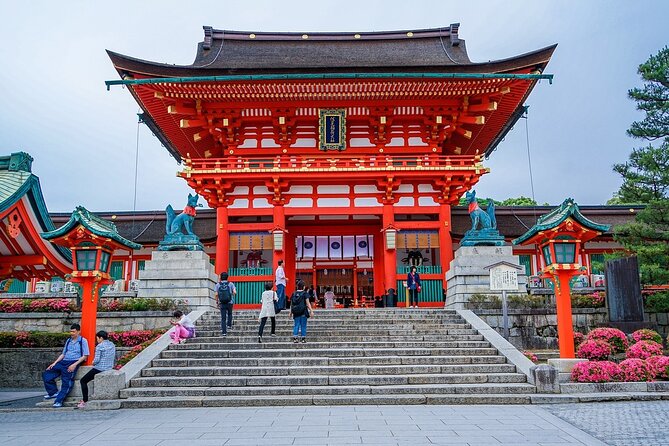
- Day 6 Kyoto: three temple styles plus Nishiki Market and Fushimi Inari
- Day 7 Arashiyama and Gion at night: bamboo, monkeys, and an evening vibe
- Day 8 Osaka: castle views, markets, and teamLab in a garden
- Day 9 Nara: deer time, temple halls, and gardens
- Day 10 Kobe finale: divine falls, shrines, Chinatown, and Rokko options
- Price and ticket costs: how to budget without getting surprised
- How the guide experience really changes the day
- Who this tour suits best, and who might feel cramped
- Should you book this Tokyo to Kobe private tour?
- FAQ
- How much is the tour?
- How many people can be in a group?
- Where does the tour start, and what time does it begin?
- Where does the tour end?
- Is this a private tour?
- What does the price include?
- What is not included in the price?
- Can the itinerary change during the tour?
- What if the weather is poor, or I need to cancel?
Key highlights worth planning around
- Private car all the way, so you skip the stress of transfers and self-driving
- Guide Newton’s storytelling, which adds context at key stops instead of just photos
- 60+ attractions across multiple regions, which is efficient for first-timers
- Flexible routing, with possible stop skips if traffic or crowds cause delays
- Money planning for entry fees, since many major sights are not included
- Good-weather dependency, because views around Mt. Fuji and Hakone can hinge on conditions
Tokyo to Kobe, the real value is logistics
This is a private, group-only tour starting in Shinjuku, with pickup offered and the trip running about 10 days. The big value is that you do not have to figure out train changes, luggage handling, or how to get from one “must-see” to the next. You ride in an air-conditioned car with bottled water, plus fuel, parking, and tolls are covered.
Price-wise, it is $9,000 per group up to 5. That sounds high until you compare it to what you would spend to recreate the same pace on your own with private day hires, multiple long-distance transfers, and paid tickets. Here, you are paying for time savings and mental bandwidth, not just sightseeing.
The tour also gives you customization in a practical way: you choose your own accommodation, and entry fees are extra. That means you can pick a hotel category that matches your budget without the tour boxing you into one option.
A few more Tokyo days to weigh up
- Mt Fuji and Hakone 1-Day Bus Tour Return by Bullet Train
★ 5.0 · 26,383 reviews - 1-Day Tokyo Bus Tour
★ 5.0 · 14,250 reviews - Tokyo: TOKYO SKYTREE® Admission ticket
★ 4.5 · 11,192 reviews
Day 1 in Tokyo: Tsukiji mornings, shrines, and skyline upgrades
You start early from Shinjuku at 7:00 am, and that timing matters in a city where lines and crowds can eat your day. The Tokyo day is built around a classic mix: market energy, old temples, big-city icons, and pop-culture neighborhoods.
- Tsukiji Fish Market: You get 45 minutes, with admission free. Even if you skip the most expensive “tour-only” experiences, the point is to see the market mood and the pace of a working food hub.
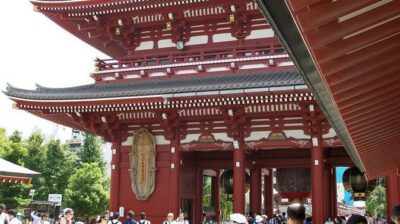
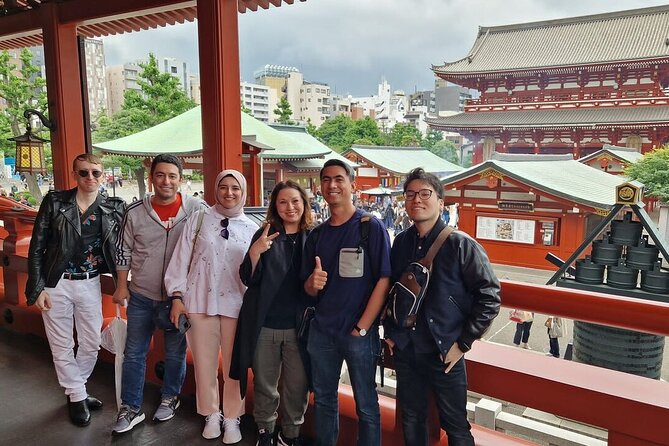
- Senso-ji Temple (Asakusa): Around an hour, free entry. This is one of those stops where a guide helps, because there is a lot to notice once someone points out what you are seeing and why it matters.
- Imperial Palace East Garden: 45 minutes, free. If you like history but do not want a museum day, this is a calmer counterbalance.
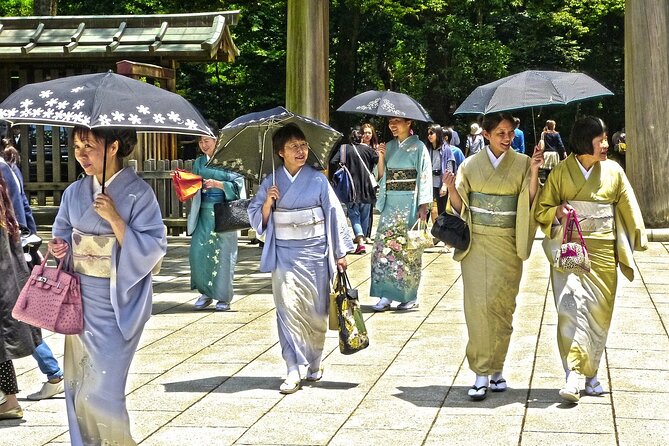
- Meiji Jingu Shrine: 30 minutes, free. The forest-like setting is a nice pause between neighborhoods.
- Harajuku area, Takeshita Street: About an hour, free. Go for the people-watching and sweets, and keep your phone ready, but also keep your patience for foot traffic.
Then you layer in viewpoints and modern attractions:
- Tokyo Skytree: 1 hour, ticket not included.
- teamLab Planets TOKYO: 30 minutes, ticket not included.
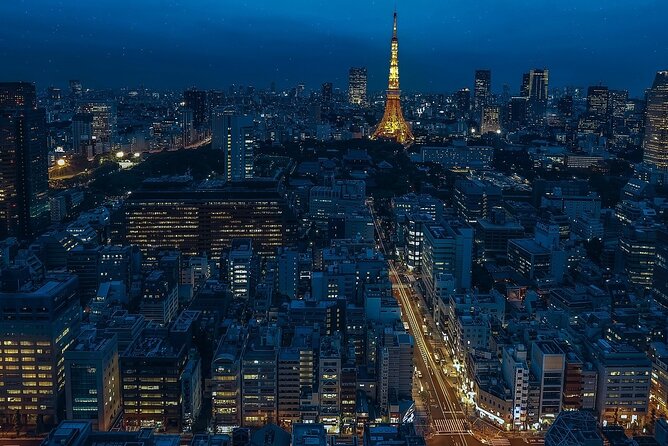
- Tokyo Tower and Shibuya Crossing: both quick stops, with Shibuya Crossing being one of the easiest “wow” moments.
A small heads-up from the included approach: some stops are labeled as possible “if you have time,” like the Statue of Liberty replica on Odaiba. That is a real thing in Japan, where one delay can cascade, so keep a flexible mindset.
Day 2: Kamakura temples, bamboo, and Yokohama with time for food
The second day leaves Tokyo and leans into two coastal-style stops: Kamakura and Yokohama. It is a smart rhythm because Kamakura gives you the temple concentration, while Yokohama brings waterfront energy plus a different food culture.
In Kamakura you hit:
- Hōkoku-ji (Bamboo Temple): about an hour, ticket not included.
- Hase-dera: 45 minutes, ticket not included.
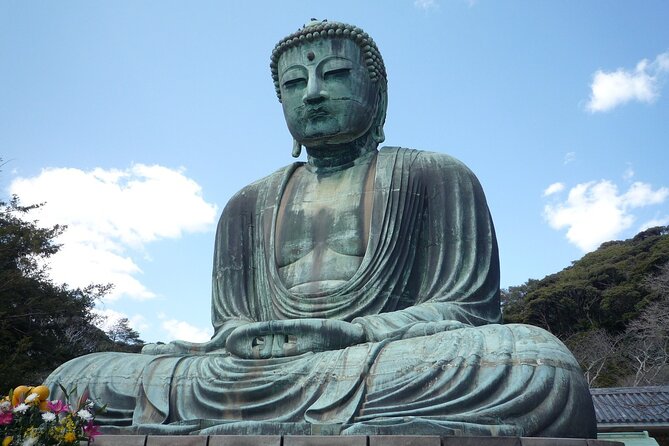
- Kotoku-in, the Great Buddha: about 30 minutes, ticket not included.
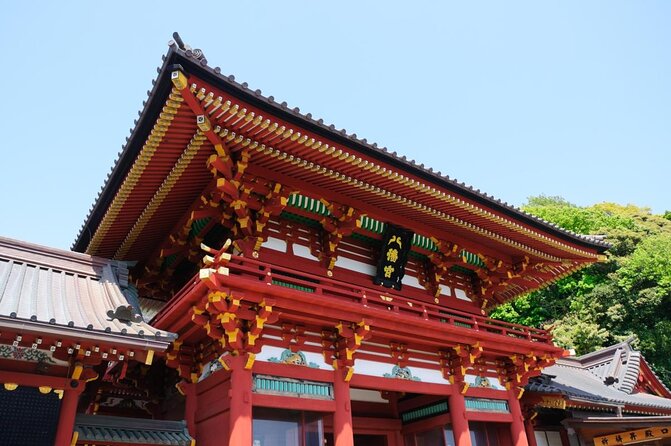
- Tsurugaoka Hachimangu Shrine: about an hour, ticket not included.
- Komachidori: 1.5 hours, free.
The free-time walkway, Komachidori, is important. It is where you can browse without needing another admission ticket, and it is a good place to grab a snack before you get temple fatigued.
Then it shifts to Yokohama:
- Yokohama Chinatown: about an hour, free.
- Sankeien Gardens: ticket not included.
- Minatomirai: optional-ish, about 30 minutes, free.
If you are the type of traveler who loves food, Yokohama Chinatown is the easiest win. If you are traveling with kids, the market streets can be a nice reset from stair-heavy temple days.
Day 3 Mt. Fuji views: Oshino Hakkai and the best photo stops
This is the day where your planning skills pay off, because Mt. Fuji sightseeing depends a lot on weather. Clear skies change everything. Even on a hazy day, the villages and shrines are still worth it, but you should aim for flexibility and patience.
You start with:
- Oshino Hakkai: 30 minutes, free.
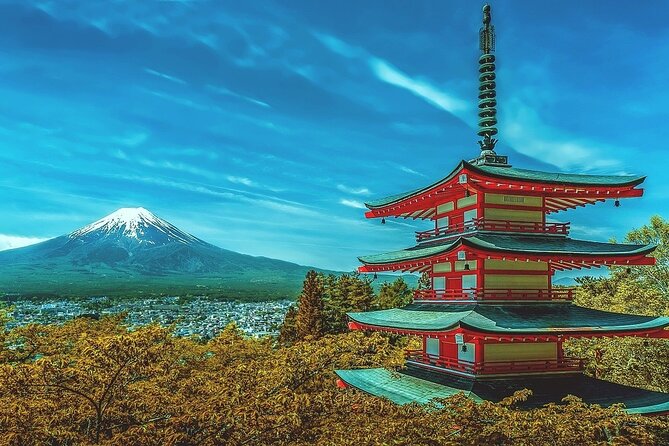
- Chureito Pagoda: 30 minutes, free.
- Lake Kawaguchiko: 30 minutes, free.
- Oishi Park: 30 minutes, free.
- Arakura Fuji Sengen Shrine: 30 minutes, free.
Then there are optional upgrades:
- Mt. Fuji Panoramic Ropeway: 1 hour, ticket not included.
- Saiko Iyashi no Sato Nemba: ticket not included.
- Mt. Fuji 5th Station: about 2 hours, ticket not included and priced per group.
And a practical contrast to the “Fuji-only” focus:
- Gotemba: 2 hours, free. This is a nice change of pace, and it can help if you need a break from sightseeing viewpoints.
My practical take: treat this day like a photo day plus a cultural day. You do not want to spend all your time trying to maximize every last ticket. Pick the viewpoint or experience that matches your interest level, then let the rest be scenery.
A different sort of day in Japan:
- Tokyo: teamLab Planets TOKYO Digital Art Museum Entry Ticket
★ 4.6 · 9,779 reviews - Mt Fuji & Hakone Cruise, Drum Show Bullet Train 1 Day from Tokyo
★ 4.0 · 7,413 reviews - Tokyo: Sumo Show Experience with Chicken Hot Pot and a Photo
★ 4.8 · 6,678 reviews - Tokyo: Shinjuku Food Tour (13 Dishes at 4 Local Eateries)
★ 5.0 · 6,603 reviews
Day 4 Hakone: ropeways, Owakudani black eggs, and outdoor art
Hakone is where the tour earns its keep because it bundles a whole region into one smooth driving day. You get the famous nature sites without having to coordinate multiple rides.
Key stops include:
- Hakone Shrine: 1 hour, ticket not included.
- Lake Ashinoko: 1 hour, ticket not included.
- Hakone Ropeway: 1 hour, ticket not included.
- Owakudani Valley: 1 hour, admission free (and this is the memorable one).
Owakudani is where the tour shares the standout detail: Kuro-tamago, the black eggs, are boiled in the hot spring waters and take on that dark color due to sulfur.
Then you get calmer, more “slow stroll” add-ons:
- Gora Park: 30 minutes, ticket not included.
- Hakone Open-Air Museum: 1 hour, ticket not included.
If you like modern outdoor sculpture, this museum stop can be a relief from temples. If you hate paying for ticketed attractions, you can still enjoy the free elements, but the day is clearly built around paying upgrades too.
Day 5 Nikko: ornate shrines, Shinkyo Bridge, and Lake Chuzenji
Nikko is a different mood from Tokyo. It feels heavier, more ceremonial, and more spread out. The day is built around the classic shrine and waterfall circuit, which is exactly what first-timers want.
You hit:
- Toshogu Shrine: about 2 hours, ticket not included. This is where the decorative detail really matters.
- Shinkyo Bridge: 1 hour, free entry. This bridge is often photographed for a reason, and with time you can walk around to get multiple angles.
- Narabi Jizo: 30 minutes, free.
- Nikko Tamozawa Imperial Villa Memorial Park: 30 minutes, ticket not included.
- Akechidaira Observation Area: 30 minutes, ticket not included.
- Kegon Falls: 30 minutes, ticket not included.
- Lake Chuzenji: 30 minutes, free.
Here is the practical tradeoff: Nikko is scenic, but there is a lot to cover. If you feel your feet getting tired, prioritize the “signature” stops, Toshogu and Shinkyo Bridge, and let the observation area and falls be “choose what you can enjoy.”
Day 6 Kyoto: three temple styles plus Nishiki Market and Fushimi Inari
Kyoto on this route is efficient in the best way. You are not just seeing one temple type, you get the mix: classic temple architecture, shrine culture, and street-food shopping.
You start with:
- Kiyomizu-dera: 40 minutes, ticket not included.
- Sanjūsangendō: 30 minutes, ticket not included.
Then:
- Yasaka Shrine: 40 minutes, free.
- Nishiki Market: 2 hours, free.
And you end with Kyoto’s most famous walking experience on the schedule:
- Fushimi Inari-taisha: about 1 hour, free, with its torii gate tunnels.
Finally, there is a castle option:
- Nijo Castle: 1 hour, ticket not included.
My advice for Fushimi Inari: wear shoes you can walk in for a while. The experience is worth it, but it is not a quick roadside photo stop. If you are traveling with someone who dislikes long walking, you can still enjoy the entrance area and a partial route.
Day 7 Arashiyama and Gion at night: bamboo, monkeys, and an evening vibe
This day feels like Kyoto in layers. You start with Kinkaku-ji, then move into Arashiyama, then finish with Gion’s evening mood.
Highlights include:
- Kinkakuji Temple (Golden Pavilion): 40 minutes, ticket not included.
- Arashiyama Bamboo Forest: 40 minutes, free.
- Tenryuji: 40 minutes, ticket not included.
- Arashiyama Observation Deck: 40 minutes, ticket not included.
- Arashiyama Kimono Forest: 20 minutes, free.
- Monkey Park Iwatayama: 40 minutes, ticket not included.
Then the evening:
- Gion: 2 hours, free.
The tour notes Gion with a guided night walk focused on geisha lifestyle if that is your interest. Either way, the big win is timing. Many of the city’s most iconic scenes feel different after dark.
Day 8 Osaka: castle views, markets, and teamLab in a garden
Osaka gives you a change of pace after Kyoto’s temple density. This day has three big pulls: a major landmark, market food, and a nighttime interactive garden.
You visit:
- Osaka Castle: 1 hour, ticket not included.
- Shitennoji: 30 minutes, ticket not included.
- Sumiyoshi Taisha Shrine: 30 minutes, free.
- teamLab Botanical Garden Osaka: 1 hour, ticket not included.
- Kuromon Market: 1 hour, free.
- Dotonbori: 2 hours, free.
This combination is useful because it prevents “sightseeing fatigue.” Kuromon Market is the practical break, and it also makes the whole day feel more personal. Dotonbori is where the neon and canal atmosphere do their job, even if you are just walking through.
If you are planning your budget, remember teamLab Botanical Garden is one of the larger paid items on this day. Decide if you really want that experience, then let the rest be your flexible base.
Day 9 Nara: deer time, temple halls, and gardens
Nara is a classic cultural day with an animal factor. The deer are part of the fun, and Nara Park is free to enter, which makes this day feel like good value.
You cover:
- Nigatsu-do (Todai-ji area): 1 hour, ticket not included.
- Kofuku-ji: 1 hour, ticket not included.
- Nara Park: 1 hour, free.
- Sanjo dori Street: 1 hour 20 minutes, free.
- Isuien Garden and Neiraku Museum: 1 hour, ticket not included.
The key benefit here is balance. You get temple architecture in paid segments, then you get a free, open-space walking area at Nara Park and Sanjo dori. That mix keeps the day from feeling like a ticket punchathon.
Day 10 Kobe finale: divine falls, shrines, Chinatown, and Rokko options
The last day lands in Kobe, and you get a nice blend of nature, historic shrines, and street neighborhoods.
Stops include:
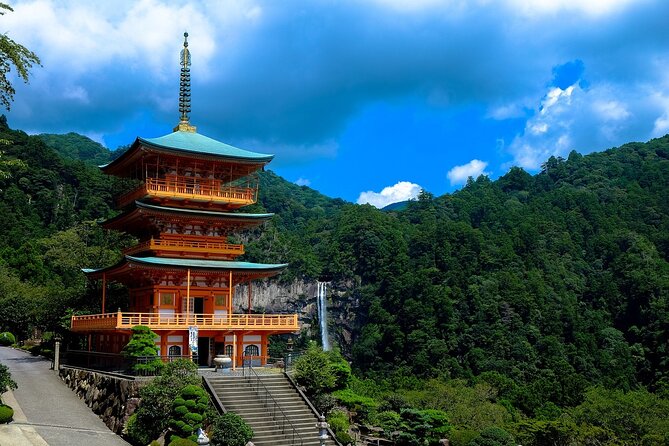
- Nunobiki Falls: 30 minutes, free.
- Ikuta Shrine: 30 minutes, free.
- Kobe Chinatown Nankin-machi: 1 hour, free.
- Rokko Cable Shita Station area: 1 hour, free.
- Weathercock House (The Former Thomas House): 1 hour, ticket not included.
- Mount Rokko Cable Car: priced one way.
The day ends in Kobe, with drop-off options in Kobe, Kyoto, Nara, or Osaka. That is helpful if your true travel ending is elsewhere, especially if you have a hotel already booked or you are continuing by train.
Price and ticket costs: how to budget without getting surprised
The tour fee is $9,000 per group for up to 5, and it includes the major logistics: air-conditioned private transportation, fuel charges, parking, tolls, bottled water, and free help for picture and video.
What is not included is most of the museum and attraction ticketing. Examples that add up:
- Tokyo Skytree, and teamLab Planets TOKYO in Tokyo
- Mt. Fuji add-ons like the ropeway, Saiko Iyashi no Sato Nemba, and Mt. Fuji 5th Station
- Hakone paid segments like the Hakone Ropeway and Hakone Open-Air Museum
- Nikko paid sites like Toshogu Shrine and Kegon Falls
- Kyoto paid sites like Kiyomizu-dera, Sanjusangendō, and Nijo Castle
- Osaka paid teamLab Botanical Garden Osaka
- Nara paid temple buildings and garden museum time
- Kobe options like Weathercock House and the Mount Rokko Cable Car one-way ticket
So the value equation is simple:
- You pay more up front for private driving and tight scheduling.
- You pay extra per attraction as you go.
If you want to control costs, you can still get a great day on free segments, like Shinkyo Bridge, Nishiki Market, Fushimi Inari, and Dotonbori. If you want the full set of ticketed experiences, budget for them and consider which ones matter most to you.
How the guide experience really changes the day
A big theme from the provided experiences is Newton as a guide. The praise is consistent: he is cheerful, active, and he shares stories that make the stops more than just names on a map. People also credited the way he stays aware of everyone in the group, not just the route.
There is another practical bonus that came up in hot weather: the air conditioning in the car. Japan’s summer heat can be real, and it matters that your downtime between stops is not spent sweating on transit. You also get water, which sounds small until you have a long day and you are not counting drinks.
One more detail worth noting: the tour can skip stops due to traffic congestion or to avoid long waiting time in overcrowded situations. That is not always fun on paper, but it is often the difference between arriving on time for the next place and losing half your day.
Who this tour suits best, and who might feel cramped
This tour is a strong fit if:
- You are visiting Japan for the first time and want structure.
- You prefer a private driver instead of wrestling transit apps.
- You like seeing a wide range of regions in one trip window.
- You want a guide who adds story and context, not just a checklist.
It may feel less ideal if:
- You want lots of downtime each day.
- You dislike paying separate tickets.
- You prefer independent pacing, with spontaneous detours.
If you like clear priorities, this can work even if you are picky. You just need to decide which paid attractions you want and which you can skip.
Should you book this Tokyo to Kobe private tour?
I think you should book it if your biggest priority is saving time and simplifying logistics. For first-timers, the route makes sense, and the private car approach is a real quality-of-life upgrade.
I would not book it if your travel style is slow and unstructured. This is a tight, high-output tour, with around 10 hours a day including commuting, and many attractions require extra admission.
If you do book, pack comfy walking shoes, plan for additional ticket costs, and keep an eye on weather if Mt. Fuji views are a must. Also, bring your curiosity, because a good guide like Newton can turn a famous stop into something you remember.
FAQ
How much is the tour?
The price is $9,000.00 per group (up to 5 people).
How many people can be in a group?
Up to 5 people per private tour group.
Where does the tour start, and what time does it begin?
It starts in Shinjuku, Shinjuku City, Tokyo at 7:00 am.
Where does the tour end?
The tour ends in Kobe, and the last day drop-off can be in Kobe, Kyoto, Nara, or Osaka.
Is this a private tour?
Yes. Only your group participates.
What does the price include?
Included are an air-conditioned vehicle, private transportation, bottled water, fuel charges, parking fee and toll charges, and free picture taking or video making assistance if needed.
What is not included in the price?
Not included are tickets for many attractions, such as Tokyo Skytree, teamLab Planets TOKYO, Hakone Ropeway, Toshogu Shrine, Kiyomizu-dera, teamLab Botanical Garden Osaka, and multiple other paid sites.
Can the itinerary change during the tour?
Yes. Stops may be changed, skipped, or adjusted due to traffic congestion or to avoid long waiting times in overcrowded situations.
What if the weather is poor, or I need to cancel?
The experience requires good weather. If it is canceled due to poor weather, you will be offered a different date or a full refund. You can cancel for a full refund if you cancel at least 24 hours in advance.
Newly listed around Tokyo
- Enjoy Mt. Fuji View and free time shopping at Gotemba Outlets!★ 4.0 · 15 reviews
- the SUMO show with Dinner★ 5.0 · 38 reviews
- Asakusa: 2-hour history exploration★ 5.0 · 32 reviews
- Bullet Train Experience & Mishima Shrine Private Tour from Tokyo★ 5.0 · 9 reviews
- Let’s experience calligraphy in YANAKA, Taito-ku, TOKYO !!★ 5.0 · 127 reviews
- Calligraphy Experience at Tokyo Ginza and Tsukiji Area★ 5.0 · 17 reviews
- Ninja Lesson in Tokyo – 1 Hour Hands-On with Japanese Master★ 5.0 · 52 reviews
- Blade Runner photo workshop in Shibuya with Laurence Bouchard★ 5.0 · 15 reviews
Private, compared.
Tokyo 6hr Private Tour with Government-Licensed Guide
Read our review →
Private Tour to Mt. Fuji and Hakone (Fully Licenced Operator)
Read our review →
Fushimi Inari Hidden Hiking Tour (Private Option Available)
Read our review →
Private Kyoto Tour with a Local, Highlights & Hidden Gems, Personalised
Read our review →
Tokyo Customized Private Tour (Must See Places in 1 Day)
Read our review →
Mount Fuji Full-Day Private Tour from Tokyo (Customizable)
Read our review →
Private City Highlights Tour with Local Guide
Read our review →