
Review · SHOPPING TOURS
Authentic Sapporo: Nijo Market Seafood Lunch & History Tour
Sapporo tastes like a story. This 150-minute small-group walk turns classic sights into clear context, then finishes with a fresh seafood lunch at Nijo Market. I love how the guide ties the city’s early days to what you see on the street, so the photos actually mean something. You’ll also get a strong sense of Sapporo’s local center, from the river walk to Hokkaido Jingu Tongu.
Two parts I especially like are the Nijo Market lunch and the Sosei River history walk. The lunch is simple and satisfying, and it feels connected to the people who use the market every day. The river segment makes Sapporo’s beginnings feel close, not textbook.
One consideration: this is seafood-focused, so if you have any food allergies, you need to tell the operator ahead of time. And the walking is real, so if your pace is slow or you are dealing with a cold, this may not be a comfortable fit.
In This Review
- Key highlights you should care about
- Getting oriented fast at Sapporo Clock Tower
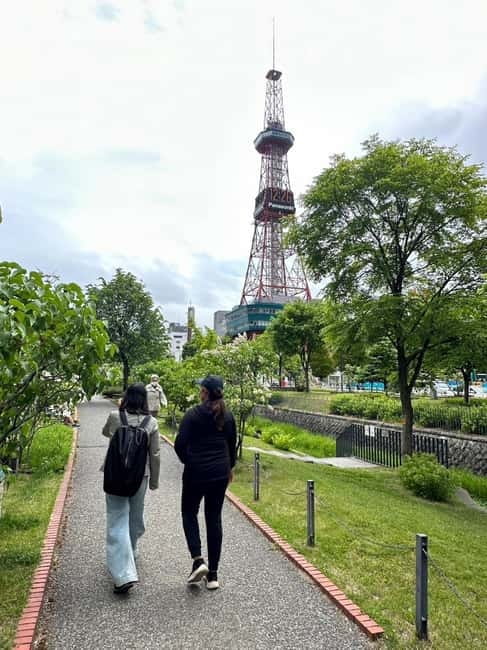
- City Hall and TV Tower, where the map becomes real
- The Sosei River walk, early Sapporo in walking form
- Hokkaido Jingu Tongu, a shrine where locals show up
- Sapporo East Area ideas, before the crowds arrive
- Nijo Market lunch, the payoff and the best way to eat like a local
- What to do after lunch, including Kotobuki Coffee
- Small-group guides: why Tom and Iku’s style matters
- Value check: does $61 make sense for this mix of food and entry tickets?
- Who should book this tour, and who should skip it
- Should you book Authentic Sapporo: Nijo Market Seafood Lunch & History Tour?
- FAQ
- Where do I meet the guide?
- How long is the tour?
- What is included in the price?
- What kind of lunch will I get at Nijo Market?
- Can the guide join me during lunch?
- Is Sapporo TV Tower entry included?
- How big is the group?
- What should I bring, and what should I avoid?
- What are the allergy rules?
- Is there free cancellation or a pay-later option?
Key highlights you should care about
- Nijo Market seafood lunch with a real local-restaurant feel (sushi or donburi style).
- Sosei River and bridge walk that explains Sapporo’s very early age as you go.
- Hokkaido Jingu Tongu visit at a shrine loved by the local community.
- Sapporo TV Tower ticket included so you can actually use the city’s best view spot.
- Small group up to 8 people, which usually makes questions and pacing easier.
- An optional coffee lead, Kotobuki Coffee, to help you keep the momentum after lunch.
Getting oriented fast at Sapporo Clock Tower
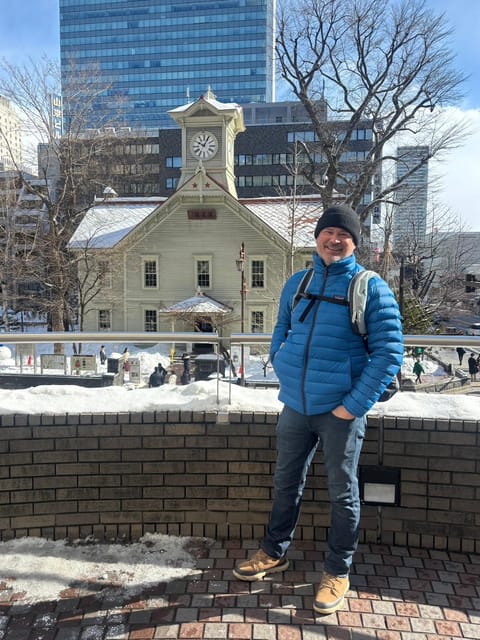
Most city walks start with “Here’s where you are.” This one starts with a landmark that helps you orient instantly: the Sapporo Clock Tower. You meet at the entrance, and your guide will be holding a board that says KAPPO SAPPORO, often with a mic. That setup matters because it cuts down the usual first 10 minutes of confusion.
From there, you’re not just passing monuments. You get a guided walk that helps you understand why this area matters to the city. If you like history but hate long lectures, this is a good format.
You also get early photo time, which is useful because the rest of the tour builds from those reference points. In winter, when light can be limited, those early stops can make your photos look better without extra effort.
A few more Sapporo days to weigh up
- World Heritage Shirakawa-go and Experience Tours from Kanazawa
★ 5.0 · 4,049 reviews - World Heritage Kyoto & Nara Uji Authentic Matcha Experience
★ 5.0 · 1,573 reviews - Kanazawa: World Heritage Shirakawa-go Morning Guided Tour
★ 4.9 · 988 reviews
City Hall and TV Tower, where the map becomes real
Next you head toward Sapporo City Hall, where you’ll have a short visit and guided context. This is the “administrative backbone” part of the story, the kind of place you’d normally walk past without noticing. With a guide, the buildings become clues about how Sapporo grew.
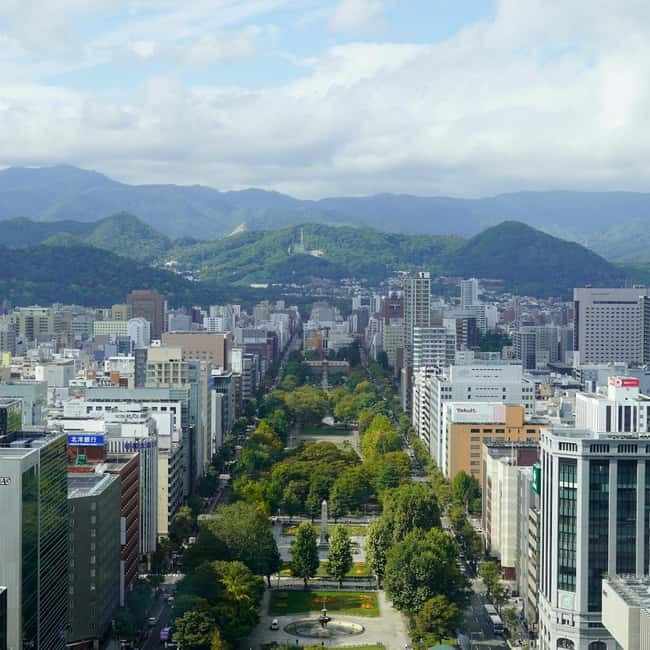
Then it’s on to Sapporo TV Tower. You’ll enter and spend time there, including free time for your own viewing. This is a smart inclusion because the tower entry ticket is covered, and you’ll get a scenic view without needing to budget for extra add-ons.
Practical note: wear comfortable shoes. You’re on foot more than you might expect for a 150-minute tour, and you’ll want stable footing for photo stops and stair sections.
The Sosei River walk, early Sapporo in walking form
The heart of the experience for many people is the walk along the Sosei River. You’ll spend time crossing the Sosei Bridge and learning about Sapporo’s very early age as you move. This is the kind of storytelling that sticks, because you’re seeing the same direction the city planners once faced.
I like this part because it’s not abstract. You’re outside, you’re moving, and the guide can point out what matters about the river’s role in everyday life and early settlement patterns. If you’ve ever had a history tour where you only remember one fact, aim to remember the visual direction here instead.
Also, the river is a natural way to pace the tour. After clock-and-building stops, walking by the water feels like a reset, and it gives your brain time to connect the earlier info to what you’re seeing now.
Hokkaido Jingu Tongu, a shrine where locals show up
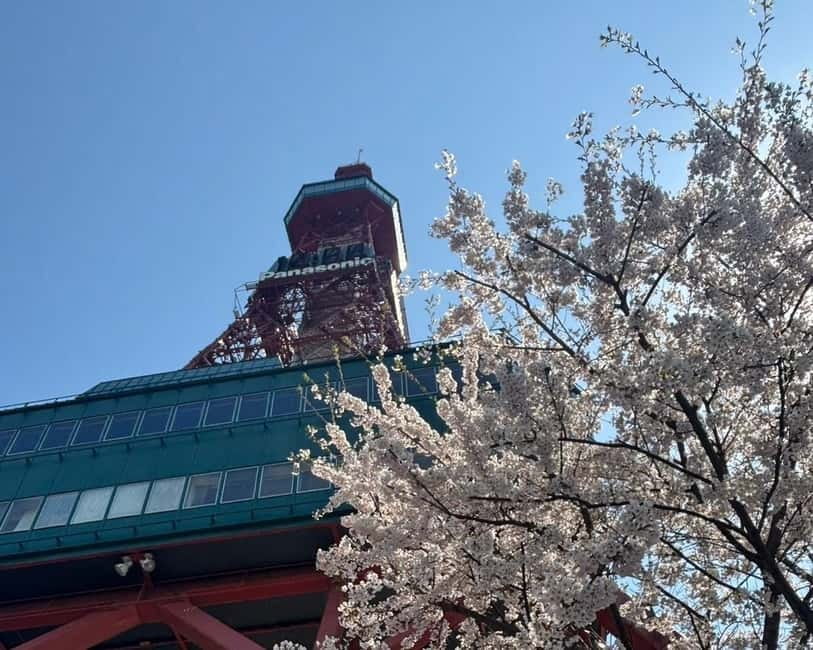
After the river segment, you’ll head to Hokkaido Jingu Tongu, described as a historical shrine loved by the local community. The visit is timed in a way that feels calm, not rushed. It’s also a helpful change from the urban street grid, because shrine areas tend to shift your attention quickly.
This stop gives you more than architecture and aesthetics. You get the sense that this is not just a photo stop. When a shrine is actively loved by locals, it changes the mood of the visit, and you tend to observe more respectfully and naturally.
If you’re a first-time visitor to Sapporo and you want one spiritual-cultural stop that doesn’t feel overly scripted, this works well. It adds variety without turning the tour into a long detour.
A different sort of day in Japan:
- Sapporo Bar Hopping Food Tour
★ 5.0 · 232 reviews - Popular in SapporoExperience authentic hand-made soba at a real soba shop!
★ 5.0 · 77 reviews - Mondo’s most popular plan! Experience making soba noodles and the king of Japanese cuisine, tempura, in Sapporo!
★ 5.0 · 71 reviews - Sapporo 6hr Private Tour with Government Licensed Guide
★ 5.0 · 57 reviews
Sapporo East Area ideas, before the crowds arrive
The tour also focuses on the Sosei East Area, described as yet undiscovered by tourists. Even if you know Sapporo from a few guidebook pages, this is where you start to feel the city beyond the main landmarks. You don’t need to read a map cover to cover, because the guide connects the dots while you walk.
In practical terms, this is the portion that helps you return home with “I actually saw that neighborhood” confidence. It’s also where you’ll probably notice smaller streets and a more everyday feel, which is often what you want from a food-plus-history tour.
If you like the idea of exploring places you can’t easily replicate on your own in the same short window, keep your questions handy. The guide can explain the local connections that make the area’s story make sense.
Nijo Market lunch, the payoff and the best way to eat like a local
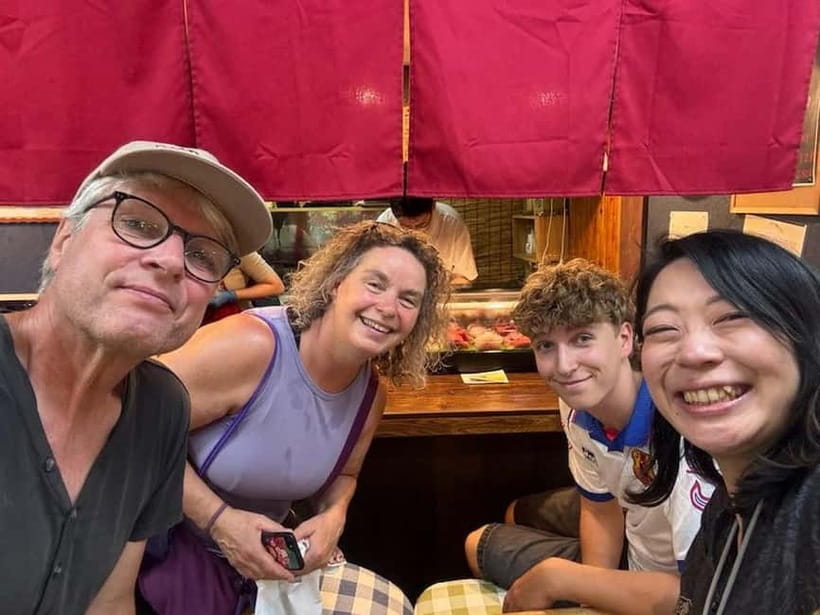
Then comes the big reason to book: Nijo Market and its seafood lunch. You’ll arrive around 12:30, and lunch runs with enough time to actually eat, not just sample. The lunch is fresh, and it’s designed to be a meaningful local experience, described as Sapporo’s citizens’ kitchen.
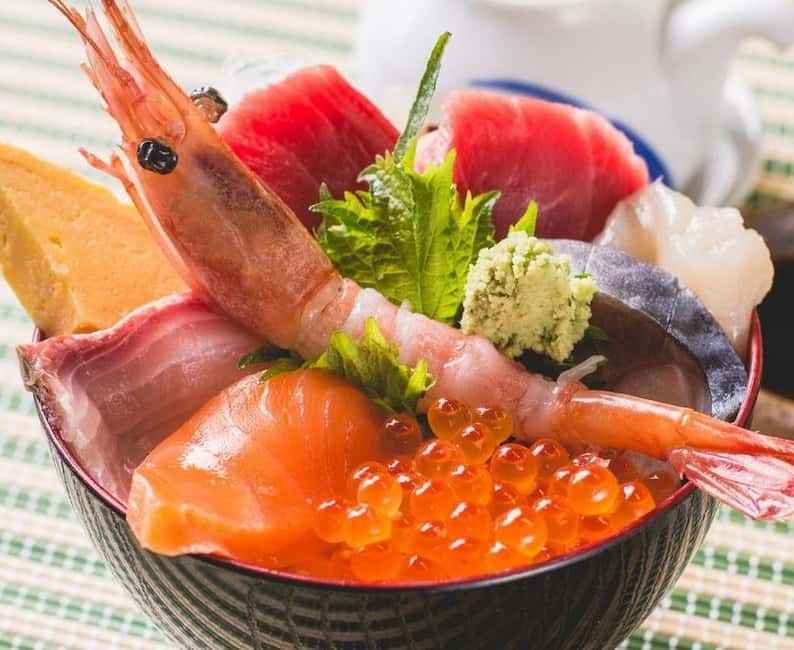
You’ll be offered sushi or donburi styles. I like this because both options are easy to enjoy without overthinking. You also get variety depending on what’s available at the restaurant on the day, and the guide handles the set-up.
Important for planning: seafood is central, and the operator says that if you have any allergies, you MUST inform them. They may be able to suggest alternatives, but you should treat this as a heads-up requirement, not a “maybe it’ll work out” situation.
One more detail that affects your day: the tour guide may not join your lunch. That’s not a problem, but it changes the vibe. You’ll still get the restaurant plan, but you may be eating with your group while the guide handles logistics elsewhere.
What to do after lunch, including Kotobuki Coffee
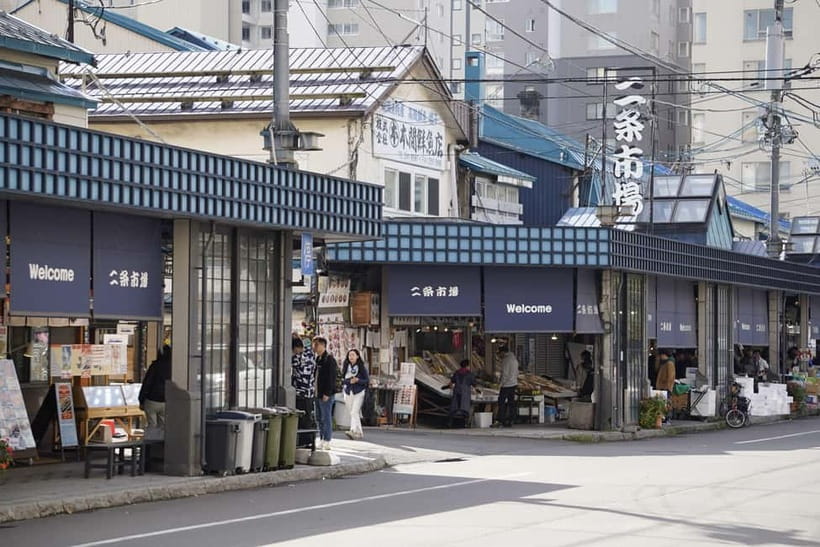
Your tour ends at Nijo Market. That’s handy because you finish where you can keep exploring without extra transportation. If you still have energy for a slow walk, this is the time to browse the market atmosphere at your own pace.
You can also ask about Kotobuki Coffee, recommended as a stop idea. I like having one simple “next step” suggestion when a tour ends, because it prevents the post-tour drift where everyone decides what to do only after the energy is gone.
And if the weather turns, having a nearby cafe option saves you from hunting around in the cold. Sapporo seasons can be very real, so having a backup plan matters.
Small-group guides: why Tom and Iku’s style matters
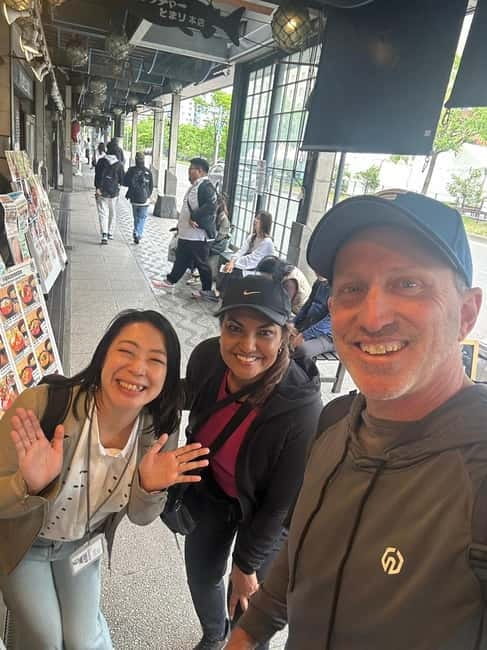
This tour is limited to 8 participants, which is the difference between hearing a story and simply standing near one. When groups are small, guides can adjust pacing and answer questions without rushing you through stops.
The guide experience is a big reason this tour earns strong feedback. Names that come up often include Tom and Iku, both praised for being friendly, engaged, and careful with the group. They also tend to make photo stops smoother, which matters because good angles often require tiny timing shifts.
You’ll hear the stories in English, and the guides are listed as English-speaking as well. In a city like Sapporo, where local context makes a huge difference, that language match is not a small detail.
Value check: does $61 make sense for this mix of food and entry tickets?
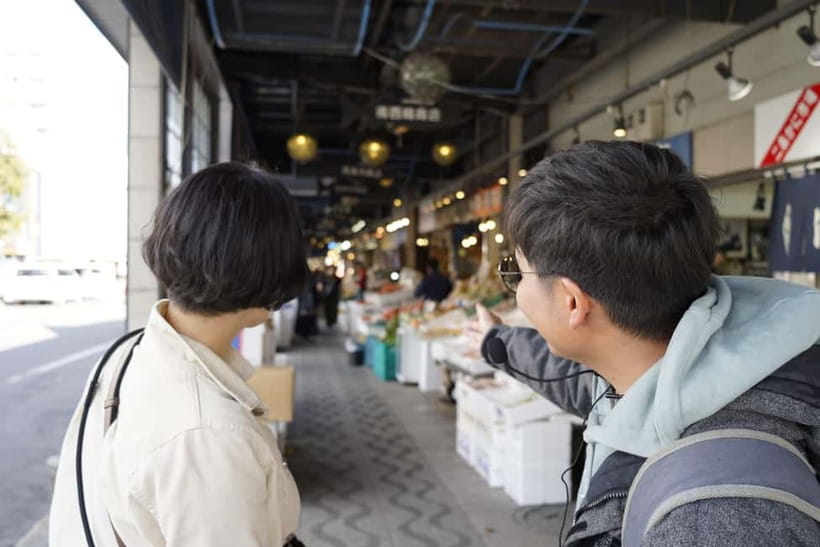
At $61 per person, this tour isn’t trying to be the cheapest way to walk around downtown. Instead, it bundles three things that cost extra if you do them alone: a local guide, Sapporo TV Tower entry, and a fresh lunch at Nijo Market.
It also includes insurance. That’s not the kind of thing you notice day-to-day, but it’s part of why the overall package feels safer and more organized.
What’s not included is transportation and personal expenses. So if you’re coming in from farther away, price the train or taxi into your day. But if you’re already staying near central Sapporo, the logistics cost usually stays manageable, and the tour value becomes easier to justify.
Who should book this tour, and who should skip it
This fits best if you want a short, focused experience with both food and early-city context. If you’re the kind of person who enjoys a market lunch but also likes knowing why the city is shaped the way it is, you’ll be in your element.
It may be a less comfortable choice for people with mobility impairments or wheelchair use, and it is listed as not suitable for pregnant women. It’s also marked as not suitable for vegans and for people with food allergies or a cold. If that describes you, you’ll likely be happier choosing a different kind of tour with a food plan that matches your needs.
If you’re traveling with a stroller, note that baby strollers are not allowed. And please bring closed-toe shoes. Sandals and flip flops are listed as not allowed, which is smart for a walking-focused tour.
Should you book Authentic Sapporo: Nijo Market Seafood Lunch & History Tour?
Yes, if you want a 2.5-hour, small-group Sapporo experience that gives you both a great lunch and clearer city context than you’d get on your own. The combination of Nijo Market seafood, the Sosei River early history walk, and the Hokkaido Jingu Tongu visit makes the tour feel purposeful, not random sightseeing.
I would book it when your schedule is tight and you want strong value from included items like the TV Tower entry. I’d skip it or choose an alternative if seafood allergies are an issue you cannot safely manage, or if you need a fully vegan meal and a more flexible walking pace.
FAQ
Where do I meet the guide?
Meet at the entrance of the Sapporo Clock Tower. Your guide will be holding a board that says KAPPO SAPPORO, and they might have a mic.
How long is the tour?
The duration is 150 minutes.
What is included in the price?
Included are a friendly local English-speaking guide, insurance, entry tickets to the Sapporo TV Tower, and a fresh seafood lunch at a local restaurant in Nijo Market.
What kind of lunch will I get at Nijo Market?
Lunch is seafood. Options are sushi or donburi, served at a local restaurant in Nijo Market.
Can the guide join me during lunch?
The tour info says the tour guide may not join your lunch, depending on how the schedule runs.
Is Sapporo TV Tower entry included?
Yes, entry tickets to the Sapporo TV Tower are included.
How big is the group?
It’s a small group limited to 8 participants.
What should I bring, and what should I avoid?
Bring comfortable shoes, a camera, water, and weather-appropriate clothing. Closed-toe shoes are required, and sandals or flip flops are not allowed.
What are the allergy rules?
Because lunch is seafood, you must inform them if you have any allergies. They may be able to suggest alternative options for allergy prevention.
Is there free cancellation or a pay-later option?
Free cancellation is available up to 24 hours in advance for a full refund. There is also a reserve now, pay later option.
More Markets in Sapporo
- Tokyo Tsukiji Fish Market Food and Culture Walking Tour
★ 5.0 · 3,184 reviews - Tokyo: Tsukiji Fish Market Food and Walking tour
★ 5.0 · 1,724 reviews - Tokyo: Tsukiji Fish Market Guided Walking Tour
★ 4.9 · 1,397 reviews - Nishiki Market Brunch Walking Tour (7 Tastings + Brunch)
★ 5.0 · 1,355 reviews
Newly listed around Sapporo
- From Sapporo: Biei, Furano or Asahikawa Private Day Tour★ 4.9 · 8 reviews
- Sapporo Highlights: Golden Route Morning Guided Walking Tour★ 4.9 · 16 reviews
- Sapporo: The Indigenous Ainu People & Jozankei walking tour★ 4.9 · 25 reviews
- Sapporo Walking Tour★ 4.9 · 17 reviews
- Sapporo Highlights: Golden Route Morning Walking Tour★ 4.5 · 14 reviews
- Popular in SapporoExperience authentic hand-made soba at a real soba shop!★ 5.0 · 77 reviews
- Mondo’s most popular plan! Experience making soba noodles and the king of Japanese cuisine, tempura, in Sapporo!★ 5.0 · 71 reviews
- Hakodate 6hr Private Tour with Government-Licensed Guide★ 5.0 · 17 reviews
Shopping Tours, compared.
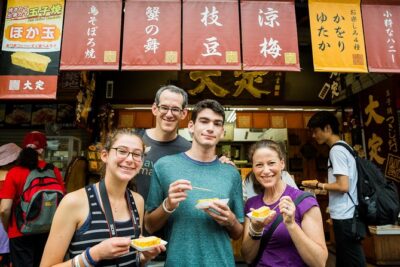
Tokyo Tsukiji Fish Market Food and Culture Walking Tour
Read our review →
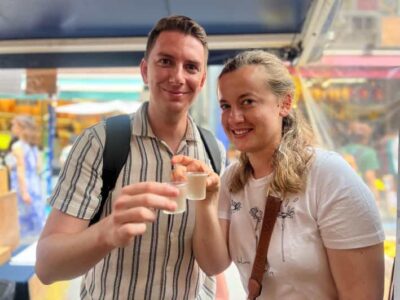
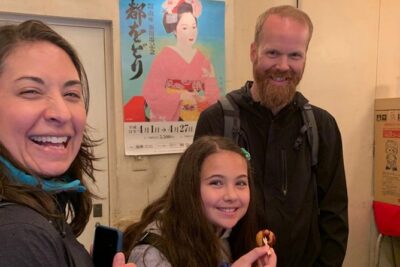
Nishiki Market Brunch Walking Tour (7 Tastings + Brunch)
Read our review →
Tsukiji Fish Market Guided Tour and Sushi Making with Pro Chef
Read our review →Tsukiji Fish Market Food and Culture Walking Tour
Read our review →
Tsukiji Fish Market: Street Food & Culture Walking Tour
Read our review →
Tsukiji Fish Market Small-Group Food Walking Tour
Read our review →Browse the lists this tour appears in