
Review · MATCHA & TEA CEREMONY SESSIONS
World Heritage Kyoto & Nara Uji Authentic Matcha Experience
A great day trip, minus the planning headache. You’ll bounce from Kyoto to World Heritage Nara and then glide into scenic Uji for a hands-on matcha experience.
You’ll love the combo of top sites with just enough breathing room, and the comfort of an air-conditioned coach that keeps the day moving. I especially liked how guides like Den and Nanami were praised for clear explanations and keeping the group on pace without feeling rushed.
The main drawback to weigh is walking. You’ll cover lots of ground, including stairs and hills, and the day can feel long when it is hot, humid, or both.
In This Review
- Key points I’d plan around
- Kyoto to Nara and Uji in one comfortable coach day
- The morning flow at Kasuga Grand Shrine and Nara Park deer
- Todai-ji and the Great Buddha stop you will remember
- Heijo Palace World Heritage context without the extra hassle
- Uji River lunch, set meal choices, and when to pick vegetarian
- Byodo-in’s Phoenix Hall and the iconic photo everyone wants
- Making matcha the traditional way in a 500-year tea shop
- Byodo-in Omotesando, matcha sweets, and low-pressure souvenir time
- Price and value for a packed World Heritage day
- What to wear and how to pace yourself for Nara and Uji
- Should you book this Kyoto to Nara and Uji matcha day?
- FAQ
- What is the duration of the tour?
- Where do I meet the tour, and what time does it start?
- Do I need hotel pick up or drop off?
- Is the matcha making experience included?
- Is admission included for Todai-ji and Byodo-in?
- Is lunch included?
- Are vegetarian meals available?
- Will I have WiFi and guidance on the bus?
- How large is the group?
- What if a site is closed or operations change due to weather or traffic?
- Does the tour involve a lot of walking?
Key points I’d plan around
- Air-conditioned coach with WiFi and multilingual audio, so you spend less time figuring things out
- Todai-ji + Nara Park + Kasuga Taisha in one tight day, with World Heritage context
- Uji matcha making at a historic shop with 500 years of tradition, plus time to taste sweets
- Byodo-in’s Phoenix Hall stop, famous enough to be printed on Japan’s 10 yen coin
- Group size max 38 with an English-speaking guide, which helps you feel looked after
Kyoto to Nara and Uji in one comfortable coach day
This is a full-day coach tour that runs about 8 hours 30 minutes, starting at 7:50 am. You meet at Tully’s Coffee – Kyoto Avanti Japan (Kyoto Avanti, 1st floor) and the tour ends back at the same spot, so you are not hunting for trains at the end of a long day.
The practical win is the bus. You travel in an air-conditioned vehicle with WiFi on board and multilingual audio guidance in English, Spanish, French, Italian, German, Portuguese, and Ukrainian. That means you can focus on the sights, not your phone battery or trying to decode bus routes.
And because the group is capped at 38 travelers, you typically get enough structure to find the right place, especially at busy temples and shrine entrances. Many guides featured in past groups, including Yuta, At-chan, and Mai, were praised for communication and keeping everyone moving smoothly.
More History Tours in Nara
- Nara: Half-Day UNESCO Heritage & Local Culture Walking Tour
★ 4.8 · 250 reviews - Nara: Bike Tour in Ancient Capital UNESCO World Heritage
★ 5.0 · 43 reviews - Kyoto/Osaka: Kyoto and Nara Sites & History Day Trip
★ 4.5 · 32 reviews
The morning flow at Kasuga Grand Shrine and Nara Park deer
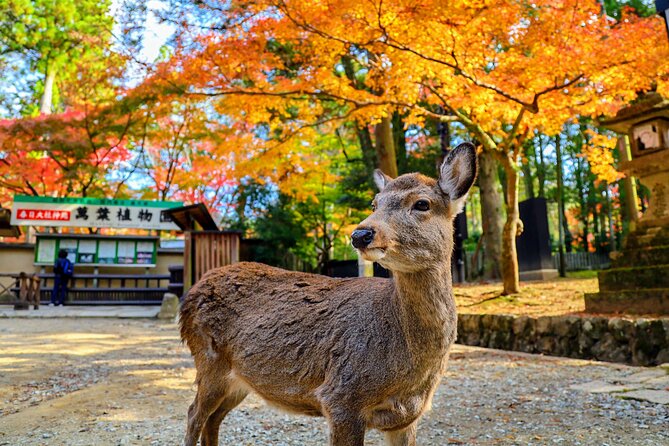
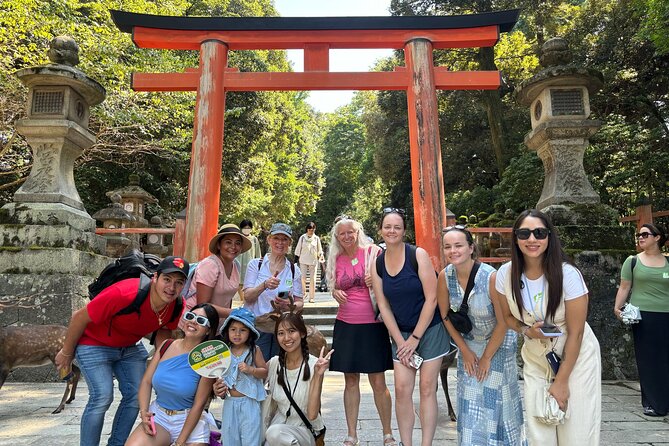
You start in Nara with Kasuga Grand Shrine, Nara’s celebrated shrine. It is a focused stop, around 30 minutes, and the goal here is simple: take in the sacred atmosphere and learn the basics from your guide before the crowds and deer steal your attention.
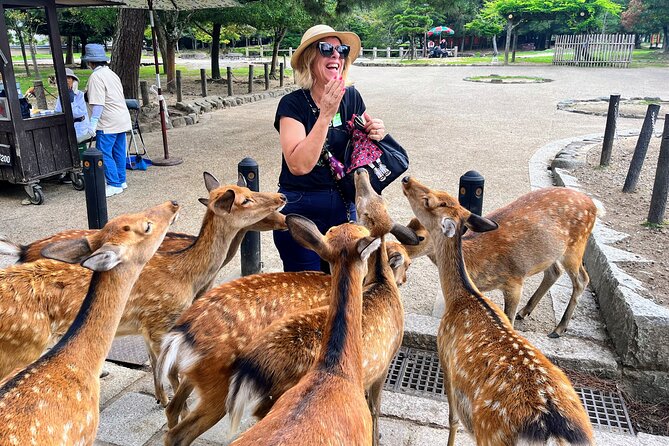
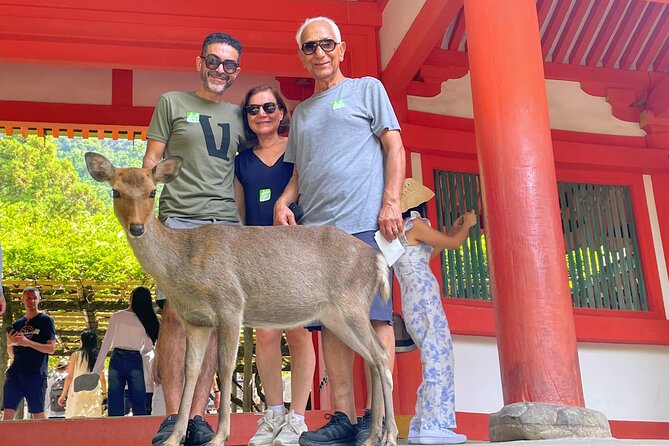
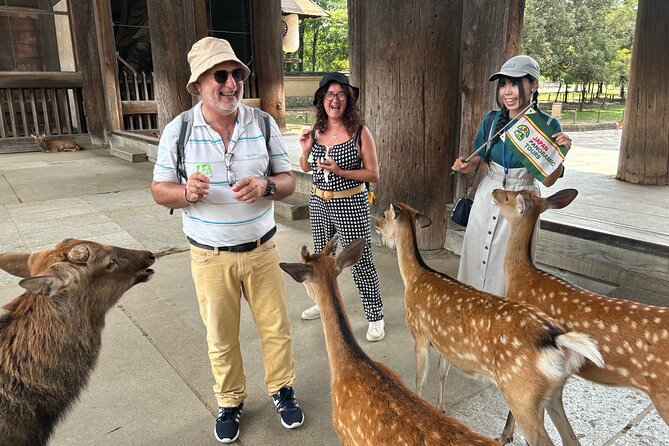
Then you head straight into Nara Park, where people do not just see deer. They experience deer life, close up. Your stop is also about 30 minutes, and that is usually enough time to enjoy photos and watch the deer wander calmly through the area.
A small tip that matters: deer can be bold when you have deer crackers. One review advice was to bring a few yen to buy crackers on site if you want that classic bowing moment. If you feed, keep your hand movements slow and do not ignore the animals coming toward you, even when they look friendly.
You also get a quick, short photo stop at Nandaimon (Great South Gate). It is brief, around 5 minutes, but it gives you that classic gateway view that anchors the Nara feeling before you move on to the big-ticket temple.
Todai-ji and the Great Buddha stop you will remember
Next is Todai-ji Temple, with admission included. You get about 40 minutes, which is enough time to walk the main areas, look up at the scale, and still have time to pause for photos.
Todai-ji is one of the world’s largest wooden buildings, and that size hits you in the body, not just the mind. Your guide’s job is to translate what you are seeing, so even if you are not a temple expert, you can understand why this place matters in Nara and beyond.
One thing to plan for: timing. Because the day is packed, you will not be able to wander at a relaxed pace for hours. This is a “see it, learn it, move on” style tour, and it is why a guide helps so much.
Also, wear shoes you trust. The tour includes walking and some stair and hill sections across stops, and Todai-ji is the kind of place where a slow stumble can turn into a bad moment fast.
Heijo Palace World Heritage context without the extra hassle
Between the Nara highlights, the tour includes the palace site as part of the World Heritage Sites of Nara story. Even if you do not spend a long stretch here, this matters because it explains the bigger picture of Nara as a political and cultural center, not just a temple-and-deer day.
You also pass Heijo Palace (and Fushimi Castle) on the way out from Kyoto. That means you are not only moving geographically, you are also stacking context while the bus is rolling.
If you like your history light but accurate, this “context on the move” approach works well. It keeps the day efficient, and it makes Todai-ji and the shrines feel less random when you connect them to the city’s historic role.
More Tea ceremonies in Nara:
- Nara:Authentic Tea Ceremony(Max 5 ppl) -Master Matcha Making
★ 5.0 · 119 reviews - Nara:5 Type of Tea Tasting & Mindful Tea Ceremony
★ 5.0 · 28 reviews - Kyoto: Tea Ceremony in a Traditional Tea House in Kiyomizu
★ 4.9 · 3,519 reviews - Kyoto: Tea Ceremony Ju-An at Jotokuji Temple
★ 4.9 · 3,207 reviews
Uji River lunch, set meal choices, and when to pick vegetarian
After Nara, you head into Uji, a quieter setting that feels made for a slower stroll. If you select the Japanese-style lunch, you get about 50 minutes, and it is eaten at a restaurant along the Uji River.
Two practical points to consider. First, you need to tell the operator about a vegetarian meal at booking, and the service notes say vegetarian arrangements can be made up to 2 days before the tour date. Second, last-minute bookings may receive a regular meal.
The lunch stop is one of the best places to recharge. You are not just filling your stomach, you are resetting for matcha time. In past experiences, many people recommended choosing the lunch as part of the value, because it fits the day and avoids decision fatigue.
If you skip lunch, you still get the rest of Uji. But if you are trying to see everything without extra lines and extra planning, selecting lunch is the simpler play.
Byodo-in’s Phoenix Hall and the iconic photo everyone wants
Then comes Byodoin Temple, another World Heritage highlight. Your stop is around 40 minutes, and admission is included.
Why this one is famous: the Phoenix Hall is depicted on Japan’s 10 yen coin. You do not need a finance background to recognize it. The building is designed to be visually dramatic, and it is the kind of view that turns your camera roll into proof you were there.
Your guide helps you understand what you are seeing and how the temple fits into Uji’s reputation as a tea town. One review noted how the Phoenix Hall connection made the visit feel meaningful, even with limited time.
Practical tip: go easy on the speed. If you rush here, you miss the whole point. Slow down for the main views, then use your remaining time to walk and soak in the temple layout before you head to the nearby street area.
Making matcha the traditional way in a 500-year tea shop
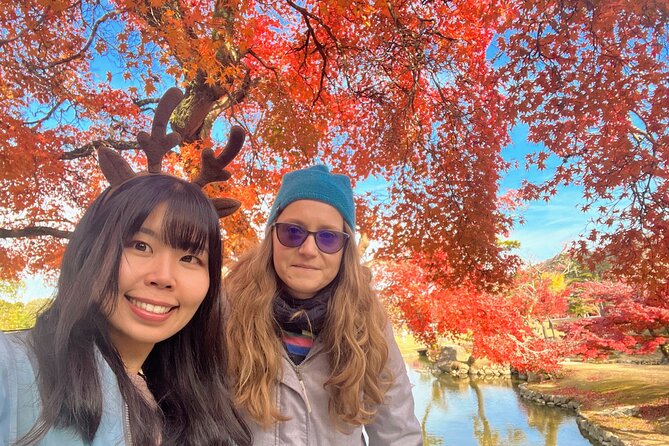
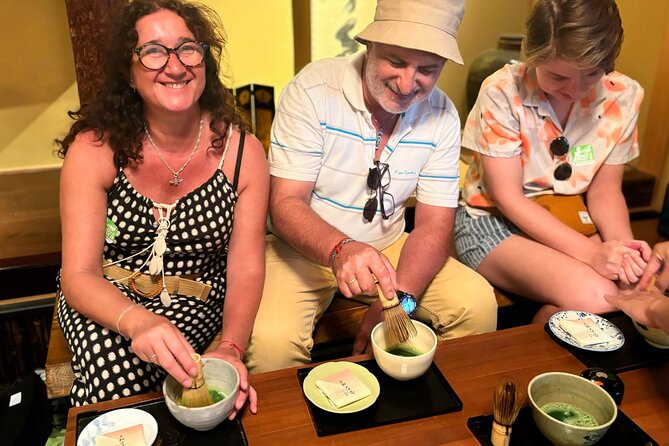
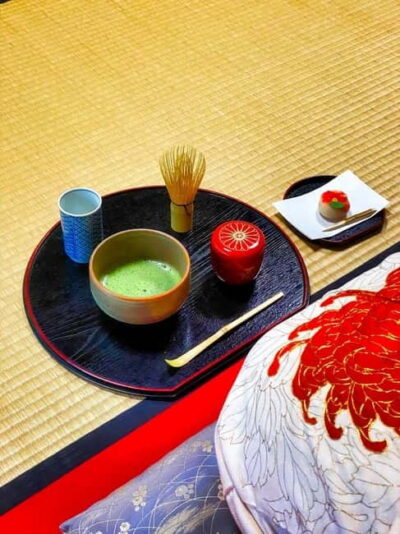
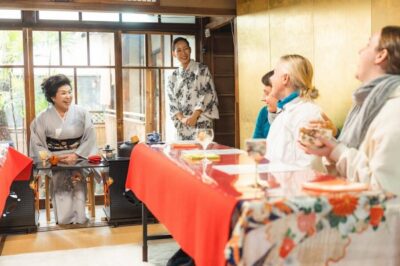
This is the heart of the Uji portion. You get a matcha-making experience at a historic tea shop with over 500 years of tradition. The session is about 30 minutes, and you prepare your own bowl of matcha and learn the proper way to drink it.
This is where the tour becomes more than a sightseeing checklist. The hands-on format means you leave with muscle memory, not just photos. You’ll also get a basic sense of how matcha differs from sweet powdered drinks, because you are tasting it in the intended ritual setting.
One review highlight was that guides and the shop staff made the process fun, with clear directions and plenty of engagement. People also singled out how matcha tasted better after making it yourself, because you understand the steps and what to pay attention to.
A good way to prepare: keep your expectations realistic. This is not a multi-hour tea school, it is a structured 30-minute workshop. You will learn the essentials, make matcha, then move on to the tasting and walking portions.
Byodo-in Omotesando, matcha sweets, and low-pressure souvenir time
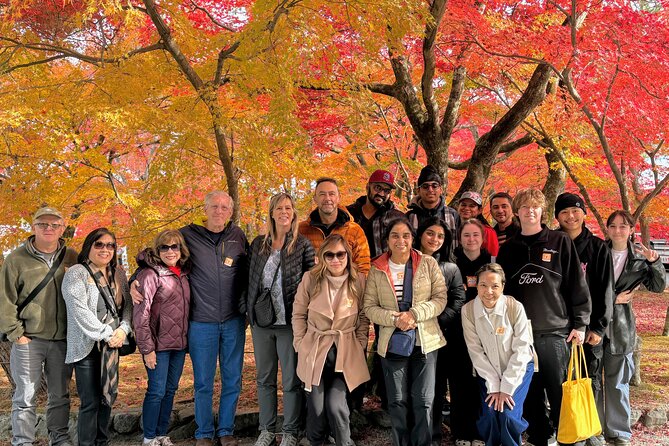
After Byodoin, you take a short stroll around Byodo-in Omotesando for about 30 minutes. The focus is simple: walk the street and taste matcha sweets.
This is also your practical shopping window. You are not forced to buy anything. But you can sample what looks good, compare flavors, and pick up small gifts without trying to navigate Uji while hungry and tired.
If you prefer a calm souvenir hunt over a frantic one, this timing works. You get a chunk of freedom after structured guided time, which is exactly the balance people praised in multiple past tours with guides like Ciel, Sakura, and Harry.
Price and value for a packed World Heritage day
At $129.25 per person for roughly 8.5 hours, the value depends on what you would otherwise do on your own.
If you plan to DIY Nara and Uji from Kyoto, you would be juggling train schedules, transfers, ticket lines, and the time cost of getting everyone to the same places. This tour reduces those headaches with a coach that handles travel between sites and includes key admissions like Todai-ji and Byodoin.
You also get a guide in English, plus multilingual audio. That matters more than it sounds, because temple and shrine architecture has details that are easy to miss if you only skim a guidebook.
Then there is the matcha workshop and the optional lunch along the Uji River. Since the matcha session is a core included activity, you are not paying for a token tea stop. You are paying for the part where you make and taste the tea in a traditional setup.
For me, this price makes sense if you want a high-coverage day and you like learning while you travel. If you would rather go slow, explore at your own pace, and spend extra time at a single site, then the tour style might feel a bit scheduled.
What to wear and how to pace yourself for Nara and Uji
This tour is not just a sit-and-look day. The notes are clear: you will walk, including stairs and hills at locations.
So, pack for feet. Sneakers or supportive walking shoes are your friend. Bring water. If the weather turns muggy, take advantage of the short breaks in between stops, because those minutes add up.
Also pay attention to timing expectations. Late arrivals are not accommodated, and joining partway through is not feasible. This is one of those tours where you should treat the meeting time like a flight departure.
One small strategy: at each stop, pick one or two must-do moments, then use the rest of the time for wandering. That prevents the classic problem of trying to see everything at once and ending the day with no clear memories.
Should you book this Kyoto to Nara and Uji matcha day?
I think this tour is a strong choice if you want an efficient, high-impact day that still includes hands-on culture.
Book it if you:
- Want World Heritage Nara highlights plus Uji matcha in one trip
- Like having an English-speaking guide to explain what you are seeing
- Prefer air-conditioned transport and a planned flow over DIY logistics
- Appreciate a workshop where you actively make and taste something
Skip it or consider alternatives if you:
- Have trouble with longer walking days, stairs, and hills
- Want lots of quiet time with no schedule pressure
- Prefer to choose your own meals and pacing without a fixed lunch window
If you do book, I’d especially note the tour’s recurring praise for guides like Den, Nanami, Yuta, At-chan, Mai, Ciel, and Sakura. That pattern tells me the real quality lever here is the human part, not just the bus route. And when the guides keep the day smooth, the whole experience feels worth it.
FAQ
What is the duration of the tour?
The tour runs about 8 hours 30 minutes (approx.).
Where do I meet the tour, and what time does it start?
You meet at Tully’s Coffee – Kyoto Avanti Japan, and the start time is 7:50 am.
Do I need hotel pick up or drop off?
No. Hotel pick up and drop off are not included, and the tour ends back at the meeting point.
Is the matcha making experience included?
Yes. The Uji matcha making experience is included, and you will prepare your own bowl of matcha and learn how to drink it traditionally.
Is admission included for Todai-ji and Byodo-in?
Yes. Admission is included for Todai-ji Temple and Byodoin Temple.
Is lunch included?
Lunch is included only if you select it. If selected, you’ll have a traditional Japanese set meal at a restaurant along the Uji River.
Are vegetarian meals available?
Vegetarian options are available, and vegetarian meal arrangements can be made up to 2 days before the tour date. Last-minute bookings may receive a regular meal.
Will I have WiFi and guidance on the bus?
Yes. There is WiFi on board, and multilingual audio guidance is available (English, Spanish, French, Italian, German, Portuguese, Ukrainian).
How large is the group?
The tour has a maximum of 38 travelers.
What if a site is closed or operations change due to weather or traffic?
If a visiting place is closed, the tour will try to attend an alternative place. The tour may also adjust due to weather, traffic, or operation, and you will not receive refunds for changes, but you may be given an alternative or a gift as compensation depending on the situation.
Does the tour involve a lot of walking?
Yes. The tour includes walking, including stairs and hills at each location, so moderate physical fitness is recommended.
More Historical Tours in Nara
- Nara: UNESCO Heritage Sites & Deer Park Tour with Pro guide
★ 4.5 · 10 reviews - World Heritage Shirakawa-go and Experience Tours from Kanazawa
★ 5.0 · 4,049 reviews - Kanazawa: World Heritage Shirakawa-go Morning Guided Tour
★ 4.9 · 988 reviews - Tokyo: Imperial Palace Japanese History Walking Tour
★ 4.9 · 987 reviews
Newly listed around Nara
- Todaiji Temple, Kasuga Shrine and Nara Park Guided Full Tour★ 5.0 · 13 reviews
- Nara:5 Type of Tea Tasting & Mindful Tea Ceremony★ 5.0 · 28 reviews
- Nara:Authentic Tea Ceremony(Max 5 ppl) -Master Matcha Making★ 5.0 · 119 reviews
- Nara: UNESCO Heritage Sites & Deer Park Tour with Pro guide★ 4.5 · 10 reviews
- Nara: Todai-ji y parque de Nara (Spanish Guide)★ 5.0 · 16 reviews
- Nara: Sake Tasting Tour at the Birthplace of Japanese Sake★ 4.9 · 8 reviews
- Nara: Private City Tour With A Local Guide★ 4.2 · 8 reviews
- Nara: Private Tour with Private Guide★ 4.8 · 66 reviews
Matcha & Tea Ceremony Sessions, compared.
Tea Ceremony in a Traditional Tea House in Kiyomizu
Read our review →
Browse the lists this tour appears in