Review · FISH MARKET WALKS
Tokyo: Tsukiji Fish Market Food and Culture Walking Tour
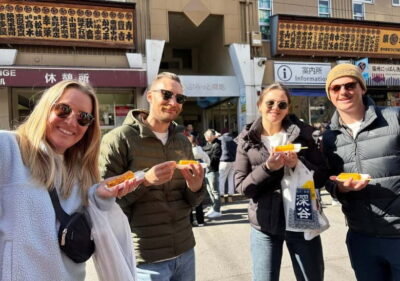
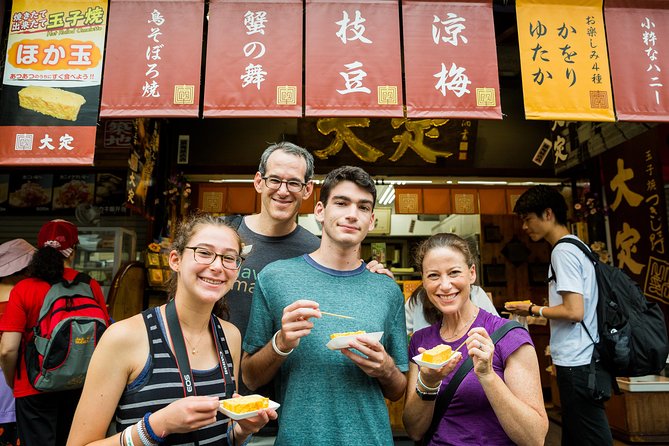
Tokyo smells like breakfast at Tsukiji. This 3-hour Tsukiji Fish Market food and culture walking tour takes you through the outer market maze with a local guide, linking what you eat to how Tokyo’s food scene really works. You get structured tastings plus practical tips for navigating stalls that can feel overwhelming on your own.
I especially love two things: the chance to sample high-grade wagyu beef skewers from the vendors who know what they’re doing, and the way the guide connects each bite to Japanese food culture and market history. You’ll also finish with a satisfying seafood bowl or sushi stop (depending on the day), which makes the whole experience feel complete.
One consideration: this is moderate walking and it is not suitable for mobility impairments or wheelchair users. If you’re hoping for a fully seated, slow-paced tour, this one will feel like work.
In This Review
- Key things that make this Tsukiji tour worth your time
- Tsukiji Outer Market only makes sense with local help
- Starting at Tsukiji Hongan-ji Temple, then walking into the market
- The core experience: tastings in the outer market maze
- Wagyu skewers, tamagoyaki-style omelet, and fruit you actually want to finish
- Sushi or a seafood bowl at the end: what to look for
- Crowds, rain, and timing: how to plan your morning
- Price and value: what $96 buys you in real terms
- Who this Tsukiji food and culture walk suits best
- Should you book this Tsukiji Fish Market food and culture tour?
- FAQ
- Where does the tour start?
- How long is the Tsukiji Outer Market food and culture tour?
- What foods are included?
- What happens on Wednesdays and Sundays?
- Is the tour vegetarian or gluten-free friendly?
- What should I bring for the tour?
- Is the guide English-speaking, and is there any age rule for drinks?
- Is cancellation free if plans change?
Key things that make this Tsukiji tour worth your time
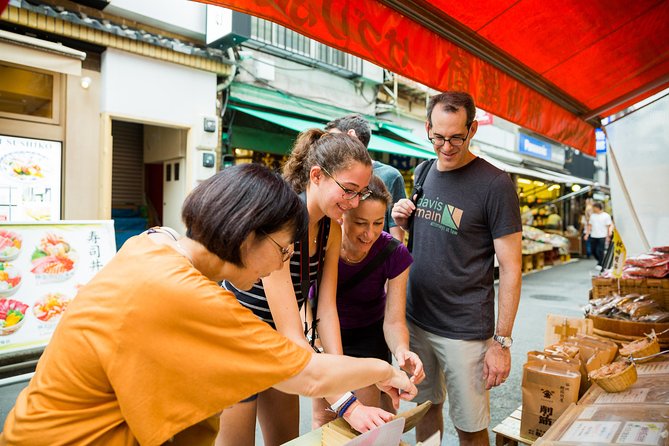
- Small-group size (2 to 8 people) means you get more attention and easier conversations with the guide.
- Wagyu skewers and end-stop sushi or a seafood bowl are built into the experience, not left to guesswork.
- You start at Tsukiji Hongan-ji Temple, then move into the outer market, so the food comes with context.
- Many guides bring extra “how to” moments, like shrine etiquette or a quick cleansing-style ritual depending on timing.
- Day-of-week rules affect the menu, especially for omelet, fish cake, and fruits on closed market days.
Tsukiji Outer Market only makes sense with local help
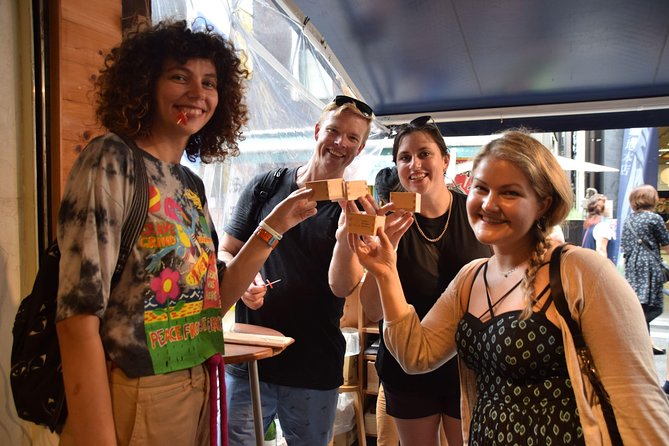
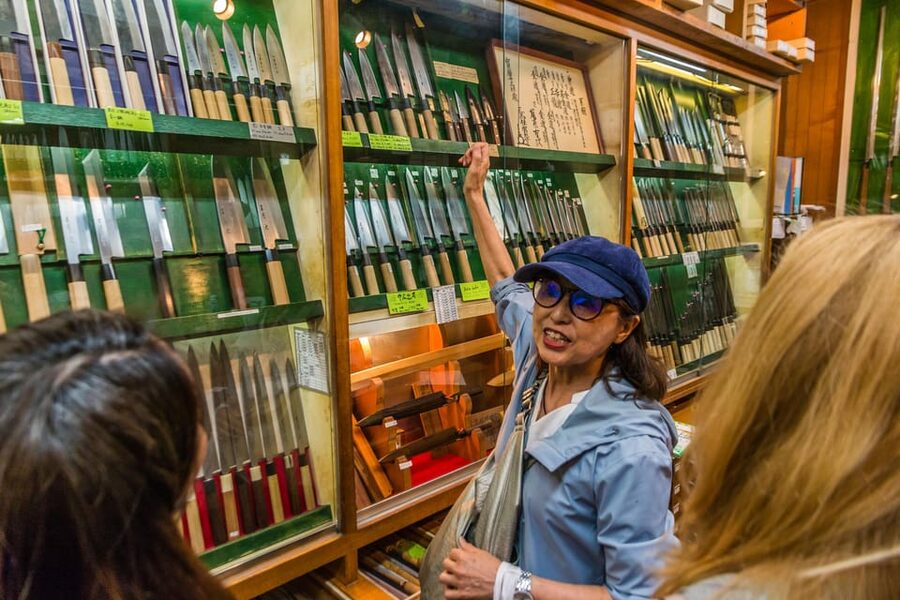
Tsukiji can look like a food theme park from the outside. Up close, it’s a working market full of tight lanes, strong smells, and vendors who move fast. A guide helps you choose the right stalls, pace the tastings, and learn what matters without turning it into a frantic scavenger hunt.
The value here is not just that you eat a lot. You also get the story behind why certain foods are sold in certain ways, and how chefs treat the market as a daily ingredient source. That context changes how you taste. Suddenly, the fruit isn’t just sweet, and the fish cake isn’t just snack food. It’s part of a broader food culture.
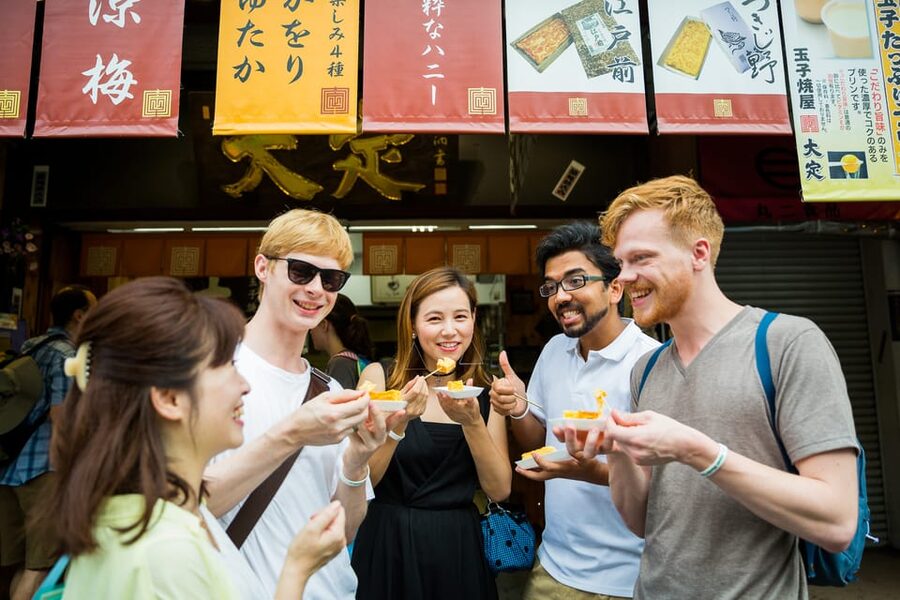
And yes, the food is the main event. You’re set up for high-grade wagyu beef skewers, seasonal fruit, tamagoyaki-style Japanese omelet, fried fish cake, and either a fresh fish bowl or sushi at the end (depending on the day). The tour is built around variety, from finger foods to small delicacies.
More Food Tours in Tokyo
- Tokyo: Shinjuku Food Tour (13 Dishes at 4 Local Eateries)
★ 5.0 · 6,603 reviews - Tokyo Tsukiji Fish Market Food and Culture Walking Tour
★ 5.0 · 3,184 reviews - Tokyo: Shinjuku Food Tour (15 Dishes and 4 Eateries)
★ 4.9 · 2,033 reviews
Starting at Tsukiji Hongan-ji Temple, then walking into the market
You meet your guide at the main gate of Tsukiji Hongan-ji Temple. From there, the experience is less about a supermarket-like route and more about getting your bearings in a neighborhood that evolved around food trade.
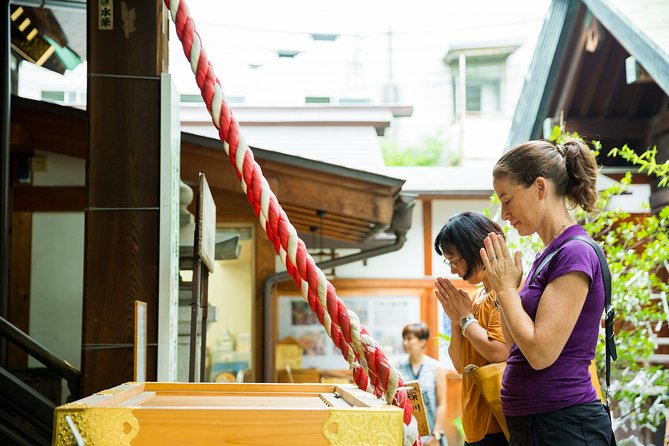
This matters because Tsukiji is not just a place to eat. It is part of the daily rhythm of Japanese food. Guides often set the tone right away by explaining local customs and how to behave around religious spaces. In at least one example from the available feedback, the group also had a brief chance for shrine etiquette and a cleansing-style moment before heading out. That kind of start makes you feel respectful and oriented, not like you’re barging into someone else’s workday.
Logistics-wise, you should dress for walking and be ready for crowds. Even with a small group, the area can get busy, especially earlier in the morning. Comfortable shoes are not optional.
The core experience: tastings in the outer market maze
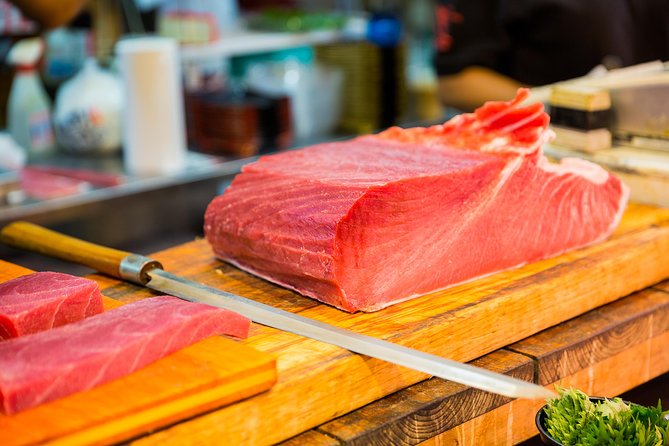
Once you’re in the outer market, the tour becomes a sequence of short walks and frequent tasting stops. Expect to see stalls selling fish, shellfish, and everything around them, including prepared snacks you can eat while walking.
What I like about this approach is pacing. You’re not dropped into a free-for-all and told to fend for yourself. The guide keeps the flow moving, so you get multiple bites without burning your energy or missing the good stuff.
You’ll typically sample:
- Wagyu beef skewers (high-grade meat sold at market stalls)
- Japanese omelet (served as part of the menu on open days)
- Fried fish cake
- Seasonal fruit
- Other samples along the way, depending on what’s available
The menu is not vegan, not vegetarian, and it is not halal or gluten-free friendly. That’s clearly stated, and it’s important. If dietary needs are central for you, this tour may not be the right fit. The tour simply isn’t set up for substitutions.
Also, there’s a practical reality here. The market includes seafood, and the experience is built around tasting real items from vendors. If you’re squeamish about raw or seafood smells, plan your expectations accordingly.
Wagyu skewers, tamagoyaki-style omelet, and fruit you actually want to finish
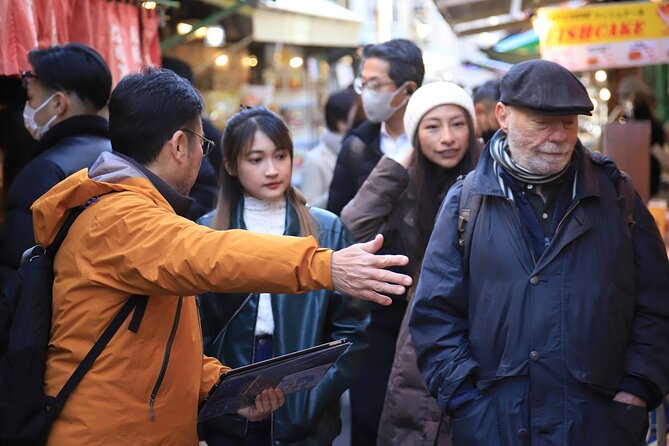
The outer market stops focus on classic Tokyo bites that make sense in a crowd. You get foods that are designed for quick tasting, not long meals. That is perfect for jet lag day or a first Tokyo morning because it gives you a hit of local flavor without requiring a full sit-down commitment.
The wagyu skewers are usually the standout. People consistently react strongly to that first bite, because wagyu has a particular texture and richness. It’s not just about being expensive. In a market setting, you’re getting it in a form that’s meant for eating right now, not as a formal plated dish.
Next up, the Japanese omelet and fried fish cake round out the mix. These are great because they balance the richness of meat and the intensity of seafood with comforting, savory flavors. Seasonal fruit is also a smart move in this context. It gives your palate a reset between stronger bites.
One day-of-week wrinkle: on Wednesdays, Sundays, and other closed market days, omelet, fish cake, and fruits cannot be served because shop hours change when market operations are down. That doesn’t mean the tour is useless. It just means the menu will shift, and you’ll want to be okay with that adjustment.
More Market Tours in Tokyo
- Tokyo: Tsukiji Fish Market Food and Walking tour
★ 5.0 · 1,724 reviews - Tokyo: Tsukiji Fish Market Guided Walking Tour
★ 4.9 · 1,397 reviews - Tsukiji Fish Market Guided Tour and Sushi Making with Pro Chef
★ 5.0 · 775 reviews - Tsukiji Fish Market: Street Food & Culture Walking Tour
★ 5.0 · 669 reviews
Sushi or a seafood bowl at the end: what to look for
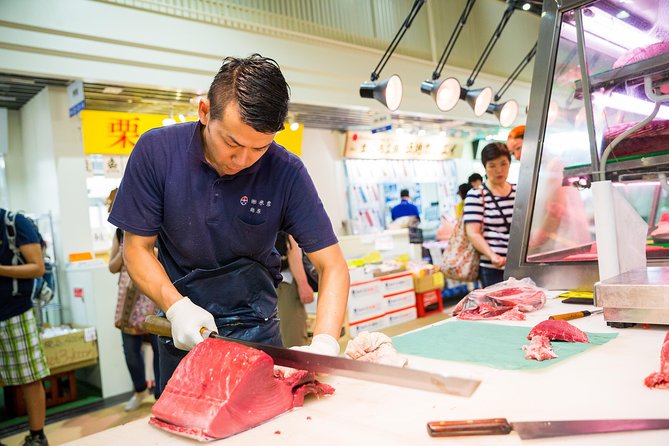
You wrap up with a serving of either sushi or a fish bowl depending on the day. This ending stop is important because it gives you something filling after snack mode.
Some of the available feedback also points to a chef-style moment where a sushi professional may demonstrate fish prep, such as cutting and preparing fish for a sashimi-style bowl. That can make the final meal feel like a mini lesson instead of a simple ticket to lunch.
If you’re food-focused, this ending is where you learn to see the market’s output as real culinary input. Earlier tastings show variety. The final course shows quality and technique, in a form you can take home in your memory.
Crowds, rain, and timing: how to plan your morning
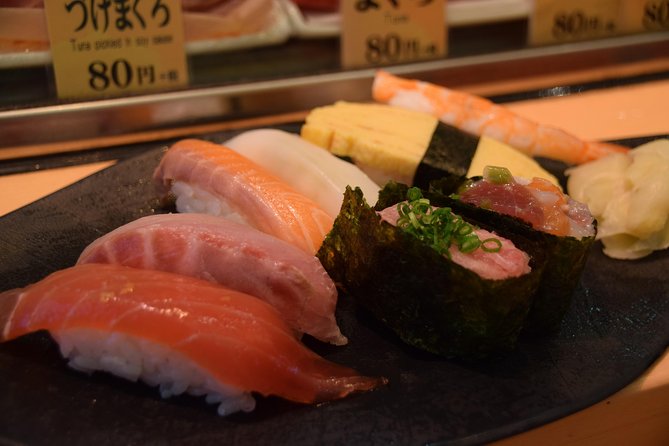
Crowds are part of Tsukiji. Even with a guide, you’re walking through an active area with lots of people, lots of signage, and lots of sensory overload. This is where the small group size helps. With 2 to 8 people, the guide can keep the group from stretching out too far and can respond when you have a question.
Weather also matters. You’ll be outside much of the time. If it rains, umbrellas can crowd the lanes and make it harder to hear. That’s not a reason to skip the tour. It is a reason to plan like a local: wear a light rain layer, keep your phone sheltered, and expect to rely a bit more on visual cues than on perfect audio.
If you want the market feel with less chaos, consider going on days that are not crowded and outside major peaks. One of the provided comments recommended mid-week timing for crowd comfort, and that lines up with how markets tend to behave.
Price and value: what $96 buys you in real terms
At $96 per person for about 3 hours, you’re paying for three things:
- Guided navigation through a dense market with many stalls
- A structured tasting menu including wagyu skewers, Japanese omelet, fried fish cake, seasonal fruit, and an end-stop fish bowl or sushi
- Local context that helps you understand what you’re eating and why chefs care about this place
Is it a bargain? Not really in the way street food can be cheap. But it is good value for a short, high-impact culinary experience. You’re not paying just to eat. You’re paying to reduce risk and confusion. In a place like Tsukiji, one wrong stall can mean bland food, tourist traps, or long lines with no payoff. This tour is designed to steer you toward higher quality and better variety.
Also, since the tastings are built in, you don’t have to constantly calculate what you’re getting or how much you’ve spent. That’s a big stress reducer on a holiday or your first day in Tokyo.
Alcohol is not included in the stated menu, but the minimum drinking age is 20 if you do choose to buy drinks at vendors. Keep that in mind so nothing slows you down at the tastings.
Who this Tsukiji food and culture walk suits best
This tour is ideal if you:
- Want a first-timer friendly introduction to Tokyo food culture
- Love markets and want to taste multiple items without planning each stop yourself
- Prefer a small group with a live English guide
- Enjoy learning as you eat, especially history and culinary context
It is less ideal if you:
- Need vegetarian, vegan, halal, or gluten-free options (these are not accommodated)
- Have mobility limitations or require wheelchair-friendly routes
- Want a very quiet, slow walking pace
The experience is also a strong fit for couples and friends who want a shared foodie itinerary. Even solo travelers can enjoy it because the guide handles vendor ordering and pacing, so you’re not stuck at stalls with limited language ability.
Should you book this Tsukiji Fish Market food and culture tour?
If Tsukiji is on your Tokyo hit list, I think booking is smart, especially if it’s your first visit. You’re getting a guided path, built-in tastings, and a finish with sushi or a seafood bowl. The wagyu skewers and the market food culture context are the kind of combination that pays off quickly.
I’d book it if you’re comfortable with walking, you eat seafood and meat, and you’re okay with the menu changing on closed market days. If you’re traveling with strict dietary restrictions or you need wheelchair access, look for a different tour style that matches your needs.
My bottom line: this is a practical way to eat your way through the outer market and come away understanding why Tokyo treats Tsukiji as a daily ingredient source, not just a sightseeing stop.
FAQ
Where does the tour start?
Meet your guide at the main gate of Tsukiji Hongan-ji Temple.
How long is the Tsukiji Outer Market food and culture tour?
The tour lasts 3 hours.
What foods are included?
The included menu covers high-grade wagyu beef skewers, fresh fish bowl or sushi depending on the day, Japanese omelet, seasonal fruits, and fried fish cake.
What happens on Wednesdays and Sundays?
The fish market (Uogashi wholesaler market) is closed on Wednesdays, Sundays, and other closed market days. On those days, Japanese omelet, fish cake, and fruits cannot be served because the shops are closed.
Is the tour vegetarian or gluten-free friendly?
No. The tour does not accommodate vegetarian, halal, or gluten-free requests.
What should I bring for the tour?
Bring comfortable shoes and comfortable clothes, plus a camera if you want photos.
Is the guide English-speaking, and is there any age rule for drinks?
The tour includes a live English guide. The minimum drinking age is 20.
Is cancellation free if plans change?
Yes. You can cancel up to 24 hours in advance for a full refund.
More Shopping Tours in Tokyo
- Tokyo Tsukiji Fish Market Tour and Sushi Making Lesson
★ 5.0 · 390 reviews - Tsukiji Fish Market: Street Food & Culture Walking Tour
★ 4.8 · 259 reviews - Tokyo Washoku 4-hour Cooking Class: From Market to Table
★ 5.0 · 253 reviews - Private Toyosu & Tsukiji Market Adventure with Tuna Auction
★ 4.8 · 191 reviews
More Market Walks in Tokyo
- Tokyo Sushi Making Class in Tsukiji with Professional Chef
★ 5.0 · 1,177 reviews - Tsukiji Fish Market Small-Group Food Walking Tour
★ 5.0 · 621 reviews - Tokyo: Tsukiji Fish Market Sushi Making Class with Pro Chef
★ 4.9 · 506 reviews - Tokyo Food Tour Taste Fresh Delights at Tsukiji Market
★ 5.0 · 429 reviews
Newly listed around Tokyo
- Tokyo private transfer for Yokohama Port★ 4.5 · 63 reviews
- Luxury Kimono Photoshoot at Ginza Tokyo★ 5.0 · 7 reviews
- Tokyo Allstar Food Tour★ 4.5 · 206 reviews
- Tokyo: Best Ginza Food Tour at 3 Local Eateries★ 5.0 · 83 reviews
- Private One Day Nikko Tour with Bilingual driver★ 3.5 · 11 reviews
- Tokyo Art Aquarium Museum E-Ticket with optional Tokyo Metro Pass★ 5.0 · 17 reviews
- PRIVATE tour in 180SX to Daikoku+++++★ 5.0 · 6 reviews
- Kabuki Talk★ 5.0 · 10 reviews
Fish Market Walks, compared.
Tokyo Tsukiji Fish Market Food and Culture Walking Tour
Read our review →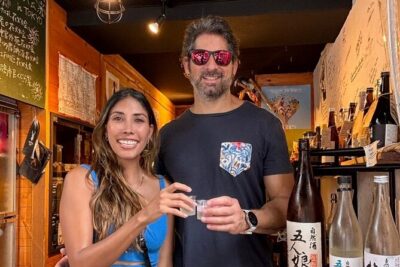
Nishiki Market Brunch Walking Tour (7 Tastings + Brunch)
Read our review →
Tokyo Sushi Making Class in Tsukiji with Professional Chef
Read our review →
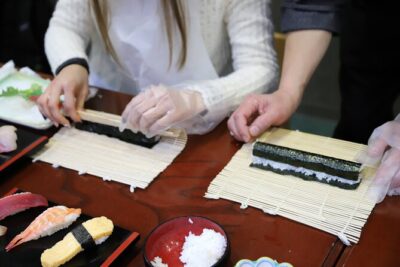
Tsukiji Fish Market Guided Tour and Sushi Making with Pro Chef
Read our review →