Review · TOKYO TOURS
Chichibu’s Weaving Story: A Journey of Tradition and Festival
Chichibu has a silk pulse you can feel. This 3-hour tour strings together Chichibu’s Meisen tradition, the Night Festival float culture, and a walk up to Chichibu Shrine. It is a tight, satisfying morning that helps you understand why this Saitama town earned nicknames tied to silk and the local matsuri.
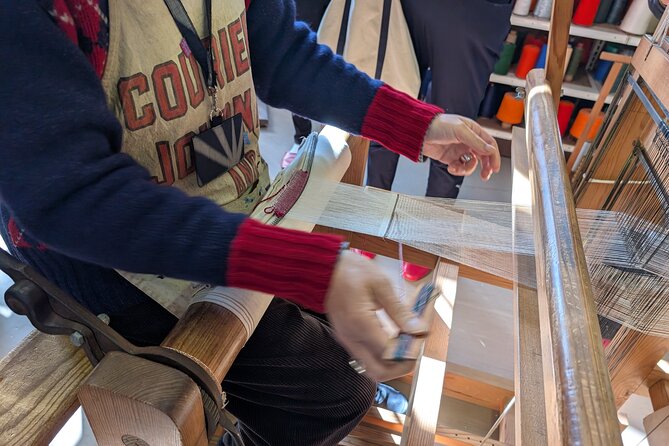
I especially like the hands-on coaster-making using a loom, because it turns museum viewing into something your hands remember. I also like the museum mix, from Chichibu Meisen Silk Center to the Chichibu Festival Museum, where float culture is explained clearly and shown with year-round displays.
One thing to consider is that you are mostly moving through indoor exhibits and guided streets rather than seeing the full Night Festival at full outdoor scale, so plan to use this as context and inspiration for the festival itself.
In This Review
- Key highlights to look for
- Why this Chichibu silk-and-festival mix works so well
- First stop: Chichibu Meisen Silk Center and the hands-on coaster
- The Festival Museum: understanding yatai floats away from the crowds
- Walking the Meisen wholesaler streets: reading Chichibu like a story map
- Chichibu Furusato-kan: storehouses that explain where the trade lived
- Banba Street to Chichibu Shrine: the approach matters
- Chichibu Shrine: 2,100 years of carved meaning
- What the price gets you, and if it’s good value
- Best fit: who will enjoy this most
- A few practical tips so you enjoy it more
- Should you book Chichibu’s Weaving Story?
- FAQ
- How long is Chichibu’s Weaving Story tour?
- What time does the tour start, and where does it finish?
- What does the tour price include?
- Is there anything I pay separately for at Chichibu Shrine?
- Is this tour in a small group?
- Is it easy to reach the meeting point with public transportation?
- Do I get a ticket I can use on my phone?
- Is cancellation free, and how late can I cancel?
Key highlights to look for
- Live silk-spinning demonstrations that show how threads become cloth
- Hands-on coaster-making workshop with loom-style weaving
- Walk to Chichibu Shrine via Banba Street, with old and newer buildings side by side
- Chichibu Festival Museum displays of yatai floats and kasaboko, shown year-round
- Meisen wholesaler streets and storehouses that explain how silk trade shaped the town
Why this Chichibu silk-and-festival mix works so well
If you like travel days where you learn, but you also do something with your hands, this fits nicely. Chichibu is known for sericulture and silk weaving, and the story does not stay abstract. You connect that silk work to how the town celebrated merchants and community during the Night Festival, which has run for more than 300 years.
The tour is timed as a morning experience. Starting at 9:30 am, you get a compact itinerary that still covers several “layers” of the same theme: the craft, the people who profited from it, and the place where festival meaning gathered. With a group capped at 5 travelers, the pace tends to feel unhurried and question-friendly.
A few more Tokyo days to weigh up
- Mt Fuji and Hakone 1-Day Bus Tour Return by Bullet Train
★ 5.0 · 26,383 reviews - 1-Day Tokyo Bus Tour
★ 5.0 · 14,250 reviews - Tokyo: TOKYO SKYTREE® Admission ticket
★ 4.5 · 11,192 reviews
First stop: Chichibu Meisen Silk Center and the hands-on coaster
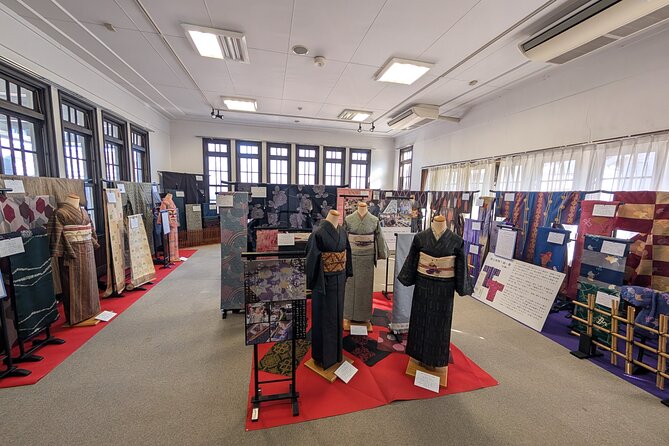
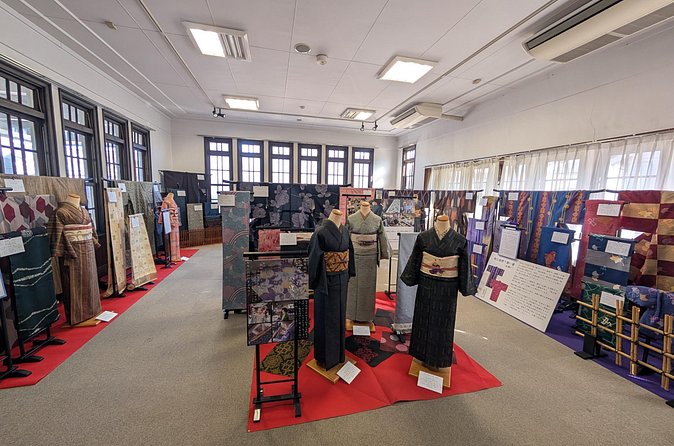
Your day kicks off at the Chichibu Meisen Silk Center. This is where the silk story becomes visual and practical, with examples of kimono that became popular as casual, stylish clothing roughly 100 to 130 years ago. The point here is not just pretty fabric, but how fashion and everyday wear evolved out of a local silk industry.
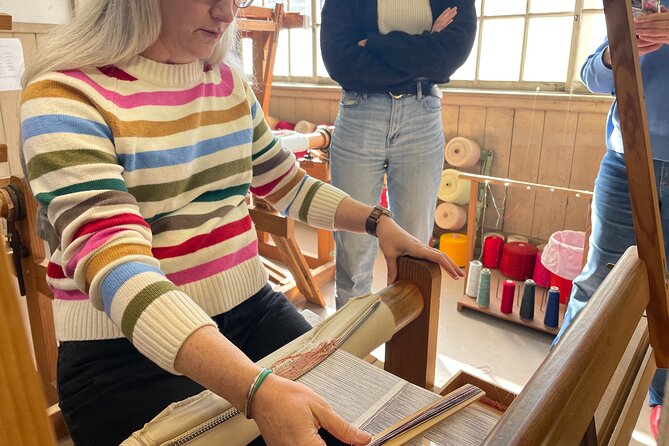
You also get a coaster-making experience. Even if you have never woven anything, the workshop approach is designed for beginners, and you leave with a tangible souvenir. In past visits like this, people tend to find that the loom work makes the craft feel real, not like a concept stuck behind glass.
Practical note: your time here is about 1 hour, and the pace can move quickly if the group has questions. If you like to linger, set a mental plan to enjoy the weaving first, then do a slower scan of the displays while you still have energy.
The Festival Museum: understanding yatai floats away from the crowds
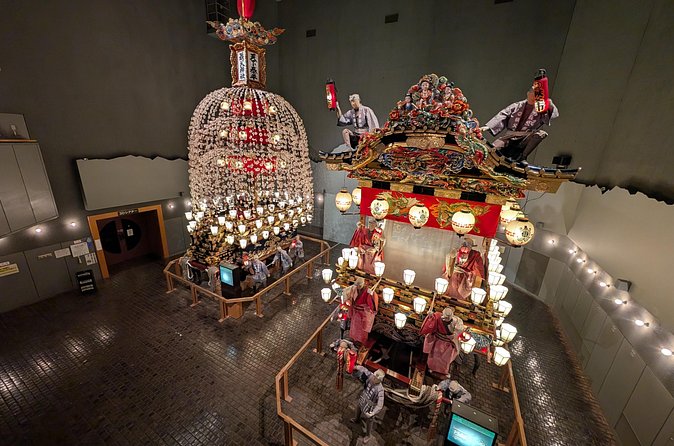
Next comes the Chichibu Festival Museum, focused on the Night Festival and its float culture. The Chichibu Night Festival is one of Japan’s major float festivals, mentioned alongside the Gion Festival in Kyoto and the Takayama Festival in Hida, so you get a strong national context even in a regional setting.
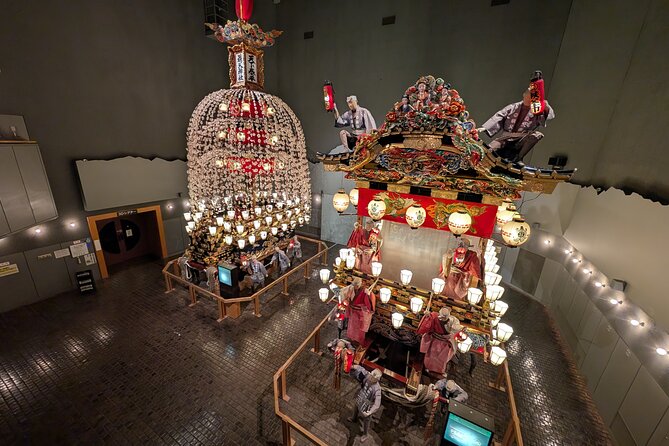
What I like about this stop is that it gives you the “what am I looking at?” explanation. The museum experience centers on yatai floats and kasaboko, and those displays are shown year-round, so you are not stuck waiting for the festival dates to understand the design. If you are planning your Japan trip around seasonal timing, this is a smart way to add festival knowledge even when you are traveling outside December.
Also, you get guided walking time tied to the Meisen trade atmosphere. You move along streets that once housed wholesalers, and the goal is to help you read the town like a history map, not just a collection of buildings. Expect periods of explanation and short walks rather than a single long viewing.
If you want your festival experience to make more sense later, this museum stop is the bridge. You can see the festival objects, but you also learn how silk commerce and community celebrations became intertwined.
Walking the Meisen wholesaler streets: reading Chichibu like a story map
Between museum time and the shrine approach, you get short guided walks through streets linked to the Meisen silk trade. You will head through areas associated with wholesalers and commercial buildings from the early Showa period. You will also pass along Kaitsuisho Street, which is described as lined with buildings related to Chichibu Meisen, compared in feel to Kuromon Street.
This part is valuable because it teaches you what to look for in small historical neighborhoods. Instead of treating old towns like photo backdrops, you learn the functional logic of them: where merchants worked, how the trade economy shaped architecture, and why certain streets carried special meaning.
One caution: the walking portions are not long, but you are still outdoors in the middle of a morning. Wear comfortable shoes. If you are visiting in colder months, bring a layer, since Chichibu mornings can feel crisp.
A different sort of day in Japan:
- Tokyo: teamLab Planets TOKYO Digital Art Museum Entry Ticket
★ 4.6 · 9,779 reviews - Mt Fuji & Hakone Cruise, Drum Show Bullet Train 1 Day from Tokyo
★ 4.0 · 7,413 reviews - Tokyo: Sumo Show Experience with Chicken Hot Pot and a Photo
★ 4.8 · 6,678 reviews - Tokyo: Shinjuku Food Tour (13 Dishes at 4 Local Eateries)
★ 5.0 · 6,603 reviews
Chichibu Furusato-kan: storehouses that explain where the trade lived
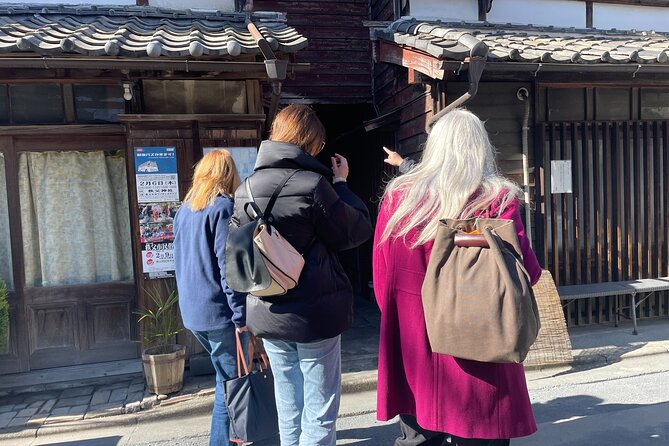
You then visit Chichibu Furusato-kan for a shorter 10-minute stop. This is where buildings and storehouses connected to Meisen wholesalers are showcased, covering a period when those businesses thrived roughly 100 to 120 years ago.
Even though the time is brief, I like this stop because it grounds the story. A museum can explain silk and show artifacts, but storehouses and older commercial spaces help you understand the real-world infrastructure behind the industry. You start to picture goods being handled, stored, and traded, which makes the rest of the walking and museum viewing feel connected.
Since this stop is short, treat it like a “snapshot.” Get what you can in those minutes, then keep your focus for the shrine walk.
Banba Street to Chichibu Shrine: the approach matters
One of the most memorable parts of this tour is the guided walk to Chichibu Shrine along Banba Street. This is a stone-paved approach lined with modern buildings dating from the late Taisho to early Showa era, about 100 years ago.
Why does this matter? Because the shrine is not just a place you reach, it is a place you approach. Walking Banba Street helps you understand the transition from town to sacred space. You see the architecture of everyday life and trade culture on one side, then you move toward the shrine area where festival meaning gathers.
You also get context about the Night Festival. You will be guided to the slope where the floats are pulled up during the climax of the festival. Even outside the festival days, that cue makes the shrine area feel purposeful, not random.
Chichibu Shrine: 2,100 years of carved meaning
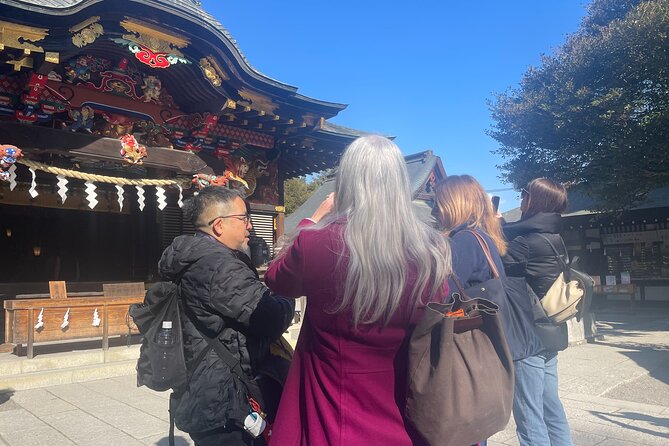
Your final stop is Chichibu Shrine, which is believed to have been founded over 2,100 years ago. This is the focal point tied to the Night Festival, and it is known for its sacred atmosphere and intricate carvings.
In practice, what you will enjoy here depends on how you like to experience shrines. If you enjoy architectural detail and carvings, you will have a good time slowing down and looking closely. If you prefer atmosphere and views, you will still get value from the shrine setting and the end-of-tour pacing that gives you a short window to take it in.
The timing here is about 30 minutes. After the tour ends, you can continue strolling around town at your own pace, which is handy if you want to linger near the shrine without worrying about catching up to the group.
What the price gets you, and if it’s good value
At $100.99 per person, the price can feel steep if you are thinking of it like a simple walking tour. But this experience includes multiple paid components: Chichibu Meisen Museum admission, coaster-making, and Chichibu Festival Hall admission, plus the guide fee. That means you are not paying extra onsite for the core activities.
The value also comes from the small group size of up to 5 travelers. For a hands-on craft like weaving, a smaller group can make instruction feel more personal. You also get multiple locations connected by one theme, rather than separate tickets for a craft museum, a festival museum, and a shrine.
If you compare it to piecing together the same stops independently, you are mostly paying for the guided interpretation and the workshop structure. If that interpretation matters to you, this is a fair deal.
Best fit: who will enjoy this most
This tour is ideal if you:
- Want a short half-day morning outing that teaches you something real, then gives you a craft souvenir
- Like cultural travel that connects objects to local economics, in this case silk trade and festival celebration
- Prefer small groups and guided walking over large bus-style sightseeing
- Are visiting from Tokyo and want an easy day plan
From the Tokyo side, people often use Seibu Railway’s Limited Express Laview, which is about 90 minutes according to local travel experience described in the past. Even if you take a different train route, the overall idea is the same: Chichibu is reachable without an all-day transit grind.
A few practical tips so you enjoy it more
- Wear shoes you can walk in comfortably, since you do several guided streets and a stone-paved approach.
- If you want photos, plan them during guided breaks rather than while weaving is happening.
- Bring a layer. Even when the walks are short, the weather can shift, and the shrine area can feel cooler.
- If you want the festival tradition touchpoint, note that the Night Festival is held annually on December 2nd and 3rd. This tour focuses on the tradition throughout the year, so it acts like preparation and context.
Should you book Chichibu’s Weaving Story?
I think you should book this if you want a meaningful Chichibu experience that explains the town’s identity through silk making and then ties it to the Night Festival atmosphere. The combination of live silk demonstrations, hands-on coaster weaving, and a shrine finish is a practical, memorable way to spend a morning without feeling rushed.
Skip it if you are specifically traveling for the full outdoor spectacle of the December festival itself. This experience is built around museums, cultural context, and guided views rather than staging a full night of yatai action.
If you are the type who likes to leave with one clear takeaway, this is a strong choice. Your coaster and the shrine-focused end of the route make it easy to remember what you came for.
FAQ
How long is Chichibu’s Weaving Story tour?
It takes about 3 hours (approx.).
What time does the tour start, and where does it finish?
It starts at 9:30 am. It begins at 1-chōme-16-15 Nosakamachi, Chichibu and ends at Chichibu Shrine, 1-3 Banbamachi, Chichibu, where you part ways.
What does the tour price include?
The price covers the guide fee, Chichibu Meisen Museum admission, the coaster-making experience, and Chichibu Festival Hall admission. A fortune slip fee is not included.
Is there anything I pay separately for at Chichibu Shrine?
A fortune slip fee is not included, so if you want to purchase one, you will pay separately.
Is this tour in a small group?
Yes. The maximum group size is 5 travelers.
Is it easy to reach the meeting point with public transportation?
Yes. The tour is described as being near public transportation.
Do I get a ticket I can use on my phone?
Yes. A mobile ticket is included.
Is cancellation free, and how late can I cancel?
Cancellation is free. You can cancel up to 24 hours before the experience start time for a full refund. Changes inside that window do not receive a refund.
Newly listed around Tokyo
- Gyoda Tabi Shoes Cultural Walking Tour★ 5.0 · 7 reviews
- The 4 Best Japanese whiskies tasting/HIBIKI 21year, YAMAZAKI, etc★ 5.0 · 6 reviews
- Mt. Fuji and Hakone Private Tour with English Speaking Driver★ 5.0 · 22 reviews
- Private Custom Tokyo Tour VIP★ 5.0 · 50 reviews
- 2-Hour Karaoke at Roppongi 7557 in Tokyo★ 5.0 · 12 reviews
- Tantra Tokyo Burlesque Show Club★ 4.5 · 26 reviews
- Mt. Fuji or Hakone Private Sightseeing Day Trip From Tokyo★ 4.5 · 17 reviews
- International DJ Event in Roppongi★ 5.0 · 10 reviews
Tokyo Tours, compared.

Mt Fuji and Hakone 1-Day Bus Tour Return by Bullet Train
Read our review →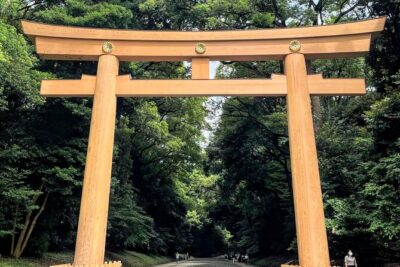

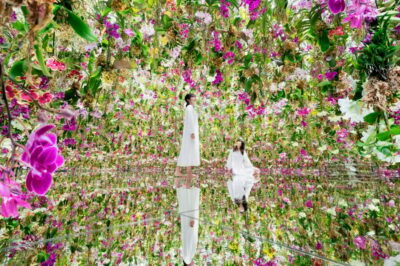
teamLab Planets TOKYO Digital Art Museum Entry Ticket
Read our review →
Mt Fuji & Hakone Cruise, Drum Show Bullet Train 1 Day from Tokyo
Read our review →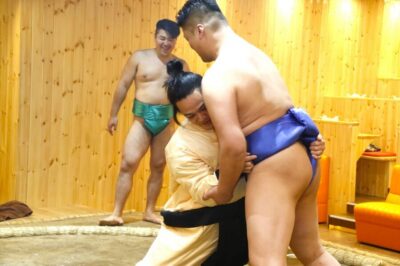
Sumo Show Experience with Chicken Hot Pot and a Photo
Read our review →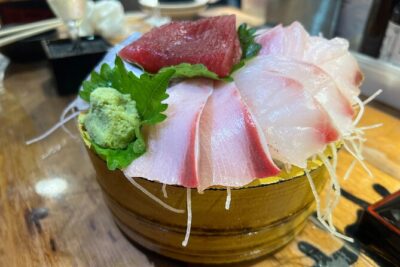
Shinjuku Food Tour (13 Dishes at 4 Local Eateries)
Read our review →