
Review · SHRINE & TEMPLE VISITS
Day Trip to Kamakura & Enoshima: Shrines, Seaside, Temples & Tea
Kamakura and Enoshima in one calm, guided swing. I love that Great Buddha of Kamakura admission and inside access are built in, and I also like that the Enoshima Kamakura Freepass removes most train guesswork for the day. The main downside to plan for is the walking, so you will want comfortable shoes and a light daypack.
What makes the experience feel smooth is the local English-speaking guide and a route that mixes temples, seaside, and viewpoints without you needing to read maps all day. Depending on your departure, you might be with guides such as Jeff, Jade, Naoto, or Beth, and the common thread is clear, upbeat commentary that helps you understand what you are seeing, not just where to go. With a maximum of 20 people, the pace stays friendly.
You also get a few culture-and-food moments, like matcha and Japanese sweets at a tea house, plus an included koi feeding fee during the route. If you are hoping to see the highlights without spending your day hopping between stations, this is a smart way to do it.
In This Review
- Key things to know before you go
- Entering the Day With a Real Plan, Not Map Panic
- Meeting at Shinjuku, Then Straight to Fujisawa
- The Bamboo Forest Temple Stop, With Matcha and Japanese Sweets
- Kotoku-in and the Great Buddha: The Landmark You Came For
- Enoshima Island: A Sea Walk and the Sea Candle Observatory
- The Transport Freepass: What You Actually Gain
- Price and Value: Is $167.36 a Good Deal?
- What to Pack and How to Keep the Day Comfortable
- Who This Tour Fits Best
- Should You Book This Kamakura and Enoshima Day Trip?
- FAQ
- How long is the Kamakura and Enoshima day trip?
- What time does the tour start, and where do we meet?
- Does the tour include admission to the Great Buddha of Kamakura?
- Is the Enoshima Kamakura Freepass included?
- Is tea and sweets included during the bamboo forest temple stop?
- Is koi feeding included?
- What Enoshima Island activities are included?
- What is not included in the price?
Key things to know before you go
- Great Buddha included: Entry plus time at Kotoku-in, including access inside the statue area
- Freepass for transport: The Enoshima Kamakura Freepass is included to cover tour-area travel
- Bamboo forest temple stop: Time for a guided temple complex visit and a matcha tea and sweets break
- Koi feeding included: You get the koi feeding fee as part of the day’s inclusions
- Enoshima viewpoint time: Sea Candle Observatory admission is included after you reach the top
- Small group size: A max group size of 20 keeps the day organized and easy to follow
Entering the Day With a Real Plan, Not Map Panic
This tour works because it bundles the hardest part of day trips, navigation. You meet in Shinjuku, take the pre-arranged train segment to the coast, then follow a guide-led sequence that hits Kamakura’s most famous temple stop and Enoshima’s seaside viewpoints.
For you, that means less stress and more time looking at what matters. Instead of standing around with a phone app trying to translate station exits, you get a straightforward flow with “walk this way, look for this, here is why it matters” guidance along the route. Even better, several admissions are already paid, so you do not lose momentum at ticket windows.
More Shrine & Temple Visits in Tokyo
- Tokyo: Meiji Shrine, Asakusa, Skytree Bus Tour and Cruise
★ 4.7 · 1,986 reviews - Tokyo: Asakusa Walking Tour with Sensoji Temple Visit
★ 4.8 · 1,583 reviews - Nikko: Kegon Falls, Lake Chuzenji & Toshogu Temple
★ 4.6 · 1,577 reviews
Meeting at Shinjuku, Then Straight to Fujisawa
The day starts at 8:00 am at Green Window (Shinjuku Station South Exit). Your guide meets you there, outside Shinjuku station’s South gate or entrance, then you board the 08:27 train to Fujisawa station. The arrival time is 09:28, which gives you a nice buffer to transition from Tokyo into coastal Kamakura territory.
Why this matters: leaving at a set time keeps your schedule tight and avoids the “we missed the train, now we are late everywhere” chain reaction. It also means your sightseeing day starts early enough that you can enjoy temples and viewpoints without feeling like you are racing the clock.
Once you arrive at Fujisawa, the rest of the day becomes a walk-and-discover pattern, with the guide leading you to the first big stop.
The Bamboo Forest Temple Stop, With Matcha and Japanese Sweets
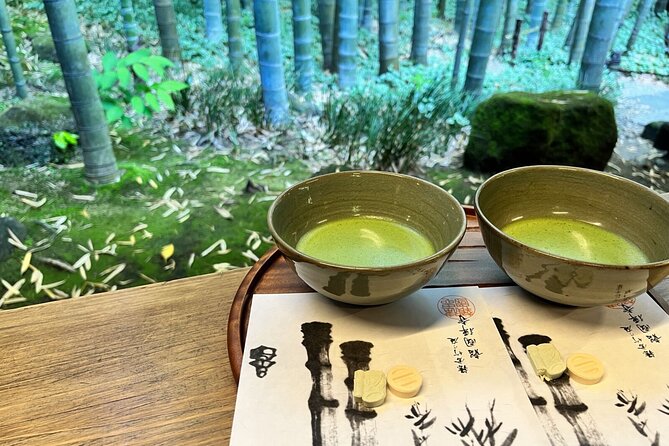
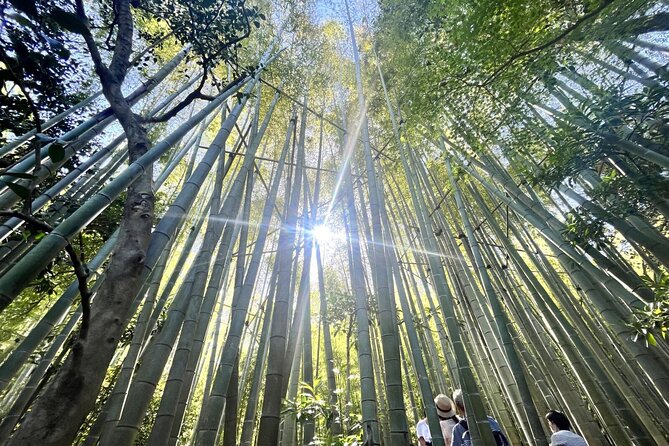
Your first major sightseeing chunk is the Kamakura temple complex visit with a bamboo forest setting. The walk to this stop is about 30 minutes, and the experience includes a guided tour of the temple grounds plus a tea house break.
This is one of my favorite types of stops on Japanese tours because it gives you both sides of the culture coin. You get the quiet, scenic atmosphere of the bamboo area, and then you slow down for a matcha and Japanese sweet experience at the tea house. It is not just a photo break, it is a palate reset before the more iconic landmark time later in the day.
Practical note: this is the kind of place where you will want to read the signs and listen to the guide. The value here is in understanding what you are seeing, not only in getting the shot. Also, since additional food and drink are not included, this tea and sweets moment matters because it is one of the scheduled food highlights that is already covered.
Kotoku-in and the Great Buddha: The Landmark You Came For
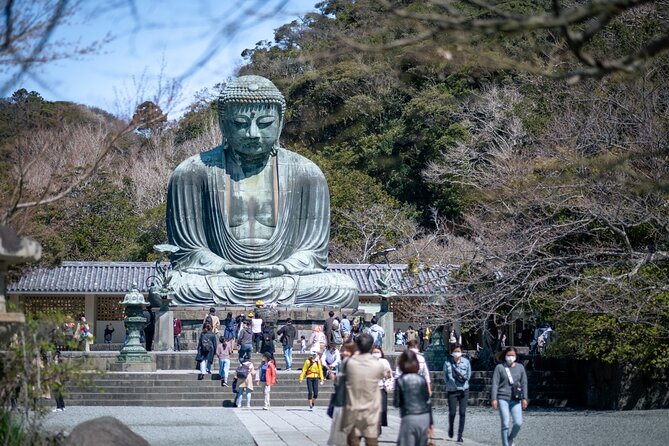
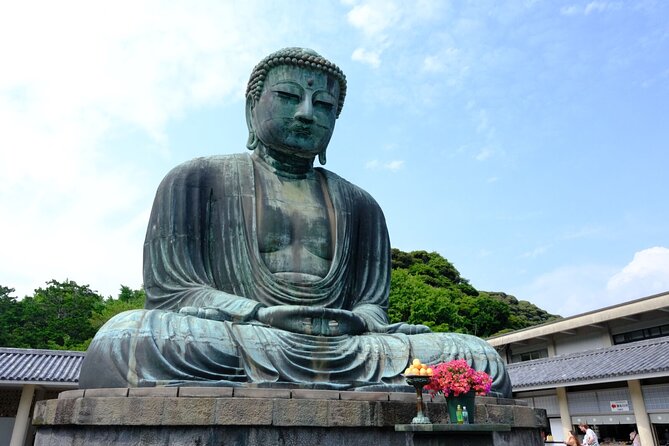
Next up is Kotoku-in, home to the Great Buddha of Kamakura. You reach the area via Hase station, then walk about 7 minutes to the temple. You get a 30-minute stop here, including admission that covers access inside the Great Buddha area.
This is the headline you should plan around. The Great Buddha is one of those sights that lives up to the hype because it is both monumental and surprisingly simple in its visual impact. You are not looking at a sprawling amusement-park style complex, you are looking at a single, dominant presence that anchors the whole site.
Why the guided timing helps: a stop like this can turn chaotic if you arrive with no plan. Here, the itinerary builds in your arrival and a structured amount of time, so you can focus on the main viewpoint and any interior access without feeling rushed. Still, build in your own patience. Temple areas have their own rhythm, and it is normal to move slowly through spaces.
More Shrine and Temple visits in Tokyo:
- Tokyo: Nikko Toshogu Shrine and Kegon Waterfall Tour
★ 4.5 · 1,266 reviews - Tokyo Panoramic 1 Day: Meiji Shrine, Asakusa, Odaiba and SKYTREE®
★ 4.5 · 1,222 reviews - Asakusa Senso-ji Temple and Old Tokyo Walking Tour
★ 5.0 · 560 reviews - Tokyo: Zen Meditation at a Private Temple with a Monk
★ 5.0 · 510 reviews
Enoshima Island: A Sea Walk and the Sea Candle Observatory
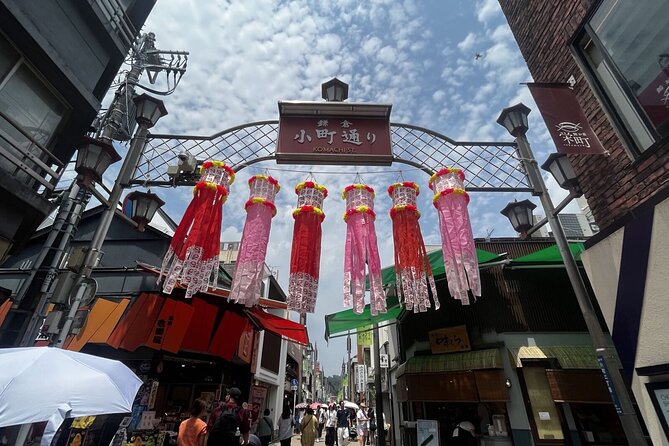
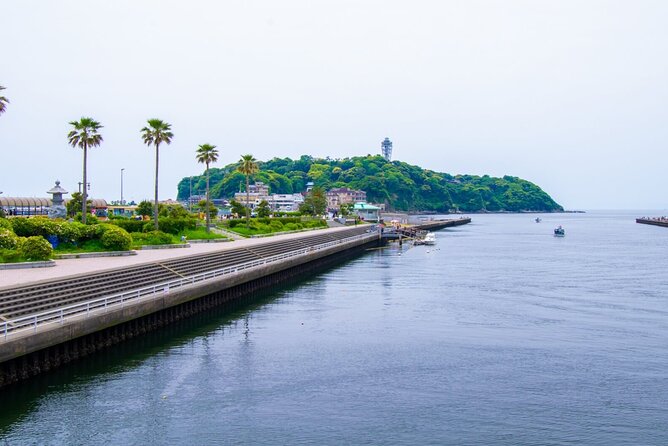
After Kamakura’s temple segment, the itinerary shifts to Enoshima Island. You get to Enoshima station, then enjoy a scenic walk along the sea to reach the island. This is one of those transitions that changes your mood fast, from inland shrines and bamboo to salt air and horizon views.
Once you arrive on Enoshima Island, you take escalators up to the top area, then visit the Sea Candle Observatory. Admission to the observatory is included. Even if you are not a big viewpoint person, this stop is worth it because it gives you a clear sense of how the island sits in its coastal setting.
This is also where the included route makes a difference. The escalator and observatory fees being handled reduces friction. You avoid the annoying pattern of “look up price, find ticket booth, queue, figure out where to go next.” The tour keeps you moving from one highlight to the next.
The Transport Freepass: What You Actually Gain
One of the most useful inclusions is the Enoshima Kamakura Freepass. It covers transport during the tour area, meaning you do not have to decide which train or ticket type to buy for each segment.
For you, the benefit is simple: less decision-making. Day trips can go sideways when you spend time comparing fare systems and figuring out where you are allowed to use a specific pass. With the freepass included, you can focus on walking, seeing, and listening.
Also, the tour duration already factors in travel time, so you are not mentally scrambling to subtract commute from sightseeing. You get a full 11-hour day (approx.) and a route that balances transit and stops rather than stacking all the walking into one late afternoon stretch.
Price and Value: Is $167.36 a Good Deal?
At $167.36 per person, the price is not “cheap,” but it can be good value if you will otherwise pay admissions and tickets on your own. Here is what is included that you would likely spend money on separately:
- Enoshima Kamakura Freepass for transport during the tour
- Bamboo temple admission plus the matcha and Japanese sweet experience
- Koi feeding fee
- Great Buddha of Kamakura admission, including entrance to go inside
- Enoshima Island escalators and Sea Candle Observatory admission
- Local English-speaking guide
Add that up and you are not just paying for a guide, you are also paying for key paid entries and transport support. The main reason this tends to feel worthwhile is that the guide covers navigation and pacing across multiple districts. If you prefer structure over planning, the money buys convenience.
The only caveat is that trains and transport before and after the tour are not included. So you still need to get yourself to Shinjuku for the 8:00 am start, and you will handle your return plans after the tour ends back at the meeting point.
What to Pack and How to Keep the Day Comfortable
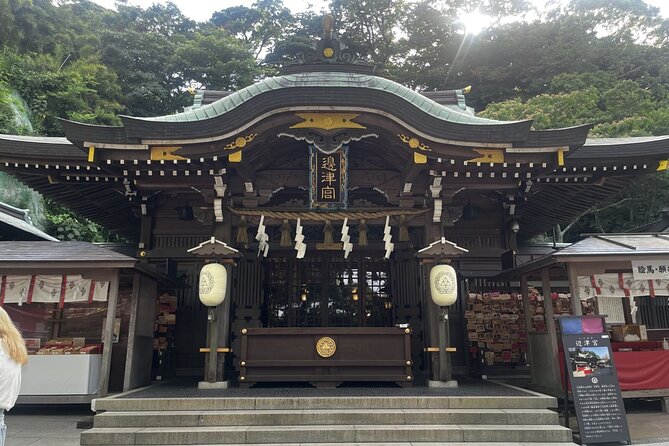
This day trip is manageable for most people, but you will walk. The route includes a 30-minute walk to the first temple area, a 7-minute walk from Hase station, a sea-side scenic walk on Enoshima Island, and time spent moving between viewpoints.
I would pack:
- Comfortable walking shoes you can use for temple stone and coastal paths
- A small daypack for water and a light layer
- Weather protection, since seaside conditions can change
Food is not fully included. You will have the scheduled tea and sweets moment at the bamboo temple stop, but additional food and drink are not included. If you like to eat more than snacks, plan to spend a bit on meals on your own during breaks.
Also, the tour ends back at the meeting point. That makes it easy to plan your evening, but it means you should not schedule a late appointment right after the day trip ends.
Who This Tour Fits Best
This is a great match if you:
- Want to check off Kamakura’s iconic landmark and Enoshima’s seaside viewpoint in one day
- Prefer a guide-led route over DIY navigation
- Like cultural stops where you get an explanation plus a scheduled break (matcha tea and sweets)
- Appreciate small-group pacing, capped at 20
It may be less ideal if you:
- Want to wander entirely on your own with no structure
- Plan to see only one area deeply and skip the rest
- Struggle with walking and stairs, even though the escalators help on Enoshima
Should You Book This Kamakura and Enoshima Day Trip?
I would book this if you want a low-stress highlights day that handles big-ticket admissions and transport logistics for you. The included access to the Great Buddha, the bamboo temple tea moment, and the Enoshima viewpoint at Sea Candle Observatory make it feel like a “full day of payoffs,” not just a bus ride through famous names.
If you are traveling with a group, going solo, or this is your first full day in Japan and you want momentum, the guided setup is especially useful. Just go in with the expectation that it is an active day. The temples and the coast are worth it, but your feet will do the work.
In short: if you want Kamakura and Enoshima highlights without the planning headache, this is a strong value bet.
FAQ
How long is the Kamakura and Enoshima day trip?
The tour runs for about 11 hours.
What time does the tour start, and where do we meet?
You meet at 8:00 am at Green Window (Shinjuku Station South Exit), in Shinjuku.
Does the tour include admission to the Great Buddha of Kamakura?
Yes. Great Buddha temple admission fees are included, including entrance to go inside of the Great Buddha.
Is the Enoshima Kamakura Freepass included?
Yes. An Enoshima Kamakura Freepass is included to cover transport during the tour.
Is tea and sweets included during the bamboo forest temple stop?
Yes. Bamboo temple admission and the matcha and Japanese sweet experience at the temple’s tea house are included.
Is koi feeding included?
Yes. The Japanese koi feeding fee is included.
What Enoshima Island activities are included?
You will have a scenic walk to Enoshima Island, take escalators to the top, and visit the Sea Candle Observatory. Escalators and observatory admission fees are included.
What is not included in the price?
Trains and transport before and after the tour are not included, and additional food and drink are not included.
Newly listed around Tokyo
- Handmade Japanese Glass Art Sandblasting Workshop in Tokyo★ 5.0 · 12 reviews
- RED Digital Amusement Park in Tokyo Tower Entry Ticket★ 3.5 · 18 reviews
- Red Tokyo Tower Night Ticket★ 3.5 · 7 reviews
- Tokyo Spring Daytime (Cherry Blossom) Food Tour★ 5.0 · 6 reviews
- Private Mt. Fuji Custom Tour from Tokyo★ 3.5 · 14 reviews
- Day Trip to See the Snow Monkeys from Shinjuku with Lunch Buffet★ 5.0 · 10 reviews
- Kamakura Day Trip from Tokyo with a Local: Private & Personalized★ 5.0 · 10 reviews
- Real Tokyo Runner Club : Daikoku Car Meet Night Tour with JDM Car★ 5.0 · 25 reviews
Shrine & Temple Visits, compared.
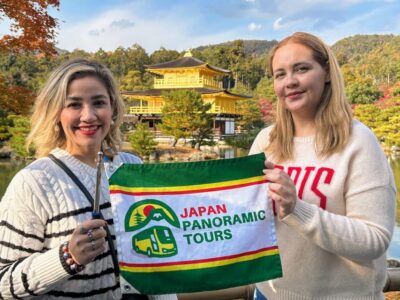
Fushimi Inari, Kinkakuji, Bamboo Grove 1 Day Bus Tour
Read our review →
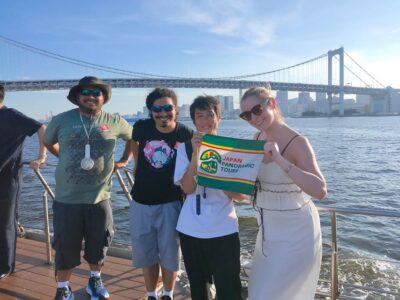
Meiji Shrine, Asakusa, Skytree Bus Tour and Cruise
Read our review →
Fushimi Inari Hidden Hiking Tour (Private Option Available)
Read our review →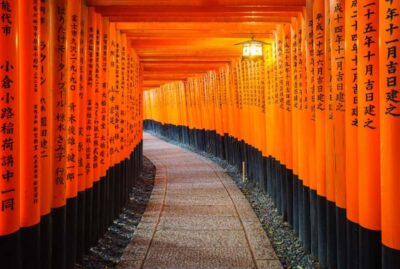
Osaka/Kyoto:Kinkakuji,Arashiyama,FushimiInariShrine,NaraPark
Read our review →
Asakusa Walking Tour with Sensoji Temple Visit
Read our review →
Nikko: Kegon Falls, Lake Chuzenji & Toshogu Temple
Read our review →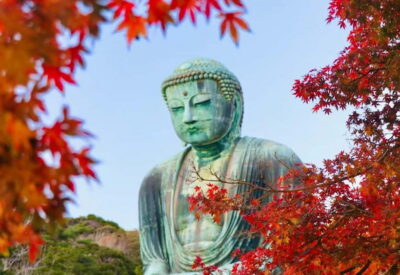
Kamakura & Enoshima Day Trip including Temple Tickets
Read our review →Browse the lists this tour appears in