
Review · 1-DAY TOURS
Kamakura Day Trip from Tokyo with a Local: Private & Personalized
Kamakura feels worlds away from Tokyo. On this private, personalized day, a local host helps you shape your own route through medieval temples, seaside views, and the famous Great Buddha. You also get to ride the speedy JR train with round-trip tickets included, so the day starts fast and stays focused.
What I like most is the private local guidance. In the guide group, names like Kay, Marc, Martin, and Michael come up for a reason, they were praised for making the route match your interests and for handling real-life needs, like planning around walking concerns. I also love the mix of icons and quiet stops, from Komachi Street to Hokokuji’s bamboo grove and tea break.
One thing to think about: this is a walking-heavy day. Even when the route is smart and paced well, you will be on your feet, and some temple areas are on slopes and steps, so wear supportive shoes.
In This Review
- Key things that make this Kamakura day work
- Getting from Tokyo to Kamakura, without burning your day
- Komachi Street, then right into shrine country
- Hachimangu and the Minamoto connection
- Engakuji Temple, Zen calm in Kita-Kamakura’s hills
- Hase-dera in June, hydrangeas you can actually plan around
- Hokokuji’s bamboo grove, and the matcha break that resets you
- The Great Buddha, nearly 800 years of bronze presence
- Nature and the seaside mood, with a practical optional detour
- How a custom private itinerary really feels in practice
- Price and value, is $323.38 per person fair?
- Food planning for a long, temple-centered day
- Season signals you should use when booking
- Logistics, timing, and what to wear
- Should you book this Kamakura day trip?
- FAQ
- How long is the Kamakura day trip?
- Is this tour private?
- What does the tour price include?
- Are food and drinks included?
- Are attraction tickets included?
- What is the meeting point in Tokyo?
- Can the guide meet you at your hotel or accommodation?
- What happens after booking?
- Is cancellation free?
- Is a mobile ticket provided?
Key things that make this Kamakura day work
- Custom route with a local host, not a fixed bus loop
- JR round-trip to Kamakura included, starting from Tokyo Station
- Temple highlights with options for pacing, including bamboo grove and Great Buddha
- Seasonal pays off, like hydrangeas at Hase-dera in June and cherry blossoms mentioned for spring
- Small sensory detours that make it feel local, like matcha at a bamboo grove tea stop
- Private group only your party, so your pace and priorities matter
Getting from Tokyo to Kamakura, without burning your day
The day starts at the JR EAST Travel Service Center at Tokyo Station (Marunouchi North Gate). It ends back at the meeting point, so you are not stuck figuring out the last train home after a long day of walking.
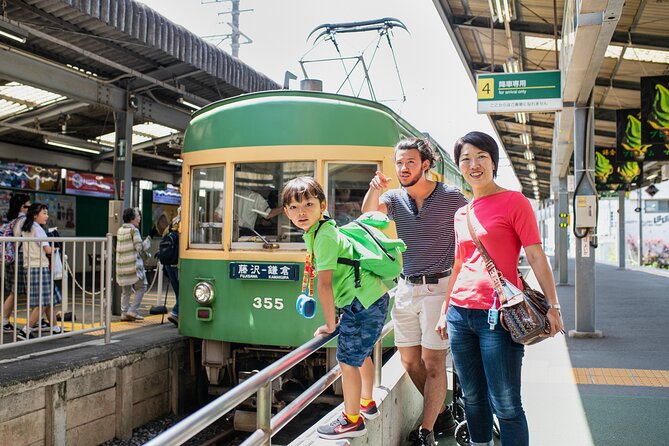
The big practical win is the included round tickets via JR train. The tour description also frames this as a complimentary speedy train ride, which matters because Kamakura is close enough that you can easily make it a day trip, but far enough that timing can get messy if you are planning on your own.
You will get a mobile ticket, which is a comfort in Japan. It reduces the fuss of handling paper tickets in the station at the start of your day.
A few more Tokyo days to weigh up
- Mt Fuji and Hakone 1-Day Bus Tour Return by Bullet Train
★ 5.0 · 26,383 reviews - 1-Day Tokyo Bus Tour
★ 5.0 · 14,250 reviews - Tokyo: TOKYO SKYTREE® Admission ticket
★ 4.5 · 11,192 reviews
Komachi Street, then right into shrine country
One of the first cultural hits is a pass-by stop around Komachi Street, the central strip of shops and food stalls that sits right in the middle of an older city. You get a feel for the modern rhythm of Kamakura without losing the historic context, since the street leads you toward shrine space fast.
From there, the route flows toward Hachimangu shrine, a major stop because Hachiman, the patron god of the Minamoto family and samurai in general, is worshipped there. This is a good anchor for understanding Kamakura, because the city’s medieval identity is not just in stories, it shows up in where people built shrines and how they organized spiritual life.
Even if you only spend a short time at the shrine, a host can help you see what you might otherwise miss, like why certain paths, gates, and viewing angles feel intentional.
Hachimangu and the Minamoto connection
What makes Hachimangu special is not just the scale, it is the clear link to Japan’s feudal past. Kamakura was once a center of power, and a shrine devoted to Hachiman helps you connect that political world to daily religious practice.
If you enjoy photography, you will usually get better results when you are not rushing. A private format helps here, because your host can guide you through in an order that matches how you move and where you want to pause.
If you are sensitive to crowds, you can ask your host about timing once you share your preferences in the questionnaire. The whole point of this style of day is that your route can be adjusted, not just walked from one landmark to the next.
Engakuji Temple, Zen calm in Kita-Kamakura’s hills
Next comes Engakuji, built into the slopes of Kita-Kamakura’s forested hills. It is listed as one of the leading Zen temples in eastern Japan, and you can feel the difference between a temple on flatter ground and one that lives on a hillside.
This stop is a good counterweight to the busier shrine streets. Forested temple grounds tend to change the pace, even when you still walk a lot, because you slow down naturally to take in the setting.
If you have mobility concerns, this is also where the private format can help. Marc was praised for being attentive to walking issues and for locating elevators to make the trip easier for a family, and that is exactly the kind of practical planning worth requesting early.
A different sort of day in Japan:
- Tokyo: teamLab Planets TOKYO Digital Art Museum Entry Ticket
★ 4.6 · 9,779 reviews - Mt Fuji & Hakone Cruise, Drum Show Bullet Train 1 Day from Tokyo
★ 4.0 · 7,413 reviews - Tokyo: Sumo Show Experience with Chicken Hot Pot and a Photo
★ 4.8 · 6,678 reviews - Tokyo: Shinjuku Food Tour (13 Dishes at 4 Local Eateries)
★ 5.0 · 6,603 reviews
Hase-dera in June, hydrangeas you can actually plan around

When the itinerary is built for a month like June, Hase-dera becomes a star stop. The description calls out hydrangea flowers blooming around the temple’s grounds in June, and that seasonal detail matters because it gives your day a reason to be timed a certain way, not just a random schedule of sightseeing.
Hase-dera is also a temple you can appreciate even if you are not a temple expert. Your eyes naturally go to the garden areas, and a host can point you toward the best viewing pockets so you do not spend your energy wandering in the wrong direction.
If you are visiting outside June, you will still get a strong cultural stop. Just expect the garden focus to shift with the season, because the tour promise here is that your guide will shape the day around what is meaningful when you are there.
Hokokuji’s bamboo grove, and the matcha break that resets you
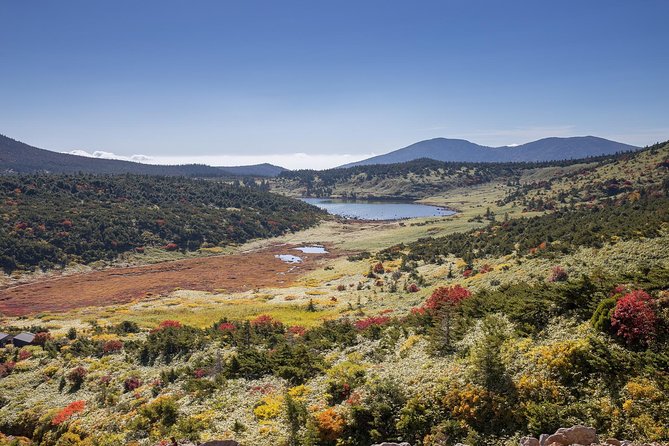
One of the most memorable sensory stops is Hokokuji Temple, famous for the small bamboo grove behind the main hall. The experience includes a narrow path through the bamboo, and that kind of guided pacing helps you notice the texture and quiet instead of just passing through quickly.
There is also a tea house along that bamboo path where you can sit and enjoy a cup of matcha tea. This is not just a food stop. It is a strategic reset, especially on an all-day route where you will be walking between temples and shrines.
If you want to shop or snack later on, the tea break also helps you manage energy. You will feel less rushed at the next stop if you take a moment to sit and recover.
The Great Buddha, nearly 800 years of bronze presence
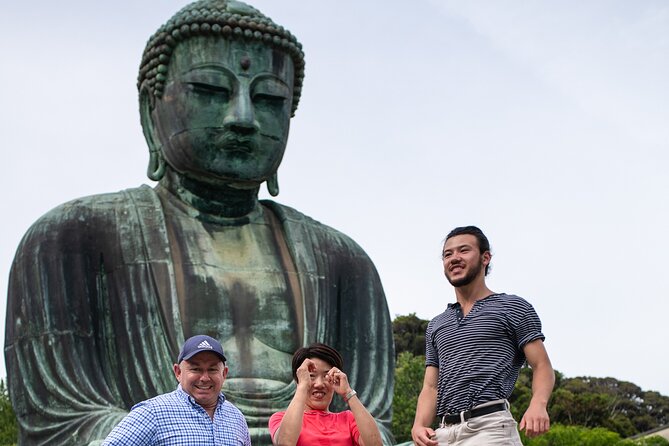
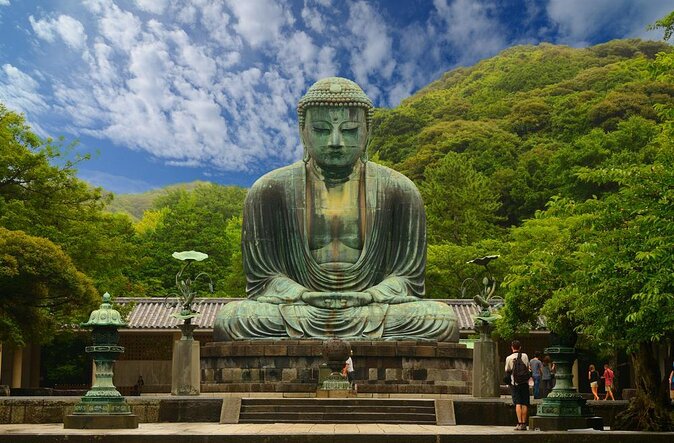
No Kamakura day is complete without the Great Buddha, a massive bronze sculpture associated with Amida Buddha and described as nearly 800 years old. When you see it in person, the size does something photos cannot: it makes the history feel physical.
This stop is often why people choose Kamakura in the first place. Even if you are not obsessed with temples, the Great Buddha gives you a landmark moment you can circle back to in your memory later.
The private format helps here too. Your host can help you understand what the site represents and the layout you are looking at, so it becomes more than a checkmark.
Nature and the seaside mood, with a practical optional detour
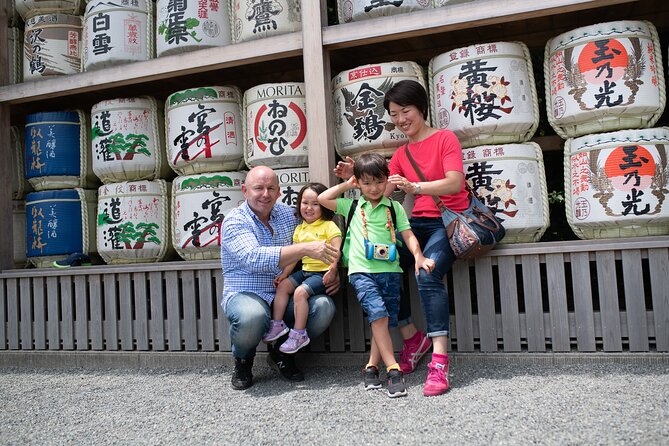
Kamakura is also a seaside town, so the day leans into forest and ocean energy. The description suggests that you might stop near a surf shack for a beer or two, which is a simple way to connect the temple day with the coast.
You should treat that as optional, not a promise. Food and drinks are not included, so think of any beer stop as something you choose after you see what you feel like doing that day.
I like this kind of flexible thinking because it keeps the day from feeling like a lecture. A local host can gauge whether you want time outdoors, a quick snack, or just a slower walk.
How a custom private itinerary really feels in practice
The tour is private and personalized, and after booking you get a short questionnaire so the local host can match you with a like-minded guide based on your preferences. In practice, that means you are not stuck with someone else’s perfect plan.
It also means the places you visit may differ from the listed stops, depending on your interests and what makes sense on the day. That flexibility is important in Kamakura because one area can feel very different from another, and you might want more shrine focus, more quiet gardens, or more coastal mood.
This format can also help with practical pacing. The guide Marc was specifically praised for finding elevators to support walking needs, which signals that the host can plan around real constraints rather than pushing everyone through the same stairs and slopes.
Price and value, is $323.38 per person fair?
At $323.38 per person, this is not a cheap day trip. What you are paying for is the combination of a private 8 hour host, round-trip JR train tickets, and the planning that comes from tailoring your route.
Food, drinks, and attraction tickets are not included. That is common, but it changes how you should budget. If you want lunch with a proper sit-down meal or multiple snacks along Komachi Street, you will probably spend extra.
The value makes the most sense if you want:
- a plan that matches your interests, not just a generic sightseeing route
- someone to help you navigate temple layouts and pacing
- a smoother Tokyo to Kamakura day with train tickets handled
If you are the type who enjoys figuring things out alone and already knows which temples you want, you might decide to DIY. But if you want the day to feel intentionally put together and you value a human guide who can adjust, this price starts to look more reasonable.
Food planning for a long, temple-centered day
Because food and drinks are not included, you should treat lunch as a deliberate plan. Komachi Street is a natural place to eat something quick or browse for snacks before you head into the shrine and temple areas.
In one example of guide style, Kay helped a visitor find udon noodles for lunch as part of the day’s flow. You can use that as a reminder: your host can often steer you toward food that fits the route and your timing, instead of sending you back across town.
I suggest you carry a small water bottle or plan to buy water during the day. Temples can look cool in the shade, but the combination of walking and hills can still add up.
Season signals you should use when booking
This tour description gives you real seasonal anchors. It mentions cherry blossoms in the overview and specifically calls out hydrangeas at Hase-dera in June.
If you are traveling in June, plan your expectations around garden viewing, and give yourself room to slow down. If you are visiting during cherry blossom season, you can likely expect the route to favor the kinds of stops that highlight spring blooms.
If your dates do not match those seasons, you still get the core structure: shrines, Zen temples, bamboo, and the Great Buddha. The seasonal perks just change what feels most special on the ground.
Logistics, timing, and what to wear
This is described as an 8 hour day, and it is easy to underestimate how long temple routes take once you factor in walking, photo pauses, and short breaks. Build in time for that rhythm by dressing for comfort.
Wear shoes you trust. You will move between temple grounds, slopes, and paths, and the description hints at nature walks as part of the day’s character.
If you want a smoother day for mobility, tell the host about your walking needs through the questionnaire and any follow-up notes. The Marc example shows that the guide can locate elevators and help make the day manageable, at least with planning.
Should you book this Kamakura day trip?
I think this is a smart choice if you want a private, guided day that blends Kamakura’s medieval identity with nature and a seaside mood. The best fit is couples, small groups, families who want a thoughtful route, or anyone who enjoys temples but wants help reading the sites and pacing the day.
I would skip it if you want minimal planning and you are happy navigating temples and stations solo with a loose checklist. Also skip if your schedule is tight enough that eight hours of walking sounds like misery, because even with good pacing, this is still a walking day.
If you book, choose your priorities before the day starts. The questionnaire and your guide match matter, so share what you care about most, temple gardens, bamboo and tea breaks, the Great Buddha, or the shrine connections to Japan’s feudal era.
FAQ
How long is the Kamakura day trip?
It is listed as about 8 hours.
Is this tour private?
Yes. It is a private experience, meaning only your group participates.
What does the tour price include?
The included items are a private and personalized experience with a local host for 8 hours, round-trip JR train tickets to Kamakura, and a walking experience.
Are food and drinks included?
No. Food and drinks are not included.
Are attraction tickets included?
No. Tickets to attractions are not included.
What is the meeting point in Tokyo?
The start is at the JR EAST Travel Service Center Tokyo Station, Marunouchi North Gate, 1-chōme-9-1 Marunouchi, Chiyoda City, Tokyo 100-0005, Japan.
Can the guide meet you at your hotel or accommodation?
Meet-up at your hotel or accommodation can be requested, or the local host will meet you at a convenient location close to the start.
What happens after booking?
You receive confirmation at booking time, and then you get a short questionnaire to describe your interests and preferences so you can be matched with a like-minded local host.
Is cancellation free?
Yes. Free cancellation is available up to 24 hours in advance for a full refund.
Is a mobile ticket provided?
Yes. The tour includes a mobile ticket. Service animals are also allowed.
Newly listed around Tokyo
- Handmade Japanese Glass Art Sandblasting Workshop in Tokyo★ 5.0 · 12 reviews
- RED Digital Amusement Park in Tokyo Tower Entry Ticket★ 3.5 · 18 reviews
- Red Tokyo Tower Night Ticket★ 3.5 · 7 reviews
- Tokyo Spring Daytime (Cherry Blossom) Food Tour★ 5.0 · 6 reviews
- Private Mt. Fuji Custom Tour from Tokyo★ 3.5 · 14 reviews
- Day Trip to See the Snow Monkeys from Shinjuku with Lunch Buffet★ 5.0 · 10 reviews
- Day Trip to Kamakura & Enoshima: Shrines, Seaside, Temples & Tea★ 5.0 · 32 reviews
- Real Tokyo Runner Club : Daikoku Car Meet Night Tour with JDM Car★ 5.0 · 25 reviews
1-Day Tours, compared.
Mt Fuji and Hakone 1-Day Bus Tour Return by Bullet Train
Read our review →
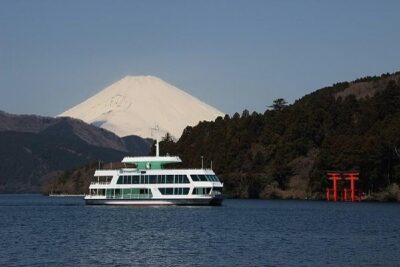
Mt Fuji & Hakone Cruise, Drum Show Bullet Train 1 Day from Tokyo
Read our review →
Peaceful Hiroshima & Miyajima UNESCO 1 Day Bus Tour
Read our review →
Fushimi Inari, Kinkakuji, Bamboo Grove 1 Day Bus Tour
Read our review →

Browse the lists this tour appears in