
Review · FOOD TOURS IN OSAKA
Deep Dive: Osaka Food Markets from Local to Luxurious!
Osaka markets teach you how to eat like locals. I like that the tour strings together top food shopping zones, starting in Takashimaya depachika and then hitting the famous Kuromon Ichiba Market with a guide who helps you choose confidently. I also love the mix, from a local wet market like Pulala Tenma to the long covered shopping street of Tenjinbashi-suji, so you see how daily food shopping works, not just what to photograph.
One caution: this is a markets tour, not an all-inclusive food tasting. Samples and snacks are not listed as included, so you’ll likely pay for what you want to eat along the way.
In This Review
- Key Highlights You’ll Actually Feel in Osaka
- What Makes This Osaka Food Markets Tour Different
- The Route: From Takashimaya Depachika to Dotonbori Sight Stops
- Stop One, Takashimaya Osaka Store Depachika: Easy Mode for Market Browsing
- Pulala Tenma Wet Market: Where Shopping Feels Like Work
- Tenjinbashi-suji: The Long Covered Arcade That Teaches You Osaka Rhythm
- Tsuruhashi Ichiba and Korea Town: Food Plus a Second Cultural Lens
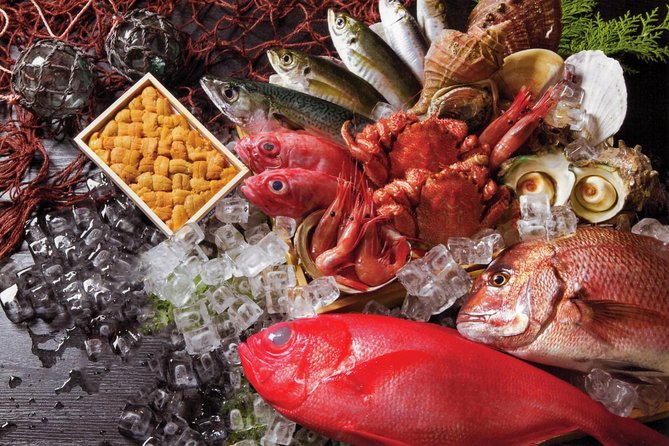
- Kuromon Ichiba Market: Famous for a Reason, Priced Like It
- Doguyasuji and Sennichimae: Buy Kitchen Gear, Not Just Snacks
- Minami (Namba) and Dotonbori Finish: Sightseeing Time With Your Bearings
- Guide Quality: Why People Rate This Tour So High
- Price and Value: The Smart Way to Budget for This Tour
- What to Expect When You Want to Eat on This Tour
- Walking, Timing, and Who This Fits Best
- Quick Tips So You Get the Most Out of Each Market Stop
- FAQ
- What locations does the tour visit?
- How long is the tour?
- Is pickup included?
- Are food samples or tastings included?
- Do I pay for transportation during the tour?
- Is this tour private?
- What language will the guide speak?
- How much walking is involved?
- Can children join this tour?
- What is the cancellation policy?
- Should You Book This Osaka Food Markets Tour?
Key Highlights You’ll Actually Feel in Osaka
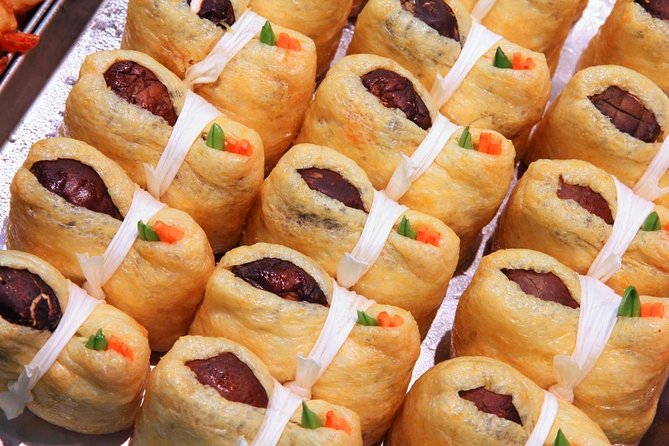
- Depachika start at Takashimaya for easy, high-quality food browsing before you go more local
- Wet market pacing at Pulala Tenma where seafood, meat, and produce are the main event
- Tenjinbashi-suji covered shopping plus an Osaka supermarket stop to see how people buy day to day
- Tsuruhashi Korea Town, food plus culture (and plenty of snack opportunities)
- Kuromon Ichiba Market reality check: famous sights, and prices can run higher here
- Doguyasuji kitchenware streets for knives, ceramics, and even practical souvenirs you can use
What Makes This Osaka Food Markets Tour Different
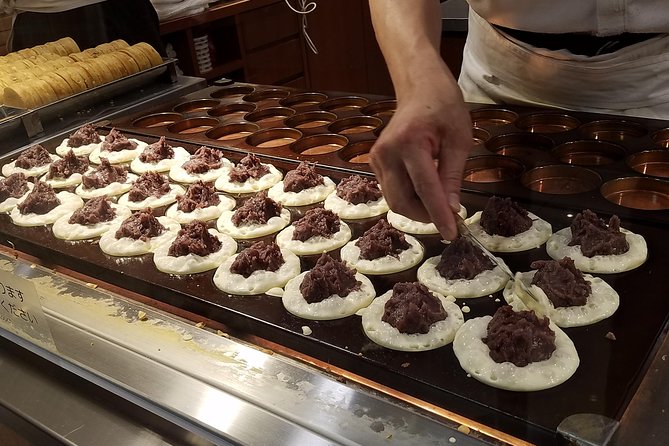
This tour is built for one thing: helping you move through Osaka’s food scene like you belong there. You get a guide (native or near-native language) walking you through multiple food zones, explaining what you’re looking at and how the systems work.
You also get a route that makes sense in the real world. It starts in a department store food hall, then gradually shifts to more street-level shopping areas, and ends near the big Namba and Dotonbori sights. That flow matters because Osaka markets can feel overwhelming if you arrive cold.
More Food Tours in Osaka
- Osaka: Shinsekai Food Tour with 13-15 Dishes at 5 Eateries
★ 4.8 · 2,204 reviews - Osaka Food Tour: 13 Dishes at 5 Local Eateries
★ 5.0 · 2,149 reviews - Hungry Osaka Street Food Tour:15 Tastings & 3 Drinks with a Local
★ 5.0 · 1,727 reviews
The Route: From Takashimaya Depachika to Dotonbori Sight Stops
You start at McDonald’s in front of Temma Station, then finish at Ebisu Bridge in Dotonbori. The tour is about 4 hours, with multiple stops ranging from roughly 20 to 40 minutes each.
The biggest “win” here is that you’re not stuck in just one type of market. Depachika is curated and comfortable. Wet markets feel direct and hands-on. Korea Town and shopping streets add a cultural layer. Then Kuromon gives you the classic Osaka market show.
Stop One, Takashimaya Osaka Store Depachika: Easy Mode for Market Browsing
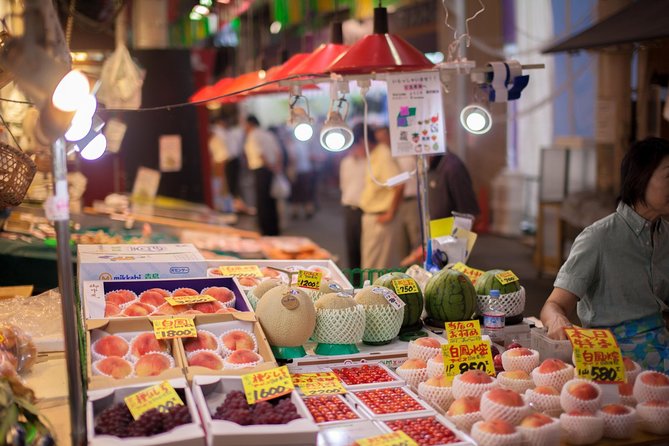
Depachika are the underground food halls inside Japanese department stores. They’re where you can see a lot of different food styles in one place, without needing to decode everything from scratch.
At Takashimaya Osaka Store, you’ll spend about 20 minutes wandering through display counters. The point is to train your eyes: raw ingredients, prepared foods, and Japanese and Western options under one roof. If you’re still figuring out how to read labels or spot good items, this stop is a smart first step.
I also like that the vibe is “browse first, decide later.” You can take your time, and you don’t feel rushed the way some people do in open markets.
Pulala Tenma Wet Market: Where Shopping Feels Like Work
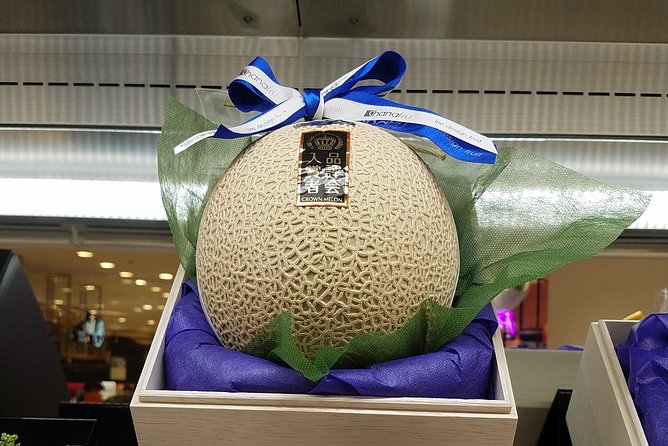
Pulala Tenma is a local wet market, and it’s the kind of place that helps you understand what makes Osaka food tick. Expect a strong focus on ingredients: seafood, meats, vegetables, and the people who actually handle them.
You’re there for about 30 minutes. This is where a good guide earns their keep. The tour description emphasizes seeing how the ingredients come together, and the reviews echo that the best guides explain the history and culture behind the foods, not just point at products.
If you want to learn how to buy, not just snack, this is the stop that will stick with you. You’ll come away with a clearer sense of what to look for when you’re in another market later on your own.
A few more Osaka days to weigh up
- Osaka Backstreet Nightlife & Street Food Walking Tour
★ 5.0 · 1,011 reviews - Hungry Osaka Street Food Tour: 15 Dishes & 3 Drinks
★ 4.9 · 694 reviews - Kuromon Market Food Walking Tour in Osaka (6 stops, 6 tastes)
★ 5.0 · 550 reviews - Absolute Osaka Food Tour
★ 5.0 · 309 reviews
Tenjinbashi-suji: The Long Covered Arcade That Teaches You Osaka Rhythm
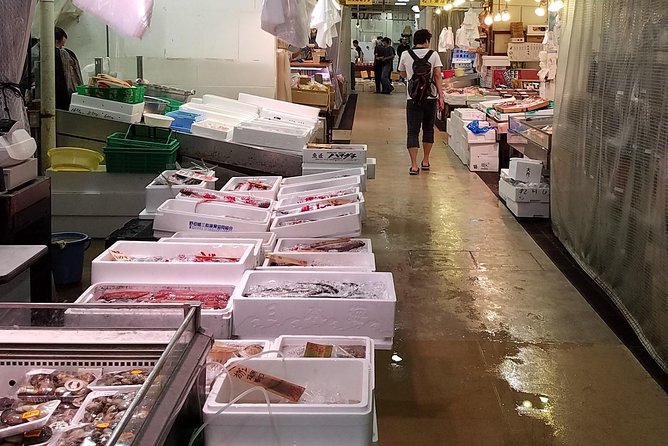
Tenjinbashi-suji Shopping Street is described as the longest arcade in Japan, and it’s a real change of pace after wet market browsing. You get about 40 minutes here, learning the history and the modern role of the arcade.
This is also where you get a peek at an Osaka-style supermarket. That detail matters because supermarkets are where local routines live. If you want to buy ingredients for something quick, make your own picnic, or simply understand what locals grab on a normal day, this part helps.
Take your time with side shops and snack counters. Even if you don’t buy much, this section helps you understand the layout and shopping habits.
Tsuruhashi Ichiba and Korea Town: Food Plus a Second Cultural Lens
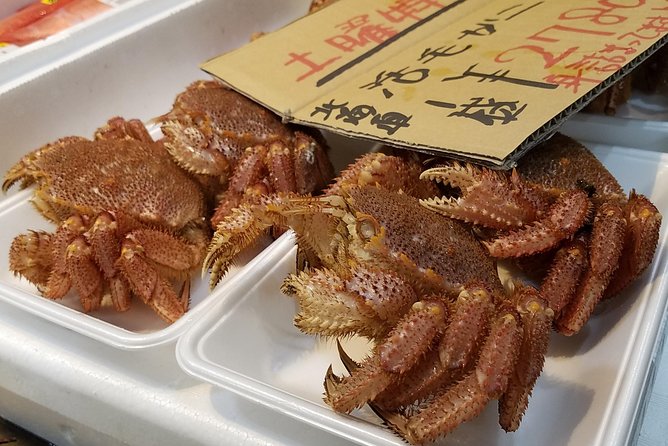
Next comes Osaka Tsuruhashi Ichiba, and the tour frames it as Korea Town. It’s not only food. You can also browse clothing and other goods, which is exactly what makes this area feel different from pure “market hunting.”
You’ll spend about 30 minutes here. The tour description highlights that you’ll have chances to buy tasty snacks, and the reality is that this stop is where a lot of people start making impulsive purchases, in a good way.
The best guides on this kind of route also help you navigate mixed-language areas. Several guides named in reviews, including Ferdinand and Kevin, are praised for translating and tailoring recommendations to what people are actually excited to try.
Kuromon Ichiba Market: Famous for a Reason, Priced Like It
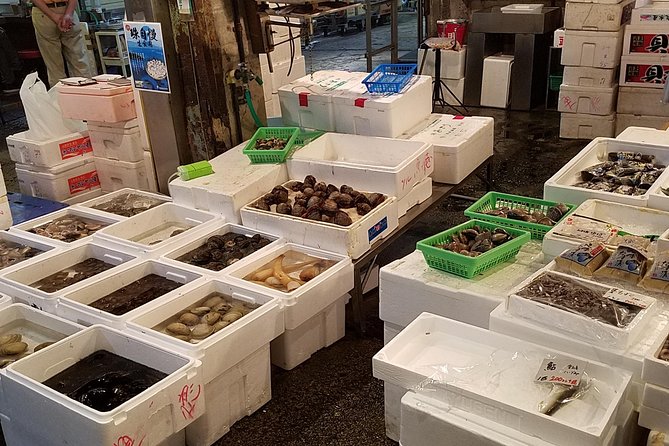
Kuromon Market is the one you’ve likely heard about, and it shows up for about 25 minutes. The tour calls it the open market darling of the visitor scene, and that’s accurate.
The upside is the visuals and selection. The downside is price. One of the clarifications you should take seriously is that prices here can be higher, even if quality is strong.
Here’s my practical advice: treat Kuromon like your “greatest hits” stop. Try one or two standout items, then don’t feel obligated to overbuy. If you’re shopping on a budget, you might get better value in the more local-feeling stops on this route.
Doguyasuji and Sennichimae: Buy Kitchen Gear, Not Just Snacks
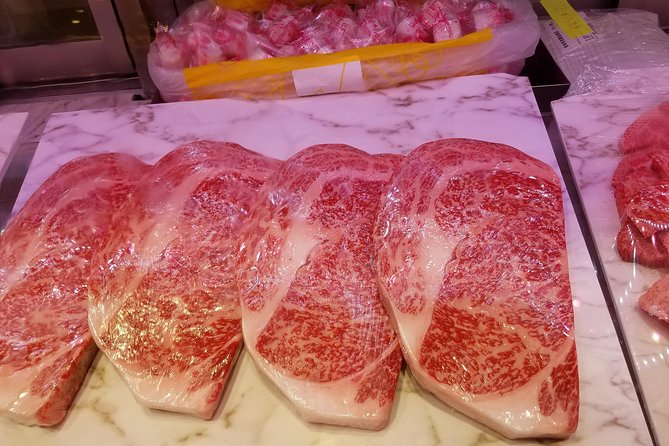
After food, you’ll turn toward kitchenware at Doguyasuji, with about 25 minutes here. This is one of Osaka’s smartest shopping streets because the products are genuinely useful.
The tour highlights Japanese cooking knives, wax sushi models, ceramics, and serving dishes. There are also tea cups and lacquer chopsticks. Even if you only want a small souvenir, these are items you’ll actually use back home.
One review specifically praised this kind of tour for covering everything from discount finds to more extravagant options, which matters because Doguyasuji has plenty of both.
Minami (Namba) and Dotonbori Finish: Sightseeing Time With Your Bearings
If you have time after the scheduled market stops, the tour explores Minami, including the Namba and Dotonbori area. This segment is about 20 minutes, and it’s a natural way to end.
Why this works: you start the tour learning how to shop, and you end it seeing the iconic Osaka streetscape. By the time you’re near Ebisu Bridge, you’re no longer lost in a maze of signs. You know how to orient, what neighborhoods feel like, and where to head next for dinner.
Guide Quality: Why People Rate This Tour So High
This is a private tour, so your guide can respond to your pace. Multiple guides are praised in the reviews, including Ferdinand, Kevin, Thomas, Alejandro, Lito, Damian, and Oshi. The common thread is not just facts, it’s energy and the ability to explain what you’re seeing in plain terms.
That matters in markets because you’re surrounded by food decisions. A strong guide can help you:
- understand what items are good at each stall
- choose based on your comfort level
- ask questions or translate what you want to buy
- connect ingredients and food styles to regional culture
If you care about ordering confidently later, this kind of coaching is the real value. The tour promises you’ll leave with the confidence to navigate Osaka markets and order dishes on your own, and the reviews support that outcome.
Price and Value: The Smart Way to Budget for This Tour
The tour costs $91 per person for about 4 hours. Pickup is offered, group discounts are listed, and you get a mobile ticket.
But you should plan your budget carefully because several items are not included:
- Transportation during the tour is not included, listed as 330 yen per adult (and also mentioned as roughly 400 yen for the entire tour).
- Samples, food items, refreshments, and souvenirs are not included.
- Snacks are the guest’s responsibility to purchase.
So what are you paying for? You’re paying for guided access to multiple market zones plus interpretation. That can be worth it, especially if you’re the type who wants a market experience but also wants to understand what you’re buying.
If your goal is an eat-every-stall tasting tour, this is where expectations can clash. One review points out that the tour felt expensive because no food or transportation was included in the ticket price. The key takeaway: come prepared to buy a snack or two yourself, and don’t assume every stop includes free bites.
Also note a helpful clarification: street eating is not a common everyday habit across Japan. You might see it in touristy areas, but the tour focus is more authentic market wandering than walk-and-graze.
What to Expect When You Want to Eat on This Tour
Because samples and snacks are on you, the best strategy is simple. Go in hungry, then use the guide to help you decide what to buy at each stop.
You can think of it like this:
- At depachika, you can browse, then pick something easy to share.
- At wet markets, choose based on what looks fresh and what the guide says is best value.
- At Kuromon, choose carefully because pricing can run higher.
- At Korea Town, you’ll probably find the snacks that make you stop mid-walk.
One review described a breakfast stop at a recommended Osaka eatery and a final drink at an air-conditioned restaurant. That suggests that some runs may include time for meals or drinks, but it’s not guaranteed as included.
Walking, Timing, and Who This Fits Best
This is a walking-heavy itinerary, with a moderate amount of walking mentioned. One review even called it stamina-requiring, which is exactly what you should plan for if you’re sensitive to heat.
It also fits best if you:
- want market context, not just restaurant names
- enjoy shopping streets as much as food stalls
- like having a guide help you translate choices
- want to learn how Osaka-style shopping works
It may be less ideal if you:
- expect a lot of included tastings at no extra cost
- want minimal walking
- are on a strict food budget and don’t want additional purchases
If you’re traveling as a family, the tour can work. The reviews note guides can tailor attention to kids’ interests, including kids wanting fun or specific foods like mochi.
Quick Tips So You Get the Most Out of Each Market Stop
Here are a few practical things I’d do on this kind of Osaka route.
Bring small cash and be ready to pay for snacks at multiple stops. You can easily spend more in a famous market like Kuromon than you planned.
Wear shoes that can handle a few blocks of walking. Even when “moderate” is the description, Osaka market streets and arcades add up.
Let the guide steer your first purchase. Once you learn what’s typical in each area, your second and third choices get easier.
If you see something you like at depachika, consider buying there first. Department store food halls are good for getting a safe win early, then exploring more adventurous options later.
FAQ
What locations does the tour visit?
You’ll visit several food and shopping areas in Osaka, including Takashimaya Osaka Store depachika, Pulala Tenma wet market, Tenjinbashi-suji Shopping Street, Osaka Tsuruhashi Ichiba (Korea Town), Kuromon Market, Sennichimae Doguyasuji Shopping Street, and an added look at Minami (Namba) and Dotonbori sights.
How long is the tour?
The duration is about 4 hours.
Is pickup included?
Pickup is offered, and the tour also lists a specific meeting point at McDonald’s in front of Temma Station.
Are food samples or tastings included?
Samples, food items, refreshments, and souvenirs are not included. Snacks are the responsibility of the guest to purchase.
Do I pay for transportation during the tour?
Yes. Transportation while on tour is not included, listed as 330 yen per adult, and there is also mention of roughly 400 yen for the entire tour.
Is this tour private?
Yes. It’s a private tour or activity, with only your group participating.
What language will the guide speak?
You’ll have a native (or close to) speaker of your chosen language.
How much walking is involved?
There is a moderate amount of walking, and you should keep that in mind, especially if traveling with young kids. The tour is described as requiring stamina for some participants.
Can children join this tour?
Children must be accompanied by an adult.
What is the cancellation policy?
You can cancel for a full refund up to 24 hours in advance of the experience start time.
Should You Book This Osaka Food Markets Tour?
Book it if you want an organized path through Osaka’s food shopping world and you’d rather learn how to choose items than just follow a list of must-eats. The private format and the guide support are the main reasons this tour scores so well, and the route gives you both local markets and shopping street context.
Skip it or adjust expectations if you’re hoping the ticket price covers lots of included tastings and snack-heavy stops. This is more about markets, ingredients, and confidence, with you buying what you want to eat along the way. If you budget for transit plus a few purchased bites, it can be a smart, memorable way to understand Osaka like a local shopper.
Newly listed around Osaka
- Hiroshima and Miyajima Private Tour with English Speaking Driver★ 3.5 · 9 reviews
- Kyoto Top Four Highlights Day Trip from Osaka or Kyoto★ 5.0 · 18 reviews
- Kyoto & Nara Private Day Tour★ 4.5 · 45 reviews
- 【Family Friendly】Traditional Mochi Pounding Experience★ 5.0 · 26 reviews
- From Osaka: 10-hour Private Customizable Tour to Kyoto★ 4.5 · 8 reviews
- Honor – Experience Samurai & traditional Culture to the fullest★ 5.0 · 32 reviews
- Osaka Highlights Walking Tour: Castle, Dotonbori & Hidden Gems★ 5.0 · 9 reviews
- Osaka Highlights: 4Hrs Guided Walking Tour with a Native Expert★ 5.0 · 12 reviews
Food Tours in Osaka, compared.
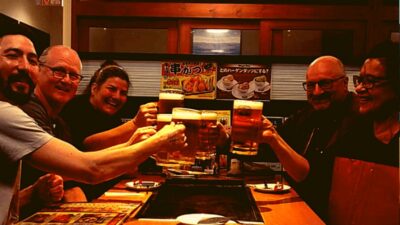
Shinsekai Food Tour with 13-15 Dishes at 5 Eateries
Read our review →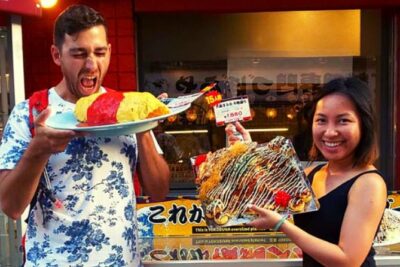
Osaka Food Tour: 13 Dishes at 5 Local Eateries
Read our review →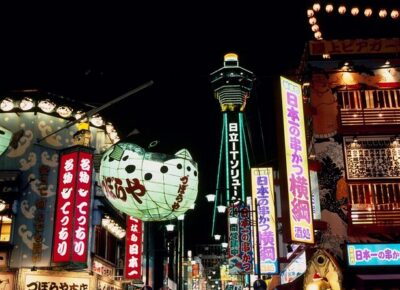
Hungry Osaka Street Food Tour:15 Tastings & 3 Drinks with a Local
Read our review →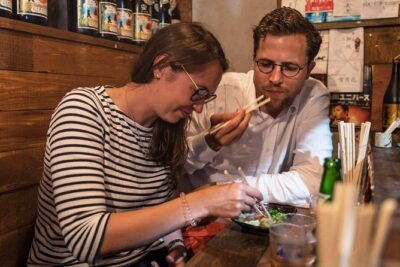
Osaka Backstreet Nightlife & Street Food Walking Tour
Read our review →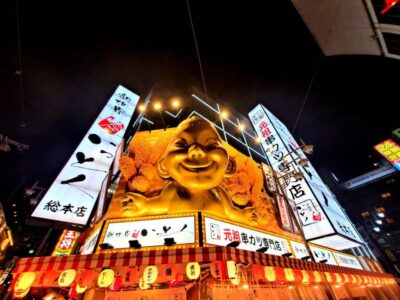
Hungry Osaka Street Food Tour: 15 Dishes & 3 Drinks
Read our review →
Kuromon Market Food Walking Tour in Osaka (6 stops, 6 tastes)
Read our review →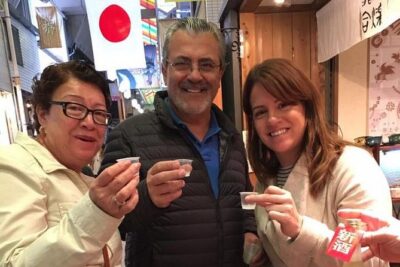
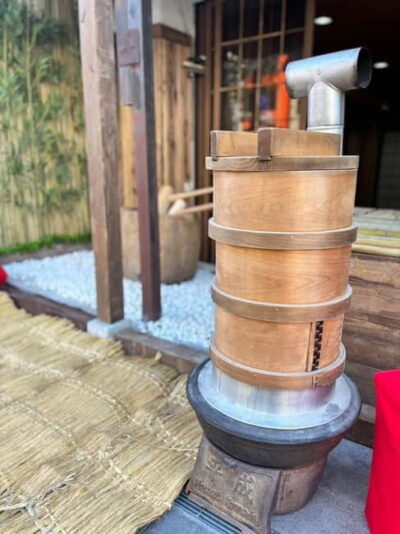
Traditional Mochi Pounding Experience with Tasting
Read our review →Browse the lists this tour appears in