
Review · LOCAL FOOD WALKS
Absolute Osaka Food Tour
Neon alley chow in Osaka, done right. This 3-hour Absolute Osaka Food Tour strings together four tastings, a drink, and dessert, starting in the famous Dōtonbori glow and ending in the Sennichimae area. You also slip into quieter lanes for a temple-side stop that feels worlds away from the main strip.
I like that the tour is built around four food stops, not random wandering, so you leave having actually eaten the local “musts.” I also like the English-speaking foodie guide, and the way they connect what you’re tasting to the Osaka street-food culture you’re standing in.
One consideration: the tour is not recommended for gluten-free travelers, so if that’s your situation, you’ll want to plan another option.
In This Review
- Key things to know before you go
- What to expect from a 5 pm Osaka street-food walk
- Dotonbori Glico Sign and the story behind Osaka’s most famous mascot
- From neon crowds to Hozenji Yokocho’s quieter temple alley
- Sennichimae lanes and Kuromon Market, where the food takes over
- The tastings: takoyaki, kushikatsu, plus a drink and dessert
- Guide power: how the stories actually change what you taste
- Price and value, and who this works best for
- Should you book Absolute Osaka Food Tour?
- FAQ
- What time does the tour start?
- How long is the Absolute Osaka Food Tour?
- What’s included in the price?
- Where do we meet and where does it end?
- Is this tour good for vegetarians or pescetarians?
- Is the tour gluten-free friendly?
- How many people are in a group?
- Is there an age limit for the drink?
- What happens if weather is bad?
Key things to know before you go
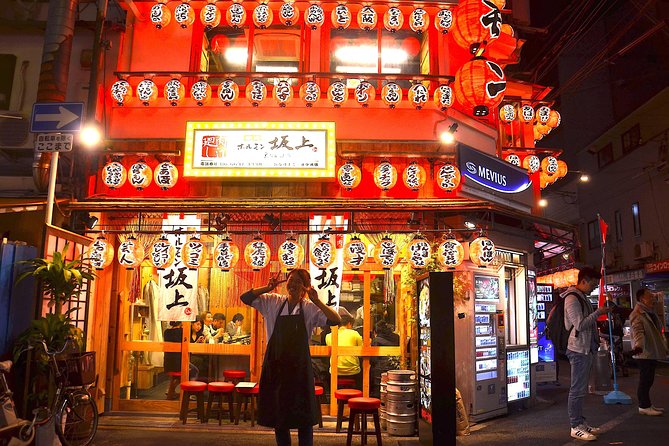
- Starts at 5:00 pm: timed for evening energy in Dōtonbori
- Max group size of 10: easier conversation, quicker ordering, less waiting
- Four tastings plus a drink and dessert: you are paying for a full food plan, not just a walk
- A quieter temple-alley stop: you get the street-food buzz, then a calm break
- Vegetarian and pescetarian friendly: options are handled at the restaurants
What to expect from a 5 pm Osaka street-food walk
This is an early evening food tour, starting at 5:00 pm and running about 3 hours. You’ll meet at the Dōtonbori area, then move through the Minami and central shopping neighborhoods on foot, finishing near Sennichimae. The route makes sense for first-timers, because Osaka’s food scene really hits its stride after work hours, when counters fill up and street scenes feel animated.
The tour uses a mobile ticket, and the group is kept small, with a maximum of 10 travelers. That small group size matters more than you might think, because street-food stops can involve quick decisions, sharing space at tiny counters, and ordering on the fly. You’ll also get a local English-speaking guide who keeps the pace social and the explanations clear.
If you are planning to eat a lot, you’ll still want room for it. The included plan includes 4 food stops, plus 1 drink and a traditional Japanese dessert. That is a lot of food for 3 hours, so I suggest you eat lightly earlier in the day.
More Food Tours in Osaka
- Osaka: Shinsekai Food Tour with 13-15 Dishes at 5 Eateries
★ 4.8 · 2,204 reviews - Osaka Food Tour: 13 Dishes at 5 Local Eateries
★ 5.0 · 2,149 reviews - Hungry Osaka Street Food Tour:15 Tastings & 3 Drinks with a Local
★ 5.0 · 1,727 reviews
Dotonbori Glico Sign and the story behind Osaka’s most famous mascot
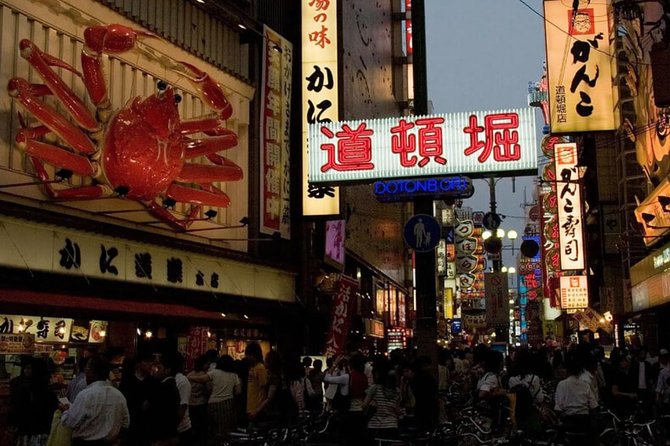
You begin right in the Dōtonbori orbit, near the Glico Sign. The big illuminated runner is more than a photo backdrop here. You learn about Glico Man and how a Filipino sprinter named Fortunato Catalon helped inspire both a company identity and a national story. It’s a very Osaka kind of detail, where everyday signage connects to branding, sports, and public imagination.
This first stretch is bright and loud. It’s also where the guide’s job starts to pay off. Dōtonbori can pull you into the easiest option, with loud storefronts and lines that form for tourists and quick marketing. The tour purposefully keeps you moving so you don’t get stuck in the busiest bottleneck while the clock is running.
After the Glico area, you continue through the Dōtonbori district for a short orientation. It’s a practical “get your bearings fast” moment, so you understand what you are seeing, and why the food scene feels like it does.
From neon crowds to Hozenji Yokocho’s quieter temple alley
After the main Dōtonbori energy, the tour shifts gears. You head toward Hozenji Yokocho, a narrow alley area linked to the Hozenji temple space. This is the stop that best matches the promise of a quieter “secret shrine” feel away from the densest crowds.
What I like about this transition is the rhythm. Street-food tours can turn into a nonstop food line. Here, you get a visual and mental reset. The alley space is different, calmer, and it helps your senses catch up. You can slow your pace, look around, and absorb the texture of old Osaka lanes rather than only the neon strip.
This part of the tour is also where you usually get the most cultural context. Instead of only tasting, you’re learning why certain places and traditions persist in Osaka, even as the streets modernize. It’s the moment where the tour stops feeling like a snack checklist and starts feeling like a real walk through local life.
Sennichimae lanes and Kuromon Market, where the food takes over
As you move from the Hozenji side into the wider market and shopping areas, you’ll spend time around Sennichimae Doguyasuji Shotengai and Kuromon Market. These are the kinds of places where food is not an add-on. It’s the reason people come, browse, and stand around long enough to smell what’s being cooked right now.
This is a strong stop-zone for several reasons. First, it’s where you see how Osaka eats, not just where you can buy a single souvenir snack. Second, the guide helps you navigate what to choose, especially when your brain is overloaded by choices on stick-on menus and counter signs.
The tour also includes a Misono Building stop. That name alone signals a place built for food and daily traffic. In a tour like this, a landmark like that matters because it breaks up the walking flow. You get a clear sense of progress, then the next tasting comes right on schedule.
One small drawback with this kind of itinerary is that it can feel crowded inside market-style areas. You won’t be alone, and at peak meal times the walking and ordering can feel tight. The small group helps, and the guide’s timing reduces how long you are stuck waiting, but you should still expect some squeeze.
More Food Walks in Osaka
- Osaka Backstreet Nightlife & Street Food Walking Tour
★ 5.0 · 1,011 reviews - Osaka Local Foodie Walking Tour in Dotonbori and Shinsekai
★ 5.0 · 985 reviews - Hungry Osaka Street Food Tour: 15 Dishes & 3 Drinks
★ 4.9 · 694 reviews - Osaka After Dark: Small-Group Night Food Tour (Max 6)
★ 4.5 · 245 reviews
The tastings: takoyaki, kushikatsu, plus a drink and dessert
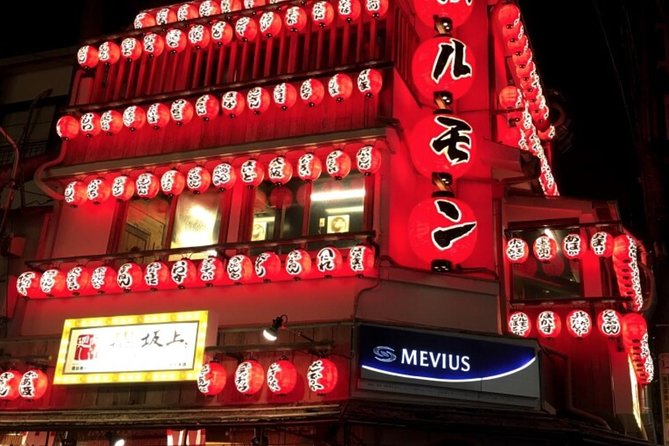
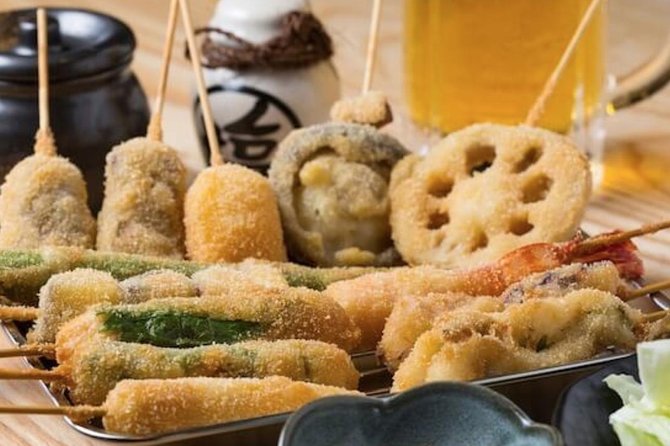
The headliner street foods you should expect include classics like takoyaki and kushikatsu skewers. You’ll taste at four food stops, and each stop is set up for sampling the local style rather than sending you off with a single item and a wish.
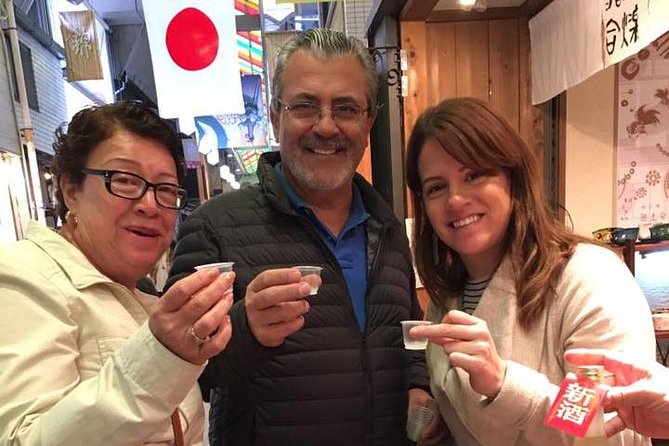
The included drink is part of the value here, because it changes how the meal feels. Even if you choose a non-alcohol option, it’s built in. One practical note: the tour lists a minimum drinking age of 21, so if alcohol is your plan, bring the right ID.
Then you finish with a traditional Japanese dessert. This is a smart final element for a street-food tour. Savory-heavy meals can blur together, and dessert gives you a clean ending point and a chance to try something sweet that feels like Osaka’s everyday rhythm, not a fancy finale.
Dietary notes matter for this tour. It’s listed as vegetarian and pescetarian friendly, and guides are good at finding options during the tastings. Still, if you have strict dietary needs beyond that, you should treat this as a “confirm with the guide” situation during booking, because the tour does not recommend it for gluten-free travelers.
Guide power: how the stories actually change what you taste
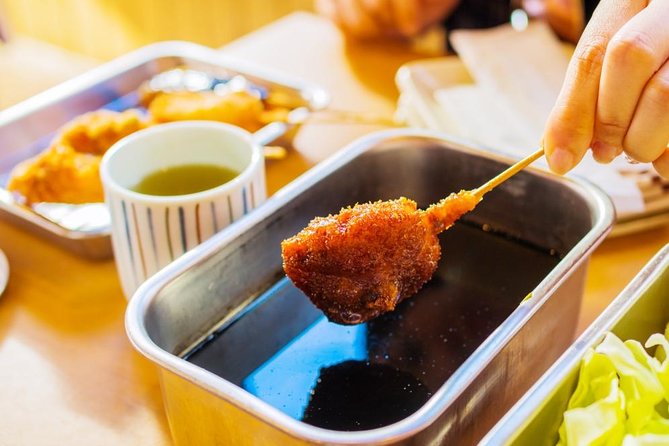
The biggest reason this tour earns such high praise is not just the food. It’s how the guide connects the food to Osaka street tradition and local details. People often single out guides such as Asli, Melissa, and Marie for keeping the walk fun and factual, and for making the tastings feel coordinated rather than chaotic.
You’ll hear insider stories, including the kind of cultural background that turns a sign or an alley into something memorable. The Glico Sign start is one example, where you learn how a sprinter like Fortunato Catalon ties into the Osaka imagination. Another is the shift into the Hozenji Yokocho side, where the tour points you toward a calmer, more traditional feeling spot.
Practically, you benefit too. A good guide helps you avoid the “wrong first choice” problem that happens when you’re hungry and the street is loud. Instead of spending time scanning every storefront, you follow the plan and get tastings at places that match the local vibe. The guide also helps with pacing, so you don’t end up full on one stop and then scrambling for the rest.
And if you are traveling solo, this kind of guided structure can feel extra comforting. You get a conversation thread built in, and the group size stays small enough that it doesn’t feel like you’re being herded.
Price and value, and who this works best for

At $231 per person, this is not a budget snack crawl. You pay for a guided plan that includes multiple restaurant tastings, a drink, and dessert, plus the work of coordinating choices in small spaces. In other words, you’re paying to buy time and reduce decision stress while still eating well.
The value is strongest if you want:
- A concentrated 3-hour plan instead of hours of searching
- A guide who can point you toward local favorites rather than leaving you to guess
- A structured route through multiple areas like Dōtonbori, Hozenji Yokocho, Sennichimae, and Kuromon-style stops
This tour also works well for couples and friends, especially if one person loves food but doesn’t want to spend the evening doing “where should we go” homework. It’s family-friendly too, with children needing an adult. If you’re traveling with kids aged 10 and above, you may need a passport information copy per the tour rules.
If you are gluten-free, I’d treat that as the biggest deciding factor. The tour is not recommended in that case, so the value will likely feel wrong if you can’t safely eat the tastings.
Should you book Absolute Osaka Food Tour?
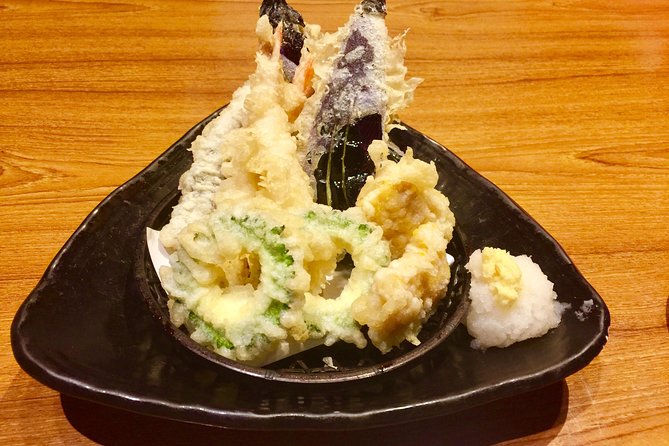
I’d book it if you want a well-timed evening food plan in one of Osaka’s most recognizable neighborhoods, and you like the idea of moving between multiple areas without planning every stop yourself. The included four tastings plus drink and dessert make it feel like you’re getting a full meal experience, not just random samples.
Skip it or look for another option if gluten-free eating is part of your needs, because this tour is explicitly not recommended for that. Also keep in mind that the tour needs good weather, since it’s an outdoors walking experience.
If you’re an average-intensity walker and you want your Osaka food intro to be guided, this is a strong pick. You get iconic street energy at Dōtonbori, a quieter temple-alley mood at Hozenji Yokocho, and market-area eating around Kuromon and Sennichimae, all wrapped into a compact 3-hour evening.
FAQ
What time does the tour start?
The tour starts at 5:00 pm.
How long is the Absolute Osaka Food Tour?
It lasts about 3 hours.
What’s included in the price?
You get 4 food stops, 1 drink included, a traditional Japanese dessert, and a local English-speaking guide.
Where do we meet and where does it end?
You start in the Dōtonbori area at Osaka, Chuo Ward, Dōtonbori 1-chōme8-19 浪速道頓堀ビル, and the tour ends in the Sennichimae area.
Is this tour good for vegetarians or pescetarians?
Yes, it is listed as vegetarian and pescetarian friendly.
Is the tour gluten-free friendly?
It is not recommended for gluten-free travelers.
How many people are in a group?
The tour has a maximum of 10 travelers.
Is there an age limit for the drink?
The minimum drinking age is 21.
What happens if weather is bad?
The tour requires good weather. If it’s canceled due to poor weather, you’ll be offered a different date or a full refund.
More Food & Drink in Osaka
- Kuromon Market Food Walking Tour in Osaka (6 stops, 6 tastes)
★ 5.0 · 550 reviews - Osaka: Traditional Mochi Pounding Experience with Tasting
★ 4.9 · 306 reviews - Osaka: Kuromon Market Food Walking Tour (6 stops, 6 tastes)
★ 4.6 · 272 reviews - Osaka Sake Tasting with Takoyaki Cooking
★ 5.0 · 156 reviews
Newly listed around Osaka
- (Ticket Included) Explore Osaka Castle & Museum of History★ 4.8 · 21 reviews
- Hidden Osaka – Yukaku Red Light Tour & Culinary Adventure★ 4.8 · 96 reviews
- Osaka: Walking Tour and Top Highlights★ 4.8 · 104 reviews
- Same Day OK! Osaka: Local Food, Izakaya & Local Bites Tour!★ 4.8 · 17 reviews
- Osaka: Private Ceramic Painting Workshop★ 5.0 · 13 reviews
- Eat Like a Local in Osaka – Private Custom Street Food Tour★ 4.3 · 33 reviews
- Pickleball in Osaka & Kyoto with Locals!★ 4.6 · 64 reviews
- Osaka:SUMO BEATS SHOWCASE: Taiko Drum and Wagyu burger!★ 4.2 · 37 reviews
Local Food Walks, compared.
Shinjuku Food Tour (13 Dishes at 4 Local Eateries)
Read our review →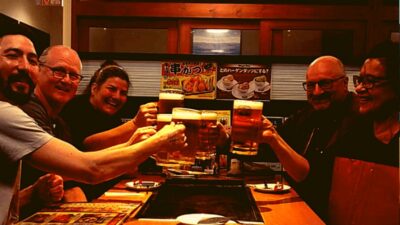
Shinsekai Food Tour with 13-15 Dishes at 5 Eateries
Read our review →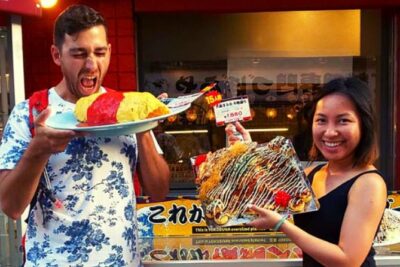
Osaka Food Tour: 13 Dishes at 5 Local Eateries
Read our review →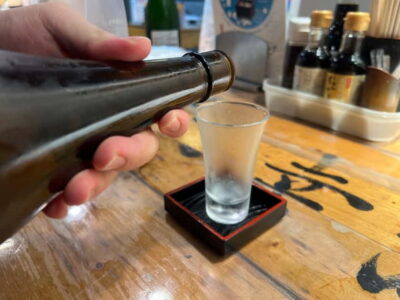
Shinjuku Food Tour (15 Dishes and 4 Eateries)
Read our review →
Kyoto Night Foodie Tour in Gion (9+ dishes + 6 Sake tastings)
Read our review →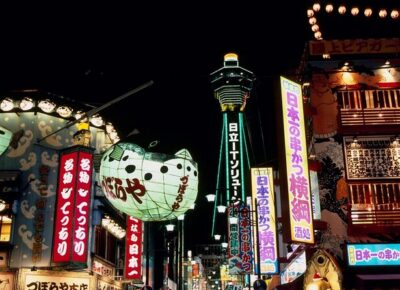
Hungry Osaka Street Food Tour:15 Tastings & 3 Drinks with a Local
Read our review →
Tokyo Night Foodie Tour in Shinjuku – Seasonal Sushi, Wagyu Beef
Read our review →
Browse the lists this tour appears in